Kyoto Bus and Subway Pass: 10 Essential Tips for 2026
The old Kyoto bus-only pass is gone. See what replaced it, whether the Subway & Bus 1-Day Pass pays off, and IC card and luggage tips.
On this page
Navigating the historic streets of Kyoto in 2026 requires a clear understanding of the local transit rules. Several years ago the city overhauled its ticketing system to better manage the high volume of daily visitors, and those rules are still in force today.
Travelers can no longer rely on the old bus-only pass that was popular for decades — sales of it stopped at the end of September 2023 and it was fully retired by the end of March 2024. This change encourages everyone to use the efficient subway system alongside the traditional green buses.
Planning your journey with a modern Getting Around Kyoto Subway Bus Transport Guide 2026 ensures you save both time and money. This guide covers everything you need to know about the latest passes, IC card options, luggage policies, and which ticket actually saves you money.
The Retired Bus-Only Pass: What Changed
The famous 700-yen bus-only pass — first introduced back in 1995 — has been retired from the city transit lineup. Sales ended on 30 September 2023 and the pass stopped being accepted on buses at the end of March 2024, so by 2026 it has been gone for two full years. Local authorities made this decision to reduce the extreme overcrowding seen on popular bus routes, where buses were constantly filled with tourists and residents found it difficult to commute.
Visitors arriving in 2026 should budget for the slightly more expensive unified ticket options instead. While the old pass was cheap, it often led to long queues at busy bus stops. The current system aims to distribute passengers more evenly across the city's transport network by steering riders onto the subway as well as the buses.
You should check the Official Kyoto City Bus/Subway Ticket Page for the latest status on all paper tickets. Understanding these changes before you arrive will prevent confusion at the ticket machines. Most travelers now find the combined options provide a much smoother experience.
The Unified Subway & Bus One-Day Pass
The Subway & Bus One-Day Pass is now the primary choice for exploring the city's most famous Kyoto: Top 10 Highlights. This pass costs 1,100 yen for adults and 550 yen for children, covering unlimited rides on both the city subway and most bus lines for one full calendar day. It allows you to combine subway speed with bus reach to visit temples spread across different parts of the city.
The Subway & Bus One-Day Pass pays for itself after just five trips at 230 yen per ride. A typical sightseeing day with temple-hopping easily reaches eight to ten rides, making the 1,100-yen pass a smart investment for most day visitors.
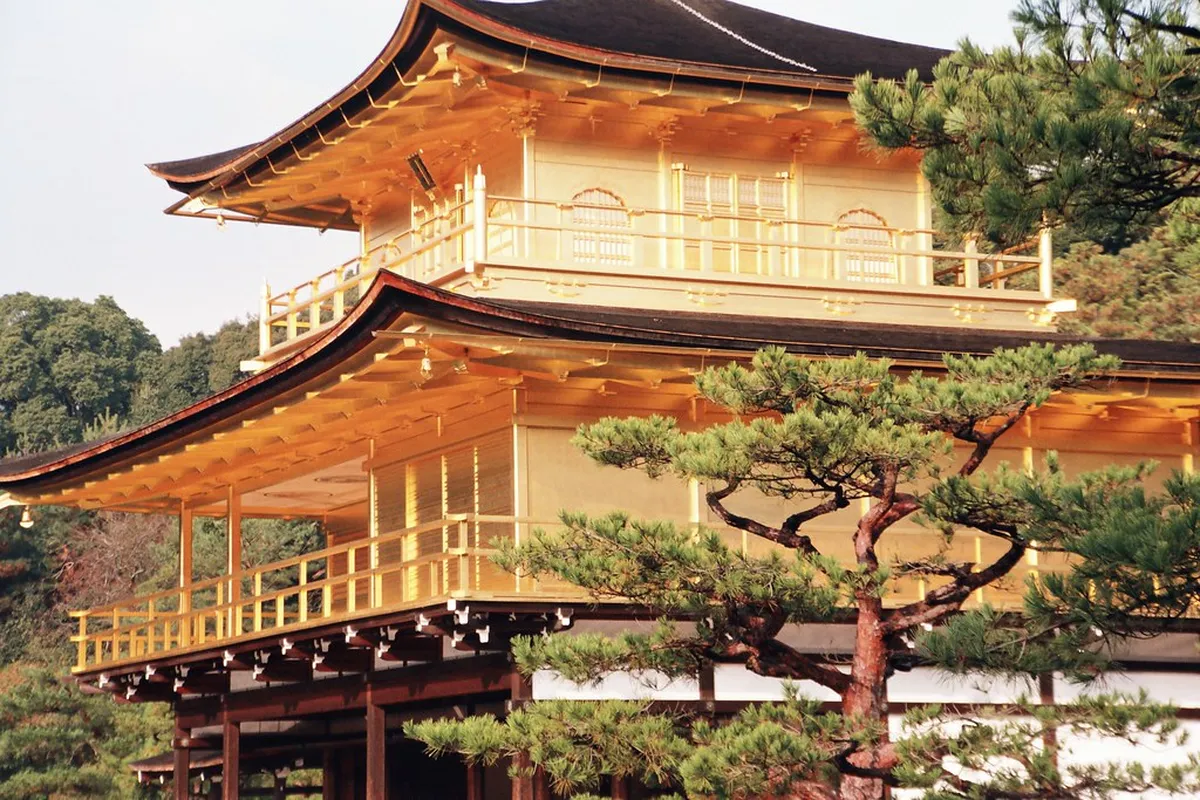
Using this pass helps you reach distant temples like Kinkaku-ji by combining subway speeds with bus access. You can take the subway to a nearby station and then hop on a short bus ride. This strategy often saves thirty minutes compared to taking a bus the entire way from Kyoto Station.
The pass is valid for one full calendar day rather than a twenty-four-hour rolling period, so activate it early in the morning. It covers the Kyoto City Bus, the Kyoto Bus, and Keihan Bus within specific zones. A two-day version is also available for 2,000 yen (adult), and a three-day version costs 2,600 yen — both worthwhile if you plan to stay more than one full sightseeing day in the city.
| Pass Type | Adult Price (¥) | Child Price (¥) | Coverage |
|---|---|---|---|
| One-Day Pass | 1,100 | 550 | Unlimited subway & bus rides |
| Two-Day Pass | 2,000 | 900 | Unlimited subway & bus rides |
| Three-Day Pass | 2,600 | 1,300 | Unlimited subway & bus rides |
| Subway-Only One-Day Pass | 800 | 400 | Unlimited subway rides only |
| IC Card (ICOCA) | 2,000 (500 deposit) | — | Pay-per-tap, no discount |
Pass vs. Pay-Per-Ride: The Break-Even Calculation
The standard single adult fare on Kyoto City Bus is 230 yen per ride. At that rate, you need exactly five bus or subway trips in a day before the 1,100-yen Subway & Bus One-Day Pass starts saving you money. A typical sightseeing day — say, Kyoto Station to Kinkaku-ji, across to Ryoan-ji, back to Gion, then out to Fushimi Inari — easily hits eight to ten rides.
On a normal tourist itinerary, the pass pays for itself before noon. During cherry blossom season or Autumn foliage peak (late October to mid-November), buses on route 205 and route 101 run at full capacity by 09:00. If you are making three or more temple stops, buy the pass without hesitation. If you only plan to visit one or two sites on a slow afternoon, single-fare IC card taps will cost less.
The subway-only pass at 800 yen breaks even at four subway trips. This is relevant if your hotel is near a subway station and all your planned sites are within walking distance of Karasuma or Tozai line stops. Run the numbers for your specific itinerary before committing — the pass is not automatically the cheapest option for every visitor.
Using an IC Card (Suica or ICOCA) in Kyoto
An IC card is the most flexible way to pay for transit in Kyoto if a day pass does not make sense for your schedule. ICOCA is the local Kansai IC card issued by JR West, available from JR ticket machines at Kyoto Station for 2,000 yen (500 yen deposit, 1,500 yen loaded balance). Suica cards issued in Tokyo work equally well on all Kyoto City Bus and subway lines.
Tap your IC card on the reader when boarding the bus at the front or rear door, then tap again when exiting — the correct fare deducts automatically. You never have to worry about having exact change or reading the fare chart. IC cards also work on JR lines within the city, the Kintetsu line to Nara, and most convenience store purchases.
One important limitation: IC cards do not give you a discounted fare. You pay full price per tap, so they work best on short visits or days when you are only making two or three trips. Top up at any green JR machine, 7-Eleven ATM, or Kyoto Station's automated fare adjustment machines. If you arrive from Tokyo with a Suica already loaded, there is no need to buy an ICOCA separately.
The Subway-Only Pass for Rapid City Transit
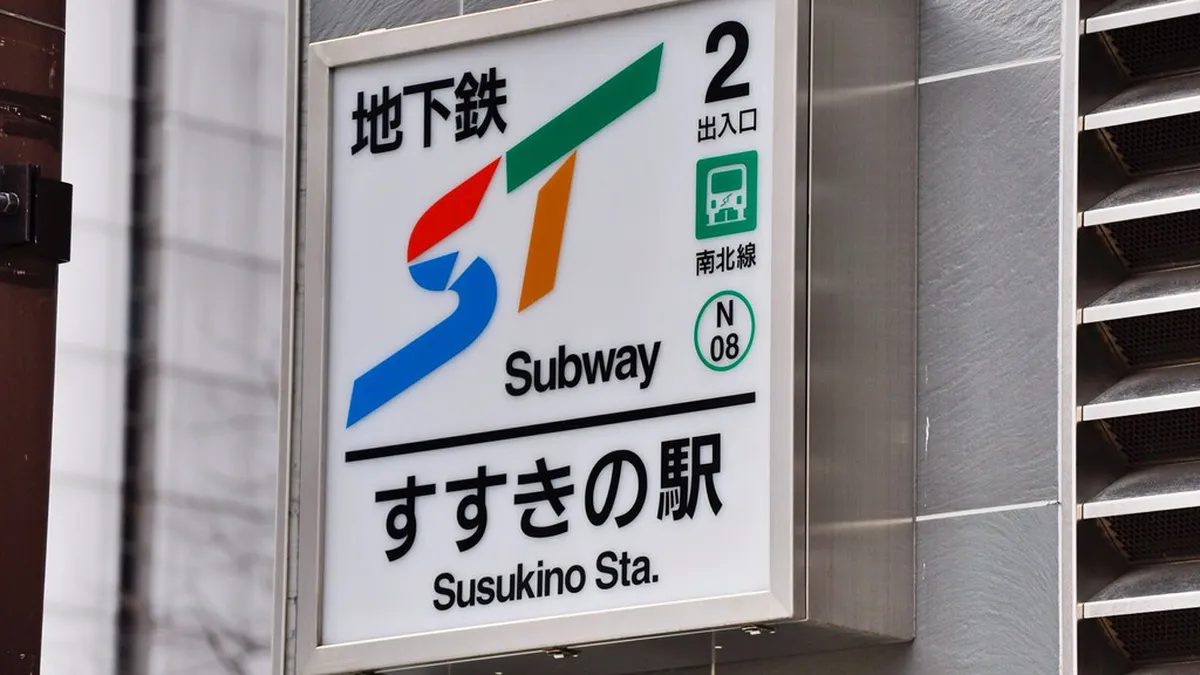
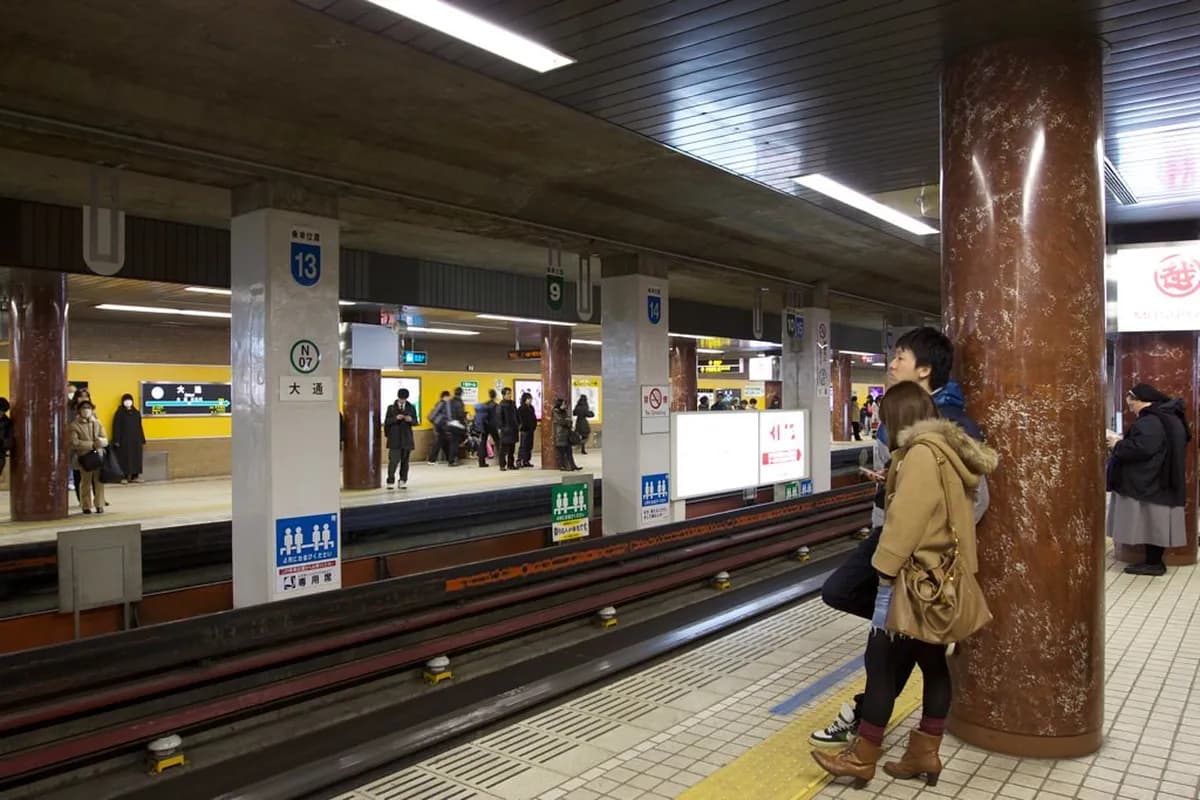
If your hotel is near a subway station, the Subway One-Day Pass might be your best option. This ticket costs 800 yen and provides unlimited travel on the Karasuma and Tozai lines. It is an excellent choice for visiting central areas like the Kyoto Imperial Palace or Nijo Castle.
Subway trains run much more frequently than buses and are never delayed by city traffic. Many of the 25 Best Things To Do in Kyoto are within walking distance of major subway exits. You can avoid the heat and rain by traveling underground between the main districts.
This pass is particularly useful for reaching the Gion district from the Tozai line's Gion-Shijo Station. While it does not cover buses, the speed of the trains makes it very efficient for central sightseeing. It is a budget-friendly way to see the city center without consulting complex bus maps.
Key Bus Routes to Major Temples and Shrines
Knowing which bus number to board saves significant time at Kyoto Station. Route 205 is the main loop that circles the city and stops near Kinkaku-ji (Kinkakuji-mae), Nishioji Oike, and Kitaoji Bus Terminal — it runs every 5 to 10 minutes during the day. Route 100 is the tourist-oriented "Raku" line running between Kyoto Station and the Higashiyama area, stopping at Sanjusangendo, Kiyomizu-dera (Kiyomizumichi stop), and Heian Shrine.
Route 101 connects Kyoto Station directly to Kinkaku-ji and Kitano Tenmangu, making it one of the most heavily used lines in peak season. If you are heading to Arashiyama, take Route 28 or Route 11 from Kyoto Station, or use the JR Sagano Line (covered by JR Pass holders). Route 17 runs north from the station along Higashioji-dori to Ginkaku-ji (Silver Pavilion), passing through the Okazaki museum district.
All Tourist Liner (100-series) buses run only during daylight hours and cost the standard 230 yen single fare. Standard city buses (200-series) also serve major sites but take longer routes. The bus number is displayed on the front of the bus in large LED digits — never board a bus based only on the destination text, as multiple routes share the same stop.
The Kansai Thru Pass for Regional Exploration
The KANSAI THRU PASS remains a powerful tool for travelers planning a Nara Day Trip from Kyoto: The Ultimate 1-Day Itinerary or visiting Osaka, Nara, Kobe, and Himeji. This regional ticket covers almost all non-JR trains and buses across the entire Kansai area. It is available in two-day (4,400 yen) or three-day (5,500 yen) versions for international tourists.
One major benefit of this pass is that the usage days do not have to be consecutive. You can use it on Monday, explore Kyoto on foot Tuesday, and activate it again on Wednesday. This flexibility makes it ideal for varied itineraries that include several different cities.
Check the Kansai Thru Pass Official Site to see the full list of participating rail companies. It covers the private lines — including Kintetsu, Hankyu, Keihan, and Nankai — that the standard JR Pass does not include. This pass is a great value for those staying in the region for several days and hopping between cities frequently.
Specialty Sightseeing Buses: Skyhop and K'Loop
Private sightseeing buses like the Skyhop offer a more comfortable way to see the city's landmarks. These open-top buses follow a set loop that stops at major tourist destinations every thirty minutes. They are generally less crowded than the standard city buses used by local residents and commuters.
The K'Loop bus is another excellent alternative for those who want a guaranteed seat while traveling. These services often include multi-lingual audio guides that explain the history of the temples you pass. They provide a more relaxed pace for families or those who prefer not to navigate subway maps and route numbers.
You purchase separate tickets for these private buses — they are not covered by the standard city passes or IC cards. They are best suited to first-time visitors who want an overview of the city's geography before committing to independent transit. Consider booking a morning hop-on-hop-off session and then switching to the city pass for afternoon independent exploration.
Digital vs. On-Site Purchase Methods
Buying your transit passes can be done at the Kyoto Station Bus Information Center, located on the B1F level at the bus terminal entrance. Long queues often form at the physical ticket windows during the peak cherry blossom season (late March to mid-April). You can save time by using the automated vending machines located near the subway gates at Kyoto Station, Karasuma Oike, and other major stops.
Digital versions of the Subway & Bus One-Day Pass are now available through the official Kyoto City Transport Bureau app and through third-party platforms. These mobile tickets allow you to skip the physical kiosks entirely and head straight to the gates. You show the digital screen to the bus driver or scan it at the subway turnstile — both methods are accepted on all covered lines.
Many travelers prefer the convenience of having their tickets stored directly on their mobile devices. This prevents the risk of losing a small paper card during a busy day of sightseeing. For OTA purchases through Klook or similar platforms, the voucher must be exchanged for a physical card at the Global Information Center inside Kyoto Station — bring your passport and the digital QR code.
Hands-Free Luggage Logistics in Kyoto
A practical consideration when relying on city buses is that large suitcases are awkward and discouraged on crowded routes, and oversized bags can hold up boarding. You should plan to leave your heavy bags at your hotel or use a luggage-storage or delivery service before heading to the bus stops, so you can ride hands-free.
Large suitcases are discouraged on crowded Kyoto city buses and can hold up boarding for other passengers. Use a luggage delivery service or coin locker at Kyoto Station before boarding the bus to ensure a smooth sightseeing day.
Hands-free sightseeing services and luggage counters operate in and around Kyoto Station, and several can deliver your bags directly to your Where To Stay In Kyoto: 9 Best Areas and Booking Tips choice for a fee that varies by bag size and distance. This lets you start sightseeing immediately after arriving on the Shinkansen, without carrying heavy items through the crowds. Check each provider's current rates on the day, as prices change seasonally.
Coin lockers are available at most major stations, but the smaller lockers at Kyoto Station tend to fill up by mid-morning on busy days. Using a delivery or storage counter is more reliable than searching for an empty locker at peak times. Yamato Transport (takkyubin) also offers hotel-to-hotel forwarding if you are moving cities — arrange it the night before at any convenience store.
Crowd-Avoidance Routes for Major Temples
To avoid the most crowded buses, try combining subway and walking rather than riding all the way from Kyoto Station. For Kiyomizu-dera, take the Karasuma-Tozai subway transfer to Higashiyama Station and walk 20 minutes north through the Ninenzaka and Sannenzaka stone-paved lanes. This approach also puts you inside the historic quarter itself, rather than arriving at a bus stop.
Visiting Kinkaku-ji can also be easier if you avoid the direct Route 101 bus from Kyoto Station in the morning. Take the Karasuma Subway Line to Kitaoji Station and catch a local bus from the terminal — you avoid the bottleneck that clogs the main roads northbound after 09:00. Arriving at Kinkaku-ji before 08:30 means you will have the pavilion relatively to yourself regardless of which route you take.
Planning your Kyoto Itinerary: See Kyoto Perfectly with these alternative routes will make your trip much more enjoyable. You will spend less time standing in lines and more time exploring the beautiful gardens. The Kyoto City Bus Travel Map (PDF) shows the color-coded lines and major transfer points — keep a digital copy on your phone to pivot quickly if a bus looks too full.
Navigation Apps to Simplify Kyoto Transit
Using the right technology transforms your experience navigating the kyoto bus pass and subway pass guide 2026 options in real time. The Japan Travel by NAVITIME app is specifically designed for tourists and features a filter that shows only routes covered by your specific transit pass. It also displays real-time bus crowding levels — a feature that Google Maps does not offer for Kyoto routes.
NAVITIME provides live updates on bus delays and subway schedules across the entire city. You can see exactly how many minutes you will wait at each stop before you leave your hotel. It also suggests walking shortcuts that are sometimes faster than waiting for the next crowded bus.
Google Maps is a reliable fallback for general routing, but it does not always highlight pass-eligible routes clearly or show bus crowding. Combining both apps gives you the best chance of navigating the city efficiently. Always ensure your phone is fully charged and carry a portable battery — a full day of temple-hopping with maps and translation apps can drain most smartphones by late afternoon.
See also our getting around Kyoto guide and Kansai Airport to Kyoto transfer guide.
Frequently Asked Questions
Is the Kyoto Bus One-Day Pass still available in 2026?
No. The bus-only one-day pass was withdrawn back in 2023–2024 (sales ended 30 September 2023 and it stopped being accepted in March 2024), so it has not been available for years. In 2026 you use the unified Subway and Bus One-Day Pass instead, which costs 1,100 yen and provides much better access to the city. It helps reduce congestion by encouraging visitors to use the subway lines as well as buses.
Can I take large suitcases on Kyoto city buses?
Large suitcases are awkward and discouraged on crowded Kyoto city buses, and oversized bags can hold up boarding. It is far easier to use a luggage-storage counter or a hands-free delivery service near Kyoto Station to send your bags to your hotel. This keeps the buses moving and lets you sightsee unencumbered. Small backpacks are fine on board.
Where is the best place to buy a Kyoto subway and bus pass?
The best place to buy a pass is at the Kyoto Station Bus Information Center. You can also find automated vending machines at every subway station in the city. For more convenience, consider buying a digital pass through an official app to skip the physical queues entirely.
Is the JR Pass useful for traveling within Kyoto city?
The JR Pass has limited use within the city center as it only covers JR train lines. It does not work on the city subway or the green Kyoto City Buses. Most visitors find a local subway and bus pass more useful for reaching major temples and shrines.
How do I get from Kyoto Station to Kinkaku-ji without a bus?
You can take the Karasuma Subway Line from Kyoto Station to Kitaoji Station. From there, you can take a short taxi ride or a local bus to the Golden Pavilion. This route is often much faster than taking a direct bus from the main station during peak hours.
Mastering the Kyoto transit system in 2026 is straightforward once you understand the new pass options and know the break-even math. The shift toward unified tickets and subway usage makes exploring the city more efficient for everyone.
Remember to plan for luggage delivery, load an IC card as a backup, and use navigation apps to find the fastest routes to the temples. These steps will help you avoid the biggest crowds and save valuable time across a full sightseeing day.
By choosing the right pass for your specific itinerary — and knowing exactly which bus numbers reach your target temples — you can focus on the beauty of the city rather than the logistics of travel. Enjoy your journey through this incredible historic destination with total confidence.
Free: The Kyoto Essentials guide
Top things to do, where to stay, a perfect day plan, getting around, and the best time to go — a Kyoto mini-guide you can take offline.
You might also like


Continue reading
More guides you'll find useful