Sapporo Subway Guide: 10 Tips for Navigating the City
Master the Sapporo subway with our guide to the Namboku, Tozai, and Toho lines. Includes route maps, ticket prices, and weekend discount pass tips.
On this page
Sapporo's Municipal Subway is the fastest and most reliable way to move around the city in 2026. Three color-coded lines reach nearly every major attraction, and trains run every three to ten minutes throughout the day. Knowing the Getting Around Sapporo: 10 Essential Transport Tips basics before you arrive saves time and removes the guesswork from every journey.
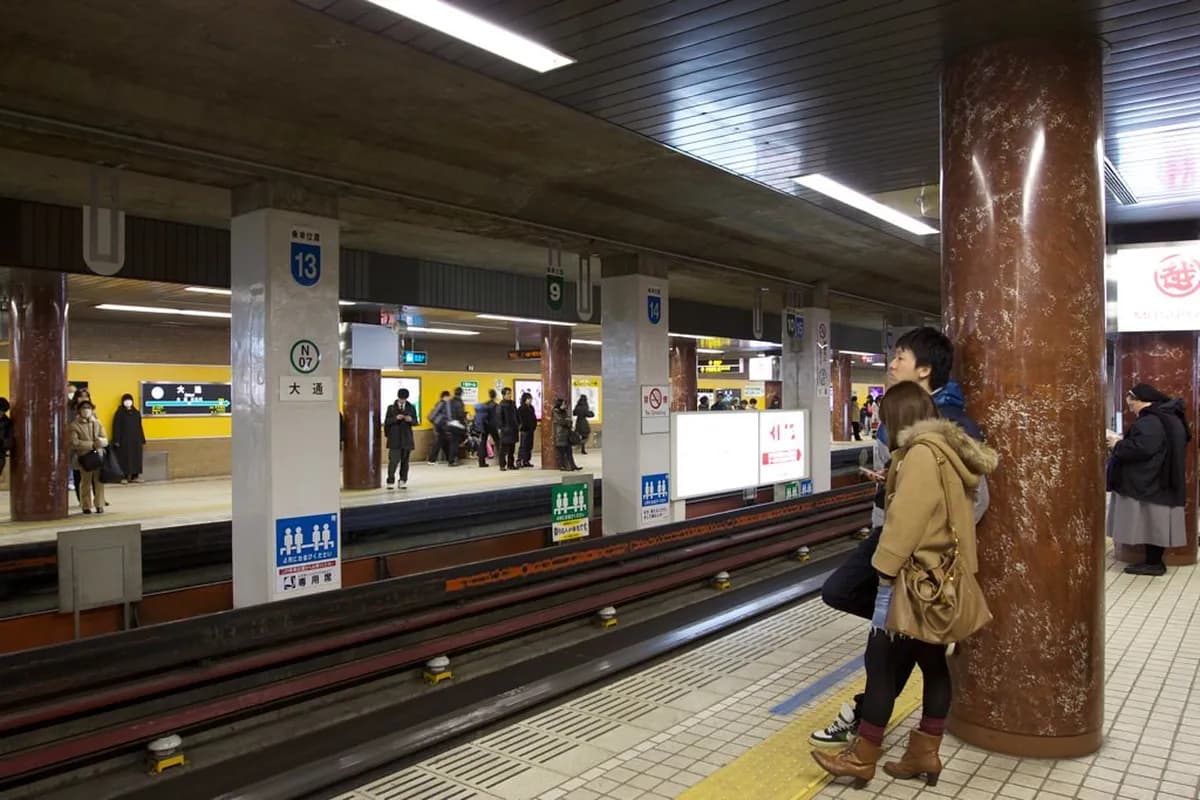
The system is entirely rubber-tired, which keeps the ride quieter than a typical metro. All three lines meet at Odori Station in the center of the city, making transfers simple. Signage at every station appears in Japanese, English, Chinese, and Korean.
The Three Lines: Namboku, Tozai, and Toho
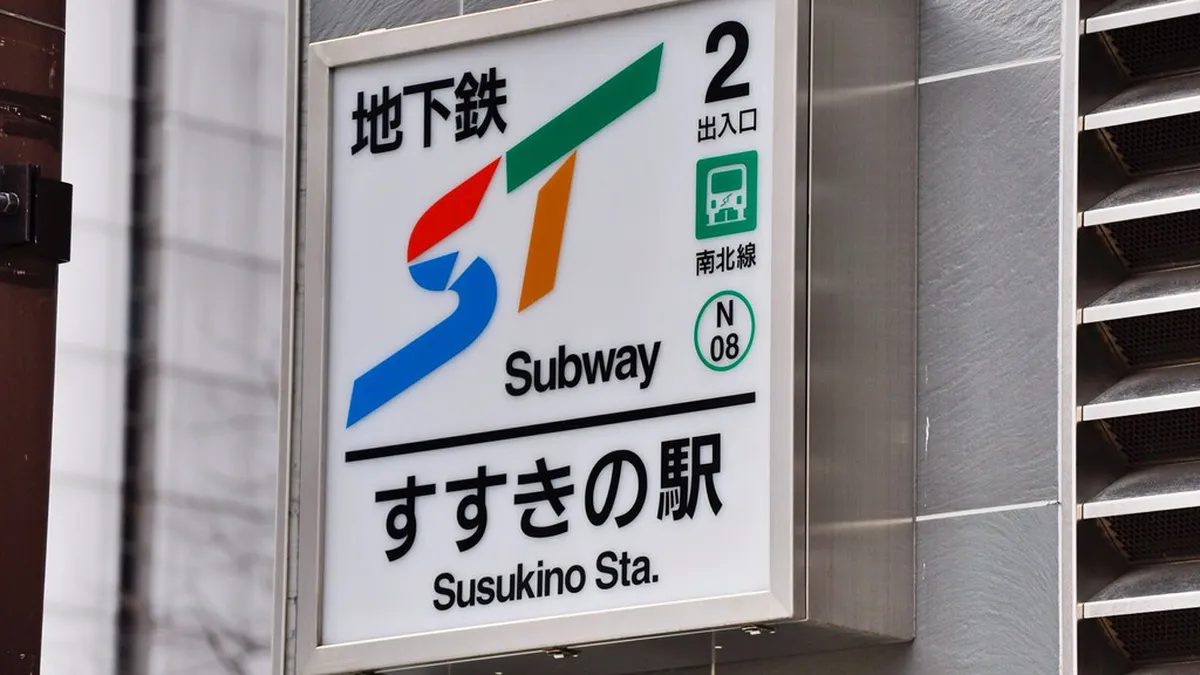
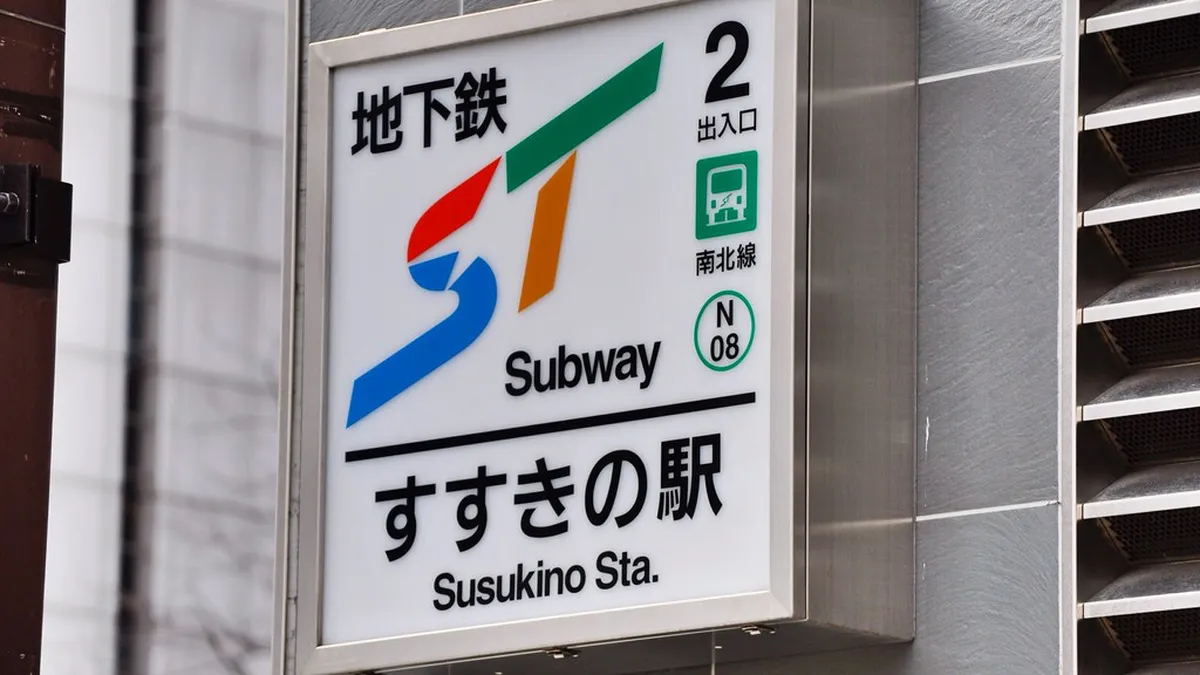
The Namboku Line (green) runs north to south between Asabu Station and Makomanai Station. It is the oldest line and carries the heaviest commuter traffic. Key stops include Kita-12-jo for Hokkaido University, Sapporo for the main JR interchange, Odori for the city center, Susukino for the entertainment district, and Nakajima-koen for the park and historic Hoheikan guesthouse.
The Tozai Line (orange) crosses the city east to west from Miyanosawa to Shin-Sapporo. It is the longest line and serves both tourist sites and residential neighborhoods. Useful stops include Maruyama-koen for the zoo and Hokkaido Shrine, Nishi-18-chome for the Hokkaido Museum of Modern Art, Bus Center-mae for the Chitosetsuru Sake Museum, and Shin-Sapporo for the science center and Historical Village of Hokkaido bus access.
The Toho Line (blue) runs roughly parallel to the Namboku Line on the city's eastern side, from Sakaemachi in the north to Fukuzumi in the south. It is the only line that connects all three sites of the annual Sapporo Snow Festival: Odori Park, Susukino, and the Tsudome dome at Sakaemachi. Other useful stops include Higashi-kuyakusho-mae for the Sapporo Beer Museum and Fukuzumi for Sapporo Dome.
Transfers Between Lines and Other Networks
All three subway lines converge at Odori Station, so you can change between any combination of lines with a single transfer. The Namboku and Toho lines share Sapporo Station as an additional interchange at the northern end of the city center. If you need to travel between Susukino (Namboku) and Hosui-Susukino (Toho), a five-minute surface walk connects the two stations, detailed in Sapporo transit guides.
For JR rail connections, the subway Sapporo Station links directly to JR Sapporo Station via an underground passage. This passage gives you access to the Hakodate Main Line, Chitose Line (for New Chitose Airport), and Gakuen-toshi Line. You can also transfer to the Chitose Line at Shin-Sapporo Station on the Tozai Line — useful if you are staying in the eastern suburbs and heading to the airport.
The Sapporo Streetcar loop runs through the southwestern downtown area and connects with the subway at several points. Streetcar stops are accessible from Susukino, Nakajima-koen, and Horohira-bashi on the Namboku Line, from Nishi-18-chome and Nishi-11-chome on the Tozai Line, and from Hosui-Susukino on the Toho Line. There is also a streetcar stop near Odori Station itself. Bus terminals sit at Sapporo Station and near Bus Center-mae on the Tozai Line, covering both city buses and highway bus services.
Buying Tickets and Fare Calculation
Fares are distance-based. Adult tickets cost between 210 and 380 yen; children aged 6–11 pay roughly half that, between 110 and 190 yen. A fare chart above every ticket machine lists all destinations in Japanese and English so you can confirm the exact amount before you tap the screen.
Ticket machines use touchscreens with a full English menu — tap the language button at the bottom of the home screen. Insert coins or notes, select your fare, and the machine prints a small magnetic ticket and returns change. Keep the ticket in your hand until you exit; the gate reads it on the way out and retains it if the fare is correct.
If you under-paid because you guessed the wrong zone, use the fare adjustment machines installed just inside the exit gates. Insert your ticket, the machine calculates the shortfall, and you pay the difference before the gate releases. This is common for first-time visitors and takes under a minute.
IC Cards: SAPICA, Kitaca, Suica, and More
SAPICA is the local IC card issued by Sapporo Municipal Transportation. Each journey earns points worth 10% of the fare, which are automatically applied to future rides once enough accumulate. SAPICA also grants an automatic transfer discount when you continue your trip on a connecting bus or streetcar within a set time window — a benefit that Suica and Pasmo do not offer on the local network. The card costs 2,000 yen (500 yen deposit, 1,500 yen initial balance) and can be purchased and topped up at any subway station ticket machine.
The main limitation of SAPICA is geography: it only works within the Sapporo area. If you are visiting multiple Japanese cities on the same trip, a national IC card is more practical. Suica, Pasmo, ICOCA, manaca, TOICA, nimoca, SUGOCA, Hayakaken, and Kitaca all work on every Sapporo subway line. Kitaca, issued by JR Hokkaido, is available at JR ticket offices and functions across the SAPICA area as well, though it does not earn SAPICA-style points.
For a short trip to Sapporo only, SAPICA makes sense: the 10% cashback adds up over three to four days of heavy sightseeing, and the deposit is refunded when you return the card at a station window before you leave. For a multi-city itinerary that starts or ends in Tokyo, load extra balance onto your Suica and use it throughout — you lose the point bonus but carry one less card.
Weekend and One-Day Travel Pass Deals
The One-Day Ticket costs 830 yen for adults (420 yen for children) and allows unlimited subway rides for a calendar day. You need roughly four to five rides in a day for the pass to break even against single fares. It is the right choice on days when you plan to hop between multiple neighborhoods — for example, a morning at Maruyama Zoo, an afternoon at the Beer Museum, and an evening in Susukino.
The Donchika Ticket is available on Saturdays, Sundays, national holidays, and from 29 December through 3 January. It costs 520 yen for adults and 260 yen for children — about 37% cheaper than the weekday equivalent. This is the best-value pass for weekend sightseeing, and it covers the same unlimited subway network. Both passes are sold at every station ticket machine and do not require registration.
Neither pass includes the streetcar, which runs on a separate fare of 200 yen per ride with its own 500-yen day pass. If your itinerary mixes subway and streetcar, buy the respective passes separately. The passes are non-refundable once purchased, so plan your day roughly before committing.
Subway Timetables and First/Last Train Times
All three lines operate between approximately 06:00 and 24:00 daily. First trains depart terminal stations around 06:00; last trains depart their starting terminals shortly after midnight. Travel time between any two adjacent stations is two to three minutes. During peak commuter hours (roughly 07:30–09:00 and 17:30–19:00), headways drop to three to four minutes; off-peak they stretch to seven to ten minutes.
Susukino is Sapporo's main bar and restaurant district, and the last trains from there tend to fill up quickly on Friday and Saturday nights. If you are eating late in Susukino, note the last Namboku Line departure from Susukino Station rather than the last departure from Odori — they differ by a few minutes. Electronic platform signs count down to the next two arrivals in real time.
If you are heading to New Chitose Airport, plan your subway trip carefully. The subway connects to JR Sapporo Station by underground passage, and the Airport Express (Rapid Airport) runs from there to the airport in roughly 37 minutes. Knowing the 6 Best Ways: Susukino Station to New Chitose Airport connection helps you budget enough time, especially for early morning or late evening flights.
Navigating Underground Walkways and Station Exits
The Chika-ho is a covered underground walkway connecting Sapporo Station and Odori Station. Walking this corridor avoids a subway fare for the short one-stop distance between the two hubs, and in winter it keeps you out of the cold entirely. The walkway is lined with seating areas, cafes, and small shops. The underground Aurora Town and Pole Town passages extend south from Odori toward Susukino and contain hundreds of stores.
Large stations like Odori have up to twenty numbered exits. Each exit leads to a different block of the above-ground city. Yellow directional signs inside the station list nearby landmarks with the exit number. Checking the exit number before you leave the platform saves a ten-minute detour on the surface. Odori has separate exit clusters for the Tozai, Namboku, and Toho platforms, so orient yourself to your destination before you pass through the gates.
Central accommodation is well served by the Namboku Line. Many visitors choose to stay within walking distance of Sapporo Station or Odori Station for the best access to all three lines. See our guide to 8 Best Areas Where to Stay in Sapporo for neighborhood recommendations by budget and transit convenience. The underground network is especially valuable during Sapporo winter guide, when street-level temperatures regularly fall below −10 °C.
Practical Tips for First-Time Riders
The network map on the official Sapporo City Transportation website is available in English and shows all three lines, stations, and interchange points. Download it or screenshot it before you leave your hotel — mobile data in station concourses can be patchy. Google Maps gives accurate real-time routing for the Sapporo subway and correctly reflects the current fare structure.
Station names are announced on board in Japanese and English. Each car has a digital display showing the current station and the next stop. If you are unsure whether to exit, stay on and get off at the following stop — the network is compact enough that backtracking one station costs only a few minutes and around 210 yen at most.
Avoid eating or making phone calls on the trains; both are considered inconsiderate by local norms. Quiet mode for phones is the default expectation. Priority seats near the doors are designated for elderly passengers, pregnant women, and those with disabilities — give them up without hesitation. The overall etiquette on the Sapporo subway mirrors that of every other Japanese urban rail system. Most top things to do in Sapporo are within a short walk of a station, so you will spend more time at your destination than on the train.
Plan the rest of your trip with our Sapporo attractions hub.
Frequently Asked Questions
Can I use my Tokyo Suica card on the Sapporo subway?
Yes, you can use Suica, Pasmo, and other major Japanese IC cards on all three Sapporo subway lines. Simply tap your card at the ticket gates as you would in Tokyo. Note that you cannot earn local SAPICA points with these cards.
Is there a subway pass for the Sapporo Snow Festival?
There is no specific festival pass, but the Donchika weekend ticket is perfect for the event. Since the festival spans multiple subway stops, unlimited travel saves significant money. You can buy these at any station machine during the festival dates.
How do I find the Snow Miku streetcar from the subway?
To find the themed streetcar, take the subway to either Susukino or Odori stations. Transfer to the streetcar (tram) line located at street level. The Snow Miku tram runs on a specific seasonal schedule available at the tram stops.
Does the Sapporo subway run 24 hours a day?
No, the subway does not operate 24 hours a day in Sapporo. Most lines start around 6:00 AM and end shortly after midnight. Always check the last train time for your specific station to avoid getting stranded late at night.
Sapporo's three-line subway is one of the easiest metro systems in Japan to learn. The color-coded lines, English signage, and touchscreen ticket machines remove almost every barrier for first-time visitors. Pick up a SAPICA card for the 10% point-back if you are staying in Sapporo for more than a couple of days, or use your existing Suica if you are passing through on a wider Hokkaido trip. With a Donchika pass on weekends and the underground walkways in winter, you can cover the whole city without ever feeling rushed or cold.
Free: The Sapporo Essentials guide
Top things to do, where to stay, a perfect day plan, getting around, and the best time to go — a Sapporo mini-guide you can take offline.
You might also like

Continue reading
More guides you'll find useful