Getting Around Sapporo: 10 Essential Transport Tips
Master Sapporo's transport with our guide to the subway, streetcars, and buses. Includes airport transfer tips, IC card advice, and winter navigation hacks.
On this page
Sapporo features a grid-like layout that makes navigating the city center straightforward for first-time international visitors. The city runs a subway, a single-loop streetcar, an extensive bus network, and a direct airport rail link — all integrated under one IC card system. Understanding these systems is the first step toward a stress-free trip to Hokkaido's capital in 2026.
Most travelers find getting around Sapporo significantly easier than navigating Tokyo or Osaka. You can rely on public transit to reach everything from the Susukino nightlife district to the Mount Moiwa ropeway. This guide covers every transport mode — fares, hours, passes, and practical winter tips — so you can move through the city efficiently.
The Sapporo Subway: Three Lines, One Central Hub
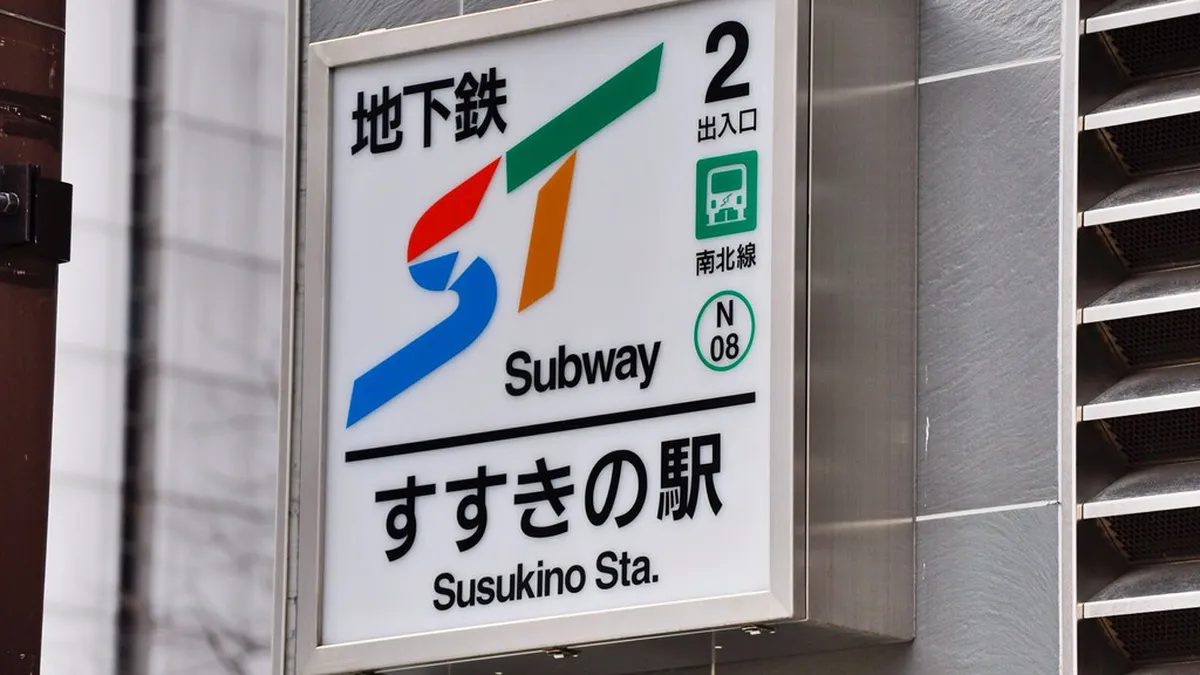
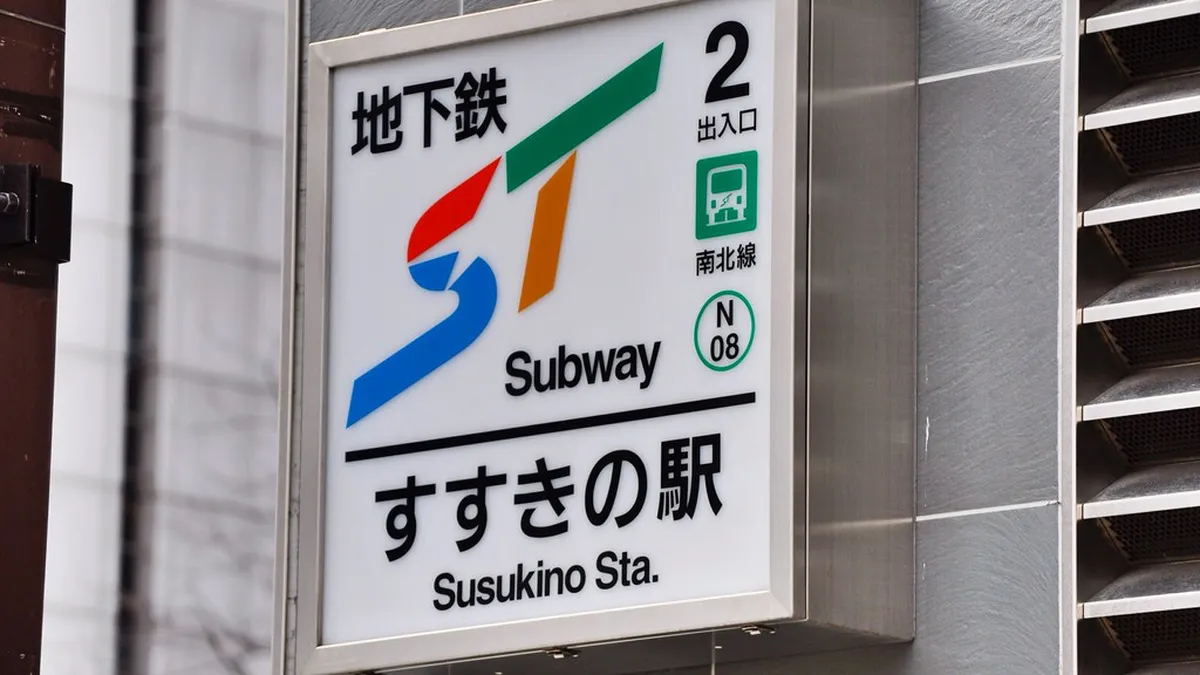
The Sapporo Municipal Subway operates three lines that all intersect at Odori Station, the city's transit nerve center. The green Namboku Line runs north to south, linking Sapporo Station at the north end to Makomanai in the south, with Susukino in between. The orange Tozai Line travels east to west across 23 stations, serving Maruyama-koen and the Shin-Sapporo terminus in the east. The blue Toho Line runs a second north-south corridor from Sakaemachi in the north down to Fukuzumi in the south, with stops near the Sapporo City Transportation Bureau oversight of the Sapporo Beer Museum and the city's stadium district.
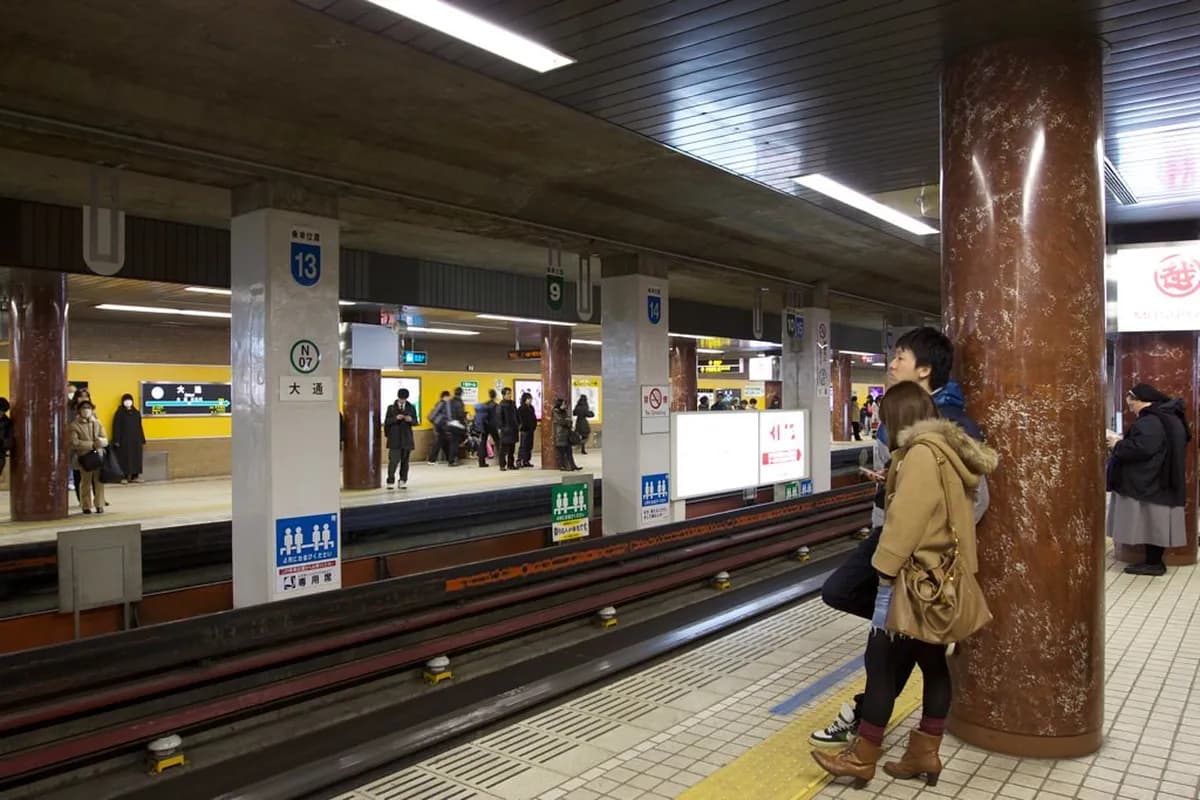
Trains run from approximately 06:00 to midnight, with a frequency of 5 to 8 minutes during peak hours. The last train departs around 23:40 to 00:10 depending on the line and direction — check the posted timetable at the platform gates rather than relying on memory if you are out late. Fares start at 210 yen for short hops and reach 380 yen for the longest cross-city journeys. Fare maps are displayed above every ticket machine in English and Japanese, and all gates accept IC cards for tap-in/tap-out payment.
The subway is by far the most reliable transport mode during Sapporo winters because every metre of track is underground. Snow, ice, and sub-zero temperatures that disrupt buses and taxis simply do not affect the subway. Planning your sightseeing around the three lines will cover the vast majority of top things to do in Sapporo without needing any surface transit at all.
SAPICA Card and IC Cards: What to Buy and Why It Matters
The SAPICA is Sapporo's own contactless IC card and the smartest option for any visitor spending more than a couple of days in the city. It works on the subway, the Sapporo City Tram (streetcar), and the municipal and Jotetsu bus networks. The key advantage over nationwide cards is a 10% point-back reward on every fare paid — those points accumulate automatically and can be used for future rides. You buy SAPICA at any subway station ticket machine with a 500 yen deposit (refunded when you return the card), plus however much you wish to load. Minimum load is 1,000 yen.
Suica, Pasmo, Icoca, and other nationwide IC cards are accepted on the Sapporo subway, trams, and most buses, so you do not need to buy a second card if you already have one. The trade-off is that nationwide cards earn no local points. If you are arriving in Sapporo directly (common for Hokkaido-only trips), pick up a SAPICA at New Chitose Airport's subway counter or at JR Sapporo Station and use it from day one.
Cash payment is still possible at every station vending machine and on buses, but it slows boarding and costs the same as a tapped fare. The practical rule: load at least 2,000 yen onto your IC card before leaving the airport or station, and top up whenever the balance drops below 500 yen to avoid gate errors.
Day Passes: When They Save Money (and When They Don't)
The Donichika Ticket is the best-value pass for weekend visitors. It costs 520 yen for unlimited rides on all three subway lines all day Saturday, Sunday, or any public holiday. A typical tourist day on the subway — say, Sapporo Station to Odori, then Maruyama-koen for the zoo, then Susukino for dinner — already crosses the break-even point in three taps. Buy it at any subway vending machine on the day of travel; it is not available in advance.
On weekdays, a one-day subway pass costs 830 yen for adults and covers unlimited rides on all three lines from first boarding until midnight. The Donichika price makes it a better deal than the weekday pass if the savings exceed a few hundred yen, so check your itinerary the night before. Neither day pass covers the streetcar or city buses — those require a separate tap or cash payment.
If you are combining subway rides with the streetcar on the same day, the Tram and Subway One-Day Pass costs 1,000 yen on weekdays and 830 yen on weekends. It bundles unlimited rides on all three subway lines and the entire streetcar loop. This pass makes most sense on days when you plan to visit Mount Moiwa or explore the southwest neighborhoods served only by the tram.
The Sapporo Streetcar: One Loop, Flat Fare, Southwest Coverage
The Sapporo City Tram runs a single loop of roughly 8.9 kilometres through the southwestern residential and commercial districts the subway does not reach. The line begins near Susukino on the Namboku Line and swings west and south before returning via Odori. The loop was completed in 2015 when the final western segment opened, closing what was previously a dead-end route. Key stops include Nishi 4-chome (walking distance to Odori Park), Chuo-kuyakusho-mae for the city hall area, and Ropeway-iri-guchi as the closest stop to the Mount Moiwa ropeway base station.
The fare is a flat 210 yen per ride regardless of distance. Board through the middle doors and exit at the front, paying the driver in cash or tapping your IC card on the reader beside the driver. If you intend to ride the tram more than once in a day, the combined Tram and Subway pass described above is cheaper than paying 210 yen each time. The tram runs from around 07:00 to 23:00 with trains every 10 to 12 minutes.
The fleet mixes modern low-floor cars (the Po1100 series, fully wheelchair accessible) with older high-step vehicles. Low-floor cars are marked on arrival boards at each stop. Photographers and rail enthusiasts often ride the loop in both directions specifically to experience both generations of rolling stock side by side.
City Buses: Filling the Gaps Beyond Rail
Two major operators run the surface bus network. Hokkaido Chuo Bus (known locally as Chuo Bus) dominates routes to the eastern and northern suburbs, while Jotetsu Bus covers the southern reaches including routes toward Makomanai and Jozankei Onsen. Both companies use the same IC card readers, so SAPICA and Suica tap seamlessly on either network. Bus terminals sit directly above or adjacent to the main subway stations — the main hub at Sapporo Station (Nishi 2 exit) handles the greatest concentration of regional routes.
For visitors, the most practically useful bus routes are those reaching Hokkaido Historical Village (Kaitaku-no-Mura) in eastern Nopporo, which requires a Chuo Bus ride from Shin-Sapporo Station. Route 新22 takes about 17 minutes from Shin-Sapporo and costs around 210 yen. Bus boarding in Sapporo follows a rear-door-in, front-door-out pattern on most routes; take a numbered paper ticket on entry if the display shows a zone-fare system, then match your ticket number to the fare shown at the front.
A dedicated tourist loop, the Sapporo Walk (sometimes labelled the Sightseeing Loop Bus), operates seasonally and calls at the Sapporo Beer Museum, Odori Park, and the TV Tower. Schedules and exact fares change year to year, so verify the current timetable via Sapporo transit information resources before relying on it for tight schedules.
New Chitose Airport to Sapporo: Train vs. Bus
The JR Rapid Airport train is the standard choice for most arrivals. It departs New Chitose Airport Station (basement level of the domestic terminal) every 15 minutes and reaches JR Sapporo Station in 37 minutes. The fare is 1,150 yen and you can pay by IC card. The same service continues to Otaru for travellers heading there directly from the airport. The train runs from roughly 06:30 to 23:00 from the airport side.
The Airport Limousine Bus serves hotels and districts the train cannot: Susukino, Odori, several large hotels in the central area, and even Sapporo Station. Journey time is 60 to 80 minutes depending on traffic and snow conditions, and fares are around 1,300 yen. Buses depart every 15 to 30 minutes from the arrivals-level bus bays. The limousine bus is the better choice if you have heavy bags and are staying in the Susukino or Nakajima Park area, where subway access from Sapporo Station requires an extra train leg. Check the Susukino to New Chitose Airport guide for stop-by-stop timing.
A taxi from New Chitose to central Sapporo costs roughly 10,000 to 13,000 yen and takes 50 to 70 minutes. It is only worth considering if you are arriving well after midnight when both train and bus service has ended, or if three or four people are splitting the fare. Standard metered taxis are available at the arrivals curb; no advance booking is necessary.
JR Hokkaido Trains: Day Trips and the Rail Pass
JR Sapporo Station is the hub for all regional rail traffic across Hokkaido. The 35-minute express to Otaru costs 750 yen and runs several times an hour. Asahikawa is about 1 hour 25 minutes by the Lilac or Kamui limited express (2,290 yen without a pass). Hakodate requires approximately 3 hours 30 minutes on the Super Hokuto limited express (9,990 yen). All IC cards work for local and rapid trains, but limited express services require a separate reserved or unreserved express ticket on top of the base fare.
The JR Hokkaido Rail Pass is worth buying if you plan two or more limited express journeys during your stay. A 3-day pass costs around 12,000 yen (adult) and covers unlimited rides on JR Hokkaido lines including all limited express services. It does not cover the Sapporo Municipal Subway or private buses, so keep your IC card loaded for intra-city movement. Purchase the pass at JR Travel Service Centers inside Sapporo Station or at New Chitose Airport before your first journey.
Sapporo's Underground City: Chi-Ka-Ho, Pole Town, and Aurora Town
Most guides mention the Chi-Ka-Ho walkway, but the full underground circuit is more useful than a single passage. Chi-Ka-Ho is the 1.9 km climate-controlled pedestrian boulevard running from JR Sapporo Station south to Odori Station. From Odori, two separate underground mall networks continue the journey further south: Pole Town descends from Odori Station all the way to the Susukino subway intersection (about 400 m), and Aurora Town branches east from Odori toward Odori Park's eastern end. Together, these three corridors let you walk an L-shaped underground route from Sapporo Station to Susukino without once surfacing — a distance of roughly 2.5 km, entirely indoors.
This matters most in winter. January and February bring temperatures below -10°C and wind chill that makes even short above-ground walks unpleasant with luggage or shopping bags. Locals use the underground circuit for daily commutes, not just tourist movement. Pole Town and Aurora Town are open for walking from around 10:00 to 21:00 on most days (slightly longer hours during the Snow Festival in early February), while Chi-Ka-Ho itself stays accessible whenever the subway is running.
In summer the underground network is simply a shortcut on rainy days and a cool refuge during the warm months. The corridors are lined with convenience stores, cafes, and fashion shops, so you can pick up a quick meal or rain gear without detours. When planning a day route, map your stops around these underground connections to cut transit dead time.
Taxis, Bikes, and Late-Night Options
Taxis are metered and readily available throughout the central area. The flag-fall is around 670 yen and covers the first 1.7 km; the meter clicks up roughly every 265 m after that. A typical ride from Odori to Maruyama costs around 900 to 1,200 yen. Taxis gather at designated stands outside JR Sapporo Station (north and south exits), Odori Station, and Susukino. Most drivers do not speak English, so having your destination in Japanese — a hotel business card or a Google Maps screenshot — avoids confusion.
The Porocle cycle-share scheme operates from late April to early November (winter suspension is firm — snow and ice make cycling impractical). Docking stations are concentrated in the central grid. A 30-minute single ride costs 165 yen; a 1-day pass is 1,650 yen for unlimited 30-minute intervals. The Hokkaido University campus and Nakajima Park are well suited to cycling and each has a docking station nearby.
After the subway closes around midnight, taxis and late-night buses are the main options. A handful of Jotetsu Bus night routes run in the small hours toward southern residential areas, but for tourists in the center, taxis from Susukino are the practical choice. The Susukino entertainment district has the densest taxi stand in the city, so finding one after midnight on a weekend is rarely a problem.
Winter Transport Tips for Sapporo
Heavy snowfall affects the surface network but not the subway. Buses can run 10 to 30 minutes late during major snow events, and JR suburban trains occasionally see reduced frequencies after overnight storms. The subway, by contrast, keeps its schedule within seconds of the posted timetable regardless of weather. If you have a fixed departure time — a flight, a concert, a restaurant booking — always confirm you can reach the venue via subway rather than relying on a bus.
Walking between subway exits and your destination requires anti-slip footwear. Local shops and convenience stores stock slip-on cleats (called yukinoko or hikichan-geta locally) for around 500 to 1,000 yen and they attach over any shoe in seconds. Even on cleared main streets the packed-snow corners and shaded sections ice over by evening. Allow 20 to 30% more walking time at night compared to summer.
The Sapporo Snow Festival (held annually in late January and early February) significantly increases passenger volumes on the Namboku Line between Sapporo Station and Odori. Trains still run on schedule, but platforms fill quickly after the main evening light-up period. If you are visiting during the festival, plan to arrive at Odori no later than 19:00 to avoid the surge, or time your exit for after 21:30 when crowds thin. Knowing the Best Time to Visit Sapporo: Complete Seasonal Travel Guide will help you prepare for these seasonal peaks.
Pair this with our Sapporo attractions guide for the complete overview.
Frequently Asked Questions
What is the best way to get around Sapporo?
The subway is the best way to get around Sapporo because it is fast, frequent, and unaffected by winter weather. It connects major hubs like Sapporo Station, Odori, and Susukino. For areas not served by rail, the extensive city bus network and streetcar provide excellent supplementary coverage.
Does Suica work on the Sapporo subway?
Yes, Suica and other major Japanese IC cards like Pasmo and Icoca work on the Sapporo subway, buses, and streetcars. While they are convenient for fares, they do not earn the loyalty points that the local SAPICA card offers. You can easily recharge these cards at any subway station ticket machine.
How much is a one-day subway pass in Sapporo?
A standard one-day subway pass costs 830 yen for adults and is valid for unlimited rides on all three lines. On weekends and public holidays, you can purchase the Donichika Ticket for a discounted price of 520 yen. These passes are available at all subway station vending machines across the city.
Is there an underground walkway in Sapporo?
Yes, the Chi-Ka-Ho is a massive underground pedestrian walkway that connects Sapporo Station to the Susukino district. It spans approximately 1.9 kilometers and allows you to walk through the city center while staying warm and dry. It is especially useful during the snowy winter months or rainy days.
Getting around Sapporo is straightforward once you understand how the three subway lines, the streetcar loop, and the IC card system fit together. Use the SAPICA card for daily fares, grab a Donichika Ticket on weekends, and lean on the underground circuit to beat the winter cold. The JR Rapid Airport train from New Chitose takes 37 minutes and is nearly always the right choice for arrivals.
Build your itinerary around subway stops where possible, and keep a taxi fallback for late nights after the last train. Sapporo's transport network is one of the most visitor-friendly in Japan — with a little preparation, navigating this northern city becomes second nature within an hour of arrival.
Free: The Sapporo Essentials guide
Top things to do, where to stay, a perfect day plan, getting around, and the best time to go — a Sapporo mini-guide you can take offline.
You might also like


Continue reading
More guides you'll find useful