Best Time to Visit Sapporo: Complete Seasonal Travel Guide
Discover the best time to visit Sapporo. Our guide covers weather, the Snow Festival, cherry blossom dates, and seasonal tips to help you plan the perfect trip.
On this page
The best time to visit Sapporo is from mid-May to early June or September to early October. Both windows offer mild temperatures, manageable crowds, and Hokkaido's famous seasonal scenery. Choosing the Best Season to Visit Sapporo: 9 Essential Seasonal Insights ultimately depends on whether you prioritize festivals, food, snow sports, or budget.
Sapporo sits at 43°N latitude — roughly the same as Marseille or Minneapolis — which gives it a genuinely four-season climate unlike anywhere else in Japan. Winters are deep and snowy (the city receives an average of 6 metres of snowfall per year), summers are cool and typhoon-free, and autumn brings one of Japan's most underrated foliage seasons. There is no bad time to visit, but each season demands different preparation. Detailed climate data for planning is available from the Japan Meteorological Agency and Sapporo's climate overview.
Hokkaido also lacks the muggy rainy season (tsuyu) that makes June miserable across Honshu. That single fact reshapes the entire travel calendar: June and early July, usually dismissed in mainland Japan, are excellent months here.
Sapporo Weather by Month: Temperature and Rainfall
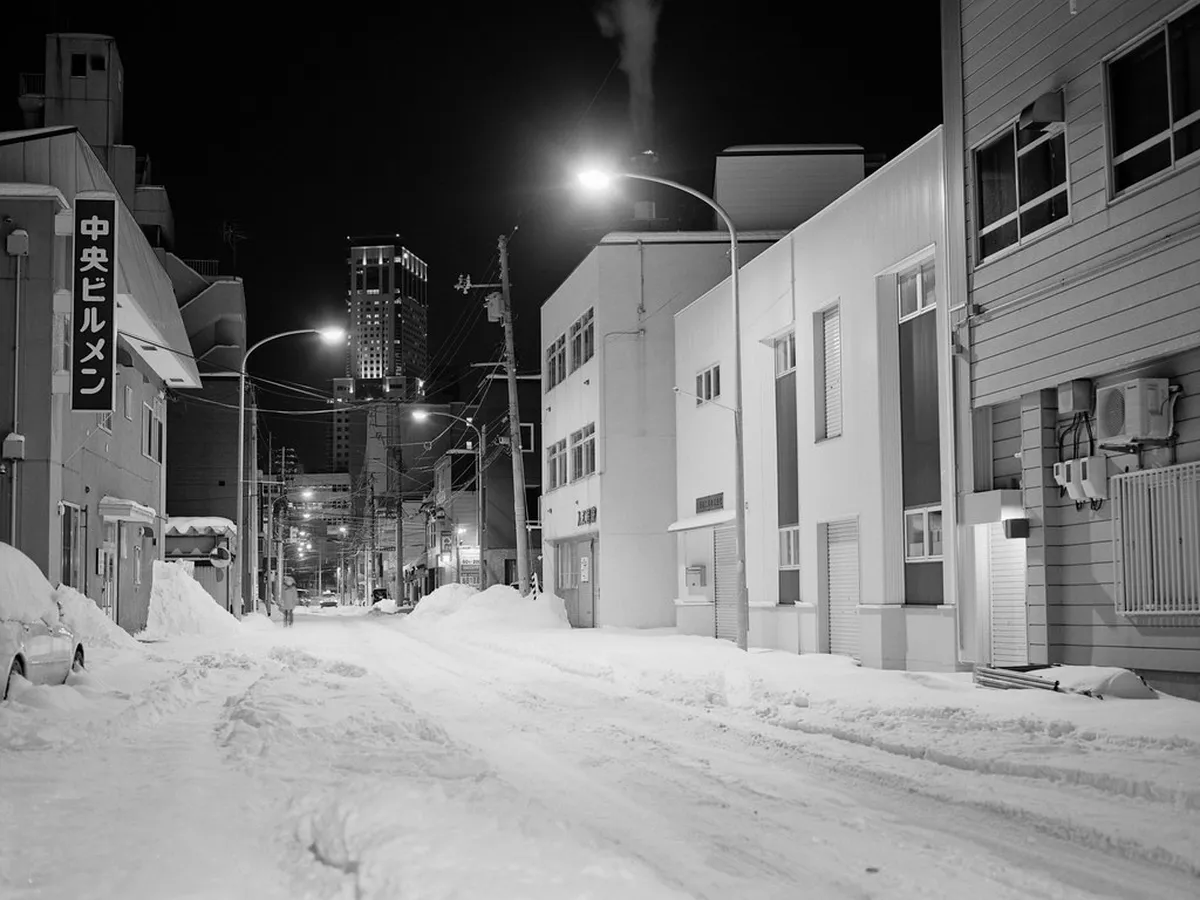
January and February are the coldest months, with average highs around -1°C / 30°F and lows dropping to -8°C / 18°F. Snowfall is near-constant and the city typically holds 50–80 cm of accumulated snow on the ground during peak winter. March stays cold (-2 to 5°C / 28–41°F) but daylight increases and ski resorts extend their season into April at higher elevations.
April is a transitional month with temperatures swinging between 3°C and 13°C / 37–55°F. Snow disappears from the city streets by mid-April but mountain passes can stay closed until late April. May is the city's spring crescendo: temperatures reach 12–19°C / 54–66°F, cherry blossoms peak in early May (about three to four weeks later than Tokyo), and lilac trees bloom by late May.
June, July, and August are warm without being oppressive. July averages 17–26°C / 63–79°F — about 8°C cooler than Tokyo in the same month. August is the warmest month (high of around 27°C / 81°F) but humidity stays low. September cools quickly to 11–22°C / 52–72°F with brilliant foliage in the mountains. October drops to 6–16°C / 43–61°F as city-level leaves turn. November sees the first snowflakes return, and December opens the ski season across Hokkaido.
| Month | Avg High | Avg Low | Rainfall/Snow | Notes |
|---|---|---|---|---|
| January | -1°C / 30°F | -8°C / 18°F | Heavy snow | Snow Festival (early Feb) |
| February | 0°C / 32°F | -8°C / 18°F | Heavy snow | Peak winter crowds |
| March | 5°C / 41°F | -4°C / 25°F | Moderate snow | Late ski season |
| April | 13°C / 55°F | 2°C / 36°F | Light rain | Shoulder; low prices |
| May | 19°C / 66°F | 7°C / 45°F | Low | Cherry blossoms early May |
| June | 22°C / 72°F | 12°C / 54°F | Low (no tsuyu) | Great value month |
| July | 26°C / 79°F | 17°C / 63°F | Low | Beer Garden opens |
| August | 27°C / 81°F | 18°C / 64°F | Low | Typhoon-free |
| September | 22°C / 72°F | 11°C / 52°F | Low | Autumn Fest; foliage starts |
| October | 16°C / 61°F | 5°C / 41°F | Low | Peak city foliage |
| November | 7°C / 45°F | -1°C / 30°F | First snow | Quietest month |
| December | 1°C / 34°F | -6°C / 21°F | Heavy snow | Ski season opens |
Spring in Sapporo: Cherry Blossoms and Lilacs (April–June)
Spring arrives later in Sapporo than anywhere else on the Japanese cherry blossom circuit. The Maruyama Park and Hokkaido University campus trees typically peak in the first week of May, giving travelers who missed the Honshu season a second chance. The cool air holds the blossoms for five to seven days longer than in warmer cities, so the viewing window is generous.
Late May brings Sapporo's own signature flower: the lilac. The Lilac Festival (Lilac Matsuri) runs for about ten days in late May in Odori Park, filling the central promenade with fragrance. Temperatures during this window sit around 15–19°C / 59–66°F — warm enough for shirtsleeves in the afternoon, cool enough for a jacket at night. Crowds are moderate and hotel prices are mid-range.
The one complication in spring is Golden Week (late April to early May). Japan's cluster of national holidays drives domestic travel demand sharply upward. Sapporo accommodation fills fast during this window and prices jump 30–50%. Book at least three months ahead if your trip falls within the Golden Week corridor (29 April – 6 May 2026).
June is arguably the most underrated month. The tsuyu rainy season that keeps mainland Japan grey and humid simply does not reach Hokkaido. Sapporo in June gets clear skies, comfortable warmth around 22°C / 72°F, and its lowest hotel rates of the warm-weather calendar. Day trips to the lavender fields in Furano start becoming viable in late June.
Summer in Sapporo: Cool Heat and a Typhoon-Free Advantage (July–August)
July and August draw domestic Japanese tourists escaping Honshu's brutal heat. With highs rarely above 27°C / 81°F and low humidity, Sapporo is one of the few Japanese cities where you can comfortably walk outdoors at noon in summer. The city parks — Odori, Nakajima, Moerenuma — are all in full green form and genuinely pleasant to linger in.
A practical advantage that most travel guides underplay: Hokkaido sits north of the main typhoon corridor. While typhoon season across the rest of Japan runs from June through October, Sapporo sees very few direct hits. The rare storms that do clip the island typically arrive in August or September. For travelers anxious about weather disruptions to flights and outdoor plans, this makes August in Sapporo a safer bet than August in Osaka or Tokyo.
The Sapporo Summer Festival (Odori Beer Garden) runs throughout July and into August, turning twelve blocks of Odori Park into an open-air beer and food hall. Different sections represent different Hokkaido breweries and regional food producers. It is one of Japan's largest outdoor food events and draws around two million visitors over the season. The Yosakoi Soran Festival in mid-June (the weekend before summer proper) is a separate high-energy dance event worth scheduling around if you can.
Furano lavender fields peak in mid-July. The round trip from Sapporo by limited express train takes about two hours and is straightforward. Book your seats on the Lavender Express well in advance — the July peak weekends sell out. Expect to pay around ¥5,000 / €30 each way on the express service.
Autumn in Sapporo: Foliage, Food, and Ideal Walking Weather (September–October)
September is the month food-focused travelers should target. The Sapporo Autumn Fest in Odori Park runs through most of September and showcases Hokkaido's extraordinary agricultural produce: fresh crab, sea urchin, Yubari melon, corn, potatoes, and dairy. Restaurants outside the festival also shift their menus toward harvest ingredients. Combined with temperatures in the low 20s°C / 70s°F and low rain, it is one of the most comfortable travel months. Our guide to Sapporo famous foods covers the must-eat list in detail.
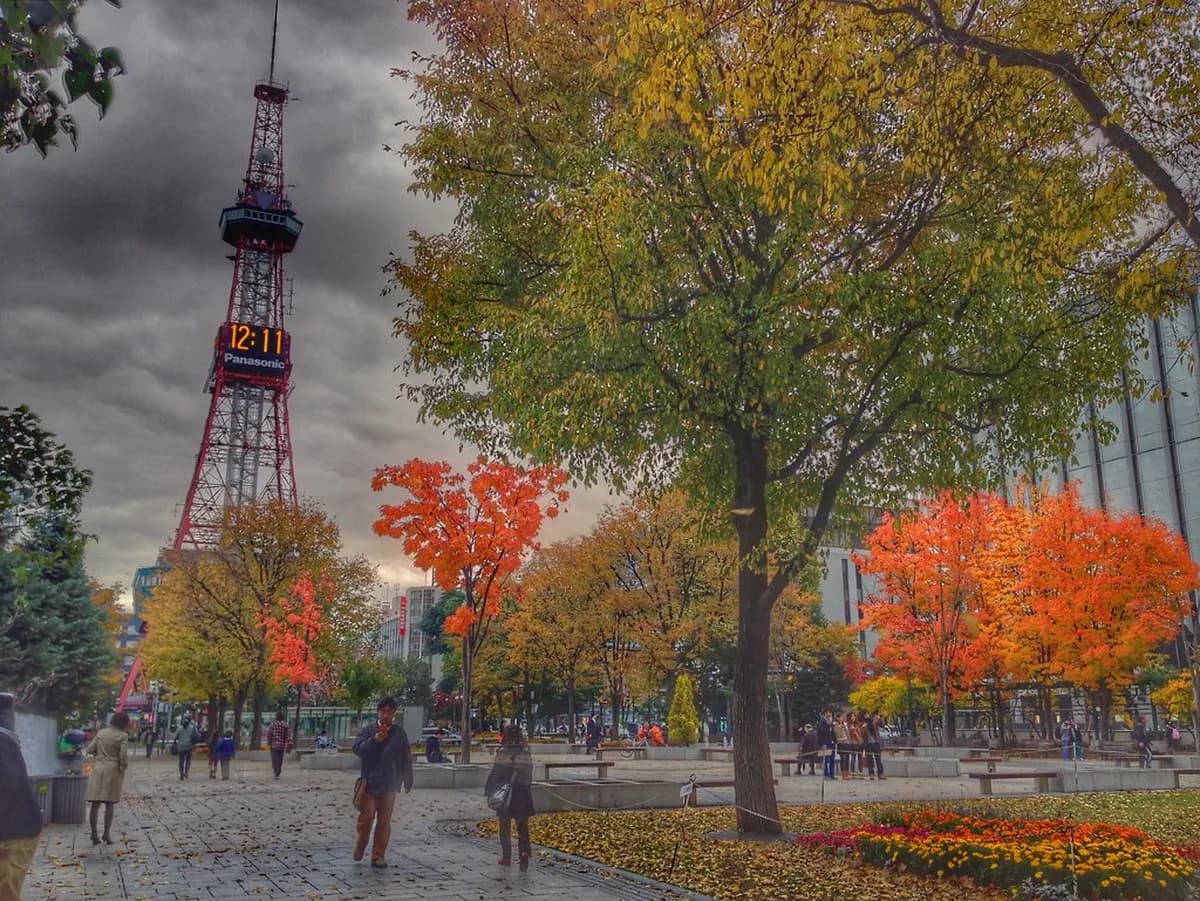
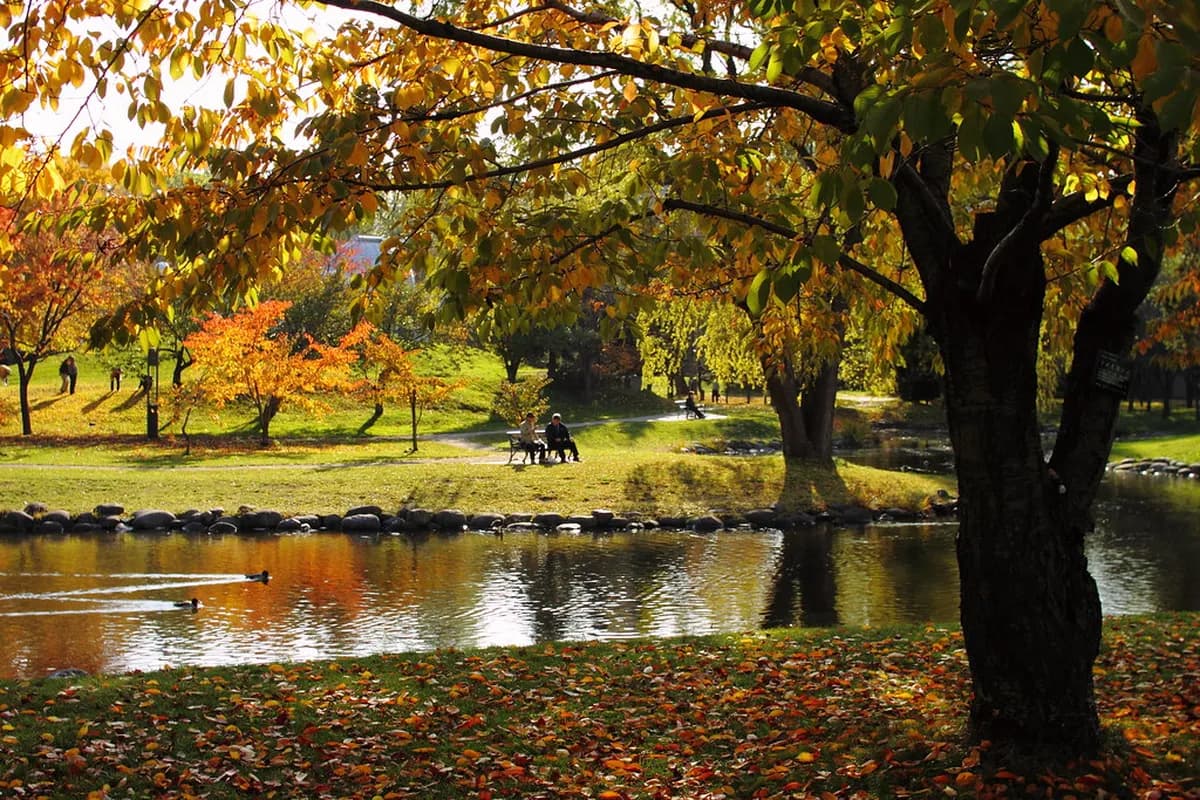
Foliage follows an elevation gradient from late September through late October. Mountain areas around Jozankei Onsen (45 minutes by bus from the city) turn vivid red and orange in late September. By mid-October the colour front descends into the city parks. Hokkaido University's ginkgo avenue is the most photographed city-level spot and peaks in the last week of October. Maruyama Park also has excellent maple viewing through early November.
October offers a brief window of low crowds before the winter tourist machine starts up. Hotel prices are at their lowest of any scenic month. The weather becomes sharply colder in the second half of the month — average highs drop from 16°C to about 10°C / 61°F to 50°F between early and late October — so pack a proper coat alongside the camera.
Winter in Sapporo: Snow Festival, Skiing, and What to Expect (December–March)
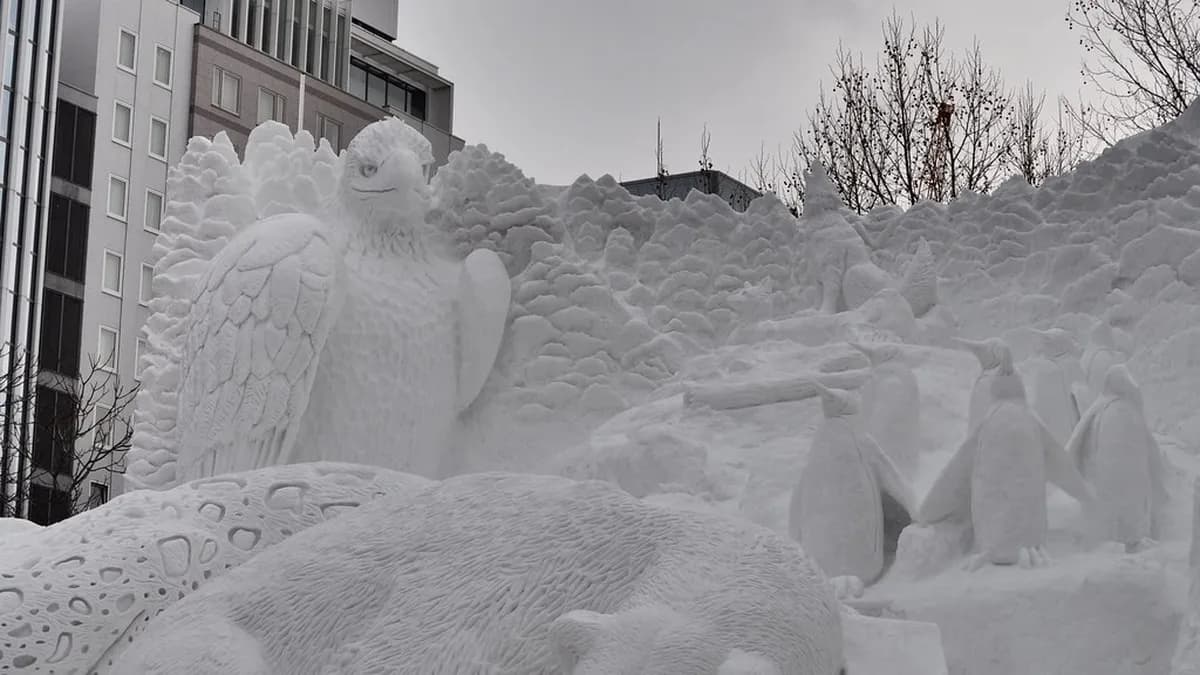
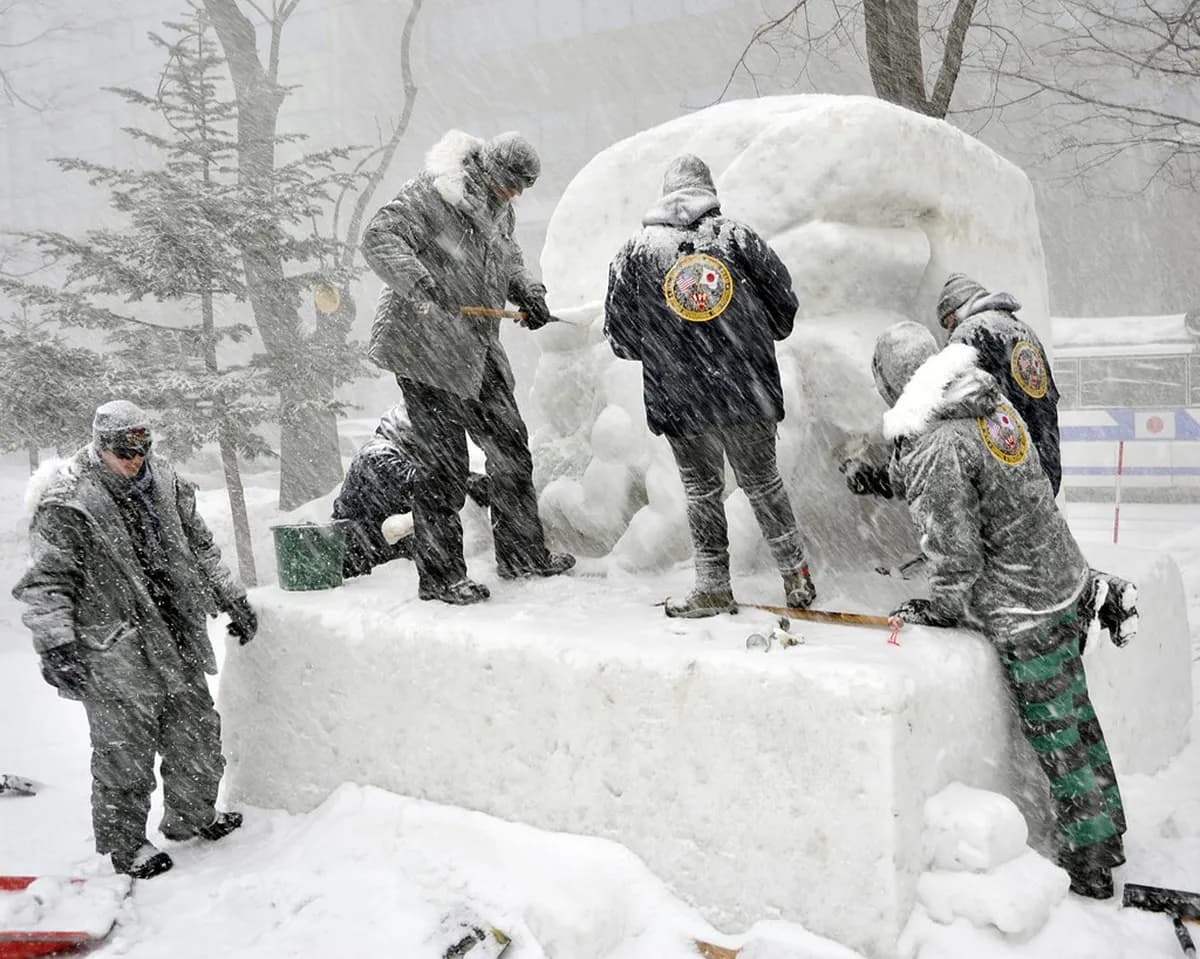
Winter is Sapporo's most internationally famous season and its most logistically demanding. The Sapporo Snow Festival guide runs for about a week in early February (the 2026 dates were 4–11 February). The main Odori site is free to enter and open 24 hours during the festival, with massive illuminated snow sculptures along twelve city blocks. Temperatures during festival week typically hover around -5 to -3°C / 23–27°F — cold but manageable with proper layers.
The Tsudome Community Dome site (accessible by shuttle from Sakaemachi Station) is where hands-on snow activities happen — giant slides, snow rafting, and kids' areas. Entry to Tsudome costs around ¥500 / €3 per adult and the shuttles run every 15 minutes during operating hours (9:00–17:00). This site sells out pre-registration slots for certain activities weeks in advance; check the official festival site (yukimatsuri.jp) in early December. The Ice Bar and paid VIP viewing areas at Susukino (the third festival site) are the other ticketed elements — budget around ¥2,000–¥3,000 / €12–€18 for those experiences.
Outside the Snow Festival, winter's main draw is skiing and snowboarding. Niseko (2 hours by bus) is internationally famous for powder, but several closer resorts require less travel time: Sapporo Teine (30 minutes, served by bus from the city) and Kiroro (75 minutes) both offer strong terrain with far fewer foreign tourists than Niseko. A day lift pass at Teine costs approximately ¥5,500 / €33 in 2026. The powder snow in Hokkaido — dry, light, and consistent — is a genuine world-class product. The season runs from late November through late March at city-level resorts.
The underground pedestrian network connecting Sapporo Station, Odori, and Susukino makes it possible to walk 2.5 kilometres between shopping and dining without touching the outdoor cold. This is not a minor detail in February — it changes the entire experience of being in the city and makes Sapporo far more manageable than its temperatures suggest.
April, June, and November: Sapporo's Budget Windows
April, June, and November are the three months when Sapporo offers the best value for money. Hotel rates can drop 25–40% compared to peak winter (February) or peak summer (July–August). These months are also quieter, meaning popular spots like Hokkaido University and Jozankei are easy to enjoy without crowds.
April has one significant drawback: weather unpredictability. The city is clear of snow but mountain roads may still be closed, and temperatures can swing from near-freezing to warm in a single day. Bring layerable clothing and check Hokkaido's road conditions (dourojoho.jp) before day trips to mountain areas. The Botanic Garden reopens in April (closed November–March) and is worth visiting as the first of the spring flora appears.
November is the quietest tourist month in Sapporo. The autumn foliage is largely over, ski season has not yet fully opened, and the city runs at its most local pace. Some outdoor attractions begin scaling back hours and a few close entirely. But accommodation is cheapest, Sapporo's restaurant and bar scene is fully alive, and the first dustings of snow give the city a moody, photogenic atmosphere.
Getting to Sapporo: Flight vs Train by Season
New Chitose Airport (CTS) handles most international and domestic arrivals. Direct flights from Tokyo (Haneda or Narita) take about 90 minutes and run frequently throughout the day. Budget carriers including Jetstar and Peach offer fares from around ¥5,000–¥8,000 / €30–€48 one way when booked three to four weeks ahead outside peak periods. Prices during Snow Festival week and Golden Week routinely double or triple — search early and be flexible by a day either side if budget matters.
The Hokkaido Shinkansen from Tokyo reaches Shin-Hakodate-Hokuto in about four hours, then requires a two-hour limited express connection to Sapporo — a total journey of roughly six hours. The full extension of the Hokkaido Shinkansen to Sapporo is under construction and expected to open in the early 2030s. Until then, the train route is slower than flying but scenic, and the JR Hokkaido Rail Pass (¥17,000 / €100 for five days in 2026) makes it cost-effective if you plan to explore beyond Sapporo.
Winter travel brings one additional variable: delays. Both the airport road and the train line can face disruptions during heavy snowfall. Build a buffer day into any winter itinerary involving onward connections, and check New Chitose Airport's real-time status (new-chitose-airport.jp) the night before departure.
What to Pack for Each Season
Winter demands genuine cold-weather gear, not just a thick coat. The combination of sub-zero temperatures, wind, and prolonged time outdoors at the Snow Festival means thermal base layers are non-negotiable. Wool or synthetic mid-layers, a windproof and waterproof outer shell, a hat covering the ears, gloves, and a neck gaiter or scarf cover the basics. The most critical item is footwear: insulated, waterproof boots with deep tread or spike attachments (spikes can be bought cheaply at convenience stores and supermarkets throughout the city). Sidewalks are treated with salt but heavily packed snow and black ice appear regularly.
Spring and autumn pack similarly: a mid-weight jacket, a few layers that can be added or removed, and comfortable walking shoes with grip. Light rain gear is worth carrying in both seasons. Summer is the simplest: breathable clothing, a light cardigan for air-conditioned interiors (restaurants and trains run cold A/C), and comfortable walking shoes. Sunscreen matters more in Hokkaido's clear summer air than many visitors expect.
- Winter: thermal base layers, waterproof shell, insulated boots with grip, ear hat, gloves, neck gaiter
- Spring: layerable mid-weight clothing, windbreaker, light rain jacket, walking shoes
- Summer: breathable clothing, light cardigan, sunscreen, comfortable walking shoes
- Autumn: mid-weight jacket, layers, grip-soled shoes, small pack for day trips
Quick Season Picker
For first-time visitors who want the most iconic Sapporo experience, February for the Snow Festival or September for the Autumn Fest are the clearest recommendations. Both are peak experiences that are genuinely worth the higher prices and crowds.
Budget-first travelers should target June or late October. Families with young children often do best in July or August when the weather is stable and outdoor spaces are fully open. Skiers and snowboarders should plan for January or early February to hit Teine, Kiroro, or Niseko at their powder peak. Solo travelers and couples looking for atmosphere without crowds will find November surprisingly rewarding — the city is at its most relaxed, restaurant reservations are easy to get, and the contrast between the warm Susukino bar district and the first winter cold outside makes for memorable evenings.
- First visit, iconic experience: February (Snow Festival) or September (Autumn Fest)
- Best weather, moderate crowds: late May or early October
- Budget travel: June or November
- Families: July or August
- Skiing and powder: January through mid-February
- Avoiding all crowds: April or November
Pair this with our Sapporo attractions guide for the complete overview.
Explore best time to visit in other cities
Frequently Asked Questions
What is the best month to visit Sapporo for snow?
February is the best month for snow. This is when the Snow Festival occurs and snow depth is at its peak. Temperatures stay well below freezing during this time.
When do cherry blossoms bloom in Sapporo?
Cherry blossoms usually bloom in early May. This is much later than in Tokyo or Kyoto. It is a great time for mild weather and flowers.
Where should I stay in Sapporo for the first time?
Staying near Odori Park or Sapporo Station is ideal. You can find many options in our guide on 8 Best Areas Where to Stay in Sapporo for easy access.
Sapporo rewards visitors in every season but the right month depends entirely on what you are there for. February delivers the world-famous Snow Festival and the best powder skiing. September combines warm weather with Hokkaido's harvest food scene. May and June offer blossoms and crowds-free value. Plan your dates around your priorities, pack for the specific conditions, and book accommodation early whenever a festival falls in your window.
Free: The Sapporo Essentials guide
Top things to do, where to stay, a perfect day plan, getting around, and the best time to go — a Sapporo mini-guide you can take offline.
You might also like
Continue reading
More guides you'll find useful