Best Season to Visit Sapporo: 9 Essential Seasonal Insights
Discover the best season to visit Sapporo. Our guide covers weather, the Snow Festival, cherry blossoms, and budget tips for every month.
On this page
Late spring (May to early June) and early autumn (September to October) are the sweet spots for most travelers visiting Sapporo in 2026. These months offer mild weather, manageable crowds, and lower prices than the peak festival windows. That said, every season delivers something distinct — Hokkaido's climate is sharper and more dramatic than anywhere else in Japan.
Sapporo is the capital of Hokkaido and sits on a latitude roughly equivalent to Milan or Portland. The city records genuine four-season weather: deep powder snow in winter, cool and dry summers, vivid autumn foliage, and a spring that arrives a full month later than Tokyo. Choosing the right window depends entirely on what kind of experience you are after.
Characteristics and Highlights of Each Sapporo Season
Hokkaido's four seasons are more distinct than those on the main island. Transitions here are sharp — the landscape changes completely every three months. This makes Sapporo one of the few Japanese cities worth visiting in any season without feeling like you are seeing the same city twice.
The Siberian high-pressure system dominates the winter months, delivering consistent cold air and famous Hokkaido powder snow. The city receives around 480 cm of snow per year on average, most of it falling between December and March. By contrast, June is one of the driest months of the year, as Hokkaido sits above the North Pacific High that brings tsuyu rains to the rest of Japan.
One underappreciated advantage is the absence of a proper rainy season. Locals call the brief drizzly spell in June "Ezo Tsuyu," but it lasts only one to two weeks and is far milder than the mainland equivalent. This makes June a legitimate travel window that many visitors overlook. You can explore the Sapporo's top highlights without the humidity or downpours that plague Kyoto or Tokyo at the same time of year. Historic context and climate data are well-documented in Sapporo's comprehensive climate guide.
Season Comparison: Weather and Events
Use the table below as a quick reference before drilling into each season. Temperatures, crowd levels, and prices shift significantly across the calendar. Always check the Sapporo Weather By Month: A Complete Seasonal Guide page for precise month-by-month forecasts before booking flights. Japan's official travel resource also provides comprehensive seasonal planning guidance.
| Season | Weather | Crowds | Prices | Key Event | Best for |
|---|---|---|---|---|---|
| May (late spring) | 8–15°C / 46–59°F | Moderate | Mid | Lilac Festival | Flowers, walking |
| June | 12–19°C / 54–66°F | Low | Low | Yosakoi Soran | Festivals, value |
| Jul–Aug (summer) | 20–26°C / 68–79°F | High | High | Odori Beer Garden | Cool-air escape |
| Sep–Oct (autumn) | 7–16°C / 45–61°F | Low | Low | Autumn Fest | Foliage, food |
| Dec–Feb (winter) | -7 to -1°C / 19–30°F | Peak | Peak | Snow Festival | Skiing, snow views |
Spring in Sapporo: Cherry Blossoms and Late Blooms
Spring arrives in Sapporo roughly four to five weeks later than Tokyo. Cherry blossoms typically peak in late April to early May — exact timing varies year to year, so check the Japan Meteorological Corporation forecast in March. Seeing sakura in Hokkaido is a rare treat for travelers who missed the earlier bloom on the main island.
Maruyama Park in the city center is the most popular hanami spot, with crowds gathering on weekends throughout Golden Week (late April to early May). For a quieter alternative, the grounds of Hokkaido University offer broad tree-lined avenues and a more relaxed atmosphere. Moerenuma Park, designed by sculptor Isamu Noguchi, is worth the 30-minute bus ride for its 2,000 cherry trees spread across an artistic landscape.
Daytime temperatures during May range from 8–15°C. A light jacket handles the cool mornings and evenings comfortably. The Sapporo Lilac Festival runs in late May in Odori Park, celebrating the city's official flower with about 400 lilac trees in bloom. This festival is local, low-key, and completely free to attend — a genuine contrast to the overcrowded events further south.
June and the Yosakoi Soran Festival
June is the most underrated month to visit Sapporo. The city is green, dry, and pleasantly cool at 12–19°C. Crowds are thin, hotel rates are among the lowest of the year, and the city retains the energy of late spring without the Golden Week congestion.
The Yosakoi Soran Festival, held in early June (typically the second week), is one of Hokkaido's most spectacular events. Around 30,000 performers from across Japan flood the streets of central Sapporo with high-energy dance routines that blend Yosakoi dancing from Kochi with Hokkaido's traditional Soran folk song. The performances take place at multiple outdoor stages over five days and are entirely free to watch. It draws over two million spectators and is consistently ranked among Japan's top summer festivals.
Travelers coming in June gain the no-rainy-season advantage described above. The combination of low prices, the Yosakoi Soran energy, and comfortable temperatures makes this month a strong value play — particularly for budget-conscious visitors who still want a major event on their itinerary.
Summer in Sapporo: Beer Gardens and Cool Mountain Air
Summer in Sapporo runs from July through August, with temperatures reaching 20–26°C. The city is typically 10–15°C cooler than Tokyo and Osaka during the same period, and humidity stays low. This makes it the most popular domestic escape in Japan for mainland residents fleeing the southern heat.
The Odori Park beer garden runs from late July through August, spanning several blocks of the park's central lawn. Multiple beer brands operate separate sections, each with their own food and drink menus. It is open until 21:00 most nights and has a festive atmosphere that blends locals and tourists naturally. See the a full Sapporo itinerary guide for how to fit it into a multi-day stay.
Flight prices spike during the Obon holiday in mid-August (around August 13–16), when Japanese families travel north in large numbers. Late July offers the best balance of warm weather and manageable prices. Book accommodation at least two months in advance if visiting in July or August, as the city's popularity as a domestic destination means good mid-range hotels sell out well before peak dates.
Autumn in Sapporo: Momiji Foliage and Harvest Festivals
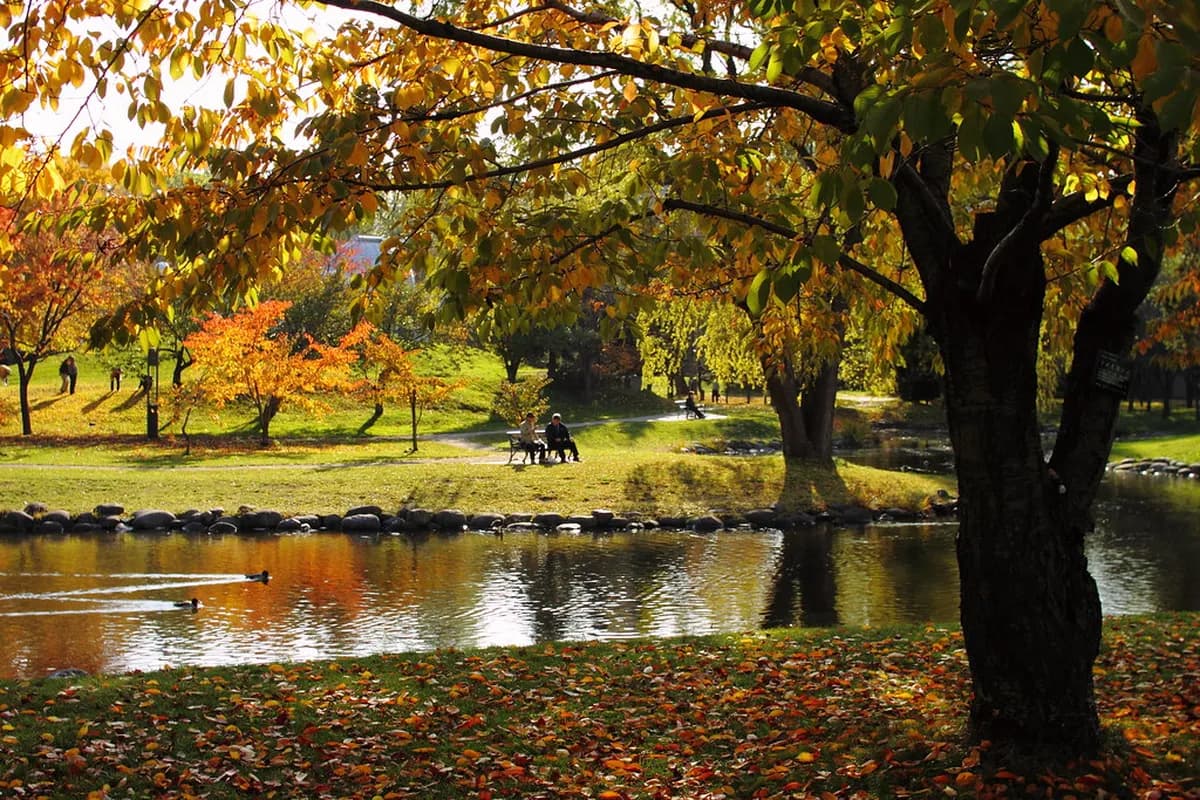
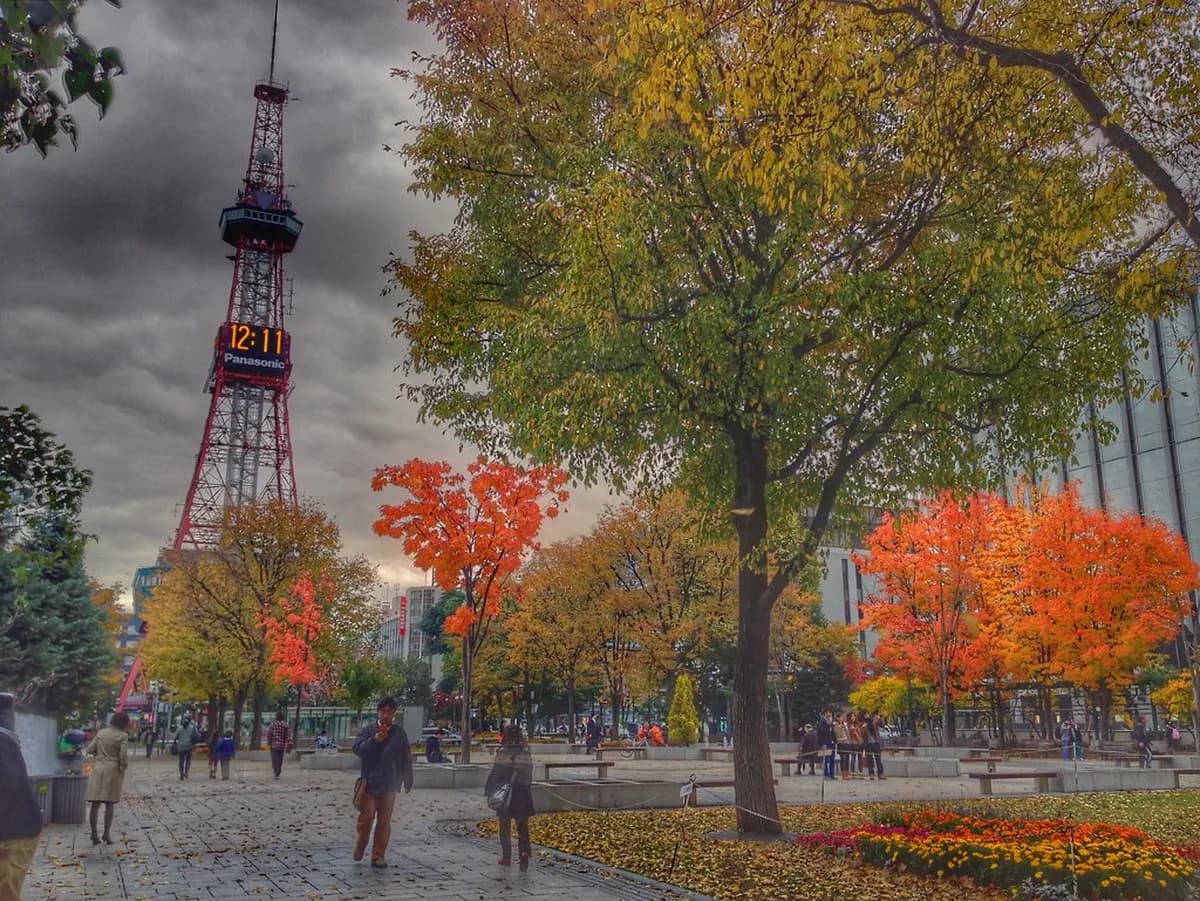
Autumn is the quietest and arguably most satisfying season for a first-time visit. Temperatures in September hover around 14–20°C before dropping to 7–16°C in October. The foliage peaks in mid-to-late October in the city center, with higher elevations like Mount Moiwa and Hokkaido University showing color from late September onward.
The season also coincides with Hokkaido's harvest bounty. Fresh crab, salmon, corn, potatoes, and dairy products flood local markets and izakayas. The Sapporo Autumn Fest in Odori Park, running through September and into October, dedicates large sections to regional food from across Hokkaido's prefectures. It is a superior food experience compared to the summer beer garden, with a broader range of regional producers.
October is the single best month for value: prices are low, weather is still walkable, and the city has shed the summer crowds. November marks the beginning of the transitional dead zone — temperatures drop sharply, snow has not yet arrived in force, and many outdoor attractions are winding down. If autumn is your target, aim for late September or the first three weeks of October.
Winter in Sapporo: Snow Festival and Ski Resorts
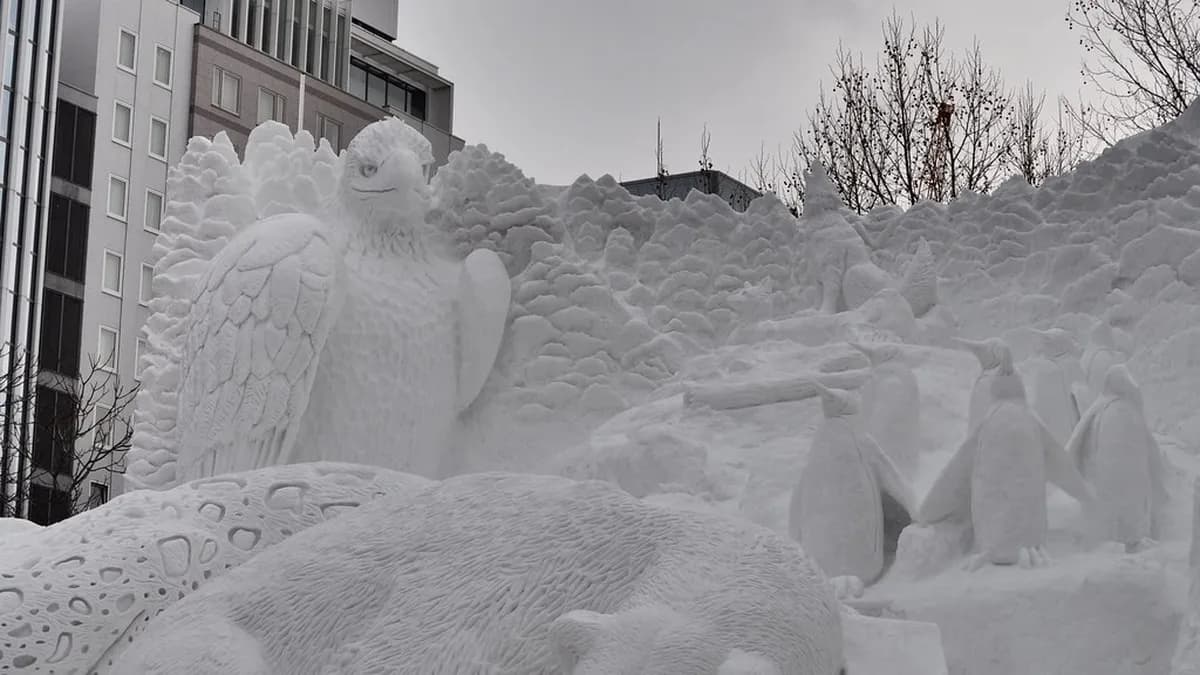
The Sapporo Snow Festival (Sapporo Yuki Matsuri) is the headline event of the Hokkaido calendar. In 2026 it ran February 4–11, and dates in future years typically fall in the first or second week of February. The festival spans three venues: the main sculptures in Odori Park (some reaching 15 metres tall), a night illumination venue in Susukino, and a community venue in Tsudome. Entry to all three is free.
Beyond the festival, winter means world-class skiing within 30–90 minutes of central Sapporo. Sapporo Teine is the closest resort (45 minutes), with lifts visible from parts of the city. Niseko Grand Hirafu, Rusutsu, and Kiroro are the premium options — all within 90 minutes by shuttle — and offer some of the best powder conditions in Asia between December and March. Booking ski shuttles in advance is strongly recommended during January and February when resort capacity fills quickly.
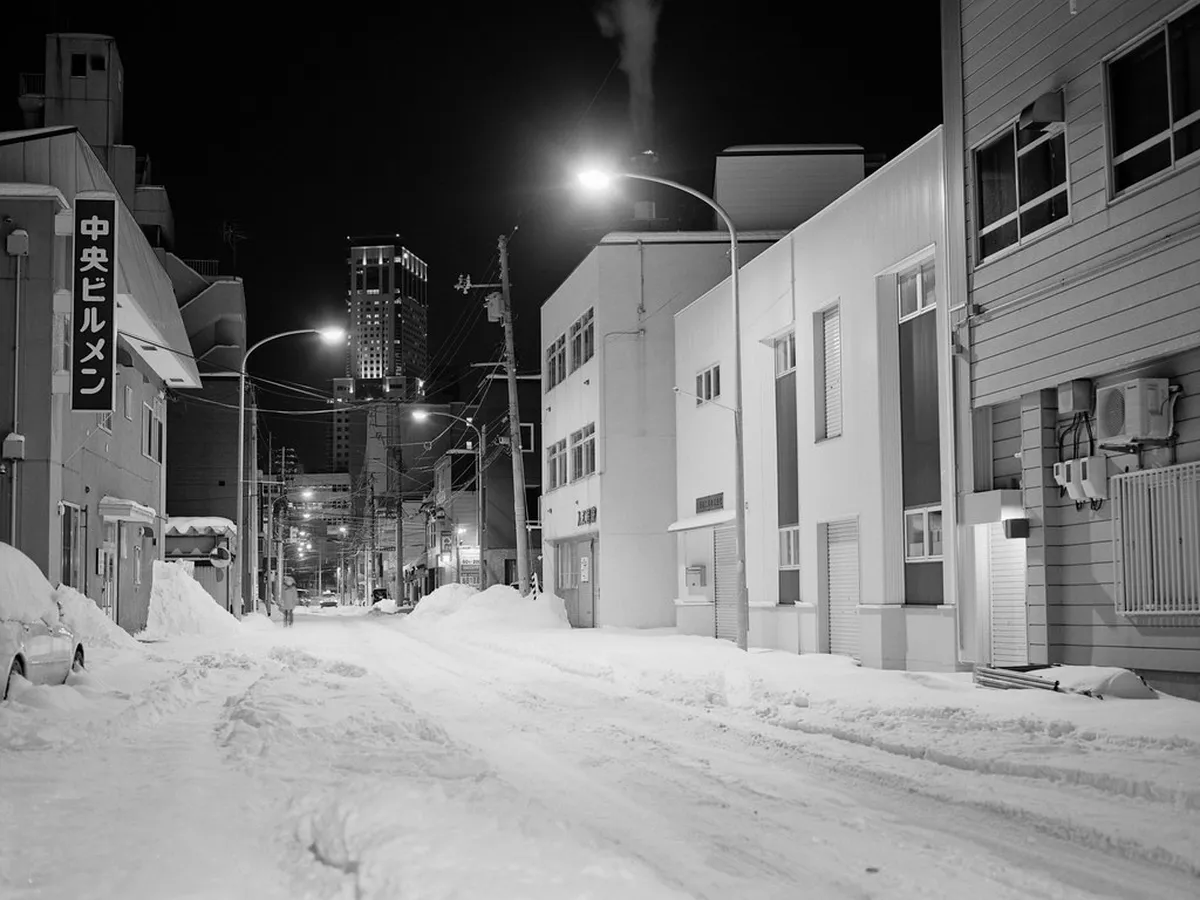
Temperatures in the city center range from -7 to -1°C from December through February. The underground walkway network (Chika-Ho) connects major stations and shopping areas, making it possible to walk between many attractions without stepping outside. Non-slip boots are essential; Sapporo's streets are icy and the city uses embedded heating strips on key pedestrian crossings rather than salt, so grip matters more than most visitors expect.
The Snow Festival Price Cliff: Book Smart or Pay Double
The seven days of the Snow Festival create a sharp pricing spike that catches many first-timers off guard. Hotels within two kilometres of Odori Park can triple in price for the core festival dates, then fall steeply the moment the festival closes. The sculptures are not dismantled instantly — major pieces remain standing for a day or two after the official close. Arriving on the final day of the festival and staying two nights afterward gives you the sculptures, lower hotel rates, and thinner crowds all at once.
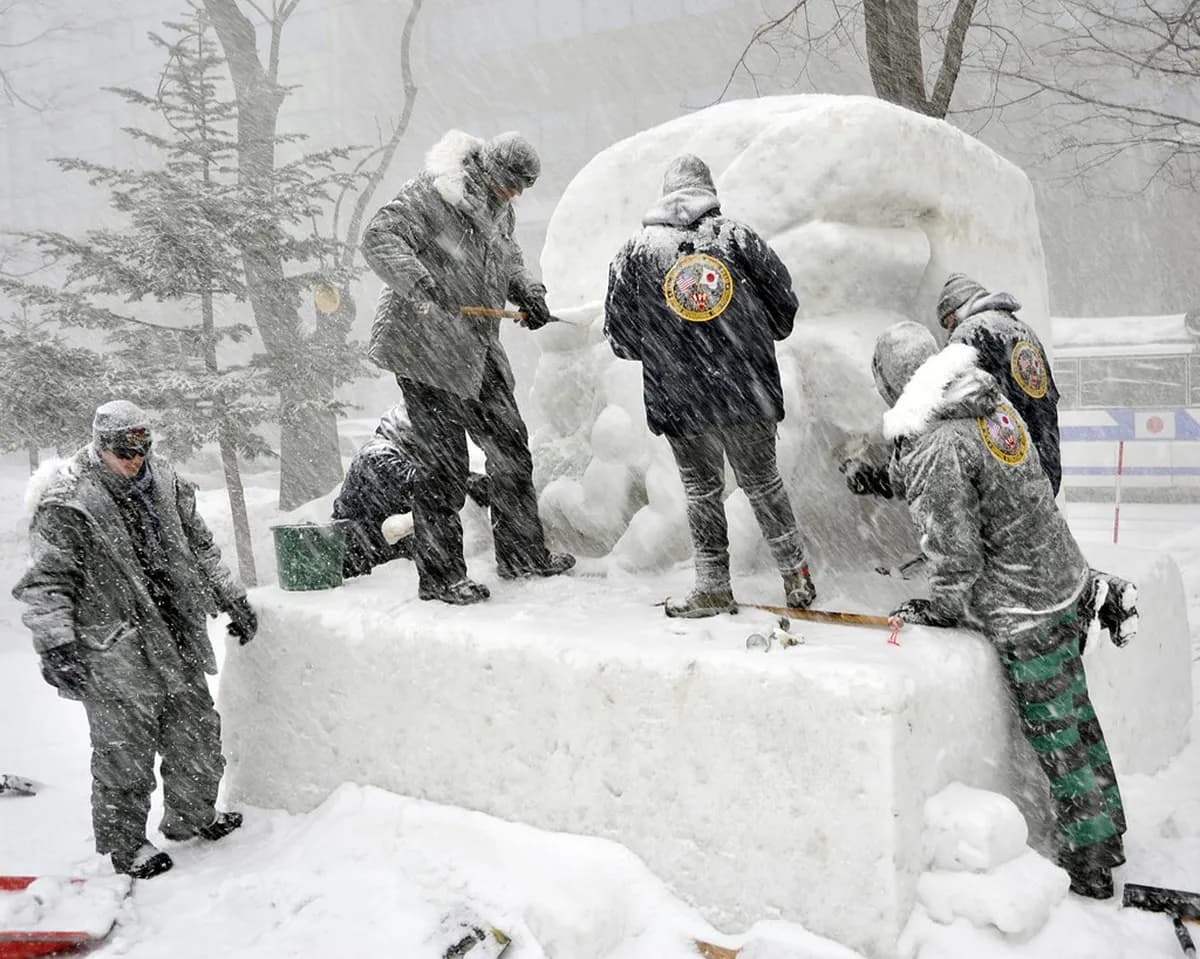
The same logic applies in reverse at the start: arriving two to three days before the official opening lets you watch the snow-carving teams finish their work, which many visitors find more interesting than the completed sculptures. Hotel rates in this pre-festival window are typically 30–50% lower than peak festival prices. Self-Directed Visits during January (before the festival) also offer quiet winter scenery, functioning ski resorts, and the Odori Park outdoor skating rink — without any of the festival-week hotel markup.
What's Closed in Low Season
Several outdoor attractions close during the winter months for safety reasons. Boat rentals at Nakajima Park halt from November through April. The park itself stays open for walking, but water activities are unavailable. Similarly, many mountain hiking trails become inaccessible under deep snow, and some remote parks run on reduced hours or close non-essential facilities.
The shoulder months of March to April and late November carry their own limitations. Snow is melting or has not yet fully settled, leaving some parks muddy and less photogenic. The beer garden and outdoor Autumn Fest have finished by late October. However, the underground walkway network and the city's indoor dining and shopping scene remain fully operational. You can still explore the best things to do in Sapporo year-round without losing significant options.
Recommended Seasons to Visit Sapporo for Budget Travelers
April, early June, and October are the three best windows for budget-conscious travelers. These shoulder periods offer the lowest prices for flights and hotels, and all three are genuinely enjoyable travel months rather than compromise choices. You can find good mid-range options for 8 Best Areas Where to Stay in Sapporo in these windows without booking months in advance.
Avoid the first week of February unless the Snow Festival is your specific goal. Hotel rates in that window are among the highest in all of Japan for that week. Traveling in January — just before the festival setup ends and the sculptures are complete — cuts costs significantly while still delivering full winter atmosphere and open ski resorts. Mid-week flights throughout the year consistently run 15–25% cheaper than weekend departures on the Sapporo–Tokyo corridor.
Which Season Matches Your Travel Goals
Winter (December to February) is the right choice if you want the Snow Festival, powder skiing at Niseko or Teine, or the cozy izakaya atmosphere of Susukino under snow. Come prepared for genuine cold and build in the underground walkway network as your default route between sites.
Spring (late April to May) suits travelers who want to see cherry blossoms later than the main island allows, enjoy the Lilac Festival, or experience Sapporo's parks without crowds. June adds the Yosakoi Soran Festival and even lower prices — a combination that rewards flexible itineraries.
Summer (July to August) is the best pick if you want escape from mainland heat, outdoor beer gardens, and peak hiking conditions on nearby mountains. Autumn (September to October) is the optimal balance of good weather, low prices, and the city's best food season. For most first-time visitors, October is the single most versatile month on the calendar.
What to Pack for Sapporo
Packing correctly for Sapporo is more season-sensitive than for most Japanese cities. The weather gap between seasons is extreme — a winter trip and a summer trip require almost entirely different wardrobes. Always check a 10-day forecast before packing, especially for spring and autumn when temperatures can swing 10°C in a single week.
For winter, the non-negotiables are a heavy insulated coat rated to -10°C, thermal base layers, and non-slip waterproof boots with good ankle support. Ice on Sapporo streets is genuine and persistent; fashion boots are a hazard. For summer, light breathable layers plus one warmer layer for evenings are sufficient. Spring and autumn call for a windbreaker, mid-weight sweater, and waterproof shoes that can handle wet or slushy conditions. Leave room in your bag for Sapporo souvenirs — the city's soft-serve, dairy products, and Royce chocolate products make popular, packable gifts.
Pair this with our Sapporo attractions guide for the complete overview.
Frequently Asked Questions
What is the best time to visit Hokkaido?
Late spring and early autumn are the best times for most visitors. May offers beautiful flowers while September has very mild weather. These months avoid the extreme winter cold.
Is winter too cold in Sapporo?
Temperatures often stay below freezing during the winter months. You must wear heavy thermal layers to stay warm outside. The city is well-prepared with many underground walkways.
Sapporo rewards visitors in every season, but the right season depends on your priorities. Winter delivers the Snow Festival and world-class skiing; spring offers late cherry blossoms and the Lilac Festival; June adds the Yosakoi Soran at low prices; summer means cool air and beer gardens; autumn brings foliage and the best food season of the year. Match your dates to the experience you want, book early for February, and pack for the specific season rather than Japan in general.
Free: The Sapporo Essentials guide
Top things to do, where to stay, a perfect day plan, getting around, and the best time to go — a Sapporo mini-guide you can take offline.
You might also like
Continue reading
More guides you'll find useful