
8 Best Areas Where to Stay in Sapporo (2026)
Deciding where to stay in Sapporo? Explore the 8 best neighborhoods, from Susukino nightlife to transit-friendly Sapporo Station. Expert tips for your 2026 trip.
On this page
After visiting Hokkaido four times in different seasons, I have found that your base location completely changes your experience. Sapporo is a sprawling grid, but most travelers find their rhythm between the transit hubs and the neon-lit entertainment streets. This guide breaks down the top districts to help you navigate the city like a local expert.
I last refreshed this guide in June 2026 to reflect new hotel openings and updated transit prices for the current season. Choosing the 10 Best Areas and Tips for Staying in Sapporo depends heavily on whether you value morning trains or midnight ramen. The city's unique underground walkway system, known as Chika-ho, makes certain locations much more valuable during the snowy winter months.
Winter visitors should prioritize hotels with direct tunnel access to avoid dragging luggage through deep snow. Summer travelers might prefer staying near the lush greenery of the parks or the vibrant morning markets. Our editors have vetted these neighborhoods to ensure they offer the best balance of safety, value, and local charm.
Sapporo Station Area: Best for First-Timers and Transit
The Sapporo Station area is the undisputed first choice for visitors arriving from New Chitose Airport. The JR Rapid Airport train pulls in here after approximately 37 minutes, covering a fare of 1,150 yen one way. From the station, all three subway lines fan out across the city, and direct bus connections reach every ward. For schedules and fares, Wikipedia's Sapporo Station page provides detailed transit information.
Most hotels sit within a three-minute walk of the north or south exits. The south exit is better for shoppers and those heading toward Odori Park; the north exit is quieter and slightly cheaper. During a 2026 winter stay, I found the station area's connection to the underground Chika-ho walkway decisive — you can reach Susukino without stepping outside into minus-ten-degree air.
Nightly rates range from roughly 8,000 to 25,000 yen depending on tier. Mitsui Garden Hotel Sapporo (Kita 5-jo Nishi, Chuo-ku) and Hotel Gracery Sapporo (Kita 4-jo Nishi) are well-located mid-range options. If budget is tight, Hotel Livemax Budget Sapporo Station (Kita 6-jo Nishi) averages around 6,000 yen per room.
The area is not only convenience. Sapporo's main department stores, Yodobashi Camera, and the underground Stellar Place shopping complex are all walkable. For travelers who plan day trips to Otaru (34 min by JR) or Furano (about 2 hours), the station area saves meaningful time each morning. The Japan National Tourism Organization's Hokkaido guide provides additional context on regional day-trip planning.
Odori Park Area: Festivals, Cafes, and City Center Walks
Odori Park stretches 1.5 kilometers east to west through the heart of Sapporo and serves as the city's outdoor living room. In February, the Snow Festival turns the park into a world-famous display of giant snow and ice sculptures. In May the same strip hosts the Lilac Festival, and in summer it becomes an open-air beer garden run by Sapporo Brewery.
Odori Station (Namboku/Tozai lines) sits directly below the park and is just four minutes from Sapporo Station by subway. Staying here places you within ten minutes on foot of the Sapporo TV Tower, Nijo Market, Tanukikoji Shopping Arcade, and the Hokkaido University Botanical Garden. The Royal Park Canvas Sapporo is a popular mid-range choice with views directly over the park; Tokyu Stay Sapporo offers spacious rooms three minutes from the TV Tower.
Rates in the Odori zone typically run 10,000 to 20,000 yen per night in standard periods. During the Snow Festival (early February), expect prices to triple or more. This area suits travelers who want a scenic, walkable base without the late-night noise of Susukino one subway stop to the south.
One advantage that competitors rarely highlight: staying near Odori gives you direct streetcar access. The Sapporo City Streetcar (Shiden) loop runs from nearby Nishi-4-chome Station in a circuit that takes you through the Nakajima Park and Maruyama precincts — a ¥230 flat fare per ride, or ¥800 for a day pass.
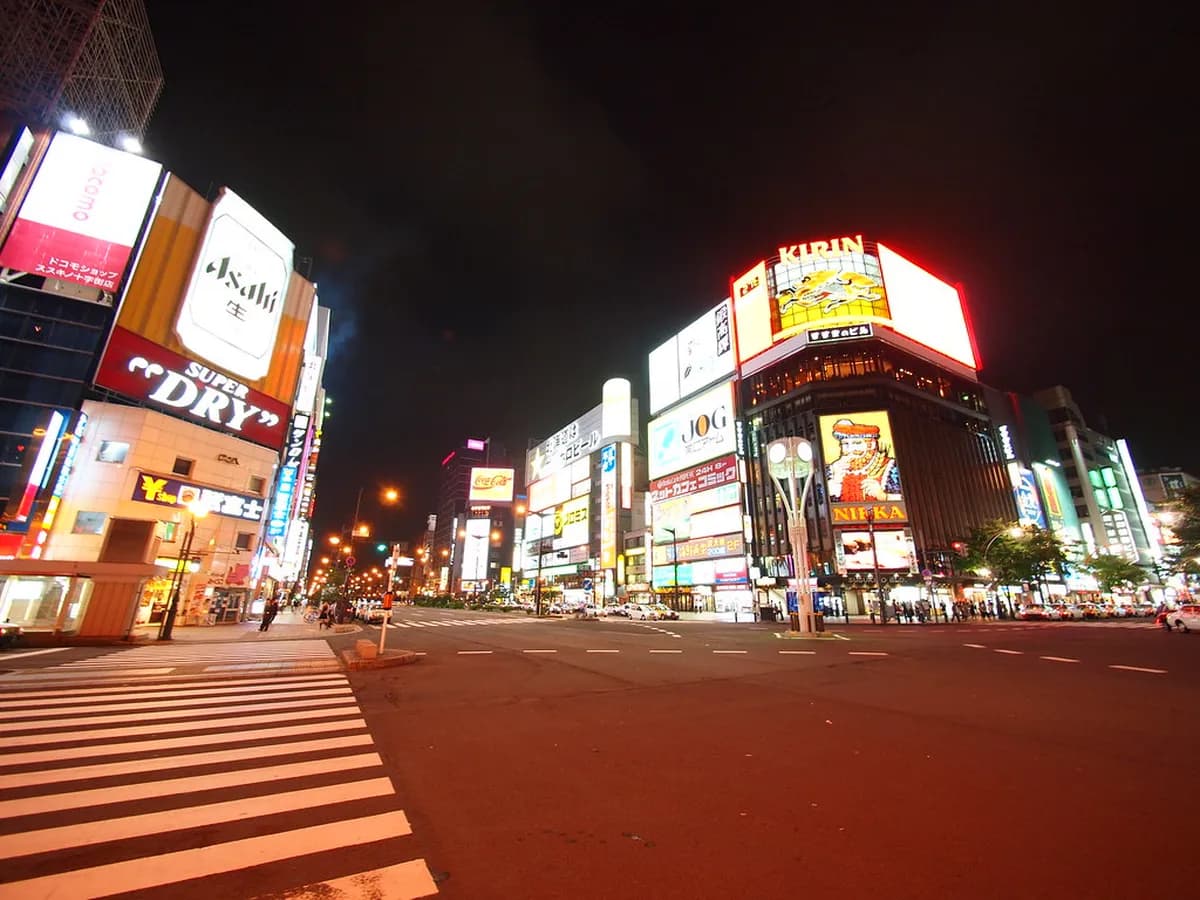
Susukino Area: Best for Nightlife and Foodies
Susukino is the heartbeat of Sapporo's social scene and houses over 3,500 bars and restaurants within a few square blocks. Choosing this area means you are never more than a few minutes away from a steaming bowl of miso ramen or a local craft beer. The Getting Around Sapporo: 10 Essential Transport Tips guide notes that the streetcar loop is most convenient when based in this district.
While the area is famous for its nightlife, it is remarkably clean and safe compared to similar districts in other world cities. Ganso Sapporo Ramen Yokocho (the original Ramen Alley, open daily from around 11:00 to 03:00) is a two-minute walk from most Susukino hotels. The Sapporo Stream Hotel, which opened in 2024, has quickly become one of the area's top-rated modern options.
Budget-friendly business hotels and capsule options abound here, with nightly rates often falling between 5,500 and 14,000 yen. One mistake visitors make is assuming Susukino is only for adults — many family-friendly restaurants fill the upper floors of buildings. The proximity to Tanukikoji Shopping Arcade provides a covered walkway that stretches for seven blocks, perfect for rainy or snowy days.
Susukino Station (Namboku Line) is at the south end of the Chika-ho underground walkway. In winter, you can walk the entire stretch from the station area to Susukino in climate-controlled comfort. This makes the district significantly less isolated from the JR station than its location on a map suggests.
Nakajima Park Area: Quiet, Residential, and Family-Friendly
Nakajima Park sits just south of Susukino's neon lights and offers a peaceful escape with pond views, historic architecture, and genuine neighborhood character. Nakajima Koen Station on the Namboku Line connects this area to Sapporo Station in about seven minutes. It is consistently rated the top base for families due to its larger hotel rooms and noticeably quieter streets after 22:00.
The park itself covers roughly 7.4 hectares and features a traditional tea house (Hasso-an), a small boating pond, and the Hokkaido Cultural Center. The Vessel Inn Sapporo Nakajima Park is a reliable mid-range option, and the area also has a handful of larger apartment-style properties suited to families staying a week or more. Rates average 6,000 to 15,000 yen per night.
One practical detail: the neighborhood's proximity to the Sapporo Beer Museum (about 20 minutes by bus from nearby stops) makes it a convenient base for the city's food and brewery attractions. The streetcar loop passes through here as well, giving you car-free access to Maruyama and back to central Odori without needing the subway.
Maruyama: Upscale Western Neighborhood with Shrine Access
Maruyama is Sapporo's most affluent residential district, sitting roughly 3 kilometers west of Odori Park along the Tozai subway line. Maruyama Koen Station puts you at the edge of Maruyama Park, which is one of Sapporo's premier cherry blossom spots in late April to early May. Hokkaido Jingu Shrine — the largest shrine in Hokkaido — stands at the park's western boundary and draws crowds year-round. The shrine's history dates back over a century and is documented in detail on Wikipedia.
The accommodation here skews toward boutique stays, high-end guesthouses, and serviced apartments rather than large business hotel towers. Expect to pay 11,000 to 28,000 yen per night. This area rewards travelers who want a genuinely local Sapporo experience: independent bakeries, craft coffee shops, and a weekend farmers market run along Maruyama's main shopping street.
The Tozai Line runs directly from Maruyama Koen Station to Odori (two stops, about four minutes) and onward to Shin-Sapporo, where buses serve the airport. Staying in Maruyama does not compromise transit access — it just reduces the density of convenience stores and chain restaurants around you, which many visitors consider a feature rather than a flaw.
Jozankei: Hot Spring Village One Hour from the City
Jozankei is not a city neighborhood but a dedicated onsen resort town about 27 kilometers south of central Sapporo in the Toyohira River valley. Buses run from Sapporo Station's south exit directly to Jozankei in roughly 60 to 70 minutes (fare: around 1,070 yen one way). Many visitors use it as a one-night side trip while keeping their main base in the city.
The area is dominated by large traditional ryokan, where rates including dinner and breakfast range from about 20,000 to 60,000 yen per person. Jozankei Onsen HanaMomiji and Jozankei Daiichi Hotel Suizantei are two frequently cited options. The hot springs here use sodium chloride waters said to be effective for fatigue recovery — relevant if you have been hiking or skiing the surrounding Hokkaido hills.
Autumn foliage at Jozankei (typically mid-October) is among the most photographed in Hokkaido. If your visit falls in October, one night in a riverside ryokan dramatically changes the texture of the trip compared to staying exclusively in the city. Winter guests should note that heavy snowfall can occasionally delay the bus service by 20 to 30 minutes.
Types of Accommodation in Sapporo
Sapporo offers the full spectrum of lodging, from capsule hotels at 3,000 yen a night to high-rise luxury towers above 30,000 yen. Understanding which category fits your trip avoids mismatched expectations. The dominant options in the city center are business hotels — clean, compact, efficient rooms aimed at solo and couple travelers, priced roughly 7,000 to 14,000 yen per night.
Ryokan in central Sapporo are rare; the authentic ryokan experience requires heading to Jozankei or Noboribetsu. However, ONSEN RYOKAN YUEN SAPPORO near the Odori area is a notable exception — a modern ryokan-style hotel with natural hot spring baths on-site, priced from around 18,000 yen per room. Several large business hotel chains (APA, Dormy Inn, Vessel Hotel) operate natural hot spring floors on upper stories within the city center, offering onsen without leaving an urban hotel.
Capsule hotels are concentrated in Susukino and near the station, starting around 3,000 yen per night. Guesthouses and hostels are scattered across Kita Ward and the university perimeter, typically running 2,500 to 5,000 yen per dormitory bed. Vacation rentals via Airbnb and local platforms are available throughout Nakajima Park and Maruyama for stays of three nights or more — a practical choice for families or groups who need kitchen access.
Getting Around Sapporo: Subway, Streetcar, and Underground
Sapporo has three subway lines that together cover most of the city. The Namboku Line (blue) runs north-south from Asabu to Makomanai and is the most useful line for tourists, connecting Sapporo Station, Odori, Susukino, and Nakajima Koen in sequence. The Tozai Line (orange) runs east-west and serves Maruyama to the west and Shin-Sapporo (airport bus hub) to the east. The Toho Line (green) covers the northeast. A standard single ride costs 210 yen and up depending on distance; a one-day unlimited pass is 830 yen.
The Chika-ho underground walkway connects Sapporo Station directly to Odori and Susukino via a heated, covered tunnel. This is genuinely important in winter when above-ground sidewalks can be icy and temperatures drop below minus 10°C. Look for yellow directional signs in hotel lobbies that indicate whether the property has basement-level access to the tunnel.
The Sapporo City Streetcar (Shiden) operates a loop in the southern part of the center, running through Nakajima Park, Maruyama, and back to Nishi-4-chome near Odori. A single ride is 230 yen; a day pass is 800 yen. It runs from approximately 06:30 to 23:00. Note that as of 2026, Sapporo is still not connected to the Shinkansen bullet train network — the planned Hokkaido Shinkansen extension has been officially delayed to approximately 2038 or 2039, so all Tokyo–Sapporo journeys remain either an 8-hour rail transfer via Shin-Hakodate-Hokuto or a 90-minute flight from Haneda.
Sapporo Station vs Susukino: Which Base Is Right for You?
The debate between these two hubs usually comes down to your planned itinerary and the time of year you visit. Sapporo Station is the clear winner for efficiency, especially if you plan to visit Otaru or the surrounding ski resorts. However, Susukino offers a much more atmospheric experience with its iconic neon signs and bustling sidewalk crowds.
In winter, the station area's connection to the underground walkway is a decisive factor for many experienced travelers. Susukino can feel a bit disconnected from the main JR lines, requiring a short subway ride or a 15-minute walk through the tunnels. If you are focusing on top things to do in Sapporo specifically, the central location of Odori Park is a happy medium between the two.
I personally prefer the station area for short three-day trips where every minute of transit time counts toward your sightseeing. For longer stays of five days or more, the local character of Susukino or Nakajima Park offers a more rewarding residential feel. Consider your priorities: do you want a 37-minute train ride to the airport or a two-minute walk to the best bars?
When to Book: Peak Season and Pricing Windows
The Snow Festival runs over approximately one week in early February each year and is by far Sapporo's highest-demand period. Central hotels with Chika-ho underground access — particularly those in the Sapporo Station and Odori zones — sell out 9 to 12 months in advance when the festival dates overlap with a long Japanese holiday weekend. Standard advice to book six months ahead is not cautious enough for those dates. Lock in accommodation as soon as the festival schedule is announced each autumn.
The second peak window is the Golden Week holiday (late April to early May), which coincides with cherry blossoms at Maruyama Park and Nakajima Park. Prices in those two neighborhoods specifically spike 30 to 50% above standard rates during this period. The Lilac Festival in mid-May and the open-air beer garden season from July through August bring a lighter surge — booking one to two months ahead is usually sufficient.
Off-peak value windows are October (autumn foliage, mid-tier prices, fewer crowds than ski season) and the shoulder months of November and March. Ski season at nearby Sapporo Teine or Kiroro Resort draws visitors from late December through February, which means weekends from January onward can see strong demand in the station area. If skiing is your main purpose, compare rates at Jozankei lodges against city-center hotels, since some Jozankei properties offer ski shuttle packages.
Pair this with our Sapporo attractions guide for the complete overview. For related Sapporo guides, see our Areas and Tips for Staying in Sapporo and Best Hotels in Sapporo: Top Places to Stay in 2026.
Frequently Asked Questions
What is the best area for families in Sapporo?
Nakajima Park is the best choice for families due to its quiet atmosphere and spacious city hotels. The area features a large park with a playground and is only two subway stops from the main station.
How do I get from New Chitose Airport to my hotel?
The JR Rapid Airport train is the fastest method, reaching Sapporo Station in approximately 37 minutes. From there, you can use the subway or the underground walkway to reach most central hotels.
Are there hotels with onsens in central Sapporo?
Yes, several modern hotels in the Susukino and Station areas feature natural hot spring baths on their upper floors. These provide a traditional Japanese spa experience without needing to travel to a remote resort.
Sapporo is a city that rewards those who choose their base wisely based on the season and their personal interests. Whether you choose the high-speed convenience of the station, the neon energy of Susukino, the refined calm of Maruyama, or a riverside ryokan in Jozankei, you will find legendary Hokkaido hospitality. Plan ahead, use the underground walkways, and enjoy the incredible culinary scene that defines this northern capital.
Free: The Sapporo Essentials guide
Top things to do, where to stay, a perfect day plan, getting around, and the best time to go — a Sapporo mini-guide you can take offline.
You might also like

Continue reading
More guides you'll find useful


