10 Best Tips and Places for Staying Near Hiroshima Peace Park (2026)
Discover where to stay near Hiroshima Peace Park. Includes 10 top hotels, budget tips, transport guides, and 2026 tax info for your perfect Japan trip.
On this page
Hiroshima rewards travelers who choose their base carefully. Stay within walking distance of the Peace Memorial Park and the city reveals itself at dawn, before tour buses arrive and the museum queue forms. Stay near the station and you gain flexibility for day trips but lose that riverfront calm that makes Hiroshima feel different from every other Japanese city.
This guide is updated for 2026, including the accommodation tax that Hiroshima Prefecture introduced on April 1, 2026. It breaks down the two main districts, the best hotels at each price tier, transport logistics, food stops, and the day trips that justify spending two nights here rather than one. You can also browse our activities guide for a full list once you have your base sorted.
Why Stay Near Hiroshima Peace Park?
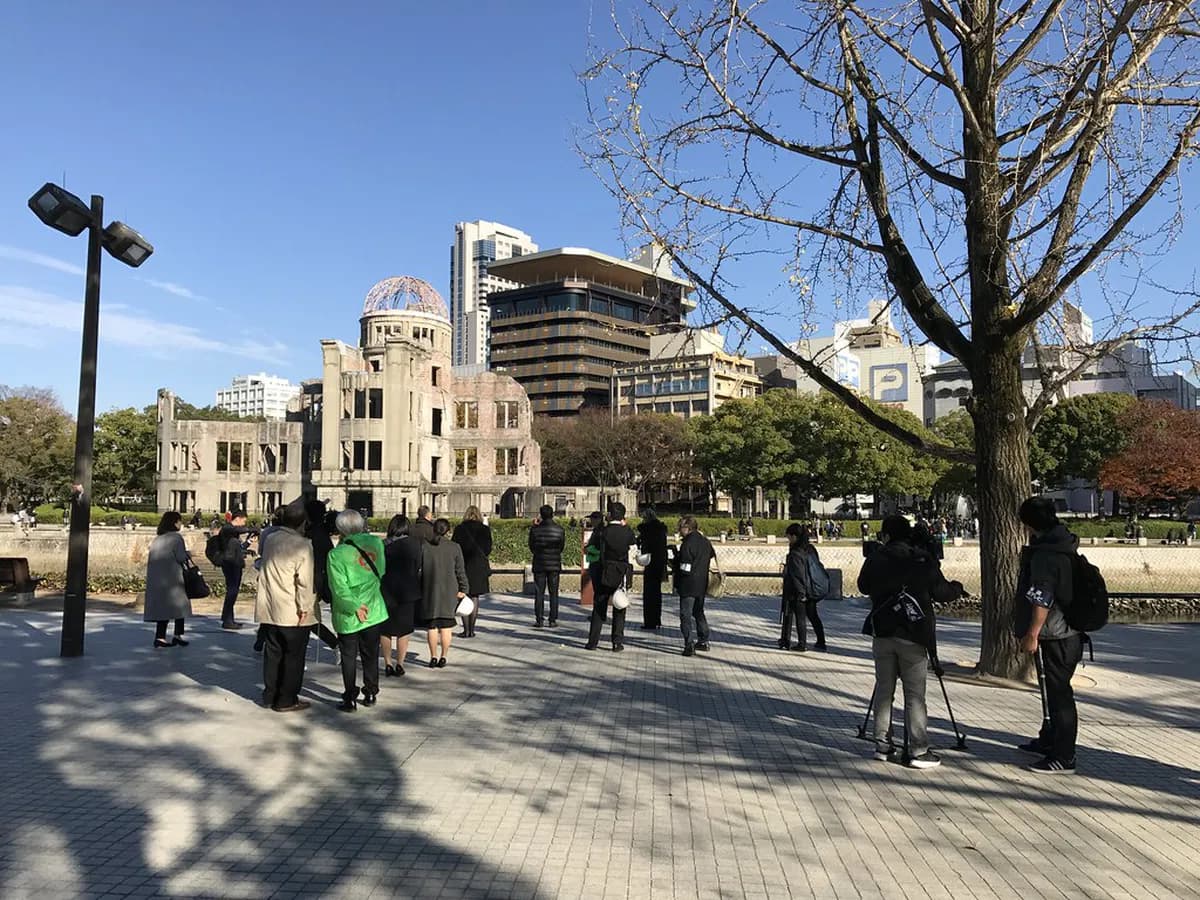
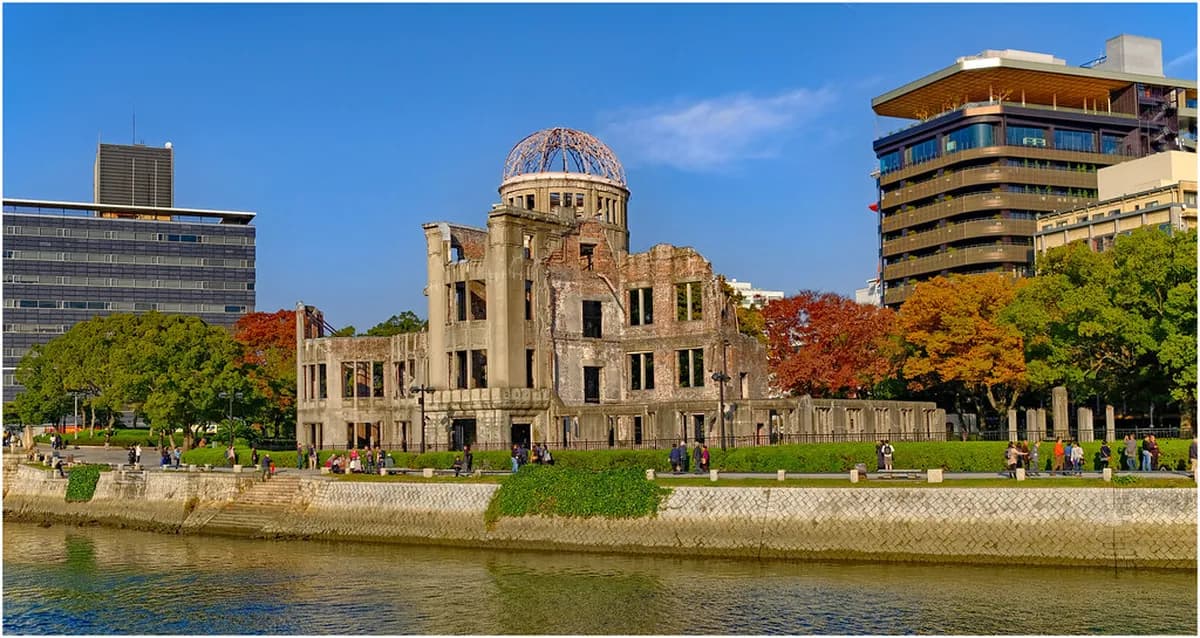
The Motoyasu River flows past the Atomic Bomb Dome just west of the park, and hotels in the Otemachi district sit on this riverbank. A riverside room gives you an unobstructed view of the dome at night, lit softly against the dark water. That proximity also means you can reach the Peace Memorial Museum entrance in under ten minutes on foot, before the first organized tour groups arrive at 09:00.
Hiroshima's downtown is remarkably flat and compact. The Peace Memorial Park, Hiroshima Castle, Shukkeien Garden, and the Hondori shopping arcade all sit within a 25-minute walk of each other. Staying near the park places you at the center of that cluster, making it easy to return to your room between sites — useful in summer when afternoon heat is punishing.
The area is also the primary hub for the Meipuru-pu sightseeing loop bus, which connects all major cultural sites. JR Pass holders ride it for free. Proximity to this hub matters when you want to visit Shukkeien Garden or Hiroshima Castle without navigating the streetcar system for the first time.
Otemachi vs. Station: Which Area Suits You?
These are the two viable bases in Hiroshima, and the right choice depends entirely on how you are traveling. Otemachi (the district immediately beside the Peace Park) suits visitors who are here primarily for the memorial sites. Hotels here are quieter, the atmosphere is more reflective, and restaurant options — while fewer than in Hatchobori — are within easy reach on Heiwa-Odori boulevard.
Hiroshima Station suits early-morning train connections and heavy JR Pass users. The Shinkansen entrance is on the north side; the tram stop and Meipuru-pu bus stop are at the south entrance. Shukkeien Garden is only a six-minute walk from the station, which is a genuine advantage. The trade-off is distance: the Peace Park is a 30-minute walk or a 15-minute tram ride away, and the entertainment district around Aioi-Dori is further still.
One practical note: Hiroshima city has almost no traditional ryokan. The atomic bombing destroyed most of the old inn culture that survived in Kyoto and Nara. If a ryokan stay matters to you, plan it on Miyajima Island (a 45-minute train and ferry ride from the city) and use Hiroshima itself as your modern hotel base. Our day trip logistics guide covers that journey in detail.
Top-Rated Hotels Within Walking Distance of the Peace Park
HOTEL MYSTAYS Hiroshima Peace Park sits at 3-3-1 Otemachi, Naka-ku — roughly 500 meters from the park's north entrance. It has 284 rooms, check-in from 15:00, and check-out at 11:00. Riverside rooms on higher floors face the Atomic Bomb Dome directly. Note that the hotel revised its breakfast prices effective January 2, 2026; confirm the current rate at booking. Nightly rates run roughly ¥8,000–¥15,000 depending on season and room type.
The Knot Hiroshima is another strong choice in this immediate zone. It opened in 2020 with a boutique aesthetic, a ground-floor restaurant, and a rooftop bar with outdoor seating — useful for summer evenings. The location is right by the park and museum, making it arguably the most atmosphere-forward option in the district.
For those who want luxury amenities without leaving the downtown area, Hilton Hiroshima opened in September 2022 in the Fujimi-cho area. It has an indoor swimming pool (one of the few in the city), a sauna, and three restaurants. The Meipuru-pu bus stop is directly in front of the hotel. Walking to the Peace Park takes about 20 minutes; the loop bus gets you there in 10. Rates typically run ¥20,000–¥40,000 for a standard room.
Candeo Hotels Hiroshima Hatchobori sits in the shopping and entertainment hub about 15 minutes on foot from the park. Its rooftop Sky Spa open-air bath is one of the best amenities in this price range. Rates fall between ¥12,000 and ¥22,000 per night.
| Hotel | Walk Time to Park | Price Band (¥/night) |
|---|---|---|
| HOTEL MYSTAYS Hiroshima Peace Park | ~8 min | ¥8,000–¥15,000 |
| The Knot Hiroshima | ~5 min | ¥12,000–¥22,000 |
| Hilton Hiroshima | ~20 min | ¥20,000–¥40,000 |
| Candeo Hotels Hiroshima Hatchobori | ~15 min | ¥12,000–¥22,000 |
Family-Friendly and Budget-Friendly Options
Families traveling with children should look for apartment-style hotels rather than standard business rooms, which are often too small for strollers or extra beds. fav Hotel Hiroshima Stadium, near Mazda Zoom-Zoom Stadium in the Matoba district, offers self-contained suites with kitchenettes and laundry facilities. A four-person suite runs approximately ¥15,000–¥30,000 per night. The self-check-in kiosks are practical after a long Shinkansen journey. KIRO Hiroshima by THE SHARE HOTELS in Mikawa-cho also offers triple and family rooms with bunk beds for up to six people, priced around ¥10,000–¥18,000 for a private room.
Budget travelers have solid options along the streetcar lines. Guesthouse Akicafe Inn near the main station offers dormitory beds from around ¥3,500 per night and private twin rooms from ¥6,500. The shared kitchen and common area make it easy to meet other travelers. From the nearby Enomachi streetcar stop, the Peace Park is under 15 minutes away on Hiroden Line 2 or Line 6.
For families on a longer Japan itinerary, always confirm that your hotel has coin-operated laundry. Most business hotels in Hiroshima do. A standard wash and dry cycle costs about ¥300–¥500 and includes detergent. This single amenity makes it possible to travel for two weeks with a carry-on bag.
Must-See Attractions Beyond the Peace Park
A short walk north of the park brings you to Hiroshima Castle. The original structure was destroyed in 1945, and the faithful reconstruction completed in 1958 now serves as a regional history museum. Entry to the main keep costs around ¥370 and it is open from 09:00 to 18:00 (17:00 from December to February). The castle moat provides a pleasant walking path, and the cherry trees along it are exceptional in late March and early April. Read our Hiroshima Castle visitor guide for details on the exhibits.
The Gokoku Shrine sits within the castle grounds and is free to enter from dawn until dusk. Families visit throughout the year for seasonal festivals and traditional ceremonies. It is a calm counterpoint to the more solemn atmosphere of the Peace Memorial complex.
Miyajima Island is a full half-day excursion that most visitors combine with their Hiroshima stay. The floating torii gate of Itsukushima Shrine is a UNESCO World Heritage site. Ferries run frequently from Miyajimaguchi from 06:00 until late evening. From downtown Hiroshima, allow roughly 50 minutes each way including the tram to Hiroshima Station and the JR Sanyo Line connection. If your schedule allows only one overnight trip from the city, Miyajima is the one to take.
Museums, Art, and Culture in Hiroshima
The Peace Memorial Museum is the centerpiece and requires at least two to three hours. The East Building covers the historical context of the atomic bombing, while the Main Building holds personal artifacts — clothing, photographs, and objects that belonged to victims. Arriving before 09:30 avoids the worst of the school group traffic. Entry costs ¥200 for adults. Check our museum booking tips for advice on advance reservations.
The Orizuru Tower, located directly beside the Atomic Bomb Dome, offers an observation deck with a full panoramic view of the Peace Park from above. The entry fee of roughly ¥1,500 includes access to a paper crane folding workshop. This is one of the most meaningful cultural activities available for children visiting the site — the tradition of folding 1,000 cranes connects directly to the story of Sadako Sasaki, whose story is explained throughout the tower's exhibits.
Hiroshima also has a quieter gallery circuit. Several smaller spaces dedicated to contemporary Japanese art and local history are scattered through the Naka-ku district. Most close on Mondays and some on Tuesdays. These venues rarely appear in itinerary guides, but they show the creative energy that has defined the city's post-war rebuilding.
Parks, Gardens, and Outdoor Spots
Shukkeien Garden translates as "shrunken-scenery garden" — its designers compressed varied landscapes (mountains, rivers, forests) into a compact space using carefully scaled plantings and a central pond. Entry costs ¥260 and the garden is open daily from 09:00 to 17:00. Autumn, when the maples turn deep red and orange, is widely considered the best season to visit. The garden sits adjacent to the Hiroshima Prefectural Museum, so combining both in one visit is efficient. Consult our garden guide for the best seasonal walking paths.
The Peace Memorial Park itself deserves more than a quick transit between the museum and the dome. The Cenotaph for Atomic Bomb Victims, the Flame of Peace (which has burned continuously since 1964 and will be extinguished when all nuclear weapons are eliminated), and the Children's Peace Monument are spread across the grounds. Allow at least 45 minutes to walk the park properly even if you have already visited the museum.
Hiroshima's six rivers divide the city into a series of small islands, earning it the nickname "City of Water." River taxi services operate during the warmer months between the Peace Park area and Shukkeien Garden, giving a water-level view of the city's bridges and bankside trees. The ride takes about 30 minutes and costs a small fee — ask at your hotel for the current seasonal schedule.
What Amenities to Expect in Hiroshima Hotels
Japanese business hotels consistently provide yukata robes or pajamas, slippers, a hairdryer, and a full set of toiletries. You do not need to pack shampoo, conditioner, or soap. Room sizes are compact by Western standards, but the layouts are efficient. Most rooms include a small kettle, a safe, and a flat-screen TV with English channels.
Breakfast buffets typically feature a hybrid menu: Western scrambled eggs and toast alongside Japanese rice, grilled fish, miso soup, and pickled vegetables. The Japanese spread is worth trying even for one morning. Most hotels charge ¥1,500–¥2,800 for breakfast if it is not included in your rate, which is standard for Hiroshima.
From April 1, 2026, all accommodations in Hiroshima Prefecture charge a mandatory accommodation tax. The rate is 100 yen per person per night for rooms priced under ¥5,000, and 200 yen per person per night above that threshold. This tax is collected at check-in or check-out and is not included in most online booking prices. Budget for it separately. Most hotels accept international credit cards; smaller guesthouses and hostels may still request cash for taxes and incidental deposits.
Always add 100–200 yen per person per night to your hotel budget for the mandatory accommodation tax introduced in Hiroshima in April 2026. This charge is not usually included in online booking prices and must be paid at check-in or check-out.
Hiroshima Food Guide: Okonomiyaki and Beyond
The defining distinction between Hiroshima-style and Osaka-style okonomiyaki is structural, not just a matter of recipe. The Osaka version mixes all ingredients — batter, cabbage, egg, pork — together before cooking on a griddle. The Hiroshima version is built in layers, starting with a thin crepe of batter, then a mountain of shredded cabbage, then bean sprouts, then pork belly slices, then a portion of yakisoba or udon noodles, and finally an egg cracked on top. Each layer cooks separately and is stacked together at the end. The result is denser, taller, and more filling than the mixed version. Learn how to eat okonomiyaki like a local before you sit at the counter.
Okonomimura in the Hatchobori area houses over 20 stalls across three floors. Each chef has their own sauce and technique. Expect to pay ¥1,000–¥1,500 for a full meal including a drink. The building's format — counter seats with an open griddle in front of you — means you can watch the layering process up close, which is half the entertainment.
During winter months (November through February), Hiroshima oysters are at their seasonal peak. The Seto Inland Sea produces some of Japan's best oysters, and restaurants near the Peace Park serve them grilled, fried in panko, or raw with ponzu. Look for restaurants with large outdoor charcoal grills. Tsukemen (dipping ramen) is another local specialty worth seeking out — the thick, tangy dipping broth is a post-museum comfort meal.
How to Plan a Smooth Hiroshima Itinerary
The Hiroden streetcar system is the backbone of city navigation. Line 2 and Line 6 both run from JR Hiroshima Station to the Genbaku Dome-mae stop, which is the main park entrance. A single ride costs ¥180 anywhere within the central zone. The streetcars run from roughly 06:00 until midnight. You can read the full details in our guide on our local transit guide.
The Meipuru-pu sightseeing loop bus runs in two routes — an orange inner loop and a green outer loop — covering all major museums and gardens. Single rides cost ¥220 and an all-day pass is ¥660. JR Pass holders ride for free on the standard bus (confirm at the stop, as this occasionally changes by operator). Buses run every 15–30 minutes from 09:00 to 17:45. The Meipuru-pu stops at Shukkeien Garden, Hiroshima Castle, the Peace Park, and Hiroshima Station, which makes it the simplest possible way to cover the city without planning tram transfers.
For the overall itinerary, dedicate Day 1 to the Peace Memorial Museum and the downtown sites, arriving at the museum before 09:30 to beat the crowds. Reserve Day 2 for Miyajima Island. Start by 09:00 — take the Hiroden tram to Hiroshima Station, the JR Sanyo Line to Miyajimaguchi (25 minutes), and the ferry to the island (10 minutes). The August 6th Peace Memorial Ceremony draws large crowds; book accommodation at least three months in advance if your visit coincides with it.
If you plan to visit Hiroshima during the August 6th Peace Memorial Ceremony, hotel rooms near the Peace Park book out months in advance. Book accommodation at least three months ahead if your travel dates coincide with this significant annual event.
Keep planning your trip with our Hiroshima accommodation guide and our top hotel picks.
Frequently Asked Questions
Is it better to stay near Hiroshima Station or the Peace Park?
Stay near the Peace Park for a more atmospheric and walkable experience. The station area is better for those with very early trains or heavy luggage, but it lacks the riverfront charm of the Otemachi district.
How much does the Hiroshima accommodation tax cost in 2026?
Starting in April 2026, the tax is typically 100 to 200 yen per person per night. This fee is usually paid at check-in or check-out and is not included in the initial booking price on most websites.
What is the best way to get to the Peace Park from the station?
Take the Hiroden streetcar Line 2 or 6 to the 'Genbaku Dome-mae' stop for the most direct route. Alternatively, the orange Meipuru-pu loop bus is free for JR Pass holders and drops you right at the museum.
Are hotels near the Peace Park quiet at night?
Yes, the Otemachi area is surprisingly quiet after the museum closes and the day-trippers leave. The riverfront location provides a peaceful environment compared to the neon-lit shopping streets of the Hatchobori district.
How many days should I stay in Hiroshima?
A two-night stay is ideal for most travelers. This allows one full day for the Peace Memorial Park and city sights, and a second day for a trip to Miyajima Island.
Choosing where to stay near Hiroshima Peace Park comes down to one question: do you want the park at your doorstep or the Shinkansen at your back? For most first-time visitors, Otemachi gives a more complete Hiroshima experience. The riverfront atmosphere, the early-morning museum access, and the proximity to the Meipuru-pu bus hub make it the stronger base for those here to understand the city's history and character.
Plan around the 2026 accommodation tax, book early for August visits, and allow two full days minimum. Hiroshima is a city that absorbs time thoughtfully — the more unhurried your pace, the more the rivers, gardens, and street-side okonomiyaki counters reveal themselves.
Free: The Hiroshima Essentials guide
Top things to do, where to stay, a perfect day plan, getting around, and the best time to go — a Hiroshima mini-guide you can take offline.
You might also like
Continue reading
More guides you'll find useful