Best Hotels in Sapporo: Top Places to Stay in 2026
Find the best hotels in Sapporo for your next trip. From luxury stays to budget rooms, explore top-rated Hokkaido accommodation options. Book your stay now!
On this page
Sapporo is one of Japan's most livable cities and one of its most rewarding to visit. The hotel scene reflects that: you get Tokyo-grade service at noticeably lower prices, a subway system that connects every major district in under 15 minutes, and a year-round reason to be here — ski season in winter, the Snow Festival in February, and beer-garden season in summer. Finding the best hotels in Sapporo is mostly a matter of matching your neighborhood to your itinerary, then booking early enough to beat the annual February surge.
This guide covers named properties across every budget tier, notes which neighborhoods suit which travel styles, and flags the booking windows that matter most in 2026. Prices given are typical rack rates per room per night; expect 20–30% premiums during the Snow Festival (early February) and during Obon week in August.
Sapporo Neighborhoods: Where to Base Yourself
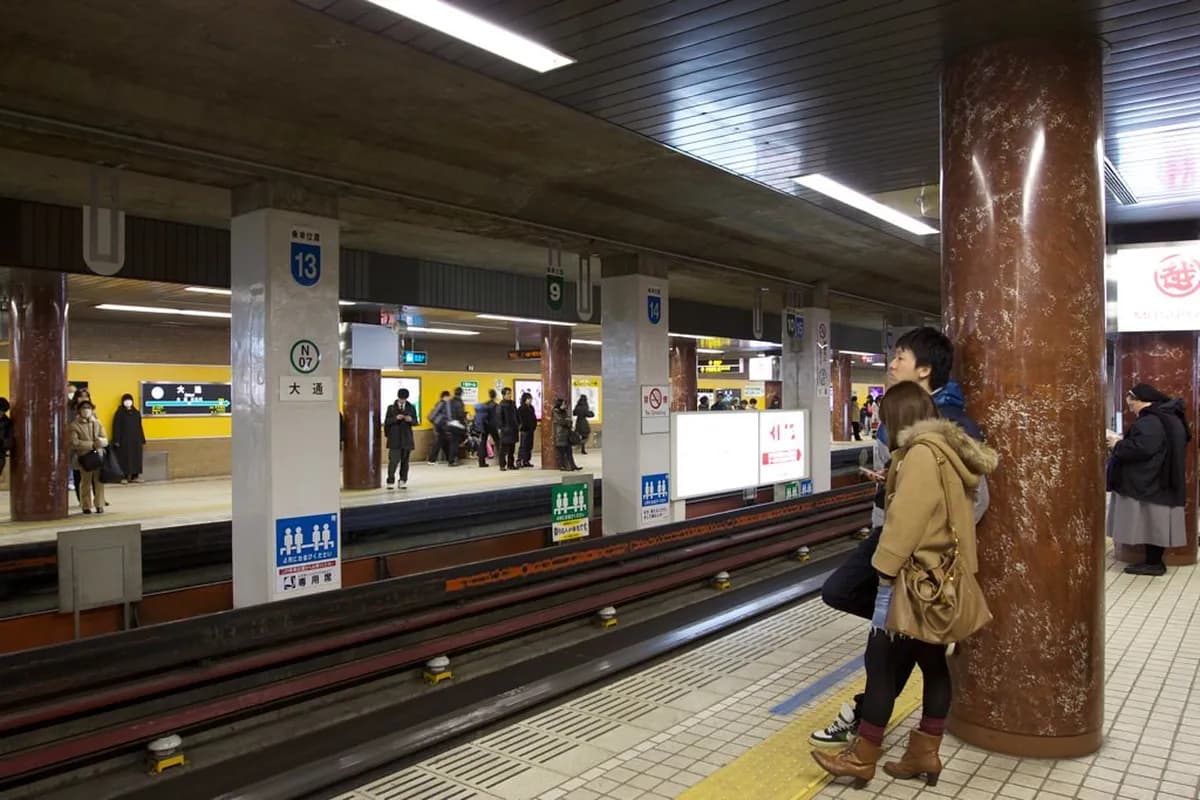
Three neighborhoods handle almost all hotel stays: Sapporo Station, Odori Park, and Susukino. They sit along a single north-south subway corridor separated by roughly 10 minutes of walking, so none is a bad choice — the differences are about atmosphere and morning convenience rather than access.
Sapporo Station is the default for first-time visitors and anyone with an early Hokkaido rail connection. The JR Tower sits directly above the station platforms, several underground-connected hotels are within a three-minute walk, and New Chitose Airport is 36 minutes away by express train. The area is quieter at night than Susukino, which suits travelers who want to sleep early and hit the slopes or the ski bus by 07:00.
Odori Park runs east-west through the center of the city and borders both the Snow Festival main site and the TV Tower. Hotels here put you within a five-minute walk of the Snow Festival grandstands — a real advantage when February temperatures drop to -8°C and every extra minute outdoors counts. The underground Chi-Ka-Ho walkway connects Odori Station directly to Sapporo Station, so you lose nothing in transit access.
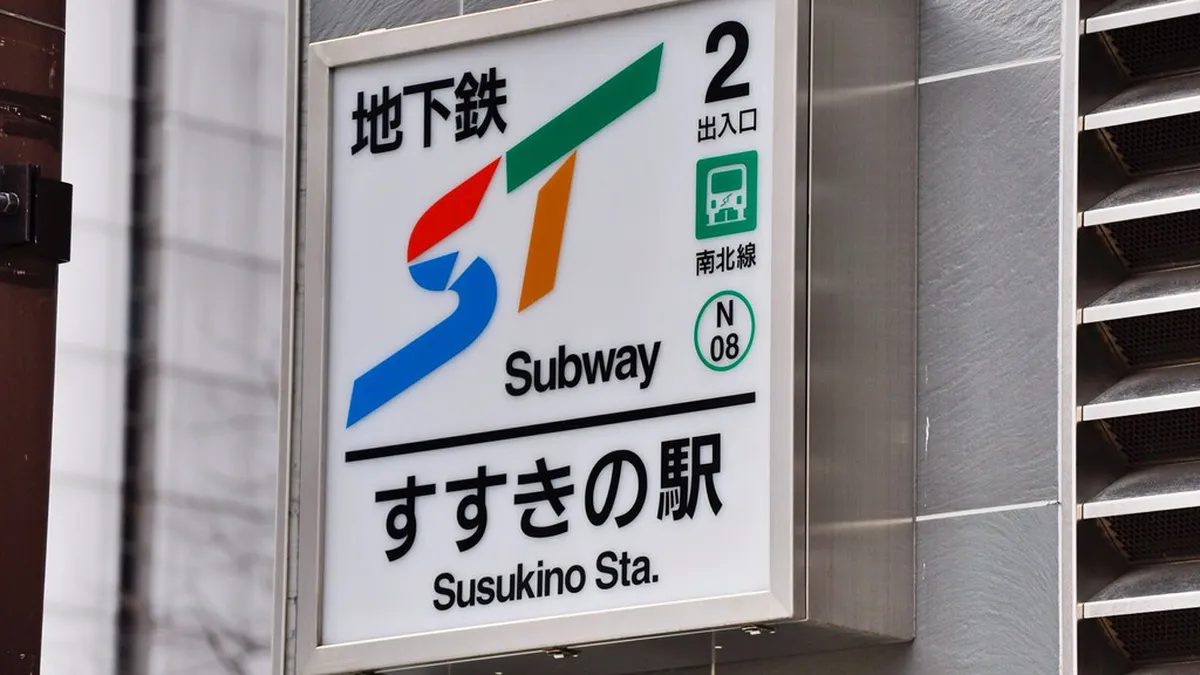
Susukino is Sapporo's entertainment district and the best base for food-focused travelers. The ramen alley, crab restaurants, and most of the izakayas the city is famous for are either in Susukino or a short walk from it. Our Sapporo restaurant guide maps the best spots if you're planning around dining. Late-night noise is real, so choose a room on a higher floor or with blackout curtains if you're a light sleeper.
Luxury Hotels in Sapporo
JR Tower Hotel Nikko Sapporo is the most convenient luxury address in the city. It occupies floors 14–35 of the JR Tower directly above Sapporo Station, which means zero outdoor transit time from the platforms. The 22nd-floor hot spring bath (onsen) offers a panoramic city view that is hard to beat anywhere in Hokkaido. Rates run from around 28,000–45,000 yen per night for a standard double, rising sharply during the Snow Festival. For train connections and arrival details, JR Tower's history and structure are well-documented. Our luxury hotels in Sapporo guide lists further premium options with current pricing.
Sapporo Grand Hotel is a city institution that opened in 1934 and has hosted heads of state ever since. The building connects to the underground walkway system, which keeps guests warm and dry during heavy winter snowfall. Rooms are larger than most business hotels, the Western and Japanese restaurants are both reliable, and the central Odori location is ideal for Snow Festival access. Expect to pay 22,000–35,000 yen depending on room type and season.
Hotel Monterey Sapporo sits in the Odori area and punches slightly above its price point with European-styled interiors, an on-site chapel, and a rooftop sauna. It attracts leisure travelers who want a distinctive atmosphere without paying JR Tower rates. Standard doubles run roughly 18,000–26,000 yen; the weekend supplement is modest compared to comparable properties.
Best Mid-Range Hotels in Sapporo
The mid-range bracket (roughly 10,000–20,000 yen per night) is where Sapporo genuinely excels. Occupancy stays high enough that hotels maintain strong service standards, but the competition keeps prices honest outside festival windows.
Solaria Nishitetsu Hotel Sapporo sits a five-minute walk from Odori Station and is frequently recommended for its breakfast spread, which leans heavily on Hokkaido dairy — fresh milk, local cheese, and Hokkaido butter croissants. Standard doubles run about 14,000–17,000 yen. The lobby is modern without feeling corporate, and the staff reliably accommodates late check-ins from the airport express.
Cross Hotel Sapporo is a popular choice for its rooftop public bath and its genuinely artsy interior, which incorporates Hokkaido folk craft themes. Rooms are compact but thoughtfully laid out, and the Namboku subway line stop is a 90-second walk. Rates hover around 13,000–16,000 yen for a standard double. The bar on the ground floor serves Sapporo Classic draft beer, which is only available in Hokkaido and worth trying.
Dormy Inn Premium Sapporo is a reliable chain pick that offers a large natural hot spring bath (separate men's and women's floors), in-room refrigerators pre-stocked for self-catering, and free late-night ramen service — a detail that sounds gimmicky but lands well after a long day. Prices are typically 10,000–15,000 yen. It sits near Susukino, so the dining and nightlife strip is immediately outside the door.
Budget Hotels and Value Stays in Sapporo
Sapporo's budget hotel market is healthier than most Japanese cities of similar size. You can find clean, subway-adjacent rooms for 5,500–9,000 yen per night outside the February and August peaks, and the competition means standards are higher than equivalent price points in Tokyo.
APA Hotel Sapporo Susukino is the go-to for solo travelers who want a no-fuss bed close to the food action. APA rooms are famously compact — the brand openly optimises for density — but the beds are firm and comfortable, the baths are clean, and the location one block from Susukino Station is genuinely useful. Rates start around 6,000 yen for a single during off-peak months. Book at least six weeks ahead for the Snow Festival to hold anything under 12,000 yen.
Toyoko Inn Sapporo Odori Nishi runs a chain-wide breakfast service (free Japanese breakfast with a rice ball, miso soup, and coffee) and is reliably priced at 7,000–9,500 yen for singles. Multiple Toyoko Inn branches exist in central Sapporo, so confirm the Odori Nishi location if the subway stop matters to you. The underground Chi-Ka-Ho entrance is a two-minute walk.
Capsule hotels and guesthouses in the Susukino area regularly come in under 4,500 yen per person. Khaosan Sapporo Guesthouse has private rooms and dorm beds, attracts international backpackers, and offers a social common area where meeting other travelers is easy. For winter visits, confirm the property has coin-operated drying facilities for ski gear — not all budget places do, but the good ones advertise it explicitly.
Booking for the Snow Festival: What Changes
The Sapporo Snow Festival runs in early February each year — in 2026 it is expected around February 4–11, consistent with recent scheduling. Every hotel within walking distance of Odori Park fills within hours of bookings opening, typically in September of the prior year. If you are reading this in late 2025 or early 2026 with Snow Festival dates in mind, act immediately rather than waiting for better prices — the prices only go up.
During festival week, even budget hotels in Susukino charge 2.5–3× their off-peak rates. A room that costs 8,000 yen in November will list at 20,000–24,000 yen during the festival. The trade-off is that Odori Park is literally transformed: the snow sculptures are illuminated until 22:00 and the atmosphere is unique. Staying within a 10-minute walk of the main Odori site is worth the premium if you plan to visit multiple evenings.
Travelers on a tighter budget sometimes stay in Shin-Sapporo, one zone out on the Tozai subway line, and ride into the city each day. Shin-Sapporo prices are 40–60% lower during festival week, and the commute is 20 minutes. The subway runs frequently until midnight, which covers the main evening illumination hours. See our Snow Festival Odori Park guide for what to plan once you arrive. The JNTO's official Snow Festival resource offers additional seasonal details.
Jozankei and Ryokan Stays Near Sapporo
Jozankei Onsen sits about 28 km south of central Sapporo in a river valley inside Shikotsu-Toya National Park. The town is essentially a collection of traditional inns (ryokans) built around natural hot spring sources, and it functions as Sapporo's onsen getaway. The drive or bus ride takes 50–70 minutes; several city hotels and the bus terminal at Makomanai run direct shuttle connections. Jozankei's official guide provides detailed information on the resort area's geography and attractions.
Jozankei Tsuruga Resort Spa Mori no Uta is the largest and most-discussed property in the area, with indoor and outdoor onsen pools, a kaiseki dinner service that leans heavily on seasonal Hokkaido ingredients, and Western-style rooms available alongside traditional tatami rooms. Two-person rates including dinner and breakfast (the standard ryokan plan) run approximately 35,000–55,000 yen per person. It books out quickly for autumn foliage season (mid-October) and New Year's week.
Smaller ryokans in Jozankei such as Yukawa and Hoheikyo offer similar onsen access at roughly 20,000–30,000 yen per person with meals. These properties have fewer rooms and a quieter atmosphere than the resort-scale options. A one-night stay paired with a two-night Sapporo city stay is a common itinerary — the contrast between urban energy and mountain stillness is a genuine highlight of any Hokkaido trip.
The One-Stop-Away Trick for Better Rates
Sapporo's Namboku subway line runs straight through the hotel-dense core (Sapporo Station → Odori → Susukino), and properties at those three stops carry a location premium that adds 15–25% to nightly rates. Moving one stop further — to Nakajima Koen to the south, or to Kita 18-jo to the north — often drops prices by 20–35% for equivalent room quality.
Nakajima Koen is a residential area bordering Nakajima Park, a pleasant green space that is genuinely attractive in summer and early autumn. Several business hotels here price at 7,500–11,000 yen that would be 12,000–15,000 yen for comparable spec in Susukino. The walk to Susukino takes 15 minutes or the subway one stop. During the Snow Festival this gap widens further: Nakajima Koen hotels often hold sub-15,000 yen rates when Odori-area hotels are fully committed at 30,000+ yen.
The subway day pass (900 yen) makes this strategy financially straightforward. If you are spending two or more nights, the daily transit cost is a small fraction of the accommodation saving. Our Sapporo subway day pass guide explains how to buy the pass and which route covers all the main sights.
Practical Booking Tips for Sapporo Accommodation
Book Snow Festival dates in September at the absolute latest; October gives you fewer choices and higher prices. For summer (July–August), three to four weeks ahead is usually sufficient except during Obon (mid-August), when domestic Japanese travel peaks. Spring and autumn are the easiest seasons — you can often book a week out with no penalty.
The underground walkway system (Chi-Ka-Ho) runs from Sapporo Station south through Odori to Susukino. If you are visiting in January or February, checking that your hotel has underground-connected access is worth doing. The temperature difference between -8°C outdoors and the heated tunnels is not trivial when you are lugging luggage or returning from a late festival night.
Most Sapporo hotels handle large luggage reasonably well, but rooms — even at mid-range properties — are sized to Japanese standards. Standard doubles are typically 20–24 sqm. If you have two large rolling suitcases, look at properties that specifically list "twin" or "superior double" categories, which tend to offer marginally more floor space. Checking the room footprint on the booking platform before confirming saves surprises on arrival.
Check the cancellation policy carefully for winter bookings. Many Sapporo hotels tighten cancellation terms to 30 days for February stays. Travel insurance that covers skiing-related cancellations is worth considering if your trip is built around Hokkaido's ski resorts — a heavy powder dump at Niseko can change your itinerary quickly, and flexible cancellation on your city hotel preserves your options.
Use our Sapporo attractions hub to plan your whole visit.
Frequently Asked Questions
What is the best area to stay in Sapporo for first-time visitors?
For first-time visitors, staying near Sapporo Station or Odori Park is highly recommended. These areas offer the best access to transportation, shopping, and major landmarks. You can learn more about the seasons in our Best Time to Visit Sapporo: Complete Seasonal Travel Guide guide to plan your trip.
How much does a hotel in Sapporo typically cost?
Hotel prices vary by season and location. Budget business hotels range from 6,000 to 10,000 yen, while mid-range options cost between 12,000 and 20,000 yen. Luxury properties can exceed 30,000 yen per night, especially during the popular winter festival months.
Are there hotels in Sapporo with private hot springs?
While most city hotels have public baths, private hot springs are more common in the Jozankei Onsen district. Some high-end hotels in the city center offer private baths for an extra fee. Always check the hotel amenities list before booking to confirm private onsen availability.
Sapporo rewards visitors who match their hotel to their itinerary rather than just picking the cheapest available room. Luxury travelers get genuine value compared to Tokyo rates, mid-range options are plentiful and well-maintained, and budget stays near the subway are clean and functional. Book early for February, consider the one-stop-away strategy to stretch your budget, and pair a city stay with one night in Jozankei if the itinerary allows. Your Hokkaido base matters — choose it deliberately and the rest of the trip falls into place.
Free: The Sapporo Essentials guide
Top things to do, where to stay, a perfect day plan, getting around, and the best time to go — a Sapporo mini-guide you can take offline.
You might also like


Continue reading
More guides you'll find useful