
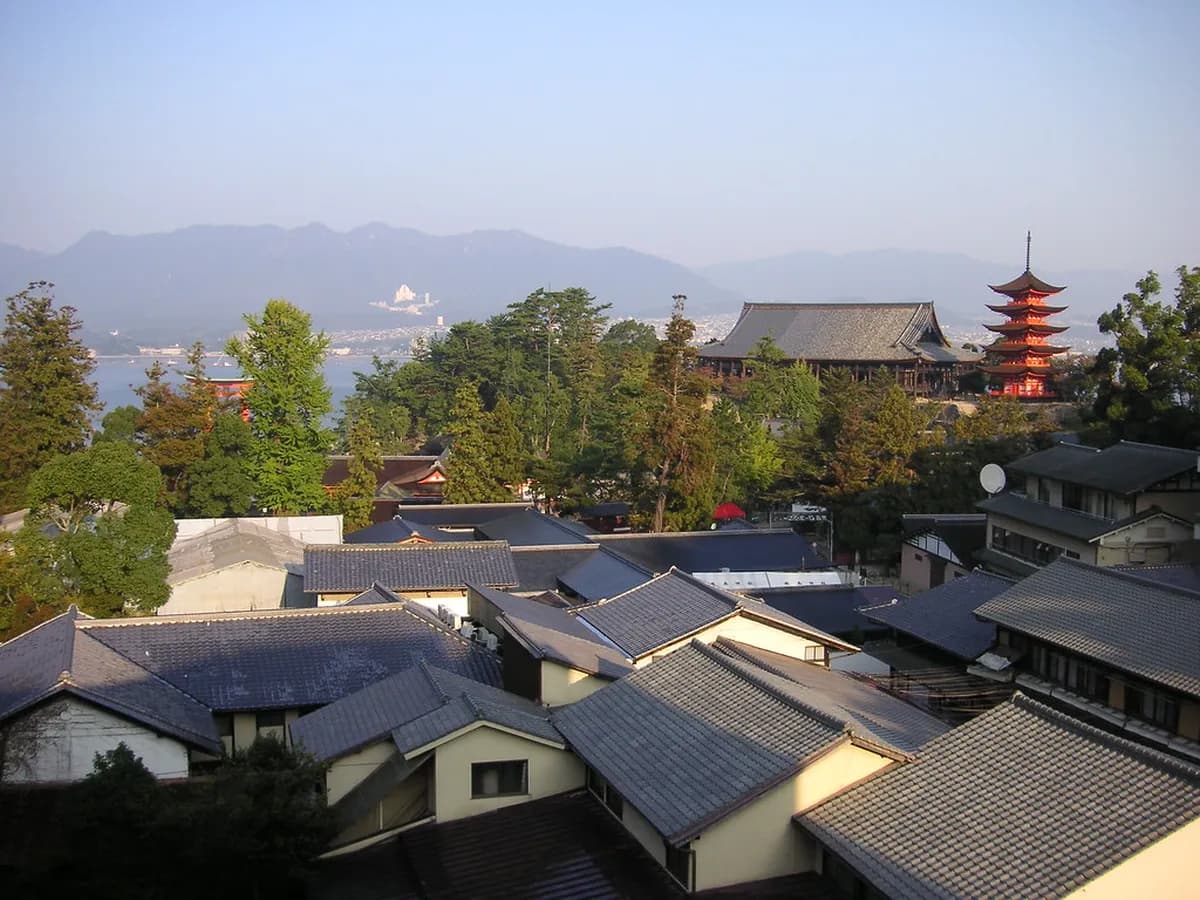
15 Best Ryokan and Traditional Stays Near Hiroshima (2026)
Find the 15 best ryokan and traditional stays near Hiroshima and Miyajima. Compare luxury onsen resorts and budget inns in our updated 2026 guide.
On this page
My first stay at a traditional ryokan near Hiroshima felt like stepping back into a quieter era of Japanese history. I remember waking up at a historic inn and seeing a wild deer standing right outside my sliding paper doors. The region offers a unique blend of coastal beauty and deep cultural heritage that is best experienced through local hospitality.
Updated for 2026, this guide covers the most authentic options for the Hiroshima and Miyajima region. Whether you seek a private onsen or a simple tatami room, choosing the right base is essential for a balanced a sample itinerary. This curated list covers everything from the misty mountains of Miyajima to the hidden fishing villages of the Seto Inland Sea.
Many travelers only see the city as a day trip, but staying overnight unlocks a completely different perspective. The evening stillness after the crowds depart provides a rare chance for reflection near the iconic floating torii gate. I have vetted these fifteen properties to ensure they offer genuine value, exceptional food, and a true sense of place.
Miyajima Island vs. Hiroshima City: Which Base Is Right?
Deciding between a city hotel and an island ryokan is the most common dilemma for visitors to the Chugoku region. While Hiroshima city offers convenience and late-night dining, the island of Miyajima provides a transformative atmosphere once the last tourist ferries depart around 17:00 each evening. Walking through the silent streets in a yukata, with only deer as company, is an experience that most day-trippers miss entirely.
A a day trip to Miyajima is excellent for sightseeing, but an overnight stay allows for early morning shrine visits before 08:00 when the first boats arrive. You can stand in front of the torii gate in near-total silence, watching the tide shift around the ancient pillars. The cost is higher on the island, but the inclusion of multi-course kaiseki dinners and breakfast usually justifies the premium.
Mainland stays near Miyajimaguchi station or in Hiroshima city are better for those with heavy luggage or early shinkansen departures. Many island ryokans are reached by a ten-minute walk from the Miyajima ferry pier along a narrow shopping street, which is difficult with rolling suitcases. Consider your travel pace carefully before committing to a specific base.
Luggage Logistics: How to Arrive at Your Ryokan Without Heavy Bags
Most visitors do not realize they can ship their luggage directly to their Miyajima ryokan using Japan's takuhaibin forwarding service. At Hiroshima Station, head to the JAL ABC counter or any convenience store (Seven-Eleven and FamilyMart both accept parcels) the morning before your island check-in. For around ¥1,500–¥2,000 per bag, your suitcase will arrive at your ryokan by late afternoon — typically before check-in at 15:00.
This makes the ferry crossing and the walk from the pier to your inn far more enjoyable. You board with just a day bag, stroll freely through the Omotesando shopping arcade, and arrive relaxed rather than sweaty. Ryokans on Miyajima are accustomed to receiving forwarded bags and keep them at the front desk until you check in.
On departure day, most ryokans can arrange a return forwarding to Hiroshima Station or to any other hotel on your itinerary. Ask at check-in for the forwarding envelope (yamato or sagawa couriers both operate on the island). Factor in one day of lead time: ship Thursday morning if you arrive Friday.
Luggage forwarding to your Miyajima ryokan via Seven-Eleven or FamilyMart costs just ¥1,500–¥2,000 per bag and arrives by 15:00 check-in. This lets you explore the island unburdened and board the ferry with only a day bag — worth the small investment for comfort.
Iwaso Ryokan
Iwaso has welcomed guests since 1854, making it the oldest operating ryokan on Miyajima Island. It sits nestled inside Momijidani Park, surrounded by maple trees that turn deep crimson every November, and is a short walk from the Itsukushima Shrine floating torii gate. The property spans three main buildings and four private detached villas — the Hanare cottages — each built in the wooden architecture of the early Meiji period.
The open-air hot spring onsen uses water tinted faintly turquoise by the blue stone lining the bath floor. Wild deer roam the property freely and may wander past while you bathe, which is genuinely startling the first time it happens. Kaiseki meals use seasonal ingredients from the Seto Inland Sea, with the autumn menu centered on locally caught fish and wild mushrooms from the mountain.
Rooms start at around ¥55,000 per person per night (approx. $350), including dinner and breakfast. The Hanare cottages add ¥15,000–¥25,000 per person and book out two to three months in advance for the autumn foliage season. Check-in is at 15:00; check-out at 11:00.
Iwaso and other Momijidani Park ryokans peak during autumn foliage (mid-November); book 3–4 months ahead for this window. Similarly, cherry blossom season (late March–early April) fills the inn quickly. Off-season rates (summer, winter) are 30–40% cheaper and less crowded.
Kurayado Iroha
Kurayado Iroha is the only property on Miyajima Island with a five-star rating, and it earns it through a combination of minimalist design and flawless service. The interior borrows from 1960s Japanese modernism — parquet floors in oak and maple, clean lines, and Shoji screens that frame views of the Seto Inland Sea from every room. It sits less than a five-minute walk from Itsukushima Shrine.
Some rooms include a private open-air onsen with direct sea views, which is the main draw for couples booking a honeymoon or anniversary stay. The rooftop communal onsen offers panoramic views of the water and the distant hills of the Hiroshima mainland. The in-house restaurant serves a creative kaiseki menu that rotates with the season.
Prices start at around ¥63,000 per person per night (approx. $400), including dinner and breakfast. This is the most expensive property on this list, but it consistently earns 9.4 out of 10 on booking platforms. Book at least three months out for any weekend stay.
Hotel Miyajima Villa
Hotel Miyajima Villa sits directly opposite the ferry terminal, making it the most accessible island property for travelers arriving with luggage. The rooms blend Japanese and Western styles, so guests who are not comfortable sleeping on a futon can request a standard bed while still enjoying tatami common areas and a traditional breakfast. The panoramic onsen offers clear views of the sea and Itsukushima Shrine.
The property features stylish Queen Rooms and Suites that suit modern travelers who want the cultural experience without giving up Western-style comfort. A sake bar in the lobby stocks local brews from Saijo, Hiroshima's famous sake district about an hour east. It is a sensible choice for families or first-time Japan visitors who want a gentle introduction to ryokan-style hospitality.
Prices start at around ¥39,000 per person per night (approx. $250), including breakfast. This represents good value for a waterfront island location with an onsen. The organic restaurant serves local oysters and seasonal dishes for guests who prefer à la carte over a set kaiseki dinner.
Migiwatei Ochi Kochi
Migiwatei Ochi Kochi is the furthest property from central Hiroshima on this list, and that distance is the point. It sits in Tomonoura, a historic port town on a scenic peninsula within Hiroshima Prefecture, about 50 minutes east of Hiroshima by train to Fukuyama Station, then a 30-minute bus or taxi ride south to the coast. The town itself inspired the setting of Studio Ghibli's film Ponyo.
Every room has a private open-air bath on the terrace, with direct views across the water toward Benten Island and its small torii gate. The interior design is contemporary boutique — hand-selected furniture from Japanese craftsmen, muted plaster walls, and diffused lighting that emphasizes natural textures. Fresh seafood from the Seto Inland Sea dominates the kaiseki menu, and the fish here is noticeably different from what you eat on Miyajima.
Stays start at around ¥78,000 per person per night (approx. $500), including dinner and breakfast. Tomonoura sees a fraction of the tourist traffic of Miyajima, so this is the right choice for travelers who have already done the main island circuit and want to explore the wider prefecture. Book early: the inn has fewer than fifteen rooms.
Hatago Sakura
Hatago Sakura holds the highest review score of any ryokan in Hiroshima Prefecture — consistently rated 9.7 out of 10 across major booking platforms — and it earns that score through extraordinary attention to architectural philosophy. The building was redesigned in the 1960s to produce twenty-foot ceiling heights in the guest rooms, creating an unusually spacious and airy atmosphere for a traditional inn. It has historically attracted Japanese writers and poets who used the contemplative setting as a retreat.
Private onsens with garden views are featured in every room, and the garden itself is designed not as a manicured Japanese garden but as a semi-wild philosophical space where gravel, stone, and a single carefully placed maple tree encourage reflection. The semi-outdoor baths are positioned so a cut-out window frames the tree at eye level while bathing. This is the most thoughtfully designed property on this list.
Rates are approximately ¥28,000–¥55,000 per person per night (approx. $180–$350), including dinner and breakfast. Check-in is from 15:00 to 19:00. The location near Miyajimaguchi station on the mainland makes it a smart choice for travelers who want to catch the morning ferry to Miyajima without an island overnight.
Wholeearth Ryokan Hiroshima
Wholeearth Ryokan Hiroshima brings the tatami experience into the city at a price that makes the ryokan format accessible to budget travelers. The host, Hisaya, runs the inn with a personal warmth that turns first-time ryokan guests into repeat visitors. Guests describe it as the most genuinely hospitable stay in Hiroshima city, ahead of larger and more expensive options.
The inn has a shared lounge, kitchen access, free Wi-Fi, and luggage storage, which are practical additions for backpackers who may arrive before check-in. You can reach it by the local streetcar system from Hiroshima Station without a taxi. The location is on the western side of the city, slightly closer to Miyajimaguchi than the main tourist district.
Rooms start at around ¥14,000–¥25,000 per night for the room (approx. $90–$160), which makes it significantly cheaper than island options. There are no kaiseki meals here, but the host provides detailed recommendations for local restaurants within walking distance. This is the best first-night option for travelers arriving in Hiroshima before heading to Miyajima the next day.
Hotel Sakuraya
Hotel Sakuraya offers classic Japanese-style rooms on Miyajima Island at prices that put it within reach of budget-conscious travelers. The rooms feature shoji sliding paper doors, tatami floors, and futon bedding — all the essentials of the ryokan format without the luxury premium. Western-facing rooms have views over the Seto Inland Sea, particularly good in the late afternoon when the light catches the water.
The public bath is communal and well-maintained, and the staff are consistently praised by international guests for their patience and helpfulness. It sits a five-minute walk from the ferry pier, close to the main shrine complex and the Omotesando shopping street. Prices start at around ¥11,500 per person per night (approx. $73), making this the most affordable traditional inn on Miyajima Island.
Hotel Kikunoya
Hotel Kikunoya sits at the base of Mt. Misen, which makes it the natural choice for hikers planning an early morning climb. The inn has a small outdoor foot bath in the garden where guests can soak their feet with a drink before dinner — an underrated feature that works well after a day of walking across the island's uneven stone paths. Tatami rooms are clean and modern in their finish, with a layout that suits couples and small families equally.
Kaiseki meals here emphasize seasonal ingredients, and the breakfast is particularly well-reviewed for its range of grilled fish and house-prepared pickles. The price-to-quality ratio is strong: stays start at around ¥20,000 per person per night (approx. $128), including dinner and breakfast. Check-in is at 15:00, and the shuttle from the ferry pier runs on request.
Miyajima Grand Hotel Arimoto
The Miyajima Grand Hotel Arimoto is the largest full-service resort on the island, positioned directly behind Itsukushima Shrine for the shortest possible walk to the main sights. It offers a range of rooms from traditional tatami to Western-style beds, which makes it suitable for groups with mixed preferences. The hotel's scale allows it to maintain both indoor and open-air onsens, which are illuminated attractively at night.
Private onsen rooms are available at a premium, categorized as Junior Suites and Ocean Suites with open-air baths. These are the most sought-after room type for guests who want private bathing but do not want to pay Kurayado Iroha prices. The dining experience uses high-quality local beef alongside seasonal seafood in multi-course kaiseki sets.
Rates start at around ¥67,000 per person per night (approx. $430), including breakfast. Full kaiseki dinner and breakfast packages add approximately ¥10,000–¥15,000 per person. This is the right choice for travelers who want resort-scale amenities and central shrine access without the design-forward boutique experience of Kurayado Iroha.
Kinsuikan Ryokan
Kinsuikan sits on the main waterfront of Miyajima, which gives it a significant practical advantage: you can step outside at any hour and walk to the torii gate in two minutes without passing through the shopping arcade. The service is polished and attentive, and the rooms are spacious by island standards — large windows, well-chosen furniture, and private bathroom facilities alongside the shared onsen. The property has its own natural hot spring source.
The rooftop at Kinsuikan is one of the better spots on the island for watching the sunset over the Seto Inland Sea, and the staff can arrange a table for guests who want to watch with a drink. Dinners here are known for high-quality local beef incorporated into the kaiseki menu. Prices start at around ¥49,000 per person per night (approx. $313), including dinner and breakfast.
Miyajima Seaside Hotel
Miyajima Seaside Hotel occupies the eastern side of the island, away from the shrine complex and the shopping street crowds. The building is a mid-rise structure in traditional Japanese style, which allows it to offer tatami-style rooms with private terraces and sea views at a more moderate price than the boutique inns closer to the shrine. Every room has shoji screens and Japanese-style bedding, and guests can order kaiseki meals brought directly to their room.
The hotel sits on its own private beach area surrounded by forested hillside, and deer wander the grounds as freely as anywhere else on the island. The property is about a five-minute drive from the Miyajima ferry pier, and the hotel runs a shuttle service on request. Prices range from approximately ¥28,000–¥55,000 per person (approx. $180–$350), with ocean-view rooms at the upper end.
Mizuhasou Ryokan
Mizuhasou is a small, quiet inn tucked near the entrance to the Momijidani ropeway station, which makes it an ideal base for guests planning to climb Mt. Misen via the ropeway and trail combination. The focus here is on the food: the kaiseki dinner at Mizuhasou receives some of the strongest meal reviews on Miyajima, consistently praised for its seasonal local sourcing and elegant presentation. Rooms are simple traditional tatami with futon bedding and a calm, unhurried atmosphere.
The inn does not offer a private onsen, but the communal baths are well-maintained and largely quiet outside of standard bathing hours. It positions itself in the mid-range at around ¥20,000–¥44,000 per person per night (approx. $132–$280), including breakfast. This is the best choice for hikers and food-focused travelers who want genuine quality without the design-premium of the top-tier properties.
Yamaichi Bekkan
Yamaichi Bekkan is a small family-run ryokan right beside the Miyajima ferry terminal, which means bag drop and departure logistics are as easy as they get on the island. Guests consistently rate the food as the single best reason to book here: the breakfast and dinner menus center on fresh seafood, particularly Hiroshima oysters, prepared with care and served in portions that feel generous for the price. Yukata robes are provided and encouraged for dinner service.
The inn earns a 9.5 out of 10 average rating, with multiple reviewers specifically noting that the hosts went out of their way to accommodate booking errors and schedule changes without complaint. The rooms are classic tatami and futon with sliding wooden doors — no frills, but spotlessly clean and genuinely warm in atmosphere. Prices start at around ¥15,500 per person per night (approx. $99), including dinner and breakfast, which makes this the strongest value option among food-focused stays on the island.
Ryoso Kawaguchi
Ryoso Kawaguchi is a family-run minshuku — closer in spirit to a home stay than a formal ryokan — and that informality is precisely its appeal. The rooms are traditional tatami and futon, the staff offer personalized recommendations for quiet island spots that do not appear in any guidebook, and the pricing is the most accessible of any property close to the shrine. It sits near Itsukushima Shrine in a residential pocket of the island away from the tourist shops.
The 9.6 out of 10 average score is driven almost entirely by the friendliness and attentiveness of the owners. Meals focus on local fresh ingredients prepared simply, which suits guests who find kaiseki sets too elaborate. Rates start at around ¥10,600 per person per night (approx. $68), which is the lowest price point among traditional stays on Miyajima Island.
Miyajima Morinoyado
Owned by the Hiroshima municipal government, Miyajima Morinoyado is the largest single inn on the island and sits near the Miyajima Aquarium on the quieter northern shore. The rooms are spacious traditional tatami with large windows that look out toward Mt. Misen's forested slopes, and the public baths are generous in size — well suited for families with children who may be uncomfortable with the smaller communal facilities at boutique inns. The inn also offers a vegetarian kaiseki option, which is rare on Miyajima.
Being municipally owned, prices are kept deliberately fair at around ¥17,000–¥34,000 per person per night (approx. $110–$220), including breakfast and dinner. The shuttle from the ferry pier runs regularly throughout the day. This is the most family-friendly and accessible entry point into the island overnight experience.
Seasonal Booking: Cherry Blossoms vs. Autumn Foliage
The two peak seasons for ryokan bookings near Hiroshima are late March to early April (cherry blossoms) and mid-November (autumn maple leaves). Both windows typically sell out three to four months in advance at the most popular properties, so calendar your booking date before you finalize your travel dates — not the other way around.
For cherry blossoms, Iwaso is the best-positioned property on this list: the inn sits inside Momijidani Park, and the cherry trees lining the park paths bloom directly outside the Hanare cottage windows. The path from the park to the shrine gate is lined with flowering trees, and the view at high tide in early morning light is difficult to surpass. Miyajima's cultural heritage is most evocative during this season. Kurayado Iroha and Kinsuikan on the waterfront also benefit from the blossoms that run along the main shopping street.
For autumn foliage, Momijidani Park turns peak color between 10 and 20 November most years, making Iwaso and Mizuhasou (which sits at the park's ropeway entrance) the top choices. The contrast of red and orange leaves with the vermilion shrine gate and the grey sea is the defining Miyajima image for the season. Mizuhasou and Yamaichi Bekkan both represent strong value for autumn, with food quality that matches the setting without the premium of the top-tier inns.
Private Onsen Availability: Quick Reference
Private onsens — either in-room or bookable for a private time slot — are the most searched feature among international travelers booking a ryokan for the first time. Not every property on Miyajima offers them, and the distinction between an in-room permanent bath and a bookable private bath (kashikiri) matters for planning purposes.
- Kurayado Iroha: some room categories include a private open-air bath; confirm at booking
- Migiwatei Ochi Kochi: every room has a private open-air terrace bath (Tomonoura location)
- Hatago Sakura: every room includes a private garden-view onsen
- Miyajima Grand Hotel Arimoto: Junior Suites and Ocean Suites have in-room open-air baths; standard rooms use communal facilities
- Kinsuikan: private bath time slots available on request; main facilities are communal
- Iwaso: communal open-air onsen only; no in-room private baths
- Hotel Sakuraya, Ryoso Kawaguchi, Miyajima Morinoyado: communal baths only
If a private onsen is non-negotiable, book Kurayado Iroha, Migiwatei Ochi Kochi, or Hatago Sakura. If you are comfortable with communal baths, the choice broadens considerably and the savings are substantial. International guests who have never used a communal onsen should note that tattoos are typically prohibited — confirm with the specific property before booking if this applies to you.
Quick Comparison: All 15 Properties
The table below summarizes each property by location, nightly price range per person (including dinner and breakfast unless noted), and onsen type. Prices are in USD approximate equivalents for 2026 based on current exchange rates.
| Ryokan / Property | Location | Price Range (USD per person) | Onsen Type |
|---|---|---|---|
| Iwaso | Miyajima Island | $350–$650 | Communal open-air |
| Kurayado Iroha | Miyajima Island | $400–$750 | Private (select rooms) + communal rooftop |
| Hotel Miyajima Villa | Miyajima Island | $250–$500 | Communal panoramic |
| Migiwatei Ochi Kochi | Tomonoura (mainland) | $500–$900 | Private in-room (all rooms) |
| Hatago Sakura | Near Miyajimaguchi (mainland) | $180–$350 | Private garden-view (all rooms) |
| Wholeearth Ryokan | Hiroshima City | $90–$160 | No onsen (city inn) |
| Hotel Sakuraya | Miyajima Island | $73–$150 | Communal |
| Hotel Kikunoya | Miyajima Island | $128–$250 | Communal + foot bath |
| Miyajima Grand Hotel Arimoto | Miyajima Island | $300–$600 | Private (suites) + communal indoor/outdoor |
| Kinsuikan | Miyajima Island | $313–$600 | Private time-slot + communal |
| Miyajima Seaside Hotel | Miyajima Island (east shore) | $180–$350 | Communal |
| Mizuhasou | Miyajima Island | $132–$280 | Communal |
| Yamaichi Bekkan | Miyajima Island | $99–$180 | Communal |
| Ryoso Kawaguchi | Miyajima Island | $68–$130 | Communal |
| Miyajima Morinoyado | Miyajima Island (north shore) | $110–$220 | Communal (large facility) |
Ryokan Etiquette for First-Timers
Staying in a ryokan involves customs that may be unfamiliar to international travelers. Getting these right makes the experience significantly more comfortable for you and other guests. The official ryokan traditions are rooted in centuries of Japanese hospitality culture.
- Remove shoes at the entrance genkan and change into the inn's slippers. Remove slippers before stepping onto tatami mats.
- Your yukata robe is for wearing throughout the inn, including to the baths and dinner. Fold left side over right — the reverse is used only for funeral dress.
- Communal baths require you to wash thoroughly at the seated shower stations before entering the shared water. Bring your hair up or tied back; no hair in the bath is the standard rule.
- Check-in times are typically 15:00; check-out is 10:00 or 11:00. Arriving significantly late without notice can affect your kaiseki dinner, as timing is fixed by the kitchen.
- Futons are laid by staff while you are at dinner. Do not move furniture or lay the futon yourself — the staff will do this as part of the service.
- Tipping is not practised in Japan and can create awkwardness. Express appreciation verbally or with a written note at check-out.
The most common first-timer mistake is booking without a meal plan. Food options on Miyajima after 19:00 are extremely limited, and the kaiseki dinner is a core part of the experience. Always confirm that your booking includes dinner (yushoku) and breakfast (choshoku), not just the room rate.
Keep planning your trip with our Hiroshima accommodation guide and the best neighborhoods to stay in.
Frequently Asked Questions
Is it better to stay on Miyajima Island or in Hiroshima City?
Staying on Miyajima Island is better for those seeking a peaceful, traditional atmosphere and early shrine access. Hiroshima City is more convenient for nightlife, shopping, and early train departures. For a complete experience, I recommend one night on the island and one in the city.
Do all ryokans in Hiroshima have private onsens?
Not all ryokans have private onsens, as many rely on communal public baths. However, luxury properties like Kurayado Iroha or Migiwatei Ochi Kochi offer rooms with private open-air baths. Always check the specific room description before booking to ensure private facilities are included.
What is the average cost of a ryokan stay near Hiroshima?
Prices range from $100 per night for simple inns to over $700 for luxury resorts with meal plans. Most mid-range traditional stays cost between $250 and $400 for two people. Seasonal peaks like autumn can significantly increase these rates, so early booking is essential.
Choosing one of the best ryokan and traditional stays near Hiroshima is the most effective way to deepen your connection to Japan. From the historic halls of Iwaso to the coastal luxury of Tomonoura, these properties offer more than just a place to sleep. They provide a window into a culture of hospitality that has been refined over hundreds of years.
I hope this guide helps you find the perfect match for your 2026 journey to this stunning part of the Chugoku region. Whether you choose the island's misty peaks or the city's hidden corners, an authentic stay will be the highlight of your trip. For more planning help, explore our 2-day Hiroshima and Miyajima itinerary to maximize your time.
Free: The Hiroshima Essentials guide
Top things to do, where to stay, a perfect day plan, getting around, and the best time to go — a Hiroshima mini-guide you can take offline.
You might also like


Continue reading
More guides you'll find useful


