12 Best Areas and Tips for Staying in Hiroshima: Neighborhood Guide
Discover the best areas to stay in Hiroshima with our neighborhood guide. Compare Downtown vs. Hiroshima Station, find top-rated hotels, and get local transit tips.
On this page
Choosing the right base is essential when exploring the historic and vibrant city of Hiroshima in Japan.
This best areas to stay in Hiroshima neighborhood guide helps you navigate the diverse districts available for your 2026 visit.
Whether you want central nightlife or transit convenience, each area offers a unique perspective on this resilient urban center.
What is the Best Area to Stay in Hiroshima?
The best area for your stay depends heavily on whether you prioritize evening entertainment or easy morning transit. Most visitors choose between the bustling Downtown district or the modern area surrounding the main Hiroshima Station. Downtown offers immediate access to local food, the Peace Memorial Park, and shops, while the station area simplifies regional travel across the Chugoku region.
Hiroshima is a compact city crisscrossed by six rivers that divide it into small islands connected by bridges — this gives it the nickname "City of Water." That geography means no matter which area you choose, the main sights are reachable within 15–30 minutes on foot or by tram. Many travelers find that a Hiroshima 2-day itinerary works perfectly regardless of which central hub they select.
Here is a quick comparison of the three main areas to help you decide:
- Downtown (Hatchobori and Hondori): Best for nightlife, dining, and first-timers who want to walk everywhere. Closest to the Peace Park. Moderate to high prices.
- Hiroshima Station Area: Best for Shinkansen travelers, early departures, and day-trippers. 15 minutes from downtown by tram. Variable prices with good business hotel options.
- Miyajima Island: Best for travelers who want the shrine after-hours experience. Premium ryokan pricing. Requires ferry (25 minutes from Hiroshima Port).
| Area | Best For | Nearest Sight | Price Band |
|---|---|---|---|
| Downtown (Hatchobori) | Nightlife, dining, walking | Peace Park (10–15 min walk) | Moderate to high (¥15,000–25,000+) |
| Hiroshima Station | Shinkansen arrivals, early departures | Shukkeien Garden (6 min walk) | Variable (¥8,000–18,000) |
| Miyajima Island | Shrine after-hours, solitude | Itsukushima Shrine (direct access) | Premium (¥15,000–35,000) |
Downtown Hiroshima (Hatchobori & Hondori)
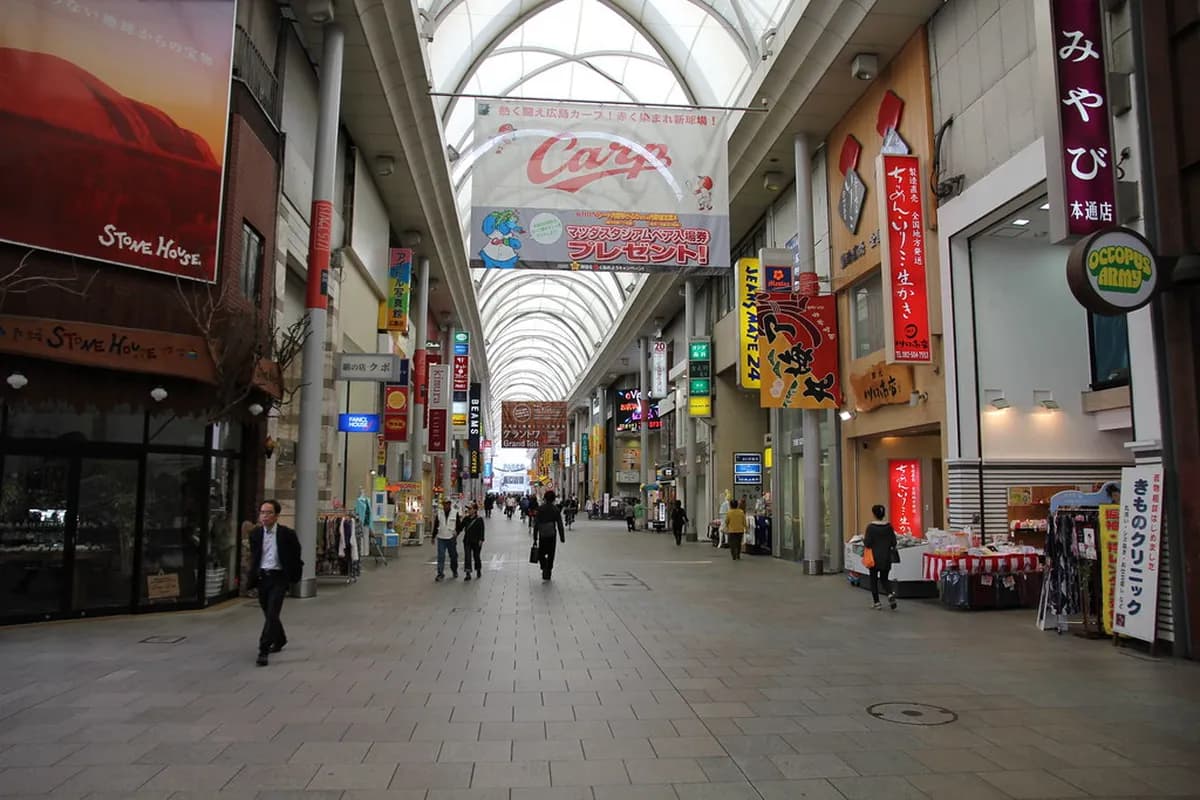
Downtown Hiroshima serves as the energetic heart of the city and is the best choice for first-time visitors. Staying here means you are a 10–15 minute walk from the Peace Memorial Park and Museum, steps from the Hondori covered shopping arcade, and surrounded by dozens of local restaurants and izakayas. The entertainment district sits between Aioi-dori and Heiwa-odori streets, where bars, karaoke joints, and late-night restaurants keep things lively on weekends. Hatchobori's nightlife attractions make this area especially appealing for evening dining and local exploration.
The main attractions are all walkable: the Atomic Bomb Dome is 15 minutes on foot, Hiroshima Castle is 20 minutes, and the Orizuru Tower observation deck is right next to the Dome. You can return to your hotel mid-afternoon for a rest and repack before heading to Miyajima Island — that flexibility is one of the biggest practical advantages of a downtown base.
Notable hotels in Downtown Hiroshima include the Candeo Hotels Hiroshima Hatchobori (mid-range, 4 stars, rooftop onsen) and the Hilton Hiroshima (mid-range, 4 stars, indoor pool — one of the few hotels in Hiroshima with one). KIRO Hiroshima by THE SHARE HOTELS is a chic boutique option with family loft rooms for groups. For budget travelers, the GuestHouse Hostel MangeTak runs clean dorms and private rooms in a central location. The Hiroshima nightlife scene is easily walkable from all of these properties.
The one trade-off: streets in the entertainment district get noisy on Friday and Saturday evenings, especially during peak seasons like Golden Week (late April to early May) or the Hiroshima Dreamination winter light festival in November and December.
Around Hiroshima Station
Staying near Hiroshima Station is the most practical choice for travelers arriving by Shinkansen from Tokyo (approximately 4 hours) or Osaka (approximately 1 hour 20 minutes). The station area has undergone significant redevelopment and now offers modern hotels and large department stores directly connected to the rail platforms. The Ekie shopping and dining complex inside the station handles most evening meal needs without leaving the building.
The Hotel Granvia Hiroshima is the flagship station hotel, offering direct walkway access and a range of room categories from standard to top-end. The Sheraton Grand Hiroshima sits one minute from the station on foot and has an indoor swimming pool. APA Hotels operate several properties near the south exit, providing compact, clean rooms at business hotel rates. For those wanting more space, Lion Heiwa Odori offers apartment-style rooms with kitchenettes.
Attractions within easy reach of the station include the Shukkeien Garden (6-minute walk, 400-year-old landscape garden) and the Hiroshima Prefectural Art Museum directly next to it. These two make a natural morning pairing before heading downtown. The main limitation: downtown restaurants and nightlife are a 15-minute tram ride away, and that tram stops running around 23:00. If you plan to eat dinner downtown and return on foot, allow 30 minutes for the walk back.
The Dinner Dilemma: Station vs. Downtown
The 15-minute tram gap between the two areas sounds minor but has real practical implications for evening plans. Hiroshima's trams run every 6–10 minutes during the day and evening, with the last services leaving downtown toward the station around 23:00–23:30. If you stay at the station and want to eat dinner at Okonomimura or along Hondori, you need to either catch the tram back before midnight or plan on a 30-minute walk.
The walk between Hiroshima Station (south exit) and central Hondori is roughly 2.5 kilometers. It is flat, safe, and well-lit at night — many travelers do it without thinking. But if you are traveling with children or heavy luggage, or simply want to stay out late without clock-watching, staying downtown removes the problem entirely.
The reverse scenario also applies: if you stay downtown and have an early Shinkansen, you either book a taxi (about ¥1,500–¥2,000 to the station) or take the first tram around 06:00. Neither is particularly difficult. The practical rule of thumb: choose the station area if your Japan rail itinerary has you arriving and departing Hiroshima; choose downtown if Hiroshima is your base for a few days of local exploration.
Hiroshima's trams run every 6–10 minutes during peak hours, with the last services leaving downtown toward the station around 23:00–23:30. A single tram ride costs ¥220 flat, and the Suica card works on all public transport. Download the Hyperdia or Jorudan apps before arrival to check tram schedules in real time.
Peace Memorial Park & Miyajima Island
Accommodation near the Peace Memorial Park offers a somber and reflective atmosphere for visitors focusing on history. You can visit the Hiroshima Peace Memorial Museum early in the morning — doors open at 08:00 — to experience the exhibits before tour groups arrive. The park itself surrounds the museum and includes the Flame of Peace, the Children's Peace Monument, and the Cenotaph. Morning light over the A-Bomb Dome across the river is one of the more affecting sights in Japan.
Miyajima Island deserves special mention as an overnight option. Most visitors take a day trip: the island is a 25-minute ferry from Hiroshima Port (take the tram to Hiroden-Miyajimaguchi and then the JR ferry). That works well. But staying one night on Miyajima is a genuinely different experience. After the last afternoon ferry brings the day-trippers back to the mainland, the island becomes quiet. You can walk to the Itsukushima Shrine after dark, watch the giant torii gate lit against the water, and have the deer-lined paths nearly to yourself.
A Miyajima day trip from Hiroshima costs nothing beyond the ferry fare (covered by JR Pass). An overnight stay at a Miyajima ryokan runs ¥15,000–¥35,000 per person including dinner and breakfast. Timing your visit around high tide is important — at low tide the iconic floating torii gate is surrounded by muddy flats rather than water. Check the tide tables before booking.
Family-Friendly and Budget-Friendly Options
Families often prefer the quieter residential pockets just outside the main commercial blocks. Areas near the Shukkeien Garden offer a more relaxed pace while remaining close to major attractions and the station's convenient transport links. The garden itself has a children's play area and seasonal events, and is far less crowded than the Peace Park.
Budget travelers can find excellent value in guesthouses located near the Enshoji temple district and north of the station. Guesthouse Akicafe Inn is a well-reviewed budget option near the station with private and dormitory rooms. The fav Hotel Hiroshima Stadium is another mid-budget property with apartment-style rooms and a washing machine in each unit — useful for longer stays. Visiting during the autumn colors season drives up prices across the board, so booking budget spots at least 6–8 weeks ahead is advisable.
For families with young children, the downtown area is generally preferable to the station area because the Peace Park, the Orizuru Tower, and the Children's Peace Monument are all short walks away. The covered Hondori arcade is also pushchair-friendly. One caveat: the Peace Memorial Museum content is heavy — the museum's own guidance recommends parental discretion for children under 15 for the indoor exhibition hall.
The Peace Memorial Museum's exhibits document the atomic bombing with personal accounts, artifacts, and photographs. The official guidance recommends parental discretion for children under 15 viewing the indoor hall. Plan to spend at least two to three hours inside, and consider visiting early in the morning (08:00 opening) to avoid afternoon crowds.
Getting Around Hiroshima: Trams and Loop Buses
Hiroshima is famous for its extensive streetcar network, which remains the most charming and practical way to see the city. Learning how to get around Hiroshima by streetcar will save you time and money during your stay. The flat fare is ¥220 per ride for adults anywhere within the city center. Line 2 and Line 6 connect Hiroshima Station to the downtown Hatchobori stop and the Peace Park area in about 15 minutes.
The Hiroshima Sightseeing Loop Bus (Meipuru-pu) is another excellent option, connecting the station to the Peace Park and Museum every 15–20 minutes. JR Pass holders ride free. A 1-day pass for unlimited loop bus rides costs ¥400. The bus starts at Hiroshima Station Bus Stop No. 1 (south exit) and loops through the main tourist sites before returning.
The easiest payment method for all public transport is the Suica card. You can load Suica onto an iPhone or Android via Apple Pay or Google Pay, top up instantly, and tap on and off trams, buses, and even the Miyajima ferry without fumbling for coins. The Suica card does not work on Shinkansen — buy those tickets at the station ticket office or in advance via Klook. Budget approximately ¥1,000 per day for local transport within Hiroshima city.
Where to Eat & Drink: Hiroshima Specialties
Hiroshima has its own distinct regional cuisine, and food is one of the best reasons to spend more than a day here. The city's signature dish is Hiroshima-style okonomiyaki — a layered pancake of cabbage, batter, noodles, and toppings like pork belly or fried egg, cooked on a flat iron griddle. It is distinct from Osaka-style okonomiyaki, which mixes ingredients together; the Hiroshima version is built in distinct layers and is considerably more filling.
Okonomimura is the most famous place to eat it. The building in downtown Hiroshima near Hatchobori contains 23–25 small stalls across three floors, each run by a different family serving their own version of the dish. Prices run ¥900–¥1,500 per person. No reservations are needed — you simply walk in, pick a stall with a free counter seat, and watch the cook build your pancake layer by layer directly in front of you. It is one of the most enjoyable dining experiences in Japan for a solo traveler or a couple.
The difference between Okonomimura and a neighborhood okonomiyaki shop is worth knowing. At Okonomimura you get the tourist-friendly, multi-option experience: busy, fun, and reliable. At a local neighborhood shop — the kind found on side streets in Naka Ward or near Yokogawa Station — a single family works one or two griddles, the menu may be handwritten in Japanese only, and the dish costs ¥700–¥900. The neighborhood shop version is quieter, slightly cheaper, and often more personal; the cook may explain each layer in broken English with visible pride. Both are worth trying if you have two or more nights in the city.
Beyond okonomiyaki: Kiyo Chan near downtown Hondori has served ramen since 1973 and draws loyal regulars for its concentrated tonkotsu-soy broth. Onigiri Nitaya on the riverside opposite the Peace Memorial Park sells take-away rice balls for ¥200–¥350 — ideal for a riverside lunch. Obscura Coffee Roasters operates two locations in the city and is the best specialty coffee stop in Hiroshima.
Best Things to Do: Museums, Parks, and Culture
The Peace Memorial Museum is the single most significant attraction in Hiroshima and should anchor any visit. It opens at 08:00 (closing varies by month — check the official site before visiting). The museum tells the story of the atomic bombing through personal accounts, preserved artifacts, and photographs. Plan at least two to three hours. For comprehensive Hiroshima travel information and museum details, consult established visitor guides before your trip. The Peace Memorial Park surrounding it is free to enter at any hour and holds the Flame of Peace, the Cenotaph, and the Children's Peace Monument.
The A-Bomb Dome sits directly across the river from the park. It is the only structure that survived near the bomb's epicenter in 1945 and is preserved exactly as it stood after the explosion. Entry to the exterior is free and the site is accessible 24 hours. Hiroshima Castle, a short walk north of downtown, is a 1958 reconstruction of the 1590s original. Climb to the fifth floor for panoramic views across the city. Admission is ¥370. The Hiroshima Gokoku Shrine on the castle grounds is free to enter.
Shukkeien Garden, near the station, is one of the finest Japanese landscape gardens in the country. Entry costs ¥260 (adults). The garden dates back 400 years and is at its best in cherry blossom season (late March to early April) and during autumn foliage (mid-November). The Hiroshima Prefectural Art Museum next to the garden holds over 4,500 pieces including a large Surrealism collection.
Day Trips from Hiroshima
Hiroshima is one of the best bases in Japan for day trips. The Sanyo Shinkansen line and local JR connections put several worthwhile destinations within 30–90 minutes. Miyajima Island is the most popular: take Line 2 tram to Hiroden-Miyajimaguchi (about 70 minutes) and then the 10-minute JR or Matsudai ferry. The island holds Itsukushima Shrine, a cable car to Mt. Misen with panoramic views, and the Omotesando shopping street.
Iwakuni is 40 minutes by train and worth a half-day for the Kintai Bridge — a 300-year-old five-arch wooden bridge spanning the Nishiki River — and Iwakuni Castle above it. Himeji, 90 minutes east by Shinkansen, has Japan's finest surviving castle: Himeji Castle is a UNESCO World Heritage Site and the Kokoen Garden next to it is equally beautiful. A Himeji return ticket costs approximately ¥8,000 (not covered by standard JR Pass on Nozomi trains).
For a more off-the-beaten-path option, Saijo Sake Brewery Town is 40 minutes east by local JR train and clusters seven sake breweries along a single street. Autumn is the best time to visit during the brewery open-day season in October.
How Many Days Do You Need in Hiroshima?
Two full days is the minimum to cover the Peace Memorial Park, the A-Bomb Dome, Hiroshima Castle, Shukkeien Garden, and one day trip to Miyajima. On Day 1, focus on the Peace Park and downtown sights; on Day 2, take the morning ferry to Miyajima and return by late afternoon. This is the most common itinerary and it works well.
Three days gives you meaningful breathing room. You can spend a full afternoon at Okonomimura on Day 1, add Iwakuni or Himeji as a second day trip, and still have time to revisit the Peace Park at a quieter hour. If you plan to stay one night on Miyajima — highly recommended — budget three nights in Hiroshima: two nights downtown, one night on the island.
A day trip from Osaka or Kyoto is possible (Osaka to Hiroshima is 1 hour 20 minutes by Shinkansen Nozomi), but it leaves very little time and skips Miyajima entirely. If Hiroshima is on your Japan itinerary, it genuinely rewards at least one overnight stay.
Best Time to Visit Hiroshima
Spring (March to May) and autumn (late September to early December) are the best seasons. Cherry blossoms peak in late March to early April around the Peace Memorial Park, Hiroshima Castle, and Shukkeien Garden. Autumn foliage in Shukkeien Garden and on Miyajima peaks in mid-to-late November and draws significant crowds, though Hiroshima remains noticeably less congested than Kyoto and Osaka during the same period.
Summer (June to August) is hot and humid with average highs of 32–34°C. Typhoon season runs from July through September. The annual Peace Memorial Ceremony on August 6 draws large crowds and international attention — it is a deeply moving event if you can time your visit around it, but accommodation books out months in advance. Winter (December to February) is the quietest and cheapest period. Expect cold, occasionally rainy days with temperatures of 3–10°C, but very few crowds at major attractions.
Golden Week (late April to early May) drives prices up sharply across all Hiroshima accommodation. Book at least 8–10 weeks ahead for Golden Week. Outside of Golden Week and August 6, last-minute bookings are usually possible.
Is Hiroshima Worth Visiting?
Yes — and not only for the Peace Memorial Park. Hiroshima is a genuinely enjoyable city with good food, accessible transit, and enough sights to fill three days comfortably. The city was rebuilt almost entirely after 1945, which gives modern Hiroshima a clean, well-organized layout that is easier to navigate than Tokyo or Osaka. Accommodation is also more affordable here: a 4-star hotel that would cost ¥25,000 per night in Kyoto often runs ¥15,000–¥18,000 in Hiroshima.
The Peace Memorial Park and Museum are among the most significant historical sites of the 20th century, and the experience is far more personal and less overwhelming than many visitors expect. The museum staff and materials work hard to humanize the history rather than simply catalog destruction. Most visitors leave changed by it in a quiet way.
Hiroshima is also less tourist-saturated than Kyoto. You can have Hiroshima Castle nearly to yourself on a mid-week morning, and you will find local restaurants with no English menus and no tourist markup if you wander a block off the main streets. For travelers building a Japan itinerary that includes Osaka or Kyoto, Hiroshima is worth at least two nights without question.
Keep planning your trip with our Hiroshima accommodation guide and our top hotel picks.
Frequently Asked Questions
What is the best area to stay in Hiroshima for first-time visitors?
First-time visitors should stay in the Downtown area near Hatchobori or Hondori. This location puts you within walking distance of the Peace Park, local shops, and the famous Okonomimura food building. It offers the most vibrant atmosphere for experiencing the city's culture and nightlife.
Is it better to stay near Hiroshima Station or Downtown?
Stay near the station if you have early trains or frequent day trips planned. Choose Downtown if you want to be close to restaurants and evening activities. The two areas are connected by a fifteen-minute tram ride, making both options very accessible for most travelers.
How many days should I spend in Hiroshima?
Two full days are usually enough to see the main city sights and take a trip to Miyajima Island. If you want to explore hidden spots or nearby towns like Iwakuni, consider staying for three days. This allows for a more relaxed pace and deeper cultural exploration.
Is Hiroshima worth visiting as a day trip from Osaka?
Yes, a day trip is possible thanks to the fast Shinkansen connection between the cities. However, staying overnight allows you to see the Peace Park without the midday crowds. You will also have time to enjoy a traditional dinner and the beautiful evening lights across the city.
Selecting the perfect neighborhood in Hiroshima ensures a smooth and memorable journey through this historic Japanese city.
Whether you choose the convenience of the station or the energy of downtown, you will find warmth and hospitality.
Plan your 2026 trip today and discover why this destination remains a favorite for travelers from around the world.
Once you have settled on an area, compare specific properties in our complete Hiroshima accommodation guide, then map out the sights with our Hiroshima attractions guide.
Free: The Hiroshima Essentials guide
Top things to do, where to stay, a perfect day plan, getting around, and the best time to go — a Hiroshima mini-guide you can take offline.
You might also like


Continue reading
More guides you'll find useful