Miyajima Momiji Manju Maple Leaf Cake Guide
Plan miyajima momiji manju maple leaf cake guide with top picks, neighborhood context, timing tips, and practical booking advice for a smoother trip.
On this page
Momiji manju are the most iconic souvenir in all of Hiroshima Prefecture, and Miyajima Island is where you eat the freshest ones. These maple leaf-shaped cakes have been baked on the island for over a century, and today every street in the shopping district carries the warm scent of batter fresh out of cast-iron molds.
This guide covers what they are, their origin story, every major flavor, which shops are worth your time, and how to decide between eating on the spot or packing them home.
What Is Momiji Manju?
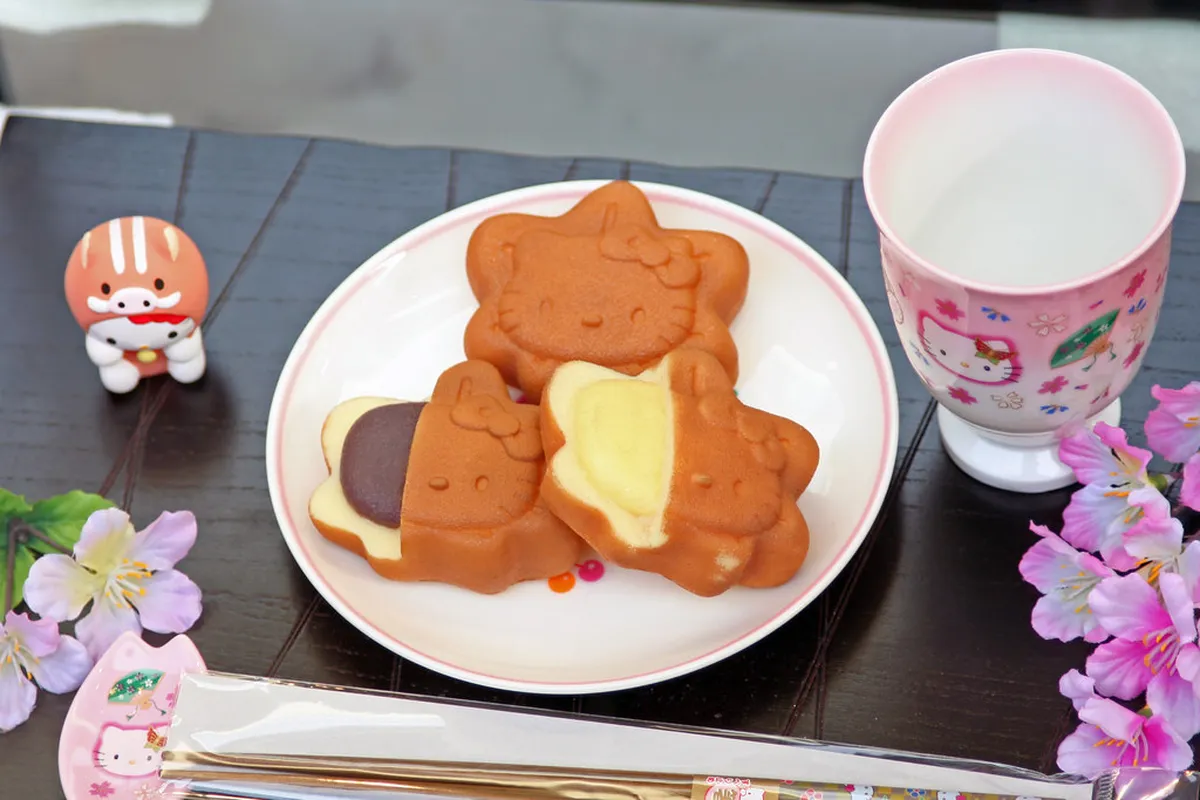
Momiji manju is a soft, castella-style sponge cake shaped like a Japanese maple leaf. The word momiji means "maple" in Japanese, and the maple is the official tree and flower of Hiroshima Prefecture. The shape references the famous autumn foliage at Momijidani Park on Miyajima, though the cakes are sold year-round and are just as popular in summer and spring as they are in autumn. These maple leaf-shaped sweets have become iconic across Japan.
The outer shell is a light, lightly sweet batter baked golden in a two-part metal mold. Inside sits a filling — traditionally smooth or chunky red bean paste (anko) made from azuki beans. The result is a palm-sized treat that is mildly sweet, delicately soft, and easy to eat while walking. Many visitors to Hiroshima attractions list trying momiji manju as the single food experience they were happiest they did.
Beyond classic red bean, modern fillings have expanded to include custard cream, chocolate, matcha, cheese, and seasonal varieties. Fried momiji manju — a later invention — wraps the same batter around a filling and deep-fries it on a bamboo skewer for a crunchy street-food version. There are currently more than 20 producers on and around Miyajima Island, each with their own recipe.
The History of Momiji Manju
The story of momiji manju begins in 1906. Japan's first prime minister, Hirobumi Ito, was staying at Iwaso Ryokan near Momijidani Park when he reportedly remarked that a young inn attendant's hands resembled beautiful maple leaves. An innkeeper overheard the comment and asked local confectioner Tsunesuke Takatsu to create a maple leaf-shaped sweet to capture the moment. After extensive experimentation, the maple leaf-shaped baked manju was born that same year. The shrine that draws pilgrims to Miyajima — Itsukushima Shrine — became the backdrop for this confection's rapid spread across Japan.
Takatsu registered a patent for his confection in 1910. However, the original recipe was never formally passed down, and after the patent lapsed — 20 years without renewal meant the design entered the public domain — other shops on the island began making their own versions. This is why Miyajima now has dozens of producers rather than one original maker. The shop Takatsudo, run by Takatsu's descendants, continues to operate today near the Miyajima-guchi ferry pier on the mainland.
Iwaso Ryokan, where the idea was born, is still operating on Miyajima. It opened in 1854 and remains one of the island's most traditional accommodations, with tatami rooms overlooking Momijidani Park. Staying there connects you directly to the origin of the treat you are eating. If you want to explore where to spend the night, the Miyajima ryokan and hotels guide covers the best options across every budget.
Momiji Manju Flavors to Try
The classic smooth red bean paste (koshian) remains the most widely sold filling. It has a silky, refined texture and an earthy sweetness that pairs well with the lightly sweet cake exterior. Chunky red bean paste (tsubuan) offers a more textured bite with whole or partial azuki beans. Both are available at every shop on the island.
Custard cream is the most popular modern filling, especially with children and first-time visitors. It is rich, slightly eggy, and melts into the warm cake. Matcha versions blend high-quality green tea powder into a red bean base, producing a fragrant, subtly bitter balance. Cheese momiji manju — first introduced by Miyatoyo in 1984 — has a savory-sweet contrast that surprises most visitors and has become one of the top three selling flavors island-wide. The cheese version tastes especially good microwaved briefly before eating.
Seasonal flavors shift by time of year. Spring brings cherry blossom and strawberry. Summer features lemon from the Seto Inland Sea and ramune. Autumn highlights chestnut. Winter carries sweet potato and caramel. If you visit in 2026 outside peak autumn, checking seasonal availability at each shop adds a discovery element to the trip. Chocolate is available year-round and is consistently one of the top sellers for younger visitors.
How Much Does Momiji Manju Cost?
Individual pieces typically cost between ¥80 and ¥150 each. Classic flavors like smooth red bean and chunky red bean sit at the lower end, around ¥80–¥90. Modern or specialty fillings such as seasonal fruit or cream cheese tend to be ¥120–¥150. Fried momiji manju on a stick (age momiji) cost around ¥200 each and are sold hot at street counters near the shopping street.
| Style | Price (each) | Shelf Life | Best Use |
|---|---|---|---|
| Baked (standard) | ¥80–¥150 | 1–3 weeks (sealed) | Souvenir / gift |
| Nama (fresh-style) | ¥120–¥150 | 1–2 days | Eat on the island |
| Age momiji (fried) | ~¥200 | Eat immediately | Street snack |
Boxed sets of ten start at roughly ¥1,000 and are the standard format for taking home as omiyage gifts. Most shops sell mixed-flavor boxes, which lets you send a varied selection to colleagues or family. Vacuum-sealed boxed versions have a shelf life of two to three weeks, making them practical souvenirs for long journeys home. Always check the packaging date before buying.
Budget-minded visitors should note that the mainland-side shop Daishindo near Miyajima-guchi station sells standard flavors for as little as ¥65 per piece — among the cheapest options available. The quality is excellent, and the shop is a local favorite among Hiroshima residents rather than a tourist-facing outlet.
Popular flavors sell out before closing time. Buy fresh-baked momiji manju early in your visit — most shops open around 09:00 and the first batches of the morning are noticeably softer and more fragrant than later stock.
Baked, Fresh, or Fried: Choosing the Right Style
Most visitors do not realize there are three distinct types of momiji manju, and choosing the wrong one for your situation can lead to disappointment. Standard baked momiji manju is the version to take home. It has a shelf life of one to three weeks in sealed packaging and travels well. This is what fills most momiji manju souvenirs you'll find across Hiroshima.
Nama momiji (fresh-style momiji manju) is a fundamentally different product developed by Nishikido. Rather than a baked sponge shell, the outer layer uses a soft mochi-like rice flour wrapper with a tender, almost raw texture. It has been recognized as an official Hiroshima Brand product. The catch: nama momiji lasts only one to two days at room temperature. It is strictly a eat-it-here treat and cannot be packed as a souvenir for anyone not traveling with you. If you buy a box to take on a plane, it will not survive more than a day.
Age momiji (fried momiji manju), introduced by Momijido in 2002 and now a registered trademark, is a street-food experience. It is served piping hot on a bamboo skewer, crisped golden in a deep fryer, and consumed immediately. The cheese filling version is widely considered the best. Like nama momiji, age momiji must be eaten on the spot. Think of it as a snack decision rather than a souvenir decision. Understanding these three categories — baked for gifts, fresh for eating in, fried for street snacking — helps you budget both money and stomach space more efficiently on the island.
Best Momiji Manju Shops on Miyajima Island
Fujiiya, founded in 1925, is one of the three most prestigious producers in Hiroshima. Their signature is a pale purple smooth red bean paste in which artisans hand-peel each azuki bean before slow-cooking the paste. They also have a small café at the back of the store where you can sit with fresh-baked cakes and coffee or matcha — a good option if you want to pause mid-sightseeing. The shop name is written entirely in hiragana script as a nod to traditional confectionery culture.
Momijido, founded in 1912, is where age momiji was invented. Their fried version comes in red bean, custard, and cheese on bamboo skewers and has inspired imitators across Japan. Expect a short queue during busy periods — the turnover is fast and the wait is worth it. Nishikido (est. 1951) is the shop to visit for nama momiji. They have the widest selection of fresh-style flavors including cream cheese and chocolate, and the texture is notably different from anything else on the island.
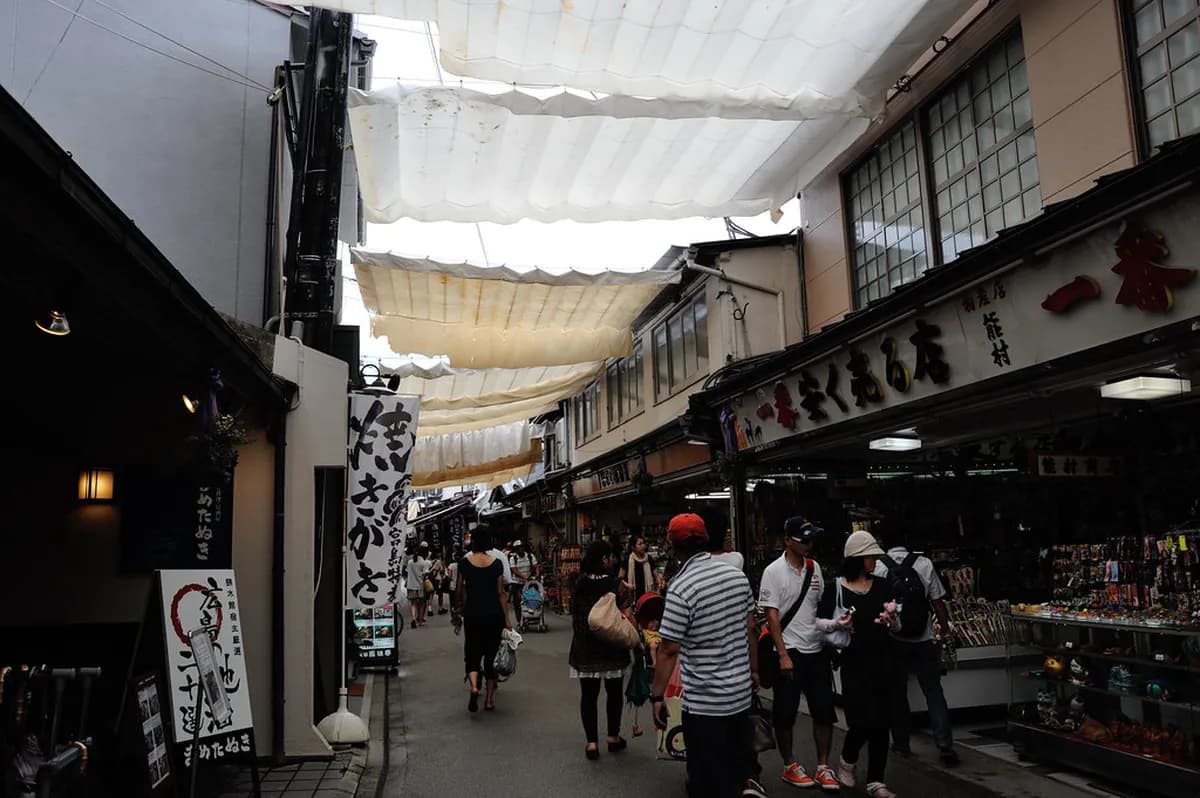
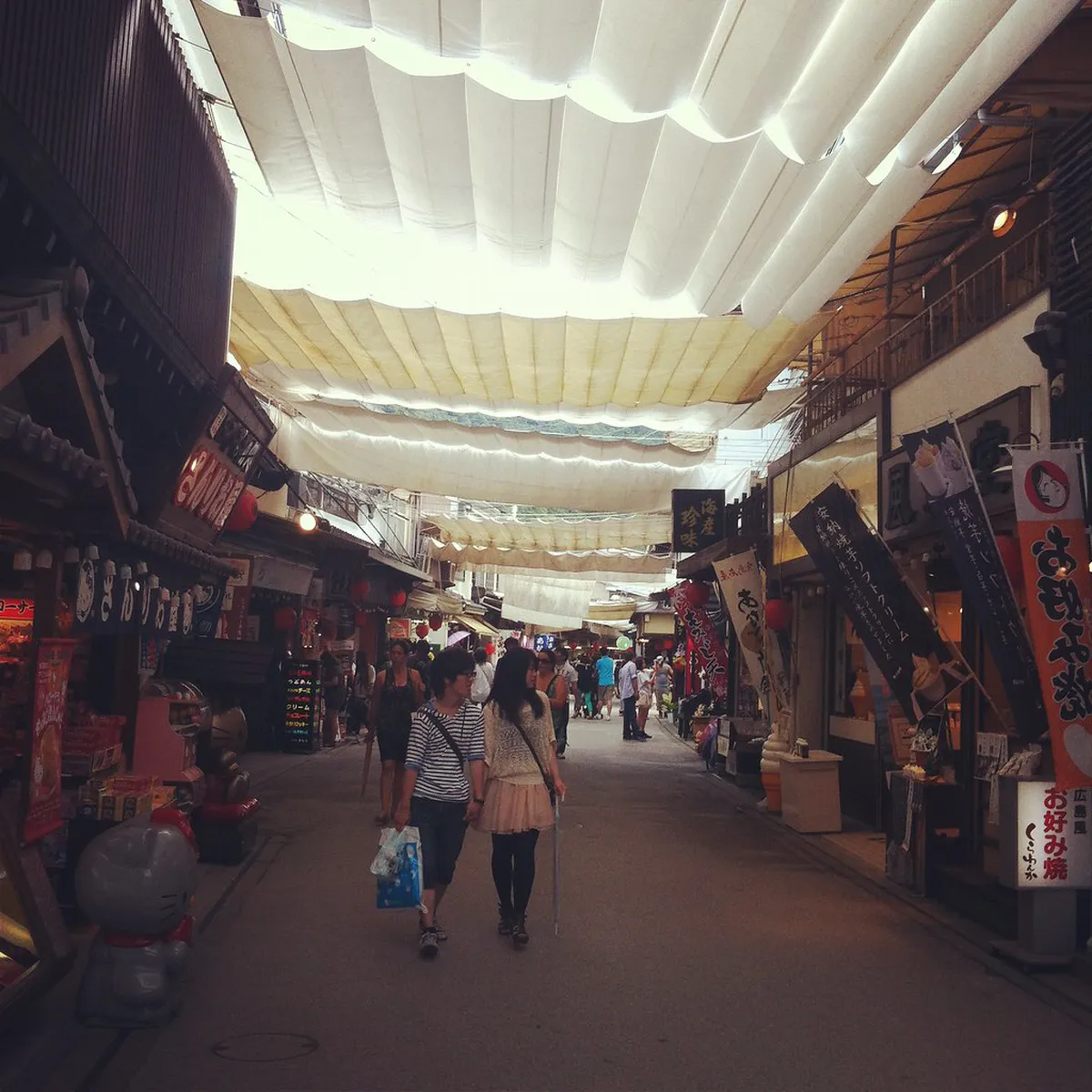
Hakataya has operated since the Meiji period and originally sold shamoji (wooden rice paddles) before switching to sweets. Their batter is made fresh daily and their café-style seating faces the waterfront promenade — one of the more relaxing spots to eat on the island. Toriiya is the newest addition worth knowing: they sell a momiji manju croissant, laminated pastry wrapped around a momiji filling and baked golden for ¥200 each. Six flavors available, but supplies sell out by late afternoon most days. The Miyajima Omotesando shopping street guide covers the full layout of the strip where most of these shops are located.
Shops at Miyajima-guchi (Mainland Ferry Side)
If you are arriving by ferry from the mainland, the Miyajima-guchi area has several shops worth knowing. Takatsudo is the most historically significant: run by the descendants of Tsunesuke Takatsu, the man credited with inventing momiji manju in 1906. The shop is three minutes on foot from Miyajima-guchi Station and offers classic flavors alongside locally sourced lemon and sake fillings. Staff provide samples and tea to visitors — a genuinely warm welcome before the ferry crossing.
Daishindo on National Route 2 is not promoted to tourists, which is the point. Local Hiroshima residents consider it one of the best-value options in the area. Standard flavors start at ¥65 per piece. Their caramel filling — thick, deeply sweet, and rich — has earned a loyal following, and the Seto Inland Sea lemon variety is worth picking up. Note the shop is closed on Tuesdays.
Iwamura Kashiho at Miyajima-guchi has a glass-fronted kitchen where you can watch the molds being pressed and the cakes popping out in real time. All flavors sold individually. A popular approach is buying a small selection here and eating on the ferry crossing — a relaxed way to begin a Miyajima day trip. The Miyajima deer guide is useful once you land, since the island's deer are curious about any food you carry.
Make Your Own Momiji Manju
Hands-on baking workshops are available at Yamadaya's Miyajima main shop and at the Miyajima Traditional Industries Hall (Miyajima Dentosan Kaikan). Both welcome participants with no prior cooking experience. An instructor walks you through filling placement, batter pouring, and pressing the two-part mold. The result comes out warm and is yours to eat immediately or take home.
Advance reservations are required at both venues. Book through the shop's website before your trip, as popular slots fill quickly in spring and autumn. The workshop is particularly good for families — children respond well to the hands-on process, and the freshly made cakes taste noticeably better than shelf products because you eat them within minutes of baking. If you plan to visit Miyajima during autumn foliage season, combining a workshop with a walk through Momijidani Park makes for a full and cohesive day.
Nama momiji (fresh-style) lasts only one to two days at room temperature. Do not buy a box of nama momiji intending to carry it on a flight home — it will not survive more than a day outside refrigeration.
Frequently Asked Questions
How long do momiji manju cakes last?
Most fresh cakes should be eaten within a few days for the best taste. Boxed versions are vacuum-sealed and can last up to two or three weeks. Always check the expiration date on the packaging before purchasing your souvenirs.
Can I make my own maple leaf cakes?
Yes, several shops on the island offer hands-on workshops for visitors. You can learn to use the traditional molds and take home your creations. These classes usually require a reservation in advance through the shop's website.
Are there gluten-free versions available?
Most traditional recipes use wheat flour for the sponge cake batter. It is currently difficult to find certified gluten-free versions on the island. Travelers with allergies should check the ingredient lists carefully at each individual shop.
Is there a specific way to eat them?
You can eat them at room temperature or slightly warmed up. Some people prefer them chilled, especially the custard or chocolate-filled varieties. Deep-fried versions are best enjoyed immediately while they are still hot and crispy.
Which shop is the most famous for these cakes?
Many locals recommend Momijido for their famous fried cakes on a stick. Fujiiya is also highly regarded for its traditional flavors and elegant shop design. Each shop has a slightly different recipe for the sponge batter.
Momiji manju are simple to enjoy and easy to underestimate until you try them fresh from the mold.
Knowing the difference between baked, fresh-style, and fried helps you spend wisely and eat better on the island.
Whether you are loading up a souvenir box at Fujiiya or eating age momiji from a skewer outside Momijido, the cakes are one of Japan's most satisfying food-and-place combinations.
Plan around the shops that match your priorities — history, variety, lowest price, or the best walk-in experience — and you will leave Miyajima without regret.
Free: The Hiroshima Essentials guide
Top things to do, where to stay, a perfect day plan, getting around, and the best time to go — a Hiroshima mini-guide you can take offline.
You might also like

Continue reading
More guides you'll find useful