Miyajima Omotesando Shopping Street And Street Food Travel Guide
Plan miyajima omotesando shopping street and street food with top picks, neighborhood context, timing tips, and practical booking advice for a smoother trip.
On this page
Miyajima's Omotesando Shopping Street is a 350-meter stretch of covered vendors, bakeries, oyster grills, and craft shops running from the ferry pier directly toward Itsukushima Shrine. It is the beating heart of any visit to the island and the place most visitors remember long after they leave. Whether you have two hours or a full day, this guide walks you through the best food stops, key souvenirs, and the practical details that make the difference between a rushed snack and a proper food walk.
The street dates to land reclamation in the late Edo period and was formalized into its current covered arcade layout during the early Showa era. It adopted the name Omotesando in the early 1980s. Today it blends century-old confectionary shops with inventive modern stalls, and the result is one of the most concentrated food experiences in western Japan. Check out the full Hiroshima attractions overview to fit the island into your wider regional itinerary.
Miyajima's Main Street: What to Expect
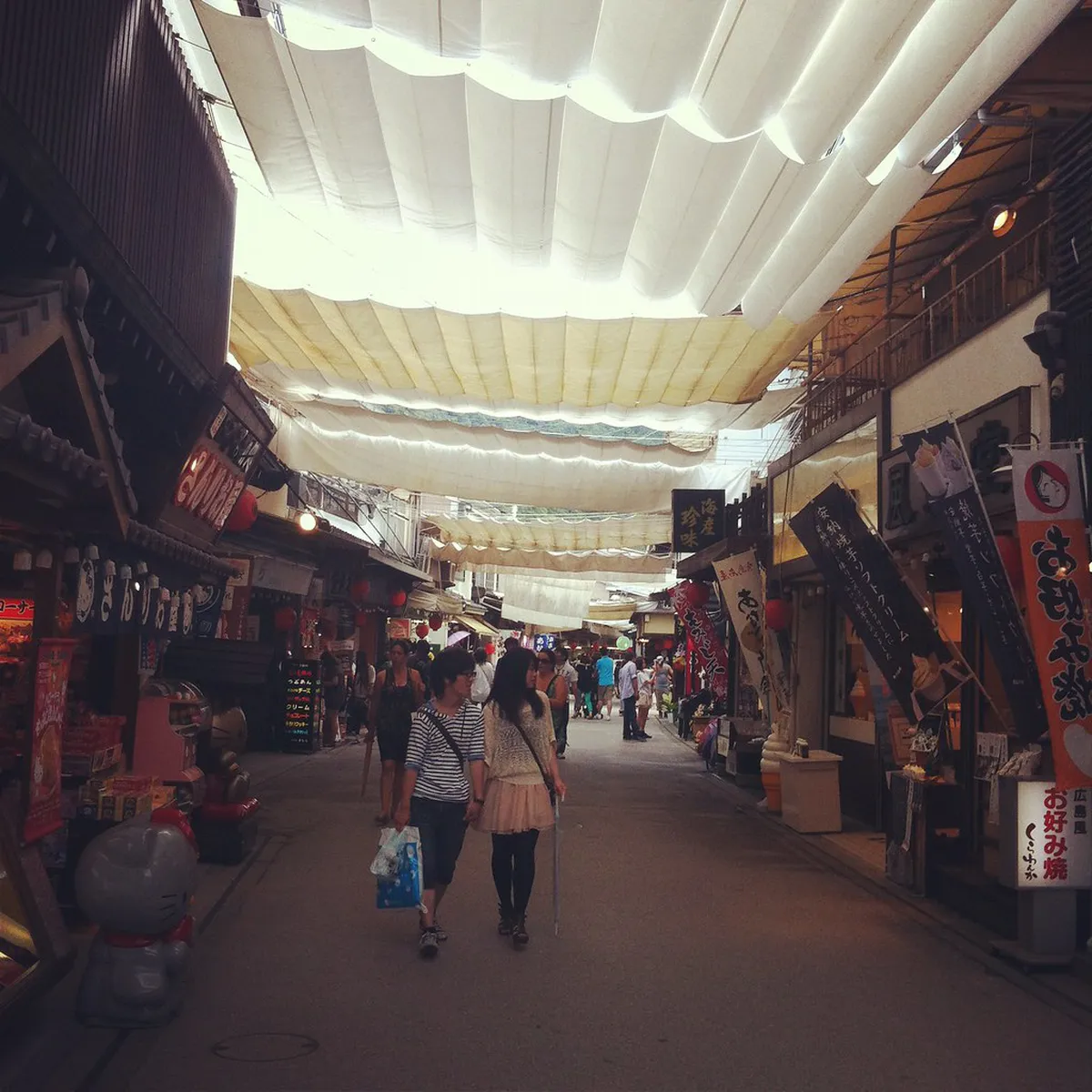
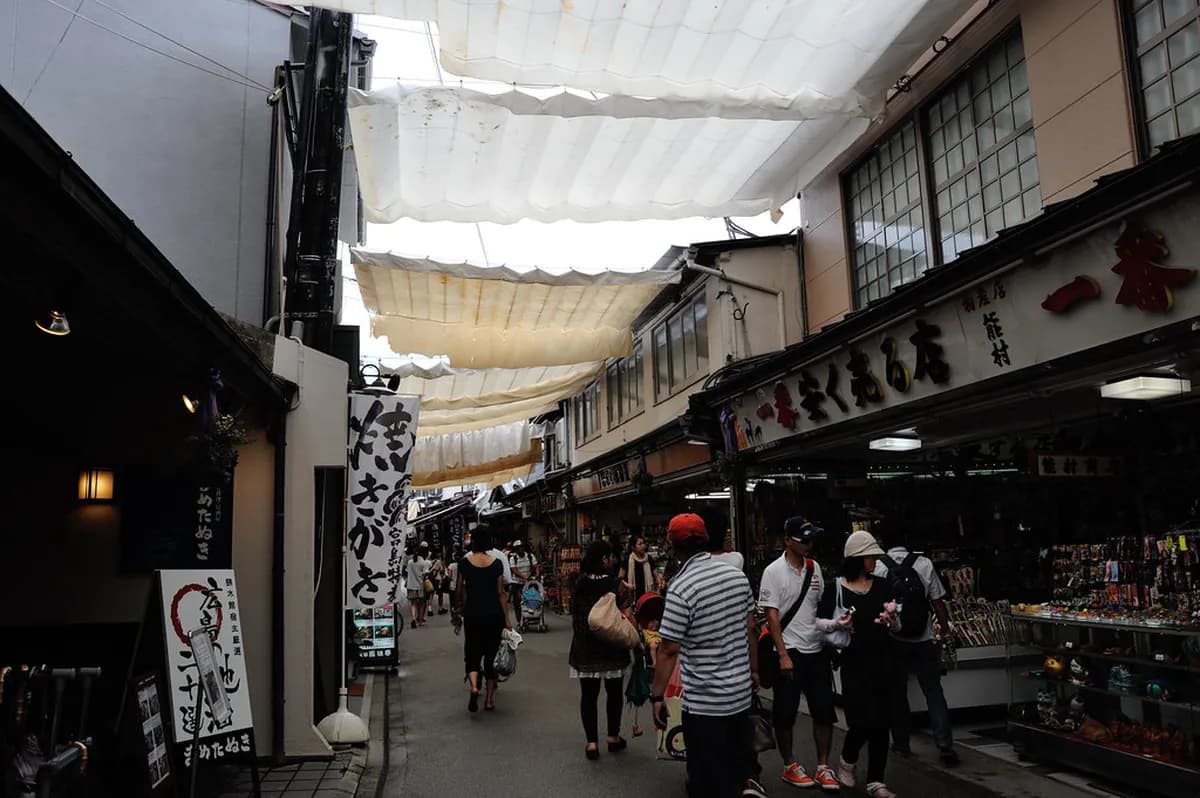
Most shops open at 10:00 and close around 17:00. Popular items — fried snacks, freshly baked sweets, and oyster dishes — frequently sell out before closing, so morning visits give you the widest selection. The street is covered by a strong canopy, which keeps it comfortable in summer heat and light rain alike. Walking the full length from the ferry pier to the shrine entrance takes roughly 10 to 15 minutes at a relaxed pace.
A free rest area sits roughly midway along the street, next to the TOTO Miyajima Omotenashi public toilet. It has benches, trash bins, and space to eat — the only designated spot on the street where you can properly sit down. Diaper-changing stations are available at most public restrooms along the route, making this a genuinely family-accessible walk. Most street food vendors operate cash-only, so carry several thousand yen in small denominations.
Deer roam freely along the shopping street and are very bold around food. Feeding them is prohibited; they will actively grab anything in your hands, including paper bags and maps. Keep snacks tucked inside your bag between bites. The local custom for eating on the street is to stop at the shop entrance, at a small standing counter, or at the mid-street rest area rather than walking and eating simultaneously.
The quietest window on the street tends to be weekday afternoons between 14:00 and 16:00. The busiest period is midday on weekends and public holidays, roughly 12:00 to 14:00. If you are traveling with a stroller, arriving before 11:00 or after 15:00 makes navigation noticeably easier through the narrow covered sections.
Most street food vendors are cash-only. Carry at least ¥3,000–¥5,000 in small bills and coins for a comfortable food walk with one or two souvenirs. Credit cards are accepted at larger sit-down restaurants but not at most stalls.
Savory Bites: The Best Street Food on the Miyajima Shopping Street
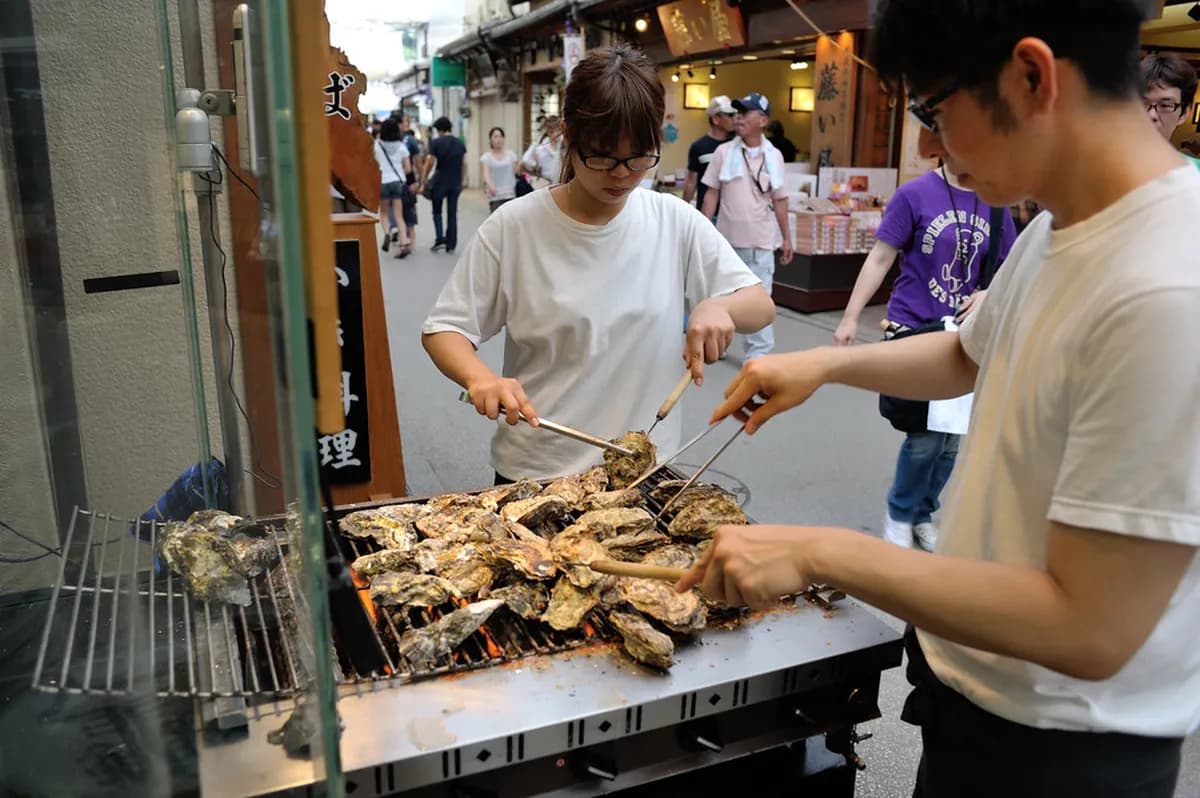
Hiroshima Bay produces roughly two-thirds of Japan's oyster output, and the Omotesando street puts that ingredient at the center of almost every savory stop. Oysters in Japan have been cultivated for over two thousand years, and the region's briny, mineralized varieties are prized across the country. Expect grilled, fried, battered, and curry-stuffed variations within a few steps of each other. Popular savory items start building queues by late morning, so aim to hit the key stops before noon.
Yakigaki no Hayashi is the most iconic spot on the street. It is widely cited as the birthplace of grilled oysters in Japan and has won consistent recognition on travel review platforms. The restaurant grills oysters slowly until the shells just open, locking in briny sweetness. A pair costs around 500 to 800 yen and comes with lemon. Hours are approximately 10:30 to 16:30, closed Wednesdays. The address is 505-1 Miyajimacho, Hatsukaichi.
Miyajima Curry Pan Kenkyujo sells oyster curry bread that routinely moves over 2,500 pieces on busy days. The panko coating uses two grades of breadcrumb for a layered crunch, and inside sit two whole oysters in a beef-and-seafood curry blend. One piece costs around 500 yen. If this is on your list, arrive before noon — it sells out consistently. The Pettara Pottara Honpo stall is worth stopping at early in your walk: grilled sticky rice cake skewers glazed with sweet-salty sauce and topped with oyster, 400 yen each. The caramelized exterior and chewy interior make it a lighter opening snack than fried oysters, and it is a useful first bite before heavier courses.
Miyajima Yokocho offers the street's most inventive handheld: kaki oko, a U-shaped crispy dough layered with yakisoba noodles, grilled oysters, green onion, pickled ginger, and a quail egg. It is messy and bold and best eaten fresh at the stand. Kakiya, at 539 Miyajimacho, specializes in fried and garlic butter grilled oysters in a tiny six-seat setting. Budget around 1,000 yen per person for a focused oyster tasting. For a sit-down anago (conger eel) experience, Inachu on the street serves the island's signature anago meshi from 09:00; expect to pay from 3,000 yen for a full set.
Sweet Treats: Desserts and Baked Goods on the Miyajima Shopping Street
Momiji manju is the island's signature snack: a maple-leaf-shaped sponge cake filled with red bean paste, custard, chocolate, cheese, or seasonal flavors. Freshly baked versions from the street are noticeably better than packaged ones sold as souvenirs. Consult the maple leaf cake guide for a full comparison of the top bakeries. Most shops open around 09:00 and sell out popular flavors by afternoon, so morning is the right time to buy.
Momijido, which has operated for over 100 years, is the best-known spot for fried momiji manju. The batter turns golden and crispy while the filling stays soft and warm inside. Flavors include red bean, custard, cheese, and chocolate; the first batches of the morning are reportedly the crispiest. Let the snack cool for a few seconds before biting in, as the filling holds heat longer than expected. It costs around 200 to 300 yen per piece.
Toriya sells a momiji croissant — laminated dough with a red bean or chocolate filling — that is lighter and butterier than the traditional cake. The chocolate version with a touch of salt is a strong choice. Full variety is available when the shop opens around 09:00 and popular flavors sell out before the afternoon. Yamadaya offers a hands-on momiji manju baking experience where visitors press their own design into the cake using a traditional iron mold; this is a paid activity and well-suited for families. Gelateria BACCANO serves artisan gelato made without artificial additives, with the Setoda lemon flavor — from a nearby Seto Inland Sea island — standing out as a clean and refreshing palate reset mid-walk.
The soft serve at Miyajima Umaimono-kan comes decorated with icing cookies shaped like island icons: the torii gate, deer, and the traditional shamoji rice paddle. The design varies by day, which adds a small element of surprise. These cold treats work best in the afternoon as a dessert to close out the food walk.
Local Drinks: What to Sip on the Miyajima Shopping Street
Miyajima Brewery is the island's only craft brewery, and what separates it from most tourist-town breweries is its water source: spring water from the ancient primeval forest of Mount Misen, which feeds the brewery from the sacred mountain above the island. The regular lineup includes a hefeweizen, pale ale, IPA, and an oyster stout that leans into the island's seafood identity. According to Britannica's oyster guide, these shellfish pair exceptionally well with beer, a pairing rooted in centuries of European and Asian culinary tradition. Glasses are poured at the beer stand on the street; bottles are sold for takeaway. This pairs naturally with the oyster-heavy food walk. Check the sake brewery guide if you prefer traditional rice wine over craft beer.
GEBURA lemon soda uses pesticide-free Hiroshima lemons — peel, seeds, and all — steeped into syrup for a rounded, full-citrus flavor well beyond standard lemonade. Bring your empty cup back the same day and refills cost 200 yen, which is a practical option on a hot summer afternoon. Neko mo Shakushi mo serves a Seto Inland Sea lemon squash with a natural bitter note from the citrus peel that is low in added sugar and genuinely refreshing. Both lemon drinks are more suitable for summer than the heavier hot roasted green tea also available at several stalls.
Non-alcoholic options for families include tapioca drinks at Miyajima Shokudo — cups printed with deer illustrations in classic milk tea and almond flavors. Itsuki Coffee offers a vanilla and espresso soft serve dusted with coffee powder, which works best near the end of a long food walk rather than at the start. Hot roasted green tea pairs well with the sweeter bean cakes and is a free accompaniment at some shops.
Souvenir Shopping: Funatuki and Traditional Crafts
Funatuki is one of the most trusted craft shops on the island and one of its oldest, operating for over 100 years. The shop specializes in authentic made-in-Miyajima items: hand-carved shamoji wooden rice paddles, miyajima hariko (traditional papier-mâché figures), and woodwork recognized as official Japanese traditional crafts by the national government. Everything is chosen for quality, and the selection works as a meaningful gift or a personal keepsake. Even without a purchase planned, stepping inside is worth the minute it takes — the smell of wood and the density of the displays add texture to the visit that the food stalls cannot replicate.
Funatuki's sister shop, Funatsuya, offers traditional tea ceremony experiences starting from 1,600 yen (approximately one hour) using authentic utensils. Reservations can be made via Funatsuya's website. This is a useful option if you want to slow the pace of your visit and connect with Japanese culture beyond street snacking.
The dosuzumi clay bell is one of the most distinctive small souvenirs on the street. These bells have roots in the Edo period, when craftspeople used sand from beneath the main hall of Itsukushima Shrine — considered sacred and protective — as a casting material. A small bell with a dragon or deer motif typically costs around 650 yen. The tone is quiet and earthy, unlike the sharper ring of ceramic bells. Other shops stock standard lacquerware, printed tenugui towels, and the usual range of mass-produced island tokens; the quality difference between these and Funatuki's offerings is visible at a glance.
Miyajima Omotesando Shopping Street Fees
There is no entry fee to walk the Omotesando Shopping Street. The street is fully open to the public. However, a 100 yen island visitor tax is collected when you purchase your ferry ticket — keep small change available at the pier. This fee was introduced in October 2023 and applies to all arrivals in 2026.
Street food pricing is consistent across the market. Most snacks run between 300 and 800 yen. Sit-down restaurants such as Yakigaki no Hayashi start at around 2,000 yen per person; Kakiya and Inachu typically charge 3,000 yen or more for a full set. Souvenir prices range widely: mass-produced items start below 500 yen while handmade craft pieces at shops like Funatuki can reach 3,000 to 5,000 yen.
Credit cards are increasingly accepted at larger shops and sit-down restaurants, but many food stalls remain cash-only. Carry at least 3,000 to 5,000 yen in small bills and coins for a comfortable food walk with one or two souvenirs. The ferry itself accepts IC cards (Suica, ICOCA) as well as cash. Public facilities such as the Miyajima Aquarium and the Mount Misen ropeway carry separate admission fees not covered by any street or ferry ticket.
How to Plan Your Food Walk on the Miyajima Shopping Street
A useful rhythm for the walk: start with sweets and baked goods when you arrive in the morning, while selection is freshest and queues are shortest. Move into savory oyster stops around late morning, and close the afternoon with coffee, craft beer, or gelato. This order lets you hit the most popular items before they sell out while avoiding the peak midday crowd. Crowds peak between 12:00 and 14:00, especially on weekends and public holidays.
The total walking time from the ferry pier to the shrine entrance is 10 to 15 minutes if you do not stop. Factor in 90 minutes to two hours for a relaxed food walk that covers five or six stops. If you also plan to visit Itsukushima Shrine, Daishoin temple, and the Mount Misen ropeway, budget a full day. The Miyajima Aquarium at the western end of the island makes a logical endpoint for families with young children, and it also provides stroller rental at the entrance.
Check the tide tables before you go if you want to walk out to the Great Torii Gate at low tide. The water level changes significantly across the day and affects which paths stay accessible. A tide schedule is posted at the ferry terminal and at the shrine entrance. Most food vendors are unaffected by tides, but the visual atmosphere of the street is noticeably more dramatic during high tide when the water reflects light under the canopy of the nearby coastal approach.
- Morning (09:00–11:00): fresh momiji manju, croissant at Toriya, start at Pettara Pottara Honpo for a light opening snack
- Late morning (11:00–13:00): Yakigaki no Hayashi grilled oysters, oyster curry bread, kaki oko at Miyajima Yokocho
- Afternoon (13:00–16:00): Miyajima Brewery craft beer, GEBURA lemon soda, decorated soft serve, browse Funatuki
Deer roam freely along the shopping street and will snatch food directly from your hands. Keep snacks inside your bag between bites, and never let paper bags dangle at waist height — the deer have learned to target them specifically.
Parks and Outdoor Spots Around the Street
Momijidani Park is a short walk from the shopping street and is the best place on the island to decompress after the market crowds. The park is famous for its maple trees, which turn vivid red in November. A rest facility within the park is air-conditioned and largely unknown to first-time visitors — a useful refuge during the hot July and August months. Read the Miyajima autumn foliage guide to plan your timing if the fall color is a priority.
Beyond the park, Daishoin temple predates Itsukushima Shrine itself and is one of the most significant sacred sites on the island. It sits at the base of Mount Misen and receives far fewer visitors than the shrine — making it an appealing stop for those who want to step away from the shopping street crowd. Senjokaku, the vast open pavilion built by Toyotomi Hideyoshi, is also within easy walking distance and is spacious enough for children to move around freely.
Coastal benches near the ferry terminal offer a practical spot to eat snacks in the open air with views back toward the Hiroshima mainland. These benches work better for families who want to avoid the no-walking-while-eating etiquette of the street itself. The deer are present here too, so keep food inside bags until you are ready to eat.
Family-Friendly and Budget-Friendly Options in Miyajima
The street is stroller-accessible along its full length. Diaper-changing facilities are available in the public restrooms along the route, including the TOTO Omotenashi Toilet at the mid-street rest area. Families with young children tend to have the smoothest experience before 11:00 or after 15:00, when crowds thin out and navigating with a pram becomes easier. The deer are a highlight for children but require active supervision around any food or packaging.
Budget-conscious travelers can cover a wide variety of flavors for under 3,000 yen per person by combining small street snacks rather than sitting down at full-service restaurants. Most individual items cost between 300 and 800 yen. Sharing portions with a travel partner extends the range without increasing total spend. Look for shops that provide free samples before you commit to a purchase — several confectionary stalls offer a small taste of their momiji varieties.
The Miyajima Aquarium is the best-value indoor stop near the shopping street for families. Interactive exhibits cover the marine life of the Seto Inland Sea, the facility is stroller-friendly, and it provides a useful cool break during summer visits. Entry fees are separate from any street or ferry costs, so plan this into your day budget. Public lockers at the ferry terminal let you store heavy bags while you walk the market.
Explore food in other cities
Frequently Asked Questions
What are the opening hours of the Miyajima shopping street?
Most shops and food stalls on the Miyajima shopping street open around 10:00 AM. They typically begin closing between 5:00 PM and 6:00 PM as the final ferries depart. A few restaurants may stay open later for overnight guests, but the street is quietest in the evening.
Is eating while walking allowed on the Miyajima shopping street?
While not strictly illegal, eating while walking is discouraged for etiquette and safety reasons. Most vendors provide a small space for customers to stand and eat nearby. This practice helps keep the street clean and prevents accidental collisions with other visitors or curious deer.
What should I do about the deer on Miyajima?
You should enjoy watching the deer from a distance but avoid feeding them human food. These animals are wild and can become aggressive if they see paper or snacks. Review the Miyajima deer safety guide to learn how to interact with them responsibly during your visit.
How do I get to the Miyajima shopping street from Hiroshima?
Take the JR Sanyo Line or the local streetcar to Miyajimaguchi Station from central Hiroshima. From there, a short 10-minute ferry ride will bring you directly to the island. The shopping street begins just a few minutes on foot from the Miyajima ferry pier.
When is the best time to visit to avoid crowds?
The best time to visit is early in the morning before 10:30 AM or late in the afternoon after 4:00 PM. Weekdays are generally much less crowded than weekends or public holidays. Visiting during the winter months also offers a more peaceful atmosphere compared to the busy autumn season.
Miyajima Omotesando Shopping Street rewards visitors who come with a plan. Know which savory stops to hit before noon, start sweets in the morning when the first batches are freshest, and leave the craft beer and gelato for the afternoon. The combination of Hiroshima Bay oysters, century-old momiji bakeries, and handmade island crafts is hard to replicate anywhere else in Japan. Take your time — the street is only 350 meters long, but it earns a full morning or afternoon when done properly.
Free: The Hiroshima Essentials guide
Top things to do, where to stay, a perfect day plan, getting around, and the best time to go — a Hiroshima mini-guide you can take offline.
You might also like


Continue reading
More guides you'll find useful