Miyajima Oysters: Where to Eat in 2026 (10 Local Picks)
Hiroshima Prefecture grows over two-thirds of Japan's oysters. This local guide picks pier-side grill stalls to sit-down restaurants, with price ranges.
On this page
After visiting Hiroshima three times in five years, I still find the aroma of grilled shellfish near the pier irresistible. During my last trip in late November, the scent of charcoal-grilled oysters filled the air as I stepped off the ferry. These local delicacies are famous across Japan for their impressive size, rich texture, and distinct briny sweetness from the bay. Hiroshima Prefecture accounts for over two-thirds of Japan's total oyster production, and Miyajima island sits right at the heart of that tradition.
Miyajima oysters benefit from the nutrient-rich waters of the Seto Inland Sea, where they grow on large floating bamboo rafts called ikada. Unlike most commercial oysters harvested at one year, local farmers here grow their shellfish for one-and-a-half to two years before harvesting — a patient approach that results in noticeably plumper, creamier meat. This guide covers where to eat them, what styles to order, what else to eat on the island, and how to time your visit to get the most out of your 2026 trip.
Fresh Oysters – Fried, Raw, Grilled
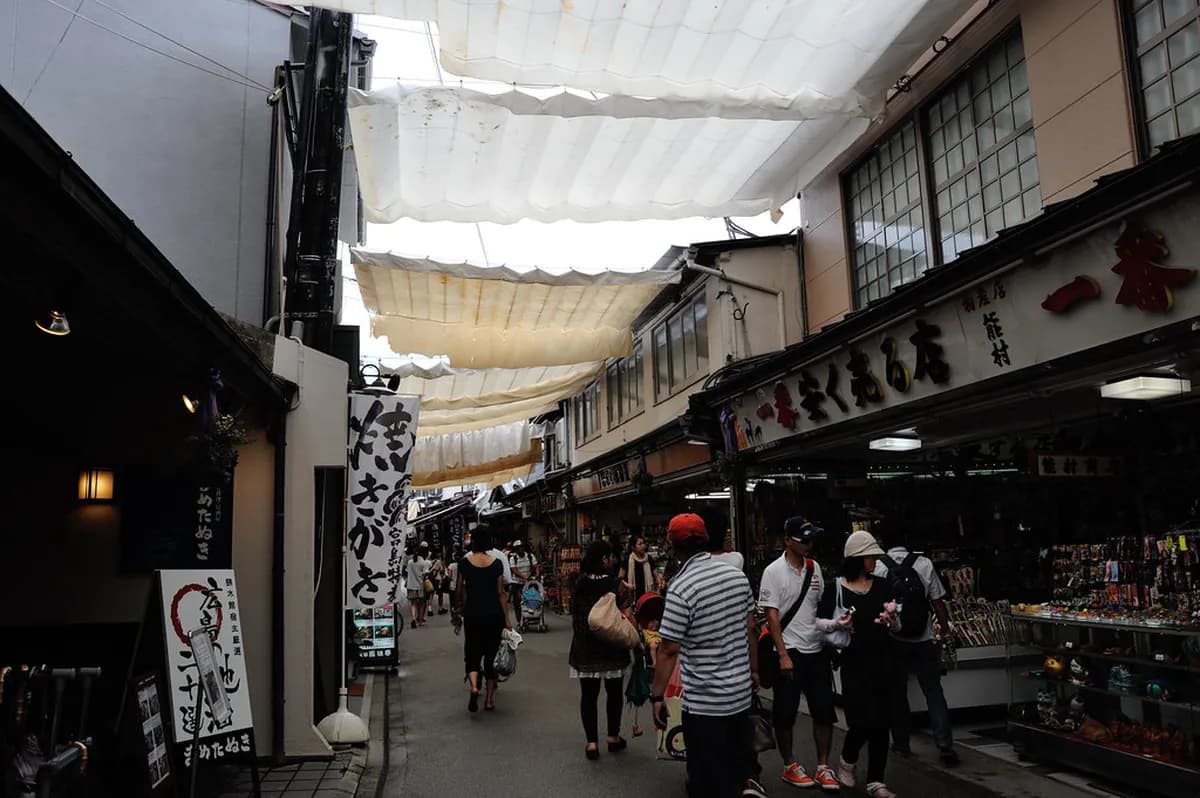
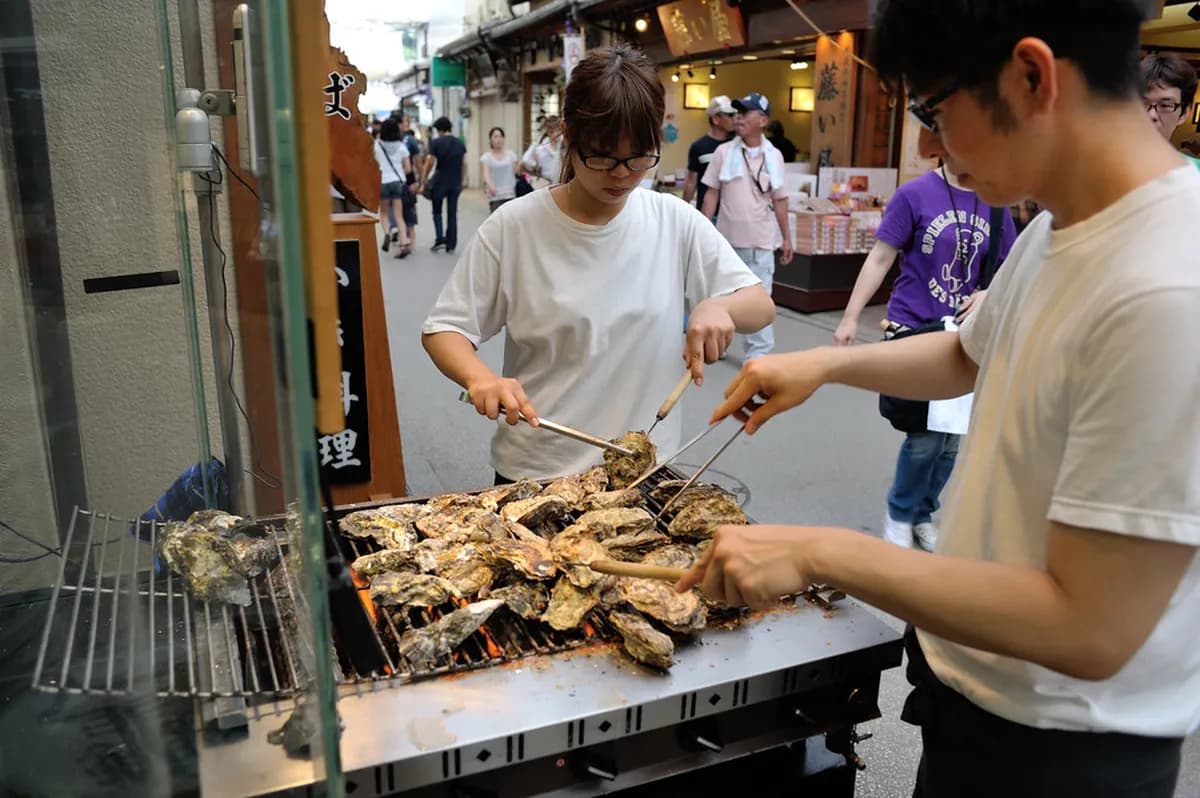
Restaurants along the Omotesando shopping street serve oysters in nearly every preparation imaginable: raw on the half shell, grilled over live charcoal, deep-fried in panko breadcrumbs, simmered in miso soup, and slow-cooked with rice into kaki meshi. Each method brings out a different dimension of the shellfish. Grilling concentrates the brine and adds smoky depth, while frying locks moisture inside a crunchy coating. Raw oysters, when available, reveal the clean, oceanic sweetness that makes this bay famous.
Yakigaki No Hayashi (505-1 Miyajimacho) is the island's oldest oyster specialist and the restaurant credited with popularising the charcoal-grilled style. It opens from 10:30 to 16:30, closed Wednesdays. A lunch set of two raw, two grilled, and three fried oysters with oyster rice and miso soup costs around ¥3,000 (~¥1,200 for a la carte three grilled). Queues wrap around the building during peak autumn weekends — arrive before 10:00 to avoid waiting more than thirty minutes.
Kakiya (539 Miyajimacho) sits a few doors down and opens 10:00 to 18:00 daily. Their Kakiya Set includes grilled, fried, smoked, pickled oysters, kaki meshi, and miso soup — often considered the best value comprehensive tasting on the island. Both restaurants consistently hold 4.5-star TripAdvisor ratings and Certificate of Excellence status. Raw oysters at these establishments are always live oysters sourced from approved zones. If you can only visit one oyster restaurant, choose based on budget: Kakiya's sets run slightly cheaper, while Yakigaki No Hayashi's premium sets include raw oysters and anago meshi.
For a quick standing snack, Kaki Fuku Maru on the path to the shrine grills individual oysters to order from ¥200 per piece (¥300 with toppings: garlic butter, cheese mayo, gratin, ajillo, or miso). The garlic butter version is the crowd favourite. A combo of one grilled plus two fried costs ¥500. The oysters are slightly smaller than those at the sit-down restaurants, but the price and zero wait time make this the ideal midday energy stop.
January and February produce the plumpest, most flavorful Miyajima oysters. Cold water slows their metabolism and concentrates natural sweetness. If your primary goal is the best possible shellfish, plan your visit for these winter months rather than autumn or summer.
DIY Oyster Grilling at Shimada Suisan vs. Ordering at a Restaurant
Shimada Suisan is not on the island itself but at Miyajimaguchi, a five-minute walk from the mainland ferry terminal. This oyster farm turns the eating experience into a hands-on event: you sit at a charcoal grill table, shuck and grill your own oysters at your own pace. The all-you-can-eat buffet is ¥2,980 per adult plus a ¥550 charcoal fee per table (2026 rates). Opening hours are roughly 10:00 to 16:00; arrive early on weekends as tables fill fast and there are no reservations.
The DIY format suits groups and families who want an activity, not just a meal. You get more oysters per yen here than anywhere else in the area. The trade-off is that you are grilling from raw, which takes practice — overcooked oysters turn rubbery quickly. Staff demonstrate the technique and will help if you ask. The setting is informal and outdoors, which is a plus in good weather but less comfortable in heavy rain.
Contrast this with Kakiya or Yakigaki No Hayashi on the island, where a trained chef handles the grill and quality is consistent. The restaurant experience is faster, more refined, and easier for solo travellers or couples who want to taste multiple preparations without managing a fire. If you are visiting Miyajima as a day trip and have limited time, the island restaurants make more sense. If you are staying overnight or travelling as a group of four or more, Shimada Suisan delivers far better value and a memorable experience.
When to Visit for the Best Oysters: A Month-by-Month Guide
Miyajima oysters are available year-round at most restaurants, but quality varies considerably by season. Hiroshima's oyster farming tradition spans centuries, with the extended cultivation period — one-and-a-half to two years on the rafts — meaning the harvest peaks later in winter than most visitors expect. January and February produce the plumpest, most flavourful shellfish, when cold water slows the oysters' metabolism and concentrates their natural sweetness. March and April are also excellent, with good size and freshness before spring spawning reduces meat density.
From May through August, many restaurants switch to frozen or imported stock because the local harvest is off-season. You can still order oysters, but they will lack the creaminess of the winter catch. Autumn (September through November) marks the beginning of the new harvest cycle; early-season oysters in October and November are smaller but perfectly safe and increasingly available as the season matures. The famous autumn foliage from late October through mid-November adds a compelling visual reason to visit in that window even if the oysters are not yet at peak size.
If your primary goal is the best possible oyster, plan your 2026 visit for January or February. If you want a balance of foliage scenery and decent oysters, target early to mid-November. Summer visitors should shift focus to anago (conger eel), fish cake snacks, and momiji manju, which are excellent year-round regardless of season.
Oyster Curry Bread and Other Street Snacks Worth Trying
Oyster curry bread is one of Miyajima's most underrated snacks. It is a large, deep-fried ball of dough stuffed with an oyster-and-curry filling — a mashup of Japanese oyster culture and the Western-influenced curry pan tradition. Look for small stalls near the ferry terminal and along Omotesando in the early morning; these often sell out by mid-afternoon. The price is typically ¥300 to ¥400 per piece. The filling is rich and warming, and the fried exterior stays crisp for several minutes after purchase.
Fish cake sticks are the other street food worth picking up the moment you disembark the ferry. Conger eel chikuwa — a tube-shaped fish paste cake made from anago — costs around ¥300 a stick and is sold at the stall closest to the ferry exit. Nigiri ten is a skewered fish paste in flavours like green onion and octopus, cheese-bacon, ginger, squid, and chicken for around ¥370 each. Both are sold grilled fresh and taste best eaten immediately while walking toward the shrine.
Miyajima Umaimonokan, an indoor food hall near the ferry pier open 10:30 to 20:00, is a good fallback if you arrive after the street stalls close. It houses multiple vendors covering oysters, okonomiyaki, anago meshi, and desserts under one roof. The variety makes it particularly useful for groups with mixed preferences. Try the oyster curry bread from here if the outdoor stalls have already sold out.
Craft Beer at Miyajima Brewery
Miyajima Brewery is the island's only craft beer producer and one of the more distinctive stops on a food-focused day. The ground floor has a small standing area for quick drinks; the third floor opens up to a seated restaurant with large windows overlooking the water. The view is one of the best on the island for a relaxed mid-afternoon break. The brewery was founded after the owner was inspired by tasting San Francisco's Anchor Liberty Ale — an unlikely origin for a craft beer operation on a 1,200-year-old Shinto island.
A flight of any three pours costs ¥1,100, which is the best way to sample the range. Seasonal ales and rotating taps mean the selection changes throughout the year. The oyster stout — brewed with local oyster shells — is a particularly good pairing with the island's food. Regular and large pour sizes are also available if you prefer to commit to one style. The sake brewery tasting guide covers local rice wine options if you prefer traditional Japanese drinks alongside your meal.
Momiji Manju and Fried Desserts
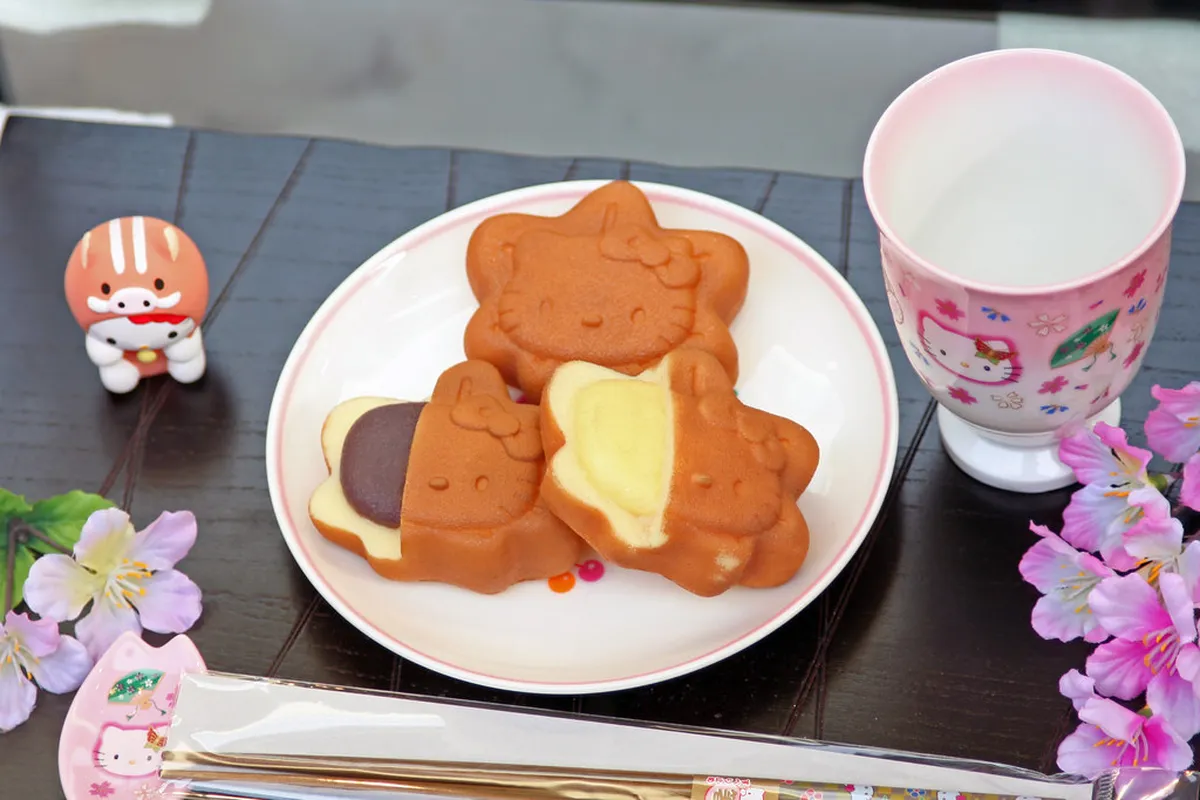
Momiji manju is Miyajima's most famous souvenir food — a soft, maple-leaf-shaped cake filled with sweet red bean paste, though shops now offer custard, matcha, chocolate, chestnut, and apple varieties. Many stores on Omotesando have machines visible through the window where you can watch the cakes being pressed fresh. They are inexpensive (around ¥100 to ¥150 each) and make good gifts, but they are best eaten warm on the day of purchase rather than taken home in a box.
The fried version, called Miyajima Jakee, takes the original one step further. Hakataya on Omotesando Shopping Street deep-fries the manju to order, creating a crunchy exterior around the steaming filling. A single piece costs ¥180, with fillings including chocolate, cream cheese, cream, black bean paste, and peach. Order from the ticket machine inside the shop; the wait is two to three minutes. Be careful eating immediately — the filling is extremely hot. This is arguably more satisfying than the traditional version and consistently draws its own queue.
Restaurants Open Later For Dinner
Most restaurants on Miyajima close between 17:00 and 18:00, which catches overnight guests off guard. If you are staying on the island — and it is worth at least one night for the atmosphere after the day-trip crowds leave — plan your dinner options in advance. The following restaurants were open for dinner as of 2026; hours may shift slightly by season so confirm directly before visiting.
| Restaurant | Cuisine | Dinner Hours |
|---|---|---|
| Miyajima Umaimonokan | Okonomiyaki & island food | Until ~20:00 |
| Miyajima Sushi Tensen | Sushi | 17:00–22:00 |
| Mame-tanuki | Japanese izakaya | 17:00–20:30 |
| Enishi | Japanese restaurant | 17:00–21:00 |
| Sarasvati | Cafe & bar | Until 19:00 |
| Okonomiyaki Kishibe | Okonomiyaki | 17:00–21:00 (Mon–Wed), 11:00–21:00 (Sat–Sun) |
Tsuki Akari Seafood Dining is one of the few options that leans more upscale, serving a range of Hiroshima seafood and sake in a quieter setting away from the main crowds, with dinner sets averaging ¥3,000 to ¥5,000 per person. Reserve ahead during autumn peak season. If you are staying at one of the island's ryokan, note that most include a full multi-course dinner (kaiseki) as part of the room rate — confirm this when booking to avoid paying separately for a restaurant meal on top.
Most Miyajima restaurants close between 17:00 and 18:00, which catches overnight guests off guard. Confirm dinner hours directly with your chosen restaurant before your visit, as seasonal schedules shift and not all listings on review sites are up to date.
Traveling in the Fall? Don't Miss Momijidani Park
If you visit Miyajima in October or November, Momijidani Park is worth building your itinerary around. The park sits in a forested valley behind the ferry terminal and fills with Japanese maple, beech, and oak trees that turn vivid shades of orange and red from late October through mid-November. Peak colour typically falls around the first two weeks of November, though exact timing shifts slightly each year with temperature patterns.
The park is free to enter and takes about thirty minutes to walk through at a relaxed pace. It connects to the ropeway station for the Mt. Misen cable car, so many visitors combine a morning in the park with an afternoon hike. After the hike, Okonomiyaki Kishibe near the trail exit is an ideal recovery meal — their loaded okonomiyaki with shrimp, squid, pork, and udon noodles is exactly what you want after two hours on the mountain. See our Hiroshima Attractions guide for the full context on fitting Miyajima into a multi-day Hiroshima itinerary.
Booking Your Hotel in Miyajima
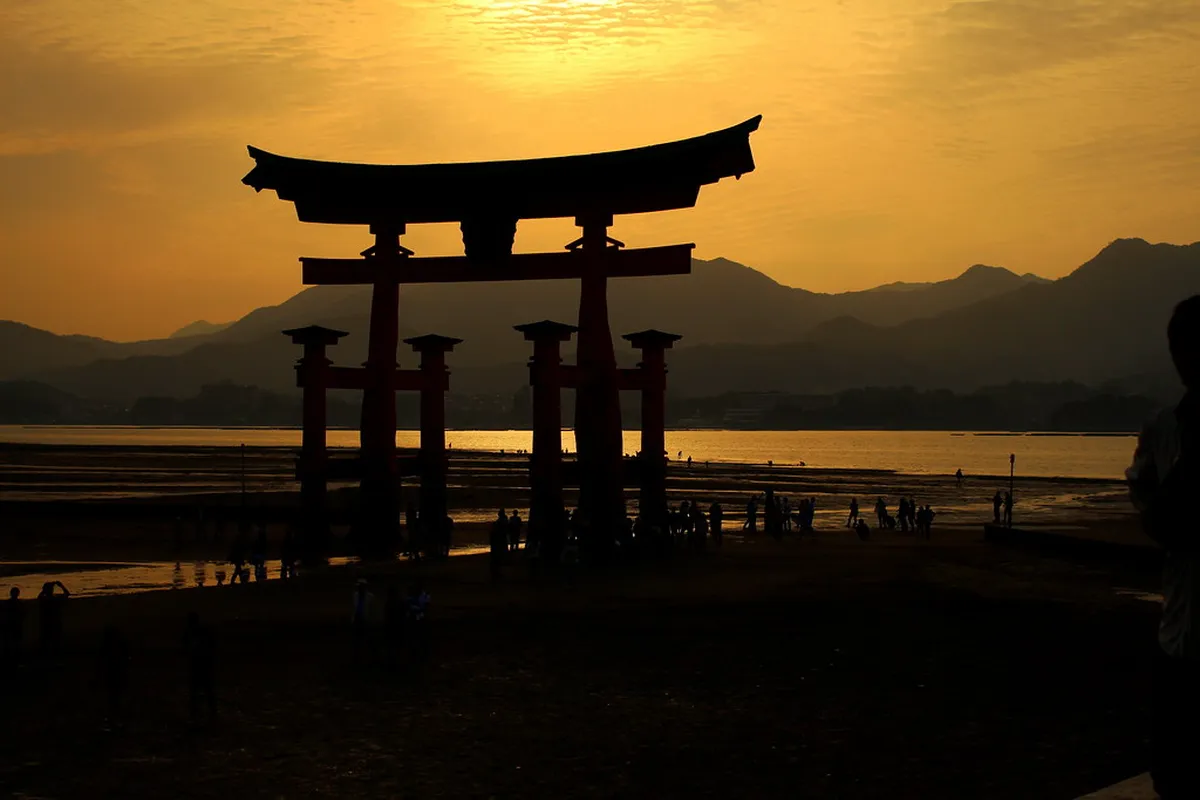
Staying overnight transforms the Miyajima experience. The day-trip crowds depart on the last ferries around 17:00, and the island quiets dramatically. Walking the lantern-lit approach to Itsukushima Shrine in the evening, with the floating torii gate illuminated across the water, is one of the most memorable experiences in Japan. The deer are also calmer after dark. For food travellers, the overnight stay unlocks the dinner-only restaurants and lets you hit the best oyster shops before the morning queues form.
For the full traditional experience, book a ryokan — Miyajima Grand Hotel Arimoto is consistently rated among the top on the island, offering multi-course kaiseki dinners, private onsen baths, and tatami rooms with sea views. It is expensive (¥30,000 and above per person per night), but the dinner alone justifies a significant portion of the cost. More affordable options like Sakuraya near the port offer Japanese-style rooms and a small communal bath without meals included; rates run roughly ¥8,000 to ¥12,000 per person. See our full best ryokan and hotels in Miyajima guide for a complete comparison across price tiers.
Book accommodations at least two to three months ahead for November foliage season and the New Year period. January and February — the peak oyster months — tend to be less crowded and easier to book at short notice, making them the ideal window for visitors whose primary goal is the food rather than the autumn scenery.
How to Plan a Smooth Miyajima Food Day
Timing is everything on this island. Most day-trippers arrive between 11:00 and 14:00, which is when queues at the top oyster restaurants are longest. Take one of the early morning ferries from Miyajimaguchi — the first departs around 06:25 — to reach the island by 07:00. This gives you a quiet two-hour window before the shopping street fills up. Use the Visit Hiroshima Tourist Pass to cover ferry and tram costs on a single pass rather than buying individual tickets.
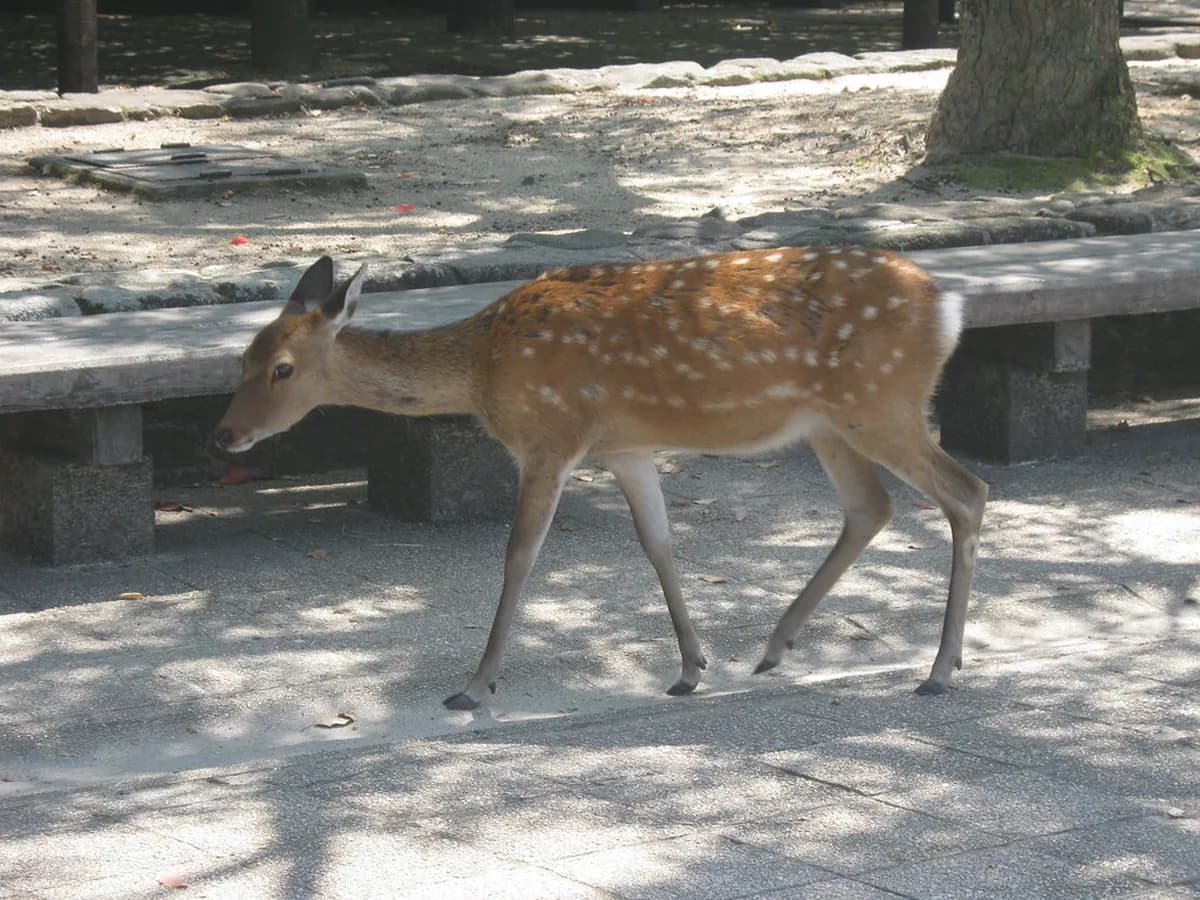
Carry your food near the stall where you buy it. The deer are very bold and will snatch food directly from your hands — they have learned to target anything wrapped in paper or held at waist height. Keep snacks inside your bag until you are ready to eat and finish street food quickly while standing near the vendor. The Miyajima deer guide covers the rules in full, including why feeding them is prohibited and which areas see the most aggressive animals.
A practical day sequence for a food-focused visit: arrive before 09:00, walk the Omotesando street before shops get busy, queue at Yakigaki No Hayashi or Kakiya for a full oyster set lunch (arrive by 10:15 for the opening), pick up Miyajima Jakee and fish cake sticks in the early afternoon, stop at Miyajima Brewery for a beer flight around 15:00, then either catch a late afternoon ferry back to Hiroshima or stay for dinner and the evening illumination. The whole food circuit can be done in a single day if you start early.
Frequently Asked Questions
When is the best season to eat oysters in Miyajima?
The peak season for fresh oysters runs from November through February when the harvest is at its largest. During these winter months, the shellfish are particularly plump and flavorful. Many restaurants still serve high-quality options year-round using specialized preservation methods.
Are raw oysters safe to eat on the island?
Yes, raw oysters are safe at reputable establishments like Yakigaki No Hayashi that follow strict health regulations. These shops source their catch from specific clean-water zones designated for raw consumption. Always check that the restaurant specifically advertises 'nama' or raw-grade oysters.
How much does a typical oyster meal cost?
A simple plate of two grilled oysters from a street stall usually costs between $5 and $8. Full restaurant sets with multiple preparations typically range from $15 to $35 per person. Prices can fluctuate slightly based on the current market harvest and the season.
Do I need to make reservations for oyster restaurants?
Most casual stalls and lunch spots operate on a first-come, first-served basis and do not take reservations. For popular dinner spots or high-end restaurants, booking at least a few days in advance is highly recommended. Expect long queues during the busy autumn and spring seasons.
Miyajima offers a world-class seafood experience that goes far beyond the typical tourist fare found in larger cities. By choosing authentic shops and timing your visit correctly, you can enjoy some of the finest oysters in all of Japan. Whether you are standing at a charcoal grill or sitting in a refined dining room, the flavors of the bay are unforgettable.
I hope this guide helps you navigate the many delicious options available on this beautiful island. Don't forget to pair your meal with a local craft beer or a sweet momiji manju to complete your culinary adventure. Enjoy your journey through the rich tastes and traditions of Hiroshima's most famous island.
Free: The Hiroshima Essentials guide
Top things to do, where to stay, a perfect day plan, getting around, and the best time to go — a Hiroshima mini-guide you can take offline.
You might also like

Continue reading
More guides you'll find useful