11 Romantic Things to Do in Hiroshima for Couples (2026)
Discover the most romantic things to do in Hiroshima for couples. From sunset views at Itsukushima Shrine to intimate dining, plan your 2026 getaway.
On this page
Hiroshima surprised me on my third visit in 2026. Most travelers arrive expecting to spend a solemn half-day at the Peace Memorial Park, then move on. What they miss is a city built on wide rivers, forested islands, and some of the best counter-dining in Japan — a combination that rewards couples who slow down and stay longer. This guide covers everything you need to plan a genuinely romantic trip: the best sights, how to eat well, where to sleep, how to get around, and the one Miyajima timing trick that most visitors never figure out.
Is Hiroshima Worth Visiting for a Romantic Getaway?
The short answer is yes — and probably more so than Kyoto or Nara for couples who want a mix of depth and ease. Hiroshima is compact enough that you can walk between the Peace Memorial Park, Shukkeien Garden, and Hondori shopping arcade without consulting a map. The city sits on seven river deltas, which means there are waterfront benches and quiet riverside paths around almost every corner.
Unlike Kyoto, which can feel like a theme park in peak season, Hiroshima maintains a neighborhood character that is genuinely local. You will find yourselves eating at counter-seats in front of chefs rather than in tourist-oriented set-menu restaurants. That low-key intimacy is what makes the city work so well for couples. The combination of world-class history, volcanic island scenery, and one-of-a-kind food culture is hard to match anywhere else in western Japan.
Hiroshima also pairs naturally with a well-paced itinerary because its major sights are clustered closely together. That lack of travel stress gives you more time to focus on each other and less time navigating complicated logistics.
Must-See Romantic Attractions in Hiroshima
Start with Shukkeien Garden, the 400-year-old landscape garden a short walk east of the castle. Entry costs around ¥260 per adult (roughly $1.80), and the garden is open daily from 09:00 to 17:00, with extended hours in summer. The path loops around a central lake through miniature representations of mountains, forests, and bridges — a deliberate design that slows you down. The Seifutei teahouse inside the garden serves matcha and wagashi sweets; sharing a tray on the wooden veranda overlooking the koi pond is one of the quietest moments in the city.
Hiroshima Castle is five minutes on foot from Shukkeien and makes a natural morning pairing. Entry to the main keep costs ¥370 ($2.50). The wide moat and stone walls photograph well together at any time of day, and the top floor offers a clean panorama of the city grid and the mountains beyond. The castle park fills with locals on weekday afternoons, giving it a relaxed, unhurried feel that tourist-heavy sites in Kyoto rarely match.
The Orizuru Tower, directly beside the A-Bomb Dome, is underrated as a date spot. Entry is ¥1,800 ($12), and the open wooden observation deck faces west toward the Seto Inland Sea — ideal at golden hour. You can fold a paper crane together and slide it down a glass wall into the growing pile below; a small shared ritual that lands differently once you understand the context outside.
For a quieter escape, Mitaki-dera Temple requires a short train ride to Mitaki Station and a 15-minute uphill walk through a residential lane. Entry is free and the grounds are open from 08:00 to 17:00. Three small waterfalls, moss-covered stone Jizo figures, and a red pagoda tucked into cedar forest make this the most private spot on this list. Almost no tour groups come here. Visit on a weekday morning and you may have the trails entirely to yourselves.
Shukkeien Garden is designed specifically to slow you down — the path deliberately loops around a central lake rather than rushing straight through. Sharing matcha and wagashi sweets on the Seifutei teahouse veranda is one of the quietest moments in Hiroshima and perfect for couples seeking intimate experiences.
Hiroshima Peace Memorial Park: Visiting as a Couple
The Hiroshima Peace Memorial Park can feel emotionally heavy, and that weight can affect the rest of your day if you do not time it carefully. The most practical advice: visit the museum in the morning when you are fresh, then give yourselves at least an hour to decompress in the park itself before moving on. The Motoyasu River runs directly beside the A-Bomb Dome, and the riverside benches are genuinely peaceful — not somber — on a clear afternoon.
The park grounds are free and open 24 hours. Museum hours are 08:30 to 18:00 (to 19:00 in August); admission is ¥200 ($1.40) per adult. Walking through the arc-shaped cenotaph so that the A-Bomb Dome is framed in the center is a powerful shared sight. Many couples find that the slow walk around the park — rather than rushing between monuments — transforms the visit into something contemplative rather than draining.
At night, the memorial flame and the dome's illuminated silhouette reflecting in the river create an atmosphere that is closer to reverent beauty than sadness. Arriving after 20:00, when most day visitors have left, is one of the genuinely overlooked romantic moments in Hiroshima. Combine it with a riverside walk and dinner in the nearby Nagarekawa entertainment district for a complete evening.
The Peace Memorial Museum is emotionally intense. Visit in the morning when you are fresh, and allow at least one hour to decompress in the park itself before moving on to your next activity. The riverside benches beside the Motoyasu River are genuinely peaceful and help transition from museum reflection to the rest of your day.
A Romantic Dive into Hiroshima's Food Culture
Hiroshima-style okonomiyaki is nothing like the Osaka version. Each pancake is constructed in layers — a thin batter base, a mountain of raw cabbage, pork belly, soba or udon noodles — all assembled in sequence on a flat iron grill and pressed down under a spatula until the cabbage wilts and the noodles char at the edges. The smell of browning cabbage and sweet-salty okonomi sauce is the scent of this city.
Okonomimura on Shintenchi Street is a three-story building containing over 20 individual stalls, each run by a different family. Meals cost between ¥1,000 and ¥1,500 ($7–$10). The counter seating is the point: you sit directly in front of the grill and watch the chef build your meal over about 15 minutes. It is one of the most naturally intimate dining formats in Japan — you are focused on the same thing, talking quietly while something is being made for you. The top floor is slightly less crowded on weekday evenings and worth the extra flight of stairs.
For oysters, Hiroshima produces more than 60% of Japan's total harvest. The flat-water bays of the Seto Inland Sea produce large, creamy oysters with a mild brine that bears no resemblance to the sharp, thin oysters common in other regions. You will find them grilled with butter at izakayas throughout the city, or raw at the Ekohiiki restaurant in the Otemachi neighborhood. In late autumn and winter, the oyster season peaks and some stalls near the Hondori arcade set up open-air grill stations that are hard to walk past.
For a morning ritual, the Obscura Coffee Roasters shops in downtown Hiroshima sell third-wave filter coffee alongside a small rotating selection of Japanese ceramics. Walking in, ordering a pour-over, and sitting with the ceramics around you is the kind of low-cost, high-quality morning that couples who travel well tend to remember. Check their Instagram for current seasonal specials — in 2026 they have been running a local citrus latte through spring that is worth trying even if you normally avoid flavored coffee.
Romantic Day Trips from Hiroshima
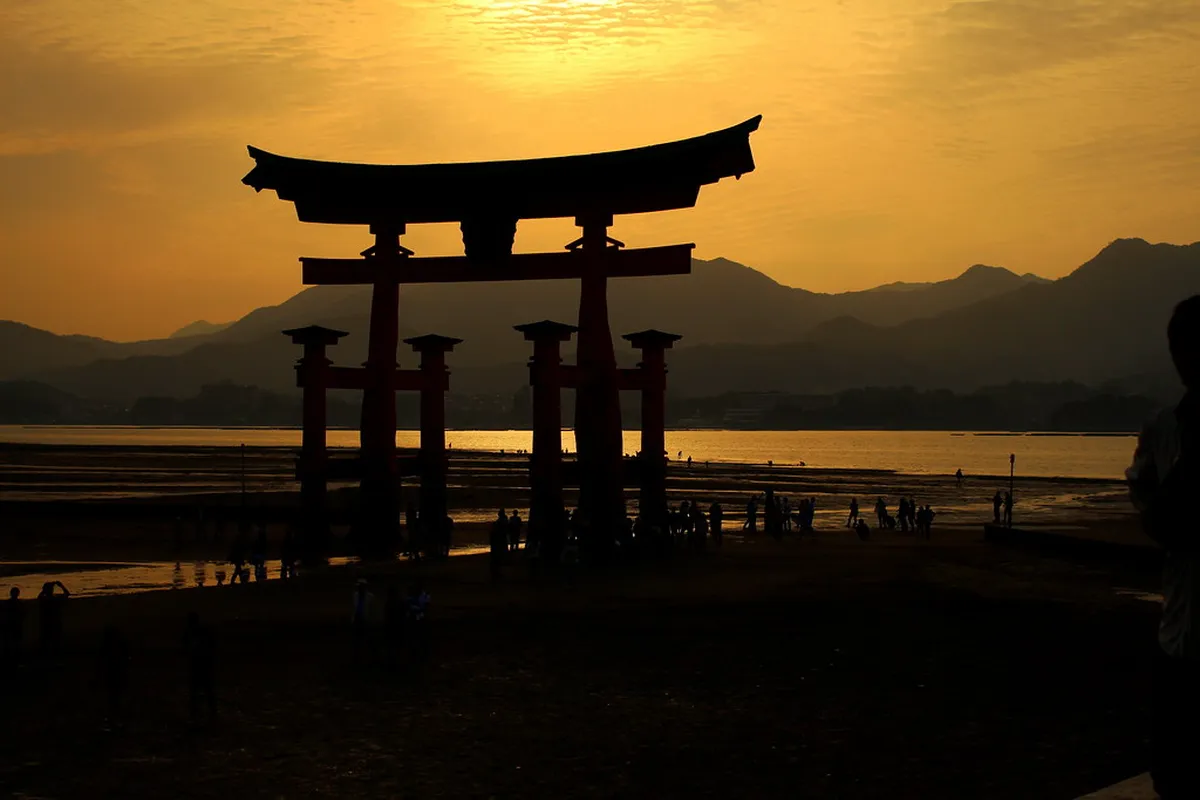
Miyajima Island is the obvious choice, and for good reason. The 16-meter vermilion torii gate of Itsukushima Shrine stands in the tidal flats roughly 200 meters offshore, and its appearance changes completely depending on the tide. At high tide the base disappears and the gate appears to float. At low tide you can walk out and touch it, but the visual drama is gone. Combined tickets for the main shrine and treasure hall cost ¥500 ($3.40) for adults. The JR ferry from Miyajimaguchi Station is covered by the Japan Rail Pass and runs roughly every 15 minutes; the crossing takes 10 minutes.
The tide window that makes this a genuinely special romantic experience: sunset during a high tide between April and October produces the gate lit in orange with the water still and reflective beneath it. Hiroshima's tourism resources publish a monthly tide chart; the sweet spot is a high tide that peaks within 60–90 minutes either side of official sunset. When those two align, the ferry deck on the approach to the island is one of the best free sunset viewpoints in Japan — treat the crossing itself as a slow scenic cruise rather than just transport.
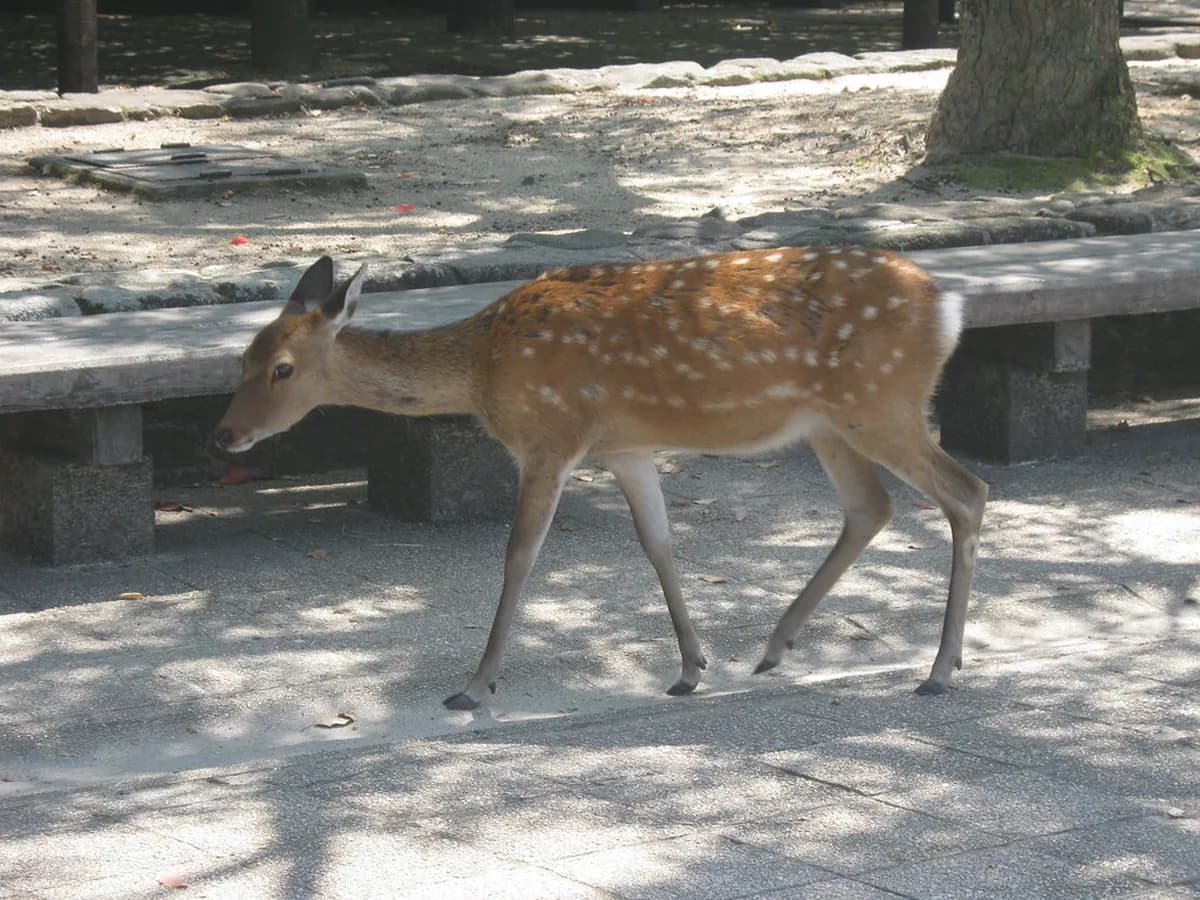
For couples who can extend their stay, spending one night on Miyajima changes the experience entirely. The last ferry from the mainland brings the final wave of day-trippers around 17:00. After that, the island becomes very quiet. You can see the illuminated shrine at high tide with almost no other visitors, walk the deer-lined approach street in the evening, and return to the gate at dawn before the first ferry arrives. Most ryokans on the island include breakfast; budget roughly ¥15,000–¥25,000 per person per night. It costs more than a city hotel, but the experience justifies it for a trip with romantic intent.
A second day-trip option is Kintaikyo Bridge in Iwakuni, about 40 minutes by train. The five-arched wooden bridge crosses the Nishiki River in a sequence of graceful curves that have been photographed for 300 years. Entry to cross costs ¥310 ($2.10). Combine with the ropeway up to Iwakuni Castle for a high panorama over the river. The riverside park below the bridge has over 100 cherry trees that bloom in late March and early April — timing a visit then makes this a strong alternative to Kyoto for sakura photos without the crowds.
The Torii Gate Tide Table: Planning Your Perfect Shot
This is the detail most travel guides skip. The O-Torii gate at Itsukushima Shrine is at its most photogenic during high tide, but tides at Miyajima vary by more than two meters between peaks and troughs. Checking the tide table in advance is not optional if you want the floating-gate effect — showing up at the wrong time means you find the gate surrounded by mud and exposed wooden pilings.
In 2026, the optimal tide windows by season look like this. In spring (March–May), high tides frequently coincide with late afternoon between 15:00 and 18:00, which aligns with golden hour. In summer (June–August), the best high tides tend to fall mid-morning or in the evening after 18:30, which means planning an overnight stay is particularly worthwhile in July and August to catch the evening window. In autumn (September–November), afternoon high tides return and often coincide with the warm low-angle light that makes the maple-covered hillside of Mount Misen glow orange behind the gate. Winter tides can be stunning on clear days when the low sun reflects sharply on calm water.
The Japan Rail Pass covers the JR ferry to Miyajima, which is worth noting if you are already carrying one. If you want to photograph the gate from a different angle, the private Matsudai Kisen ferry departs from a separate pier nearby and takes a slightly longer, wider route — it passes closer to the open water side of the gate and gives you a different perspective during approach. It costs ¥360 each way and is not covered by the JR Pass, but the extra angle is worth it for photographers traveling as a couple.
Where to Stay in Hiroshima for Couples
The best base for couples is the Hatchobori district in downtown Hiroshima. It puts you within walking distance of the Peace Memorial Park, Okonomimura, Hiroshima Castle, and the Hondori shopping street. Most of the evening bar and izakaya scene in the Nagarekawa district is also a short walk south. Staying centrally removes the need for taxis and means you can return to your room easily between morning and evening activities.
For a modern city hotel, Candeo Hotels Hiroshima Hatchbori is consistently well-reviewed for its location, clean design, and the sky-bath on the upper floors — soaking in an open-air bath with a city view is a low-key romantic evening option that requires no booking beyond your room. Rates in 2026 typically run ¥14,000–¥20,000 per night for a double. Browse all hotels in Hiroshima if you want to compare options across the city center.
For a more traditional experience, spending at least one night in a ryokan on Miyajima island is worth the premium. Ryokans here typically include a multi-course kaiseki dinner and a Japanese breakfast, both served in your room or a private dining space. The in-room experience — futon bedding, wooden tubs, seasonal cuisine — is genuinely distinct from anything available in the city. Booking three to four months ahead is advisable for the most popular properties, especially for stays in April and November.
If your budget is tighter, the city center has a strong selection of boutique guesthouses in converted townhouses. These typically cost ¥8,000–¥12,000 per night for a private room and offer a quieter, more personal atmosphere than large chain hotels. Some are clustered near the Toshogu Shrine area between the castle and the garden, which is a pleasant neighborhood to walk through in the early morning before the sights open.
Best Time to Visit Hiroshima for Couples
April is the consensus peak for romance. Cherry blossoms bloom around the Peace Memorial Park and Hiroshima Castle in the first two weeks of the month, and the city's riverside walks are lined with pale pink at a time when the weather is mild (average daytime temperatures of 16–18°C). Crowds are higher, but Hiroshima never reaches the saturation levels of Kyoto in sakura season. Book accommodation two to three months ahead for April stays.
October and November are arguably better for couples who want autumn color. The maple trees on Mount Misen and across Miyajima turn deep red and orange from late October through mid-November, and the crowds are thinner on weekdays. Daytime temperatures sit around 18–22°C in October, dropping to 12–16°C in November — comfortable for long walks and ropeway rides. The autumn tide patterns also tend to produce excellent late-afternoon high-tide windows at Miyajima.
Avoid late July and August if heat is an issue. Hiroshima sits in a basin and summer temperatures regularly exceed 35°C with high humidity. The evenings cool slightly, and the city has good air-conditioned indoor options (museums, galleries, covered arcades), but the outdoor appeal of Miyajima and the garden walks is reduced. Winter is quieter and cheaper, with mild daytime temperatures of 8–12°C in January. The low-season crowds can actually feel romantic — you will sometimes have Shukkeien Garden almost to yourselves on a grey winter morning.
How Many Days Do You Need in Hiroshima?
Two full days in the city plus one night on Miyajima is the benchmark for couples who want to do things properly. Day one covers the city itself: Peace Memorial Park and museum in the morning, Shukkeien Garden or Hiroshima Castle in the afternoon, Okonomimura in the evening. Day two is Miyajima, arriving mid-morning and staying overnight to catch the evening and early morning tides. A final morning on the island before catching the ferry back gives you time to pick up age-momiji (fried maple-leaf manju) from the stalls near the shrine before leaving.
If you have three days, add either a day trip to Kintaikyo Bridge or a slow afternoon in the Nagarekawa bar district, which is the best place in the city to work through a list of local craft sake and small plates. Checking our 1-day itinerary can also help you tighten the schedule if you are working with limited time and want to prioritize efficiently.
If you only have one day, focus on the Peace Memorial Park, Shukkeien Garden, and one meal at Okonomimura. You can reach Miyajima and back in under three hours if you pick a high-tide afternoon window, though you will miss the overnight experience. One full day is enough to understand why the city rewards a longer stay — most couples who visit on a single day immediately plan to return.
Getting Around Hiroshima Together
Hiroshima's streetcar (Hiroden) network is the most enjoyable way to move around the city for couples. The trams are vintage-style with wooden interiors on some routes, and the sound of the bell at each stop is a small pleasure that you do not get on a subway. Line 2 and Line 6 are the most useful for tourists, running from Hiroshima Station past the Peace Memorial Park and out to Miyajimaguchi for the Miyajima ferry. A single ride costs ¥180 ($1.20) per person; a day pass is ¥700 ($4.70) and pays for itself quickly.
Most of central Hiroshima is walkable. The distance from the Peace Memorial Park to Shukkeien Garden is about 2.5 km — an easy 30-minute stroll along the Kyobashi River with pleasant views. For Mitaki-dera Temple, take the JR Sanyo Line two stops from Hiroshima Station to Mitaki Station (¥140); the temple is a 15-minute walk uphill from there. For Miyajima, the JR Sanyo Line runs directly to Miyajimaguchi Station and the pier is immediately outside the station exit.
For the city center, the Maple Loop sightseeing bus makes a circuit of the main downtown attractions and is a good option if you want to cover more ground between rain showers without navigating the tram system from scratch. A day pass costs ¥400 ($2.70). All of these options — trams, trains, and the JR ferry to Miyajima — are compatible with the Suica IC card, which you can load onto an Apple Wallet or Android equivalent and tap in and out without fumbling for cash.
How to Get to Hiroshima
The Shinkansen is the standard approach. From Osaka, the Hikari or Kodama services on the JR Sanyo Shinkansen take approximately 1 hour 20 minutes; the faster Nozomi takes about 45 minutes but is not covered by the standard Japan Rail Pass. From Tokyo, the fastest covered service takes around 4 hours. Hiroshima Station sits on the western edge of the city center and the Peace Memorial Park is a 20-minute tram ride or a 40-minute walk from the station.
Hiroshima does have an international airport (HIJ), but international connections are limited and most visitors arriving from outside Japan will fly into Tokyo or Osaka first. Flying into Kansai International and taking the Shinkansen west to Hiroshima is a natural route if you are planning a wider Kansai-Chugoku itinerary that combines Osaka, Kyoto, and Hiroshima over 7–10 days. The JR Pass covers the Shinkansen leg from Osaka to Hiroshima, which significantly reduces the cost of the route if you are making multiple stops.
Keep planning your trip with hidden gems and food recommendations.
Frequently Asked Questions
What is the best month for a romantic trip to Hiroshima?
April and October are the best months for couples. April offers beautiful cherry blossoms throughout the city, while October provides mild weather and stunning autumn colors on Miyajima island. Both seasons are ideal for outdoor walks and scenic ferry rides.
Is one day enough for a romantic visit?
While you can see the main sights in one day, two days are better for a romantic pace. This allows you to spend a full evening on Miyajima island or enjoy a slow dinner by the river. A longer stay reduces travel stress and allows for more intimate moments.
How do we get to Miyajima for sunset?
Take the JR Sanyo Line to Miyajimaguchi Station and then board the ferry. The JR ferry is included in the Japan Rail Pass and stays closer to the torii gate for better photos. Aim to arrive on the island at least one hour before the official sunset time.
Hiroshima is a city that rewards couples who take the time to look beyond its tragic past to see its vibrant present. From the quiet corners of Shukkeien Garden to the glowing lanterns of Miyajima, there are endless opportunities for romance. We hope this guide helps you plan a trip that is as meaningful as it is beautiful for your 2026 adventure.
Free: The Hiroshima Essentials guide
Top things to do, where to stay, a perfect day plan, getting around, and the best time to go — a Hiroshima mini-guide you can take offline.
You might also like


Continue reading
More guides you'll find useful