Hiroshima 1 Day Itinerary: 10 Essential Planning Steps
Plan the perfect Hiroshima 1 day itinerary: Peace Memorial Park, Atomic Bomb Dome, Hiroshima Castle, and Miyajima tips — all in one expert guide.
On this page
Hiroshima stands as a powerful symbol of resilience and peace in modern Japan.
Many travelers visit this historic city to pay respects and witness its remarkable recovery.
A well-planned Hiroshima 1 day itinerary allows you to experience the core landmarks efficiently.
This guide provides the essential steps to navigate the city and its moving history.
Is one day in Hiroshima enough?
Most visitors find that one day provides enough time to see the primary city highlights. You can comfortably visit the Peace Memorial Park and the historic castle within eight hours. This timeframe works perfectly for those coming from nearby cities like Osaka.
The Peace Memorial Museum adult admission is ¥200 in 2026. Arriving at the 8:30 AM opening gives you the quietest experience before tour groups arrive at 10:30 AM. Book a timed entry ticket online to avoid queues during peak spring and autumn seasons.
Planning a single day requires a focus on the central downtown area. If you want to explore the outskirts or hidden temples, you might need more time. Most travelers prioritize the UNESCO sites which are clustered closely together. If you're considering an overnight, where to stay in Hiroshima near major attractions will help you plan lodging near the Peace Park or Miyajima.
Your pace will ultimately depend on how much time you spend in museums. The main museum often requires at least two hours for a deep experience. Balance your schedule by starting early to avoid the largest afternoon tour groups.
Getting to Hiroshima from Osaka, Kyoto and Tokyo
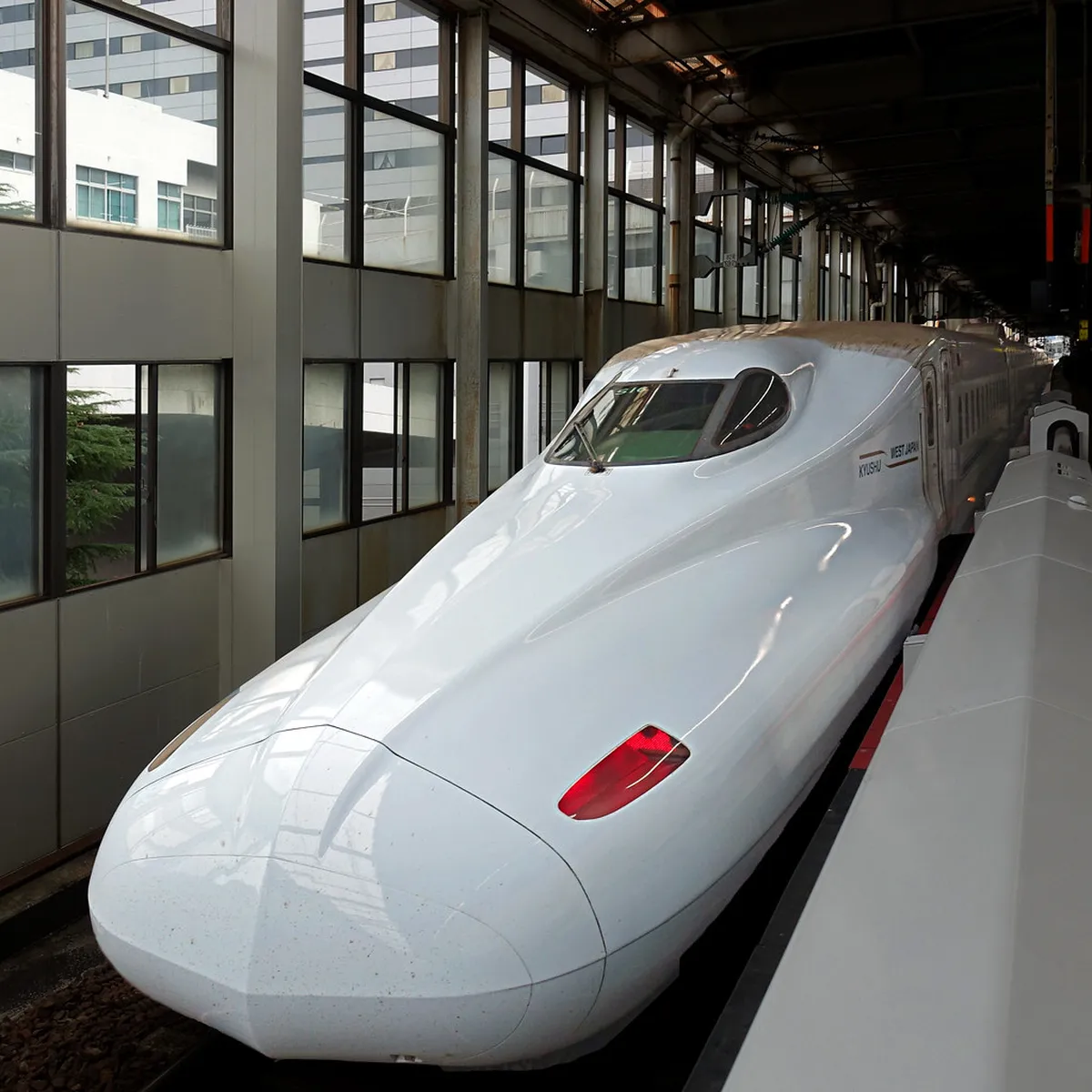
The **Sanyo Shinkansen** makes reaching the city very easy from major Japanese hubs. Trains from Osaka take roughly 90 minutes, making a day trip highly feasible. Travelers from Kyoto should expect a journey of about two hours with a transfer.
Those coming from Tokyo will face a longer journey of nearly four hours. If you have a JR Pass, the Sakura or Hikari trains offer excellent value for this route. Check the latest schedules to ensure you catch the earliest possible departure.
Remember that the last Shinkansen back to Osaka usually departs around 9:30 PM. Arriving at the station fifteen minutes early helps you navigate the large terminal. Keep your rail pass or tickets ready for a smooth boarding process.
What To Do In Hiroshima – The Ultimate 1-Day Hiroshima Itinerary
Start your morning at the **Atomic Bomb Dome** to see the city's most famous landmark. This skeletal structure serves as a stark reminder of the events of 1945. Walk across the bridge to enter the Peace Memorial Park shortly after sunrise.
Spend your midday hours exploring the museum and the various monuments in the park. You might want to book a specialized Hiroshima experience to gain deeper local insights. Guided walks often reveal stories that plaques alone cannot convey.
Head toward the castle district in the early afternoon for a change of pace. The walk from the park to the castle takes about fifteen minutes through pleasant streets. This route passes several small shrines and modern shopping areas where you can pick up traditional ryokan and nearby stay options brochures for future trips to the region.
- Morning: Peace Memorial Park and Museum
- Time: 09:00 AM
- Focus: History and reflection
- Access: Tram from station
- Cost: 200 yen museum fee
- Midday: Lunch at Hondori Arcade
- Time: 12:30 PM
- Focus: Local food and shops
- Access: 5-minute walk
- Cost: 1,200 - 2,000 yen
- Afternoon: Hiroshima Castle and Shukkeien Garden
- Time: 02:30 PM
- Focus: Architecture and nature
- Access: Walking or loop bus
- Cost: 370 yen castle entry
Can I see Miyajima as well or do I need to add a day?
Combining the city center with Miyajima Island is possible but creates a very long day. Read our complete guide on how to visit Itsukushima Shrine and floating torii gate tide times before planning a Miyajima side trip. You will need to leave your hotel by 7:00 AM to fit both locations. The ferry ride and train to the island add significant travel time to your schedule.
A combined trip usually means spending less time at the Peace Memorial Museum. If you value historical depth, staying in the city is often the better choice. Those who want the iconic Torii gate photo must accept a faster pace. For a step-by-step plan that covers both destinations, see our Hiroshima and Miyajima 1 day itinerary.
Consider staying overnight if you want to experience the island's evening tranquility. Most day-trippers leave the island by 5:00 PM, leaving the streets quiet and magical. This allows you to enjoy a sunrise hike up Mount Misen the next morning.
Must-See Hiroshima Attractions
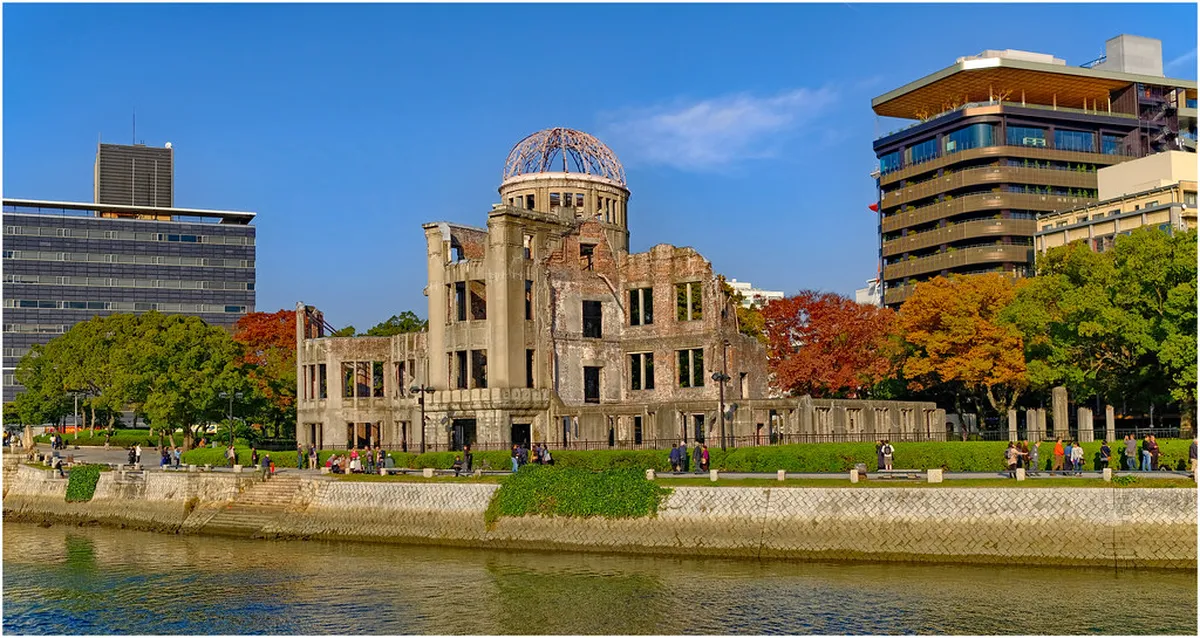
The **Atomic Bomb Dome** is the most recognizable site and a must for every visitor. It remains one of the few buildings left standing near the hypocenter. Viewing it at night provides a different, more peaceful perspective away from crowds.
Visit the Hiroshima Peace Memorial Museum’s Official Webpage to check for special exhibitions. For a full list of what to see while you’re in the city, check out the 15 best things to do in Hiroshima 2026. This museum houses personal items and photos that tell the human story of the bombing. It is an emotional experience that requires significant mental energy.
For a serene escape, visit **Shukkeien Garden** located near the castle grounds. This traditional landscape garden features miniature representations of forests and mountains. It offers a quiet place to reflect after visiting the more somber memorial sites.
- Atomic Bomb Dome (Genbaku Dome)
- Type: UNESCO World Heritage
- Best for: Photography and history
- Where: Near Motoyasu River
- Cost: Free to view
- Hiroshima Castle (Carp Castle)
- Type: Reconstructed fortress
- Best for: Panoramic city views
- Where: Motomachi district
- Cost: 370 yen entry
- Children's Peace Monument
- Type: Memorial statue
- Best for: Symbolic paper cranes
- Where: Inside Peace Park
- Cost: Free to visit
Best okonomiyaki options for dinner
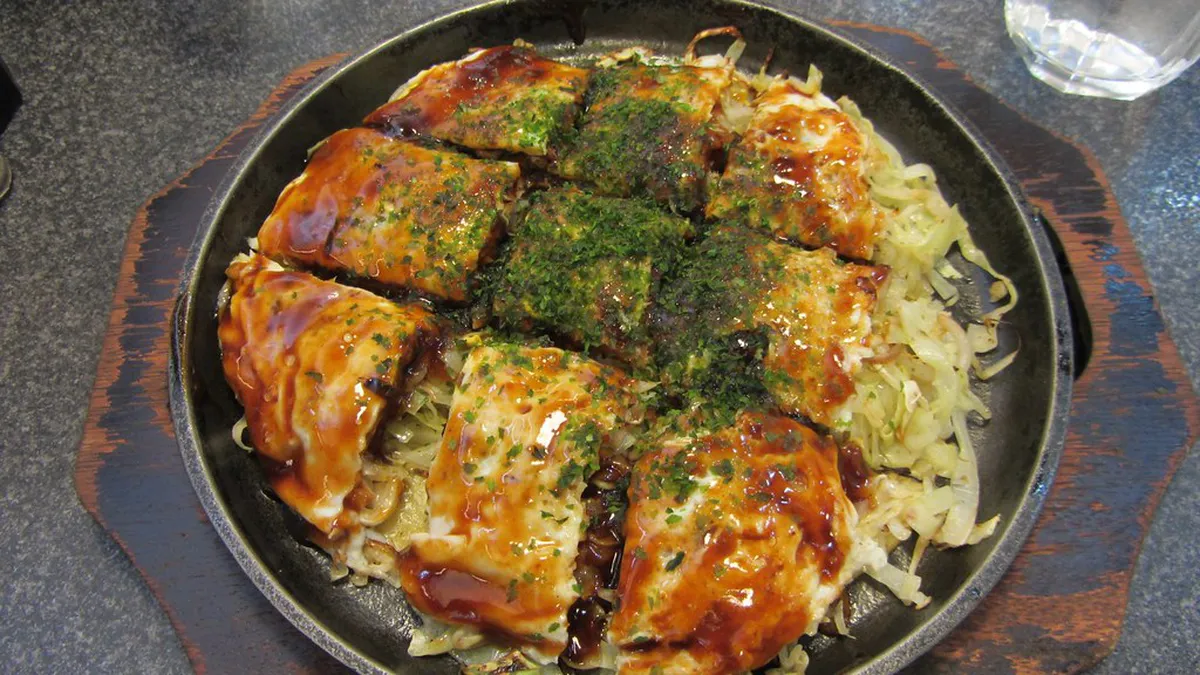
Hiroshima is famous for its layered version of okonomiyaki, which includes noodles and cabbage. Unlike the Osaka style, the ingredients are stacked rather than mixed together. This creates a hearty and textured meal that is unique to the region.
**Okonomimura** is a famous building housing over twenty different stalls under one roof. It is a great place for tourists to see the cooking process up close. Chefs use a large metal spatula called a *hera* to flip the savory pancakes.
If you are short on time, head to the **Ekie** dining mall inside the main station. Many high-quality shops there serve travelers catching late trains back to Osaka. You can find vegetarian options in some of these modern station restaurants.
How to Plan a Smooth Hiroshima Attractions Day
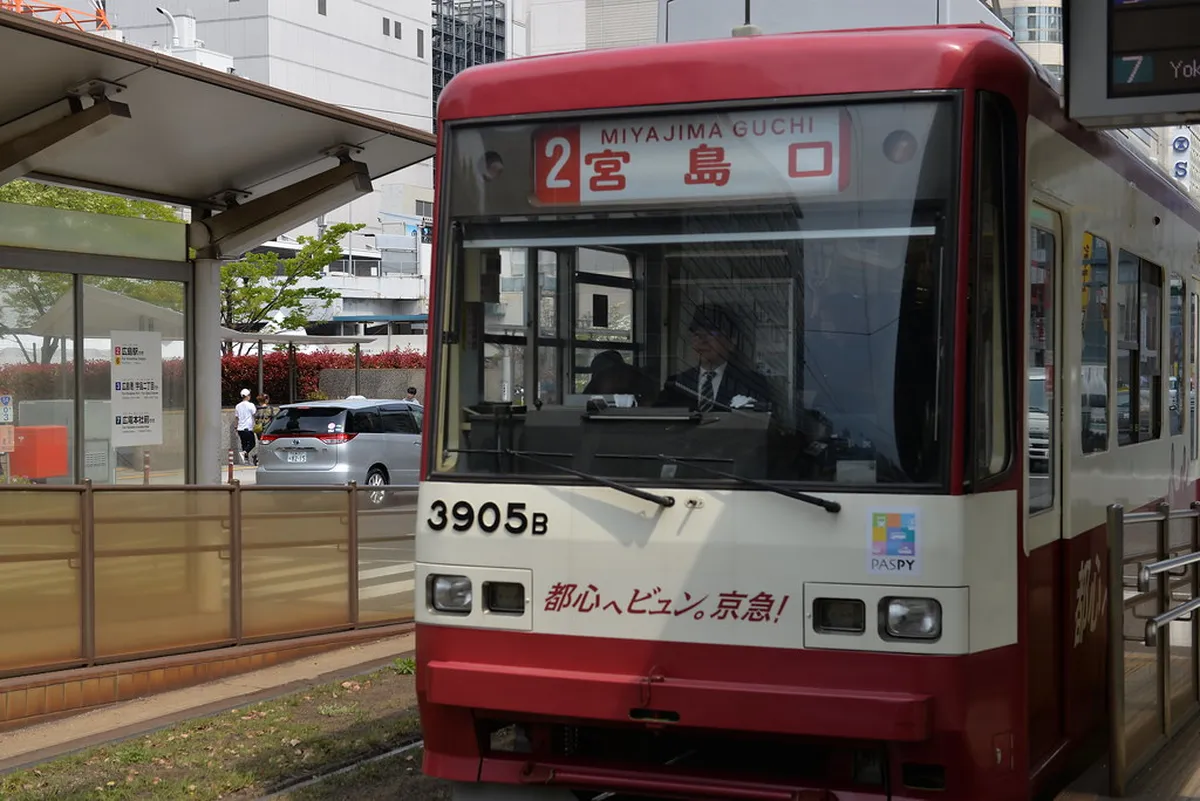
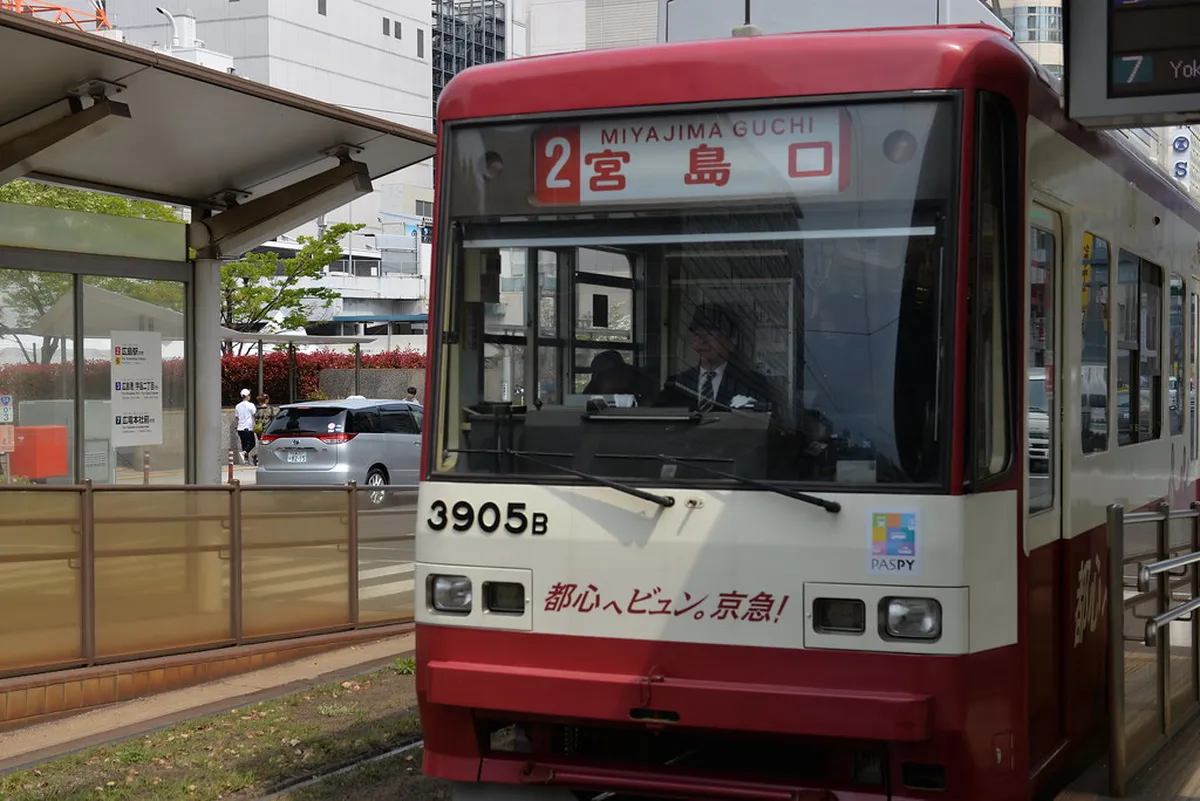
The Hiroshima Sightseeing Loop Bus (Meipuru-pu) is the most convenient way to get around. If this is your first visit, our guide on the 12 best things to do in Hiroshima for first timers covers essential tips for navigating the city. This bus stops at all major tourist sites including the castle and museum. It is free for travelers holding a valid JR Pass.
The Peace Memorial Museum contains graphic imagery including personal artifacts from the 1945 bombing. The official guidance recommends the East Building for children under 10. You can exit through quiet zones near the East Wing if the emotional load becomes too heavy.
Booking your museum tickets online can save you from waiting in long entrance lines. During peak seasons like spring, the museum can become very crowded by midday. Arriving right at opening time ensures a much quieter and more respectful visit.
Wear comfortable walking shoes as the city center is quite flat and walkable. You can easily walk between the major sites if the weather is pleasant. This allows you to discover small monuments and local cafes along the riverbanks.
Visiting with children or sensitive travellers
The Peace Memorial Museum contains graphic imagery that may be upsetting for some visitors. The East Building focuses on history, while the Main Building has more intense displays. You can choose to skip certain sections if they feel too overwhelming.
Look for the designated exit routes if you need to leave the galleries quickly. Taking breaks in the park outside can help process the emotional weight of the exhibits. The open green spaces provide a necessary contrast to the museum's intensity.
For a lighter activity, consider visiting the Hiroshima City Manga Library with your family. It offers a massive collection of comics in a relaxed setting. This provides a good balance to the more serious historical parts of the day.
Where to stay in Hiroshima (if you stay overnight)
Staying near **Hiroshima Station** is the most practical choice for those with heavy luggage. This area has many modern business hotels that offer great value and easy transit. You will be steps away from the Shinkansen platforms for your morning departure.
The **Hondori** area is better for travelers who want to be near nightlife and shopping. This district stays lively late into the evening with many restaurants and bars. It is the heart of the city's modern culture and social scene.
Luxury seekers might prefer hotels overlooking the river for scenic views. These properties often provide a more peaceful atmosphere away from the station's hustle. Many of these hotels offer easy access to the tram lines for sightseeing.
Downloadable walking map for my Hiroshima itinerary
A clear map is essential for navigating the flat streets between the station and the park. Most visitors take the tram to the Atomic Bomb Dome and then walk. The path follows the river, making it very difficult to get lost.
Mark the locations of the **Meipuru-pu** bus stops on your digital map before arriving. These stops are clearly labeled and located near the main entrances of each attraction. Having this information ready prevents confusion when you are tired at the end of the day.
The route from the Peace Park to the castle is a straight walk north. You will pass the **Hiroshima Museum of Art** along the way. This compact layout makes the city one of the easiest to navigate in all of Japan.
Combine this with our main Hiroshima attractions guide for a fuller itinerary.
Frequently Asked Questions
Is the JR Pass valid for transport within Hiroshima?
Yes, the JR Pass covers the Meipuru-pu sightseeing loop bus and JR trains to Miyajimaguchi. It does not cover the local city trams, which require a separate fare or IC card. You can find more Japan travel tips to help manage your transport budget.
Do I need to book the Peace Memorial Museum in advance?
While not strictly required, booking online is highly recommended during peak travel months like April or October. This ensures you have a guaranteed entry time and helps you avoid long queues. Check the official website for current availability before your trip.
What is the best way to get from Kyoto to Hiroshima?
The fastest way is by taking the Shinkansen, which takes about 100 to 120 minutes. You will usually need to transfer at Shin-Osaka station if you are using a JR Pass. Start your journey before 8:00 AM to maximize your time in the city.
Can I find vegetarian okonomiyaki in Hiroshima?
Yes, several shops in the Ekie mall and Okonomimura now offer vegetarian or vegan versions. These usually substitute meat with extra mushrooms or seasonal vegetables. Always confirm with the chef as traditional sauces may contain dashi or fish flakes.
A Hiroshima 1 day itinerary offers a balanced mix of somber history and modern resilience.
By following these ten steps, you can ensure a respectful and efficient visit to this iconic city.
If you are planning a longer stay, explore the major annual events in Hiroshima 2026 calendar to time your visit with local festivals, or consider the 3-day Hiroshima festival and event itinerary 2026 for an extended trip.
Whether you are visiting for the history or the food, Hiroshima leaves a lasting impression on every traveler.
Plan your trip today to experience one of Japan's most meaningful and welcoming destinations.
Free: The Hiroshima Essentials guide
Top things to do, where to stay, a perfect day plan, getting around, and the best time to go — a Hiroshima mini-guide you can take offline.
You might also like
Continue reading
More guides you'll find useful