Hiroshima Events 2026: Month-by-Month Festival Calendar
Hiroshima events 2026, month by month: Flower Festival (May), Peace Ceremony (Aug 6), Toukasan, Ebisu-ko, sake & oyster festivals, dates, costs & transport.
On this page
- Peace Memorial Ceremony: August 6, 2026 — book accommodation months ahead
- Hiroshima Flower Festival: May 3–5, 2026 — one of Japan's largest street festivals (1.7M visitors)
- Toukasan Yukata Festival: June 5–7, 2026 — official start of summer in the city
- Ebisu-ko: November 18–20, 2026 — central Hiroshima's biggest commercial-district festival
- Best months for combining multiple events: late October (Food Festival + Saijo Sake Festival)
- Most ceremonies are free; Peace Memorial Museum entry is ¥200
Hiroshima's annual festival calendar is one of the richest in western Japan, ranging from the solemn Peace Memorial Ceremony each August 6th to the 1.7-million-strong Flower Festival in May, the lantern-lit Toukasan in June, the Ebisu-ko commercial-district festival in November, and the centuries-old Kangen-sai boat ritual at Miyajima. This 2026 calendar covers what each event is, when it actually falls this year, where to stand, and how to get there — without padding.
The year 2026 marks the 81st anniversary of the 1945 atomic bombing, and the Peace Memorial Museum has updated its exhibits with new digital archives and survivor testimonies. For travelers planning multiple festival visits across seasons, our 3-day Hiroshima festival and event itinerary shows how to stack events into a single trip.
Use the month-by-month calendar below to lock in your travel dates, and the booking-window section near the end to know which events sell out first. Most of Hiroshima's festivals are free to attend; the costs that matter are accommodation surcharges and Shinkansen seat reservations during peak windows.
The Hiroshima Flower Festival (May 3–5) draws approximately 1.7 million visitors over three days. Arriving at Peace Boulevard by 09:00 on May 3rd is the best way to secure a front-row spot for the opening parade.
| Event | 2026 Date | Book Hotels By | Entry Cost |
|---|---|---|---|
| Hiroshima Flower Festival | May 3–5 | January 2026 | Free |
| Toukasan Yukata Festival | June 5–7 | Same-week booking fine | Free |
| Peace Memorial Ceremony | August 6 | February 2026 | Free |
| Saijo Sake Festival | ~Oct 10–11 | Passport via Ticket Pia from late Aug | ¥2,100 passport |
| Ebisu-ko Festival | Nov 18–20 | Same-week booking fine | Free |
| Hiroshima Dreamination | Nov 17 – Jan 3 | Same-week booking fine | Free |
The Peace Memorial Ceremony on August 6th has never been cancelled in its history, but hotels within 1 km of Peace Park sell out 3–6 months in advance. In 2025, accommodation around August 5th sold for triple normal rates.
Hiroshima 2026 Events Calendar: Month by Month
Hiroshima holds at least one significant festival in every month of the year, anchored by four city-wide events (Flower Festival, Toukasan, Peace Memorial Ceremony, Ebisu-ko) and a strong supporting cast of shrine, food, and water festivals. Below is the month-by-month breakdown for 2026 with confirmed or expected dates, locations, and transport.
January 1–3 — Hatsumode at Gokoku Shrine
Hatsumode is the first shrine visit of the year. Gokoku Shrine, located inside Hiroshima Castle grounds, draws more than 600,000 visitors over the first three days of January. Stalls sell amazake (sweet rice wine), oden, and yakitori; lucky charms (omamori) are renewed for the new year. The atmosphere stays festive past midnight on January 1st, and Peace Boulevard's Dreamination winter illumination continues through early January, making evening visits worthwhile. Streetcar Line 2 to Kamiya-cho.
Early February — Setsubun Bean-Throwing
Setsubun on February 3rd marks the lunar end of winter. At Mitaki-dera, Fudoin Temple, and Itsukushima Shrine on Miyajima, priests and "year-men" (toshiotoko) toss roasted soybeans and small mochi packets into crowds while shouting "Oni wa soto, fuku wa uchi" (devils out, fortune in). Catching beans is considered lucky for the year ahead. The Itsukushima Setsubun ritual ties into the shrine's annual fire-purification cycle and is the most photogenic of the three.
Mid-February — Miyajima Oyster Festival
Held on a weekend in mid-February at Miyajima Pier, the Oyster Festival is the food anchor of the winter season. Hiroshima Prefecture produces over 60% of Japan's oysters, and local fishermen serve them grilled over charcoal, deep-fried, in oyster rice, and in steaming dotemiso stews. Prices run roughly half what restaurants charge the rest of the year. See our budget guide to the Miyajima Oyster Festival for spending tips. Access: JR Sanyo Line to Miyajimaguchi, then 10-minute ferry.
Late March–Early April — Cherry Blossom Hanami
Cherry blossom peak in 2026 is forecast for March 26 to April 5 based on the Japan Meteorological Corporation's 2025 trend, though final dates depend on February temperatures. Best viewing spots: Peace Memorial Park (free, riverside), Shukkeien Garden (¥260 entry), Hiroshima Castle moat, and Mitaki-dera Temple. Hiroshima Castle hosts evening light-up from sunset to roughly 22:00 during peak week. Locals reserve castle-grounds tarp space from mid-morning for evening hanami picnics.
May 3–5 — Hiroshima Flower Festival
The Hiroshima Flower Festival is the largest event on the city calendar — approximately 1.7 million visitors over three days. Peace Boulevard becomes a 1.6-km car-free pedestrian zone filled with flower displays, more than 80 outdoor performance stages, and several hundred international food stalls. The opening parade on May 3rd starts at 10:00 from Heiwa-Odori-Nishi-Heisha and includes decorated floats, dance troupes, and school bands. Closing ceremony on May 5th at 18:30 features a mass folk-dance circuit. Access: Streetcar Line 1 to Chuden-mae or Kamiya-cho. Arrive by 09:00 on May 3rd for parade-line viewing.
June 5–7 — Toukasan Yukata Festival
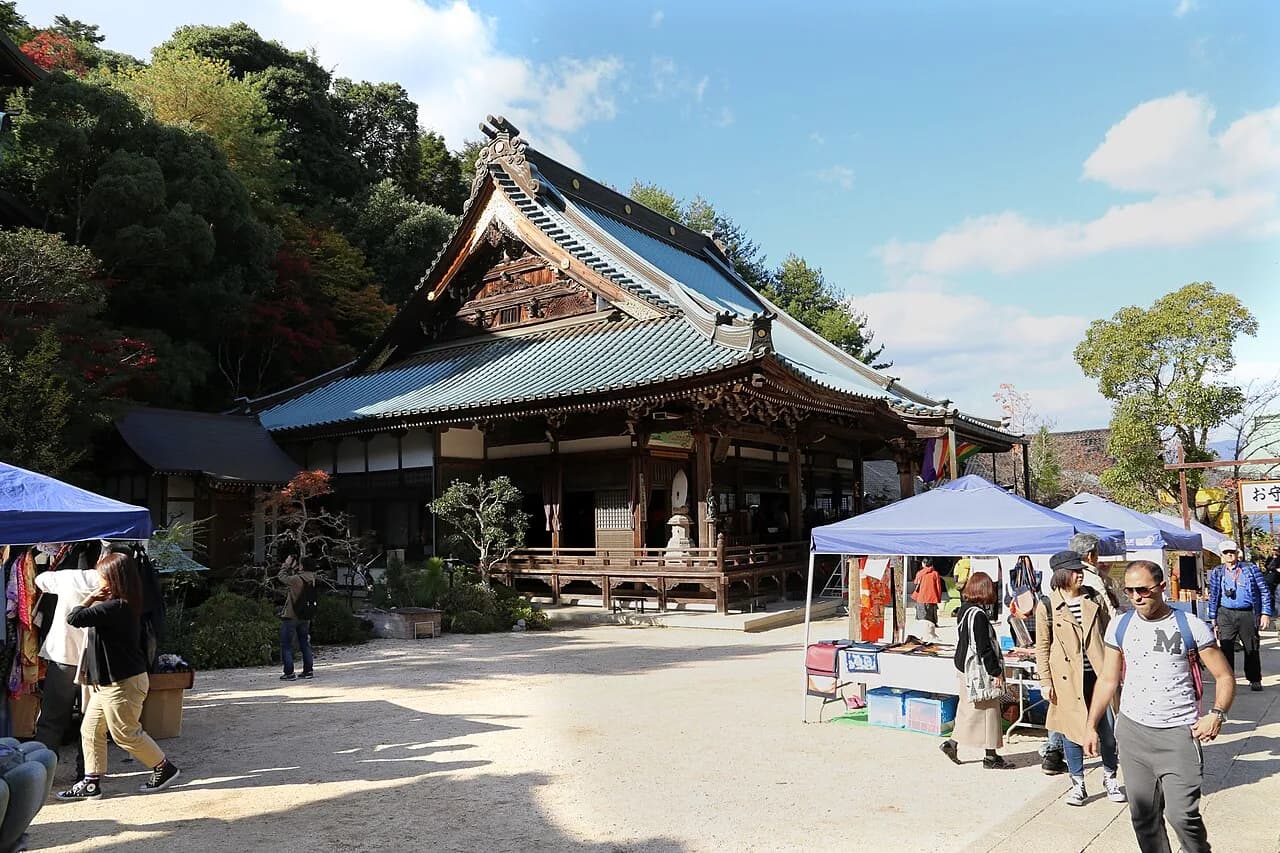
Toukasan is held annually on the first Friday-Saturday-Sunday of June at Enryuji Temple in the Nagarekawa and Hondori districts, marking the official beginning of summer in Hiroshima. Tens of thousands of people wear yukata (lightweight summer kimono) and fill the streets — many shops give a small discount to anyone in yukata. Street food stalls, taiko performances, and traditional music run from late afternoon until after 22:00. The festival originated in 1619, and this is one of the few city festivals where wearing yukata is genuinely expected rather than tourist costume. Streetcar Line 1 to Hatchobori.
Late June–Mid-August — Ujina Port Summer Fireworks
Several smaller fireworks displays run along Hiroshima Bay in summer, but the centerpiece is the Sumiyoshi Shrine Summer Festival in late July (typically the last weekend), which combines a shrine procession with riverside fireworks over the Motoyasu River near Peace Park. Lantern-lit boats parade between Sumiyoshi Bridge and Hiratsuka Bridge from around 19:30, and fireworks fire from 20:00 to 21:00. Free; arrive by 18:30 for unobstructed views from Peace Boulevard's western edge.
Late July — Bentenjima Fireworks (Tomonoura)
The Bentenjima Fireworks Festival is held off Tomonoura, approximately 90 minutes east of Hiroshima Station by train and bus. The historic Edo-period port town backdrop makes for the most photogenic fireworks display in the Chugoku region. Approximately 2,000 shells are launched from Bentenjima Island offshore. See our full guide to Hiroshima summer festivals and Bentenjima Fireworks 2026 for the best viewing locations and ferry timing.
August 6 — Peace Memorial Ceremony
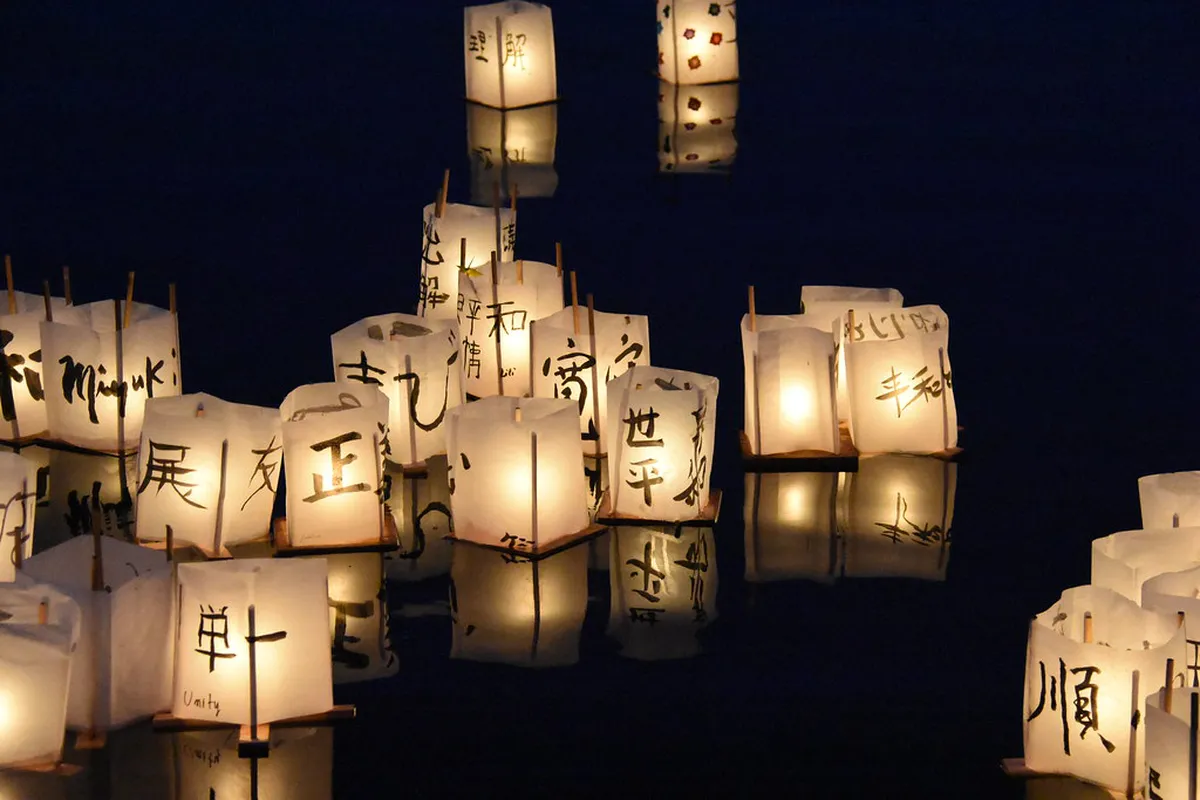
The most significant event on Hiroshima's calendar. Held at 8:00 in Peace Memorial Park to mark the moment the atomic bomb detonated at 8:15 on August 6, 1945. The ceremony is free, attended by dignitaries from over 100 countries, and includes a minute of silence at 8:15, the tolling of the Peace Bell, and the laying of paper-crane wreaths. The evening lantern floating ceremony on the Motoyasu River runs from sunset until 21:00 — families launch illuminated paper lanterns inscribed with peace messages. Full attendance and etiquette details in our dedicated guide on how to attend the Hiroshima Peace Memorial Ceremony 2026.
Mid-Late September — Itsukushima Kangen-sai Boat Festival
The Kangen-sai is one of Japan's three greatest water festivals (alongside Osaka's Tenjin Matsuri and Tsushima's Tenno Matsuri). Decorated boats carry court musicians performing ancient gagaku music across Itsukushima Bay around Miyajima. Because Kangen-sai follows the lunar calendar (17th day of the 6th lunar month), the 2026 date falls on August 30 — confirm at the Miyajima event calendar closer to the date. Staying overnight on Miyajima lets you see the evening ritual after day-trippers have left on the last 22:14 ferry.
Mid-October — Saijo Sake Festival
Saijo, 40 minutes east of Hiroshima Station by JR Sanyo Line, hosts Japan's largest sake festival on the second weekend of October — projected dates for 2026 are October 10–11. The town has eight major breweries within a 1-km walking radius. The ¥2,100 tasting passport unlocks samples from over 900 sake varieties from across the country. Live entertainment in the brewery district runs from 10:00 to 17:00 both days. Buy the passport in advance through 7-Eleven Ticket Pia from late August — they sell out a week before the event in 2025.
Late October — Hiroshima Food Festival
The Hiroshima Food Festival runs three days near Hiroshima Castle and Peace Park — projected 2026 dates October 24–26. Dozens of stalls serve regional specialties: oysters from Etajima, Miyajima anago (conger eel), Onomichi ramen, lemon chicken from Setouchi, and sake from Saijo. It's the single best place to taste the breadth of Hiroshima prefecture's food culture in one afternoon. Entry is free; pay per dish (¥300–¥800 typical). Streetcar Line 2 to Kamiya-cho.
November — Autumn Foliage on Miyajima
Peak foliage runs November 15–30. Miyajima's Momijidani Park (free) is the headline location — the maple-lined valley below Mount Misen turns crimson and is illuminated some evenings during the final week of November. Other spots: Shukkeien Garden, Mitaki-dera Temple (the quietest, most atmospheric option), and Hiroshima Castle grounds. Arrive on weekday mornings before 10:00 to beat tour-group crowds at Miyajima.
November 18–20 — Ebisu-ko Festival
Ebisu-ko at Ebisu Shrine in the Hondori shopping district is central Hiroshima's biggest annual commercial-district festival, drawing approximately 300,000 visitors over three days. Shopkeepers buy "lucky bamboo rakes" (kumade) decorated with gold coins, sea bream, and treasure-ship ornaments — the larger the rake, the bigger the wish for next year's business. The Hondori arcade fills with bettara-ichi pickle stalls selling sweet daikon pickle as a good-luck snack. Hatchobori Streetcar Line 1.
November–January — Hiroshima Dreamination
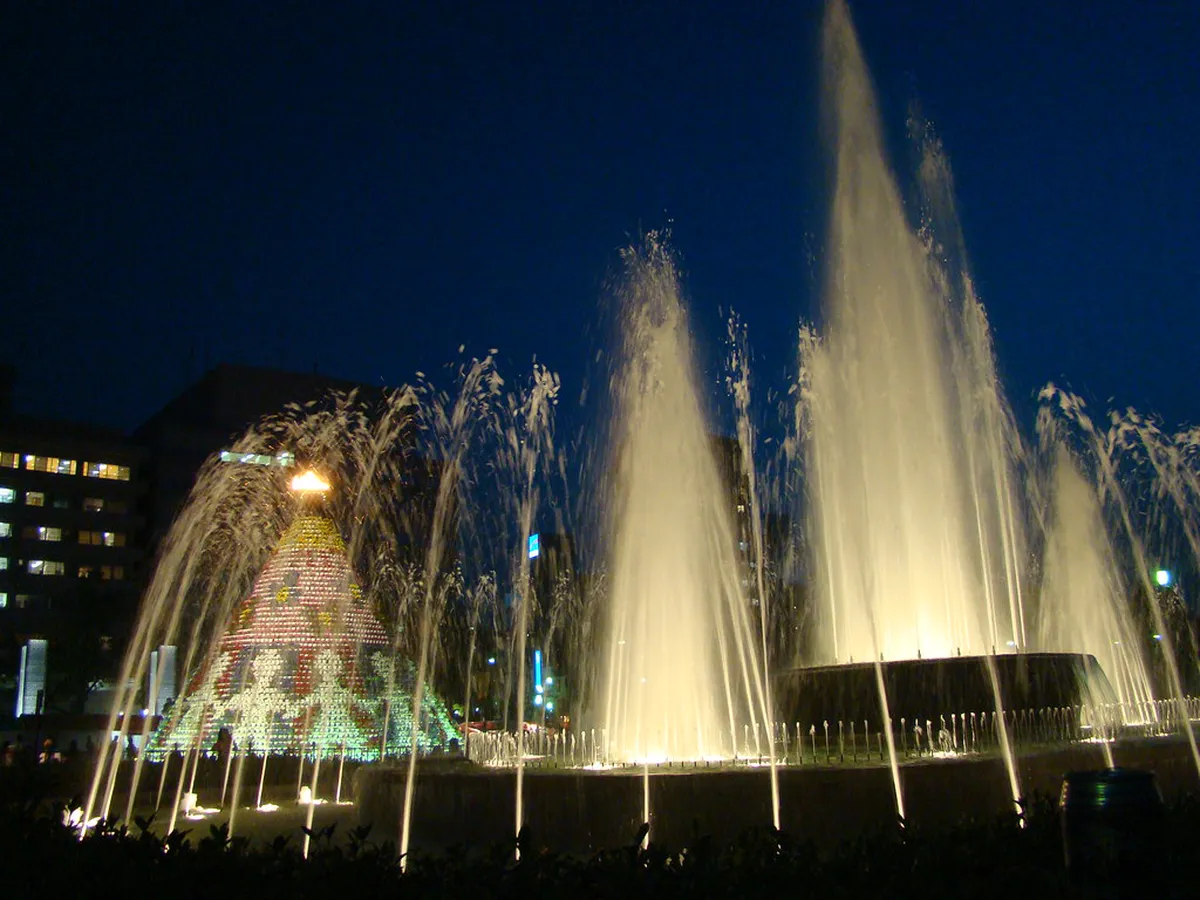
Peace Boulevard becomes a 1.4-km tunnel of approximately 1.4 million LEDs from mid-November through early January each year. The 2026–27 edition is expected to run November 17, 2026 to January 3, 2027, lit nightly from 17:30 to 22:00. Free. Best entry point: the Heiwa-Odori-Higashi-Hiratsuka intersection, then walk west toward Peace Park. The illumination stacks well with Ebisu-ko in mid-November, giving you two evening events on the same trip.
December 31 — Joya-no-Kane Bell Ringing
Mitaki-dera and Fudoin Temple ring their bonsho bells 108 times at midnight to symbolize cleansing the 108 earthly desires of Buddhism. Public participants are usually allowed to ring the bell once after the priests finish — queue from around 23:00. Free. Mitaki-dera is the more atmospheric option (mountainside setting, lantern-lit path); Fudoin is more accessible from the city center.
Two More Hiroshima-Area Festivals Worth the Day Trip
Beyond the city-center festivals above, two regional events in Hiroshima Prefecture reward a half-day excursion and rarely make it onto visitor itineraries.
Fukuyama Ashida River Fireworks Festival — held on the first Saturday of August (August 1, 2026 tentative) along the Ashida River in Fukuyama City, this is one of the larger fireworks displays in the Chugoku region, launching roughly 5,000 shells over about 90 minutes starting at 19:30. An estimated 250,000 spectators line both riverbanks near Fukuyama Castle. Fukuyama Station is roughly 25 minutes from Hiroshima Station on the Sanyo Shinkansen (about 1 hour 45 minutes on the local JR Sanyo Line), making it a feasible evening trip without an overnight stay. Riverside viewing spots fill from around 17:00.
Sera Kogen Sunflower Festival — Sera Kogen Nogyo Koen, a highland farm park in Sera Town, opens its sunflower fields to visitors from late July through mid-August, with peak bloom typically in the first two weeks of August. Around one million sunflowers cover the rolling hillside, and a small festival runs on peak-bloom weekends with local produce stalls. There is no direct train; the park is roughly a 90-minute drive from central Hiroshima, or reachable by seasonal bus tour. Entry during the festival period runs around ¥500.
| Event | 2026 Date | From Hiroshima | Cost |
|---|---|---|---|
| Fukuyama Ashida River Fireworks | Aug 1 (tentative) | ~25 min by Shinkansen | Free |
| Sera Kogen Sunflower Festival | Late Jul–Mid Aug | ~90 min by car/bus | ~¥500 entry |
Hiroshima Events by Season: A Quick At-a-Glance Planner
If you already know roughly when you can travel, here is the fastest way to match a season to the events covered above — useful before you commit to flight dates.
- Winter (Dec–Feb): Joya-no-Kane bell ringing on December 31, Hatsumode at Gokoku Shrine in early January, the Dreamination illumination running into early January, and the Miyajima Oyster Festival in mid-February — the lowest-crowd, lowest-cost season.
- Spring (Mar–May): Cherry-blossom hanami in late March, building to the headline Flower Festival on May 3–5 over Golden Week.
- Summer (Jun–Aug): Toukasan Yukata Festival in early June, riverside fireworks in July, and the solemn Peace Memorial Ceremony on August 6 — the period that books out earliest.
- Autumn (Sep–Nov): Kangen-sai at Miyajima, the Saijo Sake and Hiroshima Food festivals in October, Miyajima foliage, and Ebisu-ko in November.
Most events are free and reachable on a single streetcar pass; the only periods where central hotels truly sell out are August 6, Golden Week, and the cherry-blossom window.
Peace Memorial Ceremony 2026 — Detailed Attendance Guide
The Hiroshima Peace Memorial Ceremony begins at 8:00 on August 6th in Peace Memorial Park. The minute of silence at 8:15 marks the exact detonation moment of the atomic bomb in 1945. In 2026, the 81st anniversary, the ceremony carries particular weight because most surviving hibakusha (atomic-bomb survivors) are now over 85, making firsthand testimony events increasingly rare.
Public seating is in the open-air zone west of the Cenotaph; arrive by 7:00 to secure a spot near the main stage. English simultaneous interpretation is available via FM radio receivers (free) at the information tent near the south entrance. Bring water — August 6th regularly hits 33°C with high humidity, and there is no shade in the public seating area. Cooling tents and ORS sachets are distributed by the city.
The evening lantern floating runs from approximately 18:30 until 21:00 along the Motoyasu River. Lanterns are sold from 17:30 at booths near the Atomic Bomb Dome (¥600 per lantern, including a paper for your message). Photography is permitted but flash photography during the morning ceremony is discouraged.
Accommodation: Hotels within 1 km of Peace Park sell out 3–6 months in advance. Book by February 2026 at the latest. Mid-range business hotels in 2025 sold for triple their normal rate on the night of August 5th.
Festival Stacking: Combining Multiple Events on One Trip
One detail rarely covered in Hiroshima festival guides: several major events fall close enough together that a well-timed 3- or 4-day visit can cover two or three at once. Knowing which events stack saves a second flight to Japan.
Late October — the food and sake double. The Saijo Sake Festival (typically second weekend of October) and the Hiroshima Food Festival (typically last weekend of October) often fall two weeks apart, but in years when both shift toward mid-October they can land on consecutive weekends. A 5-night trip arriving the Friday before Saijo and leaving after the Food Festival lets you do both. Add Miyajima foliage in early November and you have one trip covering three calendar entries.
Mid-November — Ebisu-ko plus Dreamination. The Ebisu-ko festival on November 18–20 falls right after Dreamination begins on November 17. Ebisu-ko ends around 22:00, and the illuminated Peace Boulevard is a 10-minute walk away — ideal for an evening stroll after the festival. Hotels in Hatchobori and Naka Ward are not noticeably more expensive in mid-November because foliage crowds concentrate on Miyajima rather than central Hiroshima.
Golden Week — the Flower Festival pricing trap. The Hiroshima Flower Festival (May 3–5) overlaps with Japan's Golden Week, when Shinkansen seat reservations and hotel rates surge nationwide. If your only goal is the festival, arrive on May 2nd and leave May 6th — you'll pay 30–50% less for accommodation than May 3rd–4th-night bookings, since Golden Week traffic peaks on the day before the long weekend's central holiday.
Lunar-calendar events to verify. Kangen-sai, Setsubun, and the Joya-no-Kane bell ringing are tied to either lunar dates or specific solar dates that don't shift, but Kangen-sai in particular shifts substantially year to year — it can fall anywhere from late July to mid-September. Always confirm the exact 2026 date with the Miyajima tourism board before booking flights.
Weather, Typhoons, and Festival Cancellation Rules
Hiroshima sits in the typhoon belt and August through early October typically sees one to three named storms cross or graze the Seto Inland Sea. Most outdoor festivals continue in light rain but cancel or delay for typhoons. Knowing each event's rain-date policy avoids a wasted trip.
Bentenjima Fireworks and Sumiyoshi Summer Festival have a one-day rain-date: if the scheduled day is cancelled by 14:00, the event runs the following day. Check the official Tomonoura tourism site or @tomonoura_kanko on X (formerly Twitter) by early afternoon on event day.
Kangen-sai proceeds in rain but cancels if the small craft warning is issued for Hiroshima Bay — confirmed by the Itsukushima Shrine office around 13:00 on the day. There is no rain date; the festival simply does not happen that year if cancelled.
Hiroshima Flower Festival, Toukasan, and Ebisu-ko all run rain-or-shine because the parade routes and Hondori arcade have natural cover. Performance stages may close briefly during heavy showers, but food stalls continue.
Peace Memorial Ceremony has never been cancelled in its 76-year continuous history. Light rain ponchos are distributed free at the information tent; heat is the larger risk, not rain.
Booking Windows: When Each Event's Hotels and Tickets Sell Out
Not every festival requires advance planning. These four do — and missing the booking window means either no accommodation or a 2-hour commute from Iwakuni or Onomichi.
- Peace Memorial Ceremony (August 6) — Book hotels by February 2026. Shinkansen seat reservations open one month before, but Nozomi seats sell out within days for the August 5–7 window.
- Flower Festival (May 3–5) — Book by January 2026. Golden Week pricing kicks in around April 27 nationwide.
- Saijo Sake Festival (mid-October) — The ¥2,100 tasting passport must be bought in advance through 7-Eleven Ticket Pia from late August; passports sell out roughly a week before the event. Saijo town itself has limited hotels; most visitors stay in Hiroshima city and commute.
- Cherry blossom peak (late March–early April) — Book by November 2025 if you want city-center hotels at standard rates. The blossom forecast is updated weekly from late February by the Japan Meteorological Corporation.
For other events — Toukasan, Ebisu-ko, the Oyster Festival, Kangen-sai, the Food Festival, Dreamination — same-week booking is fine outside Golden Week and Obon. Most central Hiroshima business hotels (Daiwa Roynet, APA, Toyoko Inn) hold rooms in the ¥9,000–¥13,000 range during regular festival weekends.
Festival Etiquette and Photography
Hiroshima's festivals span solemn ceremonies, religious rituals, and full-volume street parties — and each calls for different behavior. The Peace Memorial Ceremony is the strictest: silence during the 8:15 minute, no flash photography, no eating or drinking in the seated public zone. Visitors who arrive in beachwear or speak loudly during the ceremony are politely asked to leave.
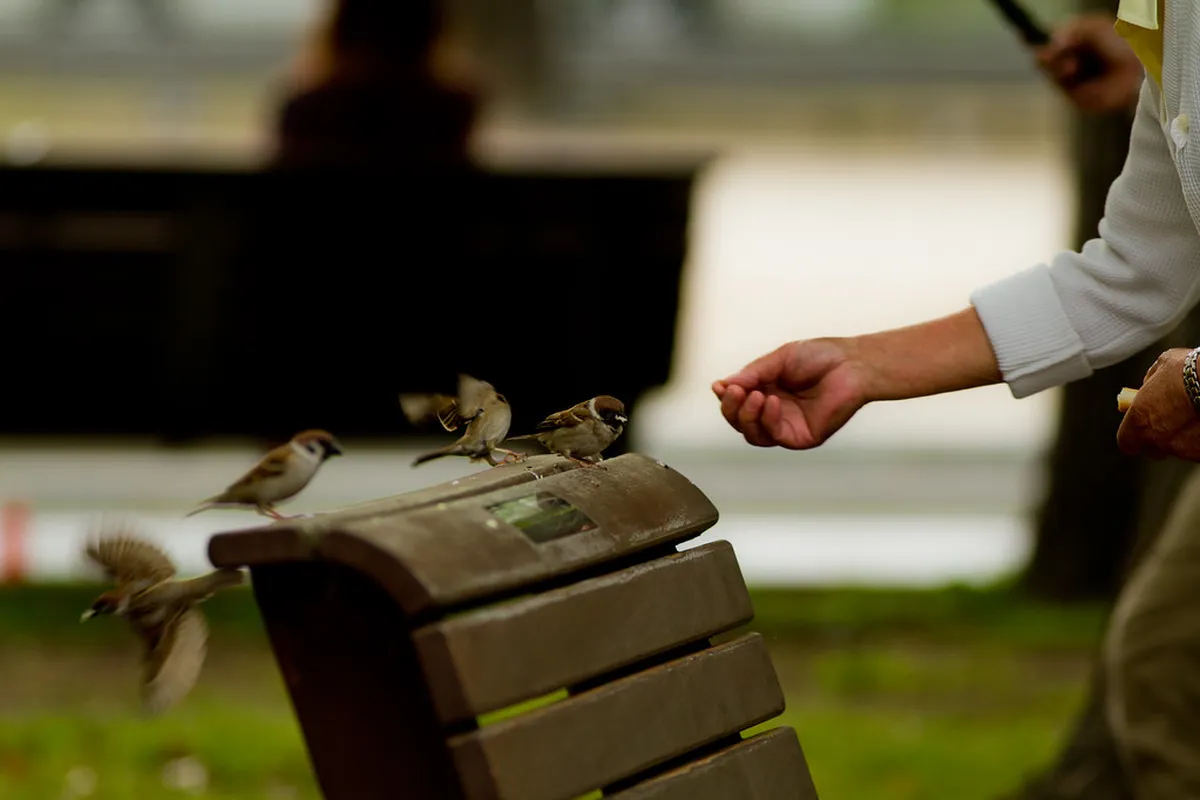
Religious rituals at Itsukushima, Mitaki-dera, and Gokoku Shrine follow standard shrine etiquette: bow once at the torii, wash hands and mouth at the chozuya, no flash inside the haiden hall. Drone photography is banned at all four — Itsukushima's drone ban extends to the entire bay including the sea around the floating torii.
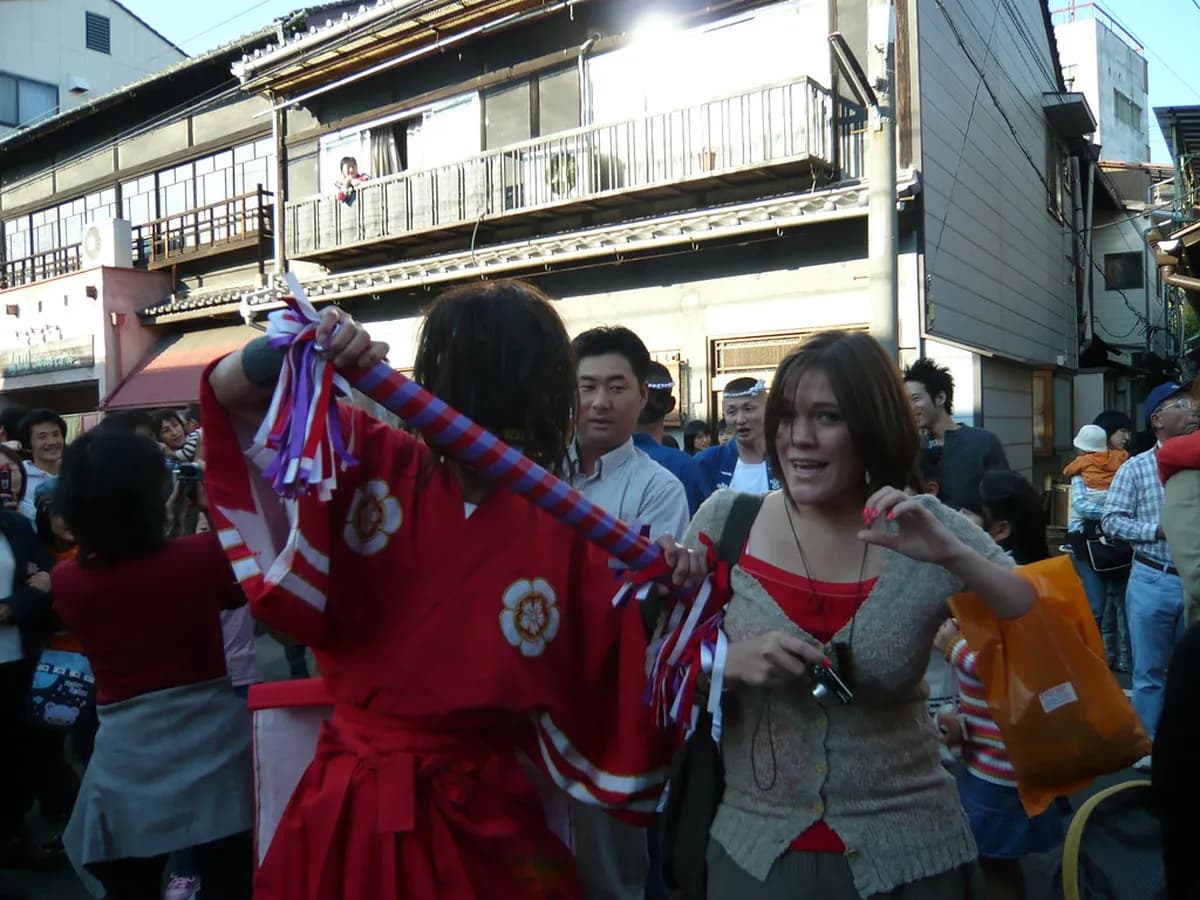
Street festivals — Flower Festival, Toukasan, Ebisu-ko — have a far more relaxed register. Eating while walking is normal during festivals (it's frowned on the rest of the year), and photographing performers and yukata-clad attendees is welcome with a smile and a small bow. Street stages have designated photo zones in front of the stage; pushing into the dancers' performance area is the one common foul.
For Toukasan specifically, wearing yukata is genuinely expected by attendees rather than a tourist gesture. Yukata rental from Mizuki Yukata House near Hatchobori runs ¥3,500–¥5,500 including obi and geta sandals; book one to two weeks ahead.
Event-Day Transport and Access
Most Hiroshima festivals are reachable from the city's compact center with a single streetcar ride or short walk. The ¥700 Hiroden one-day pass is the cheapest way to combine multiple central events on the same day; the ¥1,000 Hiroshima Sightseeing Loop Pass adds the Miyajima ferry for festival days that combine the city with the island.
For Peace Park events (Memorial Ceremony, lantern floating, Flower Festival): take Streetcar Line 2 or 6 to Genbaku-dome-mae or Kamiya-cho. Streetcars run every 4–6 minutes and the route from Hiroshima Station takes 12–18 minutes. Avoid taxis on August 6th — the streets around Peace Park are closed from 06:00 to 11:00.
For Miyajima events (Oyster Festival, Kangen-sai, autumn foliage, Setsubun): JR Sanyo Line from Hiroshima Station to Miyajimaguchi (28 minutes, ¥420) then JR West or Matsudai ferry (¥210, 10 minutes). Last ferry off the island is 22:14 on most evenings, 22:42 during festival peak. The ferry adds a small "tourist tax" of ¥100 introduced in 2023 still in force for 2026.
For Saijo (Sake Festival): JR Sanyo Line from Hiroshima Station to Saijo, 40 minutes, ¥760. Trains run every 15 minutes; festival weekend adds extra services. Full city-transport details for non-festival days are in our guide on how to get around Hiroshima by streetcar and bus, and onward connections from Tokyo, Osaka, and Kyoto are covered in our how to get to Hiroshima from Tokyo and Osaka guide.
What to Eat at Each Hiroshima Festival
Each major festival has its signature stall food, and the prices at festival booths are typically the lowest you'll pay for these dishes all year.
At the Oyster Festival in February, look for kaki-no-dotenabe (oyster stew with miso) and grilled oysters straight from the shell — Hiroshima Prefecture produces over 60% of Japan's oysters and the Miyajima pier stalls are sourcing from boats that left the bay that morning. At the Flower Festival in May, the international food stalls dominate (Vietnamese banh mi, Korean tteokbokki, Brazilian pastel) but don't miss the Hiroshima-style okonomiyaki cooked open-air at the eastern end of Peace Boulevard for ¥800 — about half the price of Okonomimura.
At Toukasan in June, look for warabi-mochi (sweet bracken-starch jelly) and kakigori (shaved ice), the traditional snacks for the start of summer. At Ebisu-ko in November, bettara-ichi pickle stalls sell sweet daikon pickle in long sticks coated in rice malt — eaten as you walk through the Hondori arcade. At the Hiroshima Food Festival in late October, anago-meshi (conger eel rice box) from Miyajima vendors and lemon chicken from Setouchi vendors are the two unmissable dishes.
Year-round Hiroshima specialties beyond the festival circuit include momiji manju (maple-leaf cakes filled with red bean, cream, or chocolate, ¥120 each fresh on Miyajima) and Saijo sake from any of the eight breweries. Many shops in the Hondori arcade ship sake home internationally for an extra ¥3,500–¥4,500.
Use our Hiroshima attractions guide to round out your plan.
Frequently Asked Questions
When is the Hiroshima Peace Memorial Ceremony 2026?
The Hiroshima Peace Memorial Ceremony takes place every year on August 6th, beginning at 8:00 am in Peace Memorial Park. The ceremony marks the 81st anniversary of the 1945 atomic bombing in 2026. It is free and open to the public — arrive by 7:00 am to secure a seat near the main stage. The lantern floating ceremony on the Motoyasu River follows in the evening.
What are the best things to do in Hiroshima in 2026?
The top things to do in Hiroshima in 2026 are: visit the Peace Memorial Museum (¥200), walk through Peace Memorial Park and see the Atomic Bomb Dome, take a ferry to Miyajima Island to see Itsukushima Shrine's floating torii gate, eat Hiroshima-style okonomiyaki at Okonomimura, attend the Hiroshima Flower Festival (May 3–5), and fold paper cranes at Orizuru Tower. A ¥700 streetcar day pass covers all city sights.
Is Hiroshima worth visiting in 2026?
Yes — Hiroshima is one of the most worthwhile destinations in Japan in 2026. The 81st anniversary of the atomic bombing brings special exhibits to the Peace Memorial Museum, and the city's year-round calendar of festivals, world-class food, and day trips to Miyajima Island make it compelling beyond its history. Most top sights cost under ¥500, making it excellent value for any travel budget.
What is the best month to visit Hiroshima in 2026?
April and October are the best overall months to visit Hiroshima in 2026. April offers cherry blossoms in Peace Memorial Park, comfortable walking temperatures, and fewer crowds than summer. October offers autumn foliage at Miyajima and Shukkeien Garden, the Hiroshima Food Festival, and the nearby Saijo Sake Festival. August 6th is essential for the Peace Memorial Ceremony but requires booking 3–6 months ahead.
When is the Hiroshima Flower Festival 2026?
The Hiroshima Flower Festival 2026 runs from May 3rd to May 5th during Japan's Golden Week. Peace Boulevard becomes a pedestrian zone with a massive parade, dozens of live performance stages, international food stalls, and flower installations. It is one of Japan's largest street festivals with approximately 1.7 million visitors over three days. Access via Streetcar Line 1 to Chuden-mae.
Do I need to book the Peace Memorial Museum in advance for 2026?
Yes, booking a time slot in advance is strongly recommended for 2026, especially during Golden Week (late April–early May), the week around August 6th, and summer school holidays. Entry is ¥200 for adults. Reserve at hpmmuseum.jp. Walk-in tickets are sometimes available on weekday mornings outside peak periods, but the queue can reach 1–2 hours during busy seasons.
Is a day trip to Miyajima enough time for the festivals?
A day trip is enough to visit Itsukushima Shrine, taste oysters and anago, and hike part of Mount Misen. However, for the Kangen-sai Boat Festival or the Oyster Festival, staying overnight is better — the evening rituals and early morning ferry rides are the best part. At low tide you can walk to the torii gate base; at high tide the shrine appears to float. Check the tide table to plan around the high tide window.
Hiroshima's 2026 festival calendar runs every month of the year, and the city's compact layout means most events are reachable on a single ¥700 streetcar pass. The Peace Memorial Ceremony on August 6th is the once-in-a-lifetime entry, but the Flower Festival in May, Toukasan in June, Ebisu-ko in November, and Dreamination through the winter are all city-wide events that genuinely fill the streets — not tourist productions for visitors.
Plan accommodation early for August 6th, Golden Week, and the cherry blossom window — those three are the only periods when central hotels truly sell out. For everything else, same-week booking works. If you have only one day in the city outside a festival window, our Hiroshima 1 day itinerary covers the essential sights, and our 12 best things to do in Hiroshima for first-timers piece pairs well with this calendar for trip planning.
Free: The Hiroshima Essentials guide
Top things to do, where to stay, a perfect day plan, getting around, and the best time to go — a Hiroshima mini-guide you can take offline.
You might also like
Continue reading
More guides you'll find useful