
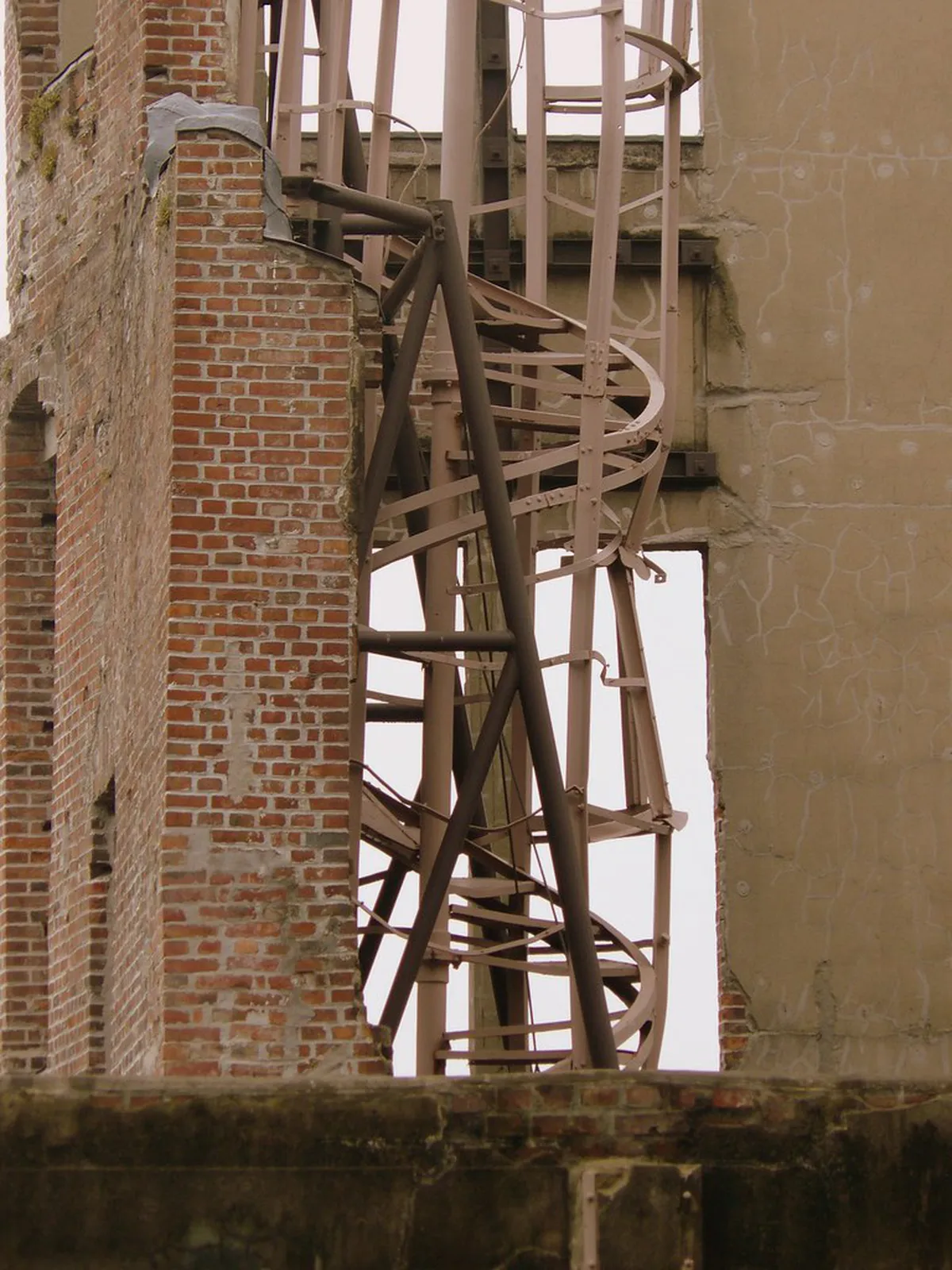
Bentenjima Fireworks 2026: Tomonoura Hanabi Dates & Tickets
Bentenjima Fireworks 2026 at Tomonoura: Aug 8 launch times, free vs paid seating (¥3,500–¥8,000), and how to reach Fukuyama from Hiroshima by train.
On this page
Summer in Hiroshima offers a vibrant mix of traditional rituals, solemn remembrance, and explosive fireworks displays across the Seto Inland Sea.
The 2026 calendar packs three signature events into a single week — Tokasan Yukata Festival on August 1–3, the Peace Memorial Ceremony on August 6, and the Bentenjima Hanabi (fireworks) on August 8.
This Guide to Hiroshima Summer Festivals and Bentenjima Fireworks 2026 helps you confirm dates, lock in viewing spots, and plan transit so you can experience the season without missing a single highlight.
Planning ahead also helps you secure paid seating, book ferries to Miyajima, and combine festivals with key cluster sights like the 15 best things to do in Hiroshima 2026.
What Summer Festivals Happen in Hiroshima in 2026?
Hiroshima's three core summer 2026 events are the Tokasan Yukata Festival on August 1–3, the Hiroshima Peace Memorial Ceremony on August 6, and the Bentenjima Hanabi fireworks on August 8. All three take place within the central Naka Ward and Tomonoura (90 minutes east), reachable on foot or by Hiroden streetcar from Hiroshima Station, making it possible to attend every event without changing accommodation. When planning your where to stay in Hiroshima for the festival week, book early.
For a wider seasonal context that includes spring and autumn, cross-reference the Major Annual Events in Hiroshima: A 2026 Calendar before you book flights. The August window is the busiest tourism period in the city, and many ryokans on Miyajima and downtown business hotels sell out 8–10 weeks in advance.
Summer 2026 quick-reference table:
| Event | Date 2026 | Location | Entry |
|---|---|---|---|
| Tokasan Yukata Festival | Aug 1–3 | Chuo-dori & Enryuji Temple, Naka Ward | Free |
| Peace Memorial Ceremony | Aug 6, 08:00–08:50 | Peace Memorial Park | Free, no ticket |
| Bentenjima Hanabi | Aug 8, 19:30–20:30 | Tomonoura Port, Fukuyama | Free shoreline / paid seats ¥3,500–¥8,000 |
| Miyajima Kangensai | Late August (lunar) | Itsukushima Shrine | Free |
| Miyajima Water Fireworks | Oct 18 | Itsukushima Shrine offshore | Free shoreline viewing |
- Tokasan Yukata Festival — August 1–3, 2026 — Chuo-dori & Enryuji Temple, Naka Ward — free entry
- Peace Memorial Ceremony — August 6, 2026, 08:00–08:50 — Peace Memorial Park — free entry, no ticket required
- Bentenjima Hanabi (Fireworks) — August 8, 2026, 19:30–20:30 — Tomonoura Port, Fukuyama — free shoreline viewing, paid seats ¥3,500–¥8,000
- Miyajima Kangensai (boat festival) — late August (lunar 17th day of 6th month) — Itsukushima Shrine — free
- Miyajima Water Fireworks — October 18, 2026 — Itsukushima Shrine offshore — free shoreline viewing
Tokasan Yukata Festival 2026 (Aug 1–3): Dates, Viewing & Yukata Rental Prices
Yukata rental shops near the city center offer full-day rentals including obi sash, geta sandals, and dressing service for ¥4,500–¥8,000. Book 1–2 weeks ahead for the August 1–3 Tokasan window — walk-ins are possible on weekday mornings but are not guaranteed.
The Tokasan Festival is affectionately known as the first festival of the year where people wear yukata. In 2026 the event runs Friday August 1 through Sunday August 3, with main programming each evening from 17:00 to 22:00 around Enryuji Temple in the Chuo-dori arcade. Thousands of visitors fill the streets in colorful summer kimonos, and the festival officially "opens" the high summer season for Hiroshima residents.
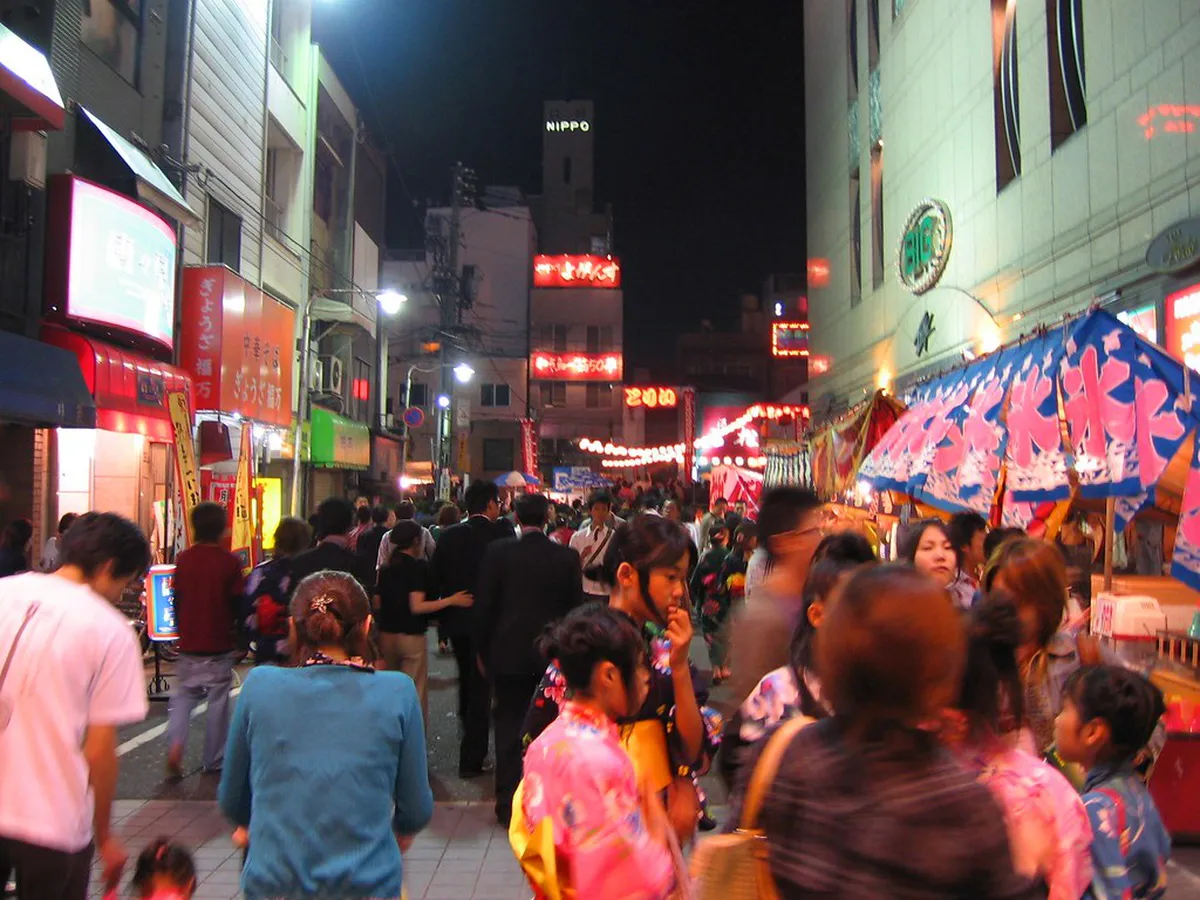
Why It's Called Tokasan: Origin & Meaning
The name "Tokasan" combines tōka (the 10th day) and san (a respectful suffix used for Buddhist deities), referring to the annual June 10 — now early August — opening of the inner sanctuary of Enryuji Temple, where the goddess Inari is enshrined. The temple has staged this rite for over 400 years, since 1620, and locals believe wearing yukata to the festival brings a year of good fortune. That heritage is why so many Hiroshima families pass yukata down through generations and why the streets feel less like a tourist event and more like a neighborhood reunion.
Best Viewing Locations for Tokasan
The densest crowds and best photos are at the Enryuji Temple gate on Chuo-dori (closest streetcar stop: Tatemachi). For a calmer atmosphere with the same lantern-lit streets, walk one block east to the Hondori shopping arcade — vendor stalls run the full length and pedestrian flow is more manageable for families. Rooftop terraces at the Sogo and Fukuya department stores offer a free elevated view if you arrive before 18:00.
Yukata Rental Prices & Where to Book
Several yukata rental shops near the city center cater specifically to international tourists. Expect ¥4,500–¥8,000 for a full-day rental that includes the yukata itself, the obi sash, geta sandals, a small bag, and professional dressing service. Premium hair-styling add-ons run an additional ¥2,000–¥3,500. Walk-ins are sometimes available on weekday mornings, but reservations 1–2 weeks ahead are strongly recommended for the August 1–3 window.
Transit & Access
From Hiroshima Station, take Hiroden streetcar Line 2 or Line 6 to Tatemachi (about 15 minutes, ¥220 single fare). A Hiroden 1-Day Pass (¥700 adult / ¥350 child) is the cheapest option if you also plan to visit Peace Memorial Park or ride to Miyajimaguchi later in the week. Streets around Enryuji are pedestrianized from 17:00, so taxi drop-off points shift to the Parco department store frontage on Chuo-dori. Pair the festival evening with a daytime walk via the Major Annual Events in Hiroshima: A 2026 Calendar to plan supporting daytime activities.
Street food is a major highlight, with hundreds of stalls lining Chuo-dori. Local favorites include yakisoba (¥600–¥800), chocolate-covered bananas (¥500), grilled squid (¥700), and Hiroshima-style mini okonomiyaki (¥800). The atmosphere becomes electric at night when the lanterns are lit and visitors line up to receive seasonal charms only available at Enryuji during these three days.
Hiroshima Peace Memorial Ceremony 2026 (Aug 6): Times, Access & Etiquette
The Hiroshima Peace Memorial Ceremony on August 6, 2026 begins at 08:00 in Peace Memorial Park and concludes around 08:50 with a moment of silence at 08:15 — the exact time the atomic bomb was dropped in 1945. Attendance is free, no ticket is required, and roughly 50,000 visitors gather each year alongside dignitaries from over 100 countries. Lantern-floating events on the Motoyasu River follow in the evening from 18:30 to 21:00.
Where to Stand During the Ceremony
The official seating area in front of the Cenotaph is reserved for invited guests and dignitaries. General attendees view from the surrounding lawns and from the area near the A-Bomb Dome on the north side of the Motoyasu River. Arrive by 07:00 to secure a position with a clear sightline to the cenotaph; most lawn space is filled by 07:30. Large bags are screened, drone use is prohibited, and quiet attire (no exposed shoulders) is requested.
Accessibility & Family Viewing Zones
Peace Memorial Park reserves a barrier-free viewing zone for wheelchair users and visitors with mobility needs in the southwest corner of the lawn nearest the Cenotaph; entry is via the Heiwa-Odori entrance and a city volunteer staffs the gate from 06:30. Strollers are permitted but discouraged near the Cenotaph due to dense crowds — a separate family-friendly area sits along the Motoyasu River with benches, shaded trees, and live audio relay of the ceremony. Public restrooms inside the Peace Memorial Museum and the Rest House are free and significantly less congested than the temporary park toilets.
Transit on August 6
Take Hiroden Line 2, 3, or 6 from Hiroshima Station to the Genbaku Dome-mae stop (about 17 minutes, ¥220). Streetcars run on an enhanced schedule from 06:00. Road closures around Peace Boulevard are in effect from 05:00 to 10:00, so taxis cannot enter the park perimeter — plan to walk the final 5–8 minutes from Genbaku Dome-mae or Fukuromachi stops. The Hiroshima Peace Memorial Museum opens at 07:30 on August 6 (vs the usual 08:30) and tickets cost ¥200 for adults, ¥100 for high-school students, and free for younger children. Read more about attending in our full ceremony attendance guide.
Evening Lantern Floating (Toro Nagashi)
From 18:30 on August 6, paper lanterns inscribed with messages of peace are floated down the Motoyasu River near the A-Bomb Dome. Lanterns can be purchased at the riverside booth from 16:00 for ¥600 each (cash only). The riverbank between Aioi Bridge and Motoyasu Bridge is the prime viewing area, and the Orizuru Tower observation deck (¥2,200 adult) offers an elevated paid alternative.
Bentenjima Hanabi Fireworks 2026 (Aug 8): Schedule, Tickets & Tomonoura Access
The Tomonoura Bentenjima Hanabi (fireworks) is scheduled for Saturday, August 8, 2026, with launches running from 19:30 to 20:30. The display lifts off Bentenjima Island just offshore from the historic port of Tomonoura in Fukuyama City — a Hiroshima Prefecture event, often confused with the similarly-named Bentenjima fireworks in Shizuoka. Roughly 2,000 shells are fired across the hour, reflecting off the Seto Inland Sea against the backdrop of Edo-period port buildings.
Ticket Prices & Paid Seating
Free shoreline viewing is available all along Tomonoura Port, but the closest unobstructed positions sell out by mid-afternoon. Paid reserved seating is sold by Fukuyama City Tourism between June 1 and July 31, 2026, in three tiers: Premium harbour-front chair seats ¥8,000, standard pier seats ¥5,000, and lawn-mat sections (4-person mats) ¥3,500. Children under 6 are free if they share a seat with a paying adult. Same-day on-site sales are not available — book online before July 31.
Transit from Hiroshima & Fukuyama
From Hiroshima Station, take the Sanyo Shinkansen (Kodama or Sakura) to Fukuyama Station — 25–35 minutes, ¥3,400 with a non-reserved seat. From Fukuyama Station's South Exit, board the Tomotetsu Bus bound for "Tomonoura" from Stop 5 (¥530, every 15–20 minutes, 30 minutes ride time). On August 8, additional shuttle buses run from 14:00 to 23:00. The last return bus to Fukuyama Station departs Tomonoura at 22:30 — overflow trains from Fukuyama back to Hiroshima are added until 00:30.
Daytime in Tomonoura Before the Fireworks
Plan to arrive in Tomonoura by 14:00 to explore the preserved Edo-period streets, the Joyato lighthouse, and Fukuzenji Temple's Tairoan reception hall (¥200). Many visitors enjoy Tomonoura tai-ami sea bream net fishing in the morning. Local izakaya around the harbour open early on August 8 to serve sea bream sashimi sets (¥1,800–¥2,800) and the regional homeishu medicinal liqueur. Quick reference for the event:
- Bentenjima Hanabi 2026 Quick Summary
- Date: August 8, 2026 (Saturday)
- Time: 19:30–20:30
- Location: Tomonoura Port, Fukuyama City, Hiroshima Prefecture
- Access: Sanyo Shinkansen to Fukuyama → Tomotetsu Bus 30 min
- Free viewing: Yes (shoreline)
- Paid seats: ¥3,500–¥8,000 (book by July 31, 2026)
Where to Watch the Bentenjima Fireworks: Free vs Paid Viewing
Choosing your viewing spot for the Tomonoura Bentenjima Hanabi comes down to one decision: free shoreline or paid reserved seating. Free positions run all along Tomonoura Port and cost nothing, but the closest unobstructed spots fill by mid-afternoon, so arrive by 14:00 and bring a ¥100 plastic ground sheet. Paid tiers — lawn mats from ¥3,500, pier seats ¥5,000, and premium harbour-front chairs ¥8,000 — guarantee both a sightline and personal space, but they sell out online before the July 31 cutoff with no same-day sales.
Budget travellers can watch the higher shells for free from across the water, while families pairing the trip with the Ponyo/Iroha-Maru sights nearby may prefer a reserved lawn mat so younger kids have room to sit. Either way, plan your return early — the last bus leaves Tomonoura at 22:30 and the queue can stretch 45–60 minutes at peak.
Tomonoura's Ponyo Connection: Why Ghibli Fans Time Their Trip Around Bentenjima
What no other guide flags clearly: Tomonoura is the harbour town that inspired Studio Ghibli's 2008 film Ponyo on the Cliff by the Sea. Hayao Miyazaki spent two months living in a rented house on the hillside above the port in 2005, sketching the stone seawall, the red Joyato lighthouse, and the small fishing boats that became the visual backbone of the film. For international fans, attending Bentenjima Hanabi is a rare chance to watch fireworks bloom over the exact harbour that frames Sosuke and Ponyo's world.
The "Ponyo house" itself is privately owned and not open to visitors, but you can walk the same coastal path along the cliff-top road behind Iroha-Maru Museum (¥200, open 09:00–17:00) for the angle that opens the film. Iroha-Maru's second floor displays Miyazaki's handwritten notes and concept sketches loaned from the studio — a quiet detail that draws Ghibli pilgrims year-round but goes unmentioned in nearly every English-language fireworks guide. Pair the museum at 16:00 with sunset on the seawall by 18:30, then settle into your viewing position before the 19:30 launch for what amounts to a private Ghibli pilgrimage capped by 2,000 shells.
If the Ghibli angle interests families with younger kids, time the day so they nap on the Shinkansen and arrive fresh — small Tomonoura cafes near the ferry terminal sell Ponyo-themed ramune soda and shaved ice (¥400–¥600), and the harbour is small enough that a stroller works on the flat sections even when free-viewing crowds peak.
Miyajima Kangensai & Water Fireworks 2026
The Miyajima Kangensai boat festival follows the lunar calendar and falls in late August 2026 (the 17th day of the 6th lunar month), with three ornate boats carrying portable shrines from Itsukushima Shrine across the bay to Jigozen and back, accompanied by court music. The Miyajima Water Fireworks Festival — separately — is set for October 18, 2026, marking the grand return of the event after a multi-year hiatus. Plan ferries via the Miyajima Matsudai Kisen Ferry Schedule page.
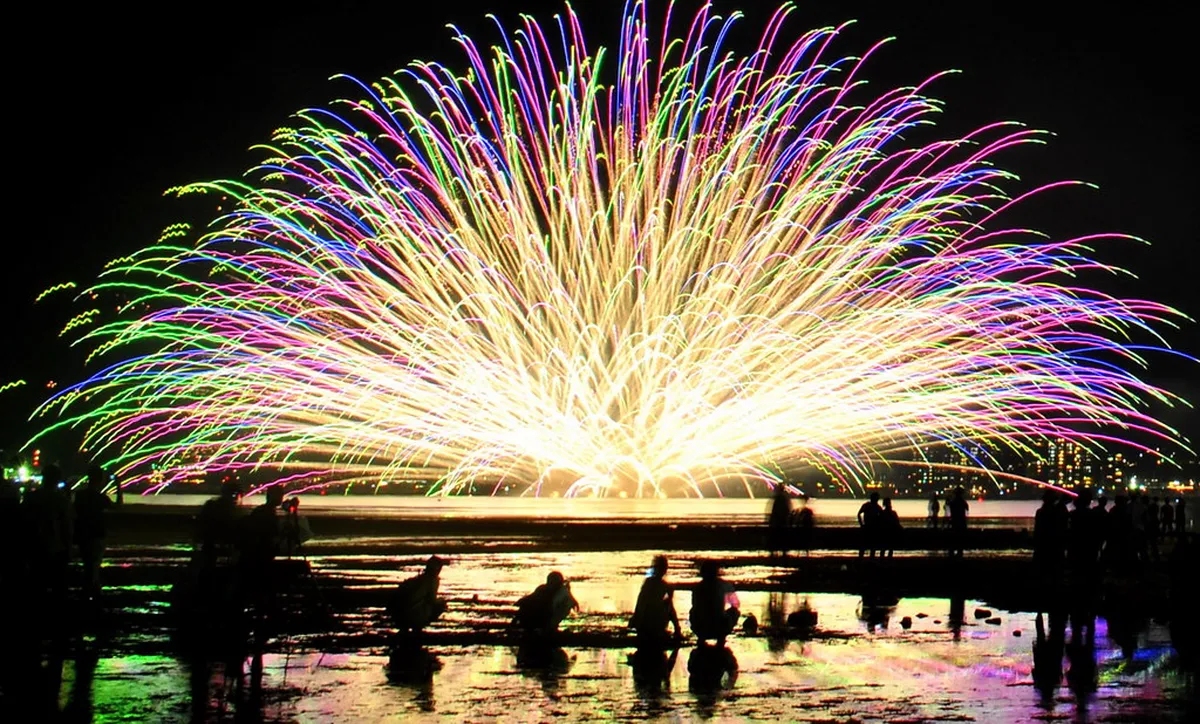
Photographers should aim to secure a spot along the shoreline several hours before the first launch. The reflections on the water create a symmetrical light show that is perfect for long-exposure shots. Because the island is small, ferry services are extremely busy throughout the afternoon and evening, with one-way fares at ¥200 (regular) or ¥600 (JR ferry on the Miyajimaguchi route, free with a JR Pass).
Staying overnight on the island is the best way to avoid the post-event transport rush. Many ryokans offer special viewing packages from ¥28,000–¥55,000 per person including dinner, breakfast, and a prime seat for the fireworks. You can also enjoy the quiet morning atmosphere of the island before the day-trip crowds arrive. Visiting Itsukushima Shrine during high tide (¥300 entry) provides a different perspective on the island's natural beauty.
For budget-conscious travelers, watching from across the water on the mainland can also provide a decent view. The town of Hatsukaichi offers several public parks where the higher fireworks are clearly visible. While you miss the low-level water explosions, you avoid the most intense island crowds. Pack a picnic and a folding chair to enjoy a more relaxed evening with local families.
Where to Stay During Festival Week (Aug 1–8, 2026)
The smartest base is downtown Naka Ward — within walking distance of Tokasan, the Peace Memorial Ceremony, and the Hiroden streetcar lines that thread to every other event. Business hotels around Hiroshima Station and Hatchobori (Sheraton Grand Hiroshima, Hotel Granvia, Daiwa Roynet) typically run ¥14,000–¥22,000 per night for the August 1–8 window when booked 8–10 weeks ahead. Central capsule hotels and hostels stay under ¥6,500 if you book by mid-June.
For the August 8 fireworks night specifically, consider splitting your stay: keep your downtown Hiroshima base for nights 1–7, then book one night in Fukuyama (¥9,000–¥15,000 at Hotel New Castle or Fukuyama Oriental Hotel near the station) so you avoid the post-fireworks bus crush back to Tomonoura buses and the late Shinkansen home. A handful of Tomonoura ryokans (Migiwatei Ochi Kochi, Keishokan Sazanamitei) sell out 12+ months in advance for August 8 — if you're set on staying in the port itself, place your booking by mid-2025. Miyajima ryokans are a different proposition entirely and worth saving for the October 18 water fireworks rather than the August core week.
Weather, Typhoon Risk & Cancellation Policies
The Bentenjima Hanabi has been postponed by typhoons in 2018, 2019, and 2023. Fukuyama City Tourism announces any delay by 15:00 on August 8 — paid-seat holders are automatically transferred to the rain date (Aug 15, 2026). Non-refundable unless you can prove you've already left Japan.
Early August in western Japan sits squarely inside typhoon season. Hiroshima Prefecture averages one direct or near-miss typhoon per August, and the Bentenjima Hanabi has been delayed to a backup date in 2018, 2019, and 2023. Fukuyama City Tourism announces a postponement decision by 15:00 on August 8 via the official event hotline and X (Twitter) account; the rain date is typically the next clear Saturday (August 15 in the 2026 calendar). Paid-seat holders receive automatic transfer to the new date — no refund unless you can prove you've already departed Japan, in which case partial refund is processed within 30 days against the original card.
Tokasan continues in light rain but pauses if a typhoon advisory is issued; the Peace Memorial Ceremony has never been cancelled in its 80-year history, even through typhoons and pandemic restrictions. Download the NHK World app and Japan Meteorological Agency typhoon tracker before you arrive — both push English-language alerts the moment a tropical system enters the Seto Inland Sea forecast cone. Pack a compact poncho rather than an umbrella; tightly packed festival crowds make umbrellas a hazard, and most Tokasan vendor stalls sell ¥300 ponchos if you forget.
Other Summer Highlights: Flower Festival, Shukkeien & Peace Park
The Hiroshima Flower Festival kicks off the summer event season in early May (May 3–5, 2026) with over a million attendees on Peace Boulevard for three days of music, parades, and elaborate flower towers. While not in the August core window, it pairs well for travelers visiting earlier in the season.
Walking through Peace Memorial Park provides a different but equally essential summer experience. The lush greenery offers shade while you explore the City of Hiroshima — Peace Memorial Park Official landmarks. Many visitors combine the visit with Hiroshima-style okonomiyaki at nearby restaurants (¥900–¥1,400 per pancake) — a local staple that fuels a full day of sightseeing.
Shukkeien Garden is another excellent summer spot for shaded paths and tea houses (entry ¥260 adult, open 09:00–18:00 in summer). The traditional landscape garden's large pond cools the surrounding air naturally; morning visits before 11:00 beat both the humidity and the tour groups. Orizuru Tower offers panoramic A-Bomb Dome views from a shaded observation deck (¥2,200 adult), with interactive paper-crane folding that adds your origami to the building's glass wall.
For a quieter art break between festivals, the Hiroshima City Museum of Contemporary Art on Hijiyama hill (¥370 adult) hosts rotating exhibitions in an architectural landmark, with surrounding park trails for a shaded walk. It is a perfect destination for art lovers who want to explore beyond the standard highlights.
Essential Tips for Hiroshima Summer Festivals 2026
Attending a major fireworks festival in Japan requires logistical preparation. Always carry a rechargeable IC card like ICOCA, Suica, or Pasmo for easy train, streetcar, and bus travel. The local tram system is very efficient — check the Hiroshima Electric Railway (Hiroden) Official Pass Page for ¥700 day tickets. Public transport adds extra services on Tokasan, August 6 ceremony, and Bentenjima fireworks nights to handle the crowds.
Pack a small heat-survival kit: folding fan, cooling wet wipes (¥300 at any convenience store), portable battery, and a 500ml water bottle. Hiroshima August averages 32°C daytime and 26°C overnight, with humidity over 75 percent. Heatstroke risk is real — drink before you feel thirsty. A small plastic sheet (¥100 from Daiso) is essential for sitting on the ground in free viewing areas.
Understand paid vs free seating before you commit. Paid seats guarantee a view and personal space but must be reserved 4–8 weeks in advance. Free areas are great for a communal vibe but require arriving 2–3 hours early to claim a spot. Family zones with extra space exist at most major festivals — ask at the festival info booth. For an easy multi-day plan, the Hiroshima & Miyajima 1-day itinerary can be paired with Tokasan and Bentenjima evenings.
Finally, mind local etiquette regarding trash and noise. Most festival sites have clearly marked disposal stations — separate burnable, plastic, and cans. Respect the designated walking paths and follow staff instructions during the post-event exit; the Tomonoura bus queue can stretch 45–60 minutes at peak. Following these simple rules ensures everyone enjoys the displays safely.
Pair this with our Hiroshima attractions hub to plan the rest of your trip.
Frequently Asked Questions
What summer festivals happen in Hiroshima in 2026?
Hiroshima's three signature summer 2026 events are the Tokasan Yukata Festival on August 1–3, the Peace Memorial Ceremony on August 6, and the Bentenjima Hanabi fireworks on August 8. The Miyajima Kangensai boat festival follows in late August, and the Miyajima Water Fireworks return on October 18, 2026.
When are the Bentenjima Fireworks in 2026?
The Tomonoura Bentenjima Hanabi 2026 are scheduled for Saturday August 8, 2026, with launches from 19:30 to 20:30 over Bentenjima Island in Tomonoura Port, Fukuyama City. Free shoreline viewing is available; paid reserved seats cost ¥3,500–¥8,000 and must be booked online by July 31, 2026.
When is the Hiroshima Peace Memorial Ceremony 2026 and how do I attend?
The 2026 Peace Memorial Ceremony begins at 08:00 on August 6 in Peace Memorial Park and ends around 08:50, with the moment of silence at 08:15. Attendance is free with no ticket needed. Take Hiroden Line 2/3/6 to the Genbaku Dome-mae stop and arrive by 07:00 to secure a viewing spot on the lawns.
When is the Tokasan Yukata Festival 2026?
The Tokasan Yukata Festival runs August 1–3, 2026 (Friday–Sunday) along Chuo-dori around Enryuji Temple in Naka Ward, Hiroshima. Main programming runs each evening from 17:00 to 22:00. Yukata rentals cost ¥4,500–¥8,000 including dressing service; book 1–2 weeks ahead for the August window.
How do I get to Tomonoura from Hiroshima for the fireworks?
Take the Sanyo Shinkansen (Kodama or Sakura) from Hiroshima Station to Fukuyama Station — 25–35 minutes for ¥3,400 non-reserved. From Fukuyama Station South Exit, board the Tomotetsu Bus bound for Tomonoura from Stop 5 (¥530, 30 minutes). Extra shuttles run on August 8, with the last return bus from Tomonoura at 22:30.
What should I wear to a Hiroshima summer festival?
Most locals and visitors wear a yukata — a light cotton summer kimono — especially during Tokasan. International visitors are warmly encouraged to join the tradition; rentals run ¥4,500–¥8,000 with full dressing service. If you prefer western clothing, choose breathable fabrics, sandals or comfortable walking shoes, and avoid heels (street drains and tatami areas are unforgiving).
Hiroshima's summer 2026 festival week — Tokasan on August 1–3, the Peace Memorial Ceremony on August 6, and Bentenjima Hanabi on August 8 — packs the heart of Japanese summer culture into a single trip.
From yukata-clad lantern streets to silent reflection at the Cenotaph and fireworks over the Seto Inland Sea, the calendar offers a remarkable emotional range.
By following this guide's confirmed dates, viewing locations, transit notes, and ticket prices, you can navigate the crowds and August humidity to experience these events like a local.
Prepare your yukata, book your Shinkansen seat to Fukuyama, and get ready for a Hiroshima summer filled with light, tradition, and remembrance.
Free: The Hiroshima Essentials guide
Top things to do, where to stay, a perfect day plan, getting around, and the best time to go — a Hiroshima mini-guide you can take offline.
You might also like

Continue reading
More guides you'll find useful


