Budget Guide to Miyajima Oyster Festival and Hiroshima Pain Festa (2026 Guide)
Save money at the 2026 Miyajima Oyster Festival and Hiroshima Pain Festa. Includes Hiroden pass hacks, ¥300-¥500 oyster tips, vendor lists, and budget bakeries.
On this page
Hiroshima Prefecture produces roughly 60% of Japan's farmed oysters, and two food festivals built around that bounty draw everyone from JR-Pass backpackers to local families. The Miyajima Oyster Festival in February and the Hiroshima Pan Festa in May are both free to enter, both walkable from the Hiroden streetcar, and both forgiving on a small budget if you arrive with the right pass and a little stall-by-stall strategy.
This guide focuses on what the official tourist boards don't quite spell out: which oysters actually cost ¥300 vs ¥500, how the all-you-can-eat tent works, when stalls genuinely run out, and how to bolt on a backup plan if you miss the cut-off. You can cross-reference dates and any last-minute changes against the major annual events in Hiroshima calendar before booking transport.
Quick Answer: 2026 Festival Budget at a Glance
Budget travelers can cover the Miyajima Oyster Festival (expected Saturday February 7 – Sunday February 8, 2026) for around ¥3,500-¥5,000 per day, and the Hiroshima Pan Festa (held in May 2026) for ¥2,000-¥3,500 per day, both inclusive of transit. Festival entry is free at both events. Charcoal-grilled oysters cost ¥300-¥500 each, the official Kakigoya all-you-can-eat tent runs about ¥1,500 for 30 minutes, and the Hiroden 1-Day Streetcar & Ferry Pass at ¥840 covers the streetcar plus the Matsudai ferry between Hiroshima Station and Miyajima Pier.
Miyajima Oyster Festival: 2026 Dates, Hours and Location
The Miyajima Oyster Festival is held annually on the second weekend of February,
hosted by the Miyajima Tourist Association on the seafront plaza directly in front of the ferry terminal. For 2026, organizers expect the festival to run Saturday, February 7 and Sunday, February 8, 2026; final dates are confirmed via the official Miyajima Tourist Association each January. The plaza sits a 30-second walk from where the ferry doors open, so the entire festival footprint fits inside what most visitors would call the "arrival area."Stalls officially open at 10:00 AM and run until the day's oyster supply is exhausted, typically between 1:30 PM and 3:00 PM on the busier Saturday. In a normal year the festival shucks and serves around 40,000-50,000 oysters across two days, and once the trays run low, stalls close in the order they opened. You can check the Dive! Hiroshima tourism portal for any last-minute schedule updates, weather closures or pre-orderable festival sets.
The location is incredibly convenient for those arriving by ferry from the mainland terminal. Look for the row of large white tents and the smoke column rising over the seawall as soon as you step off the boat. This central hub makes it easy to grab a snack before exploring the rest of the island. For everything beyond the festival, our Miyajima Island complete visitor guide covers shrines, hiking and overnight options in detail.
Must-Try Oyster Dishes on a Budget (2026 Prices)
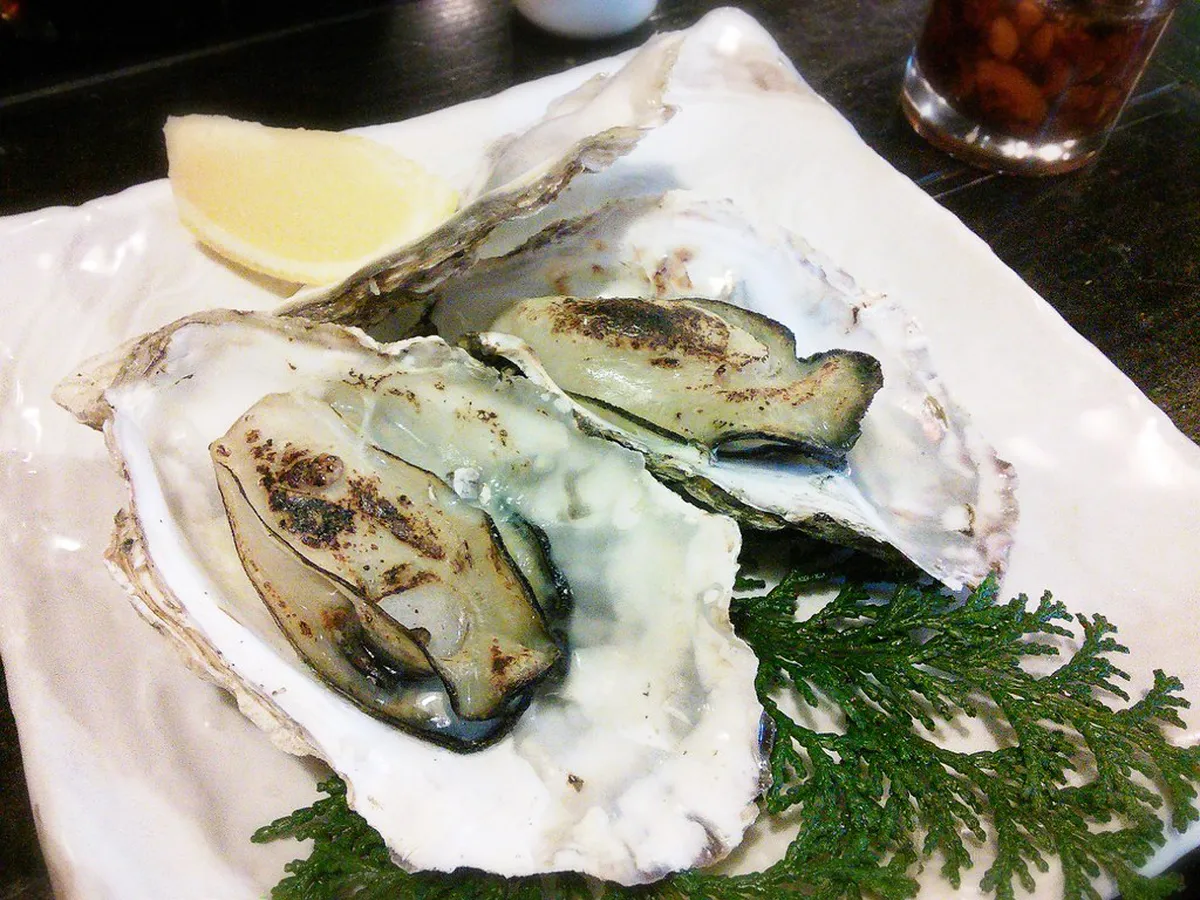
The festival is famous for offering incredibly fresh seafood at prices much lower than city restaurants. In 2026, charcoal-grilled oysters typically run ¥300-¥500 per piece at the main stalls, while smaller tasting samples sit between ¥100-¥300 at promotional booths run by individual oyster farms. They are cooked in their shells over open flame to bring out the natural briny sweetness; the shell pops slightly when each one is ready.
Heartier options like oyster stew (kaki-jiru) provide warmth against the chilly February sea breeze. A large bowl of miso-based stew usually costs around ¥400-¥600 in 2026 and includes local daikon, leek and four to six plump oysters. Oyster rice (kaki-meshi) is sold from steam tables in takeout boxes for ¥600-¥900 and travels well if you'd rather eat on a bench by the torii gate.
Fried oysters (kaki furai) come coated in panko with tartar or Otafuku okonomi sauce; a portion of three to four pieces runs ¥500-¥800. Vegetarians and seafood-shy companions are covered too — the plaza usually has at least three non-oyster stalls selling Hiroshima-style okonomiyaki (¥700-¥900) and momiji manjuu maple-leaf cakes (¥120-¥150 each).
- Charcoal-grilled oysters (yaki-gaki), ¥300-¥500 per piece, cooked in-shell at the main pier stalls.
- Oyster sample trays, ¥100-¥300, run by individual farms wanting you to taste their style.
- Oyster stew (kaki-jiru), ¥400-¥600 per bowl from the large kettles near the seawall.
- Oyster rice (kaki-meshi), ¥600-¥900 in a takeout box, the most filling option.
- Fried oysters (kaki furai), ¥500-¥800 for three to four pieces, served with tartar.
- Kakigoya all-you-can-eat tent, ¥1,500 for a 30-minute slot, advance ticket usually required at the festival information desk.
The kakigoya all-you-can-eat tent tickets go on sale at 9:30 AM and routinely sell out before noon on Saturday. Queue at the information desk the moment you arrive — there is no online reservation system.
The Kakigoya All-You-Can-Eat Tent and Pre-Order Sets
The biggest single budget hack at the Miyajima Oyster Festival is the official kakigoya tent — a separate enclosed area where ticket holders sit at long tables and grill their own oysters for a fixed 30-minute window. The 2026 ticket price is expected at ¥1,500 (the 2024 and 2025 editions both ran at this price), and a single eater can comfortably get through 15-20 oysters in a session. That works out to under ¥100 per oyster, half the open-stall price.
Tickets are sold at the festival information desk on a first-come, first-served basis from around 9:30 AM and routinely sell out before noon on Saturday. There is no online reservation system; you simply queue at the desk on arrival, pick a slot (usually offered in 15-minute increments), then return at your assigned time. Bring your own tongs or you'll share with the table; aprons are provided to protect coats from oyster splatter.
If the kakigoya tent is sold out, the Tourist Association also sells pre-paid "oyster sets" (typically 10 grilled oysters plus a bowl of stew) for ¥2,000-¥2,500, redeemable at any participating stall without queueing for individual orders. Both options are advertised in Japanese only on the official site, so save a translated screenshot of the prices on your phone before arriving.
| Oyster dish | 2026 price | Notes |
|---|---|---|
| Charcoal-grilled oysters (yaki-gaki) | ¥300–¥500 each | Main stalls, cooked in-shell |
| Oyster sample trays | ¥100–¥300 | Farm promotional booths |
| Oyster stew (kaki-jiru) | ¥400–¥600 per bowl | Includes daikon and leek |
| Oyster rice (kaki-meshi) | ¥600–¥900 box | Most filling option |
| Fried oysters (kaki furai) | ¥500–¥800 (3–4 pcs) | Served with tartar sauce |
| Kakigoya all-you-can-eat tent | ¥1,500 / 30 min | Advance ticket at info desk |
Hiroshima Pan Festa 2026: A Guide for Bread Lovers
The word "pan" means bread in Japanese and traces back to the Portuguese pão. The Hiroshima Pan Festa (sometimes spelled Pain Festa in older English signage) gathers between 30 and 50 bakeries from across the prefecture into a single weekend market, with festival-only buns priced ¥200-¥450 each in 2026. The 2026 edition is expected on a weekend in mid-to-late May; confirm the exact dates via the Hiroshima city tourism site, as the venue rotates between Hiroshima Castle's outer plaza, Hijiyama Park and the Ekie mall plaza depending on the year.
Entry is free, and the smart way to keep the bill down is the "pan ticket" or "set ken" system many recent editions have used. You buy a strip of three or five tickets at the entrance (typically ¥800 for three or ¥1,200 for five) and trade each ticket for one festival-size bun at any participating stall. The set price is roughly 10-15% cheaper than buying buns individually and removes the need for cash at every booth.
Expected 2026 vendor categories include traditional anpan and melon-pan specialists, French-style boulangeries from Naka Ward, sourdough and natural-yeast bakers from the Saeki District, savoury curry-bread stalls, and seasonal sakura or matcha pastries that are only made for this festival. Bring a flat tote bag rather than a backpack — bakers wrap individual buns in light paper, and they crush easily if stacked.
Why You Can't Easily Combine Both Festivals in One Trip
Most English-language guides treat these as a paired itinerary, but the calendars are roughly three months apart — Oyster Festival in early February, Pan Festa in mid-to-late May. If your dates are fixed, here's the quick decision rule. Visiting in February? Skip the Pan Festa and use the Hatsukaichi-shi Oyster Festival (same weekend, one Hiroden stop before Miyajimaguchi) as your backup if Miyajima sells out by early afternoon. Visiting in May? Pair Pan Festa with a regular Miyajima ferry day-trip — oyster restaurants on the island serve year-round.
Backup Plan: Hatsukaichi Oyster Festival on the Same Weekend
Almost no English-language guide flags this, but the Hatsukaichi-shi Oyster Festival runs on the same weekend as Miyajima's, at Hatsukaichi Port a few minutes back along the Hiroden line. It is smaller, less photogenic and gets a fraction of the foreign visitors, which means it routinely still has oysters at 3:00 PM when Miyajima has already shut down its stalls. Prices sit around ¥250-¥400 per grilled oyster — slightly cheaper than Miyajima.
Getting there from Miyajimaguchi takes roughly 6-8 minutes on the same Hiroden line you'd already be on with the 1-Day Pass, so there's no extra fare. The festival ground sits beside Hatsukaichi Port; signage is in Japanese only, but follow the smoke. If you arrive on the island early, eat what you came for, then bail to Hatsukaichi when crowds peak around noon, you'll get a second oyster session at lunch without standing in any of Miyajima's longer queues.
Essential Budget Hack: The Hiroden 1-Day Streetcar & Ferry Pass
The Hiroden 1-Day Pass costs ¥840 for adults in 2026 and offers excellent value. The ticket covers all city streetcars plus the Matsudai ferry to Miyajima Island, and most travelers find it pays for itself after just three short trips. A single round-trip from Hiroshima Station to Miyajima alone is roughly ¥720, so you break even on transit before you even add intra-city streetcar rides.
The pass also grants a discount on the Mt. Misen Ropeway, reducing the round-trip price from ¥2,000 to ¥1,500 by showing your pass at the ropeway counter. Buy your pass at the Hiroshima Station Hiroden kiosk the night before your trip; purchasing early lets you catch the first 6:00 AM streetcars without queueing on festival mornings. The pass is a paper ticket with the date scratched off, so don't lose it — there are no replacements.
Carry ¥6,000–¥8,000 in cash per person. The kakigoya ticket desk and small farm sample booths are cash-only. The nearest 7-Eleven ATM that reliably accepts foreign cards is at Miyajimaguchi Station on the mainland.
Cash, Cards and IC Payment Reality at the Stalls
Older guides flatly state "cash only" — that's no longer fully true, but it's still the safe assumption. As of 2026, roughly half of the larger Miyajima stalls accept PayPay and a handful take Suica/ICOCA tap, but the small farm-run sample booths and the kakigoya ticket desk remain cash-only. Carry ¥6,000-¥8,000 in mixed coins and ¥1,000 notes per person. The nearest 7-Eleven ATM that reliably accepts foreign cards is at Miyajimaguchi Station on the mainland — withdraw on your way over, since ATMs inside Miyajima village often reject foreign chips.
Budget-Friendly Miyajima Attractions and Free Sights
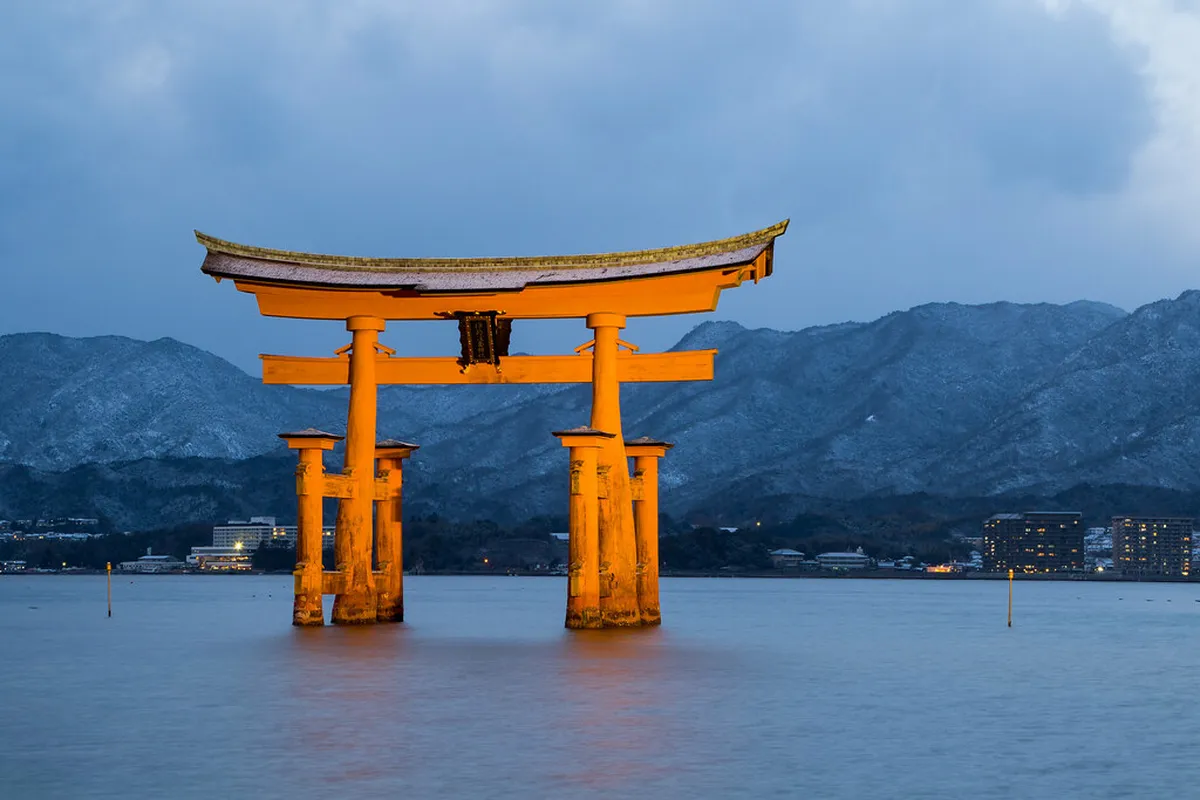
Miyajima offers several spectacular sights that do not cost a single yen. You can view the iconic floating torii gate from the shoreline at different tide levels — check that day's tide chart before you go, since the visual changes completely between "floating" (high tide) and "walkable approach" (low tide). Walking through Momijidani Park provides quiet trails and, in early February, the very first plum blossoms.
Hiking up Mt. Misen is a free alternative to the ropeway. The trails are well marked and offer stunning views of the Seto Inland Sea from the 535-metre summit. Allow about 90 minutes to two hours each way depending on your chosen path; the Daisho-in route is the most scenic and the gentlest on the knees.
Interacting with the wild deer is another highlight that costs nothing. While the deer are charming, please don't feed them human food, paper or plastic — the local population has had repeated digestive issues from tourists handing over snacks. For a broader mix of things to see on Miyajima, consider Hiroshima with kids and family-friendly activities that pair well with your festival day. You can also pair the festival with the city-side Peace Memorial sites for a balanced day of food and history.
How to Reach Miyajima and the Festival Grounds (2026 Transit)
The most affordable route is the Hiroden Number 2 streetcar line. Take it from Hiroshima Station all the way to the Miyajimaguchi terminal — about 70 minutes for a 20-km ride through scenic city outskirts; the fare is included in the ¥840 Hiroden 1-Day Pass. Sit on the right-hand side after Koi Station for occasional sea views.
Once you arrive at the terminal, head toward the Miyajima Matsudai Kisen ferry entrance. The ferry takes about ten minutes and runs every 10-15 minutes throughout festival weekends. Stand on the right-hand side of the boat for the best torii-gate photo as you approach the island.
If you're in a hurry, the JR Sanyo Line train is faster but slightly more expensive at ¥420 one way and reaches Miyajimaguchi in 25 minutes. JR Pass holders can use this train and the JR ferry at no extra cost. From Miyajima Pier, the festival grounds are a one-minute walk straight ahead — you cannot miss them. The last ferry back to the mainland leaves around 22:42 in February, so you have plenty of margin if you stay for the evening shrine illumination.
Tips for Beating the Crowds and Saving Money
Arriving by 9:00 AM is the single best way to beat the crowds. Bus tour groups roll in after 11:00 AM and lines triple within minutes; arriving early gives you the freshest grilled oysters and lets you secure a kakigoya tent slot before they sell out. The 7:25 AM streetcar from Hiroshima Station works well — it puts you at the festival entrance shortly after stalls open.
Carry plenty of small-denomination cash for stalls that don't take PayPay, and keep a separate envelope for the kakigoya ticket desk so you don't fumble at the front of the queue. The Seto Inland Sea breeze regularly drops felt temperatures to 2-5°C in early February, so dress in layers, bring a windproof outer shell, and wear shoes you don't mind getting damp on the pier surfaces. The Miyajima Tourist Association calendar publishes seasonal advisories worth a quick scan the night before.
Winter and Spring Events to Pair With Each Festival
Around the February Oyster Festival, Hiroshima also hosts the Setsubun bean-throwing rituals at Itsukushima Shrine on February 3, and the city's main illumination displays often run through mid-February along Heiwa-Odori Avenue. Both are free, both work well as a Friday-night activity before the Saturday festival, and both photograph well at the same blue-hour window.
Around the May Pan Festa, the city overlaps with the Hiroshima Flower Festival in early May. Bakeries you spot at the Pan Festa typically have permanent shops along the Hondori covered arcade you can hit on a slower weekday. If you're staying a few nights, best hotels in Hiroshima near the food district are worth booking early. Our guide to the major annual events in Hiroshima 2026 calendar lays out the full year for stacking festivals onto a single trip.
For the broader picture, see our Hiroshima attractions guide.
Frequently Asked Questions
When is the Miyajima Oyster Festival 2026?
The Miyajima Oyster Festival takes place annually in February, typically on the second weekend. For 2026, expect the event on Saturday, February 7 and Sunday, February 8, 2026, though final dates should be confirmed via the official Miyajima Tourist Association website. Stalls open at 10:00 AM and run until oysters sell out, usually by mid-afternoon.
When is the Hiroshima Pan Festa 2026?
The Hiroshima Pan Festa is held annually in May, with the 2026 edition expected sometime in May 2026. Exact dates are usually announced in early spring. Entry is free, and participating bakeries set up stalls in central venues like Ekie mall or city parks, selling festival-exclusive breads for ¥200-¥450 each.
When is the best time to arrive at the Miyajima Oyster Festival?
You should aim to arrive at the Miyajima Pier by 9:00 AM. Most food stalls begin serving at 10:00 AM, but queues start forming much earlier. Arriving early ensures you get the freshest oysters before the largest crowds arrive from the mainland.
How much money should I budget for food at the festivals?
A budget of ¥2,000 to ¥3,000 per person is usually plenty for a full day of eating in 2026. Grilled oysters cost ¥300-¥500 each, sample tastings ¥100-¥300, oyster stew ¥400-¥600, and bakery items at the Pan Festa ¥200-¥450. This range lets you try several different items and still have room for one heartier dish.
Is the Hiroden 1-Day Pass worth it for the festival?
Yes, the ¥840 pass is an excellent value for festival attendees in 2026. It covers the round-trip streetcar fare and the Matsudai ferry ride, which would cost more if purchased separately. Additionally, the pass provides a ¥500 discount on the Mt. Misen Ropeway, making it a must-have for budget travelers.
What should I wear to the Miyajima Oyster Festival in February?
Wear warm, windproof layers — a heavy coat, scarf, gloves, and a beanie. The Seto Inland Sea breeze can drop the felt temperature to 2-5°C even on a sunny February day. Comfortable, waterproof walking shoes are essential as you will stand in lines on damp pier surfaces and walk to the shrine area afterwards.
Attending the Miyajima Oyster Festival and the Hiroshima Pan Festa is a highlight for any budget-conscious foodie in 2026. These events let you sample premium local specialties at street-food prices, and the Hiroden 1-Day Pass plus an early arrival keep the day's spend under ¥5,000.
Combine the kakigoya all-you-can-eat tent at Miyajima, the pan-ticket set system at the Pan Festa, and the Hatsukaichi backup plan, and you have a strategy that holds up even on the festival's busiest weekends. Hiroshima keeps proving that one of Japan's richest food regions is also one of its most affordable.
Free: The Hiroshima Essentials guide
Top things to do, where to stay, a perfect day plan, getting around, and the best time to go — a Hiroshima mini-guide you can take offline.
You might also like

Continue reading
More guides you'll find useful