13 Best Budget-Friendly Hiroshima Cultural Experiences and Free Festivals (2026 Guide)
Discover the best budget-friendly Hiroshima cultural experiences and free festivals in 2026. Flower Festival, Toukasan Yukata, Peace Ceremony, free temples, and cheap okonomiyaki.
On this page
Hiroshima offers a unique blend of deep history and vibrant modern life without the high costs of other Japanese cities. Many travelers find that their yen goes much further here than in Tokyo or Kyoto. This city provides countless opportunities for meaningful exploration that won't break your travel bank.
Exploring the local culture often costs nothing if you know where to look. From somber memorial parks to lively seasonal street festivals, the city welcomes everyone regardless of their budget. You can immerse yourself in traditional arts and modern cityscapes with just a little planning.
Finding budget friendly hiroshima cultural experiences and free festivals is surprisingly easy for first-time visitors. This guide highlights the best ways to see the sights while keeping your spending low. Prepare to discover a side of Japan that is both emotionally moving and incredibly affordable.
🕊️ Why Travel to Hiroshima on a Budget?
Hiroshima is a standout choice for travelers
who want to maximize their experience while minimizing expenses. The city layout is compact and flat, which makes it perfect for walking between major landmarks. You can save significantly on transportation costs by simply exploring the central districts on foot.Accommodation prices in the city often remain lower than those in major metropolitan hubs. Travelers can find high-quality hostels and business hotels that provide excellent value for their price. Understanding Hiroshima culture helps you find these local spots that offer authentic experiences for less money.
Food culture here also caters to the budget-conscious with hearty, filling meals that cost very little. Local specialties are designed to be satisfying and accessible to everyone in the community. You will find that the hospitality of the locals makes every yen spent feel worthwhile.
- Hiroshima dorm bed: around 3,000 Yen per night
- Kyoto dorm bed: around 5,000 Yen per night
- Hiroshima okonomiyaki meal: around 900 Yen
- Tokyo equivalent meal: around 1,500 Yen
The Peace Memorial Museum charges just 200 yen for adults — one of the lowest entry fees of any major war museum globally. The outdoor A-Bomb Dome and park grounds are always free.
💴 Free vs Paid: A Quick Reference for 2026
Many travelers assume Japanese cultural sites carry high entry fees, but in Hiroshima the opposite is true. Most of the city's most powerful experiences cost nothing, and the few sites that charge admission keep their fees deliberately low. Knowing what is free and what is not before you arrive helps you decide where to spend the modest budget you do bring.
Completely free experiences include Peace Memorial Park grounds, the A-Bomb Dome viewing area, the entirety of the Mitaki-dera complex, Fudoin Temple, Hiroshima Gokoku Shrine, the outer grounds of Hiroshima Castle, Hijiyama Park and its sculpture trail, the Hondori arcade, Saijo Sake Street, the Shukkei-en outer paths, all four major seasonal festivals listed below, and most Bon Odori dances in August.
Paid sights that are still cheap include the Peace Memorial Museum (200 Yen for adults, 100 Yen for high school students, free for children — among the lowest entry fees of any major war museum globally), the Hiroshima Castle keep (370 Yen), Shukkei-en garden (260 Yen), the Itsukushima Shrine boardwalk on Miyajima (300 Yen), and the Mount Misen ropeway (1,840 Yen one-way, which most budget travelers skip in favor of the Daishoin hiking trail).
| Attraction | Entry fee (2026) | Notes |
|---|---|---|
| A-Bomb Dome & Peace Park grounds | Free | Open 24 hours |
| Peace Memorial Museum | ¥200 adults | High school students ¥100, children free |
| Hiroshima Castle keep | ¥370 adults | Outer grounds free |
| Shukkei-en garden | ¥260 | Weekday mornings are quietest |
| Itsukushima Shrine boardwalk | ¥300 | Low-tide walk to torii is free |
| Mitaki-dera grounds | Free | Open dawn–dusk |
| Hiroshima Flower Festival | Free | May 3–5, 2026, Peace Boulevard |
Visit the Hiroshima Peace Memorial Park
The Peace Memorial Park stands as a powerful symbol of resilience and is entirely free to enter. You can walk through the grounds and view the iconic A-Bomb Dome at any time of day. This UNESCO World Heritage site provides a deep cultural experience without requiring an admission ticket.
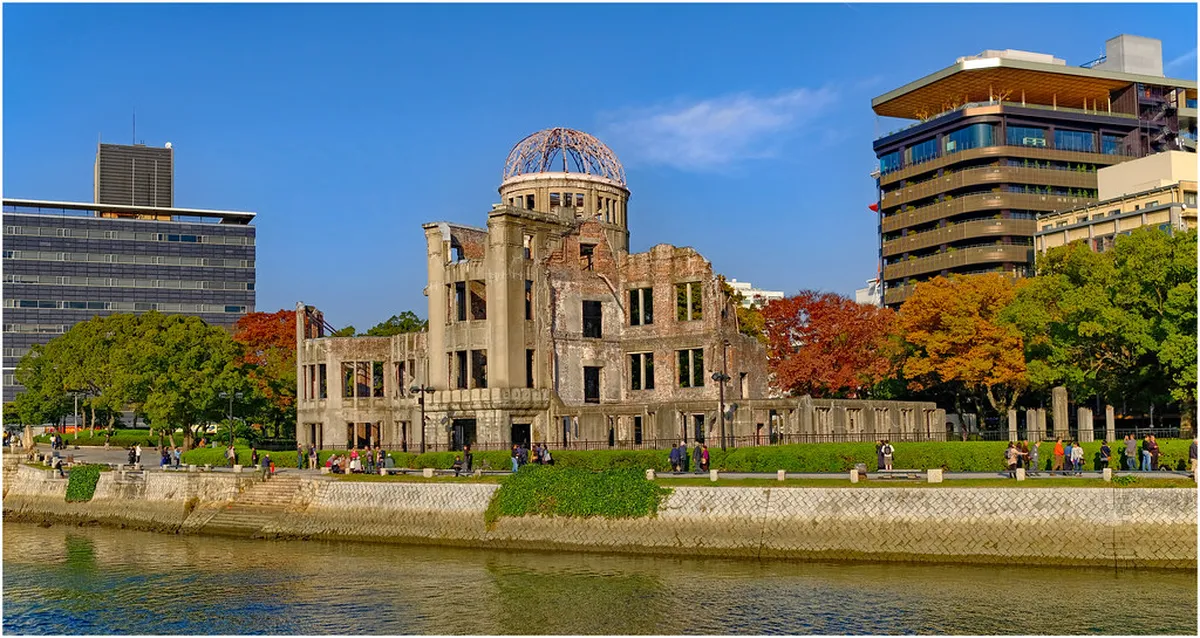
Within the park, the Children's Peace Monument is a must-visit location for every traveler. Many visitors choose to participate in the tradition of folding orizuru paper cranes to leave at the site. This simple act of peace is a profound way to connect with the local history.
The Hiroshima Peace Memorial Museum Official Site provides details on the very low entry fee for the main exhibits. Even on a tight budget, the small cost of around 200 Yen is well worth the educational value. It is one of the most impactful museums in the world for its price.
Do not miss the basement of the Rest House located near the Motoyasu Bridge. This area is often overlooked by tourists but remains a preserved site from the day of the blast. Access to this historic space is free and offers a quiet moment for reflection away from the crowds. For more peaceful experiences, also explore hidden gems and local secrets across the city.
Miyajima Island Adventure
Miyajima is famous for its floating torii gate and is easily accessible for budget travelers. The ferry ride from the mainland costs only a few hundred yen and offers great views of the bay. Once you arrive, the island's natural beauty and wandering deer are free to enjoy.
To save on costs, skip the ropeway and hike up Mount Misen using one of the three main trails. The Daishoin course is particularly scenic and provides stunning vistas of the Seto Inland Sea. Hiking allows you to experience the island's spiritual atmosphere at your own pace for free.
Check the Miyajima Tide Tables (Reference for Itsukushima) before you plan your walking route. At low tide, you can walk right up to the base of the Great Torii Gate without paying a cent. This provides a unique perspective that many tourists only see from a distance.
While the main shrine has a small entry fee, viewing it from the surrounding boardwalks is completely free. You can still appreciate the intricate architecture and red lacquer from many public vantage points. Pack a lunch from a mainland convenience store to avoid the higher island restaurant prices.
Stroll Saijo Sake Street
Saijo is one of Japan's most famous sake-producing districts and is located just a short train ride away. The historic street is lined with traditional white-walled breweries that offer a glimpse into old Japan. Walking through this area is a free cultural experience that feels like stepping back in time.
Many breweries allow visitors to enter their courtyards and see the historic architecture without any charge. You can learn about the brewing process through displays and sometimes catch the scent of fermenting rice. It is a great way to discover 7 traditional hiroshima arts and crafts related to sake production.
Tastings are often available for a very small fee, sometimes as low as 100 Yen per cup. Some shops even offer free samples of their non-alcoholic products or pure brewery water. This makes Saijo an excellent destination for those who want to experience Japanese traditions on a budget.
Walk the Hiroshima Castle Grounds for Free
The grounds surrounding Hiroshima Castle are a public park and do not require an entry fee. You can explore the impressive stone walls and the reconstructed moats at your own leisure. The park is a popular spot for locals to relax and enjoy the seasonal flowers.
Inside the castle walls, you can find the ruins of the former military headquarters from the war era. These historic markers provide a sobering look at the city's past while remaining free to the public. Taking photos of the beautiful five-story keep from the outside costs nothing and offers great memories.
If you choose to enter the main keep, the fee is 370 Yen for adults and very affordable for students. However, many visitors find that simply walking the perimeter provides a satisfying cultural experience. The castle grounds are especially beautiful during the cherry blossom season in late March and early April, when locals gather for free hanami picnics under the trees.
Relax at the Hijiyama Park
Hijiyama Park is a massive green space that sits on a hill overlooking the central city area. The park is home to a unique outdoor sculpture garden that you can explore for free. It offers a peaceful escape from the urban bustle without costing a single yen.
To reach the top without a tiring climb, use the Hijiyama Sky Walk located near the Danbara shopping mall. This series of free escalators takes you directly to the park's main plateau. From there, you can enjoy some of the best panoramic views of Hiroshima and the Inland Sea.
The Hiroshima City Museum of Contemporary Art is also located here and often has free outdoor exhibits. You can wander between the modern art pieces while enjoying the fresh air and forest scenery. It is a perfect spot for a budget-friendly afternoon of culture and relaxation.
Kagura, Ebisu-ko, and Toro Nagashi: Hiroshima's Lesser-Covered Free Rituals
Hiroshima Prefecture is the heart of Japan's kagura tradition — a centuries-old ritual dance with masks, drums, and sword fights that English guides rarely mention. Free public performances run on Wednesday evenings from late May through August at the Hiroshima Prefectural Citizens' Culture Center near Kamiyacho-Higashi. Doors open at 18:30 and the performance starts at 19:00; turn up 30 minutes early for a front-row floor cushion. There is no ticket and no booking — just walk in. It is one of the most spectacular living cultural traditions you can see in Japan for zero yen.
The Ebisu-ko Festival is Hiroshima's most-attended autumn festival yet barely surfaces in English travel writing. Held November 18–20 at Ebisu Shrine inside the Hondori arcade, it draws around 300,000 visitors over three days for shopping luck, lion-dance blessings, and roughly 600 food and trinket stalls along Hatchobori. Entry is free, the lion-dance bites on your head for good fortune cost zero, and it is one of the rare festivals where locals outnumber tourists by a wide margin.
For the August 6 Toro Nagashi floating-lantern ritual, where you watch matters as much as when. The Motoyasu River side closest to the A-Bomb Dome fills up by 17:00 and is the most photographed stretch, but the quieter Aioi Bridge west bank gives you the same lanterns drifting past with breathing room and a clearer view of the dome at sunset. Watching costs nothing; floating your own lantern with a written wish runs about 1,500 Yen at the registration desks set up along the river from 16:00 onward. Bring 100 Yen coins for the small offering boxes if you visit nearby Jisen-ji Temple on the same evening.
Mitaki-dera Temple: Budget Hiroshima Adventures
Mitaki-dera is a hidden gem that offers a Kyoto-like atmosphere without the large crowds or entry fees. The temple is famous for its three beautiful waterfalls and lush, moss-covered grounds. It is located only three stops away from Hiroshima Station on the Kabe Line.
The grounds feature hundreds of stone statues and a stunning red wooden pagoda that survived the atomic blast. Walking through the forest trails here provides a deep sense of peace and spiritual connection. This is one of the best budget friendly hiroshima cultural experiences for nature lovers.
Visiting in the autumn is particularly rewarding as the maple leaves turn brilliant shades of red and orange. You can spend several hours exploring the different levels of the temple complex at no cost. It remains one of the most authentic and affordable cultural sites in the entire region.
⛩️ Free Temple and Shrine Visits in Hiroshima
Many of Hiroshima's most atmospheric temples and shrines have no admission fee for the outer grounds, making them perfect for budget travellers. Together they form a self-guided cultural circuit that costs nothing beyond local tram fare and shows a side of the city tourists often miss.
Fudoin Temple in Higashi-ku is one of Hiroshima's only original wooden structures from before 1945 and a designated National Treasure. Reach it on the Astram Line to Fudoin-mae station; the grounds and main hall exterior are free to view 9:00–17:00 daily. The 14th-century Kondo (main hall) survived the atomic blast intact thanks to a hill that shielded it from the shockwave. A small Bon Odori dance is held here in mid-August.
Mitaki-dera grounds, covered above, also fall in this free category — the entire temple compound including the three waterfalls, multi-storey pagoda, and forest trails is open to walk-in visitors at no charge year-round. Plan 90 minutes to two hours to take it in slowly.
Hiroshima Gokoku Shrine, set inside the Hiroshima Castle grounds, is a working shrine with free entry and a quiet rear garden. Visiting during the New Year (hatsumode) period or summer Bon dance is a vivid free cultural experience. Hijiyama Hachiman Shrine on the slope of Hijiyama Park and Onaga-Tenmangu Shrine near the JR Onaga station are two more free, locally loved spots that round out the circuit. For more low-cost ideas across food, sights, and transit, see the Hiroshima budget travel guide — free sights and cheap eats.
🍜 Eat Well Without Overspending: Hiroshima's Best Cheap Eats
Okonomiyaki is the soul food of the city and is incredibly affordable for a full, hot meal. You can find many small shops where a large portion costs less than 1,000 Yen. Learning how to eat hiroshima style okonomiyaki like a local will help you enjoy the experience at a neighborhood counter.
While many tourists flock to the famous Okonomimura building, you can find cheaper options in the surrounding side streets. Local stalls often offer the same high-quality ingredients for a few hundred yen less. Look for places where office workers gather during their lunch break for the best value.
Many restaurants in the Hondori area offer "one-coin" lunch specials for exactly 500 Yen. These meals usually include a main dish, rice, and miso soup, providing a balanced diet on a shoestring. It is a great way to try different Japanese foods without spending much money.
For more food tips and a full plan, check out a hiroshima cultural landmarks 2-day itinerary. Planning your meals ahead of time can help you avoid expensive tourist traps near the main stations. Always carry a little cash as many small, cheap eateries do not accept credit cards.
During the Hiroshima Flower Festival (May 3–5) and the August 6 Peace Ceremony, hostel prices can double. Book accommodation at least a month ahead for these periods.
🏮 Top Free Festivals and Seasonal Cultural Events (2026 Dates)
What free cultural festivals can you attend in Hiroshima in 2026? Hiroshima hosts at least four major free festivals each year: the Flower Festival (May 3–5, Peace Boulevard), the Toukasan Yukata Festival (June 5–7, Hatchobori), the Peace Memorial Ceremony (August 6, Peace Park), and Hiroshima Dreamination (mid-November to early January, Heiwa-Odori). All four are free to attend and showcase the city's living culture without an admission fee.
The Hiroshima Flower Festival 2026 runs May 3–5 along Peace Boulevard between Heiwa-Odori and Peace Memorial Park. Thousands of people gather to enjoy a 1.2 km parade, more than 70 free stage performances, and elaborate floral displays. Stages around Peace Park feature taiko drumming, J-pop acts, and traditional Yosakoi dance — all watchable without a ticket. For the wider event lineup, see the major annual events in Hiroshima — a 2026 calendar.
The Toukasan Yukata Festival 2026 takes place June 5–7, marking the official start of yukata-wearing season in western Japan. Hatchobori and Chuo-dori close to traffic and fill with around 450 food stalls, live music, and visitors in colourful summer robes. Entry to the streets and to Enryu-ji Temple, the festival's spiritual home, is completely free. Locals say renting a yukata for the night is optional — wearing your normal clothes is fine. Check the Toukasan Yukata Festival 2026 summer guide for stall maps and rental shop addresses.
The Hiroshima Peace Memorial Ceremony falls on Wednesday, August 6, 2026, marking the 81st anniversary of the atomic bombing. The official ceremony at the Peace Memorial Park Cenotaph runs 8:00–8:50 a.m. and is open to the public with no ticket required — arrive by 7:30 a.m. for a viewing spot. At sunset on the same day, the Toro Nagashi floating lantern ritual takes place along the Motoyasu River; lanterns can be watched for free, while contributing one costs around 1,500 Yen. For practical timing and access tips see how to attend the Hiroshima Peace Memorial Ceremony 2026.
Across August, neighbourhood Bon Odori festivals are held in shrines and parks throughout Hiroshima — most notably at Hiroshima Gokoku Shrine inside the castle grounds and at Fudoin Temple in Higashi-ku. These community dance evenings welcome visitors to join the circle for free, and small lantern-lit food stalls keep dinner under 1,000 Yen. They are some of the most authentic budget cultural experiences in the city.
Winter brings Hiroshima Dreamination from mid-November 2026 to early January 2027, when Heiwa-Odori is decorated with around 1.4 million LED lights forming illuminated tunnels and themed scenes. Walking through the displays is completely free and runs nightly 5:30–10:30 p.m. Combined with the city's outdoor Christmas Market in front of the Former Hiroshima Branch of the Bank of Japan, it makes for a full evening of free winter sightseeing.
Explore the Historic Hondori Shopping Arcade
Hondori is a covered shopping street that has served as the city's commercial heart for decades. While it is full of shops, walking the arcade is a free way to experience the local lifestyle. You can see how the city has rebuilt itself into a thriving modern hub.
The Sunmall building within the arcade is a great place to find budget-friendly fashion and unique Japanese goods. It often houses smaller independent shops that offer lower prices than the big department stores. Window shopping here provides a fun look at current Japanese trends for no cost.
History enthusiasts should look for the building markers that indicate structures which survived the 1945 blast. Several shops in the arcade are actually housed in these historic shells. It is a subtle way to connect with the city's past while enjoying its present-day energy.
📋 Sample Budget Day in Hiroshima (Under 5,000 Yen)
Putting the pieces together, a single day in Hiroshima can deliver four major cultural experiences for less than 5,000 Yen including bed, food, and transport. Start with breakfast at a Lawson or 7-Eleven for an onigiri-and-coffee combo at around 350 Yen. Walk to Peace Memorial Park and spend the morning at the A-Bomb Dome, the Children's Peace Monument, and the Rest House basement — all free — then pay 200 Yen for the museum.
Lunch is okonomiyaki at a back-street counter near Hondori for 900 Yen, followed by an afternoon split between the free castle grounds and Mitaki-dera Temple (380 Yen tram-and-train round trip). Wrap up with 500 Yen of Hondori one-coin dinner specials and a free walk through whichever festival or seasonal event lands during your visit. A 3,000 Yen hostel dorm bed brings the day in at roughly 4,830 Yen — and you have seen four neighbourhoods, two religious sites, one castle, and the world's lowest-priced major war museum.
Travelers staying two days can fold in the Miyajima ferry (360 Yen each way), the Daishoin hiking trail (free), and a Saijo Sake Street side-trip (around 1,500 Yen by train round-trip). Even with the Miyajima boardwalk fee of 300 Yen and three small sake tastings at 100 Yen each, day two stays under 6,000 Yen.
🚋 Getting Around: Hiroshima Transportation Hacks
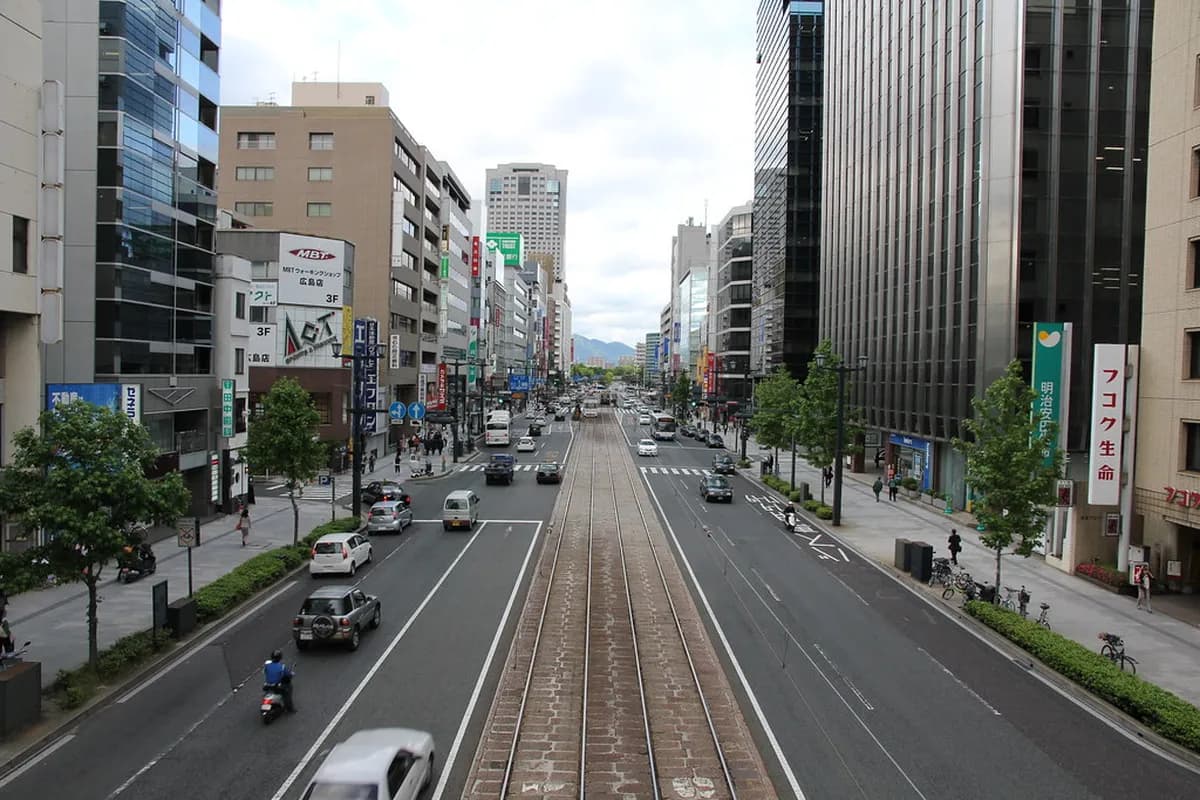
The city's streetcars, known as Hiroden, are a charming and affordable way to travel between major districts. A flat fare of 220 Yen applies to most trips within the city center, making it easy to budget your transport. For a full day of sightseeing, consider purchasing a one-day Hiroden pass at 700 Yen — it pays for itself after four rides.
If you have a JR Pass, you can use the Meipuru-pu tourist bus for free to reach major sites. This bus loops between the station, the castle, and the Peace Park throughout the day. Check the Visit Hiroshima Official Tourism Guide for the latest bus schedules and routes.
Walking is often the fastest and cheapest way to get around the downtown Hatchobori and Hondori areas. Most major cultural landmarks are located within a twenty-minute walk of each other. Choosing to walk allows you to discover hidden shrines and local shops that you might miss on the tram.
🏨 Where to Sleep Cheap in Hiroshima
Finding a cheap place to stay is easy in Hiroshima because of the high number of quality hostels. Most hostels are centrally located near the Peace Park or the main Hatchobori tram stop. These locations allow you to save money on daily transportation by staying within walking distance of sights.
For those who prefer more privacy, business hotels offer compact rooms at very competitive nightly rates of 5,500–8,000 Yen during shoulder seasons. The neighbourhoods around Hiroshima Station and Hatchobori give you the best balance of price and walkable access to the major cultural sites covered in this guide.
Booking in advance is the best way to secure the lowest prices for your stay, especially during the Flower Festival weekend in early May and the August 6 anniversary period when hostel prices can double. Sharing a larger room with travel companions can significantly reduce the cost per person compared to individual bookings.
Pair this with our Hiroshima attractions hub to plan the rest of your trip.
Frequently Asked Questions
What free cultural experiences can you do in Hiroshima?
You can attend the Flower Festival (May 3–5, 2026, Peace Boulevard), the Toukasan Yukata Festival (June 5–7, 2026, Hatchobori), the Peace Memorial Ceremony (August 6, 2026, Peace Park), and Hiroshima Dreamination winter illuminations — all free. Free temple and shrine visits include Mitaki-dera grounds, Fudoin Temple, and Hiroshima Gokoku Shrine. Walking the Peace Memorial Park and Hiroshima Castle moat is also free year-round.
What are the best free things to do in Hiroshima for budget travelers?
The best free activities include visiting the Peace Memorial Park to see the A-Bomb Dome and hiking Mount Misen on Miyajima. You can also explore the grounds of Hiroshima Castle and the Mitaki-dera Temple. Many seasonal street festivals like the Flower Festival are also free to attend.
How much does a budget day in Hiroshima typically cost?
A budget day typically costs between 4,000 and 6,000 Yen per person. This includes a hostel bed, two or three affordable meals like okonomiyaki, and local tram fares. Many of the city's most famous cultural landmarks have no entrance fee, which helps keep costs low.
Which Hiroshima festivals are free to attend?
Major free events include the Flower Festival in May and the Toukasan Yukata Festival in June. The Peace Memorial Ceremony on August 6th is also open to the public for free. These events offer deep cultural insights and lively atmosphere without requiring a ticket. Japan Activity has more details on local events.
Is the Hiroshima tram pass worth it for a one-day trip?
The tram pass is worth it if you plan to take more than three trips in a single day. It costs around 700 Yen and provides unlimited rides on all city streetcars. If you are staying in the city center and enjoy walking, you might save more by paying individual fares.
How can I see Miyajima on a shoestring budget?
To save money on Miyajima, take the local JR train and ferry rather than a direct tourist boat. Hike up the mountain instead of using the ropeway to save over 1,800 Yen. Bringing your own snacks and water from the mainland will also help you avoid premium island prices.
Hiroshima is a city that proves you don't need a large budget to have a rich cultural experience in Japan. By focusing on free landmarks and local food, you can enjoy a deeply rewarding trip for very little money. The resilience and beauty of the city are accessible to every traveler who visits.
From the quiet forest paths of Mitaki-dera to the vibrant energy of the Flower Festival, there is something for everyone. Taking the time to explore on foot will reveal the true character of this historic location. You will leave with a greater understanding of Japanese history and many wonderful memories.
Start planning your affordable adventure today by looking into local hostels and seasonal event dates. Whether you are folding paper cranes or eating okonomiyaki at a local stall, you will find Hiroshima welcoming. Enjoy the incredible value and profound culture of this must-visit Japanese city.
Free: The Hiroshima Essentials guide
Top things to do, where to stay, a perfect day plan, getting around, and the best time to go — a Hiroshima mini-guide you can take offline.
You might also like


Continue reading
More guides you'll find useful