Hiroshima Culture: A 2026 Guide to Peace, Crafts, Festivals & Food
A 2026 cultural guide to Hiroshima — peace memorial rituals, traditional crafts, summer festivals, sacred sites, and the food culture that defines the city.
On this page
What is Hiroshima's culture? Hiroshima's culture is built around several living pillars: a globally significant peace memorial tradition centered on the August 6 ceremony and the orizuru (paper crane) ritual; a 400-year craft heritage spanning Kumano calligraphy brushes, Miyajima shakushi rice scoops, and Bizen-style pottery; a calendar of seasonal matsuri (Tokasan Yukata Festival, Toro Nagashi lantern floating); a distinct food culture defined by layered Hiroshima-style okonomiyaki and the world-class oysters of Hiroshima Bay; and a modern civic identity carried by the Saijo sake district, Hiroshima Toyo Carp baseball fandom, and the soft local dialect known as Hiroshima-ben. Together they make Hiroshima one of Japan's most layered cultural destinations in 2026.
This guide is written for travelers who want substance over the standard things-to-do list. If you came looking for the headline sights, start with our 15 best things to do in Hiroshima in 2026 overview instead. Below, we go deep on the cultural threads that shape daily life in the city — what locals practice, when, and why it matters.
1. Peace Memorial Culture: Hiroshima's Defining Identity
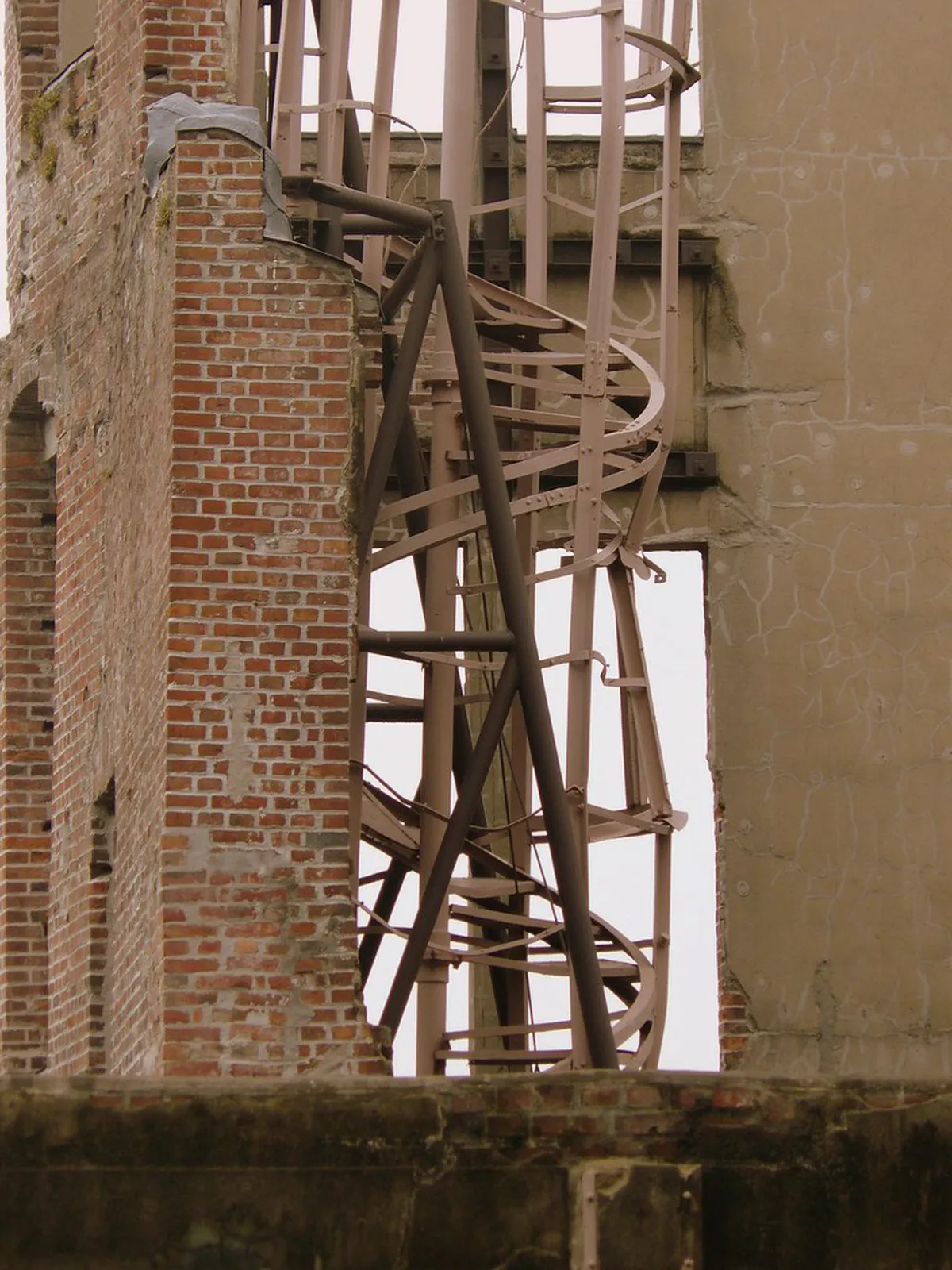
How does peace shape Hiroshima's culture? Peace is not a tourist theme in Hiroshima — it is a civic identity reinforced by daily ritual, school curriculum, and a memorial calendar that locals participate in across generations. The August 6 Peace Memorial Ceremony, the year-round folding of orizuru paper cranes, and the lighting of evening lanterns are practiced as living traditions, not commemorations frozen in time.
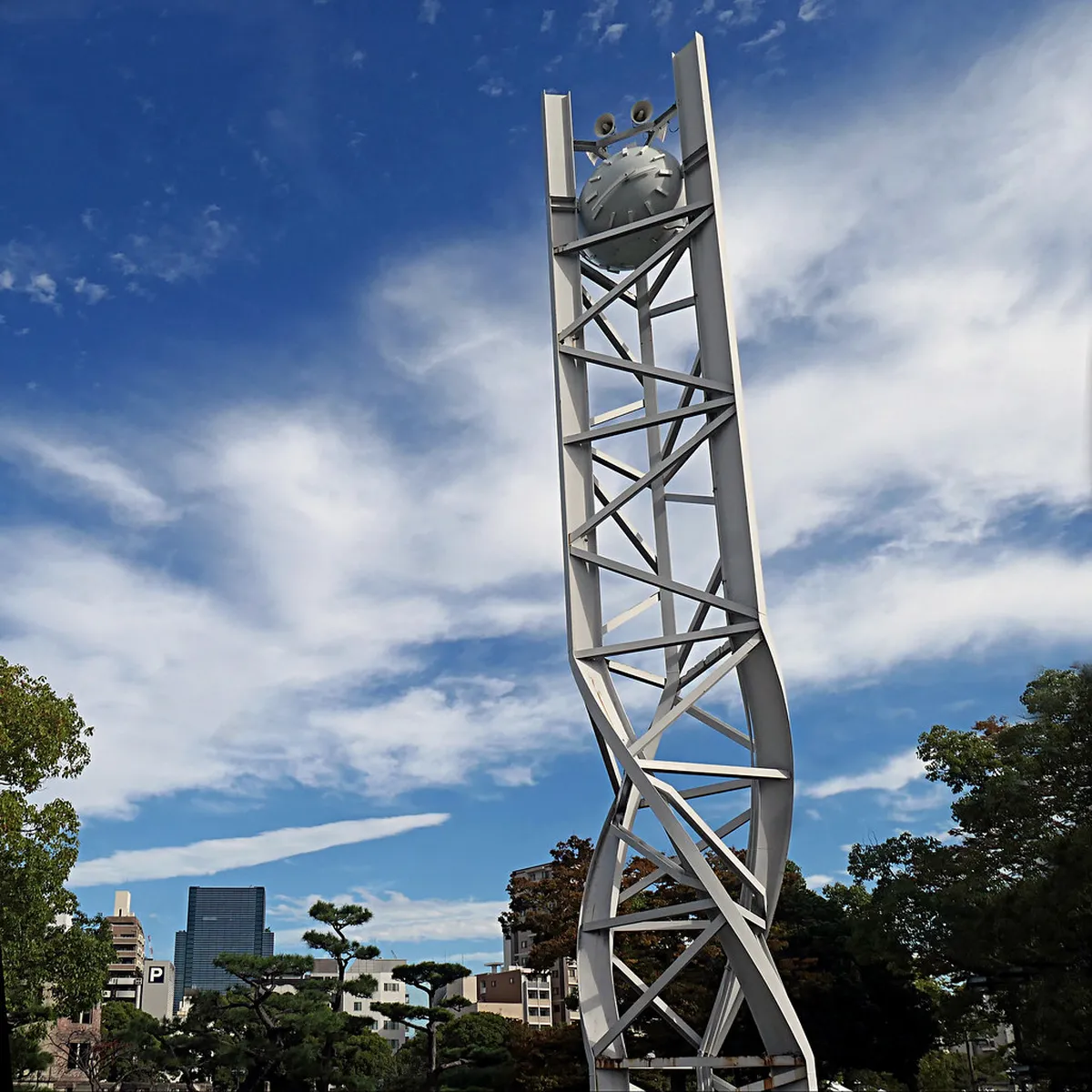
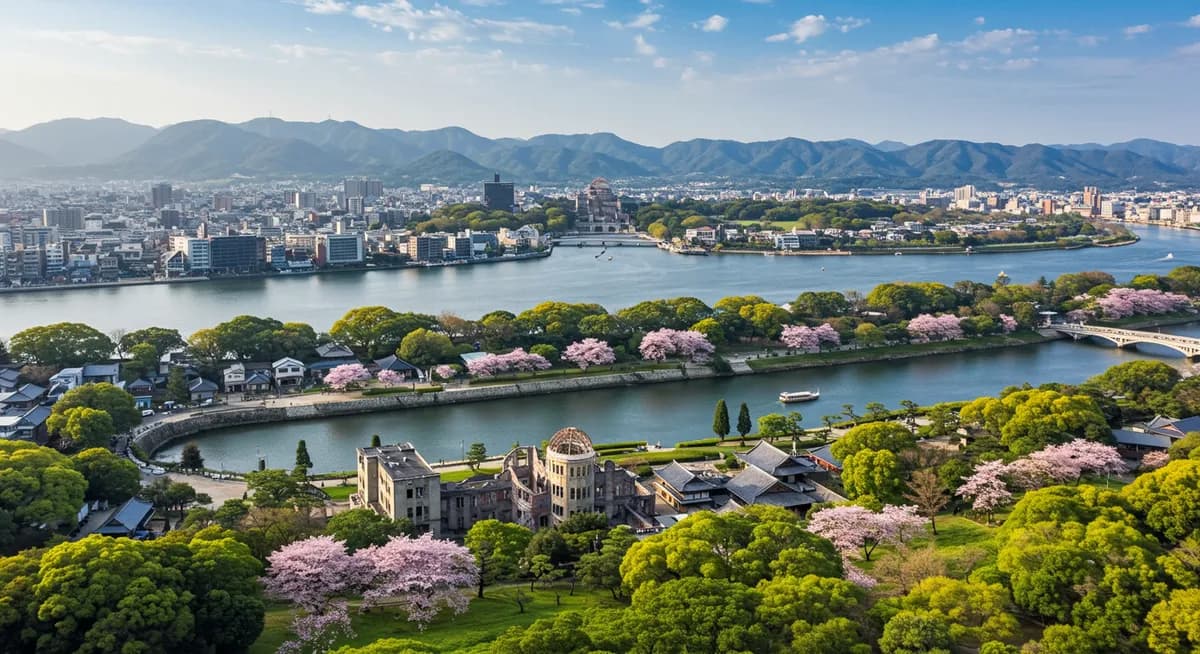
The most visible expression is the annual Peace Memorial Ceremony on August 6, 2026, held at 8:00 AM in the Peace Memorial Park. A moment of silence is observed at 8:15 AM — the exact time of the 1945 detonation — followed by the ringing of the Peace Bell and the release of doves. Around 50,000 people attend in person; many more participate from elsewhere in the city. If you want to attend, see our step-by-step guide to attending the Hiroshima Peace Memorial Ceremony 2026 for arrival times, seating zones, and dress code.
That evening the Toro Nagashi lantern-floating ceremony takes place along the Motoyasu River beside the A-Bomb Dome. Participants write messages on paper lanterns (¥800 in 2026) and release them downstream — a Buddhist practice of guiding souls and a public expression of remembrance. The ritual continues until around 9:00 PM and is open to international visitors.
Year-round, schoolchildren and travelers fold orizuru (origami cranes) inspired by Sadako Sasaki's story. Roughly 10 million cranes are donated to the Children's Peace Monument every year, then displayed in glass cases around the park before being recycled into peace-themed paper products. You can fold and dedicate your own at the Orizuru Tower's 50m-high Orizuru Wall (¥2,200 admission, 2026 pricing).
Etiquette at the peace sites: Locals treat the Peace Memorial Park as sacred civic ground rather than a photo backdrop. Speak quietly near the Cenotaph and the A-Bomb Dome, do not eat or drink while walking through, remove hats inside the museum, and avoid posed selfies in front of the memorial flame. Hibakusha (atomic-bomb survivors) and their descendants frequently visit — giving them quiet space is a basic courtesy that many tour groups still get wrong.
At the August 6 Peace Memorial Ceremony, do not photograph hibakusha or weeping families even in a public setting — police will ask you to delete images. Phones must be silenced from 08:00. Umbrellas and seating cushions are not permitted in the ceremony zone; bring a hat and arrive before 07:00 for a clear sightline to the Cenotaph.
Free: The Hiroshima Essentials guide
Top things to do, where to stay, a perfect day plan, getting around, and the best time to go — a Hiroshima mini-guide you can take offline.
2. Traditional Crafts: The 400-Year Heritage of Aki Province
Hiroshima's craft culture predates the modern city. Many traditions originated in the feudal Aki Province under the Asano clan, who actively patronized artisans from the early 1600s onward. Several lineages remain active in 2026 and welcome visitors for workshops.
Kumano Brushes (Fude)
The town of Kumano, a 40-minute bus ride southeast of Hiroshima Station, produces around 80% of Japan's calligraphy and makeup brushes. Brushmaking began in the 1830s when Kumano farmers travelled to other provinces during winter and returned with brush-binding skills. Today roughly 1,500 artisans hand-tie brushes from goat, weasel, and badger hair using techniques unchanged for two centuries. The Fude no Sato Kobo museum (¥600 in 2026) runs hands-on brush-making workshops every weekend (¥3,500, 90 minutes, English signage).
Miyajima Shakushi (Wooden Rice Scoops)
The flat wooden rice paddle now standard in every Japanese kitchen was invented on Miyajima Island in 1800 by a monk named Seishin. Shakushi-making remains the island's signature craft — you'll see the world's largest rice scoop (7.7m long, 270kg) on display along Omotesando Shopping Street. For the wider island context, see our Miyajima Island complete visitor guide.
Other Living Crafts
Look for Hiroshima Buddhist altars (lacquered with maki-e gold), Bingo kasuri indigo-dyed ikat textiles from the Fukuyama region, and Miyajima-bori woodcarving. The Hiroshima Prefectural Museum of Art (¥1,030 adult, 2026) hosts rotating craft exhibitions. For workshops you can book directly, see our overview of 7 traditional Hiroshima arts and crafts to discover.
3. Festival Culture: The 2026 Matsuri Calendar
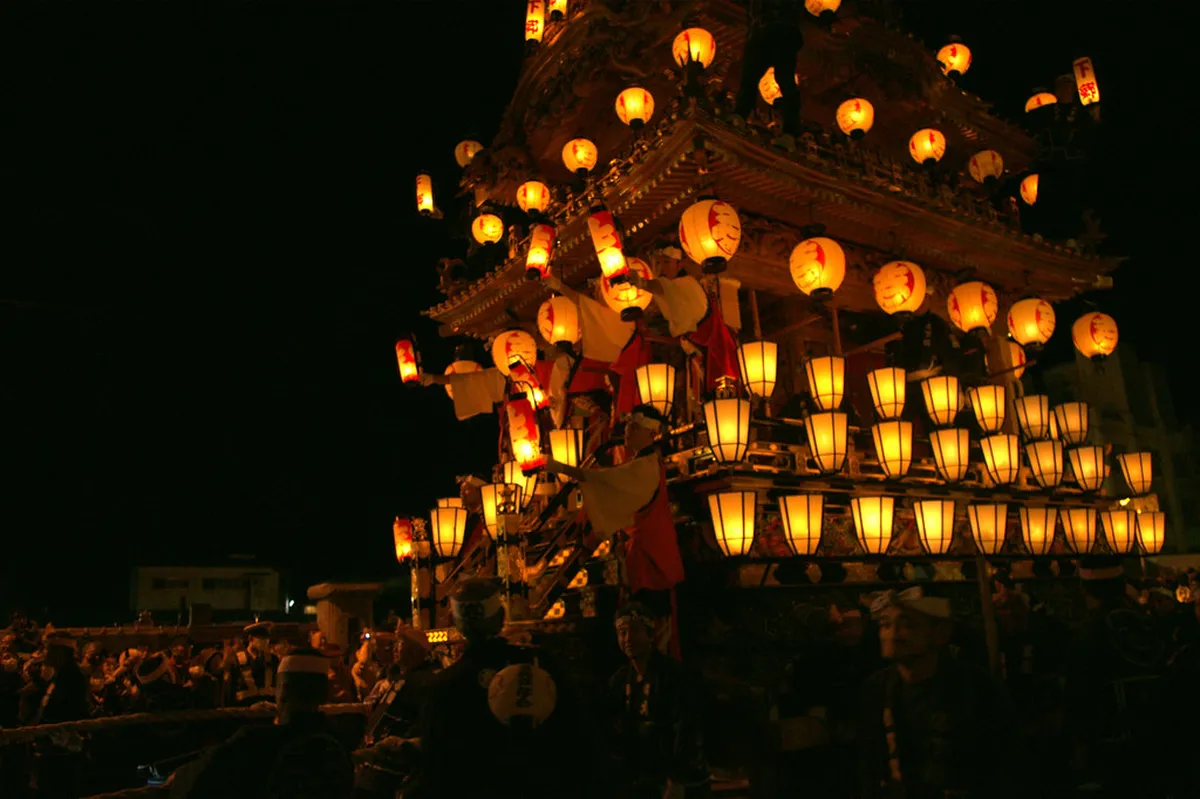
When are Hiroshima's main festivals? Hiroshima holds major matsuri across all four seasons, but the cultural heart of the year is summer — Tokasan in early June, Peace Memorial events in August, and the Miyajima fire festival around the December solstice. Festival attendance is free; food stalls average ¥500–¥1,000 per item in 2026.
| Festival | 2026 dates | Location | Entry |
|---|---|---|---|
| Peace Memorial Ceremony | August 6 | Peace Memorial Park | Free (public) |
| Toro Nagashi lantern floating | August 6 evening | Motoyasu River | ¥600 per lantern |
| Tokasan Yukata Festival | June 5–7 | Nagarekawa / Hondori | Free |
| Hiroshima Flower Festival | May 3–5 | Peace Boulevard | Free |
| Saijo Sake Matsuri | October 10–11 | Saijo Station area | ¥2,200 tasting pass |
| Miyajima Kangensai Boat Festival | Late September (lunar) | Miyajima Island | Free |
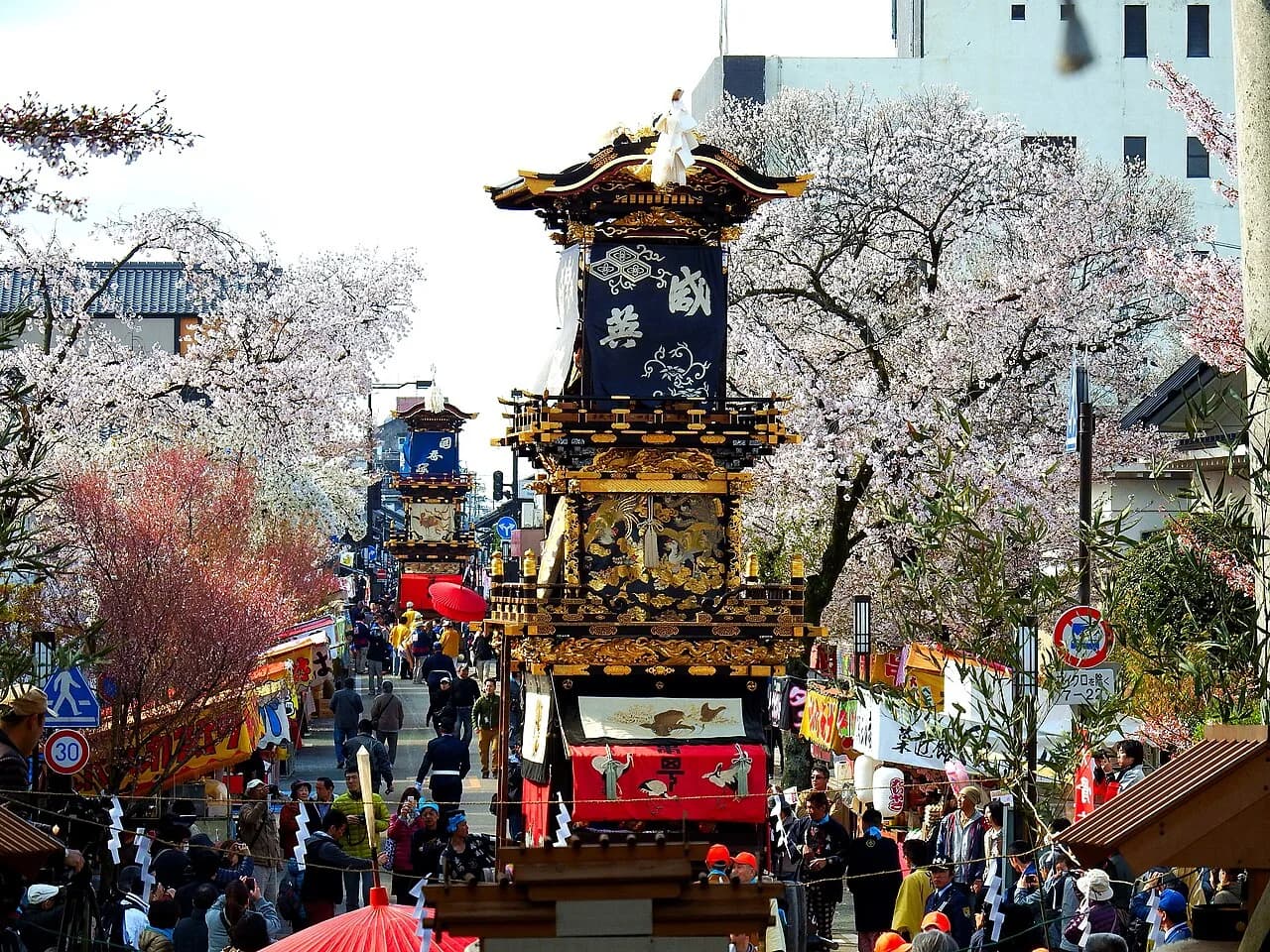
The Tokasan Yukata Festival (June 5–7, 2026) marks the official start of yukata season in western Japan. Tens of thousands of locals walk the Nakadori arcade in cotton summer kimono — many bought for the occasion at department stores nearby. The festival originates from the Enryuji temple's annual Buddhist service and has been held continuously since 1619.
The Hiroshima Flower Festival (May 3–5, 2026) draws roughly 1.6 million visitors over Golden Week, filling Peace Boulevard with parades, dance teams, and community floats — Japan's largest civic festival of its kind. The Miyajima Water Fireworks Festival (typically late August 2026) launches around 5,000 shells over the floating torii gate; ferry capacity is the constraint, so book the night-stay option early.
Smaller but locally significant: the Ebisu-ko Festival in late November (commerce blessings at Ebisu Shrine downtown), and Chinkasai on December 31 at Itsukushima Shrine, where torch-lit fire purification rites mark the year-end. Travelers on a budget can experience most of these for free — see our list of budget-friendly Hiroshima cultural experiences and free festivals.
4. Sacred Sites & Religious Tradition
Hiroshima's religious landscape blends Shinto and Buddhist sites with deep historical ties to the Heike clan and Aki Province samurai families.
Itsukushima Shrine on Miyajima, founded in 593 AD and rebuilt in its current overwater form in 1168 by warlord Taira no Kiyomori, is a UNESCO World Heritage Site. The vermilion Otorii floating gate (re-opened in 2022 after a three-year restoration) is best viewed at low tide for walk-up access and at high tide for the floating effect. Plan around tide tables — full timing detail in our Itsukushima Shrine tide-times guide. Shrine admission is ¥300 (2026).
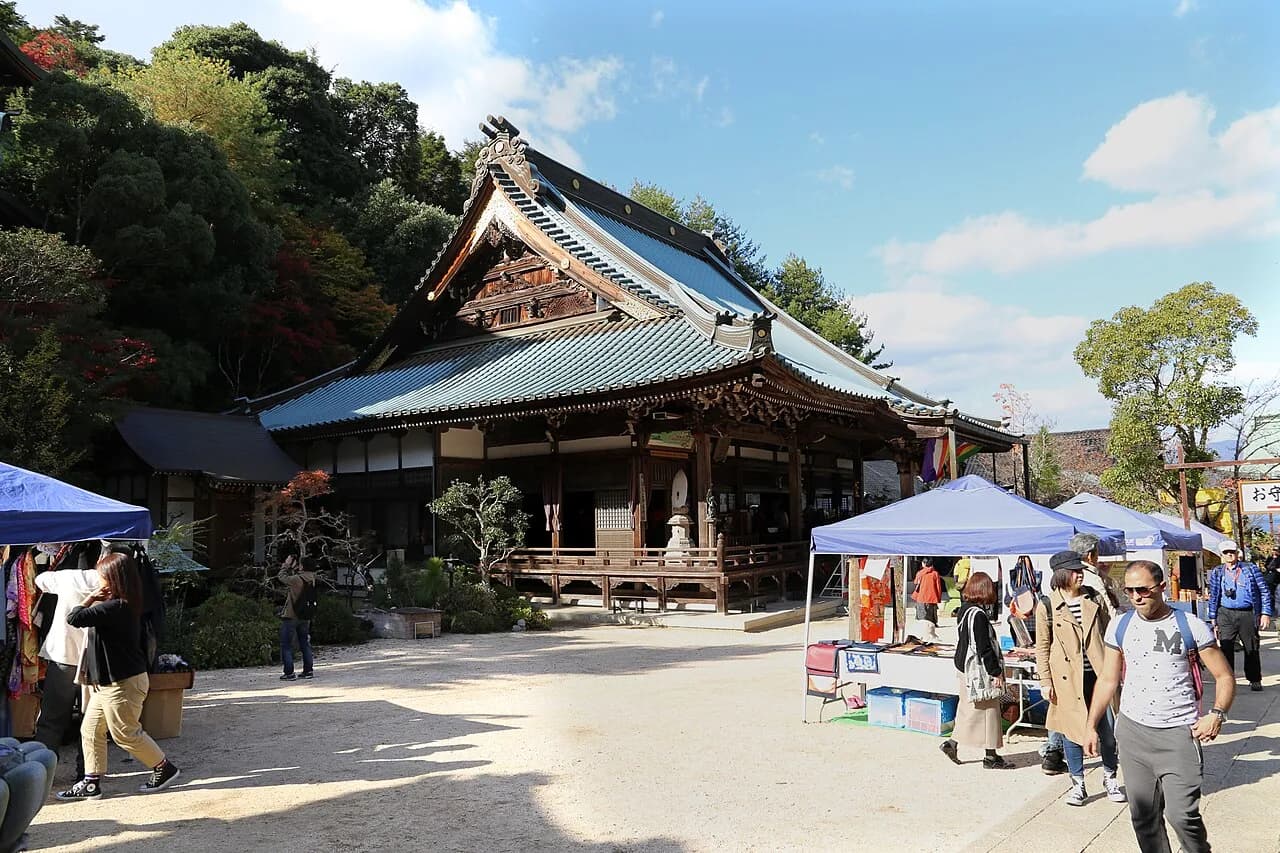
Mitaki-dera, in the wooded hills 15 minutes north of the city center, is a working Shingon Buddhist temple founded in 809 AD. Three sacred waterfalls flow on the grounds, and the site is famous for autumn maple colors in mid-November. Free to enter; donations welcomed.
Fudoin Temple in Ushita is one of the few wooden buildings in Hiroshima that survived the 1945 bombing intact — its main hall (built 1540) is a National Treasure and demonstrates Muromachi-period architecture rare in western Japan. Cultural travelers often pair it with Hiroshima Castle's reconstructed keep for a half-day theme.
5. Food Culture: Why Hiroshimans Eat What They Eat
Why is Hiroshima famous for okonomiyaki and oysters? Both foods reflect post-war recovery and the geography of Hiroshima Bay. Hiroshima-style okonomiyaki was developed in the late 1940s as an inexpensive, layered hot meal using flour rations and yakisoba noodles; it is now a defining regional dish with over 1,500 specialty shops in the prefecture. Oysters thrive in Hiroshima Bay's calm, nutrient-rich waters — the prefecture has produced about 60% of Japan's oysters every year for the past two decades.
Hiroshima-style okonomiyaki differs from Osaka's batter-mixed version: ingredients are stacked in layers (batter crepe, cabbage, pork, noodles, egg) and cooked on a teppan in front of you. Okonomimura, a four-floor building in Shintenchi housing 24 specialist counters, is the cultural epicenter — see our guide to eating Hiroshima okonomiyaki at Okonomimura. Average price in 2026: ¥1,100–¥1,500 per okonomiyaki. For a counter-by-counter breakdown, our how to eat Hiroshima-style okonomiyaki like a local guide explains ordering etiquette.
Hiroshima Bay oysters are in season November through March. Locals eat them grilled with lemon (kaki-no-tsuboyaki), deep-fried as kaki-furai, or in dote-nabe miso hotpot. The most authentic place is Miyajima's Omotesando, where shops grill them streetside for ¥400–¥600 per piece in 2026.
Two other regional staples worth tracking down: tsukemen (cold dipping noodles with chili-laced sauce, invented at Hiroshima's Shin-Shin in 1954) and anago-meshi (saltwater eel rice bowls), a Miyajima specialty since 1901. The most photographed regional sweet is momiji manju, maple-leaf-shaped cakes filled with red bean, custard, or chocolate — invented on Miyajima around 1907 and still hand-pressed in shop windows along Omotesando Street for ¥120–¥180 each in 2026.
6. Saijo Sake District: Hiroshima's Quiet Cultural Heartland
One pillar of Hiroshima culture rarely surfaces in English-language guides: Saijo, the sake-brewing town 35 minutes east of Hiroshima Station by JR Sanyo Line (¥420 each way, 2026). Saijo is one of Japan's three great sake regions — alongside Nada in Kobe and Fushimi in Kyoto — and is the only one of the three you can walk end-to-end in an afternoon.
Eight active breweries operate inside a 1-kilometer belt around Saijo Station, all with red-brick chimneys and white-walled kura warehouses unchanged since the late 1800s. Brewing here took off because Saijo's soft groundwater and cool inland-basin winters produce a clean, slightly sweet style locals call onna-zake (literally "feminine sake"). The post-war Hiroshima method of soft-water fermentation, developed by brewmaster Senzaburo Miura in 1898, is now the basis for most sake brewed in Japan.
Most breweries — Kamotsuru (which served Barack Obama at the 2014 Tokyo state dinner), Hakubotan, Kirei, Saijotsuru — offer free tastings or ¥500 flight tickets year-round, and the entire town becomes a sake-festival venue during the Sake Matsuri on the second weekend of October (October 10–11, 2026). For around ¥2,200 you get a tasting cup good for 900+ varieties poured by brewers from across Japan. It's the single best deep-culture day trip from Hiroshima city, and most foreign visitors miss it entirely.
7. Modern Civic Culture: Carp, Hiroshima-ben & Post-War Identity
Hiroshima's living identity isn't only built on temples and ceremonies. Two modern cultural threads define daily life: the obsessive fandom around the Hiroshima Toyo Carp baseball team, and the soft local dialect known as Hiroshima-ben.
The Carp were founded in 1949 as a citizen-funded team during reconstruction — locals literally dropped coins into tarudaru (donation barrels) at the stadium gates to keep the franchise alive. That origin story still shapes the fan culture: home games at Mazda Stadium (a 10-minute walk from Hiroshima Station; tickets ¥2,000–¥6,000 in 2026) feature coordinated jet-balloon launches in the seventh inning and sea-of-red supporter sections that rival any European football ultras group. Wearing red on game day in Hiroshima is a low-effort way to feel the city's communal pulse.
Hiroshima-ben is the regional dialect — softer-sounding than standard Tokyo Japanese, with sentence-ending particles like -jaken ("because") and -toru ("am doing"). It is famous nationally because much of Yakuza-genre cinema is set in postwar Hiroshima, but in daily life it sounds warm rather than tough. Listening for it at a counter okonomiyaki place is the easiest way to tell whether you've found a local spot or a tourist one.
Post-war literature and manga also shape how Hiroshima talks about itself. Keiji Nakazawa's Barefoot Gen (1973), Masuji Ibuse's novel Black Rain (1965), and the recent animated film In This Corner of the World (2016) are all standard references locals expect international visitors to recognize. The Hiroshima City Manga Library in Hijiyama Park (free entry, 2026) holds the original Barefoot Gen manuscripts and is the quietest cultural space in the city.
8. Living Tradition: Tea Ceremony, Calligraphy & Hands-On Culture
Visitors can engage with Hiroshima culture beyond observation. Several institutions offer scheduled experiences in English in 2026:
- Shukkei-en Garden tea house — formal matcha tea ceremony, ¥500 with seasonal sweet, daily 9:00–16:30 (garden admission ¥260 extra).
- Daishoin Temple, Miyajima — sutra copying (shakyo) sessions, ¥1,000, no reservation needed.
- Fude no Sato Kobo, Kumano — calligraphy brush-making workshop, ¥3,500, weekends only (book 1 week ahead).
- Orizuru Tower — guided crane folding for the Orizuru Wall, included with admission (¥2,200, 2026).
- Saijo brewery walk — self-guided tasting trail across 8 sake breweries, free or ¥500 flight tickets per stop.
These cost less than most museum tickets and produce something tangible to take home — a brush you tied yourself, a sutra you copied, a crane folded into the wall of a peace monument, a sake cup stamped at every stop. They are also the most consistently positive experiences travelers report from a Hiroshima trip.
The Mazda Museum factory tour is free but requires online advance reservation (English slots fill faster than Japanese ones — book at least two weeks ahead). Combine it with a morning at Saijo's sake breweries — both are within 40 minutes of Hiroshima Station on the JR Sanyo Line and neither costs more than ¥500–¥1,000 in tastings.
FAQ — Hiroshima Culture in 2026
Is the Peace Memorial Ceremony open to international visitors?
Yes. The August 6, 2026 ceremony is fully public and free. Arrive by 7:00 AM for general seating in the Peace Memorial Park; reserved diplomatic seating is by invitation only. Modest dress is expected — no shorts or sleeveless tops. The 8:15 AM moment of silence is observed citywide.
What is the most important Hiroshima festival to plan a trip around?
For peace-themed travel, August 5–6, 2026 (Toro Nagashi lantern floating + Memorial Ceremony). For festival color, Tokasan Yukata Festival (June 5–7, 2026) or the Flower Festival in early May. For sake culture, the Saijo Sake Matsuri on October 10–11, 2026. Hotels along Peace Boulevard sell out 6–8 weeks in advance for the August window.
Can I do a hands-on Hiroshima crafts workshop in one day?
Yes. Kumano brush-making (Saturday or Sunday morning, 90 minutes) pairs cleanly with a Hiroshima City afternoon. The bus from Hiroshima Station to Kumano runs roughly hourly and costs ¥740 each way in 2026. Reserve workshops through Fude no Sato Kobo at least one week ahead.
Is Hiroshima okonomiyaki different from Osaka okonomiyaki?
Yes — significantly. Hiroshima-style is layered (cooked in stacked layers, including yakisoba noodles); Osaka-style is mixed (batter and cabbage stirred together before grilling). Hiroshima portions are larger and contain a noodle layer; Osaka does not. Locally the layered version is simply called "okonomiyaki" and Osaka's is referred to by name.
Are Miyajima's cultural sites and Hiroshima's peace memorials walkable in one day?
It is doable but tight. The realistic minimum is 9–10 hours including ferry time. For an itinerary, follow our Hiroshima and Miyajima 1-day itinerary; for cultural depth across two days, the Hiroshima 2-day itinerary spreads sites more comfortably.
What does Hiroshima culture mean to locals today?
Locals describe Hiroshima identity around three values: heiwa (peace) as civic mission, monozukuri (craft-making excellence) inherited from Aki Province artisans, and shokunin spirit in food and trades. These aren't tourist slogans — they appear in school curricula, company mottos, and political campaigning.
Is the Hiroshima dialect hard for foreigners to understand?
Hiroshima-ben uses standard Japanese vocabulary with regional sentence-endings (-jaken, -toru, -nsai) and softer intonation than Tokyo speech. Travelers with conversational Japanese will follow it within a day; the polite forms used at hotels, shops, and tourist sites stay close to standard Japanese.
Plan Your Cultural Visit
Hiroshima rewards travelers who arrive with cultural context. Pair the major sites with one workshop, one festival, one meal at a counter-style okonomiyaki place, one Miyajima morning, and (if you can spare half a day) a Saijo brewery walk — and you'll leave with a far richer sense of the city than the standard half-day tour delivers. For practical logistics, see our guide to getting to Hiroshima from Tokyo and Osaka and our streetcar and bus transit primer. Plan around the festival calendar where possible — that's when Hiroshima's culture is most visible and most welcoming to outside visitors.
For visitors planning a full trip around these cultural threads, the Hiroshima travel guide ties them to dates, neighborhoods, and budgets.
For the wider city overview, see our Hiroshima attractions guide.
Free: The Hiroshima Essentials guide
Top things to do, where to stay, a perfect day plan, getting around, and the best time to go — a Hiroshima mini-guide you can take offline.
You might also like

Continue reading
More guides you'll find useful