

Miyajima stands as one of the most sacred and beautiful islands in all of Japan. This itsukushima shrine (miyajima) visitor guide helps you navigate the ancient corridors and stunning coastal views of this UNESCO site. You will find the famous red gate rising from the sea during high tide. It remains a top destination for those exploring the Hiroshima region.
The island is officially known as Itsukushima, though most people call it Miyajima. This name translates to 'Shrine Island' in English. You can reach this peaceful escape by a short ferry ride from the mainland. The area offers a perfect mix of spiritual history and natural wonders for every traveler.
Must-See Itsukushima Attractions
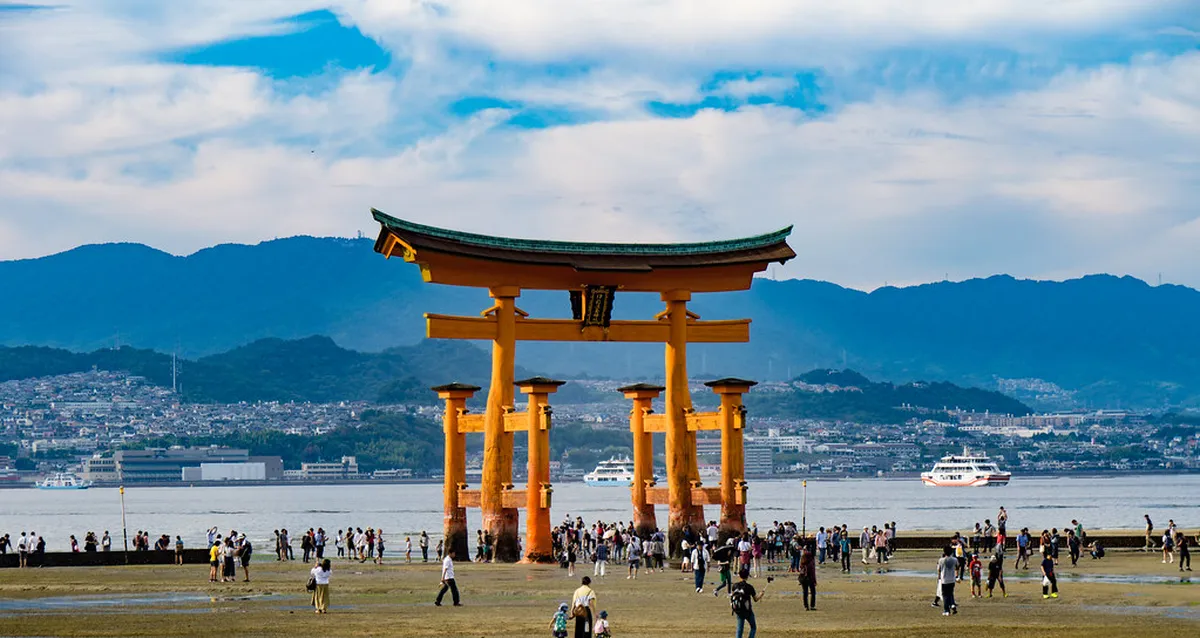
The main attraction is the Great O-torii Gate, which stands in the Seto Inland Sea. This massive wooden structure rises about 16.6 meters and weighs approximately 60 metric tons. It appears to float when the tide is high and can be approached on foot when the water recedes at low tide. It is a powerful symbol of the Shinto faith and one of the most photographed landmarks in Japan.
The shrine complex consists of several buildings connected by wooden boardwalks over the water. These bright red corridors extend roughly 275 meters in total and are themselves a designated National Treasure. The covered walkway — the kairo — has intentional gaps between the floorboards, designed to release water pressure during high tide and prevent the structure from being lifted. Each section of the shrine tells a story of ancient architectural skill working in harmony with the tidal environment.
Photography enthusiasts should look for the Mirror Pond (Kagami-ike) during very low tides. These small natural pools appear only when the water level falls to around 100 cm or below. In autumn, the full moon reflecting in their still surface creates an image that poets have written about for centuries. Plan to spend at least an hour wandering through the various prayer halls.
- The Great O-torii Gate — the eighth of its line, standing entirely under its own weight with no buried foundations. Free to view; walkable at tides below 100 cm.
- Main Sanctuary (Honden) — the spiritual heart of the complex. Entry ¥300 for adults, open 06:30 to 17:00–18:00 depending on season.
- The Five-Story Pagoda — a 1407 Buddhist structure sitting above the shrine on a forested hillside. Free to view from the exterior.
- Mirror Pond (Kagami-ike) — visible only at very low tides. Arrive in the afternoon when the western light turns the surface golden.
Museums, Art, and Culture in Itsukushima
Visit the Treasure Hall to see ancient artifacts donated by the Taira clan. This museum houses thousands of items including swords, masks, and sutras. Many of these pieces are designated as National Treasures of Japan. It provides deep insight into the samurai history that shaped this sacred island.
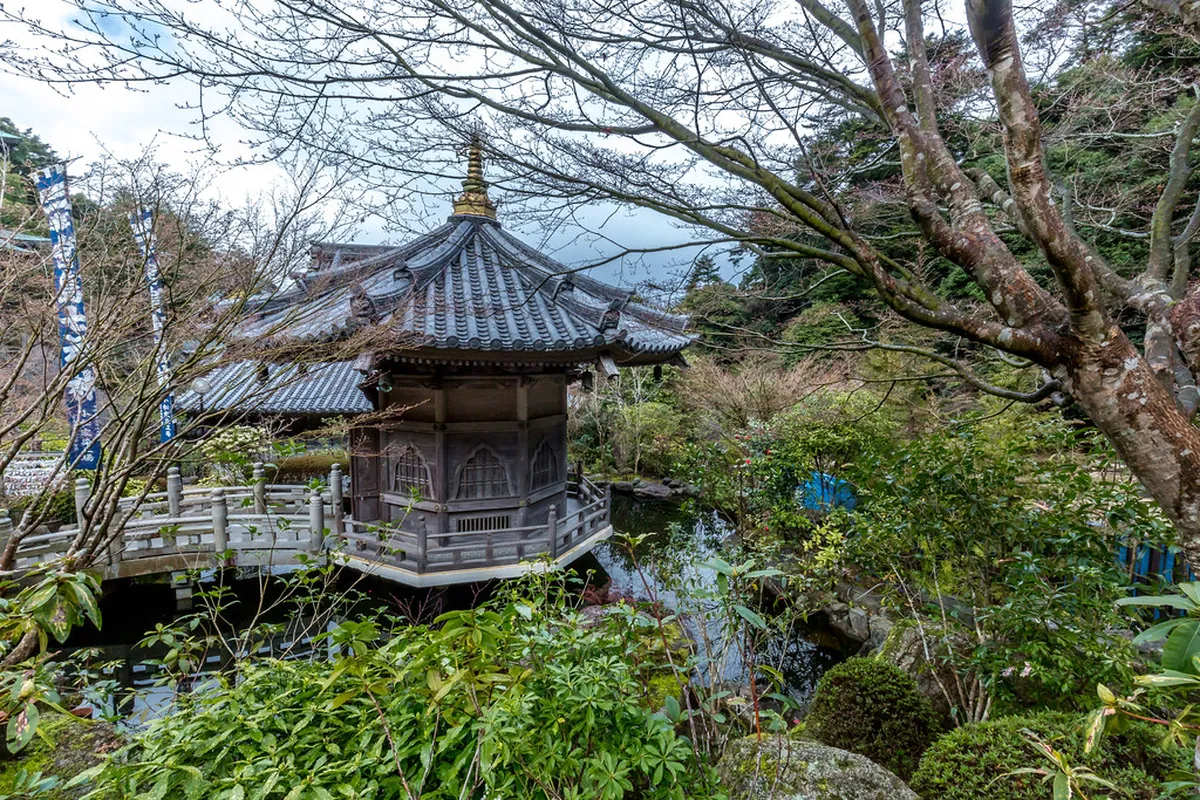
Daisho-in Temple sits further up the hill and offers a different cultural experience. You can spin the metal sutra wheels to receive blessings without reading the texts — each wheel is inscribed with Buddhist scripture and spinning it carries the same merit as reciting the passage. The temple grounds also feature hundreds of small stone statues with hand-knitted hats placed by visitors, and a cave lined with religious icons. It is a quiet place for reflection away from the main shrine crowds.
Near the center of the shrine grounds you will find the juyo-sho charm counter, stocked with a wide variety of omamori. The selection at Itsukushima Shrine is particularly rich because the three deities enshrined here — the Munakata Sanjoshin, three divine sisters — are associated with protection of women, children, and safe travel. Academic success charms cost ¥300 and come in five colors. Safe childbirth charms are also popular given the shrine's female deities. These fabric pouches make more meaningful souvenirs than mass-produced keychains.
- Itsukushima Treasure Hall — admission ¥300. Combined ticket with the shrine is ¥500. Allow 30 minutes.
- Daisho-in Temple — free entry, about a 15-minute walk uphill from the ferry pier. The sutra wheel steps alone are worth the walk.
- Shrine charm counter — omamori from ¥300. Cash only throughout the island.
Parks, Gardens, and Outdoor Spots in Itsukushima
Momijidani Park is a stunning natural space located at the foot of Mount Misen. It is most famous for its maple trees that turn bright red in late autumn. You can enjoy a peaceful walk along the river and cross charming red bridges. This park serves as the gateway to the island's hiking trails and to the ropeway base station.
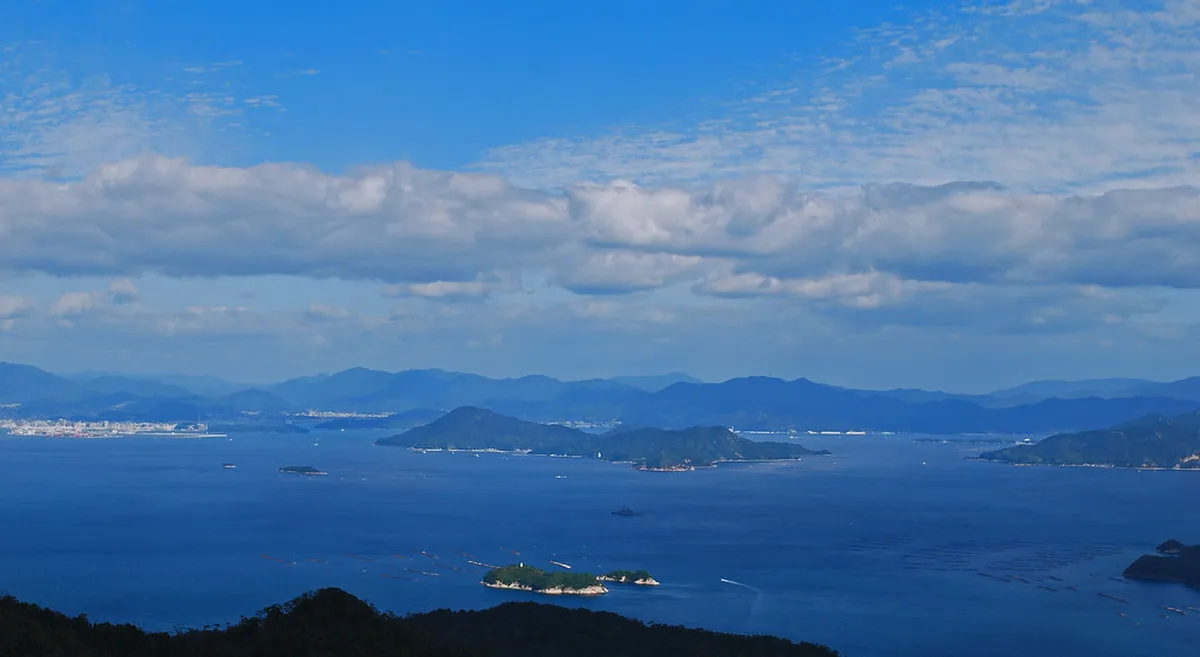
Mount Misen offers the best panoramic views of the Seto Inland Sea. You can take the Miyajima Ropeway to reach the upper stations easily. The cable car ride takes about 20 minutes to Shishi-iwa Observatory; the mountain's highest point is a further 30-minute walk. Adult tickets cost ¥1,100 one-way or ¥2,000 return. Active travelers may prefer to hike one of the three trails — the Momijidani Course, the Daisho-in Course, or the Omoto Course — each taking about 1.5 to 2 hours one-way.
At the summit, look for the Reikado Hall housing a flame said to have burned continuously since the monk Kobo Daishi lit it in the early 9th century. This same flame was used to light the Flame of Peace in Hiroshima's Peace Memorial Park. Always carry water and wear sturdy shoes for the steep sections. The views from the top are worth every bit of effort during your visit.
- Momijidani Park — free entry. Most spectacular in November during autumn foliage season.
- Mount Misen Summit — 535 meters. Ropeway ¥2,000 return. Three hiking trails from the town, 1.5–2 hours each.
- Reikado Hall — the eternal flame that has burned for over 1,200 years. Free to view.
Family-Friendly and Budget-Friendly Options in Itsukushima
Children will love meeting the wild deer that roam freely around the town. These animals are considered sacred messengers and are generally very friendly. Be careful with food or paper maps as the deer may try to eat them — the resident deer have a well-known fondness for paper, including tickets and travel documents. They provide wonderful photo opportunities for families exploring the waterfront.
Eating street food is a great way to save money while trying local flavors. Look for Momiji Manju, which are maple leaf-shaped cakes filled with sweet bean paste. You can also find grilled oysters and fish cakes along the busy Omotesando shopping street. These snacks are affordable and perfect for a quick lunch on the go at 200 to 600 Yen per item.
Miyajima Aquarium (Miyajimarin) near the ferry terminal is a good rainy-day option for families with young children. It offers free stroller rentals, which is useful after a long morning of walking. Walking the island costs nothing and allows you to see many hidden corners. Many of the best viewpoints are accessible via free public paths, making it easy to have a full day of adventure without spending much money.
How to Plan a Smooth Itsukushima Attractions Day
Tide level 250 cm or above creates the famous floating effect; 100 cm or below lets you walk out to the torii gate base. Both conditions typically occur within the same day, roughly 6 hours apart — check the official Miyajima tide calendar before booking your ferry.
Checking the tide tables is the most important step for a successful trip. You should visit the official Miyajima website to see daily tide levels. A water level of 250 cm or above creates the famous floating effect where the shrine and torii appear to rise from the sea. A level of 100 cm or below reveals the sandy seabed and lets you walk out to the Great Torii gate. High tide and low tide are typically about six hours apart, making it possible to experience both in a single visit if you plan your arrival time carefully.
Arriving early in the morning helps you avoid the largest tour groups. Most ferries begin running before 07:00 for early risers. You can enjoy the quiet atmosphere of the shrine before the shops open at 09:00. Weekday afternoons between 14:00 and 16:00 tend to be the least crowded times on the shrine boardwalk if an early start is not possible.
Allow at least six hours to see the main sites without rushing. If you plan to hike Mount Misen, dedicate a full day to the island. Pack a light jacket as the wind can be cool near the water even in summer. When walking the exposed seabed at low tide, be aware that the sand and mud near the torii base can be slippery with seaweed. Flat shoes or sneakers are strongly recommended throughout — the intentional gaps between the shrine's boardwalk planks make heeled footwear hazardous.
A day trip to Miyajima Island
A ¥100 visitor tax is collected separately on arrival at Miyajima — cash and some IC cards only, no credit cards. The shrine's own admission booth is also cash-only, so carry small bills and coins before boarding the ferry.
Most visitors travel from Hiroshima to reach the island ferry terminal. You can take the JR Sanyo Line from Hiroshima Station to Miyajimaguchi Station, a journey of about 25 minutes costing ¥420. This leg is covered by the Japan Rail Pass. From there it is a five-minute walk to the ferry piers.
The JR West Miyajima Ferry departs every 15 minutes from 06:25 to 22:42 and takes 10 minutes to cross. JR Pass holders ride the ferry for free. The route passes close to the Great Torii gate, giving you an excellent first view from the water. Matsudai Ferry also operates the same crossing; it is not covered by the JR Pass but is slightly cheaper at around ¥200 per person. A separate ¥100 visitor tax per person is now collected on the island — introduced in October 2023 — so budget for this on top of your ferry fare.
| Route | Travel time | Cost | JR Pass? |
|---|---|---|---|
| Hiroshima Station → Miyajimaguchi (JR Sanyo Line) | ~25 min | ¥420 | Yes |
| Miyajimaguchi → Miyajima (JR West Ferry) | 10 min | ¥200 one-way | Yes (free) |
| Miyajimaguchi → Miyajima (Matsudai Ferry) | 10 min | ~¥200 one-way | No |
| Peace Memorial Park → Miyajima (sightseeing boat) | ~45 min | Higher fare | No |
| Miyajima visitor tax (island entry) | — | ¥100 per person | No |
You can also take a direct sightseeing boat from the Peace Memorial Park for a higher fee. The journey takes about 45 minutes and provides a scenic river cruise through Hiroshima before reaching the sea. There are 17 round trips per day. This option is not covered by the JR Pass, so it costs more than the train and ferry combination, but it is popular with travelers who want to combine both landmarks without backtracking.
How to get to Miyajima from other major cities
Miyajima is most conveniently accessed via Hiroshima, which sits on Japan's Sanyo Shinkansen line. From Tokyo, take the Tokaido Shinkansen to Shin-Osaka, then transfer to the Sanyo Shinkansen to Hiroshima — the full journey runs about four hours by Nozomi. From Kyoto, the same Sanyo Shinkansen option applies; total travel time is roughly two hours 30 minutes. All Shinkansen legs are covered by the Japan Rail Pass.
From Osaka, the Sanyo Shinkansen runs directly to Hiroshima in about 85 minutes. From Fukuoka (Hakata), catch the Sanyo Shinkansen eastbound; the ride to Hiroshima takes about 50 minutes. Once in Hiroshima, the Miyajimaguchi ferry port is a single JR Sanyo Line journey away, making the onward connection straightforward for day-trippers arriving from any of these cities.
Staying overnight on Miyajima
Spending a night on the island is one of the most rewarding upgrades a traveler can make. After the last ferries thin out and the day-trip crowds depart, the shrine and torii gate enter an entirely different atmosphere. The Great Torii is illuminated from sunset until around 23:00 each evening, and seeing its red lacquer reflected on the dark water with almost no one else around is a markedly different experience from the midday rush.
A handful of ryokan and guesthouses operate on the island, ranging from budget tatami guesthouses to high-end Japanese inns with multi-course kaiseki dinners. Booking 2026 dates well in advance is essential; the island's accommodation capacity is genuinely small. Overnight guests also benefit from access to the natural hot springs (onsen) available at several of the larger ryokan. Starting your morning with the shrine before the first ferry arrives — well before 08:00 — means you may have the covered walkway largely to yourself.
What first-time visitors often miss
Most visitors focus on the tide and the torii, but the coins wedged into the wooden pillars of the Great Torii gate are easy to overlook. At low tide, you can walk right up to the base of the pillars and see the coins pressed into the cracks by previous visitors for good luck — a tradition that predates recorded history on the island. The current gate is the eighth in a line dating back to at least the 12th century, yet this small folk practice has persisted across every iteration.
Many visitors also overlook the ¥100 visitor tax collected as you arrive on Miyajima. It was introduced in October 2023 and is separate from your ferry ticket. The tax booths accept cash and some IC cards, but not credit cards — same as the shrine's own admission booth. Carry small coins and bills from the moment you board the ferry to avoid awkward scrambling on the pier.
The shrine's opening hours shift by season. From March through mid-October the inner shrine is open until 18:00, but from December through February it closes at 17:00. If you are aiming for a late-afternoon visit to catch the golden-hour light on the torii, confirm the closing time before booking your ferry. Arriving even 30 minutes before closing is enough to walk the kairo boardwalk, but the ticket booth closes five minutes earlier than the stated time in practice.
The Kangen-sai Festival: Miyajima's Floating Music Ritual
Kangen-sai is Itsukushima Shrine's oldest surviving ritual, staged in its current form since Taira no Kiyomori's 12th-century rebuilding of the shrine as a way to entertain its deities with gagaku, the court music and dance still preserved by imperial tradition today. The festival follows the old lunar calendar rather than a fixed Gregorian date, so it falls in summer each year — typically late July to mid-August — with the exact evening confirmed by the shrine only a few months ahead.
Three ornately decorated boats, each towing a smaller vessel carrying gagaku musicians, are rowed out from the shrine's boat storage, cross the bay toward Nagahama, pass Hiroshima's Ono Port, and then time their return through the Great O-torii Gate to coincide with the evening high tide — the same 250 cm-plus level described above under Good to know, since a low tide would leave the boats stranded on the seabed before they can pass beneath the gate. Lanterns are lit along the boardwalk as the fleet comes back after dark, and the corridors stay open later than usual for the occasion.
Anyone hoping to see it should treat it as a separate trip from an ordinary visit: ferries, the boardwalk, and every room on the island fill up months in advance, and the crowds are noticeably heavier than during the autumn foliage peak. Checking the tide and lantern-lighting times against the tide calendar for the floating torii gate before booking transport is the most reliable way to plan a visit around it.
Why Itsukushima Shrine Is One of Japan's Most Iconic Sites
Itsukushima Shrine holds a special place in the hearts of the Japanese people. It was established over 1,400 years ago and its current form was commissioned by the powerful warlord Taira no Kiyomori in the late Heian period, around 1168. The shrine was built in shinden-zukuri style — the elegant aristocratic residential architecture of the Heian era — and nearly every structure within the grounds is designated either a National Treasure or an Important Cultural Property of Japan.
The shrine is a recognized UNESCO World Heritage site, inscribed in 1996 for its cultural value and its unique harmony with the tidal environment. It represents the ancient Japanese tradition of worshipping mountains and the sea. The entire island is regarded as sacred in the Shinto religion, which is why the shrine was built on the water rather than on the land itself. This reverence extends to the deer, who have wandered freely on the island as sacred messengers for centuries.
Today, it remains one of the Three Most Scenic Views in all of Japan, a designation it has held since 1643, alongside Matsushima Bay in Miyagi and Amanohashidate in Kyoto. Millions of people visit each year to experience its timeless beauty and spiritual energy. Whether you are interested in history or photography, the shrine offers something that is genuinely difficult to find anywhere else in the world.
The History of Itsukushima Shrine and Taira no Kiyomori's Legacy
The shrine's origins predate its famous pier design by centuries. Local tradition credits its founding in 593 to Saeki no Kuramoto, though the buildings visitors see today date to 1168, when Taira no Kiyomori — then governor of Aki province and one of the most powerful warlords of the late Heian period — rebuilt the complex as his clan's dedicated place of worship. Kiyomori chose to raise the halls and the torii over the tidal flats rather than on land because the island itself was considered too sacred to disturb with construction, burial, or farming; commoners were traditionally required to approach by boat rather than set foot on the shoreline.
The architectural style is known as shinden-zukuri, a residential layout borrowed from Heian-period aristocratic mansions and adapted here for worship — open-sided halls linked by covered corridors, built low and wide rather than tall, so the complex reads as part of the seascape rather than apart from it. The vermilion lacquer coating the pillars and beams is not purely decorative: the pigment was historically valued for helping protect the timber from rot and insects in a structure that spends part of every day submerged in saltwater.
Fires and typhoons have forced repeated rebuilding over the centuries, including major corridor repairs after a 2004 typhoon, but the layout has stayed faithful to Kiyomori's 12th-century plan. UNESCO recognized the shrine as a World Heritage Site in 1996, citing this fusion of natural setting and Heian-era design. For the fuller historical record, the Wikipedia entry on Itsukushima Shrine catalogs the full sequence of reconstructions.
Nearby attractions
After your island visit, explore the historic sites in the city center. The Peace Memorial Park is a must-see for every visitor to the region. It offers a somber and educational look at the events of 1945. The park is a beautiful space dedicated to global peace and reflection.
You might also enjoy visiting the reconstructed Hiroshima Castle nearby. The castle grounds are perfect for a late afternoon walk among the trees. Inside the main tower, you will find a museum about samurai culture and city history. The top floor offers great views of the modern skyline.
For a peaceful end to your day, stop by the Shukkeien Garden. This traditional landscape garden features miniature forests, valleys, and tea houses. It is a quiet oasis that feels far away from the busy city streets. The paths are easy to walk and very well maintained.
Frequently Asked Questions
Can I walk up to the Great Torii gate?
Yes, you can walk to the base of the gate during low tide. Check the tide tables to find when the water is below 100cm. This allows you to see the massive wooden pillars and coins tucked into the cracks for good luck.
When does the shrine look like it's "floating"?
The shrine appears to float when the tide level reaches 250cm or higher. This usually happens twice a day during high tide. It is the most popular time for photography as the water reflects the bright red buildings beautifully.
Can I visit the shrine at night?
The shrine buildings close in the evening, but the island remains open. The Great Torii gate and shrine are illuminated every night until 11:00 PM. You can take a boat cruise or walk along the shore to see the lights.
What is the admission fee for Itsukushima Shrine?
The entry fee for the main shrine is 300 Yen for adults. If you wish to visit the Treasure Hall as well, a combo ticket is available for 500 Yen. Most locations on the island prefer cash payments over credit cards.
A visit to Itsukushima Shrine is an essential part of any trip to Hiroshima. This itsukushima shrine (miyajima) visitor guide has provided the tools you need for a memorable journey. From the floating gate to the mountain peaks, the island offers endless beauty. You will leave with a deeper appreciation for Japanese culture and history.
Remember to plan around the tides to see both faces of the shrine. Whether you are hiking Mount Misen or eating street food, Miyajima will capture your heart. Take your time to soak in the peaceful atmosphere of this sacred island. Safe travels as you explore one of the most iconic sites in the world.
Plan your wider Hiroshima trip: see our Hiroshima attractions guide, Hiroshima itinerary, Miyajima day-trip guide for routing, pacing, and what to slot in alongside this stop.

