

Zeniarai Benzaiten Ugafuku Shrine sits in a narrow hidden valley about a 20-minute walk from Kamakura Station. Entry is free, the grounds are open daily 08:00–16:30, and the cave spring where visitors wash money for good fortune has operated continuously since the 12th century. Almost no other shrine in Japan offers this particular ritual, which makes it one of Kamakura's most distinctive stops in 2026.
The shrine blends Shinto and Buddhist traditions. Its full name reflects its two presiding deities: Benzaiten, the goddess of water and arts, and Ugafuku (Ugajin), the snake-headed water spirit who revealed the spring's location through a dream. Understanding both figures helps you navigate the complex correctly and perform the ritual with the right sequence of stops.
The Legend and History of Zeniarai Benzaiten
In 1185, at the precise moment when the year, month, day, and hour all fell on the sign of the Snake, Minamoto no Yoritomo had a dream. The deity Ugajin appeared and instructed him: find the spring water rising from the stone cliffs of Sasukegayatsu Valley, and if you worship there, a time of peace will come. Yoritomo followed the vision, found the spring, and built a small shrine on the spot.
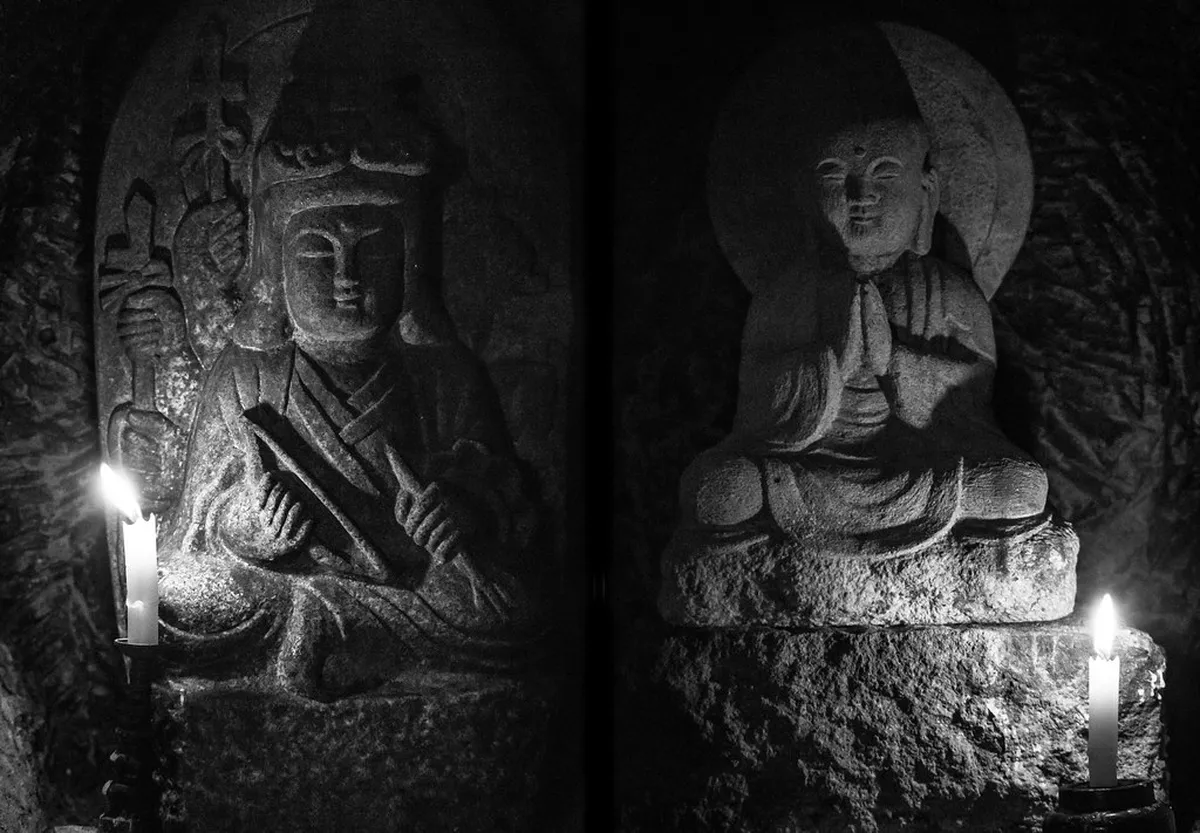
Over seven decades later, in 1257 — again in the Year of the Snake — Hojo Tokiyori, the fifth regent of the Kamakura Shogunate, washed coins in the spring and prayed for his family's prosperity. His act transformed the site from a peace shrine into a money-blessing destination. This is considered the direct origin of the coin-washing tradition that visitors still perform today.
The quadruple Snake alignment (year, month, day, hour) is not superstition for its own sake. It marks the holiest timing in the shrine's calendar because Ugajin manifests as a snake deity. Yoritomo's dream occurring at that exact convergence was understood as a direct divine summons, which is why the shrine retains exceptional spiritual authority over financial matters even among Kamakura's many competitors.
Today the shrine remains a place of active worship alongside tourism, reflecting the layered religious history of Kamakura. The original spring still flows inside the cave, unchanged from the one Yoritomo found.
The Deities: Benzaiten and Ugafuku
The shrine enshrines two distinct deities across its two main worship spaces, and visiting both in the correct order matters for the ritual. The Main Shrine honors Ichikishima Hime no Mikoto, the aspect of Benzaiten associated with water, music, and eloquence. She is one of the Seven Lucky Gods (Shichifukujin) and is widely venerated across Japan, but her presence here carries a specifically financial dimension because of the site's history.
Deep inside the cave, the inner sanctuary (Okunomiya) houses Ugafuku — Uga no Mitama — a deity depicted as a snake with a human head. Ugafuku governs rice harvests and water abundance, associations that translate culturally into financial sufficiency. The cave spring flows at the feet of this deity, making the washing ritual an act of direct supplication rather than a generic good-luck gesture.
Benzaiten and Ugafuku are often depicted together in Japanese iconography, especially at sites where water and wealth intersect. At this shrine, the spatial arrangement reinforces their roles: you pray to Benzaiten in the open air of the main compound, then descend into Ugafuku's cave for the water ritual. Skipping the main shrine and heading straight to the cave misses this intentional theological sequence.
How to Get to the Shrine from Kamakura Station
Leave through the West Exit of JR Kamakura Station and follow Route 32 toward Sasuke. The walk takes around 20 minutes along narrow residential streets that climb gradually toward the surrounding hills. Signs in Japanese and English appear at key turns, but the route is well worn and most walkers navigate it without difficulty.
The most distinctive landmark is the tunnel entrance cut directly into a rock face. Walking through this low stone passage — about three meters long and lit by a single overhead light — is the clearest signal that you have arrived. Beyond the tunnel, a torii gate leads into the shrine valley, and the atmosphere shifts noticeably from the surrounding suburban streets.
Before entering the tunnel, wash your hands at the chozuya (water ablution basin) on the left. This purification step is standard at Shinto sites and appreciated here even when the site is busy. Taxis from Kamakura Station reach the trailhead in roughly five minutes if the uphill walk is a concern.
If you are planning a combined morning of sightseeing, starting at Tsurugaoka Hachimangu and working west toward Zeniarai Benten is a manageable route that keeps you off the busiest tourist streets. The Sasuke Inari Shrine is a five-minute walk from Zeniarai Benten and worth adding to the same half-day itinerary.
The Money-Washing Ritual: A Step-by-Step Guide
Go first to the shrine office kiosk just inside the valley. For ¥200 you receive a candle, an incense stick, and a bamboo basket to hold your money during the washing. The basket loan itself is free; the ¥200 covers the ritual consumables. Bring both coins and at least one banknote — washing a mix is common practice.
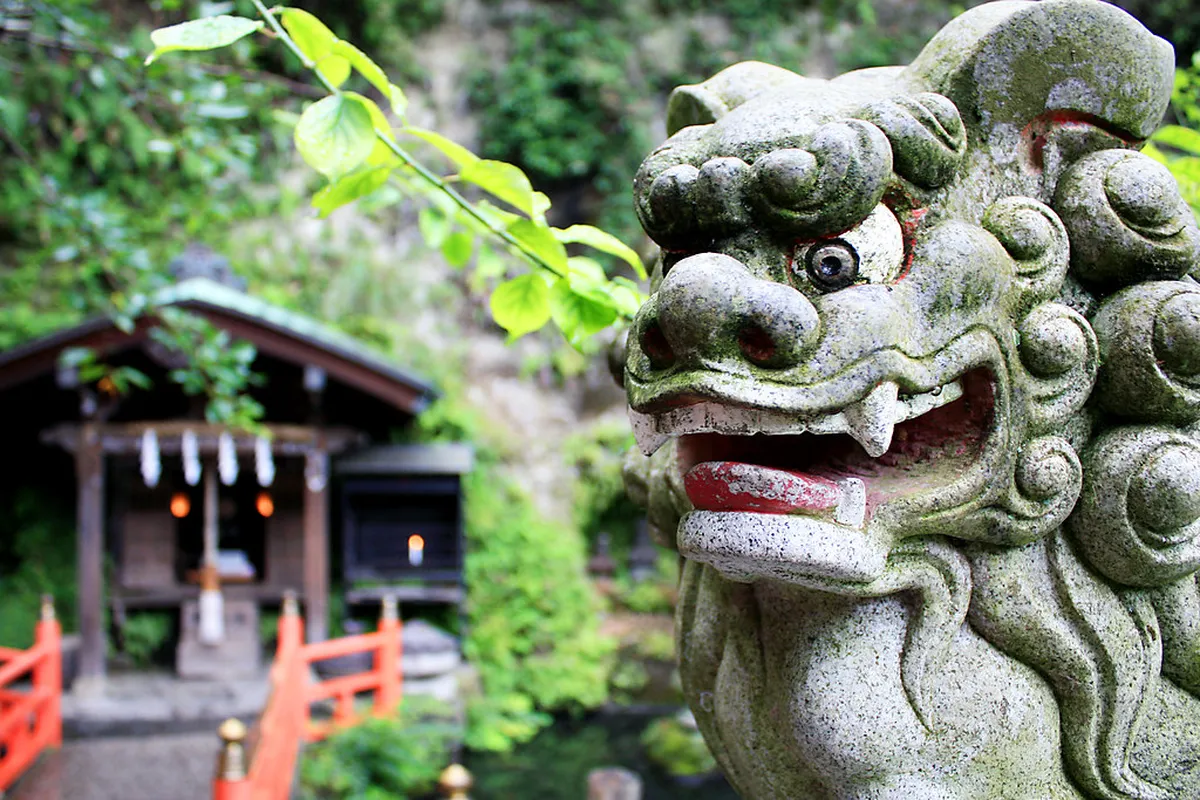
Light your candle from the large communal flame at the candle stand near the Main Shrine, then impale it on one of the spikes provided. Light your incense stick from the candle, place it in the large incense burner, and wave the smoke toward yourself for purification. When that is done, clap twice and offer a brief prayer at the Main Shrine before moving into the cave.
Once inside the cave, stop first at the Okunomiya sub-shrine on the right before you reach the spring. This is a step many first-time visitors overlook entirely, but the correct sequence asks you to greet Ugafuku here before handling the water. A brief bow and a coin in the offering box is sufficient.
Then move to the spring at the back of the cave. Place your money in the bamboo basket and use the wooden ladle to pour two to five scoops of sacred water over it. Hold the basket steady with one hand and ladle with the other; kneeling is typical and appropriate given the low ceiling. After washing, dry your money carefully with a personal towel — the shrine does not provide drying cloths — and return the basket to the designated rack inside the cave before leaving.
The correct ritual sequence matters: visit the Main Shrine first, then stop at the Okunomiya sub-shrine inside the cave before moving to the spring. Skipping the Okunomiya is the most common first-timer mistake. Bring your own small towel or handkerchief — the shrine does not supply drying cloths at the cave spring.
The Three Sacred Sub-Shrines Inside the Complex
Beyond the Main Shrine and the cave spring, the compound holds three smaller sub-shrines that most visitors skip because they are not marked in English. Taking five minutes to visit them completes the intended circuit of the grounds. The Navitime guide and the original shrine literature both describe them as essential stops rather than optional extras.
Shichifuku-jinja enshrines the Seven Deities of Good Fortune, including Daikokuten, Benzaiten, and Bishamonten. It is positioned for business owners and entrepreneurs to pray for commercial prosperity, and the small carvings of the seven figures are among the finest detail work in the compound.
Shimonomizu-jingu and Kaminomizu-jingu are both dedicated to Mizuhanomeno-kami, the deity of water who acts as guardian of the sluice gate for the entire shrine. Shimonomizu-jingu sits at the lower water level; Kaminomizu-jingu is set higher, with the deity figure appearing to press flat against the rock face — an unusual and striking piece of sacred architecture. Both shrines protect the spring's flow and are worth a moment of respect before you exit.
When to Visit: Snake Days and Crowd Patterns
The most auspicious days to visit are Mi-no-Hi, the Days of the Snake on the traditional Japanese zodiac calendar. These occur roughly every twelve days throughout the year, meaning you will encounter several during any month-long stay in Japan. On these days, local worshippers arrive in noticeably larger numbers from early morning, and the cave queues can stretch back through the tunnel by 10:00. The atmosphere is livelier and more devotional than on an ordinary weekday, which some visitors find worthwhile even with the wait.
For a quieter visit with shorter cave queues, arrive before 09:00 on any weekday that does not fall on Mi-no-Hi. The grounds are open from 08:00 and the ritual can be completed in under 30 minutes at that hour. Weekend afternoons are the most congested period of all regardless of zodiac timing, so avoid them if solitude matters to you.
The shrine is open year-round and there is no seasonal closure. Late autumn foliage in November softens the valley light and makes photography easier. Summer mornings are pleasant but the uphill walk from the station becomes uncomfortable by midday heat, so 08:00–09:30 is the practical sweet spot in July and August.
On Mi-no-Hi (Days of the Snake, roughly every 12 days), cave queues can stretch back through the rock tunnel by 10:00. Weekend afternoons are the most congested period regardless of zodiac timing. For a quieter ritual, arrive before 09:00 on a non-Snake weekday — the cave is often near-empty at opening.
Local Traditions: The Nasu Mamori and Lucky Charms
The most distinctive charm sold here is the Nasu Mamori, a small purple eggplant amulet. In Japanese, "nasu" (eggplant) shares a sound with "nasu" (to accomplish), so the charm carries a connotation of achieving your goals rather than merely wishing for luck. It is specific to Zeniarai Benten and not widely available elsewhere in Kamakura, which makes it a more meaningful souvenir than generic omamori charms.
White snake charms and small gold mallet figures are also available. White snakes are sacred to Benzaiten across Japan and symbolize financial protection; the gold mallet references Daikokuten, the most commercially-minded of the Seven Lucky Gods. The shrine office stocks a modest selection, so do not expect a large gift shop.
Ema wooden votive plaques are available near the office. Writing a financial wish on one and hanging it near the main shrine building follows standard Shinto practice. If you draw an omikuji fortune slip and it is unfavorable, tie it to the designated wire rack inside the grounds rather than taking it with you — this is the convention at this shrine specifically.
Essential Visitor Tips and Etiquette
The central question visitors ask is whether to spend the washed money afterward. Local tradition and the shrine's own written guidance both point the same direction: spending it circulates the blessing outward and is believed to generate a return. Keeping a single washed coin in your wallet as a permanent charm is a parallel and equally valid practice. Hoarding all of it without spending contradicts the spirit of the ritual according to most Japanese who practice it regularly.
Bring your own small towel or handkerchief for drying money after the cave ritual. This is standard etiquette at Japanese shrines and onsen alike, and the shrine does not supply drying materials at the spring. A ¥1,000 note will air-dry to a usable state quickly, but coins take longer and benefit from a quick pat-down.
The cave ceiling is low in places. Tall visitors should watch their footing on the uneven stone floor and duck at the entrance arch. Photography inside the cave is generally tolerated but not encouraged; prioritize the ritual sequence over getting a shot. Mobile phones and cameras held up in the queue significantly slow everyone behind you.
Children can participate in the ritual without restriction, and many local families bring young children specifically to introduce them to the tradition. The grounds are compact and manageable for small children, though the uphill walk from the station requires a stroller-capable path that is not guaranteed on all sections of the route. For more on the city's family-friendly historic sites, see the Kamakura attractions hub.
Nearby: Sasuke Inari Shrine and the Walk Back to Town
Sasuke Inari Shrine is a five-minute walk north of Zeniarai Benten along a wooded trail. The path is clearly marked and well shaded. The shrine is known for its rows of small fox statues and red torii gates, and unlike the money shrine it receives very few foreign visitors, giving it a quieter and more intimate atmosphere even on busy Kamakura weekends.
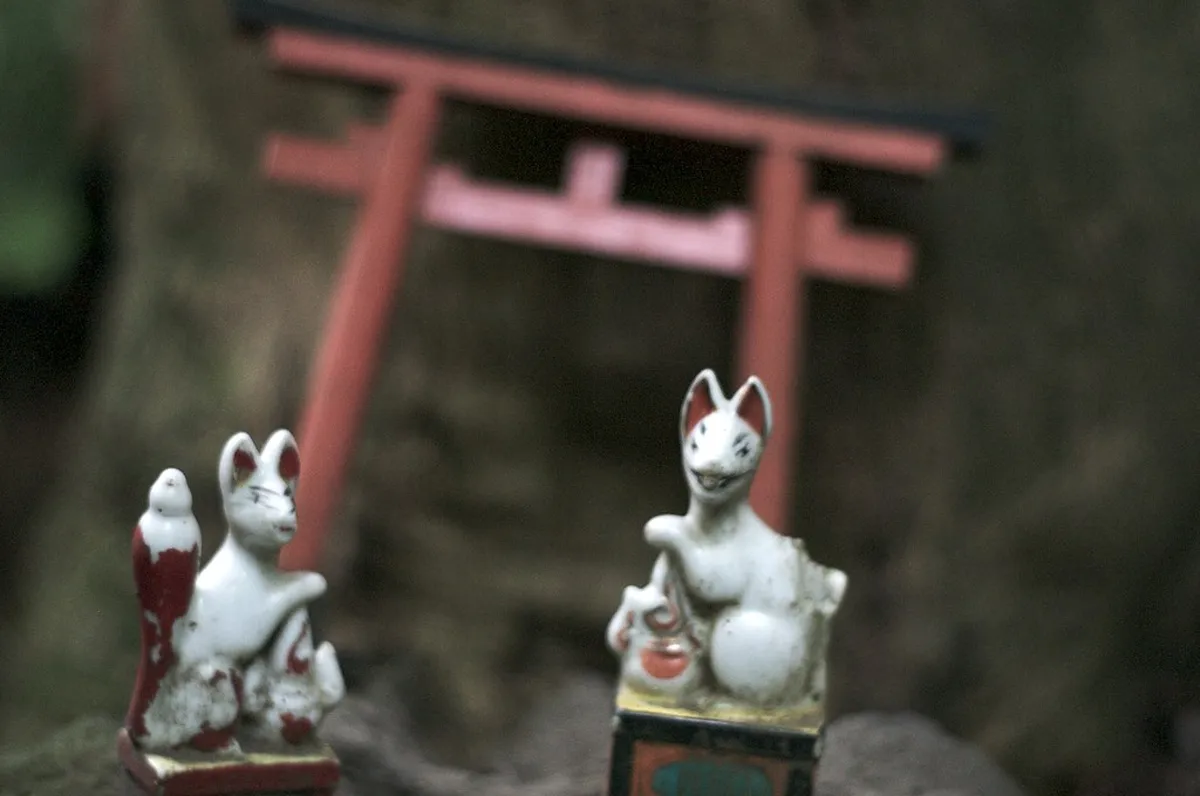
Legend connects Sasuke Inari to Minamoto no Yoritomo as well: the fox spirits here are said to have helped him achieve political victory during his rise to power. The two shrines sit within the same Sasukegayatsu Valley system and share a historical axis, so visiting both in one morning gives a coherent picture of early Kamakura religious geography.
Walking back toward the station from Sasuke Inari takes about 15 minutes through a different residential route, giving you a loop rather than a backtrack. The route passes small bakeries and a few traditional sweets shops that sell Kamakura specialties worth stopping for. From the station, the Enoden (Enoshima Electric Railway) connects quickly to Komachi Street and the eastern temples if you want to extend the day.
Frequently Asked Questions
How do you wash money at Zeniarai Benzaiten?
Place your coins or bills into a rented bamboo basket and pour sacred spring water over them using a wooden ladle. Most people splash the money three times while offering a silent prayer for prosperity. Be sure to dry your currency carefully with a personal towel afterward. For more tips on city highlights, see our Kamakura guide.
Is Zeniarai Benzaiten Shrine worth visiting?
Yes, it is one of the most unique and interactive shrines in Japan due to its cave-based money-washing ritual. The walk through the stone tunnel entrance and the beautiful valley setting provide a memorable experience. It offers a great break from the more standard temple architectures found elsewhere in the city.
Should you spend the money you wash at Zeniarai Benten?
Most local traditions suggest that spending the washed money helps circulate good fortune and wealth. Some people choose to spend it on something significant, like a gift or a special meal, to start the flow of luck. However, keeping a single washed coin in your wallet as a lucky charm is also a popular choice.
How far is Zeniarai Benzaiten from Kamakura Station?
The shrine is approximately a 20-minute walk from the West Exit of Kamakura Station. The route involves some uphill sections as you move toward the hills surrounding the city. Taxis are available at the station if you prefer to avoid the climb, taking only about five minutes to reach the entrance.
Zeniarai Benzaiten Ugafuku Shrine earns its reputation as one of Kamakura's most unusual free attractions. The tunnel entrance, the cave spring, the dual deities, and the active money-washing tradition combine into an experience with no direct equivalent elsewhere in Japan. Open daily 08:00–16:30 with free entry and a ¥200 ritual kit, it fits easily into any Kamakura itinerary without logistical complexity.
Pair it with Sasuke Inari Shrine for a satisfying half-day loop through the western hills, and finish the walk back toward Yuigahama Beach or Komachi Street to round out the day. The washed money you spend afterward may or may not multiply — but the valley itself is genuinely worth the uphill walk.
For more Kamakura planning, see our Things to do in Kamakura, Kamakura hiking trails guide, and Kamakura experiences guides.