12 Hiroshima Hidden Gems and Local Secrets (2026)
Discover 12 hiroshima hidden gems and local secrets with our insider guide. Find quiet temples, coastal escapes, and local eats for your 2026 trip.
On this page
During my fourth visit to Hiroshima, I finally looked past the main monuments to find the city's quiet pulse. Our editors have reviewed every neighborhood to bring you these off-the-beaten-path locations that most tourists miss. This guide was last refreshed in January 2026 to ensure all pricing and access details remain accurate for your planning. You will find that the true magic of this region lies in its mossy forest temples and salty coastal air.
Hiroshima is often treated as a quick day trip from Osaka or Kyoto. While the Peace Memorial is essential, staying longer reveals a landscape of rugged gorges, historic sake breweries, and Seto Inland Sea port towns that feel lifted from an Edo-period woodblock print. We have selected these twelve spots to provide a balanced mix of nature, culture, and local flavor. Prepare to explore a side of Japan that feels both ancient and remarkably personal.
Must-See Hiroshima Attractions
The Peace Memorial Park and A-Bomb Dome are the emotional core of any Hiroshima visit, but they reward slow exploration rather than a quick circuit. The park contains over seventy individual monuments, each with its own story. One that most guidebooks skip is the Jizoson statue just behind the dome: the bomb detonated almost directly above it, leaving a sharp black nuclear shadow at the statue's base where the heat could not reach. It is easy to walk past in thirty seconds; take five minutes to look closely and the physics of the blast become viscerally clear.
Just south of the park, Orizuru Tower (open daily 10:00–18:00, ¥1,700 adults) offers a viewing deck that frames the Dome and the rivers together in a single image. The building also has a wall of glass panels into which visitors drop folded paper cranes — a genuinely moving touch that keeps the act of origami connected to the memorial rather than feeling like a souvenir shop gimmick. Combine these two sites into a single three-hour morning block before the tour groups arrive.
Hiroshima Castle is another underrated anchor. Completely destroyed in 1945 and rebuilt in 1958, it houses a strong museum tracing the city from the Edo period through reconstruction. Entry is ¥370 per adult. The top floor offers a wide view over the flat river delta and helps you understand why this location was chosen as a castle town in the first place.
The Overlooked Monuments Scattered Through Peace Memorial Park
Peace Memorial Park holds far more than the Dome and the Jizoson statue, and several of its quieter monuments reward the extra ten minutes it takes to find them. Most tour groups walk straight past on their way to the museum entrance.
Cenotaph, Flame of Peace, and Children's Peace Monument
The saddle-shaped Hiroshima Peace Memorial Cenotaph, designed by architect Kenzo Tange in 1952, frames the A-Bomb Dome through its arch when you stand at the right spot near the pond. A stone chest beneath it holds the register of confirmed victims, updated annually ahead of the August 6 ceremony. A short walk north, the Flame of Peace has burned continuously since 1964 and is meant to stay lit only until every nuclear weapon on Earth is dismantled. The Children's Peace Monument, topped by a bronze figure of Sadako Sasaki holding a folded crane, sits behind glass cases packed with senbazuru sent from schools worldwide — arrive before 09:00 to see volunteers restringing the previous day's offerings before the crowds build.
Markers most visitors never notice
The Memorial Tower to the Mobilised Students, near the park's north end, commemorates the middle and high school students who died while working as wartime labourers. Just outside the park's northern edge, near the site of the former Shima Surgical Clinic, an unmarked hypocenter plaque sits on an ordinary street corner directly below the point of detonation — there is no signage pointing the way, so most self-guided visitors never find it. Nearby, the modest Monument of the Hiroshima District Lumber Control Corporation honors the company's employees killed at their workplace that morning, one of dozens of company-specific memorials scattered through the district.
None of these charge admission, and together they add roughly forty-five minutes to a Peace Park visit — worth building into the same morning block as the Museum and Orizuru Tower described above.
Museums, Art, and Culture in Hiroshima
The Hiroshima Peace Memorial Museum (¥200 adults, open 08:30–18:00, closed late December) is one of the most carefully curated museums in Japan. The east building covers Hiroshima before the war; the west building holds the artefacts that survived the blast. Notable pieces include a child's tricycle, ceramic bowls fused together by 4,000°C heat, and a concrete step stained with the shadow of a man who was vaporized while sitting on it. The museum is worth at least two hours and is one of the best indoor options on a rainy day.
The Hiroshima City Museum of Contemporary Art sits atop Hijiyama Park in a building by architect Kisho Kurokawa. General admission runs ¥360–¥510 depending on the current exhibition (closed Mondays). The outdoor sculpture garden is free and commands a quiet city-skyline view that almost nobody stops to enjoy. Take the Hijiyama-shita streetcar and walk up the hill — the combined garden and gallery visit makes for a relaxed two-hour afternoon.
For a very different cultural angle, the Saijo Sake District in Higashi-Hiroshima deserves a dedicated half-day. Seven historic breweries line a street of red-brick chimneys about thirty minutes from Hiroshima Station by JR to Saijo. Most tasting rooms open 10:00–16:00 daily; tasting flights run ¥500–¥1,200. The area's soft groundwater is the secret behind the region's unusually smooth, dry sake style. Public wells along the street let you compare the water directly — a detail that resonates far more than a placard would.
Parks, Gardens, and Outdoor Spots in Hiroshima
Shukkeien Garden dates to 1620 and re-creates famous landscapes in miniature around a central koi pond. Entry is ¥260 per adult (open 09:00–17:00 daily). The garden sits close to the hypocenter and was devastated in 1945, yet it was restored within two years — a detail the garden's signage handles with characteristic Japanese restraint. Read our Shukkeien Garden visitor guide for the best photography spots by season. The garden is most crowded at cherry blossom time; the autumn maple season is equally spectacular and far quieter.
For something wilder, Sandankyo Gorge in the Yamagata District is a sixteen-kilometre ravine of emerald pools and sheer basalt walls. The main trail is free; small wooden boats ferry hikers through the tightest sections for ¥500. An express bus from the Hiroshima Bus Center covers the seventy-five-minute journey to the trailhead. Wear grippy shoes — the riverside path stays wet even on sunny days. The gorge is best in late April and early November when the foliage creates sharp colour contrasts against the stone.
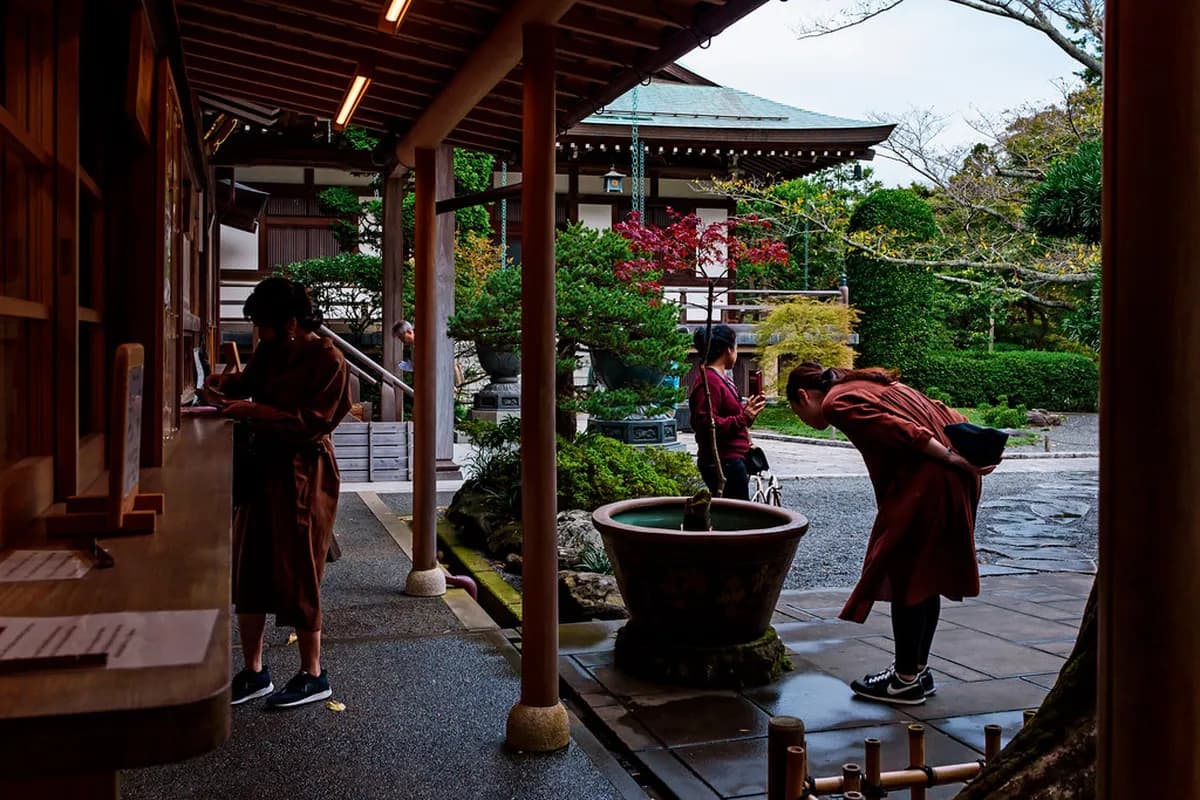
Mitaki-dera Temple in the Nishi Ward is a forest sanctuary that most tour itineraries skip entirely. Three small waterfalls cascade through moss-covered stone statues, and the red pagoda at the top of the path is genuinely striking. Entry is free; plan ninety minutes. Take the JR Kabe Line to Mitaki Station — the station itself is surrounded by bamboo and sets the mood before you even reach the temple gates.
Sandankyo Gorge trails are free but stay wet year-round due to river spray. Wear grip-sole hiking boots or shoes with aggressive tread. The seventy-five-minute bus ride from Hiroshima Bus Center fills quickly on clear weekends — buy tickets the day before during peak season (April, November).
Tomonoura: A Historic Port Town
Tomonoura sits on a small peninsula about twenty minutes by bus from Fukuyama Station (itself a forty-minute shinkansen hop from Hiroshima). The town's stone harbour walls and Edo-period ryokan rows are said to have inspired the setting of Studio Ghibli's Ponyo on the Cliff by the Sea, and the resemblance is immediate. Walking the narrow lanes is free; small museums in the historic district charge ¥200–¥500 each.
The Joyato lighthouse at the harbour entrance dates to 1859 and is one of the oldest stone lighthouses in Japan still standing on its original site. Climb the stairs behind it at dusk for the definitive view: fishing boats, the lantern of the lighthouse, and the distant islands of the Seto Inland Sea turning amber in the evening light. There are no crowds here at sunset — most day-trippers leave by 16:00.
Tomonoura is a good candidate for an overnight stay. A handful of traditional inns cluster around the harbour; rates run ¥8,000–¥14,000 per person with dinner and breakfast. This is significantly cheaper than equivalent ryokan in Kyoto and the experience is entirely local — guests are the only non-Japanese visitors in the dining room most nights.
Onomichi: A Charming Cycling Town
Onomichi is best reached via the JR Sanyo Line from Hiroshima Station — about ninety minutes, ¥1,520. The hillside temple walk connects twenty-five temples through lanes too narrow for cars, past resident cats that have become the town's unofficial mascot. Walking the full trail takes three hours; the ropeway up the hill costs ¥280 one-way and saves twenty minutes of climbing if you want to start at the top and walk down.
The Shimanami Kaido cycling route begins here, spanning 70km of bridges to Imabari in Ehime Prefecture. You do not need to cycle the full route — even one bridge section, from Onomichi to Mukaishima Island, gives you the experience of riding above the Seto Inland Sea on a clear day. Rental bikes start at ¥1,000 per day at the port-side terminal near the station. The route is genuinely flat on the bridge decks and manageable for casual cyclists.
Before leaving, stop at one of the small cafes on the hillside walk for fresh Setouchi lemon juice — the Onomichi area produces some of the best lemons in Japan, and you can taste the difference. The lemon orchards of Setodacho in Onomichi (Lemon Ravine) bloom in mid-May and bear yellow fruit from late December onward; the contrast of yellow lemons against the blue sea is a well-known winter photograph subject that most tourists do not know to look for.
The Shimanami Kaido bridges are safe for casual cyclists but lack full weather protection. Wind gusts can exceed 40 km/h in autumn storms; check 3-day forecasts before booking bike rentals. In December–January, bridges ice over unexpectedly — contact the terminal the morning of your ride to confirm safe conditions.
Bandai-ji Temple: A Hidden Sea View in Fukuyama
Known locally as Abuto Kannon, Bandai-ji Temple clings to a rocky headland south of Fukuyama. The red-lacquered main hall cantilevered over the cliff face is visually striking in a way that photographs cannot quite capture. The site is open daily 08:00–16:00; entry costs roughly ¥100. Reaching it takes a forty-minute bus ride from Fukuyama Station followed by a short walk — very few English-speaking visitors make this effort, which is precisely what makes it worthwhile.
The balcony of the main hall extends over the cliff edge on narrow wooden supports. Below is a sheer drop to the rocks and the Seto Inland Sea stretching to the horizon. Take the visit slowly — there is a small inner hall with maritime votive offerings from fishermen who have prayed here for centuries. The combination of the dramatic architecture and the religious history makes this one of the most distinctive temple sites in the Chugoku region.
Pair Bandai-ji with Tomonoura on the same day. Both are accessible from Fukuyama, and together they give you a full picture of the historic port culture of the eastern Hiroshima coast. Set off from Fukuyama by 09:00, do Tomonoura in the morning, Bandai-ji in the early afternoon, and return to Hiroshima by early evening.
The Red Soba Fields of Kitahiroshima
In the Higashi-Yawatabara area of Kitahiroshima, at 800 metres elevation near the border with Shimane Prefecture, a field of red buckwheat flowers blooms every September. The variety — Takane Ruby 2011 — is exceptionally rare; ordinary soba flowers are white, and the deep red colouration comes from anthocyanins in the plant. The peak viewing window is around mid-September. No entry fee, but a donation box at the field entrance helps the local community maintain the terracing.
No SERP competitor for this topic gives the practical logistics for reaching this spot, so here they are in full. The nearest address is Higashiyawatabara, Kitahiroshima, Yamagata District, Hiroshima 731-2551. The easiest approach is by rental car from Hiroshima — roughly ninety minutes on the expressway, with parking available at the field. By public transit, take the Nishi-Hiroshima Line bus toward Kitahiroshima; journey time is around two hours from central Hiroshima, and service frequency is low, so check the return schedule before you go.
After the field, drive two kilometres to Kario Chaya soba restaurant, which makes noodles from the same local red buckwheat. The menu is simple — morisoba (cold), kakesoba (hot), and seasonal tempura sets — priced ¥800–¥1,400. Closed Tuesdays and during winter (roughly January to March); last order at 15:00. Cash only, ordering via vending machine. The combination of seeing the flowers and then eating the resulting noodles an hour later is the kind of hyper-local experience that Hiroshima's main tourist circuit cannot offer.
Things to Do in Hiroshima at Night
The Nagarekawa district, five minutes on foot from the Hatchobori streetcar stop, is Hiroshima's main nightlife zone. Several blocks of narrow streets hold hundreds of izakaya, bars, and live music venues. Unlike Tokyo's Shinjuku, Nagarekawa is compact and walkable — you can cover the best of it on foot in a single evening without a map. Most bars open from 18:00; the scene peaks between 21:00 and midnight.
Tucked behind the Hondori shopping arcade are tiny tachinomiya standing bars where locals gather after work. A drink and a small plate costs under ¥1,000 per person. Look for narrow doorways with hand-painted signs and a wall of shochu bottles — these are the most local spots. The Arigato Travel team highlights Taishu Sakaba Sawaya near Yokogawa Station (north exit) as a beloved local izakaya; their lemon sour using wax-free lemons from Osaki-shimojima Island is worth the tram ride. Read our nightlife guide for a fuller breakdown of the Nagarekawa scene.
For something more structured, Okonomimura on the Shintenchi side really comes alive after dark. The four-storey building houses over twenty okonomiyaki stalls, each with its own recipe and its own regulars. A full meal costs ¥900–¥1,500. Read our guide on okonomiyaki eating tips before you sit down. In winter, the Peace Boulevard illuminates with the Hiroshima Dreamination festival — a light installation that runs along the river and is one of the few reasons to visit during the colder months.
Family-Friendly and Budget-Friendly Options in Hiroshima
Hiroshima has a high proportion of free or near-free attractions. The Peace Memorial Park and all its outdoor monuments cost nothing to walk through. Mitaki-dera Temple is free. The Sandankyo Gorge trail is free. Shukkeien Garden charges ¥260. For families, the Children's Peace Monument and the paper cranes surrounding it tend to resonate strongly with younger visitors — the story of Sadako Sasaki is taught in many international schools and gives children a concrete anchor for the visit.
Miyajima Island (Itsukushima) is the top family excursion from Hiroshima. The JR ferry crossing is covered by the JR Pass; the island itself charges ¥300 for foreigners to enter as of 2024. Deer roam freely along the waterfront, and the floating torii gate is best photographed at high tide (check tide tables for the day — the NHK tide table is reliable and free online). Factor in three to four hours for the island including the ropeway to Mount Misen.
Travelers on a tighter budget should consider the Hiroden streetcar day pass (¥700 for adults), which covers all central sights and Okonomimura. Combine it with free park entry and a ¥1,000 okonomiyaki dinner and you can spend an excellent full day for under ¥2,500 per person. Our budget Hiroshima guide lists further free hiking trails and local spots to stretch a tight travel budget.
Where to Stay in Hiroshima
For most visitors, staying in the Naka Ward within walking distance of the Peace Memorial Park is the most practical choice. The KIRO Hotel (formerly The Share Hotels Kiro) is a design-led option in this zone with rates around ¥10,000–¥15,000 per night; it draws a younger, style-conscious crowd. The Royal RIHGA Hotel offers more traditional business-hotel comfort from around ¥12,000, while the Washington Hotel provides a reliable budget option from ¥8,000 near the Hatchobori streetcar hub.
For a more unusual stay, B-local Hiroshima operates ten traditional machiya townhouses across the prefecture, including properties on Kurahashi Island with sea views. Rates run ¥25,000–¥30,000 for the whole property (up to five people on weekdays, ¥30,000 on weekends), making it economical for groups or families. Bookings are via their website (some English-speaking staff available). This option suits travelers who want to live like a local in a specific neighborhood rather than a central hotel.
Staying at least two nights in the city is strongly recommended. A single day barely covers the Peace Park and one or two central sights. Two nights lets you add Miyajima, explore Nagarekawa after dark, and still have a morning for a quieter spot like Mitaki-dera or Shukkeien Garden. If you are planning excursions to Tomonoura or Onomichi, a third night removes all time pressure from those trips. Check our our full attractions guide for a comprehensive itinerary built around these neighborhoods.
How to Plan a Smooth Hiroshima Attractions Day
Navigating the city is straightforward thanks to the extensive Hiroden streetcar network. For hidden gems further out — Onomichi, Tomonoura, Sandankyo — purchase a 1-day JR Hiroshima pass (¥2,000) rather than buying individual tickets. It covers the JR Kabe Line to Mitaki, the Sanyo Line to Onomichi, and the Shinkansen hop to Fukuyama for the coastal sites. You can find a day-by-day timetable framework in our 15 best things to do in Hiroshima in 2026 guide.
If you are planning Sandankyo Gorge, check the weather one day in advance. Heavy rain leads to trail closures and reduced bus frequency in the Yamagata District mountains. The Dive Hiroshima site publishes real-time access updates and seasonal event listings in English. The gorge and the Lemon Ravine in Onomichi are both best visited April–November; both close down or become difficult in deep winter.
Most outdoor attractions are free or charge under ¥500. Budget roughly ¥3,000–¥5,000 per day for transport, entry fees, and one sit-down meal. Always carry cash — smaller temple sites and rural soba restaurants in the Yamagata highlands do not accept cards. A pocket WiFi or local SIM card is essential for navigating the rural bus routes where English signage is sparse.
Keep planning your trip with things to do with kids and romantic things for couples.
Frequently Asked Questions
Which Hiroshima hidden gems are best for first-time visitors?
Mitaki-dera Temple and the Saijo Sake District are excellent choices for first-time visitors. These spots offer a significant cultural contrast to the Peace Memorial Park. They are also relatively easy to access using the local JR train lines.
How much extra time should I plan for these local secrets?
You should plan for at least one full extra day to see these hidden gems. Most coastal or mountain spots require 4-5 hours for a round trip. An overnight stay is highly recommended to avoid rushing through these peaceful locations.
Is it difficult to find these hidden spots without speaking Japanese?
Most of these locations are accessible with Google Maps and basic English signage. While the staff in rural areas may speak less English, they are generally very helpful. Carrying a translation app can help with specific menus or local directions.
Exploring the hiroshima hidden gems and local secrets allows you to see the city as a living, breathing community. Beyond the historical weight of the 20th century, you will find a region of incredible natural beauty and culinary depth. Whether you are sipping sake in Saijo, cycling the Shimanami Kaido out of Onomichi, or watching red buckwheat bloom on a Kitahiroshima hillside, these experiences will stay with you. We hope this guide inspires you to linger a little longer in this resilient corner of Japan.
Free: The Hiroshima Essentials guide
Top things to do, where to stay, a perfect day plan, getting around, and the best time to go — a Hiroshima mini-guide you can take offline.
You might also like


Continue reading
More guides you'll find useful