Hiroshima Nightlife 2026: Nagarekawa Bars, Jazz & Late Eats
Where to drink in Hiroshima after dark: Nagarekawa bar alleys, Ekinishi craft spots, live jazz every night, izakaya etiquette, and what a night out costs.
On this page
Hiroshima nightlife is compact, friendly, and surprisingly varied for a city of 1.2 million. Unlike Tokyo or Osaka, the action is concentrated in a walkable square kilometre between Hatchobori and Hiroshima Station, anchored by the neon-lit Nagarekawa entertainment district. Expect a mix of standing izakayas, jazz cellars, craft cocktail bars, hipster wine spots in repurposed garages, Irish and Mexican expat pubs, karaoke towers, and a handful of late-night clubs — most open until 02:00, with a tight cluster of all-night eateries to bridge you to the first morning streetcar at 05:30.
This guide covers the city at the high level: the neighborhoods that matter, the kind of venues you'll find, what things cost in 2026, and the cultural rules that make Japanese nightlife different. If you want a turn-by-turn route through the bar streets, pair this with the Nagarekawa and Ekinishi bar-hopping itinerary. If you'll be out past midnight, also check the late-night dining and after-midnight bars guide. For daytime context, see the Hiroshima attractions pillar.
What Is Hiroshima Nightlife Like?
Hiroshima nightlife centers on small, character-driven bars rather than large clubs. Most venues seat 8–25 people, run by a single owner-bartender who chooses the music, the menu, and often the conversation. The vibe is unhurried: locals sip slowly, talk to strangers, and stay one or two hours before moving on. Average spend per venue in 2026 is ¥2,500–¥4,500, and the city stays accessible — almost everything is within a 15-minute walk of Hatchobori streetcar stop.
Compared to Fukuoka's Tenjin/Nakasu (the actual nearer nightlife rival, not Tokyo) the scale is smaller but the bartenders are more conversational and prices run 10–15% lower. Compared to Tokyo's Shinjuku, you trade neon density for genuine welcome — first-timers are routinely sat next to regulars and pulled into chat without asking.
The Four Nightlife Neighborhoods
Hiroshima's after-dark scene splits into four distinct districts, each with its own character. Knowing which one fits your mood saves you from wandering aimlessly.
Nagarekawa — The Main Entertainment District
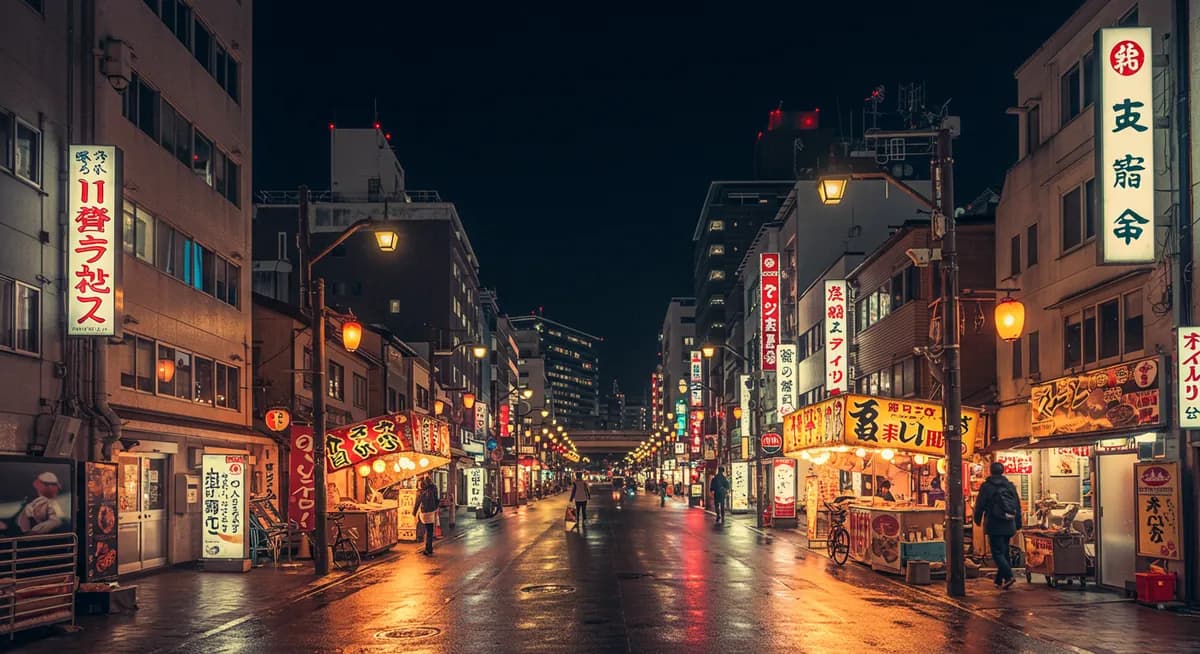
Nagarekawa is the neon heart of Hiroshima nightlife and the area most visitors picture when they think "Japanese bar district." Roughly four blocks square, just east of the Motoyasu River, it packs more than 1,500 bars, snack bars, hostess clubs, karaoke rooms, and small restaurants into narrow alleys lit by signage stacked five stories high. Tourist-friendly bars cluster on the western edge near Chuo-dori; deeper into the grid you'll find members-only "snacks" and hostess bars where unaccompanied foreigners are politely turned away. Stick to ground-floor venues with English menus or photos and you'll be welcomed everywhere.
Locals call the alleys east of Yagenbori-dori "ura-Nagarekawa" (back-Nagarekawa). It looks identical to the front blocks but operates on a different logic: doors without signs are members-only, doors with a small "menu" placard are open. If the placard is missing, walk on. Cover charges run ¥3,000–¥5,000 at the higher-end clubs and zero at most independent bars.
Ekinishi — The Hipster Pocket
A 12-minute walk west of Hiroshima Station along the train tracks, Ekinishi (literally "west of the station") is the city's craft-bar revival district. Roughly 60 micro-venues — wine bars, natural-wine specialists, craft beer taprooms, vinyl listening bars, and counter-only ramen joints — fill former mechanic shops and noodle stands under the elevated rail line. Crowds skew 25–40, the music is louder, and most places open at 18:00 and close around 01:00. There's no signage strategy: half the doors look closed even when packed. Walk slowly and follow the chatter. This is where Hiroshima locals go when Nagarekawa feels too touristy.
Tatemachi and Hatchobori — Smart-Casual Central
The shopping arcades around Hatchobori and Tatemachi quiet down by 21:00, and a different crowd takes over: office workers heading to upstairs izakayas, hotel guests looking for craft cocktails, couples hunting for jazz bars. Buildings here are taller and bars sit on the 3rd–8th floors — look for elevator buildings with stacked vertical signage. Prices run slightly above Nagarekawa (¥1,000–¥1,400 for a cocktail in 2026) but the rooms are quieter, the seating is plush, and the bartenders speak more English. Best for a cocktail-focused evening or a date night.
Hiroshima Station Area — Late and Convenient
The blocks immediately around the station — including the ekie shopping mall and the Minamiguchi (south exit) side — host a useful safety net of chain izakayas, craft beer halls, and 24-hour ramen counters. Quality is decent rather than exceptional, but if your last activity ran late or you're on an early Shinkansen tomorrow, this is the practical choice. The station-area Andersen, Kirin City, and the standing-bar zone in ekie all serve until 23:00 or midnight.
Your First Night Out: A Simple Hiroshima Plan
If it's your first night and you don't want to overthink it, anchor the evening on Nagarekawa and let the bars take over from there. The whole route below sits within a 15-minute walk of the Hatchobori streetcar stop, so you never need a taxi until the trains stop around 23:30.
- Around 19:00 — warm up at an izakaya. Start with a draft beer and 2–3 small plates near Hatchobori or Tatemachi. Expect the otoshi table charge and a relaxed, order-in-rounds pace.
- Around 21:00 — walk into Nagarekawa. Stick to ground-floor bars on the western edge near Chuo-dori with English menus or photos; skip any unmarked upstairs door.
- Around 22:30 — catch a jazz set. Hiroshima is the only Japanese city outside Tokyo and Yokohama with live jazz every night, so a cover-plus-one-drink room makes an easy late stop.
- After midnight — late eats or karaoke. Ramen counters near the station and along Yagenbori run late, and "free time" karaoke is often cheaper than a taxi home.
Budget roughly ¥6,000–¥10,000 per person for the full evening across two or three venues.
The Bars Worth Walking To
Below is a short list of venues that consistently appear in local recommendations and reward a deliberate visit. Treat it as a backbone — Hiroshima rewards wandering, and half the joy is the bar your first one sends you to.
- Mac Bar (Nagarekawa, basement) — A 14-seat counter run by Mac-san, who pours single-malt with a stopwatch precision and remembers every regular's drink. Cocktails ¥1,400–¥1,800, no cover before 22:00.
- Koba (Nagarekawa) — Long-running hideaway with a 1970s vinyl wall and a ¥600 small-plate menu. Smoky in the good way; open until 03:00 on weekends.
- Otis! (Nagarekawa) — Hiroshima's most consistently programmed jazz room. Two sets nightly, ¥2,000 cover plus one drink minimum.
- Jazzlive Comin' (Hatchobori) — Smaller than Otis! but bookings skew toward Tokyo/Osaka touring acts; arrive 20 minutes before showtime.
- Molly Malone's (Nagarekawa) — The default English-speaking Irish pub. Guinness on tap (¥1,000), live football, and the easiest place in town to meet other travelers.
- Revolución de Cuba (Nagarekawa) — Mexican-Cuban hybrid with mojitos, tacos, and a younger international crowd; opens at 18:00 and stays loud until 02:00.
- Bar Marciano (Ekinishi) — Natural wine specialist, eight seats, reservation strongly recommended on Friday and Saturday.
- Golden Garden (Ekinishi) — Beer-garden-style craft taproom with 18 rotating Japanese microbrews; no cover, ¥800 pints.
Do You Need a Reservation? Booking Hiroshima's Small Bars
Most of Hiroshima's nightlife runs on a walk-in basis, but the smallest and most sought-after rooms fill up fast on Friday and Saturday nights, and knowing which ones to call ahead for saves a wasted walk. Counter bars with 8–14 seats — the scale of Mac Bar and Bar Marciano — have almost no standing room, so a party of three or four showing up at 22:00 on a Saturday can easily find the door full.
As a rule of thumb: arrive before 20:00 and you can walk into almost anywhere in Nagarekawa or Ekinishi without booking. After 21:00 on a Friday or Saturday, reservations matter most at natural-wine and small izakaya counters, and at jazz rooms with touring acts — Jazzlive Comin' in particular fills fast when a Tokyo or Osaka act is booked.
Booking itself is low-tech. Few small bars run online reservation systems, so the standard approach is a direct phone call; owners with regular tourist traffic usually manage basic English numbers and times. If you're not confident on the phone, ask your hotel's front desk to call on your behalf — a common and expected request in Hiroshima. Otherwise, treat a full house as part of the experience: order a drink at the bar next door, and the owner will often tell you when a seat is likely to open up.
Live Music: Jazz, Vinyl, and Underground Clubs
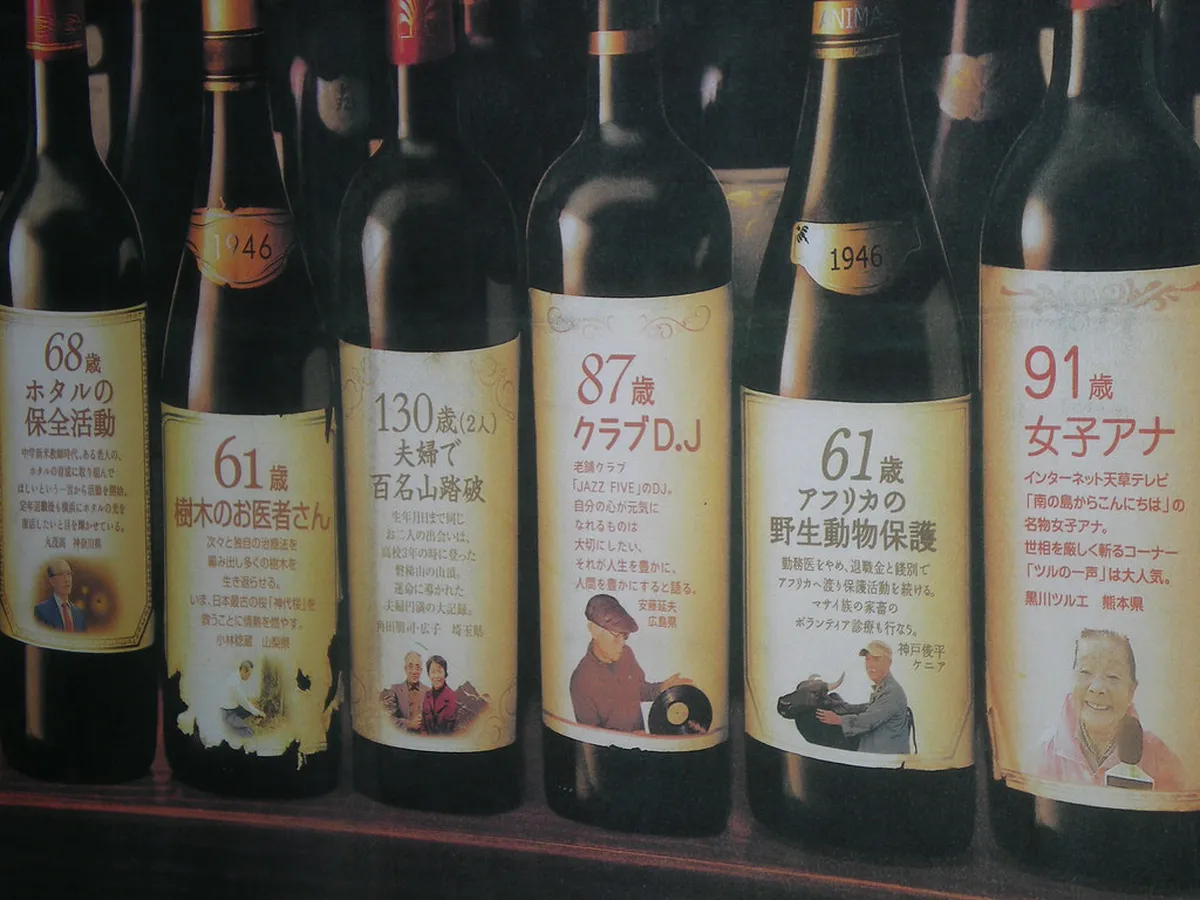
Hiroshima punches above its weight musically, and the reason is historical. American occupation forces stationed at the nearby Iwakuni and Kure bases in the late 1940s and 1950s seeded jazz clubs across the rebuilt downtown — owners learned the repertoire from GIs, and a generation of Japanese players grew up inside those rooms. Otis! traces its lineage to that era, and several of the long-running Nagarekawa cellars still program in the bebop and hard-bop tradition that took root then. It's the only Japanese city outside Tokyo and Yokohama where you can hear a live jazz set every single night of the week.
Cover charges at jazz venues run ¥1,500–¥2,500 plus a one-drink minimum. Vinyl listening bars (where the owner spins records on a high-end system and conversation is whispered) are concentrated in Ekinishi; expect a ¥800–¥1,200 seat charge in 2026 plus drinks.
For dance clubs, Hiroshima is genuinely small — three or four venues operate at any time. Club G (Nagarekawa) and Cover (near Hatchobori) are the long-runners, both with ¥2,000–¥3,500 covers including 1–2 drink tickets, open Friday and Saturday 22:00 until 04:00. Drum & bass, techno, and house dominate; touring international DJs visit roughly twice a month. For a deeper guide to itinerary-style bar nights, see the Nagarekawa and Ekinishi bar-hopping guide.
Karaoke: The Default Late-Night Option
Karaoke is woven into Hiroshima's nightlife in a way most Western visitors underestimate — half of all weekend bar groups end the night in a private box, not at a club. The two big chains are Big Echo and Karaoke-kan, both with multi-floor towers on Chuo-dori and Yagenbori. Standard rates in 2026 are ¥400–¥700 per person per 30 minutes before 19:00 and ¥800–¥1,300 after, with discounted "free time" packages of ¥1,800–¥2,500 from 23:00 to 05:00 — cheaper than most taxis home, which is why they fill up. English songbooks are universal; Japanese pop, anime themes, classic rock, and hip-hop are well-stocked.
For a more local angle, look for "snack" karaoke rooms on the upper floors of Nagarekawa buildings — these are tiny one-room bars where the mama-san sings with you. Pricing is opaque (¥3,000–¥6,000 per hour all-in), so go only with a Japanese-speaking friend or skip them.
Izakaya Culture: How to Drink Like a Local
The izakaya — Japan's neighborhood pub — is the foundation of Hiroshima nightlife and the venue type you'll encounter most often. Understanding the etiquette saves embarrassment and improves your night.
- Otoshi (¥300–¥600 cover): A small appetizer dropped at your table when you sit. It's effectively a seating charge — non-negotiable, and you cannot refuse it. Standing izakayas (tachinomi) usually skip the otoshi.
- Order in rounds: Tell the server "toriaezu nama" (a draft beer to start) while you read the menu. Order food in 2–3 small dishes per round, not all at once. Plates arrive whenever the kitchen is ready, in no particular order.
- Pour for others: If you're with locals or new acquaintances, top up their glass before yours. They'll do the same. It's the single most important social ritual.
- Cash is still common: Larger izakaya chains take cards, but family-run places in Nagarekawa and Ekinishi are often cash-only. Carry ¥10,000 in mixed bills per person for an unhurried evening.
- No tipping: Ever. Round bills, take the change. Saying "gochisousama deshita" on the way out is the right thank-you.
Order a tasting flight (kiki-zake) of three Saijo-region sake pours for ¥1,200–2,000 at most serious Nagarekawa or Ekinishi izakayas — it is the cheapest crash course in regional sake in Japan, and the bartender will calibrate a dry-to-sweet sequence for you.
Hiroshima specialties to order: kaki no dotenabe (oyster miso hotpot), grilled anago (sea eel), local Akihiro sake from the Saijo district 30 minutes east, and hiroshima-yaki (the layered version of okonomiyaki — though for the deepest take on this dish, see how to eat Hiroshima-style okonomiyaki like a local).
Sake and the Saijo Connection
Hiroshima Prefecture is one of Japan's three great sake regions alongside Nada (Kobe) and Fushimi (Kyoto), and the Saijo brewing district sits 40 minutes east of central Hiroshima by JR Sanyo Line. The relevance for nightlife: most serious izakayas in Nagarekawa and Ekinishi carry a rotating selection of Saijo labels — Kamotsuru, Kamoizumi, Hakubotan, and Kirei are the four houses worth recognizing on a menu. Order a tasting flight (kiki-zake) of three pours for ¥1,200–¥2,000 and ask the bartender for a dry-to-sweet sequence; this is the cheapest crash course in regional sake you'll get anywhere in Japan.
Carp Baseball Nights — A Different Crowd
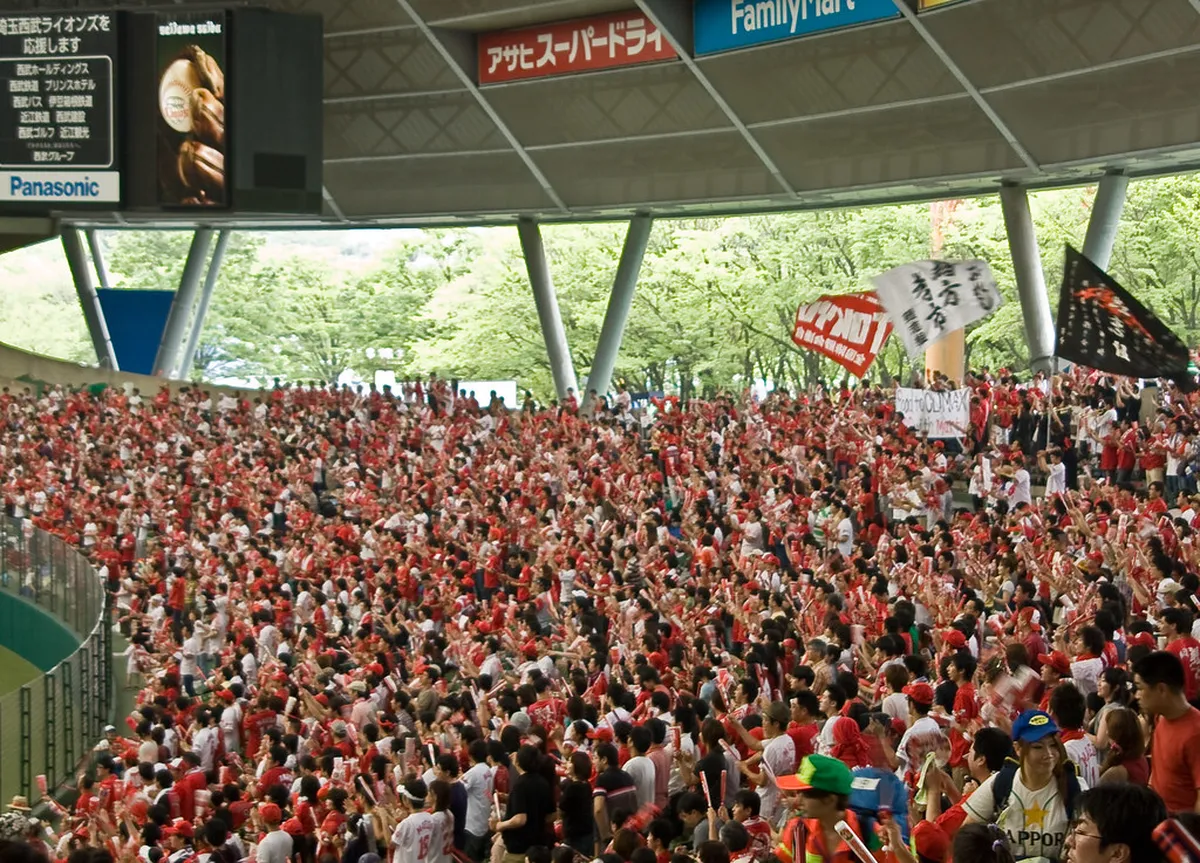
From late March through October, Hiroshima Toyo Carp home games at Mazda Stadium fundamentally change the nightlife rhythm on game nights — usually Tuesday through Thursday plus weekend evenings. Crowds of 30,000 fans dressed head-to-toe in Carp red flow back into central Hiroshima from 22:00 onward, and bars within walking distance of the station and Nagarekawa absorb the wave. Many izakayas run Carp specials (¥500 red sour cocktails, post-win discount sets), the TVs stay tuned to highlight reels until close, and the energy is genuinely festive whether the team won or lost. If you want to feel the city's sports culture without buying a ticket, just be in any Hiroshima Station-area izakaya by 22:30 on a home-game night and you'll be inside it. Check the Carp's home schedule before booking your dates if you specifically want — or want to avoid — this energy.
Late-Night Eats and Bars Open After Midnight
Hiroshima's last streetcar runs around 23:30 and the first one starts at 05:30, so if you stay out past midnight you're committed to either a taxi (¥1,200–¥2,500 across the central districts) or sticking around until dawn. The city accommodates the latter with a healthy late-night food scene.
Ramen counters around Hiroshima Station and along Nagarekawa's Yagenbori alley stay open until 03:00–05:00, serving the local Hiroshima-style ramen (soy-based, thin noodles, less rich than Hakata tonkotsu). Standing oden bars in Ekinishi typically run until 02:00. A handful of shot bars on Nagarekawa's western blocks officially close at 02:00 but operate on a "last customer leaves" rule on weekends. For the full late-night map, see the dedicated guide on Hiroshima late-night dining and bars open after midnight.
2026 Cost Breakdown: What You'll Spend
Hiroshima is meaningfully cheaper than Tokyo for nightlife — expect to pay 20–30% less for equivalent experiences. The 2026 averages below assume a relaxed 4-hour night out covering 2–3 venues.
- Draft beer (medium glass): ¥600–¥800
- Cocktail at a smart bar: ¥1,000–¥1,800
- Sake flight (3 pours): ¥1,200–¥2,000
- Izakaya small plate: ¥500–¥1,200
- Otoshi (table charge): ¥300–¥600 per person
- Live jazz cover + 1 drink: ¥2,500–¥3,800
- Dance club entry (Fri/Sat): ¥2,000–¥3,500 including 1–2 drink tokens
- Karaoke "free time" 23:00–05:00: ¥1,800–¥2,500 per person
- Late-night ramen: ¥800–¥1,200
- Taxi across central districts: ¥1,200–¥2,500
- Total typical evening: ¥6,000–¥10,000 per person ($40–$66)
| Item | 2026 Cost (JPY) |
|---|---|
| Draft beer (medium) | ¥600–800 |
| Cocktail at a smart bar | ¥1,000–1,800 |
| Sake flight (3 pours) | ¥1,200–2,000 |
| Izakaya small plate | ¥500–1,200 |
| Otoshi (table charge) | ¥300–600 |
| Live jazz cover + 1 drink | ¥2,500–3,800 |
| Karaoke "free time" 23:00–05:00 | ¥1,800–2,500 |
| Late-night ramen | ¥800–1,200 |
| Taxi across central districts | ¥1,200–2,500 |
Cash vs Card: Payment Methods in Hiroshima's Bars and Izakayas
Japan's cash culture is very much alive in Hiroshima's bar scene, and it catches first-time visitors out more than almost any other practical detail. Small counter bars in Nagarekawa and Ekinishi — the 8-to-25-seat rooms that define the city's nightlife — are frequently cash-only, especially after 22:00, when card terminals get switched off to speed up turnover. Budget roughly ¥15,000–¥20,000 in cash for a full night covering two or three venues, a cover charge, and a late-night ramen stop.
Credit cards (Visa, Mastercard, JCB) are reliably accepted at larger venues: the ekie mall bars near Hiroshima Station, chain izakayas, Molly Malone's, and most Tatemachi and Hatchobori cocktail bars on the 3rd floor and up. IC transit cards like ICOCA or Suica work at convenience stores and vending machines but are not accepted as payment inside bars — they're for trains and stations only, not tabs.
- 7-Eleven ATMs, common around Hatchobori and the station, reliably accept foreign-issued cards around the clock.
- Seven Bank is the most consistent brand for this; Aeon Bank ATMs are a solid backup.
- Convenience stores also sell small-denomination cash for cover charges and karaoke rooms, which often ask for exact change.
Tipping is not expected anywhere in Hiroshima's nightlife scene — rounding up or leaving extra cash on the counter will usually just be returned to you, sometimes with a polite laugh.
Safety, Solo Travelers, and Women After Dark
Avoid street touts near Nagarekawa's eastern blocks who try to lead you to upstairs "snack bars" — bills can run ¥15,000–30,000 unexpectedly. Stick to ground-floor venues you've chosen yourself, or upstairs bars with clearly posted prices.
Hiroshima is one of the safest cities of its size in the developed world, and the central nightlife districts are well-lit, heavily patrolled by police on bicycles, and busy until 02:00. Solo female travelers report no issues in Nagarekawa, Ekinishi, or the Hatchobori area. Avoid touts on the streets near Nagarekawa's eastern blocks who try to lead you to upstairs "snack bars" with opaque pricing — these are tourist traps with bills running ¥15,000–¥30,000 unexpectedly. Stick to ground-floor venues you've chosen yourself, or upstairs bars with clear English signage and posted prices.
How to Get Around at Night
Hiroshima's streetcar network covers all four nightlife districts and runs every 5–10 minutes until about 23:00. The most useful stops: Hatchobori (covers Tatemachi, Hatchobori, walking distance to Nagarekawa), Ebisucho (closest to Nagarekawa's center), and Hiroshima Station (for Ekinishi, a 12-minute walk west). A single ride is ¥240 in 2026; a one-day pass is ¥700. After the streetcar stops, taxis are abundant on Chuo-dori and along the station's south exit. For the full streetcar logic see how to get around Hiroshima by streetcar and bus.
When to Go Out: Best Nights and Seasons
Friday and Saturday are the busy nights — clubs only operate on these two evenings, and live music venues run their headline sets. Thursday is "salaryman Friday" and izakayas fill up after 20:00. Sunday and Monday are the quietest, with many small bars in Ekinishi closed entirely. If you want a chill, conversational night, midweek is ideal. If you want energy and crowds, lock in a Friday.
Seasonally, the August Peace Memorial Ceremony week and the late-October to mid-November autumn-color season are the busiest periods, with Nagarekawa booked solid on weekends. See the Hiroshima 2026 events calendar for the full festival schedule.
Frequently Asked Questions
Is Hiroshima nightlife good compared to Tokyo or Osaka?
It's smaller and more compact — about a tenth of Tokyo's Shinjuku scene by venue count — but the quality of small bars and jazz clubs is excellent, and the walkability is better. If you like character-driven independent bars over large clubs, Hiroshima often beats both bigger cities. For sheer scale and electronic music, Tokyo and Osaka still win.
Do bars in Hiroshima accept credit cards?
Bigger venues, hotel bars, and chain izakayas accept Visa and Mastercard. Family-run bars in Nagarekawa and Ekinishi are frequently cash-only. Bring ¥10,000 in mixed bills per person and you'll have no problems. ATMs at 7-Eleven and Lawson convenience stores accept foreign cards 24/7.
What time do bars close in Hiroshima?
Most independent bars close at 01:00–02:00. Late-night ramen counters and a handful of shot bars on Nagarekawa's main blocks run until 03:00–05:00 on Friday and Saturday. Clubs (only open Friday and Saturday) close at 04:00. The first morning streetcar departs at 05:30.
Is it safe for solo female travelers?
Yes. Hiroshima's central nightlife districts are very safe, well-lit, and heavily walked until 02:00. Solo women regularly visit jazz bars, izakayas, and Ekinishi wine bars without issue. The only caution is to ignore street touts trying to lead you to upstairs hostess bars in eastern Nagarekawa.
Should I make reservations?
For most independent bars, no — they're walk-in. For weekend live jazz sets at Otis! or Comin', and for any night at popular Ekinishi spots like Bar Marciano or the standing-only natural wine bars, reservations via Tabelog or a phone call are recommended on Friday and Saturday. Hotel concierges will book in Japanese for you.
What should I wear out at night in Hiroshima?
Smart casual covers everything — clean dark jeans or chinos with a collared shirt, or a simple dress. Hiroshima is more relaxed than Tokyo's Ginza but slightly dressier than Osaka. Sneakers are fine almost everywhere except the pricier Hatchobori cocktail bars. Avoid shorts and flip-flops outside summer August festival nights.
Are there any English-friendly bars?
Yes — Molly Malone's, Revolución de Cuba, most ground-floor bars in Nagarekawa's western blocks, the majority of Ekinishi craft venues, and all hotel bars have English menus or staff who speak basic English. Live jazz venues are universally welcoming to international visitors. Snack bars and members-only places in eastern Nagarekawa are the exception and not worth pushing into.
Plan the Rest of Your Hiroshima Trip
Nightlife pairs well with Hiroshima's daytime sights — most travelers arrive on the morning Shinkansen, see the Peace Memorial and Miyajima during the day, then head out after dark. Build the daytime portion using the Hiroshima attractions pillar guide, and if you only have one day in the city, the Hiroshima and Miyajima 1-day itinerary sequences everything efficiently. Hiroshima after dark rewards travelers who slow down and let the bars choose them — the best nights here are the ones you don't fully plan.
Free: The Hiroshima Essentials guide
Top things to do, where to stay, a perfect day plan, getting around, and the best time to go — a Hiroshima mini-guide you can take offline.
You might also like


Continue reading
More guides you'll find useful