
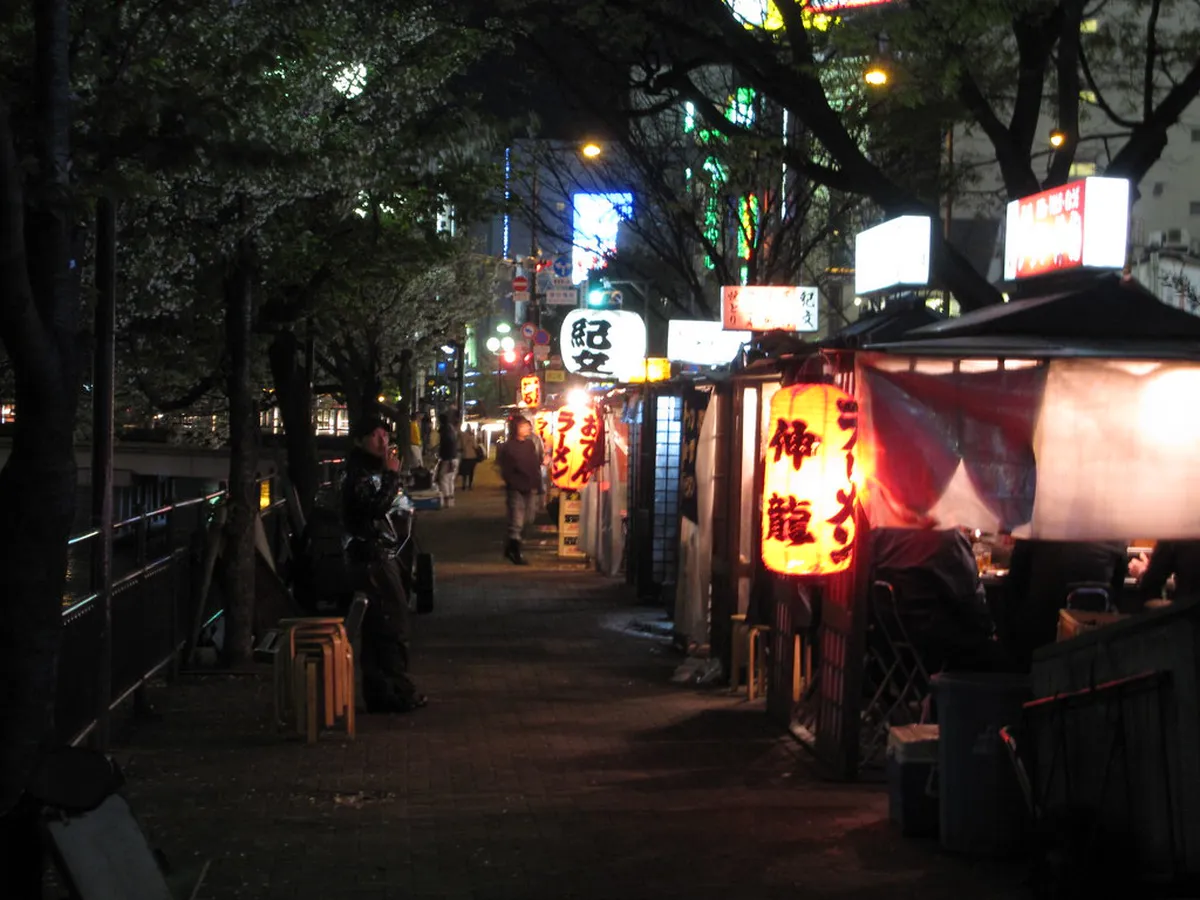
Fukuoka comes alive at night when small wooden carts appear along the riverbanks and fill the air with ramen steam, grilled skewers, and lantern light. This nakasu yatai food stalls visitor guide helps you choose where to sit, what to order, when to arrive, and what to do if your first-choice stall is full or closed. Exploring the Fukuoka city food scene is easiest when you treat yatai as tiny shared counters rather than standard restaurants. The reward is not only dinner, but a close-up look at Hakata's sociable nighttime culture.
Nakasu Yatai Opening Hours and Closures
A few Nakasu yatai open at 18:00, but most open between 18:30 and 19:00 and close around midnight. There is no fixed closing day: each stall sets its own days off, and some do not open in rain or stormy weather.
| Place | Regular hours | Exception dates | Hours on those dates | Why |
|---|---|---|---|---|
| Nakasu yatai stalls (riverside, Nakasu) | Some from 18:00; most 18:30 or 19:00 to around midnight | Each stall's own days off (no fixed weekly holiday) | Closed | Days off are set by each owner and are often irregular |
| Nakasu yatai stalls | As above | Rainy or stormy nights | Some stalls do not open | Weather |
| Nakasu yatai stalls | As above | When the owner is unwell | Closed | Owner's health |
| Street-use permit window (Fukuoka City rule) | 17:00–04:00, including setup and removal | Every day | No stall may stand on the street outside this window | Fukuoka City Yatai Basic Ordinance enforcement rules |
| Fukuoka Yatai Concierge desk (International Passenger Terminal Building 1F information desk, as listed by Fukuoka City) | 8:00–21:30 | — | — | Official yatai information for visitors |
Verified against Fukuoka City's official yatai guide, the Fukuoka Hakata Yatai page and the Fukuoka City Yatai Basic Ordinance enforcement rules. Individual stalls' days off are not published centrally, so check on arrival.
Nakasu yatai prices, charges and payment
Yatai have no single official price list, but city rules require every stall to post its prices where customers can see them.
| Item | What to expect | Status |
|---|---|---|
| Price display | Prices must be shown where customers can easily see them; items priced by the day's ingredient costs must show that day's price | City rule |
| Cover charge or appetizer | Most stalls have none; some bar-type stalls serve a set appetizer or charge a cover — ask when you sit down | Official guide |
| Minimum order | It is considered polite to order at least one drink and one dish per person | Official guide |
| Payment | Mostly cash; only about 10% of stalls accept credit cards | Official guide |
| Typical dish prices | Ramen about ¥800–¥1,200; yakitori about ¥150–¥300 per skewer; beer or sake about ¥400–¥600 | Our estimate, not official — check the stall's posted prices |
Price-display rule, cover-charge, ordering and payment rows verified against Fukuoka City's official yatai guide and the Fukuoka City Yatai Basic Ordinance enforcement rules. Dish prices are typical ranges, not verified.
Must-See Nakasu Yatai Food Stalls Visitor Guide Spots
The riverfront in Nakasu is the most photogenic hub for Fukuoka's outdoor food stalls. Walking along the Nakagawa River gives you neon reflections, bridge views, and an easy way to compare menus before committing to a seat. You can find many stalls clustered near the southern end of the island. Open with Maps to see the exact location of the most popular row.
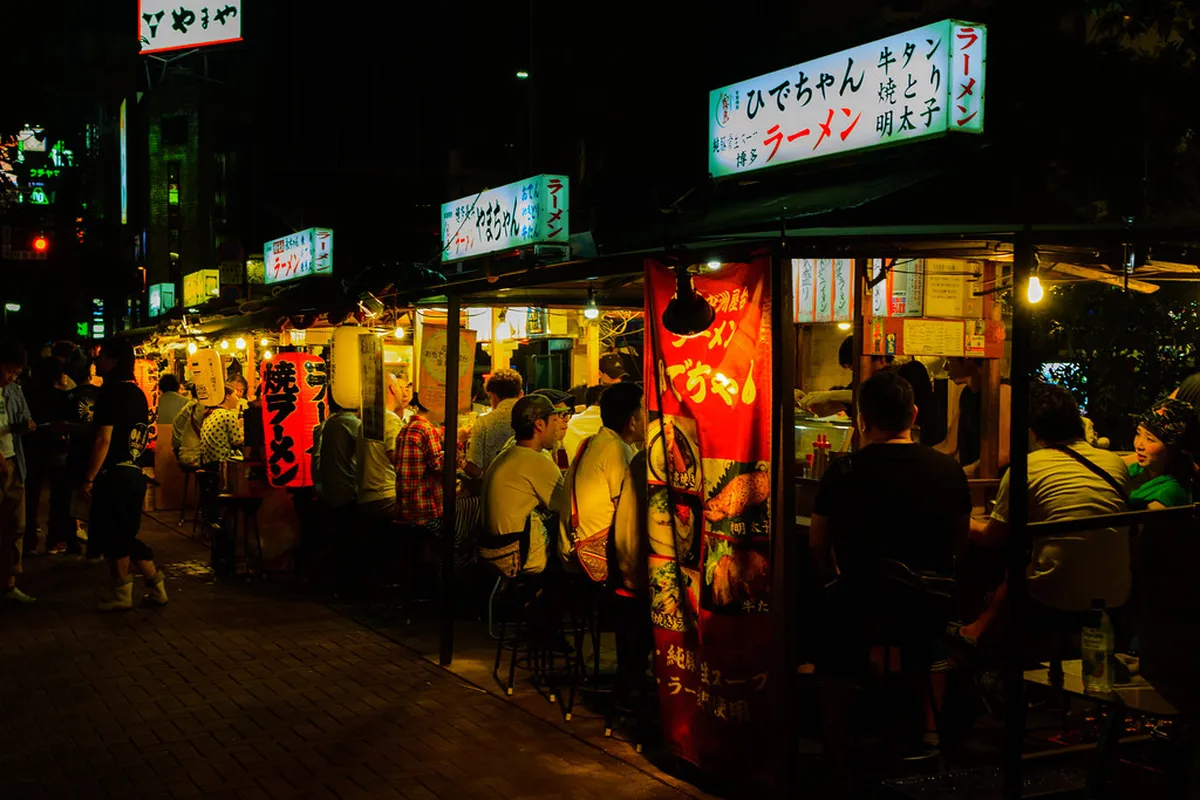
Many first-time visitors start near Canal City Hakata and walk to the river after shopping or seeing the fountain show. This route is practical because it keeps the evening compact: shopping, photos, dinner, then a short walk or subway ride back. If every Nakasu counter looks full, continue walking instead of joining the first long queue. The same dish can feel very different depending on the chef, counter crowd, and whether prices are clearly posted.
The atmosphere peaks between 7:00 PM and 9:00 PM when the stalls are most active. Arriving close to opening gives you the best chance of sitting quickly, while a later visit after 10:00 PM can be calmer for solo travelers and couples. The key mistake is treating Nakasu as the only option in town. Tenjin is better for a broader local-feeling crawl, while Nagahama is best for ramen-focused travelers who do not mind going farther from the sightseeing core.
Museums, Art, and Culture in Nakasu
Nakasu is not just about food; it sits at the intersection of several historic districts. Just across the water, you can visit Kushida Shrine, which is the guardian shrine of the city. This site hosts the famous Hakata Gion Yamakasa festival every July. Learning about the shrine's history adds depth to your dining experience nearby.
The Hakata Machiya Folk Museum is another cultural gem located within walking distance. It showcases traditional life in Fukuoka during the Meiji and Taisho eras. Visitors can see how local artisans crafted textiles and dolls in the past. This historical context makes the survival of the yatai tradition even more impressive.
Art lovers should explore the small galleries tucked away in the narrow streets of the island. These spaces often feature local artists who capture the essence of the Hakata lifestyle. Seeing the city through their eyes helps you appreciate the subtle details of the riverfront. It is a great way to spend an afternoon before the stalls open.
Parks, Gardens, and Outdoor Spots in Nakasu
Seiryu Park is a narrow green space that runs alongside the Nakagawa River. This park serves as the stage for many of the yatai stalls in the Nakasu area. During the day, it is a quiet place to watch the water flow by. As evening approaches, the park transforms into a bustling culinary destination.
For those who enjoy a longer walk, Ohori Park is easily accessible via a short subway ride. This large park features a beautiful central pond and a traditional Japanese garden. It offers a peaceful contrast to the high-energy environment of the food stalls. Many locals enjoy a sunset jog here before heading to Nakasu for dinner.
The riverfront pathways are perfect for a casual stroll under the city lights. You can cross several bridges to get different views of the yatai lanterns. These paths are well-lit and safe for travelers exploring the city at night. Walking between the stalls allows you to compare menus and find the perfect spot.
Family-Friendly and Budget-Friendly Options in Nakasu
Dining at a yatai can be a budget-friendly way to enjoy authentic Hakata cuisine. Most dishes like ramen or oden cost between 600 and 1,200 yen per serving. Ordering a few different items to share is a common practice among groups. This allows you to taste various specialties without spending a large amount of money.
Families should look for stalls that offer a wider variety of grilled skewers, gyoza, or oden. These foods are easier to share than a single ramen bowl and usually work better for children. Keep in mind that seats are fixed close together, aisles are narrow, and large strollers or rolling suitcases are difficult to manage. If you are traveling with young children, choose an edge stall, go early, and keep the meal short.
Accessibility is the main practical limitation. Many counters require stepping over low supports or squeezing between stools, and there is rarely space for a wheelchair beside the counter. Travelers who need more room should enjoy the riverfront atmosphere first, then use a nearby indoor ramen shop as a backup dinner plan. Hygiene management is taken very seriously by the city authorities in Fukuoka, and every stall must follow rules for water usage, food storage, and cleanup. Even so, pick a stall that looks organized, has visible prices, and turns tables steadily.
How to Plan a Smooth Nakasu Attractions Day
Arrive just as stalls open (a few at 18:00, most by 18:30–19:00) for the easiest seating. After 10:00 PM the first dinner rush fades and the atmosphere is calmer. Most stalls seat only 8–10 people, so hovering near a counter is the accepted way to signal you are waiting.
Planning your visit starts with checking the evening weather. Yatai stalls often close during heavy rain or very high winds for safety reasons, and some also take regular days off. You can use the official LINE account "FUKUOKA GUIDE" to check the status of many stalls before walking to the riverfront. This is especially useful in 2026 if you have only one night in Fukuoka and do not want to waste it searching for closed counters.
City rules allow stalls on the street from 17:00; most open between 18:30 and 19:00 and close around midnight. Arriving just as they open is the best way to avoid long queues at popular spots. If you prefer a late-night snack, consider visiting after 10:00 PM when the first dinner rush fades. This timing can make it easier to speak with the owner, but popular ramen stalls may already have limited menu items left.
Navigating the Fukuoka city transit system is simple when heading to Nakasu. Nakasu-Kawabata subway station is only a few minutes away on foot, and Hakata Station is a walkable 15 to 20 minutes via Canal City for travelers who are comfortable navigating at night. Public transport is easier than parking in this busy district and lets you enjoy beer, sake, or shochu without worrying about driving. Bring small yen notes, keep your group compact, and avoid arriving with luggage after hotel checkout.
Basic Knowledge for Enjoying Fukuoka's Yatai Stalls
Understanding the difference between a traditional yatai and a modern kitchen car is important. Traditional yatai are movable wooden carts with built-in counter seating for about eight to ten people. Kitchen cars are usually trucks that focus on takeaway food and do not offer the same shared-counter atmosphere. Choose a yatai when you want conversation, speed, and local texture; choose a kitchen car or indoor shop when you need more space, easier access, or a faster takeaway meal.
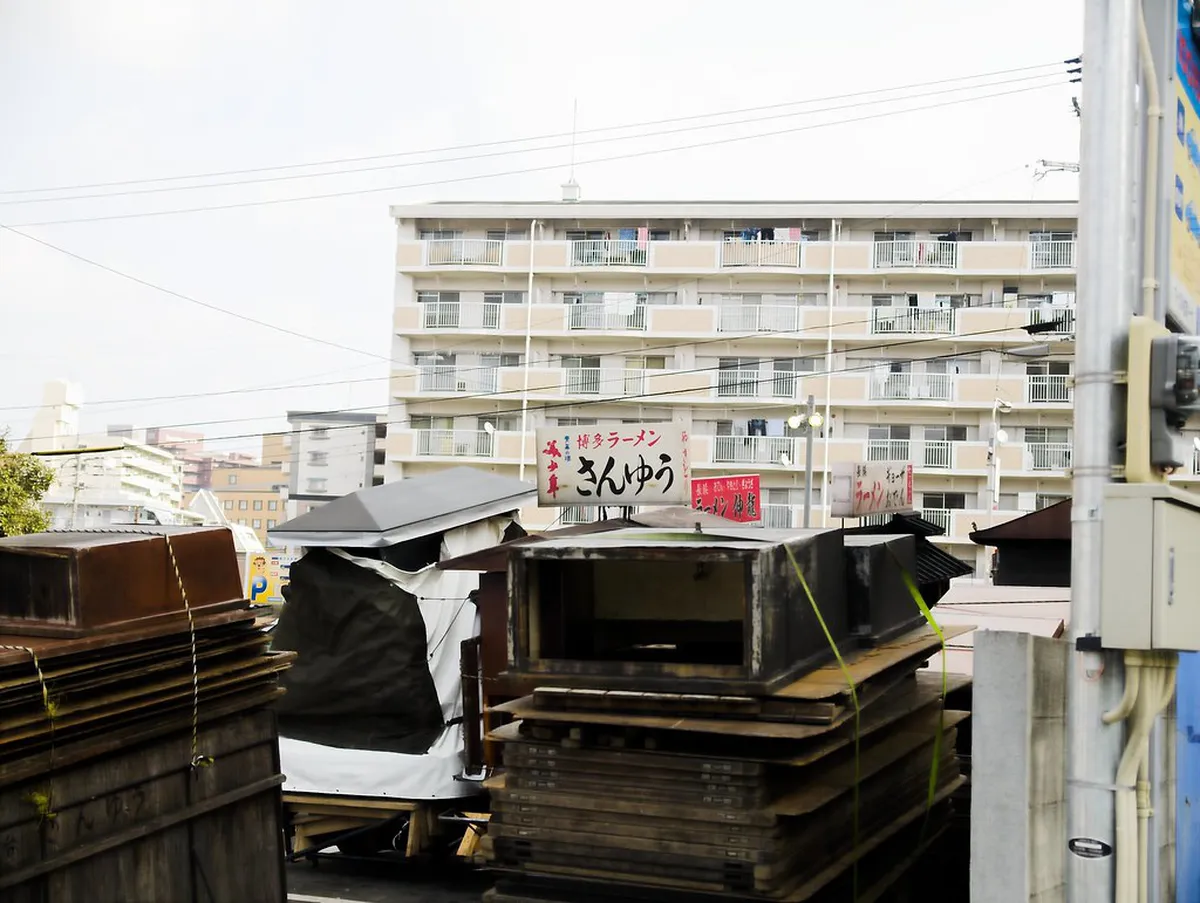
There are several unwritten rules to follow when dining at these stalls. It is standard practice for each guest to order food or a drink, and many people start with a drink order before choosing ramen, oden, yakitori, gyoza, or mentaiko tamagoyaki. Because seating is so limited, you should not stay for hours after finishing your food. Being mindful of people waiting in line shows respect for both the owner and other diners.
Payment methods vary by stall, so cash remains the safest choice even when a counter displays QR payment or IC card signs. Check the menu board before sitting, ask about any seat charge if you are unsure, and avoid ordering only one small item during the busiest dinner window. Exploring the Hakata Old Town area nearby provides a good daytime contrast to the yatai scene. Traditional architecture, craft shops, and shrine streets help explain why these compact postwar-style stalls still matter to local identity.
Click here for a summary article including this article
For a complete view of the city, visit one of the Fukuoka City Tourist Information Centers at major transit points before your evening meal. These centers provide free maps, event details, and practical advice about current festivals or construction that may affect your route. A physical map is still useful around Nakasu because bridge names, alley entrances, and riverside paths can be easier to understand on paper than on a small phone screen.
If you want a panoramic view of the skyline, head over to the Fukuoka Tower before or after dinner. Seeing the city lights from above helps you understand how close Nakasu, Tenjin, Hakata, and the waterfront really are. Couples and photographers may prefer the tower first, then a late yatai visit; food-focused travelers should reverse the order and use the tower as a quieter nightcap.
This page is part of a larger set of Fukuoka attraction guides, so use it as the food-focused stop in a broader city plan. Pair Nakasu yatai with Kushida Shrine and Hakata Old Town for a compact cultural route, or with Canal City Hakata for an easy shopping-and-dinner route. The best short itinerary keeps the yatai meal flexible instead of locking the whole evening to one named stall.
Feeling at a loss when the yatai you wanted to visit is closed
Some stalls do not open in rain or stormy weather, and each stall sets its own days off (there is no fixed closing day). Cash is essential — only about 10% of yatai accept credit cards. Avoid arriving with large luggage, strollers, or a group larger than four without a plan B location.
Sometimes your target stall might be closed due to weather, a scheduled day off, or a private situation that never appears on travel blogs. If this happens in Nakasu, do not wait too long hoping it will open. Check FUKUOKA GUIDE if available, scan nearby counters with visible menus, then decide whether to stay in Nakasu, walk toward Tenjin, or switch to an indoor restaurant.
Tenjin is the best backup when you still want the yatai experience and prefer to stay central. It has another large cluster of stalls, often with a slightly more local after-work mood than the riverfront. Nagahama is the better backup for ramen-focused travelers who care more about noodles than scenery. It is farther from the main sightseeing loop, but its ramen identity is strong and loyal customers keep the area lively.
If the weather is truly bad, Nakasu has many indoor ramen shops and izakaya that stay open late. These restaurants offer classic Hakata flavors in a dry and climate-controlled environment. The common mistake is forcing an outdoor meal during heavy rain just because yatai was on the itinerary. A successful yatai night depends on flexibility: pick the area first, then the stall, then the dish.
I’m nervous to try a yatai for the first time…
It is perfectly normal to feel a bit shy when approaching a yatai for the first time. The small space and close proximity to strangers can feel intimidating to new visitors. However, you will find that most stall owners are very welcoming and used to tourists. A simple smile and a polite greeting go a long way in breaking the ice.
Many stalls now provide English menus with pictures to make ordering easier for international guests. You can simply point to what you want if you are not confident in your Japanese. Solo travelers are very common at these stalls, so you will not feel out of place dining alone. It is a great way to meet both locals and other travelers from around the world.
Start by choosing a stall that looks as busy but still has a few open seats. A high turnover of customers usually indicates that the food is fresh and popular. Once you sit down, the chef will usually ask for your drink order first. Just relax and enjoy the unique sights and smells of this special dining experience.
Selected Recommended Food Stalls List
Choosing which stall to visit can be difficult with so many excellent options available. Each yatai has its own specialty, owner personality, and house rhythm. Some focus on classic ramen, while others offer modern fusion dishes, grilled seafood, oden, or crisp Hakata-style gyoza. A long line can signal quality, but it can also consume most of a short evening, so balance reputation against wait time.
Use this selected recommended food stalls list as a starting point, then confirm the stall is actually operating on your visit night. For first-timers, the best stall is usually not the most famous one; it is the one with visible prices, a menu you understand, a few open seats, and a chef who looks ready to welcome new guests. Exploring multiple stalls over several nights is the best way to find your favorite.
| Stall | Specialty | Price range | Notes |
|---|---|---|---|
| Hakata Yatai Nakasu Jūban | Tonkotsu Ramen | Affordable | Very traditional; mix of locals and tourists |
| Yatai Mamichan | Mami-style Gyoza | Mid-range | Lively and friendly; located in Tenjin, not Nakasu |
| Hakata Yatai Kōryū | Grilled skewers | ¥800–¥1,200 / dish | Cozy atmosphere; English menu available |
- Hakata Yatai Nakasu Jūban
- Specialty: Tonkotsu Ramen
- Vibe: Very traditional
- Price: Affordable
- Crowd: Mix of locals and tourists
- Yatai Mamichan
- Specialty: Mami-style Gyoza
- Vibe: Lively and friendly
- Price: Mid-range
- Location: Tenjin (not Nakasu)
- Hakata Yatai Kōryū
- Specialty: Grilled Skewers
- Vibe: Cozy and warm
- Price: 800-1200 yen per dish
- Feature: English menu available
Stall locations were checked against the Fukuoka City yatai map (dated August 1, 2022). Specialties and price levels are our own notes, not official figures, so check each stall's posted prices.
Quick Answers for Short Itineraries
Nakasu yatai is worth including on a short Fukuoka itinerary if you have one free evening, enjoy casual counter dining, and can stay flexible about weather. It is less ideal if you need guaranteed seating, a quiet meal, full wheelchair access, or a long dinner with large luggage beside you. In those cases, walk the riverfront for photos and eat indoors nearby.
For must-see Nakasu attractions, first-time visitors should prioritize the riverside yatai row, Canal City Hakata, Kushida Shrine, and a short walk through Hakata Old Town. Plan about two to three hours if you want dinner plus a slow riverside stroll, or four to five hours if you add shopping and shrine time. Avoid the common mistake of arriving at peak hour with a large group and no backup area in mind.
A practical 2026 plan is simple: check weather and stall status, arrive near 6:00 PM for easier seating or after 10:00 PM for a calmer mood, bring cash, order at least one item per person, and move on once you finish. This keeps the night smooth for you and fair for the people waiting behind you.
Frequently Asked Questions
How clean are yatai?
Fukuoka city enforces strict hygiene management rules for all food stalls. Every owner must have a license and follow regular safety inspections. Stalls use clean water and modern refrigeration to keep ingredients fresh. You can dine with confidence knowing these standards are maintained. Fukuoka travel guide tips often highlight this safety.
How do you get in when it’s cold out?
Most yatai stalls feature heavy plastic curtains that keep the heat inside during winter. Many owners also provide small heaters or blankets for their guests. The steam from the cooking pots helps keep the small space warm. It is a very cozy experience to eat hot ramen while it is cold outside.
Which nakasu yatai food stalls visitor guide options fit first-time visitors?
First-time visitors should look for stalls with English menus and visible prices. Stalls like Mamichan are known for being very welcoming to international travelers. Choosing a spot with a diverse menu of skewers and ramen is also helpful. This allows you to try many different flavors in one sitting.
How much time should you plan for nakasu yatai food stalls visitor guide?
You should plan for about 45 to 60 minutes per stall. This gives you enough time to enjoy a drink and a main dish comfortably. If you plan to visit multiple stalls, allow at least two to three hours. Remember to move on once you finish to let others sit.
What should travelers avoid when planning nakasu yatai food stalls visitor guide?
Avoid bringing large luggage or strollers as space is extremely tight. Do not expect to pay with a credit card at most stalls. Cash is still the primary payment method for yatai dining. Also, avoid visiting during typhoons or heavy rain when stalls are likely to be closed.
Visiting the Nakasu yatai is an essential experience for anyone traveling to Fukuoka. These stalls offer a unique blend of delicious food and social interaction. Following this guide will help you enjoy the riverfront like a local expert. Make sure to bring your appetite and a sense of adventure for a memorable night.
For more Fukuoka planning, see our Fukuoka travel guide, Fukuoka attractions, How to visit Fukuoka yatai street food stalls.
For official details, visit the Nakasu Yatai Food Stalls official site and Nakasu Yatai Food Stalls on Wikipedia.


