

Dazaifu Tenmangu Shrine is one of Fukuoka's most important cultural sites and the head shrine of the Tenjin faith in Japan. It honors Sugawara no Michizane, the Heian-period scholar now worshipped as the deity of learning, culture, and the arts. Use this **dazaifu tenmangu shrine visitor guide** to understand the worship route, exam-success rituals, and the post-renovation layout before arriving.
Visiting this site is a top priority for anyone exploring the many Fukuoka attractions. The shrine works well as a half-day trip from Tenjin or Hakata, especially when paired with the Kyushu National Museum and the snack-filled sando approach. This guide focuses on where to start, how to avoid crowds, what is accessible, and which first-time mistakes to avoid.
History and Significance of Sugawara Michizane
The history of Dazaifu Tenmangu begins with Sugawara Michizane in the ninth century. He was a brilliant poet and politician who served the imperial court with distinction. After his death, people honored his spirit as Tenjin, the patron deity of literature and learning.
Learning about the local folklore is a highlight of exploring various Fukuoka attractions during your stay. Michizane loved plum trees, and his dedication to education made him a symbol of hope for students across Japan. Local families still bring children here to seek blessings for future studies.
Stone lanterns, camphor trees, plum groves, and sub-shrines line the paths toward the worship area. Knowing the history helps explain why visitors pause at the ox statues, cross the bridges slowly, and treat the shrine as more than a photo stop.
| Gates open | 6:00 from the spring equinox; 6:30 from the autumn equinox |
|---|---|
| Gates close | 19:00 (April–May, September–November); 19:30 (June–August); 18:30 (December–March) |
| New Year exception | Dec 31 opens 6:30; open 24 hours Jan 1–3; closes 21:00 on Jan 4; normal January hours (6:30–18:30) from Jan 5 |
| Admission | Free for shrine grounds |
| Nearest station | Nishitetsu Dazaifu Station |
| Best time | Before 10:00 AM |
Gate hours, New Year hours, admission and station verified against Dazaifu Tenmangu (official, visiting hours) and Dazaifu Tenmangu FAQ (New Year hours). The shrine announces temporary hour changes on its site.
7 Must-See Highlights of Dazaifu Tenmangu
A smooth first visit starts at Nishitetsu Dazaifu Station, follows the sando approach to the torii gates, pauses at a sacred ox statue, crosses Shinjike Pond, enters through the Romon Gate, and continues to the main hall (honden). Save the museum path and souvenir shopping for after the shrine route.
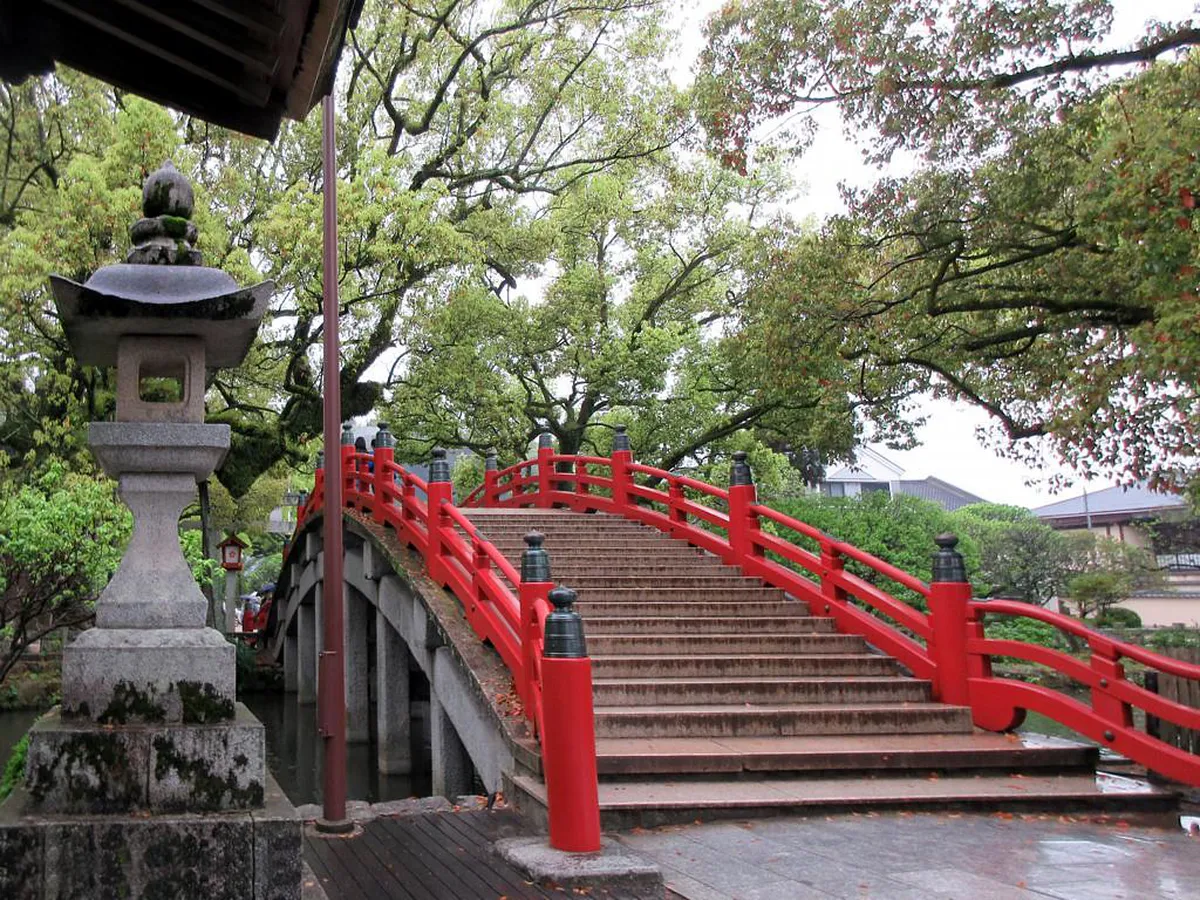
The red arched bridges cross a pond shaped like the Japanese character for heart, and the three bridges are commonly interpreted as past, present, and future. Walk across them slowly as a symbolic purification before worship, but avoid blocking the bridge for long photo shoots.
The temporary hall, or Karihonden, designed by Sou Fujimoto with a living forest roof, served as the worship site during the main hall's first major renovation in 124 years. Worship in front of the main hall resumed on September 19, 2026, and the temporary hall is now being dismantled.
- Iconic Red Taiko Bridges
- Symbol: Past present future
- Location: Over Shinjike Pond
- Rule: Do not look back
- Sacred Shingyu Ox Statue
- Ritual: Rub for wisdom
- Location: Near entrance gate
- Benefit: Success in exams
- Grand Two Story Romon Gate
- Style: Traditional Shinto design
- Feature: Intricate wood carvings
- View: Entry to courtyard
- Legendary Tobiume Plum Tree
- Story: Flew from Kyoto
- Bloom: Early spring season
- Location: Near main hall
- Modern Temporary Main Hall
- Architect: Sou Fujimoto design
- Feature: Floating forest roof
- Status: Being dismantled after worship returned to the main hall (September 2026)
- Heart Shaped Shinjike Pond
- Shape: Kanji for heart
- Wildlife: Turtles and koi
- Setting: Peaceful garden area
- Artistic Kengo Kuma Starbucks
- Style: Interlocking wood beams
- Method: No nails used
- Location: Main approach street
Arrive before 10:00 AM to beat tour-bus crowds and walk the Tobiume plum tree and red arched bridges at a relaxed pace. Weekdays are noticeably quieter than weekends.
If you have extra time, look for the Kirin and Uso statues near the worship area. They add another layer to the shrine's symbolism: virtue, good fortune, and the wish to turn mistakes into sincerity.
Gourmet Guide: Umegae Mochi and Local Treats
The path leading to the shrine is lined with shops selling traditional Japanese snacks. The most famous treat is Umegae Mochi, a grilled rice cake filled with sweet bean paste and stamped with a plum blossom. Buy one hot from the griddle on the way out rather than eating while moving through the narrowest part of the approach.
If you enjoy historical sites, you should also see the Kushida Shrine in the city center. Dazaifu is also known for Amaou strawberry sweets, including strawberry daifuku and seasonal cafe desserts.
For something more filling, the Dazaifu Burger is a popular local choice. You will find small restaurants tucked into the side streets near the station, so this area works well for a relaxed lunch after worship.
- Umegae Mochi: the signature shrine snack, best eaten warm after worship.
- Amaou strawberry sweets: look for daifuku, monaka, parfaits, and seasonal cafe desserts.
- Dazaifu Burger: a filling stop when you need lunch rather than another sweet.
- Coffee break: the Kengo Kuma Starbucks is worth seeing, but queues can be longer than the drink stop itself on weekends.
Seasonal Beauty: Plum Blossoms and Festivals
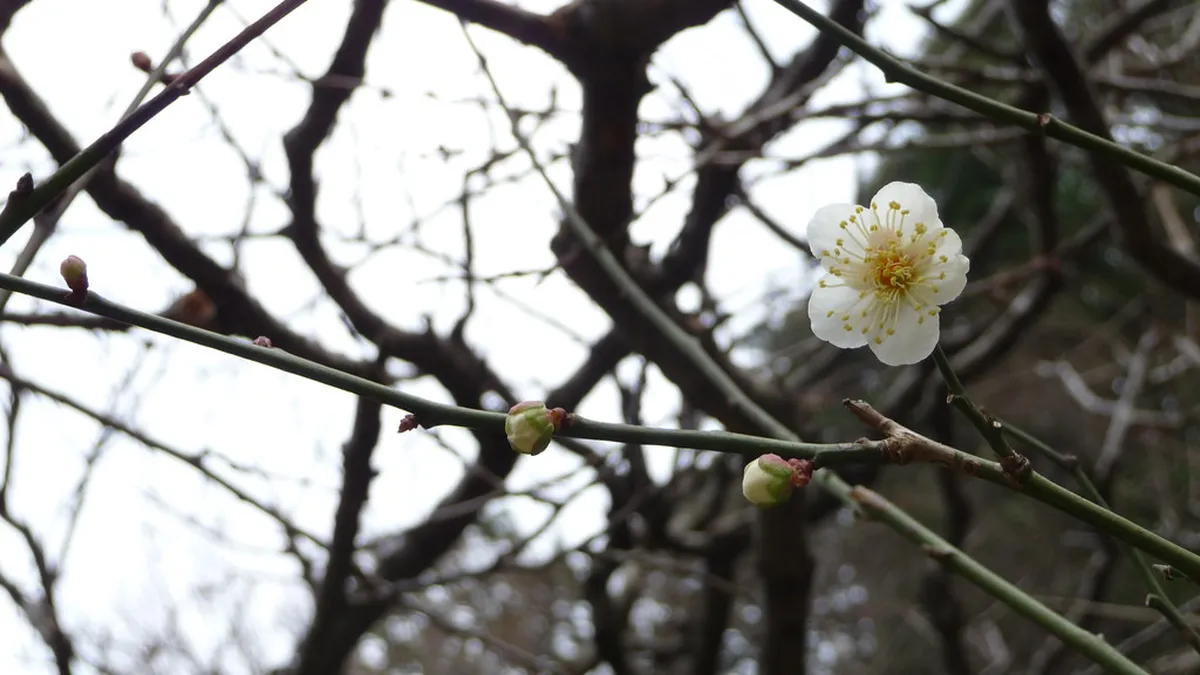
The shrine is famous for over six thousand plum trees. They usually bloom from late January into early March, with February the safest target for many travelers. Bloom timing shifts with the weather each year, but the Tobiume tree is the symbolic highlight.
Summer brings purple irises and lush green gardens around Shinjike Pond, though humidity makes early morning and late afternoon visits more comfortable. Autumn is another strong season as maple leaves turn red and walking temperatures improve.
Winter visitors can experience the exam-season energy of students praying for success, especially around New Year and the weeks before entrance exams. Every season offers a different reason to visit, so choose based on flowers, festivals, or crowd tolerance.
Annual Festivals and Ceremonies Beyond Blossom Season
Beyond blossom timing, Dazaifu Tenmangu holds several named ceremonies that shape a visit more than general seasonal bloom watching. Usokae Shinji, the Bullfinch-Swapping Ritual, takes place every January 7th after dark: visitors exchange carved wooden bullfinch charms by hand, symbolically trading the past year's misfortunes for truth.
Kyokusui no Utage, a Heian-style poetry party, is held on the first Sunday of March. Participants in period costume sit along the stream feeding Shinjike Pond and compose a poem before a floating sake cup drifts past them, recreating a centuries-old court pastime.
The Jinko-shiki autumn grand festival runs across several days in late September, built around a nighttime mikoshi procession that carries Michizane's spirit from the main hall to a resting shrine and back, accompanied by court music and dance performed by shrine maidens.
Otaue-sai, a rice-planting ceremony, takes place each June in the shrine's small paddy field near the approach, with attendants in traditional dress planting seedlings and praying for a good harvest.
Each ceremony has its own dress code and photography etiquette, and dates can shift slightly year to year, so confirm the current schedule locally before planning a trip around one.
Prayers and Blessings for Academic Success
Worship in front of the historic main hall resumed on September 19, 2026, after about three and a half years of renovation. The temporary Karihonden designed by Sou Fujimoto is being dismantled.
Students from all over Japan travel here to pray for success in school exams. Many buy wooden ema tablets, write specific academic wishes, and hang them near the main worship area. Academic charms and omikuji fortunes are also common parts of the visit.
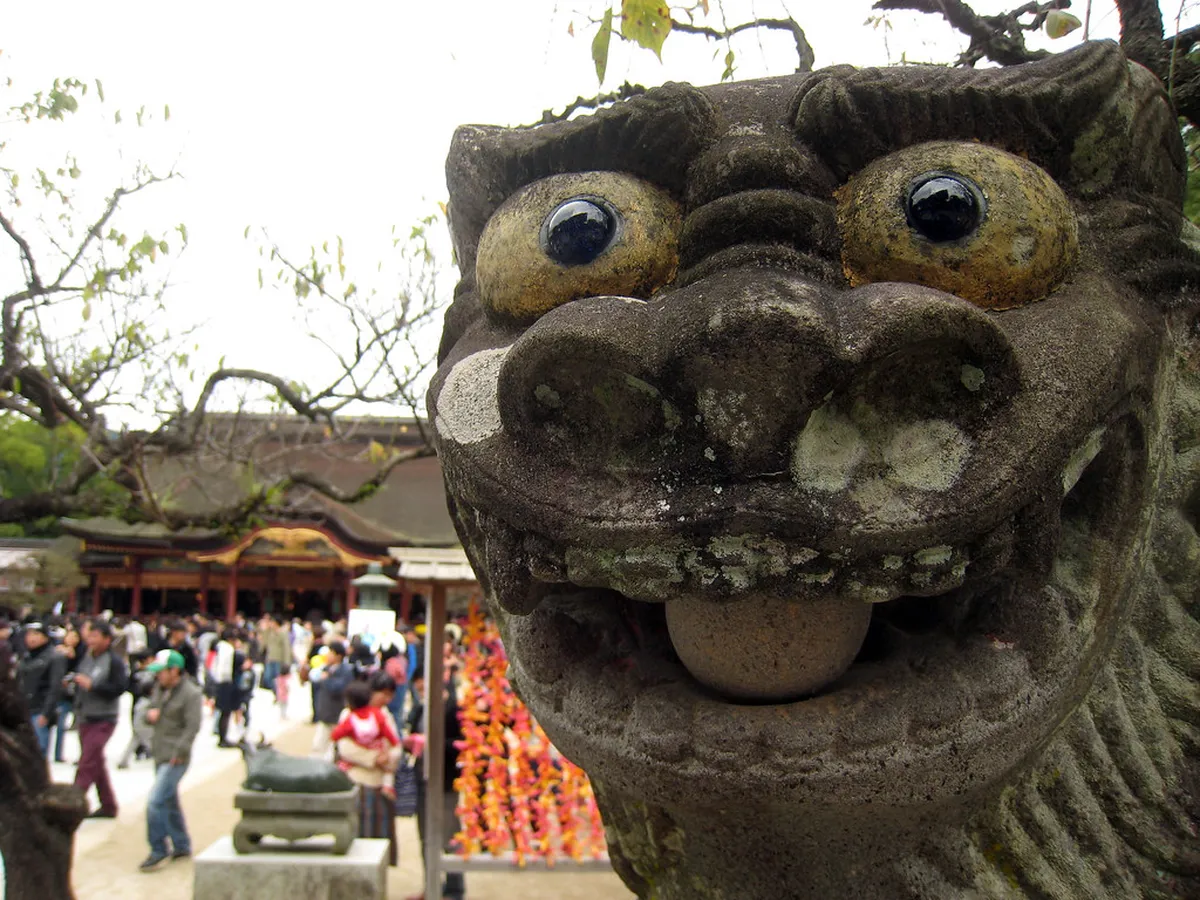
The ritual of rubbing the sacred ox statue is another essential experience. Touching the head is said to transfer wisdom and intelligence, and some visitors touch the matching part of the ox connected to a personal concern. Move aside after the ritual so the next visitor can take a photo or offer their own prayer.
Exploring the Grounds: Art and Architecture
Dazaifu Tenmangu blends traditional Shinto architecture with modern design. The grand Romon Gate marks the entrance to the inner courtyard, while the newly renovated main hall is a reason to return even if you visited during the renovation.
Modern art fans will appreciate the Starbucks on the main approach street. Designed by Kengo Kuma, it uses over two thousand interlocking wooden beams and a no-nails construction concept. It is still a functioning shop rather than a museum, so photograph from the side when queues build.
You can also visit the Kyushu National Museum a short walk from the shrine. A moving walkway connects the shrine grounds to the entrance, making the pair realistic for travelers who prefer step-free movement between the two sites.
Homotsuden Treasure Hall and the Kanko Historical Museum
Beyond the main worship route, a ticketed building near the plum grove houses the Homotsuden treasure hall and the adjoining Kanko Historical Museum, both easy to miss on a first visit since neither sits directly on the sando path. The Homotsuden displays swords, sutras, ukiyo-e prints, and calligraphy connected to Michizane's court career, with several pieces registered as Important Cultural Properties. The Kanko Historical Museum uses life-size dioramas to walk visitors through Michizane's life, from his childhood as a prodigy poet through his exile to Dazaifu and eventual deification as Tenjin.
Admission is separate from the free shrine grounds:
| Item | Treasure Hall (Homotsuden) | Kanko Historical Museum |
|---|---|---|
| Adult admission | ¥500 | ¥200 |
| High school and university students | ¥200 | ¥150 |
| Elementary and junior high students | ¥100 | ¥100 |
| Hours | 9:00–16:30 (last entry 16:00) | 9:00–16:30 (last entry 16:00) |
| Closed | Mondays (open if a national or substitute holiday); occasional closures for exhibition changes | Tuesdays and Wednesdays |
Groups of 30 or more pay a lower group rate, and the Fukuoka Tourist City Pass also gets the group fare at both buildings. A ¥1,000 combination ticket covers the Treasure Hall, the Kanko Historical Museum and the Kyushu National Museum's Cultural Exchange Exhibition; it is sold at all three ticket counters. Verified against Dazaifu Tenmangu Treasure Hall (official), Kanko Historical Museum (official), Kyushu National Museum visitor information and Fukuoka Tourist City Pass.
Budget 20 to 30 minutes for a walkthrough. Because the exhibits are indoors and largely step-free, the Homotsuden is a reasonable option on a rainy day or during the midday heat of a Fukuoka summer, when the outdoor plum groves and courtyard offer little shade.
Access Guide: Getting from Fukuoka to Dazaifu
From Nishitetsu Fukuoka (Tenjin) Station, take the Nishitetsu Tenjin Omuta Line to Nishitetsu-Futsukaichi and transfer to the short Dazaifu Line. The colorful Tabito tourist train sometimes runs on this corridor. Check the latest schedules on the Dazaifu Tenmangu Official Site before you depart.
If you are staying near Hakata Station, you can take a direct bus to Dazaifu. The bus ride takes about forty minutes and drops you off near the station, but traffic can make it less predictable around weekends, public holidays, and plum blossom season. If your itinerary is tight, the train is usually easier to time.
The walk from Dazaifu Station to the shrine entrance takes about five to ten minutes. The main approach is mostly flat, but the shrine grounds include bridges, stone surfaces, and crowded pinch points. Visitors using wheelchairs, strollers, or canes should arrive early, use side routes where available, and allow extra time near the main hall and museum connection.
Downloadable Information and Maps
A digital map makes the large grounds easier to navigate. This Walking Route Map (Google Maps) helps you follow the station, sando, bridge, Romon Gate, main hall, Tobiume, museum sequence without doubling back through the busiest paths.
The official website provides downloadable brochures in multiple languages. Save them before arrival because crowds around the approach can make it inconvenient to stop and search for information.
Arrive before 10:00 AM to avoid the largest tour-bus crowds. Common mistakes include arriving at midday in plum season, eating while walking through the tightest sando crowds, and leaving the museum until everyone is already tired.
Frequently Asked Questions
What is the best time to visit Dazaifu Tenmangu?
The best time to visit is in February for the plum blossoms or early morning to avoid crowds. Arriving before 10:00 AM allows for a peaceful experience at this popular Fukuoka landmark. Weekdays are generally quieter than weekends and public holidays.
How do I get from Hakata Station to Dazaifu?
You can take a direct bus from the Hakata Bus Terminal which takes about forty minutes. Alternatively, take the subway to Tenjin and transfer to the Nishitetsu Line. Both options are efficient and very affordable for travelers on a day trip.
Why is Dazaifu Tenmangu famous for plum trees?
The shrine honors Sugawara Michizane, a scholar who loved plum trees throughout his life. Legend says his favorite tree flew from Kyoto to Dazaifu to be with him. Today, over six thousand trees bloom here every spring in his honor.
What is the Temporary Hall at Dazaifu Tenmangu?
The Temporary Hall is a modern worship space that was used while the main hall underwent major renovations. Designed by Sou Fujimoto, it features a unique roof covered in living forest greenery. Worship in front of the main hall resumed on September 19, 2026, and the temporary hall is being dismantled.
Is the Kyushu National Museum worth visiting near the shrine?
Yes, the museum is highly recommended and is located right next to the shrine grounds. It features a massive collection of Asian historical artifacts in a stunning modern building. A moving walkway makes it very easy to visit both sites together.
Dazaifu Tenmangu Shrine offers exam-success rituals, ancient plum legends, seasonal gardens, museum access, and a newly renovated main hall. Arrive early, follow the worship route first, and leave time for the approach street after the main shrine visit.
For more Fukuoka planning, see our Fukuoka travel guide, Fukuoka attractions, Dazaifu and Yanagawa day trip itinerary.
For official details, visit the Dazaifu Tenmangu Shrine on Wikipedia.


