Tochoji Temple stands as a compact, high-value history stop in the heart of Fukuoka. This ancient site offers a peaceful retreat from the busy streets of the Hakata district. Visitors come for the massive wooden Buddha, the red five-story pagoda, and the easy access from the subway. The temple is one of the simplest first stops for understanding Hakata's spiritual heritage without committing a full day.
Using this tochoji temple visitor guide will help you navigate the spiritual landmarks and hidden corners of the grounds. You will find practical 2026 advice on timing, costs, transit, accessibility, and common planning mistakes. The temple is conveniently located near major transit hubs, making it very easy to reach even on a short layover or first morning in Fukuoka. Whether you are a solo traveler or visiting with family, this guide keeps the visit smooth and focused.
Fukuoka is a city that blends modern energy with deep-rooted spiritual customs. Tochoji is one of the oldest temples in the region, founded by the famous monk Kobo Daishi. Its atmosphere gives visitors a direct look into Shingon Buddhism and Japanese religious artistry. Plan it with nearby Hakata sights and you can build a strong half-day itinerary around one small neighborhood.
Tochoji Temple Opening Hours and Exceptions
Tochoji Temple is open 9:00–17:00, and the Great Buddha Hall with the Fukuoka Daibutsu closes a little earlier, at 16:45. No regular closing day is listed.
| Place | Regular hours | Exception dates | Hours on those dates | Why |
|---|---|---|---|---|
| Temple grounds | 9:00–17:00 | None listed | — | No regular closing day published |
| Great Buddha Hall (Fukuoka Daibutsu) | 9:00–16:45 | None listed | — | Closes 15 minutes before the grounds |
| Temple grounds | — | Setsubun festival eve, February 2 (2026 schedule) | 13:00–17:00 | Setsubun eve festival |
| Temple grounds | — | Setsubun festival, February 3 (2026 schedule) | 10:00–17:00 | Hakata's oldest Setsubun festival, with bean throwing; expect crowds |
| Temple grounds (light-up venue) | — | Hakata Old Town Light Up Walk, October 31–November 3, 2026 | 17:30–21:00 (last entry 20:45) | Evening light-up; paid event ticket required |
Official tourism listings do not publish an entry fee for the Great Buddha Hall or its photography rules, so follow the signs on site. Verified against Crossroad Fukuoka (Tochoji Temple), the Tochoji Setsubun festival site and Hakata Old Town Light Up Walk.
Must-See Tochoji Attractions
Entry to the main grounds and the Great Buddha hall is free. The "Hell to Heaven" tunnel walk costs about ¥50. The temple opens daily at 9:00 AM — arrive early to enjoy the courtyard and pagoda with minimal crowds before tour groups arrive around 10:00 AM.
The Fukuoka Great Buddha is the crown jewel of the temple and the strongest choice for first-time visitors. This massive wooden statue stands over 10 meters tall and weighs approximately 30 tons. It is known as the largest wooden seated Buddha in Japan and offers a truly awe-inspiring sight. If you only have 30 minutes, prioritize the Buddha hall, the tunnel walk, and one slow loop around the pagoda.
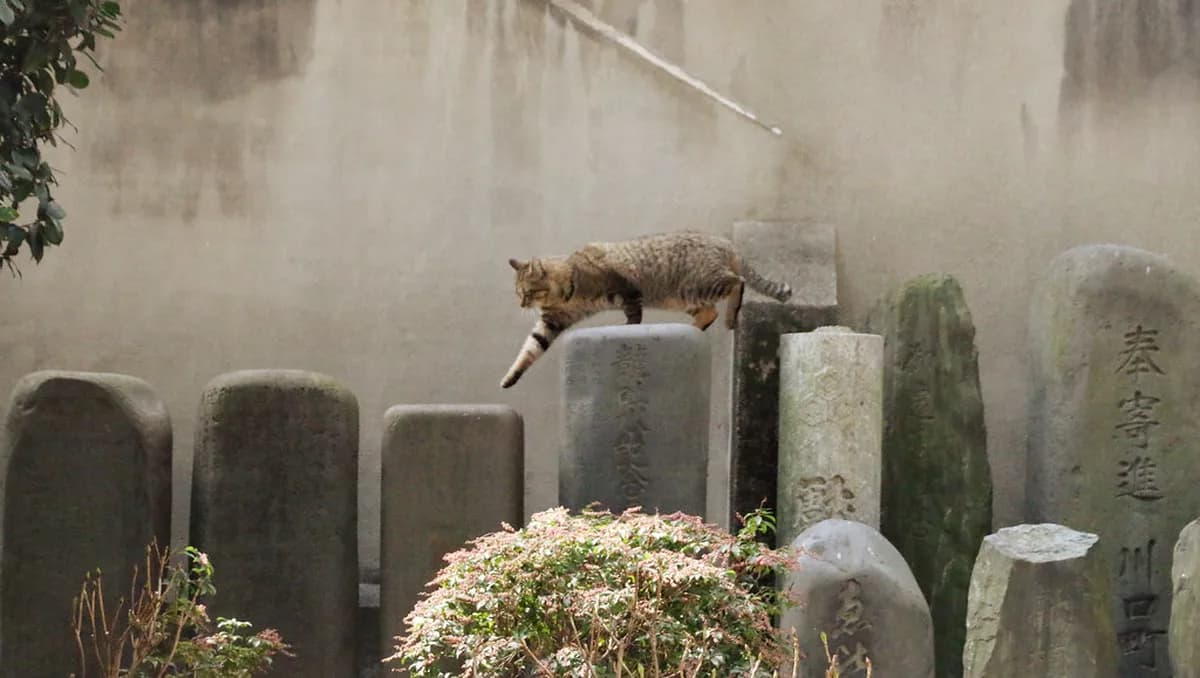
Beneath the Great Buddha, you can experience the unique Hell to Heaven walk. This dark tunnel features carvings depicting the Buddhist afterlife and leads to a pitch-black corridor. Finding the ring on the wall in the darkness is said to ensure a path to paradise. It is a sensory experience that adds a memorable layer to your Hakata Old Town exploration, though very young children may prefer to skip the darkest section.
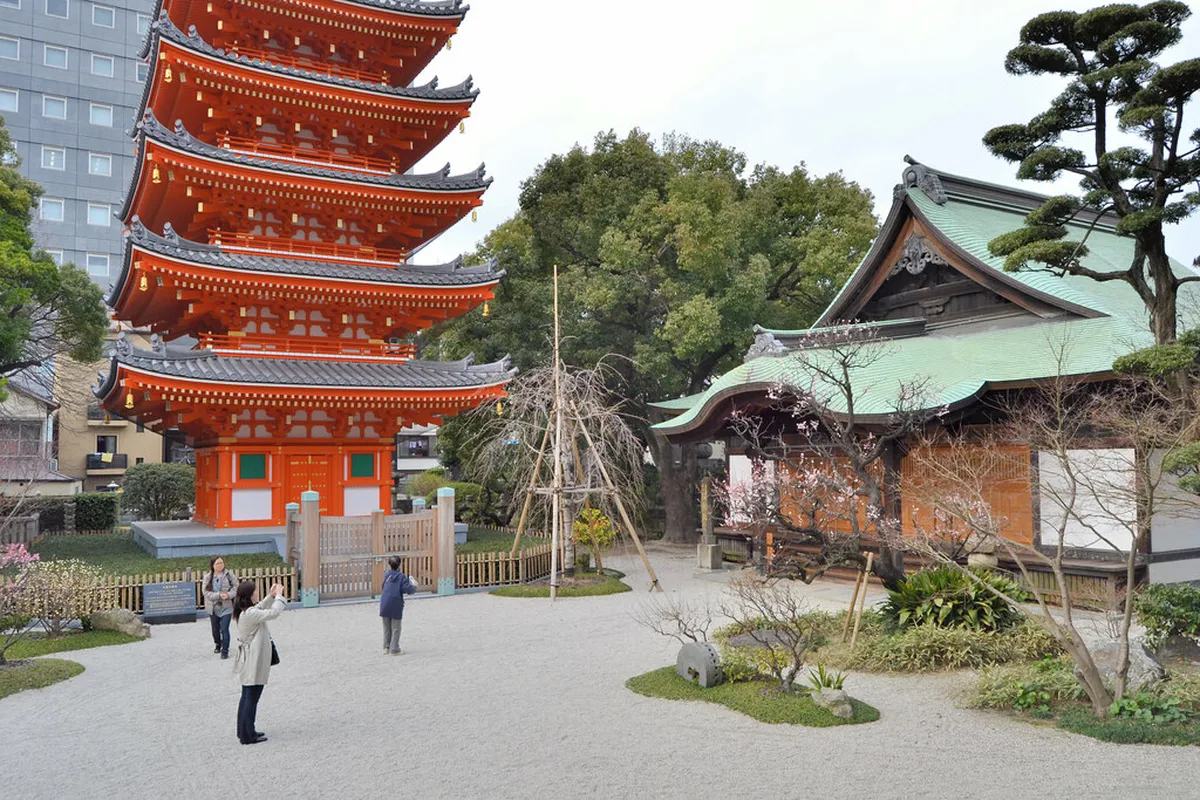
The bright red five-story pagoda is another architectural highlight that dominates the skyline. This structure was completed recently but follows traditional designs that honor the temple's long history. It provides a stunning contrast against the blue sky and the surrounding greenery. For photos, shoot the pagoda from the courtyard and save indoor camera use for posted-permitted areas only.
- Great Buddha Statue
- Type: Wooden sculpture
- Height: 10.8 meters
- Location: Second floor
- Cost: Small donation
- Five-Story Pagoda
- Style: Traditional red
- Best for: Photography
- Status: Iconic landmark
- Access: Exterior view
Museums, Art, and Culture in Tochoji
Tochoji is not just a place of worship but a living museum of Shingon Buddhism. The temple was established in 806 by Kobo Daishi after his return from China. It holds several cultural properties, including statues from the Heian period that showcase exquisite craftsmanship. Visitors can learn about the spread of Buddhism in Japan through the various halls, carvings, and ritual spaces.
The Rokkakudo, or hexagonal hall, is a small but significant building on the grounds. It houses six unique statues that are rarely shown to the public except during special festivals. The architecture of this hall is distinct and reflects older styles of religious construction. Exploring these details helps travelers appreciate the deeper spiritual layers of Fukuoka.
Artistic details are found in every corner, from the painted ceilings to the intricate incense burners. The temple also rewards quiet observation: watch where local worshippers bow, offer incense, or pause before entering a hall, then follow that slower rhythm. This is a better approach than rushing between photo spots, and it makes the visit feel less like a checklist.
Parks, Gardens, and Outdoor Spots in Tochoji
The temple grounds provide a serene outdoor environment that changes beautifully with the seasons. Spring brings delicate cherry blossoms that frame the red pagoda in soft pink hues. This is a popular time for locals to enjoy a quiet moment of reflection under the trees. The courtyard is well-maintained and offers useful resting points between sightseeing stops.
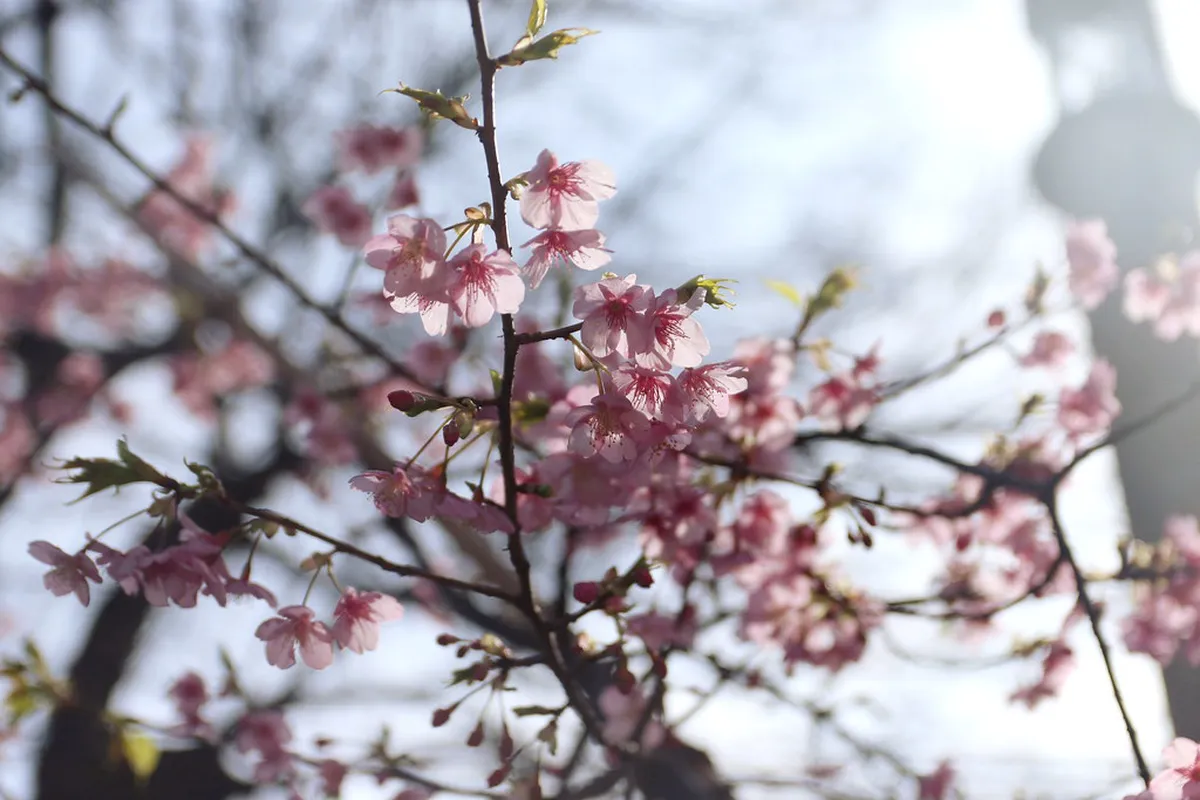
In autumn, the maples around the temple turn vibrant shades of orange and red. The cool air and colorful foliage create a perfect atmosphere for a slow walk through the complex. You can enjoy the natural beauty without the larger crowds found at major parks. It is a good urban nature break before continuing to nearby shopping streets or historical lanes.
Even during winter, the temple maintains a dignified and quiet charm. The stark lines of the architecture stand out against grey skies, offering a different kind of beauty. Rainy days can still work because the most important sight, the Great Buddha, is indoors. Bring a compact umbrella, use the subway approach, and avoid planning this as a long outdoor garden stop in bad weather.
Family-Friendly and Budget-Friendly Options in Tochoji
Tochoji is an excellent destination for families traveling on a budget. Entry to the main temple grounds is free, allowing you to explore the architecture without any cost. There is a small fee of about 50 yen to see the Great Buddha and walk the tunnel. This makes it one of the most affordable high-value attractions in the city.
Children often enjoy the interactive nature of the "Hell to Heaven" tunnel. The darkness and the search for the magic ring feel like a small adventure for younger visitors, while sensitive kids may find it intense. Since the temple is not overly large, it is easy for kids to navigate without getting tired. You can find more family tips in our guide to Kushida Shrine, which is located nearby.
The flat courtyard is stroller-friendly, but families should still expect steps or tighter interior areas around some halls. Parents can move between the pagoda and the main hall with minimal effort, then park the stroller briefly if needed. The best family strategy is to visit before lunch, keep the temple stop under two hours, and save snacks for the surrounding Hakata streets rather than eating inside worship areas.
How to Plan a Smooth Tochoji Attractions Day
Planning a visit to Tochoji is simple because of its central location in Hakata. The temple is located just a few steps away from Gion Station on the Kuko Subway Line, often translated as the Airport Line. You can also walk there in about 10 to 15 minutes from the main Hakata Station. Arriving early in the morning helps you avoid the larger tour groups that arrive later.
Combine your visit with other nearby historical sites to make the most of your day. The Hakata Old Town area is full of smaller shrines and traditional craft shops, and you can easily walk from Tochoji to the Canal City shopping mall for lunch. Check the https://www.tochoji.net/ official site for any temporary closures or special events before you go. Tochoji is worth including on a short itinerary because the access cost is low and the main highlights sit close together.
Photography is restricted inside the Buddha hall and the "Hell to Heaven" tunnel — look for posted signs before raising your camera. The Great Buddha Hall closes at 16:45 and the grounds at 17:00; avoid arriving after 16:00 if you want time to see both the Great Buddha and the pagoda.
The most common mistakes are arriving too close to closing, assuming all indoor spaces allow photography, and pairing Tochoji with too many distant attractions on the same morning. Respectful behavior is important when visiting this active place of worship. Avoid loud voices, keep to posted routes, and be mindful of people who are there to pray. Photography is allowed in most outdoor areas but is often restricted inside the Buddha hall.
Typical Budget for a Family of 4
| Item | Cost (per person) | Notes |
|---|---|---|
| Temple grounds + courtyard | Free | Open 09:00–17:00 (Great Buddha Hall until 16:45) |
| Great Buddha hall + tunnel | ~¥50 | Includes "Hell to Heaven" walk |
| Subway return (Gion ↔ Hakata) | ~¥210–¥250 | 1 stop on Kuko Line; walkable in 10–15 min |
| Lunch at a nearby ramen shop | ~¥800–¥1,200 | Many options in the Hakata Old Town streets |
A visit to Tochoji is very light on the wallet for a family of four. You should budget around 200 to 500 yen total for temple-related fees. This includes the small offering for the Great Buddha and some incense for the burners. It is a great way to experience Japanese culture without a high price tag.
Transportation costs will depend on where you are staying in the city. A subway ride for two adults and two kids will usually cost under 1,000 yen round trip. If you stay in Hakata, you can save this money by simply walking to the site. Many families choose to spend their savings on a nice meal at Canal City Hakata afterward.
For a full day including lunch and snacks, a family might spend around 6,000 to 8,000 yen. This covers a casual lunch at a local ramen shop and some small souvenirs from the temple shop. The main decision is whether to keep the day local in Hakata or add a paid ticketed attraction elsewhere. For budget travelers, Tochoji works best as the cultural anchor of a low-cost walking route.
Looking for day-by-day itineraries in Fukuoka?
Tochoji fits perfectly into a morning itinerary focused on the Hakata district. Start your day early at the temple before moving on to the nearby Kushida Shrine. This allows you to see two important spiritual sites in the area before lunch. You can then spend your afternoon relaxing at Ohori Park for a change of pace.
If you have more time, consider a themed day focused on local history and crafts. Visit the Hakata Traditional Craft and Design Museum after leaving the temple grounds. This provides context for the beautiful carvings and statues you saw earlier in the day. Ending your evening at the Nakasu Yatai food stalls is a great way to taste local flavors.
For road trips or longer Fukuoka plans, use Tochoji as the easy city-center culture stop before leaving town. A Dazaifu half-day pairs well if you want more temples and shrines, while coastal or island trips are better saved for clearer weather and earlier starts. Having a flexible plan helps you adapt to rain, heat, and your own energy level instead of forcing every top-ranked place nearby into one day.
Recommended visit duration: 2-3 hours
Spending two to three hours at Tochoji allows for a relaxed and thorough exploration. This timeframe gives you enough room to see the Great Buddha, complete the dark tunnel walk, and pause at the pagoda. You won't feel rushed while admiring the details of the main hall. It is the right window for travelers who want reflection time rather than a quick photo stop.
If your schedule is tight, 45 to 60 minutes is enough for the essential route: enter from Gion Station, visit the Buddha hall, walk the tunnel, photograph the pagoda exterior, and continue toward Hakata Old Town. If you are a fan of photography, you might want to stay longer to catch the light. The morning sun often illuminates the pagoda in a way that makes the red color pop.
Travelers with kids might find that two hours is just right to keep them engaged. The tunnel walk is the highlight for children and doesn't take very long to complete. After finishing at the temple, you will still have plenty of energy for other Fukuoka attractions. Planning for this window helps keep your daily schedule balanced and enjoyable.
What's the weather like in Fukuoka?
Fukuoka enjoys a temperate climate that makes temple visits pleasant throughout most of the year. Spring and autumn are widely considered the best times to visit for comfortable walking weather. During these months, temperatures are mild and the natural scenery is at its peak. You can enjoy the outdoor areas of the temple without worrying about extreme heat or cold.
Summer in Fukuoka can be quite hot and humid, especially during July and August. If you visit during this time, schedule your temple tour for the early morning hours and keep the outdoor courtyard loop short. The shade within the temple halls provides some relief from the sun. Always carry a bottle of water and wear sunscreen when exploring the pagoda area.
Winter is generally mild, though you may encounter chilly winds from the sea. Snow is rare but can occasionally dust the temple roofs for a magical, short-lived sight. Most indoor areas of the temple are not heated, so dressing in layers is a smart choice. In 2026 planning, treat Tochoji as an all-year attraction, but let the weather decide whether you extend into a longer Hakata walking route.
Your itinerary and your map in one view
Visualizing the layout of Hakata helps you maximize your time at Tochoji. The temple is a central anchor for the historical walking route that connects several shrines. You can View map details to see how close it is to the Gion subway exit. This proximity makes it nearly impossible to get lost while searching for the site.
Most visitors find that a digital map is the easiest way to navigate the narrow side streets. Build your map in layers: Tochoji for culture, Kushida Shrine for festival history, Canal City for food and shopping, and a subway marker for the return trip. This keeps the route efficient and avoids backtracking through Hakata when the weather changes.
Using a map also helps you choose the best nearby places instead of following ratings alone. If you want a quiet visit, search for cafes and ramen shops one or two blocks away from the main route. If you want popular things to do, continue toward the denser Canal City and Nakasu areas after the temple. A well-planned map view keeps your journey efficient and full of discovery.
Frequently Asked Questions
When is the best time to visit Tochoji Temple?
The best time to visit is during the spring or autumn for mild weather and beautiful foliage. Early morning arrivals around 9:00 AM are ideal to avoid crowds. This allows you to enjoy the quiet spiritual atmosphere before the peak tourist hours begin.
How Kids-Friendly is Tochoji Temple?
Tochoji is very kid-friendly due to its interactive "Hell to Heaven" tunnel walk. The flat grounds are easy for strollers, and the site is small enough to explore without tiring out young children. It offers a great mix of culture and sensory fun for families.
How much does it cost to enter Tochoji Temple?
Entry to the main temple grounds is free for all visitors. However, there is a small fee of roughly 50 yen to see the Great Buddha and enter the tunnel. This makes it a very budget-friendly option for travelers exploring the Hakata area.
Tochoji Temple remains a vital part of the cultural fabric of Fukuoka. Its combination of ancient history and accessible location makes it a top choice for any visitor. By following this guide, you can experience the spiritual depth and artistic beauty of the site with ease. Don't miss the chance to see the Great Buddha and the stunning five-story pagoda during your stay.
Whether you are seeking peace or adventure, this temple offers something for everyone. Plan your visit today and discover why so many travelers fall in love with this Hakata landmark. Your journey through the history of Japan starts right here in the heart of the city.
For more Fukuoka planning, see our Fukuoka travel guide, Fukuoka attractions, Must-visit Fukuoka temples.
For official details, visit the Tochoji Temple on Wikipedia.