9 Best Fukuoka Temples Beyond the Big Four (2026 Guide)
Discover 9 hidden Fukuoka temples beyond Nanzoin and Tochoji. Explore the birthplace of Udon, Zen gardens, and mermaid legends in Hakata Old Town.
On this page
I have spent years wandering the quiet, stone-paved backstreets of Hakata to uncover the city's true spiritual heart. While most visitors prioritize the massive reclining Buddha at Nanzoin, the real magic often hides in plain sight within the central city. The Hakata Old Town district contains a dense concentration of historical sites that most tourists simply walk right past. This guide was last refreshed in January 2026 to ensure all access details and pricing remain accurate for your next trip.
Understanding the distinction between Fukuoka and Hakata is essential for any cultural traveler visiting this region. Hakata was the ancient merchant port, while Fukuoka was the fortified castle town built by the ruling samurai clan. Today, the Hakata side holds the oldest religious traditions, including the very first Zen temple ever established in Japan. Our Fukuoka cultural heritage itinerary provides a great starting point for those with limited time.
Exploring these lesser-known sites allows for a much slower and more reflective experience than the crowded 'Big Four' shrines. You will find mossy gardens, intricate woodwork, and fascinating local legends that standard guidebooks often overlook entirely. Prepare to see the birthplace of Japanese noodles and the resting place of powerful feudal lords in total silence. These sites offer a rare glimpse into the authentic daily rhythms of Japanese religious life without the heavy tourist infrastructure.
The Spiritual Legacy of Hakata Old Town
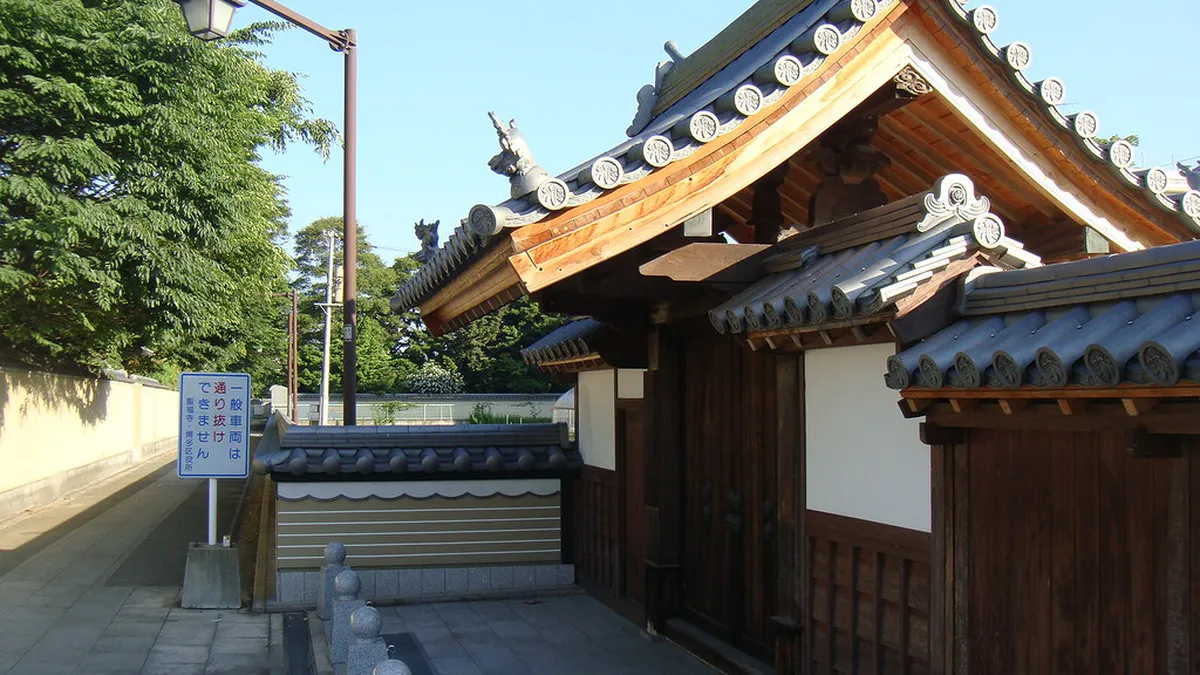
The Hakata Old Town area served as the gateway for Zen Buddhism as it traveled from China to the Japanese archipelago. The monk Eisai returned from Song-dynasty China in 1191 carrying tea seeds and the Rinzai Zen lineage, and Hakata was the first soil he stood on. Within four years he had founded Shofukuji here, predating the great Zen complexes of Kamakura and Kyoto by decades. Walking these streets, you are tracing the literal entry point of an entire religious tradition into Japan.
The 1889 merger between samurai-side Fukuoka and merchant-side Hakata is why these names still trade places in conversation. Fukuoka is the modern administrative city, while Hakata refers to the eastern half of the city centre that holds the station, the old port, and almost every temple in this guide. Knowing this distinction prevents a lot of confusion when reading signs, ordering Hakata-style ramen, or asking locals for directions to the temple cluster.
Most of these sites sit a five to ten minute walk from Hakata Station, yet thick earthen Hakata-bei walls and old camphor trees mute the urban noise instantly. The 2026 city tourism office has finally added bilingual QR-code plaques at the Hakata Sennen-no-Mon Gate, making it easier to read the founding stories without a guide. You can fold these stops into our 5-day Fukuoka itinerary for history and nature, or attach them to any longer Kyushu loop.
Hidden Temple Walking Map: The Efficient Order
The Hakata cluster is small enough that route order matters more than transit. Following the wrong sequence forces you to double back across Taihaku Avenue or the Mikasa River three or four times. The route below is the order I now recommend after walking it in every direction across multiple visits, and it ends near food and subway access for an easy lunch handoff.
- Start at Hakata Station Hakata-Guchi exit at 09:00, walk 8 minutes northwest to the Hakata Sennen-no-Mon Gate.
- Pass through the gate into Jotenji (the road literally splits the temple grounds).
- Cross Taihaku-dori to Tochoji for context on the Big Four, then continue north to Myorakuji.
- Loop west through the small alleys to Sofukuji and the Kuroda clan graves.
- Walk 4 minutes north to Shofukuji, with Genju-an tucked inside the same precinct.
- Finish at Ryuguji near the Naka River, then cross into Nakasu or Gion for udon at one of Jotenji's spiritual descendants.
Done unhurried with a 15-minute pause at each site, the loop runs about 3 hours and covers roughly 3.5 kilometres. If your shoes are right and the weather is mild, skip the subway entirely; the Fukuoka City Subway 1-Day Pass only pays off if you tack on Ohori Park or Tenjin afterwards.
Most temples in the Hakata cluster are free to enter. Expect to pay a small fee of 300–500 yen only if you enter specific inner gardens or halls. Operating hours across the district are generally 09:00–17:00.
9 Fukuoka Temples and Tips Beyond the Famous Four (2026)
This list focuses on sites that offer unique historical narratives or architectural features not found at the major shrines. We have grouped these locations to follow a logical walking path that minimizes backtracking through the city streets. Each entry includes the specific cultural draw that makes it worth your time during a busy vacation. Please remember that these are active places of worship where local residents go to pray and find quiet.
Most temples in this district do not charge an entry fee for the main grounds or external viewing areas. Expect to pay a small fee of 300 to 500 yen only if you wish to enter specific inner gardens or halls. Operating hours are very consistent across the district, with most gates opening at dawn and closing by five in the evening. Checking the Fukuoka travel budget guide will help you plan for these small incidental costs.
The following selections represent the best balance of historical significance and aesthetic beauty in the Hakata area. We have personally visited each of these sites to verify their current accessibility and atmosphere for international visitors. From mermaid legends to the origins of Japanese soul food, these temples tell the story of Fukuoka's diverse past. Make sure to bring a pair of easy-to-remove shoes as some interior halls may require you to walk in socks.
- Shofukuji: The First Zen Temple in Japan
- This massive complex holds the distinction of being the oldest Zen temple in Japan, founded in 1195 by the monk Eisai.
- The grounds are free to enter daily from 9am to 5pm and are located just a short walk from Gion Station.
- Look for the impressive Sanmon gate and the ancient bronze bell which is designated as a national cultural property.
- Jotenji: The Birthplace of Udon and Soba
- This beautiful temple features a stone monument marking it as the site where flour milling technology first arrived in Japan.
- The main grounds are free to visit between 9am and 5pm, though the famous Zen garden is often closed to the public.
- Visit during the Hakata Gion Yamakasa festival to see the massive floats pass through the temple's unique split-street layout.
- Myorakuji: A Gateway for International Trade
- Myorakuji played a vital role in diplomatic relations with China and is known as the birthplace of Uiro-mochi sweets.
- The temple is located in the heart of the Gokucho area and typically welcomes visitors for free during daylight hours.
- The quiet courtyard offers a perfect spot to observe traditional Hakata-bei walls made from recycled roof tiles and clay.
- Sofukuji: The Resting Place of the Kuroda Clan
- This temple serves as the family mausoleum for the powerful Kuroda lords who once ruled the Fukuoka domain.
- The main gate was originally part of Fukuoka Castle and is a rare surviving example of 17th-century fortification architecture.
- Entrance to the cemetery area is free and provides a somber, impressive look at samurai-era funerary monuments and stone carvings.
- Ryuguji: The Temple of the Mermaid Legend
- This small but fascinating site houses bones and a drawing said to belong to a mermaid caught in 1222.
- The temple is open daily from 9am to 5pm and is free to enter, though the mermaid relics are kept private.
- Ask the resident priest about the legend to hear how the mermaid was buried here to bring prosperity to the port.
- Genju-an: A Hidden Zen Garden Retreat
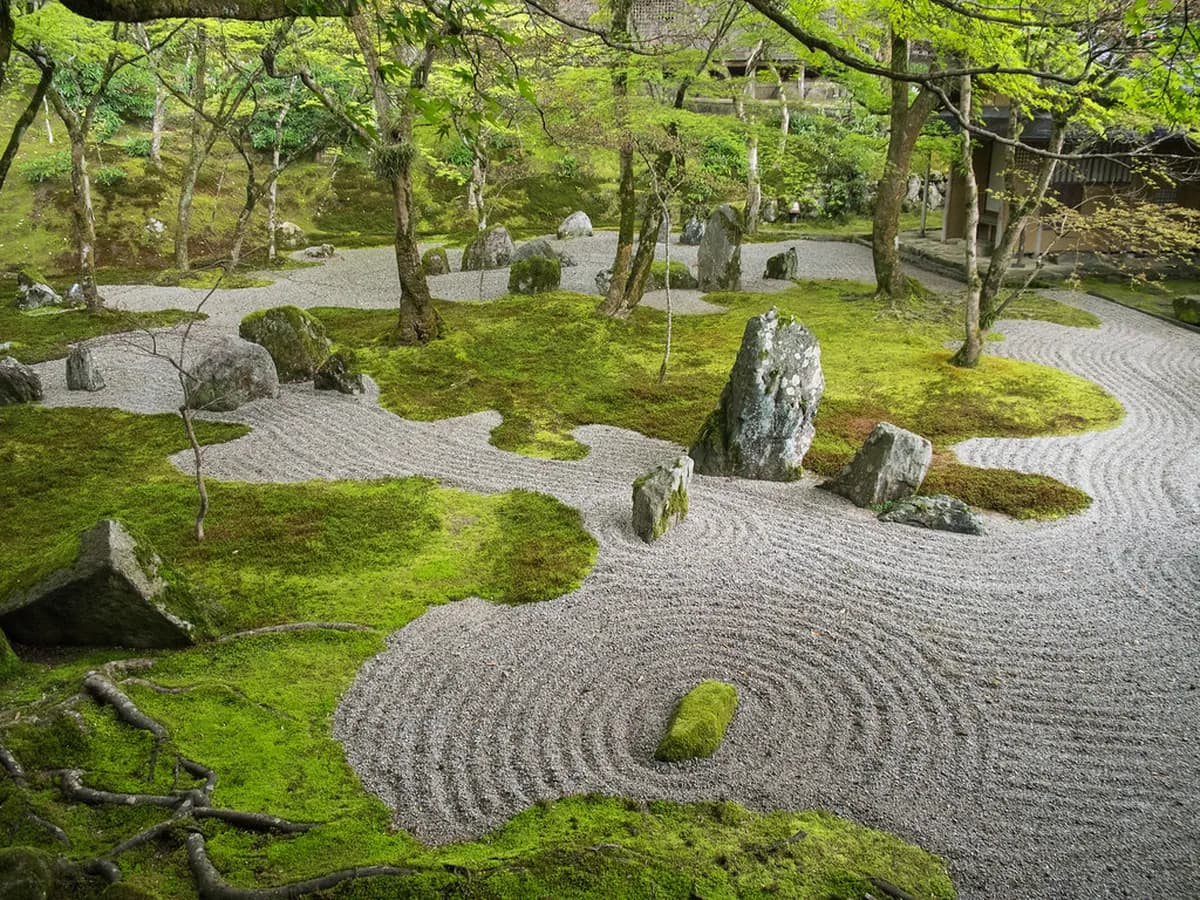
- This quiet sub-temple of Shofukuji offers one of the most peaceful and least-visited Zen gardens in the entire city.
- The grounds are generally open for free viewing from 9am to 4:30pm, providing a sanctuary from the urban noise nearby.
- I once spent an hour here without seeing another soul, making it the ultimate escape for those seeking true meditation.
- Myoryuji: Masterful Traditional Woodwork and Carvings
- This temple is celebrated for its exceptionally detailed wooden carvings and traditional architecture that has survived multiple city fires.
- Located near the Naka River, it is free to visit and usually remains open until the sun begins to set.
- The intricate dragon carvings on the main hall are a testament to the high level of Hakata craftsmanship during the Edo period.
- Engakuji: Preserving the Ancient Tea Ceremony
- Engakuji is deeply connected to the tea culture brought over from China and still hosts traditional tea ceremonies today.
- While the grounds are free, participating in a tea session usually requires a small fee and prior booking via their site.
- The atmosphere here is strictly traditional, so ensure your phone is on silent and your shoulders are covered when visiting.
- Zenshoji: Serene Stone Sculptures and Quiet Reflection
- This lesser-known temple is famous among locals for its collection of serene stone Buddha statues tucked into garden corners.
- It is situated slightly further from the main cluster, ensuring it remains almost entirely free of tourist foot traffic.
- The temple is free to enter and offers a wonderful opportunity to see how nature and religious art blend over centuries.
Quick Comparison: Pick a Temple by Best Feature
Each of these temples has one specific reason to visit. Use the list below to match your interest to the right gate so you do not exhaust yourself trying to see all nine in one go.
- Shofukuji: history first-timers, the literal birthplace of Japanese Zen.
- Jotenji: food pilgrims, marked as the origin of udon, soba, and manju.
- Myorakuji: architecture nerds who want to study Hakata-bei tile-and-clay walls.
- Sofukuji: samurai-history fans drawn to the Kuroda mausoleum and the relocated Fukuoka Castle gate.
- Ryuguji: folklore travelers chasing the 1222 mermaid legend.
- Genju-an: meditators wanting a near-empty Zen garden.
- Myoryuji: woodcarving and Edo-period craft lovers.
- Engakuji: tea-ceremony participants who plan ahead.
- Zenshoji: photographers seeking moss-covered stone Buddhas without crowds.
| Temple | Founded | Entry | Hours | Best For |
|---|---|---|---|---|
| Shofukuji | 1195 | Free | 09:00–17:00 | First Zen temple in Japan |
| Jotenji | 13th c. | Free | 09:00–17:00 | Birthplace of udon & soba |
| Myorakuji | Medieval | Free | Daylight hours | Hakata-bei walls, trade history |
| Sofukuji | Edo era | Free | Daylight hours | Kuroda clan mausoleum |
| Ryuguji | Medieval | Free | 09:00–17:00 | 1222 mermaid legend |
| Genju-an | Medieval | Free | 09:00–16:30 | Near-empty Zen garden |
| Myoryuji | Edo era | Free | Until sunset | Edo-period dragon woodcarvings |
| Engakuji | Medieval | Free (tea: fee) | 09:00–17:00 | Traditional tea ceremony |
| Zenshoji | Medieval | Free | Daylight hours | Moss-covered stone Buddhas |
If you only have 90 minutes, skip the outliers and walk Jotenji, Shofukuji, and Sofukuji. That trio alone covers food origin, the first Zen temple, and samurai-era stonework — three completely different reasons to care about Hakata.
Temple Etiquette for Beginners at Quiet Sites
Behaviour matters more at these smaller temples than at Kushida or Tochoji, because residents and resident priests will notice you immediately. English signage is rare, so the burden is on the visitor to know the basics before stepping through the gate. None of this is complicated, but getting it wrong is the fastest way to be politely asked to leave.
- Bow once shallowly at the temple gate before entering and once when you leave.
- Walk on the sides of stone paths rather than down the centre, which is reserved for the deity or the head priest.
- At the chozuya water pavilion, ladle water onto your left hand, then right, then rinse the mouth (do not drink from the ladle), then tip the handle to rinse it.
- Coins for offering go in quietly; the deeper bow-clap-bow ritual is for shrines, not Zen temples — at temples, simply press palms together (gassho) and bow.
- Remove shoes before stepping onto any tatami or wooden hall floor; bring socks without holes.
- No flash photography, no tripods, and never photograph monks, funerals, or interior altars.
- Speak at half the volume you would in a museum; these are working monasteries, not exhibits.
If you are unsure whether an inner garden is open to the public, look for a wooden tablet near the entrance — a 拝観中 (haikan-chu) sign means viewing is welcome, while a closed gate or rope barrier means it is not.
Seasonal Timing and Crowd Comparison vs the Big Four
The headline draw of these lesser-known sites is the absence of crowds, and the contrast in foot traffic is dramatic. On a typical Saturday in 2026, Nanzoin will be running 1,500 to 2,000 visitors through its reclining Buddha grounds, while Jotenji and Shofukuji combined rarely break 200 people across the entire day. Genju-an and Zenshoji frequently log fewer than ten visitors before noon.
For autumn foliage, Jotenji is the standout in the cluster. The maple grove behind its main hall peaks in the third week of November, almost a week later than the Fukuoka Castle ruins. Shofukuji's ginkgos turn around the same time but are best viewed from the north entrance. Spring brings cherry blossoms to the perimeter of Sofukuji and weeping plum to Myorakuji in late February, both of which are easily missed because most travelers chase the Maizuru Park sakura instead.
Avoid mid-July if you plan a quiet temple visit — the Hakata Gion Yamakasa festival places Jotenji directly on the float route, turning the surrounding alleys into a dense moving crowd.
Avoid mid-July if you want quiet — the Hakata Gion Yamakasa festival turns Kushida and the surrounding temple alleys into a moving wall of people, and Jotenji is directly on the float route. Conversely, mid-January is the ideal window: cold, clear, and almost empty. For a wider seasonal calendar, see our Fukuoka cultural heritage itinerary.
Is the Hakata Temple District Worth Visiting?
For travelers who value authenticity over spectacle, this district is arguably the most rewarding part of Fukuoka. The lack of crowds allows for a much deeper connection with the architecture and the spiritual atmosphere of the sites. Photographers will especially appreciate the clean lines and lack of modern obstructions found in these ancient temple courtyards. If you enjoy slow travel, spending a morning here is much better than rushing to the outlying tourist traps.
The proximity to Hakata Station makes it an incredibly efficient choice for those on a tight schedule. You can easily see three or four significant temples in the time it takes just to travel to Nanzoin. This efficiency makes it a perfect addition to a 1-day Fukuoka itinerary for short-stay travelers. The level of historical preservation here is on par with many districts in Kyoto but without the overwhelming tourist masses.
Families with children might find the quiet atmosphere a bit challenging, as these are not interactive or 'fun' sites. However, the open courtyards and interesting legends like the Ryuguji mermaid can provide enough engagement for older kids. Budget-conscious travelers will find this area a goldmine of free cultural experiences that don't sacrifice quality or history. Ultimately, if you want to understand the soul of Hakata, these temples are absolutely essential stops on your journey.
What to Skip in Fukuoka's Temple Scene
While Tochoji is famous for its large wooden Buddha, it can feel like a bit of a conveyor belt during peak hours. The experience of being rushed through the 'hell and heaven' tunnel under the statue often detracts from the spiritual intent. If you have already seen large Buddhas in Nara or Kamakura, you might find Tochoji slightly underwhelming by comparison. Consider visiting the smaller, quieter Shofukuji instead to appreciate the architecture without the constant pressure of a tour group.
Kushida Shrine is undeniably beautiful, but it often becomes a backdrop for wedding photos and loud festival preparations. During the busy afternoon hours, the main courtyard can become so packed that it is difficult to see the details. I recommend skipping the midday visit to Kushida and heading deeper into the residential temple streets for a calmer vibe. You will find similar architectural styles at Myorakuji without having to dodge selfie sticks and large umbrellas.
Generic modern temples that lack historical gardens or unique legends can also be safely omitted from a short trip. Many smaller neighborhood temples look very similar and don't offer the deep historical narratives found at Jotenji or Sofukuji. Focus your energy on the sites that have a specific 'claim to fame' or a unique architectural surviving element. This selective approach ensures you don't suffer from 'temple fatigue' before you finish your cultural tour of the city.
How to Travel Around the Hakata Temple District
The cluster is best done on foot because most alleys are too narrow for taxis and the gates are spaced under 400 metres apart. The simplest entry point is the Hakata-Guchi (west) exit of Hakata Station, an 8-minute walk to the Sennen-no-Mon Gate. If you have luggage, drop it in a coin locker on the B1 floor of Hakata Station before you start — most lockers cost 400 to 700 yen for the day in 2026.
For travelers staying further out in Tenjin or Ohori, take the Kuko subway line one stop east to Gion Station and use Exit 2, which puts you within 90 seconds of Tochoji and four minutes of Jotenji. A Fukuoka City Subway 1-Day Pass at 640 yen pays off only if you plan three or more rides; otherwise tap your Suica or Sugoca per ride. Buses are slower than walking inside this district and are not worth boarding.
Staying connected is vital for finding the smaller temple entrances tucked behind residential walls. I rent a Pocket Wi-Fi for Japan Travel on every trip so Google Maps stays live in the maze of unmarked side streets. Public restrooms are limited inside the temple grounds — use the facilities at Hakata Station or Canal City before you start the loop, and budget for a coffee stop at one of the kissaten cafes along Taihaku-dori.
Frequently Asked Questions
What is the oldest Zen temple in Japan?
Shofukuji Temple in the Hakata district is officially recognized as the first Zen temple in Japan. It was founded in 1195 by the monk Eisai. The grounds are free to explore and are located near Gion Station.
Where did Udon and Soba originate in Japan?
Udon and Soba are said to have originated at Jotenji Temple in Fukuoka. A stone monument on the grounds marks the spot where milling technology was first introduced from China. This makes the temple a pilgrimage site for food lovers.
How do I get to the Hakata temple district from the station?
The temple district is a simple 10-minute walk from the Hakata Station West Exit. Alternatively, take the Kuko Subway Line one stop to Gion Station. Most major temples like Shofukuji and Jotenji are located immediately outside the Gion exits.
Fukuoka's temple scene offers far more than just the famous reclining Buddha and the large wooden statues of the central shrines. By venturing into the quiet streets of Hakata Old Town, you discover the true origin stories of Japanese Zen and culinary culture. These nine temples provide a peaceful alternative to the city's more crowded attractions while offering deep historical value. I hope this guide helps you find the same sense of peace and discovery that I have found in these ancient courtyards.
Whether you are interested in samurai history, mermaid legends, or beautiful gardens, Hakata has something unique to offer. Remember to take your time and appreciate the small details that make each of these sacred sites special. Your visit supports the preservation of these historic landmarks for future generations to enjoy in 2026 and beyond.
For related Fukuoka deep-dives, see our Fukuoka Tower Visitor Guide and Acros Fukuoka Step Garden Visitor Guide: Tips, Views & Hours guides.
Combine this with our main Fukuoka travel guide to plan the rest of your trip.
Free: The Fukuoka Essentials guide
Top things to do, where to stay, a perfect day plan, getting around, and the best time to go — a Fukuoka mini-guide you can take offline.
You might also like

Continue reading
More guides you'll find useful