15 Best Beaches and Local Spots in Fukuoka (2026)
Discover the best beaches in Fukuoka, from Momochi Seaside Park to Sakurai Futamigaura. Includes transport tips, swimming seasons, and local dining for 2026.
On this page
I have spent years exploring the rugged coastlines of Kyushu, and Fukuoka remains my favorite city for a quick salt-water escape. Whether you want the neon-lit backdrop of the city or a quiet cove in Itoshima, the variety here is truly unmatched in Japan. For longer stays, you can also explore nearby Kagoshima beaches for an extended coastal adventure. Our editors have vetted every neighborhood to ensure this guide helps you find the perfect patch of sand for your trip.
This guide was last refreshed in March 2026 after my latest summer scouting trip to the Itoshima Peninsula. I noticed several new glamping sites and cafes opening up, making the coastal drive even more rewarding than before. Before you pack your towel, it is vital to know 10 Best Neighborhoods Where to Stay in Fukuoka to minimize your travel time to the shore.
Fukuoka's beaches are more than just places to swim; they are cultural hubs where city life meets the Sea of Japan. From the iconic white torii gate at Sakurai Futamigaura to the hidden sands of Shika Island, each spot offers a unique vibe. We have organized these 15 picks to help you balance your beach time with the city's legendary food and art scenes.
15 Best Beaches and Local Spots in Fukuoka (2026)
To help you navigate this extensive list, we have grouped our top picks into three distinct thematic clusters. The first cluster focuses on modern urban beaches that are easily accessible from the city center via public transport. These spots are perfect for travelers who want to combine a morning swim with afternoon shopping or museum visits.
Our second cluster highlights natural and island escapes, which often require a ferry or a longer train ride. These locations, such as Shika Island and Nokonoshima, offer a more rugged experience away from the urban skyline. They are ideal for hikers, photographers, and anyone looking for a full-day immersion in Kyushu's coastal beauty.
Finally, we include essential food and cultural pairings that round out the Fukuoka beach experience. A trip to the shore is never complete without sampling the local ramen or visiting a nearby traditional craft museum. These additions ensure you experience the full breadth of Top Things To Do in Fukuoka during your stay.
- Momochi Seaside Park (Sawara-ku)
- This modern man-made beach features a stunning backdrop of the Fukuoka Tower and the city skyline.
- Access is free and the park stays open 24 hours, though central shops typically close by 9:00 PM.
- Head toward Momochi Junior High School to find the quieter western sands away from the Marizon wedding hall crowds.
- A quick taxi from Nishijin Station is the most efficient way to reach this quieter local entrance.
- Nokonoshima Island Park Beach (Noko Island)
- This island escape offers a mix of seasonal flower gardens and a dedicated swimming beach at the Camp Village.
- The ferry from Meinohama costs about $4 per adult and runs roughly every hour throughout the day.
- Expect to spend at least 4 to 6 hours here to enjoy both the floral displays and the sandy shore.
- Check out our 5-day Fukuoka itinerary for the best way to time your ferry crossing.
- Katsuma Beach (Shika Island)
- Located at the far end of Shika Island, this beach is known for its clear water and snorkeling opportunities.
- The area is free to access and is best visited by car or the local bus from Saitozaki Station.
- Most visitors arrive between 10:00 AM and 4:00 PM, especially during the peak July and August swimming months.
- Look for the small rock pools at low tide to spot local sea life like crabs and small fish.
- Keya Beach (Itoshima City)
- Keya is famous for its calm waters and the massive Keya no Oto basalt sea cave nearby.
- Parking usually costs around $5 to $8 during the summer, while the beach itself has no entry fee.
- This spot is a favorite for local beach parties and sunset viewings on the Itoshima Peninsula.
- The swimming season officially starts in early July and features several lively seasonal beach huts.
- Miyajihama Beach (Fukutsu City)
- This wide sandy beach is famous for the 'Path of Light' sunset that aligns with the nearby Miyajidake Shrine.
- It is open 24 hours for walking, but swimming facilities operate primarily from 9:00 AM to 5:00 PM in summer.
- The beach is a 25-minute walk from Fukuma Station or a short bus ride through the local neighborhood.
- Visit during a spring or autumn low tide to see the sky perfectly mirrored in the shallow tidal pools.
- Shingu Beach (Kasuya-gun)
- Shingu offers a long stretch of white sand backed by a dense forest of ancient pine trees.
- There is no admission fee and the beach is just a 10-minute walk from Shingu-Chuo Station.
- It is best suited for those seeking a quiet walk or a morning jog away from tourist crowds.
- The pine forest provides excellent natural shade, making it a great spot for a summer picnic.
- Fukuma Beach (Fukutsu City)
- Fukuma is the center of Fukuoka's windsurfing and marine sports scene, lined with trendy coastal cafes.
- Most cafes open at 11:00 AM and offer prime sunset views for the price of a coffee or meal.
- You can reach the sand in about 20 minutes by foot from the JR Fukuma Station exit.
- I recommend visiting on a weekday to secure a terrace seat at one of the popular Italian-style bistros.
- Sakurai Futamigaura Couple Stones (Itoshima)
- This iconic spot features a white torii gate in the water and two 'married' rocks joined by a rope.
- While not a traditional swimming beach, the scenery is free to view and accessible 24 hours a day.
- The best photography window is 'Golden Hour' during a receding tide for perfect reflections on the wet sand.
- Arrive at least 45 minutes before sunset to secure a parking spot in the nearby paid lots.
- Nagatare Beach (Nishi-ku)
- Nagatare is a local favorite for its proximity to Imazu Bay and views of the surrounding mountains.
- The beach is free to enter and sits just a short walk from the JR Imajuku Station.
- Families often gather here for weekend BBQs, though you must bring your own equipment and supplies.
- The water is quite shallow here, making it a safe choice for visitors traveling with younger children.
- Nata Beach (Higashi-ku)
- Nata Beach is known for its unique red-colored cliffs and its relatively secluded, natural atmosphere.
- Access is free, and the beach is reachable via a 15-minute walk from Nata Station on the Kagoshima Line.
- This is a 'wild' beach with fewer amenities, so plan to bring your own water and snacks.
- The cliff formations provide a dramatic backdrop for landscape photography that looks different from other local shores.
- Obaru Beach “R Style” (Nishi-ku)
- This private beach club experience offers glamping, BBQ sets, and stylish seaside swings for visitors.
- Day passes or BBQ packages typically range from $20 to $50 depending on the inclusions you choose.
- The facility usually operates from 10:00 AM to 9:00 PM during the warmer months of the year.
- Book your BBQ set at least three days in advance as the ocean-front tables fill up very quickly.
- Hakata Yatai Ramen Ikkousha (Hakata Station)
- This essential local eatery serves the famous 'tonkotsu cappuccino' ramen that Fukuoka is known for.
- A standard bowl costs between $8 and $12, and the shop is open daily from 11:00 AM to 10:00 PM.
- Located inside the Hakata Ichibangai underground mall, it is the perfect post-beach meal before heading home.
- Try the 'ajitama' soft-boiled egg topping for the most authentic and satisfying local ramen experience.
- Hakata Traditional Craft and Design Museum
- This museum showcases the intricate Hakata-ori textiles and Hakata dolls that define the city's artistic heritage.
- Admission is free, and the galleries are open from 9:30 AM to 5:30 PM, usually closing on Thursdays.
- It provides a cool, air-conditioned break from the sun after a morning at the nearby city beaches.
- The museum shop is a great place to find high-quality local souvenirs that are not found in tourist malls.
- Palm Tree Swing (Yashinokiburanko)
- This famous set of swings hanging from slanted palm trees is a viral sensation on the Itoshima coast.
- Located at the Karadomari Fishing Port, the Palm Tree Swing is free to use for customers of the nearby restaurant.
- It is open during daylight hours and is best visited on a clear day for vibrant blue-water photos.
- Expect a short queue for photos on weekend afternoons when local students and tourists flock to the site.
- teamLab Forest Fukuoka (Chuo-ku)
- This immersive digital art installation offers a stunning indoor alternative if the beach weather turns sour.
- Tickets usually cost about $15 to $19 per adult and the exhibit is open daily from 11:00 AM to 8:00 PM.
- It is located right next to the PayPay Dome, making it easy to pair with a visit to Momochi Beach.
- Download the teamLab app before entering to interact with the digital forest and 'catch' various creatures.
| Beach | Access | Entry Fee | Best For |
|---|---|---|---|
| Momochi Seaside Park | Taxi from Nishijin Station | Free (24h) | City backdrop, iconic skyline shots |
| Nokonoshima Island Beach | Ferry from Meinohama (~¥400) | Free (ferry + park fee) | Families, flower gardens, full-day escape |
| Keya Beach (Itoshima) | Car or bus from Itoshima | Free (parking ¥500–800) | Calm swimming, Keya no Oto sea cave |
| Miyajihama Beach (Fukutsu) | 25-min walk from Fukuma Station | Free | "Path of Light" sunset, tidal pool photos |
| Sakurai Futamigaura | Car (paid parking) | Free (24h) | White torii gate, iconic sunset photos |
| Shingu Beach | 10-min walk from Shingu-Chuo Station | Free | Quiet walks, pine-forest shade |
| Palm Tree Swing (Itoshima) | Car to Karadomari Port | Free (restaurant customer) | Instagram shots, coastal cafe stop |
Essential Tips for Visiting Fukuoka Beaches
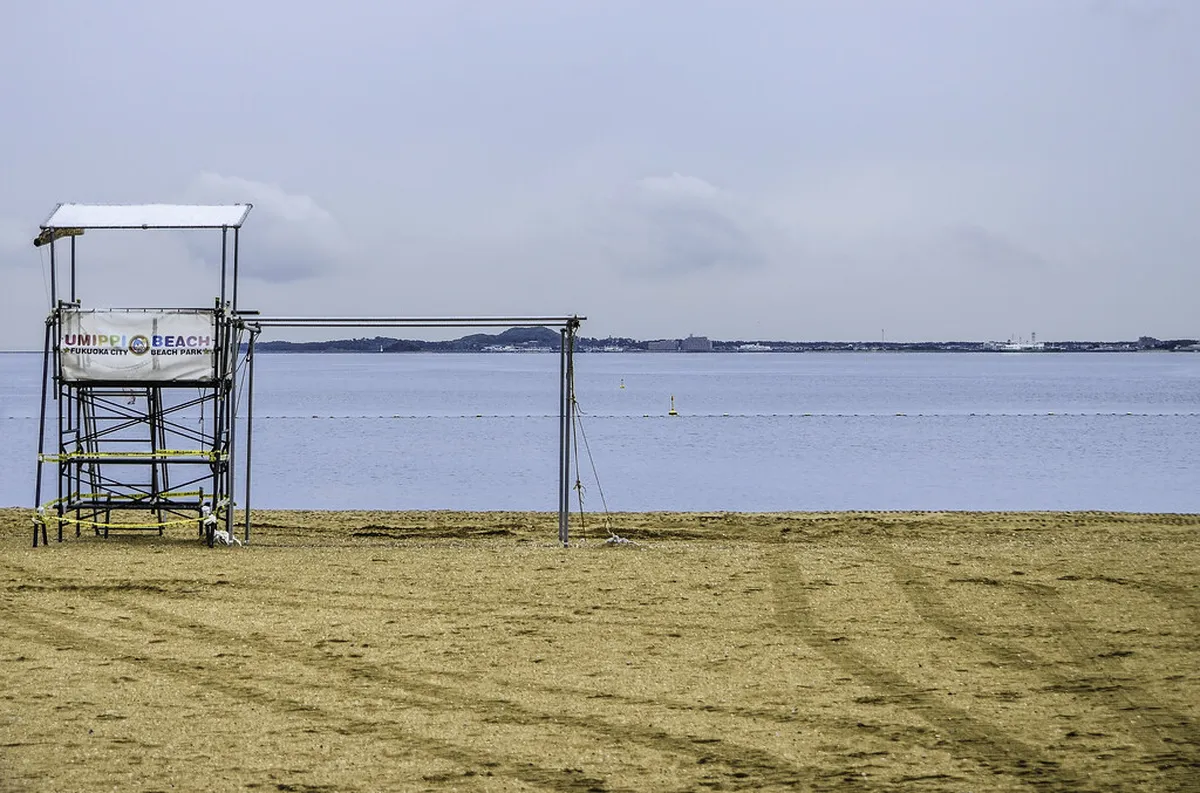
Understanding the local climate is the first step to a successful beach day in Kyushu. While the Best Time to Visit Fukuoka, Japan for sightseeing is spring, swimming is strictly a summer affair. The official swimming season runs from early July through late August when lifeguards are on duty and beach huts are open.
Sea temperatures usually peak in August, reaching a comfortable 26 to 28 degrees Celsius. However, be aware that mid-August often brings an influx of stinging jellyfish to the local shores. Locals typically stop swimming after the Obon holiday in mid-August to avoid these seasonal sea creatures.
Stinging jellyfish typically arrive at Fukuoka's beaches after the Obon holiday in mid-August. Most locals stop swimming after this point. The official swimming season with lifeguards runs from early July through late August only.
Navigating the coast is easiest if you know how to use Fukuoka public transport effectively. Train lines like the Chikuhi Line serve the western beaches, while the Nishitetsu buses cover the Momochi area. For remote spots in Itoshima, renting a car is highly recommended to save time and reach hidden coves.
Jellyfish Season and Water Safety at Fukuoka Beaches
Fukuoka's swimming season officially runs from around July 1 to August 31, and jellyfish (kurage) become a real consideration from mid-August onward as water temperatures peak. Stings are rarely dangerous but can ruin an afternoon, so check for posted warning flags before wading in past your knees.
Staffed beaches like Momochi Seaside Park, Keya Beach, and Fukuma Beach typically post lifeguards and colored flags during the official season: green means calm and clear, yellow means caution for light jellyfish or currents, and red means no swimming. Wild, unstaffed spots such as Nata Beach and Nagatare Beach have no flag system, so swim conservatively and stay close to shore, especially with children.
If you are stung, rinse the area with seawater rather than fresh water and remove any visible tentacle fragments with a card edge instead of bare fingers, then head to the nearest lifeguard station or convenience store for further care. Local tourism sites and the beach's own social accounts usually post same-day jellyfish sightings during peak season, so a quick check before you leave your hotel is worth the two minutes it takes.
What are the Best Day Trips from Fukuoka?
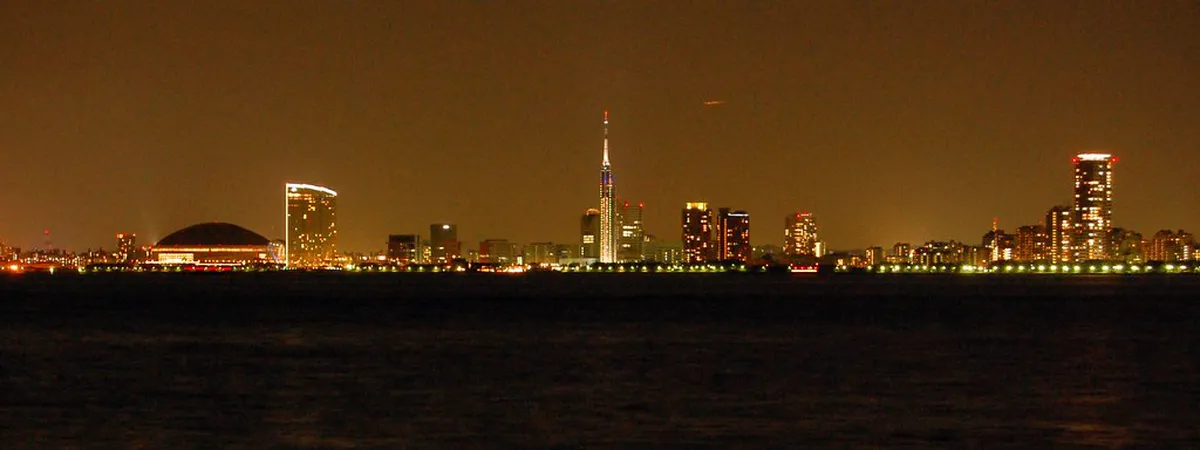
Many travelers choose to combine their beach time with one of the many best day trips from Fukuoka. A popular pairing is visiting the Dazaifu Tenmangu Shrine in the morning and heading to the Itoshima coast for sunset. This allows you to experience both the spiritual history and the natural beauty of the region in one day.
Nokonoshima Island is another fantastic full-day excursion that feels worlds away from the Hakata bustle. The island is famous for its flower park, where cosmos and sunflowers bloom against a deep blue ocean backdrop. I recommend taking the earliest ferry possible to beat the midday heat and the largest tourist groups.
If you have more time, consider exploring the Shika Island loop road by bicycle. The island is connected to the mainland by a sandbar, making it a unique geological feature in the bay. You can rent a bike near the ferry pier and circle the entire island in about 90 minutes at a leisurely pace.
What to Skip: Overrated Beach Spots in Fukuoka
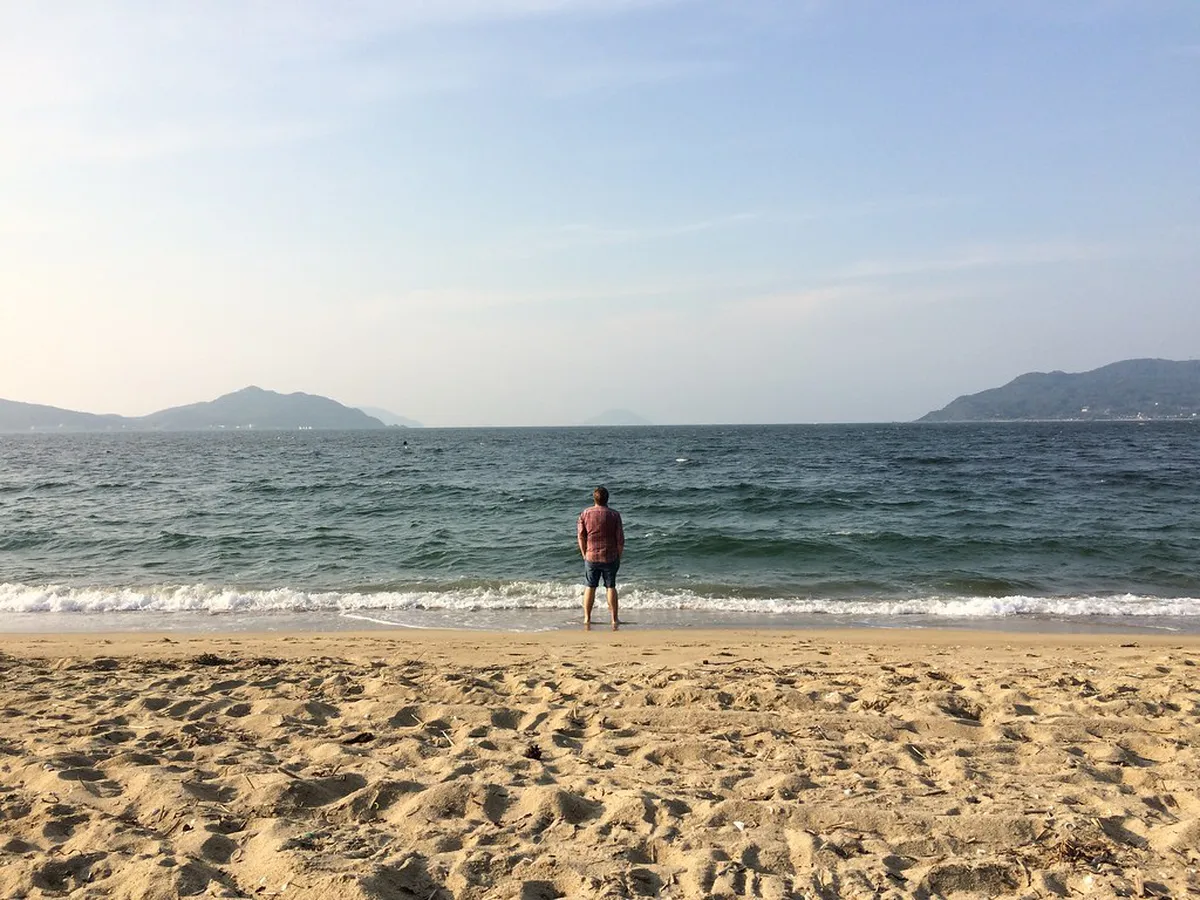
Not every popular spot on social media is worth your limited vacation time. The central Marizon area at Momochi Seaside Park is often incredibly crowded and noisy on summer weekends. The restaurants there tend to be overpriced and cater primarily to the wedding and tourist trade rather than locals.
Instead of staying in the center, walk five to ten minutes west toward the quieter sands near the residential zones. You will find much more space to spread out a towel and a more authentic, peaceful atmosphere. The water quality is the same, but the lack of loud music and crowds makes a significant difference.
I also suggest skipping the main swimming beach at Keya if you are looking for a quiet, romantic sunset. The beach huts there can get very rowdy with large groups and loud speakers during the peak of August. Drive a few minutes further to the smaller pull-offs along the Itoshima coast for a more private viewing experience.
For the Sakurai Futamigaura white torii gate and the iconic "Path of Light" sunset at Miyajihama Beach, arrive at least 45 minutes before sunset to secure parking. Both spots face west toward the Genkai Sea and are at their most photogenic during a receding tide on a clear day.
Weather and Rainy Season Timing for a Fukuoka Beach Trip
Kyushu's rainy season, tsuyu, typically runs from early June to mid-July, which is why most of the beaches on this list do not reach full swing until the back half of July. If you visit before then, pack a light rain jacket and keep an indoor backup like teamLab Forest Fukuoka ready in case a wet afternoon rolls in.
Once tsuyu clears, expect strong sun with highs around 33°C (91°F) and sea temperatures comfortable enough for swimming without a wetsuit through late August. The trade-off is typhoon season, which peaks from August through September and can bring sudden ferry cancellations to Nokonoshima and Shika Island, or rough surf that closes staffed beaches for a day or two.
- Check a typhoon tracker two to three days ahead of any ferry-dependent trip to Nokonoshima or Shika Island.
- Weekday mornings before 10:00 AM offer the coolest temperatures and thinnest crowds at city beaches like Momochi.
- Late September still swims warm most years, with far thinner crowds than peak August, though a few seasonal beach huts begin closing.
Frequently Asked Questions
What is the best beach in Fukuoka for families?
Nokonoshima Island Park Beach is the best choice for families due to its calm waters and nearby park facilities. The island offers gentle swimming areas and plenty of space for children to play safely. You should budget about $30 to $50 for a family day out, as detailed in our Fukuoka budget guide.
When is the official swimming season in Fukuoka?
The official swimming season typically runs from early July until late August. During this window, lifeguards are present and the seasonal beach huts, known as 'umi-no-ie,' are open for business. Most locals avoid swimming after mid-August due to the seasonal arrival of stinging jellyfish.
Can I reach Fukuoka beaches using a JR Pass?
Yes, several beaches like Shingu, Fukuma, and those on the Itoshima Peninsula are accessible via JR lines. You can use your JR Pass on the Kagoshima Line and the Chikuhi Line to reach these coastal areas. Always check the latest schedules as some local trains may require a small additional fee on private tracks.
See our broader Fukuoka attractions guide and the full Fukuoka travel hub for the city overview.
Fukuoka offers a rare blend of urban sophistication and natural coastal beauty that is hard to find elsewhere in Japan. Whether you choose the modern convenience of Momochi or the rugged charm of Shika Island, the sea is never far away. I hope this guide helps you find your own favorite spot on the shores of the Genkai Sea.
Remember to check the local weather and tide charts before you head out to ensure the best possible experience. With a little planning and a spirit of adventure, your Fukuoka beach trip will be a highlight of your 2026 travels. Safe travels and enjoy the incredible seafood and sunsets that only this corner of Kyushu can provide.
Free: The Fukuoka Essentials guide
Top things to do, where to stay, a perfect day plan, getting around, and the best time to go — a Fukuoka mini-guide you can take offline.
You might also like
Continue reading
More guides you'll find useful