12 Best Restaurants and Food Experiences in Fukuoka (2026)
Discover the best restaurants in Fukuoka, from legendary Hakata ramen to Nakasu yatai stalls. Our expert guide includes pricing, locations, and local dining tips.
On this page
After six culinary expeditions to Kyushu, I have found that Fukuoka’s food scene rivals Tokyo’s for pure soul. The city serves as the global birthplace of tonkotsu ramen and offers a unique street food culture found nowhere else in Japan. Our editors have vetted these selections to ensure you experience the most authentic flavors Hakata has to offer.
This guide was last refreshed in October 2025 to reflect updated pricing and seasonal operating hours for the 2026 travel season. Beyond the famous ramen bowls, we have included premium hot pot spots and hidden market gems that locals keep to themselves. You can find many of these locations within walking distance of major Fukuoka attractions in the Hakata and Tenjin districts.
Dining here is remarkably affordable compared to the steep prices often found in Ginza or central Osaka. We have focused on specific, named venues where the quality of the broth or the freshness of the seafood is guaranteed. Prepare your appetite for a journey through rich pork bone broths, spicy cod roe, and sizzling riverside grills.
12 Best Restaurants and Food Experiences in Fukuoka
| Category | Top pick | Price range | Hours |
|---|---|---|---|
| Tonkotsu ramen | Hakata Issou Main Shop | $8–$12 | 11am–midnight |
| Motsunabe hot pot | Hakata Motsunabe Yamanaka Akasaka | $35–$55/person | 4pm–10pm |
| Mizutaki hot pot | Hakata Hanamidori Ekimae | $40–$70/person | 11:30am–midnight |
| Budget ramen | Ganso Nagahamaya | $4–$7 | Near 24-hour |
| Yatai stalls (Nakasu) | Nakasu riverside | $15–$30/person | 6pm–2am |
| Fresh seafood | Yanagibashi Rengo Market | $10–$25 | 8am–4pm |
The culinary landscape of Fukuoka is traditionally divided into three main categories: ramen, hot pot, and street food stalls. We have grouped our top picks to help you navigate these distinct flavors while exploring different neighborhoods. Most of these legendary shops are concentrated in the Hakata and Tenjin areas for easy access by subway.
**The Ramen Legends** Fukuoka is synonymous with tonkotsu, a creamy pork bone broth that takes days of simmering to perfect. These shops represent the pinnacle of the craft, ranging from global icons to secretive local cult classics.
**Traditional Hot Pot & Street Food** Motsunabe and Mizutaki are the city's soul-warming hot pots that every visitor must try at least once. Finally, the yatai stalls provide an atmospheric dining experience under the stars along the city's neon-lit canals.
- Hakata Issou Main Shop
- This shop serves a frothy 'ramen cappuccino' known for its incredibly rich and creamy pork bone broth.
- Expect to pay $8–$12 for a standard bowl at their shop located near the Hakata Station East Exit.
- They open daily from 11am to midnight but often close early if the soup sells out for the day.
- Arrive thirty minutes before the doors open to avoid the long queues that wrap around the block.
- Hakata Motsunabe Yamanaka Akasaka
- This elegant restaurant specializes in motsunabe, a savory hot pot made with high-quality beef offal and cabbage.
- Dinner typically costs $35–$55 per person, and the Akasaka branch offers a more refined, adult atmosphere.
- The kitchen operates from 4pm to 10pm, and reservations are highly recommended at least one week in advance.
- Try the miso-based broth here as it is widely considered the best in the entire Fukuoka prefecture.
- Hakata Hanamidori Ekimae
- Hanamidori is the premier destination for Mizutaki, a delicate chicken hot pot using local Hakata Hanamidori poultry.
- A full course meal generally ranges from $40–$70 depending on the specific cuts of meat selected.
- They serve lunch from 11:30am to 3pm and dinner from 5pm to midnight near the main Hakata Station.
- Watch the servers prepare the broth first, as drinking the pure soup is the traditional way to start.
- Ganso Nagahamaya
- This historic shop is the birthplace of the Nagahama style, featuring thinner noodles and a lighter pork broth.
- A bowl is incredibly budget-friendly at $4–$7, making it a favorite for local fish market workers and students.
- The shop is famous for being open nearly 24 hours a day, closing only briefly for cleaning and holidays.
- Note that the menu is very limited, so simply tell the staff how firm you want your noodles.
- Ichiran Main Shop Nakasu
- The multi-story flagship of this global chain offers unique 'flavor concentration booths' for solo dining in Nakasu.
- Prices are slightly higher than average at $9–$15 per bowl, reflecting the iconic status of this specific location.
- This branch is open 24 hours a day, allowing you to satisfy a ramen craving at any hour.
- Head to the first floor if you prefer a traditional table setting over the famous individual wooden stalls.
- Hakata Genki Ippai
- Once known for strict rules, this 'blue bucket' shop now welcomes everyone to enjoy its thick, velvety soup.
- Plan for a cost of $9–$13 per bowl at this Hakata neighborhood spot with no visible signage.
- Operating hours are usually 11am to 8pm, but they close whenever the daily batch of soup is finished.
- Look for the small blue bucket hanging outside the door to confirm the shop is actually open for business.
- Shin Shin Tenjin Store
- Shin Shin is the local favorite, offering a balanced tonkotsu broth that is less pungent than other varieties.
- Most ramen bowls and side dishes like gyoza cost between $7 and $14 at this central Tenjin location.
- They are open from 11am to 3am daily, making it a perfect spot for a late-night post-bar meal.
- The walls are covered in celebrity autographs, proving its popularity with Japanese musicians and athletes visiting the city.
- Menchan Hakata
- Menchan provides a classic, no-frills Hakata experience with a focus on traditional recipes and local ingredients.
- Lunch sets are a great value at $8–$11, while dinner bowls remain under $15 for most visitors.
- They typically open from 11am to 10pm, though they are closed on certain holidays throughout the year.
- The spicy mustard greens on the table are a free topping that adds a fantastic kick to the broth.
- Nakasu Yatai Street Stalls
- These iconic riverside stalls serve everything from ramen to grilled skewers in a lively, outdoor communal setting.
- Expect to spend $15–$30 per person as most stalls require at least one drink order per guest.
- Most stalls set up around 6pm and stay open until 2am, depending on the weather and crowd size.
- Avoid the stalls with the longest lines and look for where locals are drinking for the best value.
- Tenjin Yatai Clusters
- Located near the Tenjin subway station, these stalls feel more authentic and less tourist-heavy than those in Nakasu.
- Typical prices for small plates and drinks range from $5 to $12 per item at these sidewalk spots.
- They generally operate from 6:30pm to 1am, though many close on rainy or very windy nights.
- Try the 'Yatai Bar' stalls for a unique mix of traditional snacks and modern cocktails in the street.
- Yanagibashi Rengo Market
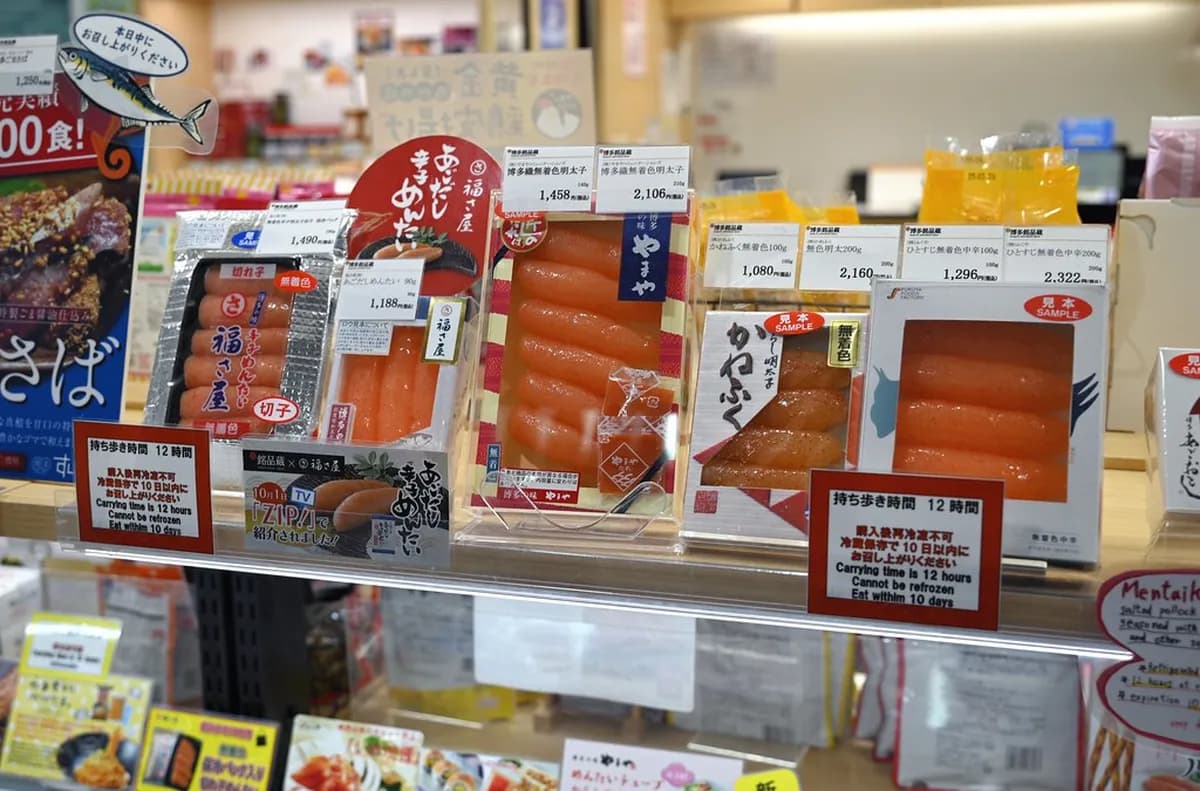
- Known as 'Fukuoka's Kitchen,' this market is the best place to eat fresh seafood and premium mentaiko.
- Small seafood bowls or market snacks will cost you $10–$25 depending on the seasonal fish available.
- The market is most active from 8am to 4pm, but many stalls start closing down after the lunch rush.
- Visit the second-floor dining area of the fish shops for the freshest kaisendon you can find in town.
- Chikae Fukuoka
- This grand restaurant features a massive central fish tank where your meal is caught fresh to order.
- Lunch is a legendary bargain at $15–$20, while dinner service can easily exceed $80 per person.
- They open for lunch at 11:30am and dinner at 5pm, located in the stylish Daimyo neighborhood.
- The house-made spicy cod roe tubes on the table are all-you-can-eat during the popular lunch service.
Is Fukuoka Worth Visiting for the Food Scene?
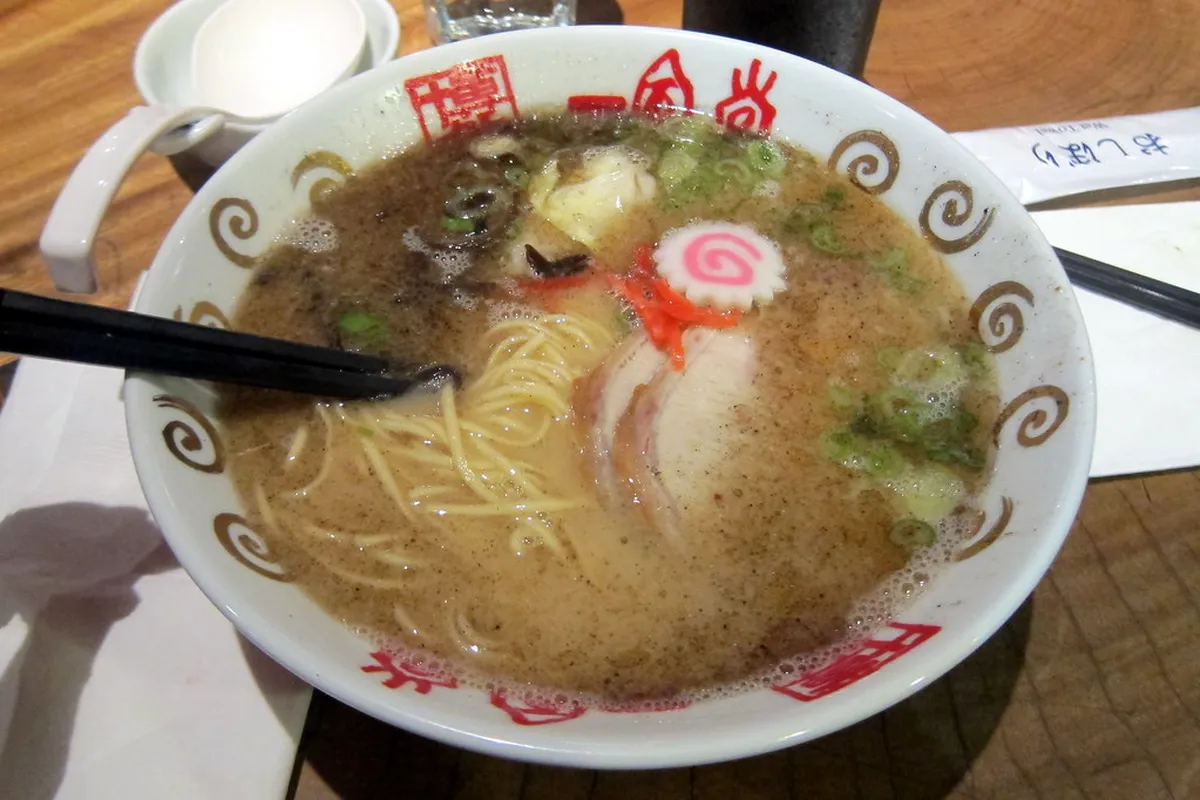
The Kaedama system at Hakata ramen shops lets you order a second serving of noodles for about $1 once you finish your first. Always leave some soup in the bowl when ordering a refill — staff only bring fresh noodles, not extra broth.
Fukuoka is frequently cited by domestic travelers as the best food city in Japan for its quality-to-price ratio. While Tokyo has more Michelin stars, Fukuoka offers a more accessible and unpretentious dining culture that welcomes newcomers. You can enjoy a world-class meal here for a fraction of what you would spend in the capital.
The compact nature of the city means you can easily hop between different districts like Hakata and Tenjin in minutes. This makes it possible to try three or four different specialties in a single evening without much travel stress. Check the Best Time to Visit Fukuoka, Japan to align your trip with seasonal seafood peaks.
The city also boasts a high concentration of specialized ingredients, such as Amaou strawberries and premium spicy mentaiko. Locals take immense pride in their culinary heritage, which ensures that even small, nameless shops maintain high standards. Fukuoka is absolutely worth a dedicated trip if your primary travel goal is discovering authentic Japanese flavors.
What to Skip: Overrated Tourist Dining Traps
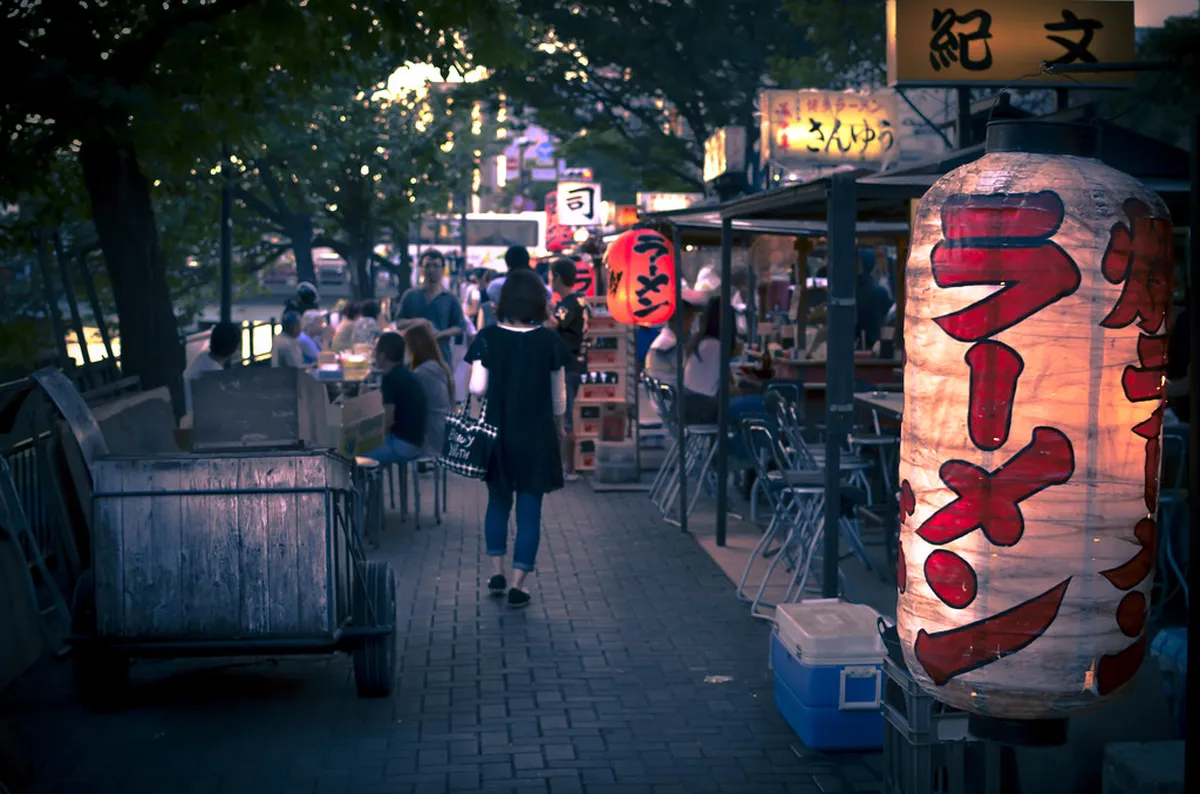
Some Nakasu yatai stalls charge high seat fees or have mandatory drink policies that can inflate your bill quickly. Walk through Nakasu for the atmosphere but consider doing your actual eating at the Tenjin or Nagahama stalls where locals eat.
While the Nakasu riverside yatai are visually stunning, some stalls in this specific area have become quite commercialized. A few vendors charge high 'seat fees' or have mandatory drink policies that can quickly inflate your final bill. I recommend walking through Nakasu for the photos but doing your actual eating at the Tenjin or Nagahama stalls.
Generic ramen chains found inside the main train station are convenient but often lack the depth of independent shops. The broth in these high-traffic locations is sometimes mass-produced to meet demand, losing the signature 'funk' of real tonkotsu. If you have the time, walking ten minutes away from the station will almost always result in a better bowl.
Do not feel obligated to wait two hours for the most famous ramen shops if the line is excessive. Fukuoka has hundreds of excellent shops, and the difference in quality between the 'top' spot and a local favorite is often marginal. Your time is better spent exploring the city's yatai street food stalls than standing on a sidewalk all night.
Essential Fukuoka Dining Tips and Etiquette
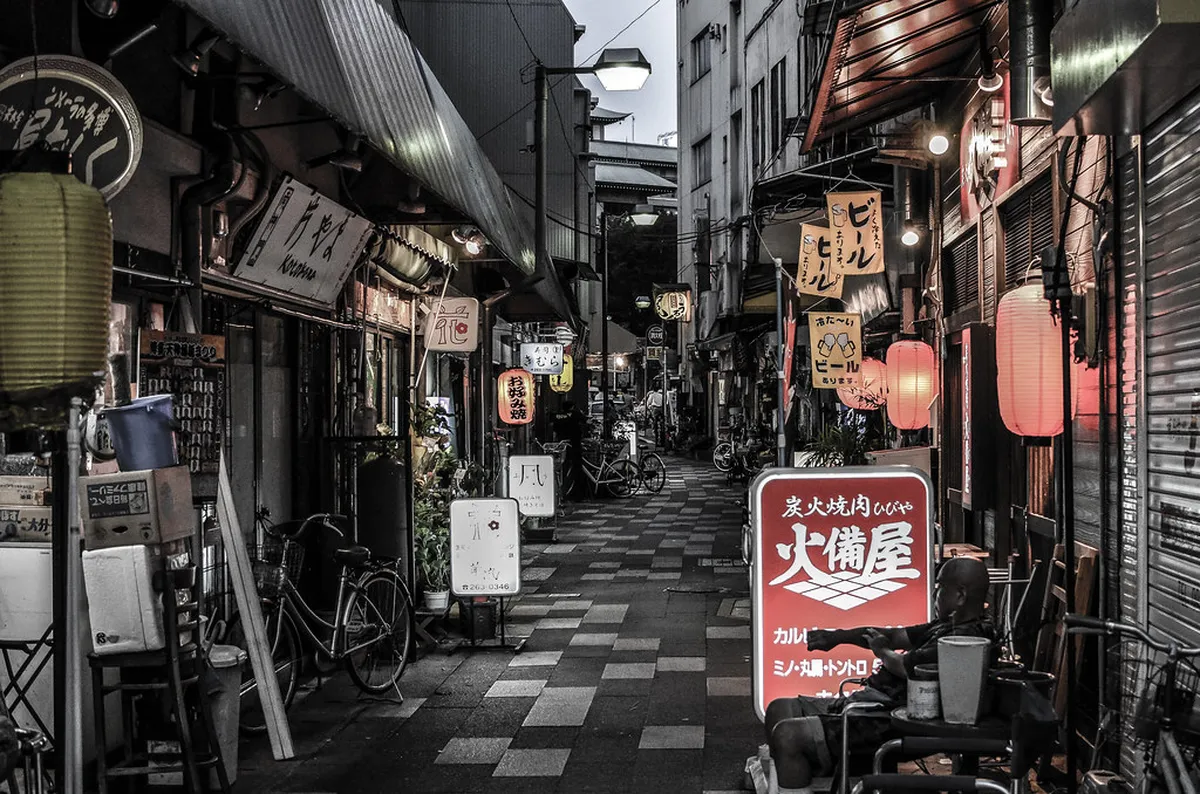
Ordering ramen in Fukuoka involves a specific vocabulary, especially when it comes to noodle firmness and refills. The 'Kaedama' system allows you to order a second serving of noodles for about $1 once you finish your first batch. Always leave some soup in your bowl if you plan to order a refill, as the staff only provides the noodles.
When visiting yatai stalls, remember that space is extremely limited and seat-sharing is the standard rule. It is considered polite to finish your meal and move on quickly if there is a line of people waiting behind you. Budgeting for these experiences is easier when you understand the Fukuoka travel budget for daily dining.
Cash remains king at most yatai and smaller ramen shops, so always carry yen in various denominations. Many shops use a ticket vending machine at the entrance where you pay first and then hand your ticket to the chef. Noodle firmness levels range from 'Barikata' (very hard) to 'Yawa' (soft), with 'Kata' (hard) being the most popular choice.
Frequently Asked Questions
What is the most famous food to eat in Fukuoka?
Hakata Ramen is the most famous dish, featuring a creamy tonkotsu pork bone broth and thin noodles. Other local specialties include Motsunabe offal hot pot and spicy Mentaiko cod roe. These are widely available across the Hakata and Tenjin districts.
Are there vegetarian options in Fukuoka restaurants?
Traditional Fukuoka cuisine is heavy on meat and seafood, but the city is becoming more inclusive. You can find several dedicated 18 Best Vegan Fukuoka Restaurants and Travel Tips spots in the Daimyo and Tenjin areas. Always check menus in advance as pork-based broths are the default.
Do I need to tip at restaurants in Fukuoka?
Tipping is not practiced in Fukuoka or anywhere else in Japan and may even be refused. Exceptional service is included in the price of your meal. At some yatai stalls or izakayas, a small 'otoushi' cover charge or seat fee may be added instead.
See our broader Fukuoka attractions guide and the full Fukuoka travel hub for the city overview.
Fukuoka remains a premier destination for anyone who appreciates the intersection of tradition and street-level energy. Whether you are slurping ramen at a neon-lit stall or sharing a hot pot in a refined dining room for romantic things to do in Fukuoka, the flavors here are unforgettable. The city's commitment to culinary excellence ensures that every meal feels like a discovery.
I encourage you to step outside your comfort zone and try regional specialties like Goma Saba or Motsunabe. Planning your dining route around the city's subway lines will make your food journey efficient and enjoyable. Fukuoka is a city that truly lives to eat, and you will undoubtedly leave with a full stomach and a new favorite dish.
Free: The Fukuoka Essentials guide
Top things to do, where to stay, a perfect day plan, getting around, and the best time to go — a Fukuoka mini-guide you can take offline.
You might also like


Continue reading
More guides you'll find useful