

Fukuoka Tower Visitor Guide: Tickets, Observation Deck & Tips
Plan your visit to Japan's tallest seaside tower. Includes Fukuoka Tower ticket prices, observation deck highlights, transport tips, and the best time for night views.
On this page
Fukuoka Tower stands as the most recognizable landmark along the city's modern waterfront. This fukuoka tower visitor guide tickets and observation deck article provides all the essential details for your trip. You will find information on pricing, transport routes, and the best photography spots inside.
The structure rises 234 meters above the Momochihama district and offers incredible panoramic views. It serves as a symbol of the city's growth and international connection to the rest of Asia. Visitors can enjoy a mix of high-tech displays and traditional romantic rituals during their stay.
Planning your visit requires understanding the best times for lighting and crowd management. Early mornings offer clear views of the distant mountains while evenings provide a glowing cityscape. This guide ensures you maximize your time at one of the top landmarks in Kyushu.
What is Fukuoka Tower? Japan’s Tallest Seaside Tower
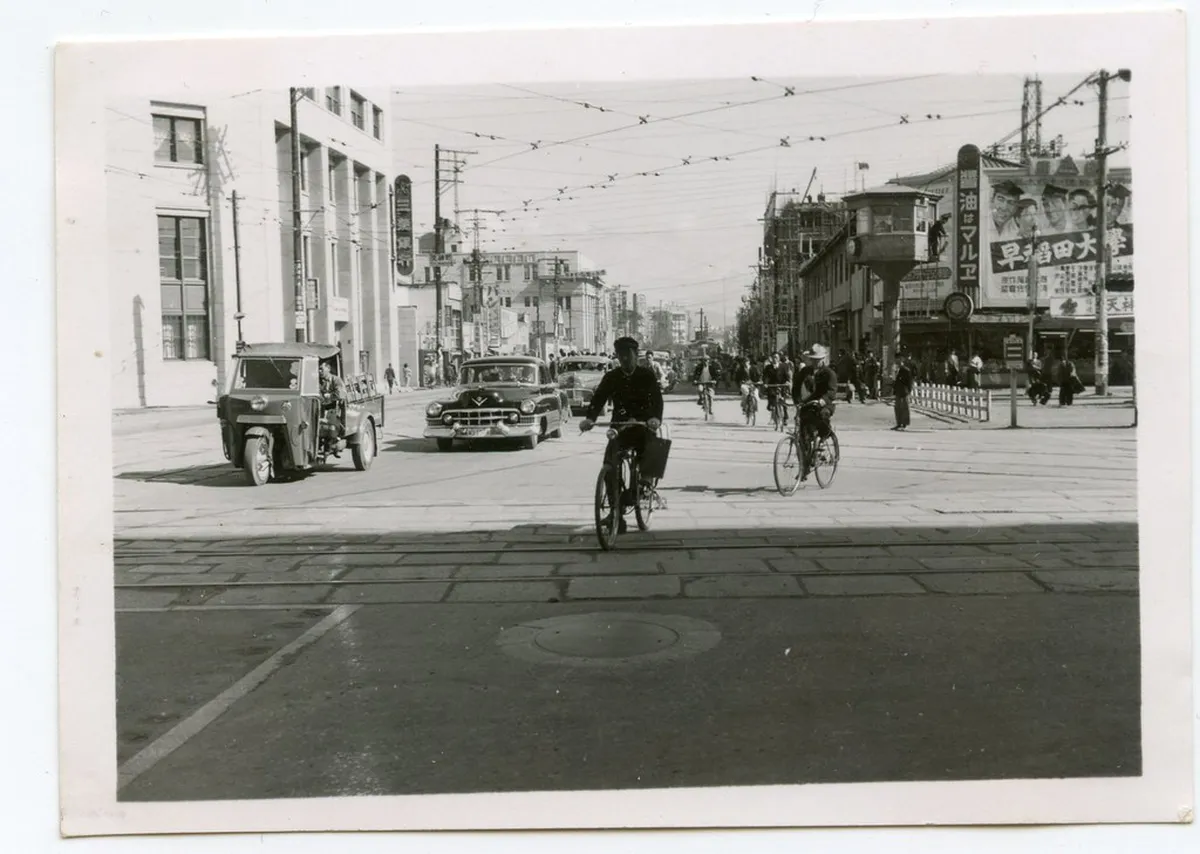
Fukuoka Tower is a masterwork of modern architecture designed by the firm Nikken Sekkei. It was originally constructed in 1989 to commemorate the Asia-Pacific Exposition held in the city. The tower remains the tallest seaside tower in Japan and a point of local pride.
The most striking feature of the building is its unique "Mirror Sail" exterior design. More than 8,000 half-mirrors cover the triangular structure to reflect the changing colors of the sky. This creates a shimmering effect that looks different during every hour of the day.
Beyond its beauty, the tower serves a practical purpose as a major broadcasting hub for the region. It houses various transmitters for television and radio signals across the prefecture. The reinforced structure is also built to withstand significant seismic activity and strong coastal winds.
The interior is divided into several levels including a multi-story observation area and a ground-floor shopping plaza. Each section offers a different perspective on the history of the Momochihama area. It is a central part of any cultural tour through the modern side of the city.
Fukuoka Tower Tickets and Admission Prices
Arrive 30 minutes before sunset to experience daylight, golden hour, and full night illumination on a single ¥800 entry. Weekday afternoons have the shortest elevator queues; Saturday evenings between 18:00–20:00 can mean a 20-minute wait at the ground-floor lift.
Understanding the pricing structure is the first step in planning your budget for the day. Standard admission for adults is usually 800 yen when purchasing at the ticket counter. Children and senior citizens can access the observation decks at reduced rates throughout the year.
Foreign tourists should keep their passports ready to take advantage of special entry discounts. Showing your passport often reduces the adult price to approximately 720 yen per person. This is a great way to save money while exploring the 17-Part Guide to Fukuoka Travel Budget and Daily Costs 2026 for your trip.
You can purchase tickets directly at the first-floor counter or through various online travel agencies. Digital vouchers allow you to skip the initial queue and head straight to the elevators. Check the Fukuoka Tower Official Site for the most current pricing and operational updates.
Groups of 25 or more people are eligible for further discounts if booked in advance. The ticket includes access to all three levels of the observation area including the Lovers' Sanctuary. Keep your physical ticket handy as you may need to show it when moving between floors.
- Standard Adult Admission Ticket
- Price: 800 Japanese Yen
- Tourist Discount: Passport required
- Valid for: Single entry
- Location: First floor counter
- Elementary and Middle School Ticket
- Price: 500 Japanese Yen
- Age range: 6 to 15 years
- Availability: Every operating day
- Requirement: No ID usually needed
- Young Child Admission Ticket
- Price: 200 Japanese Yen
- Age range: 4 to 5 years
- Infants: Free under 4
- Policy: Must have guardian
How to Get to Fukuoka Tower: Transport Guide
The tower sits in Sawara Ward, about 5 kilometres west of central Hakata, and is reached almost entirely by bus or subway. Taxis from Hakata Station run roughly 2,000 to 2,500 yen depending on traffic. For most visitors a Nishitetsu bus is the simplest door-to-door option, while the subway is faster during rush hour. You can learn How to Use Fukuoka Public Transport for Attractions: A Complete 2026 Guide to make this journey easier.
From Hakata Station, board Bus 306 at the Hakata Bus Terminal on the first floor (Stand A). The route uses the Fukuoka Urban Expressway and reaches the tower in roughly 25 minutes for 240 yen. From Tenjin, take Bus 302 or W1 from the Tenjin Kita stop and exit at Fukuoka Tower Minami-guchi, a two-minute walk from the entrance.
Subway riders take the Kuko (Airport) Line to Nishijin Station, then walk about 20 minutes north through a pleasant residential and academic neighbourhood past Seinan Gakuin University. The Tourist City Pass (1,800 yen for adults) covers both the bus and subway segments, which usually pays off if you also visit Hakata or Canal City the same day.
The table below compares the realistic time and cost trade-off so you can pick by priority rather than guesswork.
| Route | Travel time | Fare | Frequency | Notes |
|---|---|---|---|---|
| Bus 306 from Hakata Station | ~25 min | ¥240 | Every 10–15 min | No transfer, expressway route |
| Bus 302/W1 from Tenjin | ~20 min | ¥240 | Every 10 min | Drops at Minami-guchi entrance |
| Subway Kuko Line to Nishijin + walk | 12 min + 20 min walk | ¥260 | Frequent | Weather-dependent; pleasant route |
| Taxi from Hakata Station | 15–20 min | ¥2,000–¥2,500 | On demand | Best for groups of 3–4 |
- Bus 306 from Hakata Station: 25 minutes, 240 yen, every 10 to 15 minutes, no transfer required.
- Bus 302 or W1 from Tenjin: 20 minutes, 240 yen, every 10 minutes, drops at Minami-guchi entrance.
- Subway Kuko Line to Nishijin + walk: 12 minutes train + 20 minutes walk, 260 yen from Hakata, weather-dependent.
- Taxi from Hakata Station: 15 to 20 minutes, 2,000 to 2,500 yen, fastest option for groups of three or four.
Free Fukuoka City Wi-Fi is available at the tower base and inside Hakata Bus Terminal, which is useful for confirming return timetables on the Nishitetsu bus app. The last bus back to Hakata typically departs around 22:30, so plan dinner accordingly if you stay for the night illumination.
Top Things to Do at the Observation Deck
The main observation deck is known as SKY View 123 because it sits exactly 123 meters high. From this vantage point, you can enjoy a 360-degree view of the entire city and bay. It is widely considered one of the essential 20 Best Fukuoka Attractions in 2026 for first-time visitors.
Looking north reveals the vast expanse of Hakata Bay and the distant islands of the Genkai Sea. On clear days, you can see all the way to the Sefuri Mountains in the south. The urban sprawl of Hakata and Tenjin looks particularly impressive from this height.
Interactive displays are scattered around the deck to help identify major landmarks in the distance. You can use the high-powered telescopes to get a closer look at the baseball stadium or the harbor. There are also several photo spots designed to make it look like you are floating.
The deck features a VR corner where you can experience a simulated flight around the tower structure. This is a popular activity for families and those looking for a bit of extra excitement. Most visitors spend about 45 to 60 minutes exploring the different views on this level.
A Romantic Visit: The Lovers’ Sanctuary
The third floor of the observation area is officially designated as a Lovers' Sanctuary. This makes the tower a prime destination for couples and those celebrating special anniversaries. It is a highlight for anyone visiting 3-Day Fukuoka With Kids Itinerary: A Family Guide or partners who enjoy romantic atmosphere.
One of the most popular traditions involves purchasing an "Ai-kagi" or love lock from the vending machine. Couples write their names and a message on the heart-shaped lock before attaching it to the fence. The Vow Fence is now covered in thousands of colorful locks representing eternal love.
You should also look for the heart-shaped illumination switch located near the windows. When two people hold hands and touch the sensors, a large heart lights up behind them. This creates a perfect frame for a commemorative photo with the city lights in the background.
The romantic atmosphere is enhanced by the soft background music and the dim evening lighting. Many locals choose this spot for marriage proposals because of the stunning backdrop and symbolic setting. It remains one of the most Instagram-mable locations in all of Kyushu.
Seasonal Illuminations and Night Views
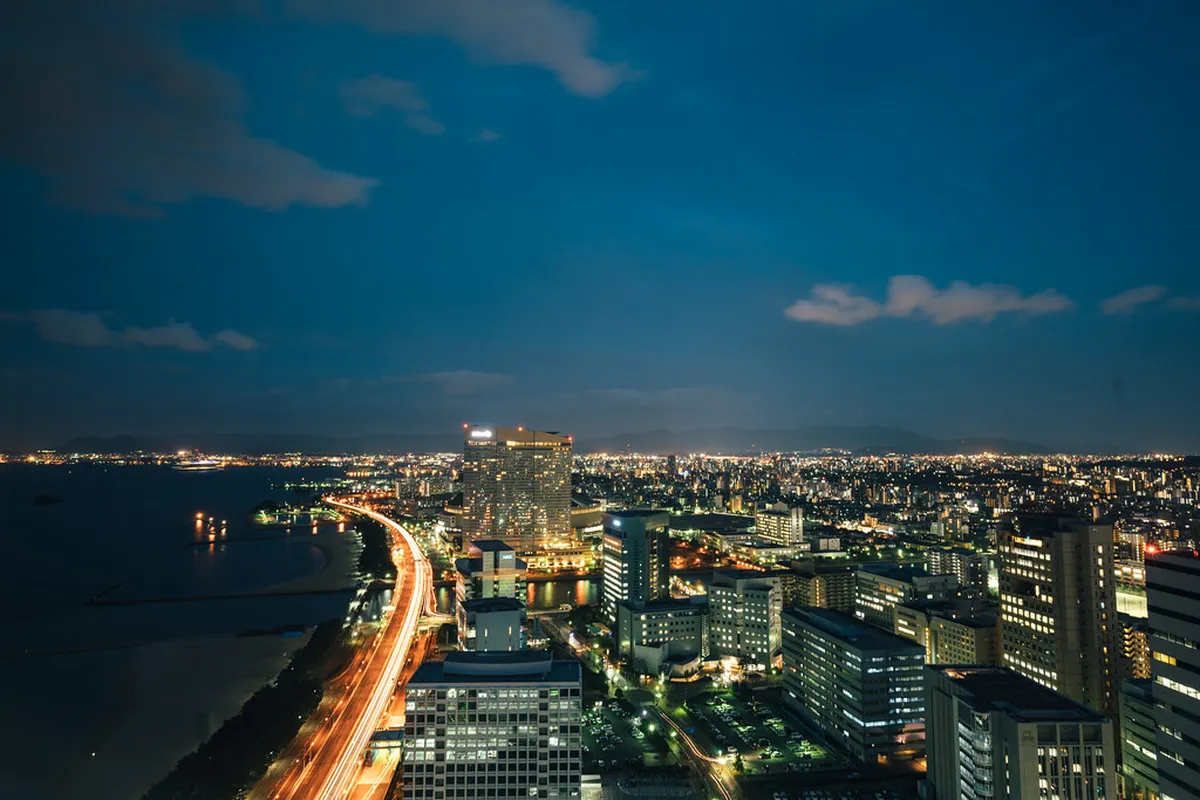
The experience changes dramatically once the sun begins to set over the Genkai Sea. The tower's exterior is famous for its elaborate seasonal light-ups that reflect local festivals and holidays. You might see a giant Christmas tree or cherry blossom patterns depending on when you visit.
Inside the observation deck, the "Sky Illumination" floor becomes the main attraction at night. The floor is embedded with special phosphorescent stones that glow with a soft blue light. These stones create the illusion of walking through a field of stars high above the ground.
Night photography can be tricky due to the glass reflections from the interior lights. To get the best shots, press your camera lens directly against the glass to minimize glare. The city lights of the Sawara and Chuo wards provide a glittering carpet of gold and white.
The tower often stays open later during special events like the Tanabata festival or New Year's Eve. Watching the moon rise over Hakata Bay from this height is a truly serene experience. It offers a different perspective than the lively atmosphere of the central city districts.
Dining and Shopping at the Tower
If you feel hungry during your visit, head to the Observatory Café Refuge on the second floor. This café offers floor-to-ceiling windows so you never have to stop looking at the view. It is a convenient place to rest while deciding 10 Best Neighborhoods Where to Stay in Fukuoka for the night.
The menu includes a variety of light meals, desserts, and refreshing beverages tailored to travelers. While the prices are slightly higher than a standard café, the panoramic scenery justifies the extra cost. It is especially beautiful during the sunset hour when the sky turns orange and purple.
The first floor features a large souvenir shop stocked with exclusive tower-themed merchandise. You can find everything from miniature scale models to local snacks like Hakata Torimon. Many of these items are only available at this specific location in the city.
There are also several convenience stores and small eateries located just outside the tower entrance. These are great for grabbing a quick bite before heading down to the nearby beach. The ground floor area also provides free Wi-Fi for visitors to use while planning their next stop.
Nearby Recommended Spots in Seaside Momochi
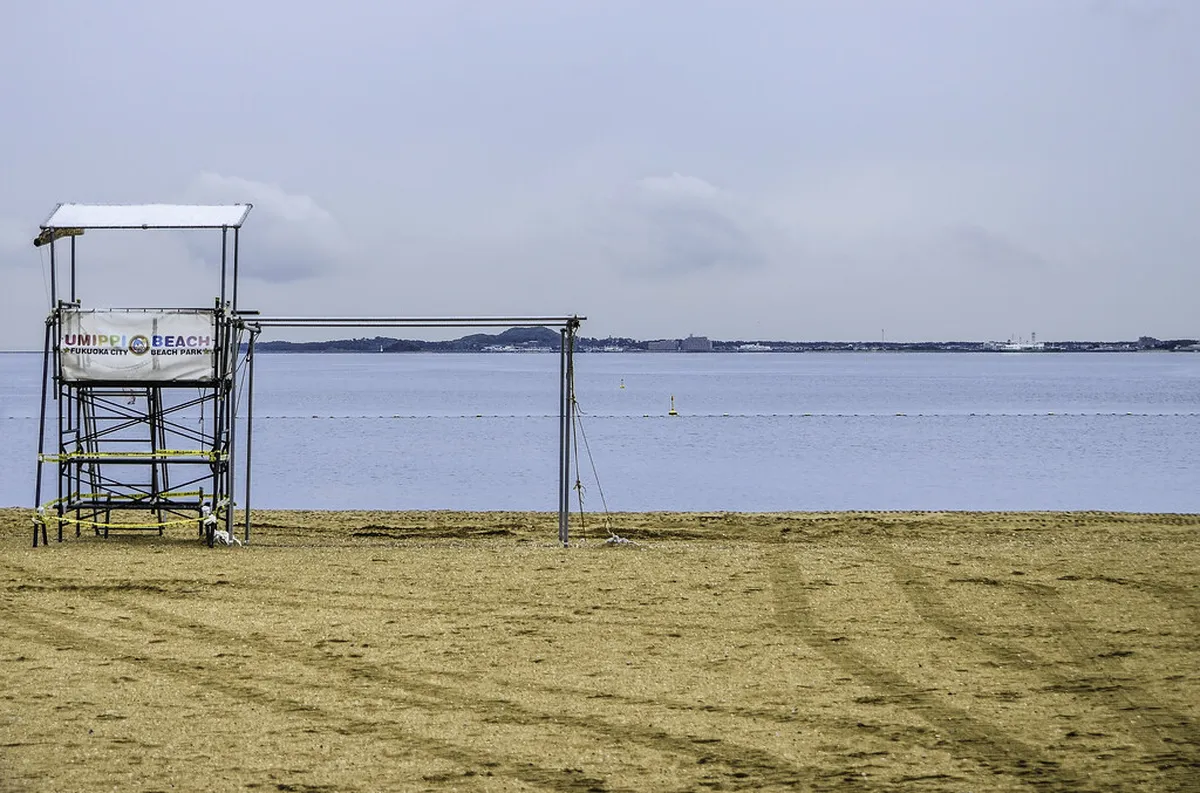
The area surrounding the tower is known as Seaside Momochi and offers several other major attractions. You can walk directly behind the tower to reach Momochihama Seaside Park. This man-made park features one of the most popular 15 Best Beaches and Local Spots in Fukuoka for sunbathing and sports.
The Fukuoka City Museum is located just a five-minute walk from the tower's main entrance. It houses the famous Gold Seal and offers deep insights into the city's ancient history. It is a perfect indoor alternative if the weather becomes too windy for the observation deck.
Families should also consider visiting Robosquare located in the nearby TNC TV Building. This facility showcases the latest in Japanese robotics and offers interactive demonstrations for all ages. Most of the exhibits are free to enter and provide a fun educational experience.
Marizon is a Mediterranean-style shopping and wedding complex located right on the water. It features several waterfront restaurants and serves as the ferry terminal for Uminonakamichi Seaside Park. Combining these spots makes for a complete day of sightseeing on the western side of the city.
Frequently Asked Questions for Visitors
Many travelers wonder about the best time to visit for the clearest views. Generally, the air is crispest in the morning or just after a rain shower has passed. This allows you to see the distant mountains and islands with maximum clarity.
The average visit lasts about an hour, but you can stay as long as you like. Most people find this is enough time to see all three floors and take plenty of photos. If you plan to dine at the café, you should allow for an additional forty-five minutes.
Accessibility is a priority at the tower, and full elevator access is available for all visitors. Wheelchairs can be borrowed at the information desk on the first floor for free. The observation decks are spacious enough to accommodate strollers and mobility aids comfortably.
You might wonder if a Fukuoka Tourist City Pass vs Subway Pass: 2026 Prices, Coverage & Which to is useful here. While the subway pass doesn't cover the bus, the Tourist City Pass often includes the Nishitetsu bus routes to the tower. This can save you money on transport costs throughout your day.
Photography Timing: Golden Hour vs Blue Hour
Serious photographers should plan around two distinct windows rather than a generic "sunset visit." Golden hour begins about 60 minutes before sunset and bathes the Mirror Sail and Hakata Bay in warm side-light, but the interior glass produces strong glare against the western sun. Position yourself on the north or east side of the deck during this window to avoid lens flare bouncing off the half-mirror panels.
Blue hour, the 20 to 30 minutes immediately after sunset, is when the Sky Illumination floor stones reach their visual peak against a deep cobalt sky. This is also the only window where the city lights and the sky balance in a single exposure without HDR processing. To kill reflections, press a rubber lens hood or a folded dark cloth flat against the glass; tripods are not permitted on the observation floors, so a small bean bag is the workaround locals use.
For the phosphorescent floor stones specifically, shoot with a wide aperture (f/2.8 or wider), ISO 3200, and a shutter around 1/15 second resting on the floor itself. The stones are charged by the daytime sun, so their glow is brightest from roughly 18:00 to 19:30 and fades noticeably after 21:00.
Tips for Planning a Smooth Visit
To get triple value from one ticket, arrive about thirty minutes before sunset so you experience daylight, golden hour, and full night illumination on a single 800-yen entry. Most visitors stay 60 to 75 minutes, which fits naturally into this window. Weekday afternoons see the shortest elevator queues; Saturday evenings between 18:00 and 20:00 are the worst, often with 20-minute waits at the ground-floor lift.
The observation decks close when sustained winds exceed ~20 m/s — this happens several times each typhoon season (late August–early October). The tower issues same-day refunds at the counter, but online vouchers must be refunded through the issuing platform.
Weather closures are more common than competitor guides admit. The observation decks close when sustained winds exceed roughly 20 metres per second, which happens several times each typhoon season between late August and early October. The tower issues same-day refunds at the first-floor counter when this happens, but online vouchers must be refunded through the issuing platform, so screenshot your booking before travelling.
One niche window worth noting: on January 1, the tower runs a special Hatsuhinode (first sunrise) opening from around 06:30, with separate timed-entry tickets that sell out by mid-December. This is the only morning of the year when the deck opens before dawn, and watching the sun rise over Shikanoshima from 123 metres up is a quietly spectacular alternative to the crowded shrine visits inland. Tickets are released on the Fukuoka Tower Official Site in early November.
For everyday visits, weekdays before 15:00 stay quietest, and solo travellers will find the third-floor Lovers' Sanctuary surprisingly calm at opening time. If you are combining this with other landmarks, see 20 Best Fukuoka Attractions in 2026 for a half-day west-side itinerary, or read more practical advice from Japan Tours before you head out.
Frequently Asked Questions
How much are tickets for Fukuoka Tower?
Adult tickets cost 800 yen, while elementary and middle school students pay 500 yen. Foreign tourists can often receive a discount by showing their passport at the counter. Prices for young children are 200 yen, and those under four enter for free.
What is the best time to visit Fukuoka Tower for night views?
The best time is during the "Blue Hour," which occurs roughly 20 to 30 minutes after sunset. This period provides a beautiful balance between the deep blue sky and the glowing city lights. It is also when the Sky Illumination floor begins to glow brightest.
How do I get to Fukuoka Tower from Hakata Station?
Take Nishitetsu Bus number 306 from the Hakata Bus Terminal for the most direct route. The journey takes about 25 minutes via the urban expressway. Alternatively, use the Kuko Subway Line to Nishijin Station and walk for 20 minutes to reach the tower.
Is the Fukuoka Tower observation deck worth it?
Yes, it is worth it for the 360-degree views of Hakata Bay and the unique Mirror Sail architecture. The romantic Lovers' Sanctuary and the glowing Sky Illumination floor provide unique experiences not found elsewhere. It is a great value for the admission price.
Can you buy Fukuoka Tower tickets online?
Yes, you can purchase tickets through various online travel platforms or the official website. Digital tickets allow you to bypass the main ticket line and proceed directly to the elevator queue. This is highly recommended during peak holiday seasons to save time.
Fukuoka Tower remains a must-visit destination for anyone exploring the modern side of Kyushu. From the stunning Mirror Sail design to the romantic Lovers' Sanctuary, there is something for everyone to enjoy. It provides the best vantage point for understanding the city's unique geography.
Whether you are visiting for a romantic date or a family outing, the tower offers a memorable experience. Remember to bring your passport for a discount and time your visit for the sunset views. Your trip to the seaside Momochi district will certainly be a highlight of your time in Japan.
For related Fukuoka deep-dives, see our Acros Fukuoka Step Garden Visitor Guide: Tips, Views & Hours and Ohori Park Fukuoka guides.
Combine this with our main Fukuoka travel guide to plan the rest of your trip.
Free: The Fukuoka Essentials guide
Top things to do, where to stay, a perfect day plan, getting around, and the best time to go — a Fukuoka mini-guide you can take offline.
You might also like


Continue reading
More guides you'll find useful


