10-Point Visitor Guide: Fukuoka Art Museum and Asian Art Museum
Plan your visit to the Fukuoka Art Museum and Asian Art Museum with this 10-point guide covering collections, tickets, architecture, and local tips.
On this page
Fukuoka stands as a vibrant cultural bridge connecting the Japanese islands with the rest of the Asian continent. Travelers often find that the city's creative heart beats strongest within its two most prestigious galleries. This fukuoka art museum and asian art museum visitor guide explores how these institutions showcase everything from ancient treasures to cutting-edge contemporary works.
The two museums sit on opposite sides of central Fukuoka and were designed for very different moods. One is a low-slung concrete pavilion overlooking a lake, the other a sleek pair of floors halfway up a riverside high-rise. Knowing which is which before you arrive saves a lot of confused wandering on the day.
This guide walks through ten practical points that cover collection highlights, exact ticket prices in 2026, opening days, and the easiest subway link between the two sites. It also flags a comparison table, a wayfinding warning, and seasonal timing advice so you can plan one efficient cultural day rather than two scattered half-days.
1. Overview of Fukuoka's Premier Art Institutions
Fukuoka has long served as a gateway for trade and cultural exchange between Japan and its neighbors. This historical role is perfectly captured in the city's commitment to preserving and celebrating diverse artistic expressions. Visitors interested in Fukuoka travel will find that the local art scene is both accessible and deeply intellectual.
The Fukuoka Art Museum and the Fukuoka Asian Art Museum (FAAM) serve as the twin pillars of this creative landscape. The first, opened in 1979 and reopened in 2019 after a major renovation, sits in Ohori Park and covers global art history from antiquity to the present. The second, opened in 1999 inside the Hakata Riverain Building, focuses exclusively on modern and contemporary work from across Asia.
Treat them as complementary rather than competing. The Ohori Park venue gives you Buddhist sculpture, Edo-period scrolls, and European modernism in one trip, while the Hakata Riverain venue fills the gap most international museums leave wide open: Mongolian, Cambodian, Burmese, and Filipino voices from the last hundred years.
2. Fukuoka Art Museum: Modern Classics and Ohori Park Views
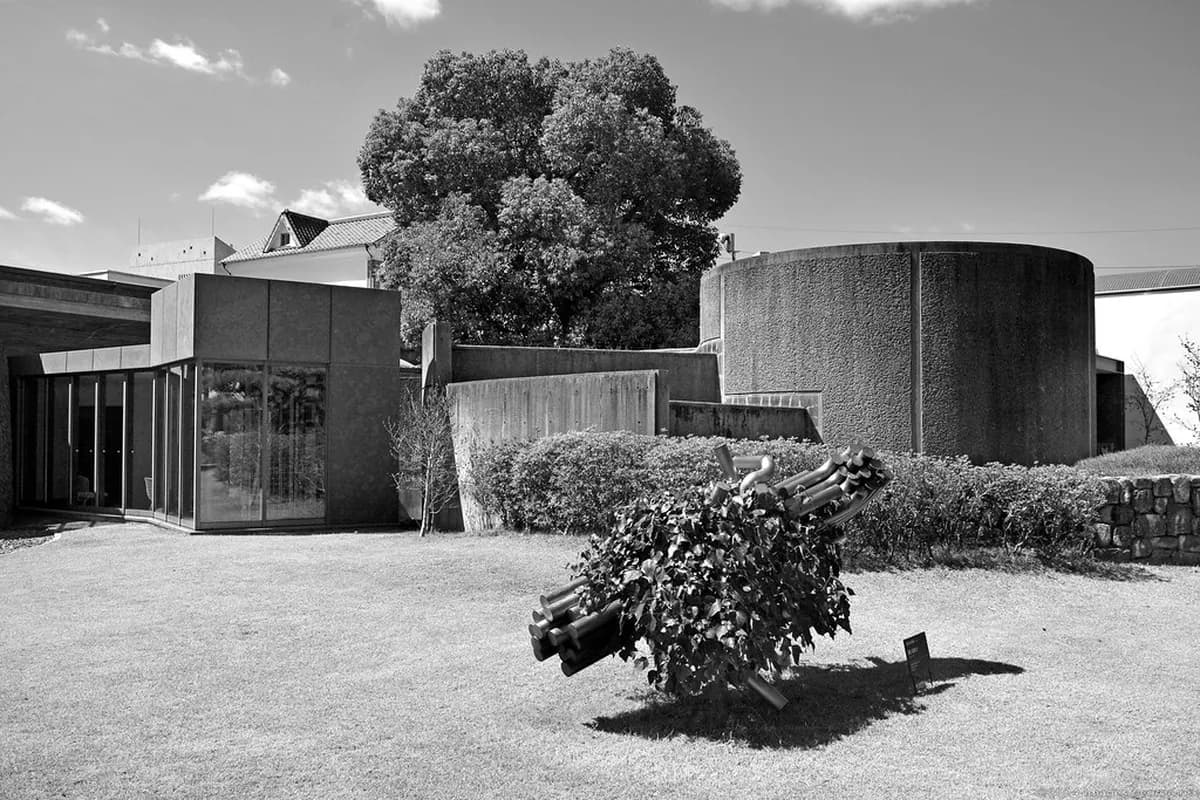
The Fukuoka Art Museum is a sanctuary for those who appreciate a mix of world-class modernism and traditional Japanese aesthetics. Located on the southern edge of Ohori Park, the building was designed by Maekawa Kunio, a student of Le Corbusier, and rebuilt in 2019 with a brighter atrium and improved climate control. It serves as a primary destination for discovering modern art experiences in Fukuoka today.
One of the most photographed sights here is the iconic yellow pumpkin sculpture by Yayoi Kusama, which sits on the outdoor terrace facing the pond. Inside the modern wing you will encounter paintings by Salvador Dalí, Joan Miró, Marc Chagall, and Tsuguharu Foujita, alongside a strong holding of postwar Japanese painters such as Yoshihara Jiro and Kusama's earlier canvases.
The historical wing rotates Buddhist sculpture, lacquerware, and tea ceremony objects, several of which are designated as Important Cultural Property of Japan. The spacious layout allows for a contemplative pace that matches the calm energy of the surrounding park.
3. Fukuoka Asian Art Museum (FAAM): A Global Specialist
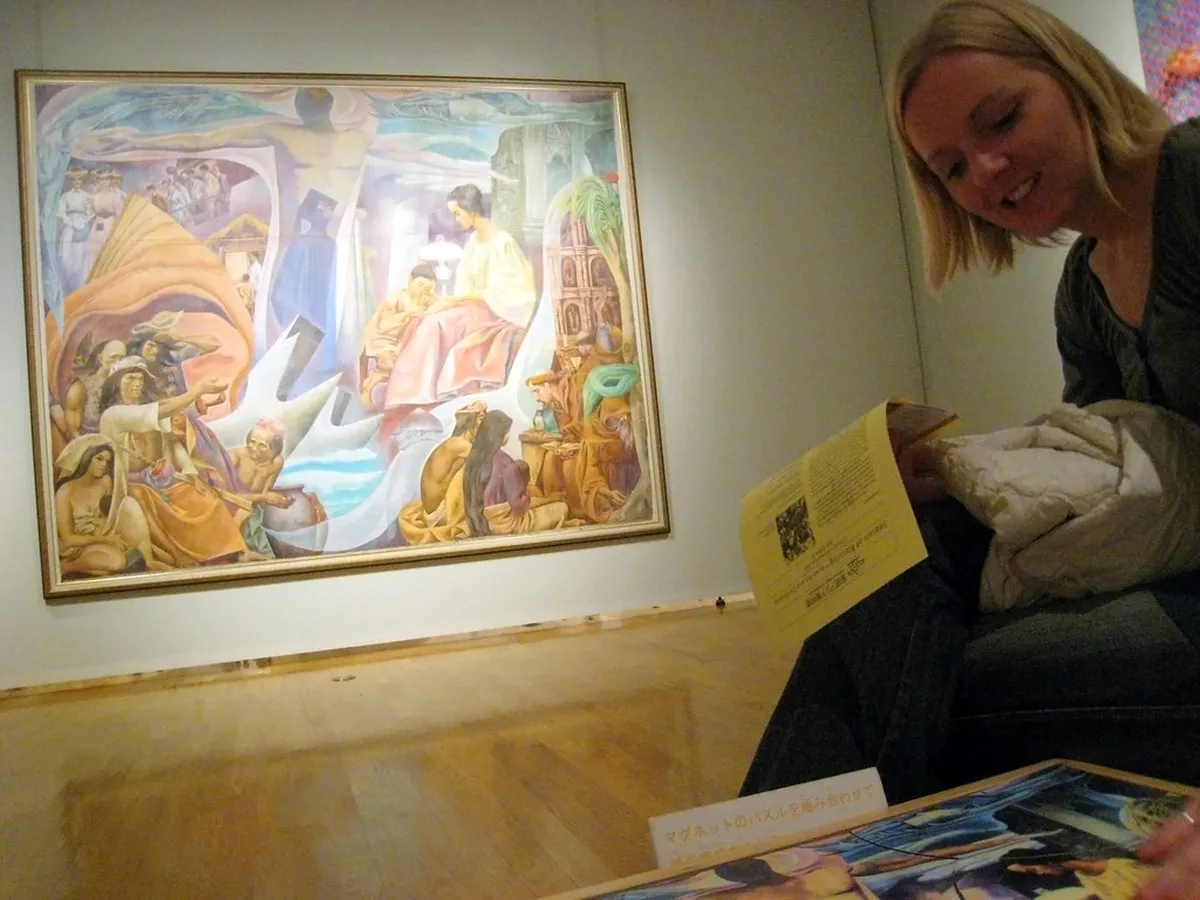
The Fukuoka Asian Art Museum, often called FAAM or Ajibi, holds the distinction of being the only museum in the world that systematically collects modern and contemporary Asian art. It occupies the 7th and 8th floors of the Hakata Riverain Building between the Tenjin and Hakata districts. You can find more details about their mission on the Fukuoka Asian Art Museum Official Site.
The museum deliberately steps away from Western-centric art history to highlight artists from 23 Asian countries and regions, including territories rarely represented in major institutions: Mongolia, Myanmar, Cambodia, Bhutan, and Bangladesh. Featured names include Fang Lijun, Kim Tschang-Yeul, Thawan Duchanee, and Tserennadmidin Tsegmed. Every label carries an English explanation, which is unusual for a Japanese municipal museum.
Because the venue sits inside a working office and shopping complex, the vibe is decidedly urban. The Asia Gallery rotates the displays roughly eight times a year, so a return visit six months later genuinely shows you new work rather than the same pieces in a different order.
4. The Permanent Collection: 5,000 Works Across 23 Nations
The sheer scale of these collections ensures something for every visitor. FAAM holds approximately 5,000 works spanning paintings, sculptures, installations, photography, video, and performance documentation. You can preview many of them through the Google Arts & Culture: FAAM Partner Page before your trip.
The Fukuoka Art Museum's standout holding is the Kuroda princely family treasures, a deposit of roughly 500 historical items from the former Kuroda clan that ruled the Fukuoka Domain through the Edo period. The set includes the famous "Nihongo" spear (one of the Three Great Spears of Japan, displayed on rotation), tea ceremony utensils used during clan ceremonies, samurai armor, formal attire, and calligraphy. Several pieces carry Important Cultural Property status and are shown in dedicated low-light cabinets to protect the lacquer and silk.
Buddhist sculpture from Hakata's Tojin-machi temples and a small but well-curated room of European modernists round out the Ohori Park venue. Curators at both museums rotate the displays often, so checking each museum's exhibition calendar before booking your day is genuinely useful rather than optional.
5. Artist Residency and Contemporary Creation at FAAM
One of FAAM's most distinctive initiatives is its artist-in-residence program, which has run since the museum opened in 1999 and was widened in 2022 to accept applicants from outside Asia. The residency runs in three blocks each year (roughly July to September, October to December, and January to March), and around seven artists or collectives are hosted annually.
Residents receive travel, accommodation, a daily stipend, and a production budget of up to 500,000 yen. In exchange, each artist runs two public workshops and two lectures and shows their finished work in an open studio or exhibition. For visitors, this is the practical part: if your trip overlaps with a residency open studio, you can walk into a working artist's space on the 8th floor, see work in progress, and often chat directly with the creator in English.
Open studio dates and workshop sign-ups are posted on the FAAM website and the free in-house newsletter "Ajibi News." Tickets are usually free with regular gallery admission, but seats for talks fill quickly, especially during weekend residency events.
6. Architecture and Setting: Ohori Park vs. Hakata Riverain
The Fukuoka Art Museum offers a classic, low-rise museum experience integrated with the outdoors. Maekawa's brick-clad volume reads as a deliberate contrast to the willows and water of Ohori Park, and the renovated atrium now floods natural light onto the central staircase. It is ideal for visitors who want to combine a gallery visit with a long walk around one of Japan's most beautiful Edo-era stroll gardens.
FAAM provides a sleek, climate-controlled experience inside a 1999 high-rise designed by Cesar Pelli's office. The 7th and 8th floor windows look directly down onto the Naka River and Nakasu's neon, which becomes especially striking on Friday and Saturday evenings when galleries stay open late. The contrast between the urban view outside and contemplative work inside is one of the museum's quiet pleasures.
If you only have time for one and weather is poor, FAAM is the safer bet — see our guide to rainy day things to do in Fukuoka for more indoor options — because the entire visit happens indoors and connects directly to the Riverain shopping arcade for food and shelter. If the day is bright, the Ohori Park venue plus a lap of the lake is hard to beat.
7. Which Museum Should You Choose? A Side-by-Side Comparison
Most travelers ask which museum to prioritize when time is tight. The honest answer depends on what you came to Fukuoka for, so the table below sorts the practical differences in one glance.
| Feature | Fukuoka Art Museum | Fukuoka Asian Art Museum (FAAM) |
|---|---|---|
| Location | Ohori Park, west of centre | Hakata Riverain, central |
| Subway stop | Ohori-Koen Station (Kuko Line) | Nakasu-Kawabata Station (Kuko Line) |
| Adult admission | ¥200 permanent collection | ¥200 Asia Gallery |
| Closed | Mondays | Wednesdays |
| Late opening | Until 20:00 Fri–Sat (Jul–Oct) | Until 20:00 Fri–Sat year-round |
| Focus | Global antiquity to modernism; Kuroda treasures | Modern/contemporary Asian art, 23 nations |
| Best for | Families, Kusama fans, cherry blossom season | Contemporary art, rainy days, late-evening visit |
- Fukuoka Art Museum — Location: Ohori Park, west of the centre. Focus: global art from antiquity to modernism, plus Kuroda treasures. Vibe: park-side, calm, photogenic. Best for: families, first-time visitors, fans of Kusama and Dalí, anyone wanting cherry blossoms with their art.
- Fukuoka Asian Art Museum (FAAM) — Location: Hakata Riverain, central. Focus: modern and contemporary art from 23 Asian countries and regions. Vibe: urban, intimate, intellectually focused. Best for: contemporary art fans, rainy days, late evenings, travelers interested in Southeast and South Asian culture.
If you want a single decision rule: choose the Fukuoka Art Museum for breadth and scenery, choose FAAM for depth in a niche you will not find anywhere else in Japan. Visit both in one day if you arrive at Ohori Park by 09:30 opening, lunch in Tenjin, and reach FAAM by 14:00.
8. Practical Visitor Information: Tickets, Hours, and Access
Both museums sit on the Kuko (Airport) Subway Line, which makes a same-day combo straightforward. From Ohori Park Station to Nakasu-Kawabata Station is six minutes and 260 yen. Most travelers find that using Fukuoka public transport is faster than taxis during the day. Always verify the latest hours on the Fukuoka Art Museum Official Site before you head out, especially around Golden Week.
The Fukuoka Art Museum closes on Mondays; the Asian Art Museum (FAAM) closes on Wednesdays. To visit both in one day, plan for a Tuesday or Friday — both museums are open and FAAM stays open until 20:00 on Fridays.
A common mistake first-time visitors make is confusing the two closing days. The Fukuoka Art Museum closes on Mondays, while FAAM closes on Wednesdays. Plan a Tuesday or Friday and you can visit both without issue. If a national holiday lands on the closing day, the museum opens that day and shifts the closure to the following weekday instead.
- Fukuoka Art Museum: Ohori Park Station (Kuko Line), 10-minute walk via the south park gate. Hours 09:30 to 17:30, until 20:00 on Fridays and Saturdays from July to October. Adult permanent collection 200 yen, university students 150 yen, high school and younger free. Closed Mondays and 28 December to 4 January.
- Fukuoka Asian Art Museum: Nakasu-Kawabata Station (Kuko Line), exit 6 directly into Hakata Riverain B1. Take the elevator to 7F. Gallery hours 09:30 to 18:00, until 20:00 on Fridays and Saturdays. Adult Asia Gallery 200 yen (150 yen for groups of 20 or more), high school and university 150 yen, junior high and younger free. Closed Wednesdays and 26 December to 1 January.
9. Museum Amenities: Art Cafes, Original Goods, and Friday Night Music
The amenities at these museums are designed to make you linger. At FAAM, the MUSEUM CAFE by IENA COFFEE on the 7th floor doubles as the museum's reading lounge, with more than 10,000 art-related books on open shelves and a separate corner of Asian picture books that families consistently rate as the best free children's space in central Fukuoka. The drink menu includes the rare Kopi Luwak coffee from Indonesia alongside Japanese black tea and seasonal lattes.
The Friday and Saturday late-night hours are an underused tip. Galleries stay open until 20:00, and on Fridays a free music event runs from 18:30 inside the foyer; recent programs have featured gamelan, Vietnamese đàn tranh, and electroacoustic sets from current residents. After the event, walk five minutes through Kawabata Shopping Street to a Nakasu yatai food stall for the most local possible end to a museum night.
The gift shops at both venues stock items unavailable elsewhere in the city. Highlights include FAAM's exclusive original goods inspired by works in the collection (postcards, tote bags, and ceramics designed in collaboration with residency artists) and the Fukuoka Art Museum's Kuroda-themed stationery. Both shops accept credit cards, IC cards, and QR payments.
10. Wayfinding, Seasonal Timing, and Nearby Attractions
FAAM's entrance is not at street level. From Nakasu-Kawabata Station exit 6, go into the Hakata Riverain basement and take the dedicated museum elevator (signposted "Ajibi / 美術館") to the 7th floor — the general shopping elevators stop at retail floors only.
One detail that catches almost every first-time FAAM visitor: the museum is not at street level. From Nakasu-Kawabata Station exit 6 you enter the Hakata Riverain basement, and you must take the dedicated museum elevator (signposted Ajibi or 美術館) to the 7th floor. The general shopping elevators stop at retail floors only and will leave you wandering past clothing shops looking for a museum entrance that does not exist there. Save five frustrating minutes by heading directly to the central elevator bank by the kids' play area.
For the Fukuoka Art Museum, time your visit to Ohori Park's seasons. Late March to early April brings cherry blossoms over the lake; mid-November to early December turns the maples around the Japanese Garden a deep red. The museum's outdoor terrace, where the Kusama pumpkin sits, frames both spectacles cleanly and is one of the few free photo spots in Fukuoka that feels genuinely uncrowded on weekday mornings. See our Best Time to Visit Fukuoka, Japan guide for fuller seasonal context.
From FAAM you are a short walk from Reisen Park, Kushida Shrine, and the historic Hakata and Tenjin districts. From the Fukuoka Art Museum you can continue west into Ohori Park's Japanese Garden (250 yen) or north to the Fukuoka Castle ruins for a free history walk. Travelers who want even more should consult the 7 must-visit attractions in Hakata Old Town and the broader top Fukuoka attractions guide for multi-day routing.
Frequently Asked Questions
Which museum is better for families with children?
The Fukuoka Art Museum is generally better for families because it is located in Ohori Park. Kids can enjoy the outdoor sculptures and the open space of the park after visiting the galleries. The Asian Art Museum also has a great picture book section in its cafe for younger readers.
Can I visit both museums in a single day?
Yes, you can visit both in one day using the Kuko Subway Line. It takes less than 10 minutes to travel between Ohori Park Station and Nakasu-Kawabata Station. Plan for about two hours at each location to see the main highlights without rushing.
Are the museums accessible for non-Japanese speakers?
Both museums provide excellent English signage and brochures for their permanent collections. The Asian Art Museum specifically caters to an international audience with multilingual descriptions. You will find it easy to navigate and understand the context of the artworks displayed.
Is photography allowed inside the galleries?
Photography is permitted for many permanent exhibits, but you must check for specific 'no photo' icons. Special exhibitions often have stricter rules regarding cameras. Always turn off your flash and avoid using tripods to respect the museum environment and other visitors.
What is the best way to save money on admission?
The permanent collections are very affordable at only 200 yen for adults in 2026. Consider checking if your Fukuoka travel budget can include a city pass for extra savings. Some transit passes offer small discounts on entry fees at various municipal cultural sites.
Exploring the Fukuoka Art Museum and FAAM offers a complete look at the city's creative range, from Edo-period samurai treasures to a Mongolian video installation made last year. Whether you prefer Ohori Park serenity or Hakata Riverain energy, both institutions reward unhurried visits at fair 200 yen admissions. They stand as a testament to Fukuoka's role as a cultural leader in the Kyushu region.
Pick a Tuesday or Friday to dodge the staggered closing days, ride the Kuko Line between them, and time the second stop for FAAM's Friday late-night music if your itinerary allows. Your journey through Fukuoka's art scene will easily anchor a memorable day in the city.
For related Fukuoka deep-dives, see our Fukuoka Tower Visitor Guide and Acros Fukuoka Step Garden Visitor Guide: Tips, Views & Hours guides.
Free: The Fukuoka Essentials guide
Top things to do, where to stay, a perfect day plan, getting around, and the best time to go — a Fukuoka mini-guide you can take offline.
You might also like

Continue reading
More guides you'll find useful