Kurume Day Trip From Fukuoka Guide: 1-Day Itinerary
Plan your Kurume day trip from Fukuoka with this 1-day guide. Includes transport tips, the best tonkotsu ramen, and cultural stops like Kurume Castle.
On this page
I built this Kurume day trip from Fukuoka guide after my third visit to the Chikugo region, most recently in March 2026. The city sits 38km south of Hakata and rewards visitors with samurai history, indigo textiles, and the original tonkotsu ramen. It is the easiest cultural escape from Fukuoka that does not feel touristy.
This refresh fixes the most common planning mistake of 2026: assuming JR Kurume and Nishitetsu Kurume are the same station. They are 2km apart, and choosing the wrong one wastes 30 minutes. Below you get a time-stamped itinerary, a transport comparison table, and a seasonal flower calendar that no other English guide covers.
If you are following a Fukuoka itinerary for 5 days, slot Kurume into Day 3 or Day 4. The pace is slower than Tenjin, the food is louder, and the museums are nearly empty on weekdays.
At a Glance: Your 1-Day Kurume Itinerary
This time-stamped overview keeps you moving without backtracking between the two stations. Morning anchors at the JR side for castle ruins and Bairinji Temple. Lunch shifts to Nishitetsu for ramen, then the afternoon centres on the Ishibashi Cultural Center.
- 09:00 - Arrive JR Kurume Station via Shinkansen from Hakata
- 09:15 to 10:30 - Bairinji Temple plum grove and Zen halls
- 10:45 to 12:00 - Kurume Castle Ruins and Arima Memorial Museum
- 12:15 to 13:15 - Tonkotsu lunch at Taiho Ramen main shop
- 13:30 to 15:30 - Ishibashi Cultural Center and Kurume City Museum of Art
- 15:45 to 16:30 - Suitengu Shrine and Chikugo riverside walk
- 17:00 - Depart Nishitetsu Kurume Station for Tenjin
Total walking distance is roughly 6km across the day, plus one short bus ride between the two stations. Budget around 9 hours door to door from Hakata.
Transport Logistics: Getting from Fukuoka to Kurume
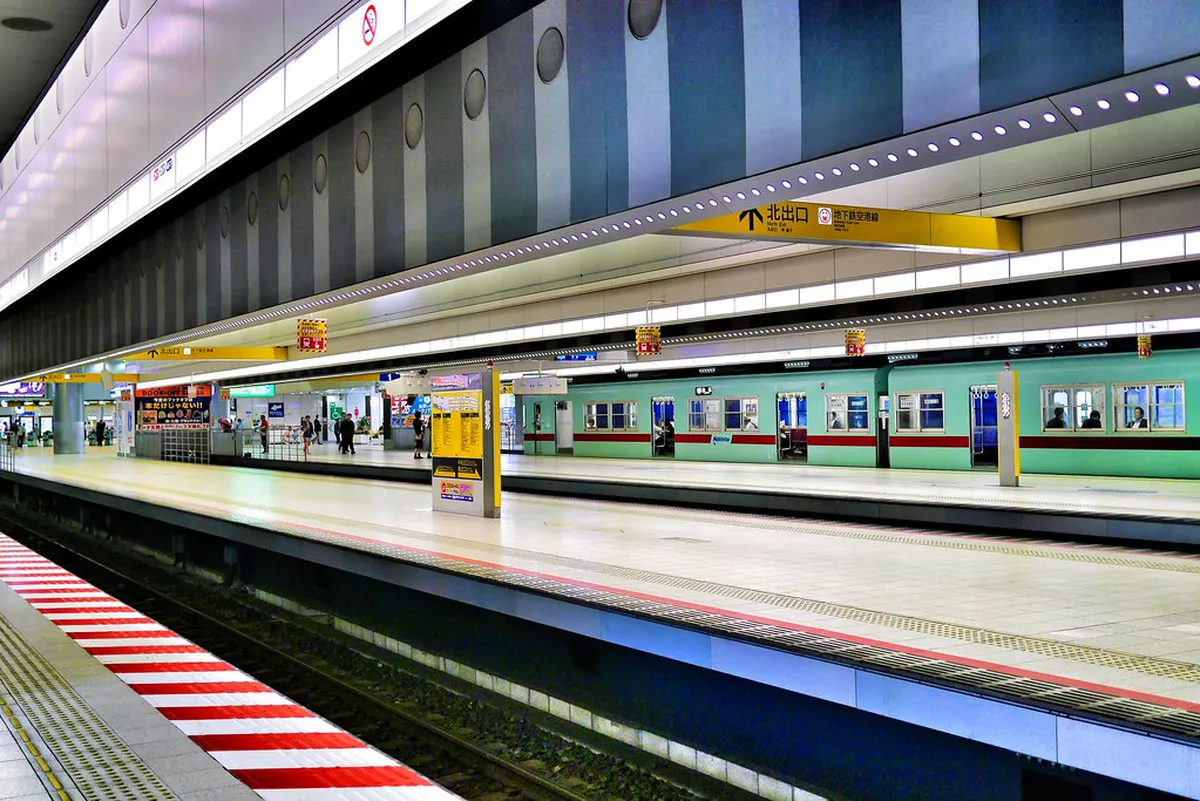
You have three realistic options, and they leave from two different stations in Fukuoka. The JR Kyushu Shinkansen departs from Hakata, while the Nishitetsu Tenjin Omuta Line departs from Nishitetsu Fukuoka (Tenjin) Station. Using Fukuoka public transport well saves both time and yen on this route.
- JR Shinkansen Sakura or Tsubame from Hakata: 17 minutes, 1,790 yen (about EUR 11), arrives at JR Kurume Station
- JR Limited Express Kamome or Kyushu Line local: 35 to 45 minutes, 760 yen (about EUR 4.70), JR Kurume Station
- Nishitetsu Limited Express from Tenjin: 32 minutes, 630 yen (about EUR 3.90), arrives at Nishitetsu Kurume Station
If you hold a JR Kyushu Rail Pass (3-day Northern Kyushu pass costs roughly 8,500 yen / EUR 52), the Shinkansen is free of additional charge. For a single round-trip Kurume day, the pass does not pay off; book individual Nishitetsu tickets unless you are pairing with Nagasaki, Kagoshima, or Beppu the same week.
JR Kurume and Nishitetsu Kurume stations are 2 km apart on opposite sides of the city. Google Maps directions in Japanese label both simply as 'Kurume Station'. Always confirm the full station name in your transit app before tapping through the gate.
| Route | Departs from | Time | Fare | Arrives at |
|---|---|---|---|---|
| JR Shinkansen (Sakura/Tsubame) | Hakata Station | 17 min | 1,790 yen | JR Kurume |
| JR Limited Express / Local | Hakata Station | 35–45 min | 760 yen | JR Kurume |
| Nishitetsu Limited Express | Tenjin Station | 32 min | 630 yen | Nishitetsu Kurume |
The Two Stations Trap: JR vs Nishitetsu
JR Kurume sits on the west side of the city near Bairinji Temple and the Chikugo River. Nishitetsu Kurume sits on the east side near Taiho Ramen and the Ishibashi Cultural Center. They are 2km apart, a 25-minute walk through residential blocks, or a 10-minute ride on Nishitetsu Bus lines 6, 7, or 8 from JR Kurume's bus pool 2 (210 yen / EUR 1.30).
Taxis between the two stations cost 1,100 to 1,300 yen (EUR 7 to 8) and take 6 minutes. The smartest plan is to enter via JR Shinkansen in the morning, walk or bus eastward through the day's attractions, and exit via Nishitetsu Kurume in the evening. This way you never retrace ground.
Heads up that signs in both stations point to "Kurume Station" without specifying which one, especially on Google Maps in Japanese. Always confirm the station name in your transit app before tapping into the gate.
Morning History: Kurume Castle Ruins and Arima Memorial Museum
The Kurume Castle ruins (Sasayama-jo) crown a small hill above the Chikugo River, a 15-minute walk from JR Kurume Station. Toyotomi Hideyoshi awarded the domain to Mori Hidekane in 1587, but the Arima clan ruled here from 1621 until the Meiji Restoration. The original keep burned in 1872; today you walk the moats, stone walls, and ishigaki ramparts that remain.
Inside the grounds, the Arima Memorial Museum houses samurai armour, family scrolls, and a model of the original castle. It opens Tuesday to Sunday, 10:00 to 17:00, with admission 220 yen (EUR 1.40) for adults. The grounds themselves are free and stay open until dusk.
Sasayama Shrine occupies the highest point inside the walls and gives the best river view. Plan 75 to 90 minutes for the full circuit. This is also a strong stop for any cultural heritage itinerary through Kyushu.
The Ramen Pilgrimage: Birthplace of Tonkotsu
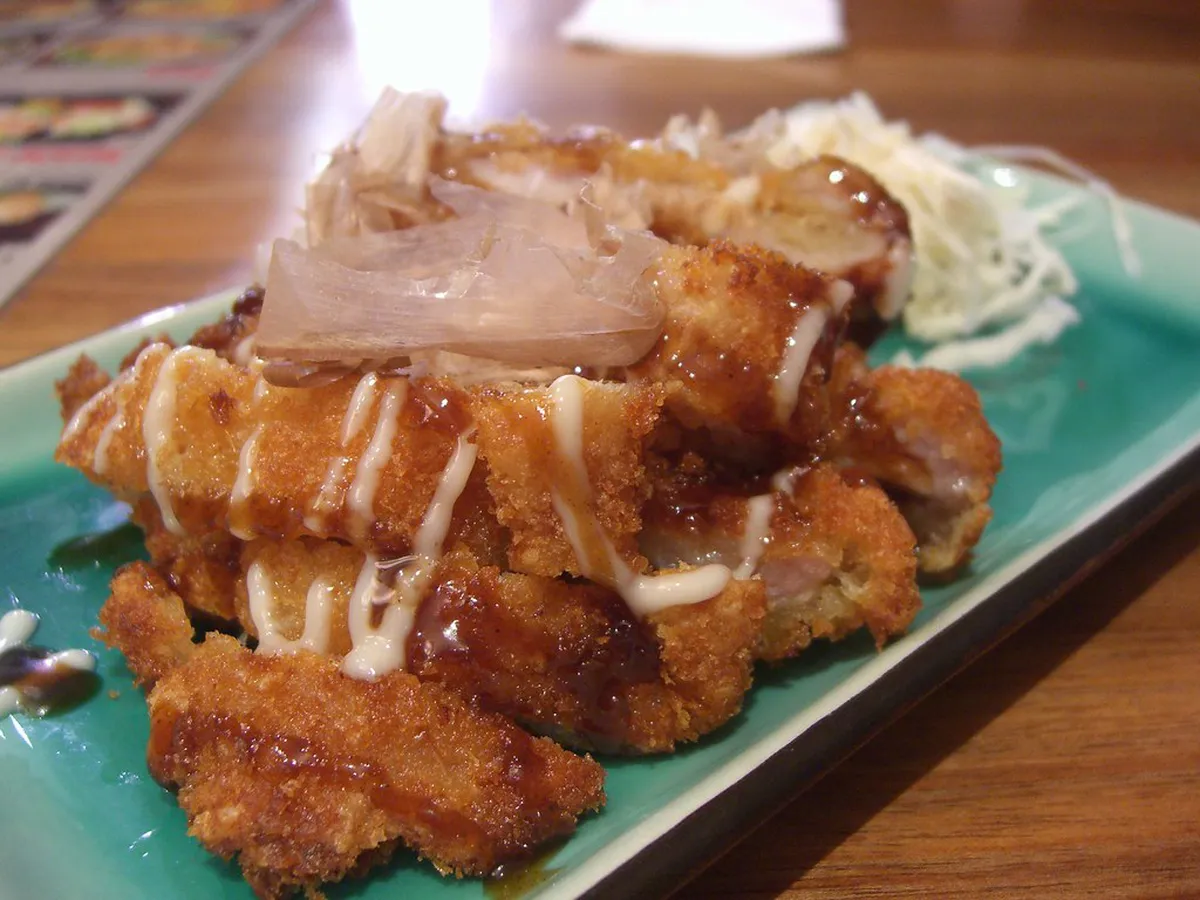
Kurume invented tonkotsu in 1937 at a yatai called Nankin Senryo, when boiling pork bones too hard turned the broth white and rich. Every Hakata-style bowl on Earth descends from that accident. The local technique is yobimodoshi: the broth pot is never fully emptied, so each day's batch carries DNA from the previous one. Some Kurume shops claim broths in continuous use for 50-plus years.
Taiho Ramen Honten on Akemachi sits a 12-minute walk from Nishitetsu Kurume Station. A standard bowl runs 750 to 900 yen (EUR 4.60 to 5.50), opens 11:00 to 21:00, closed Wednesdays. Arrive by 11:30 to skip the queue. The pungent garlic-pork aroma is unmistakable a block away.
Local rivals worth a detour include Daiichi Asahi (lighter broth) near JR Kurume and Maruboshi Ramen by the Chikugo River. For broader food planning see our 12 Best Restaurants and Food Experiences in Fukuoka guide. Kurume also serves unagi seiro-mushi (steamed eel) at Tanakaya, a heritage shop near the Nishitetsu line.
Cultural Immersion: Ishibashi Cultural Center and Art Museum
The Ishibashi Cultural Center is a 6-hectare park founded in 1956 by Shojiro Ishibashi, the Kurume native who built Bridgestone Tires. Park entry is free and the gardens stay open daily 09:00 to 17:00. The rose garden bursts in mid-May with more than 400 cultivars, while autumn brings late-season chrysanthemums.
Inside the park, the Kurume City Museum of Art holds a permanent collection of Aoki Shigeru and Sakamoto Hanjiro, two early 20th-century painters born in the city. Tickets run 500 yen (EUR 3.10) for the permanent gallery and 800 to 1,200 yen for special exhibitions. Closed Mondays except national holidays.
The center is a 15-minute walk south of Nishitetsu Kurume Station. Allow 90 minutes to do both the museum and the gardens at a relaxed pace.
Kurume invented tonkotsu ramen in 1937, and local shops use yobimodoshi technique — the broth pot is never fully emptied, so some batches carry DNA from decades of previous cooks. Arrive at Taiho Ramen by 11:30 to skip the queue; it opens at 11:00.
Artisan Kurume: Kasuri Indigo Textiles and Rantai Lacquerware
Kurume Kasuri is a 200-year-old indigo ikat tradition designated an Important Intangible Cultural Property in 1957. The fabric is produced by binding threads with hemp before dyeing, creating soft-edged geometric patterns. Authentic bolts cost 12,000 to 40,000 yen (EUR 75 to 245) per tan; smaller items like coin purses start around 1,800 yen.
For genuine pieces, visit Shimogawa Orimono in Hirokawa-cho (a 15-minute taxi from JR Kurume) or the smaller Moriyama Orimono showroom. Both run weekday workshop tours if booked ahead through the Kurume Kasuri Cooperative. Inside the city, the Ishibashi park gift shop and the Kurume Regional Crafts Center near the Nishitetsu station carry curated selections.
Rantai lacquerware is the city's other heritage craft, layering urushi over woven bamboo to produce featherweight cups and trays. Saiseido on Bunkagai-dori is the oldest workshop still operating. A small bowl costs 4,000 to 8,000 yen (EUR 25 to 49) and travels well.
Zen and Shrines: Bairinji Temple and Suitengu Shrine
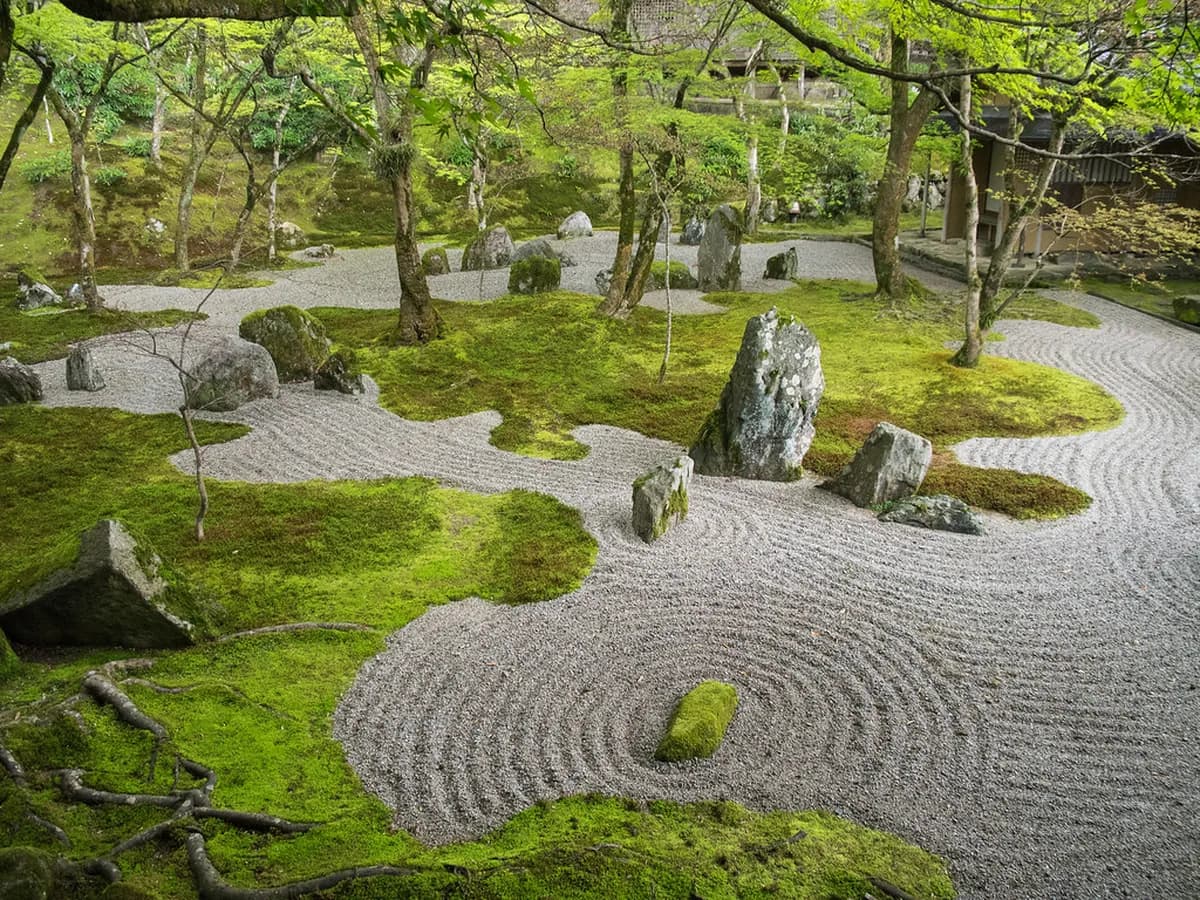
Bairinji is one of Kyushu's three great Rinzai Zen training monasteries, founded in 1640 as the Arima clan's family temple. Its plum grove holds roughly 500 trees that bloom mid-February to early March. The grounds are open daily 09:00 to 17:00, free entry, with a 200 yen donation suggested for the inner garden during plum season.
Suitengu Shrine sits on the Chikugo River bank and is the head shrine of every Suitengu in Japan. Pregnant women come here for safe delivery prayers; the shrine also blesses against floods and fire. Hours are dawn to dusk, no admission. Sunset views from the riverside torii are the article's signature photo.
Both sites are within 10 minutes' walk of JR Kurume Station, which makes them an easy bookend to your day before catching a train back.
Kurume Sake Breweries: The Quiet Tasting Route
Few English guides mention this, but Kurume sits inside the Chikugo River sake belt, one of the four largest sake-producing regions in Japan. The soft groundwater and Yamada Nishiki rice grown along the floodplain support seven active breweries inside city limits. If you skip a museum, swap in a brewery tasting; it is the most local experience the city offers.
Yamanoshizuku Brewery (Bidan label) runs free walk-in tastings Monday to Friday, 10:00 to 16:00, just 8 minutes by taxi from Nishitetsu Kurume. Yamanami Shuzo, founded 1883, offers a 500 yen flight of three junmai cups in their old kura. Hatsuzakura Brewery occasionally hosts weekend events with rice-polishing demonstrations.
Kurume's "ten gallons of nihonshu" tasting passport (1,500 yen / EUR 9.20) covers all participating breweries and is sold at the Kurume City Tourism Information Office inside JR Kurume Station. It is valid for 30 days, so you can split visits across two trips.
Seasonal Flower Calendar: When to Visit
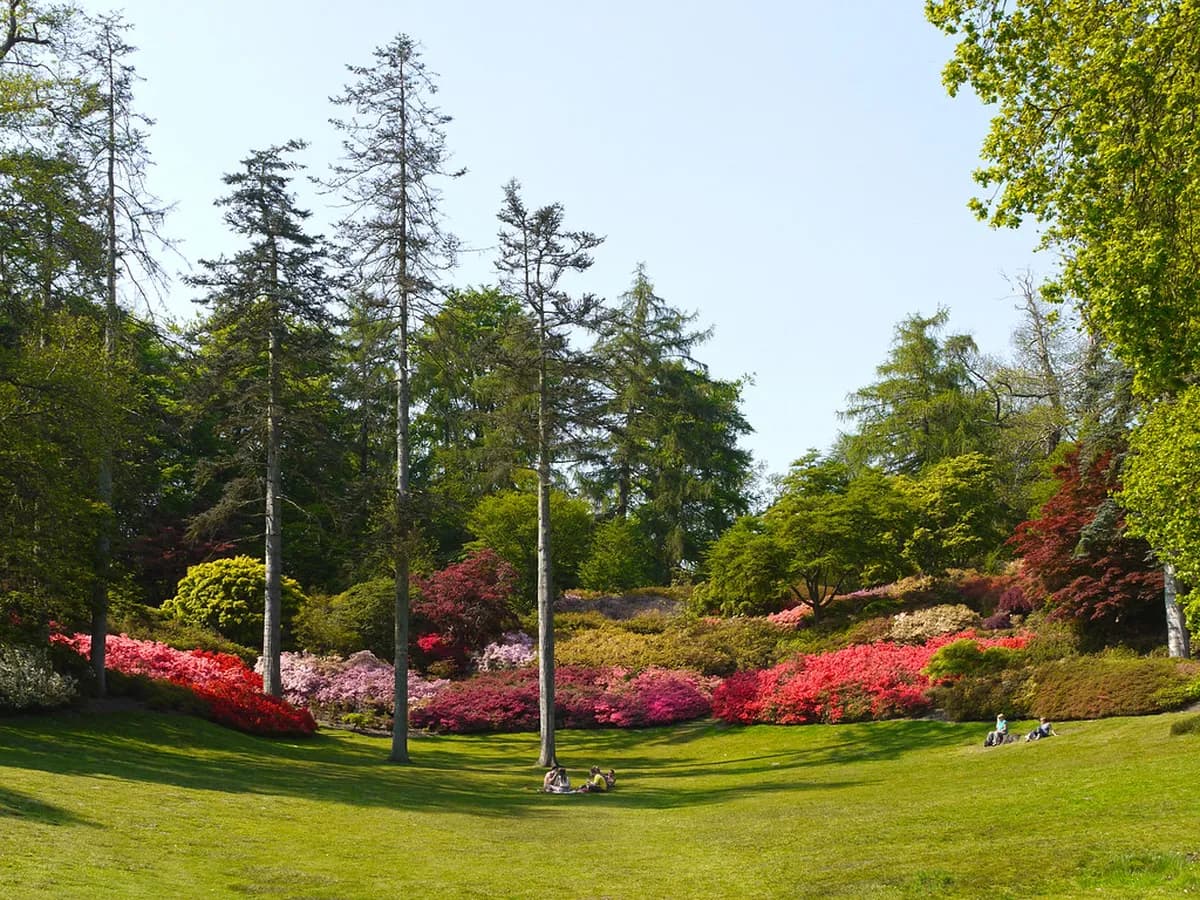
Kurume's identity is wrapped up in flowers; the city even brands itself the azalea capital of Japan. Use this calendar to time your day trip with peak blooms.
- Early February to early March - Bairinji Temple plum grove, around 500 trees, peak around February 20
- Late March to early April - Sasayama-jo cherry blossoms inside the castle ruins
- Mid-April to mid-May - Kurume azaleas at Kusano Botanical Garden, more than 60 cultivars including Kurume Tsutsuji
- Mid-May to early June - Ishibashi Cultural Center rose garden, over 400 cultivars at peak
- Mid-June - Hydrangeas along the Chikugo riverside path
- Early November - Chrysanthemum festival at Ishibashi park
April and May are the strongest combined window because azaleas, late cherries, and early roses overlap. February rewards plum lovers and Zen photographers; the temple grove is empty mid-week even at peak.
Family Fun: Fukuoka Science Museum and Chuo Park Alternatives
If you travel with kids, swap the art museum for hands-on stops. The Kurume City Center Plaza ("Kurume Shi Plaza") on Bunkagai-dori has a free indoor children's play area and an observation deck on the 6th floor with views to the Chikugo plain. Adjacent Chuo Park has shaded lawns, a frog-fountain splash zone in summer, and a small free zoo across the street at Kurume Forest Park.
The Fukuoka Science Museum, while located back in central Fukuoka rather than Kurume itself, makes an easy paired stop on your return: a 25-minute Nishitetsu ride lands you at Yakuin, then a 5-minute walk reaches the planetarium. Adult tickets are 510 yen (EUR 3.10), planetarium 510 yen extra. Closed Tuesdays.
For a pure outdoor afternoon in Kurume, the Hyakunen Park (100-Year Park) along the Chikugo levee has 4km of bike paths and rents bicycles for 200 yen per hour at the visitor centre.
Beyond Kurume: Adding Yanagawa to Your Itinerary
If you have two days, extend south to Yanagawa for the canal boat tour, then loop back through Kurume on day two. The Nishitetsu Kawakudari combo ticket from Tenjin covers the round-trip train plus the 70-minute donkobune punt for 5,260 yen (EUR 32) and is the cheapest combined option. Boat departures run 09:40 to 14:40 from Matsuko-an Pier, weather permitting.
Yanagawa specialises in unagi seiro-mushi, a steamed-eel-on-rice tradition unique to the canal town. Wakamatsuya near the boat terminal is the heritage choice; expect 3,800 to 5,000 yen (EUR 23 to 31) per set. See our day trip to Yanagawa guide and the Yanagawa City Guide for boat schedules.
The Japan Travel - Kurume and Yanagawa Guide bundles both cities into a single regional brief if you want JNTO context before booking.
Essential Travel Tips: Budget, Maps, and Booking
A realistic daily budget for a solo Kurume day trip is 5,500 to 8,500 yen (EUR 34 to 52) covering Nishitetsu round-trip, one museum, one ramen lunch, and a brewery tasting. The pricier end adds a Shinkansen leg and the Ishibashi special exhibition. See our Fukuoka travel budget guide for broader regional comparisons.
Build a custom Google Map before you go: pin JR Kurume, Bairinji, Sasayama-jo, Taiho Ramen, Ishibashi park, Suitengu, and Nishitetsu Kurume in itinerary order. The walking time labels Google generates are surprisingly accurate (within a minute) on Kurume's flat grid. Offline maps via Maps.me or downloaded Google tiles handle the spotty Nishitetsu carriage signal.
Local buses accept Suica, Sugoca, ICOCA, and Pasmo IC cards as well as cash. Verify hours on the Official Kurume Tourism (Hotomeki) site before going, especially Mondays when most museums close. Check our Fukuoka cherry blossom calendar for the 2026 sakura forecast that affects late-March travel.
Frequently Asked Questions
Is Kurume worth a day trip from Fukuoka?
Yes, Kurume is definitely worth a visit for foodies and history buffs. It offers the original tonkotsu ramen and beautiful riverside shrines. You can see the main sites in just one day.
How do I get from JR Kurume to Nishitetsu Kurume?
The two stations are about 2 kilometers apart. You can take a 10-minute bus ride for roughly $1.50. Alternatively, a taxi costs about $8 and takes 5 minutes.
What is the best food to eat in Kurume?
You must try the local tonkotsu ramen, which is richer than the Hakata version. Kurume is also famous for yakitori and steamed eel. Many shops are located near the stations.
Kurume rewards travellers who plan beyond the Hakata loop. From the birthplace of tonkotsu to the indigo looms of Kasuri and the quiet sake breweries along the Chikugo, the city carries the weight of three centuries of Arima craft. I hope this kurume day trip from fukuoka guide saves you the two-station mistake and points you to the corners other guides skip.
Pack walking shoes, an empty stomach, and 8,500 yen in cash. Time the visit to plums in February, azaleas in April, or roses in May. You will leave with a full belly and a different read on Kyushu.
Combine this with our main Fukuoka attractions guide for a fuller itinerary.
For related Fukuoka deep-dives, see our 10 Best Things to Do on a Kitakyushu Day Trip From Fukuoka and Kawachi Fuji Garden Wisteria Tunnel Day Trip From Fukuoka Guide guides.
See our Fukuoka travel hub for trip-planning fundamentals.
Free: The Fukuoka Essentials guide
Top things to do, where to stay, a perfect day plan, getting around, and the best time to go — a Fukuoka mini-guide you can take offline.
You might also like

Continue reading
More guides you'll find useful