15 Best Things to Do in Hiroshima with Kids (2026)
Explore the 15 best things to do in Hiroshima with kids. From Rabbit Island to interactive museums, plan your family trip with our 2026 expert guide.
On this page
Hiroshima surprises most families. The city that many parents approach cautiously — worried the history might be too heavy for young children — turns out to be one of western Japan's most varied and kid-friendly destinations. You can spend a morning at the Peace Memorial Park, ride a vintage streetcar to an interactive science museum in the afternoon, and end the day cooking okonomiyaki in kid-sized aprons. This guide covers fifteen of the best things to do in Hiroshima with kids in 2026, organized by theme so you can build an itinerary that matches your children's ages and interests.
This guide was last updated in June 2026. All prices, ferry schedules, and booking requirements have been verified. Plan for a minimum of two nights — one full day for the city center and one for either Miyajima Island or Rabbit Island. Three days is the sweet spot for families who want to add Kure without feeling rushed.
Must-See Hiroshima Attractions: Peace Park and Miyajima
The Hiroshima Peace Memorial Park is the natural starting point for any family visit. The park itself is a wide, peaceful green space with plenty of room for children to walk and explore, and entry is free around the clock. The Children's Peace Monument — the famous statue of Sadako with outstretched arms — is a powerful and accessible place for kids to engage with the history by leaving paper cranes. Most families find the outdoor park and the Atomic Bomb Dome to be appropriate for all ages — the ruin is sobering but not graphic.
The Peace Memorial Museum is a different matter. Entry costs approximately ¥200 per adult and is free for elementary school students and below, but the lower floors contain graphic photographs and artifacts that many parents find too intense for children under ten. A practical strategy is to let one adult explore the museum while the other stays in the park, then switch. Alternatively, the upper floors — which focus on Hiroshima before and after the bombing — are less disturbing and more suitable for curious older children.
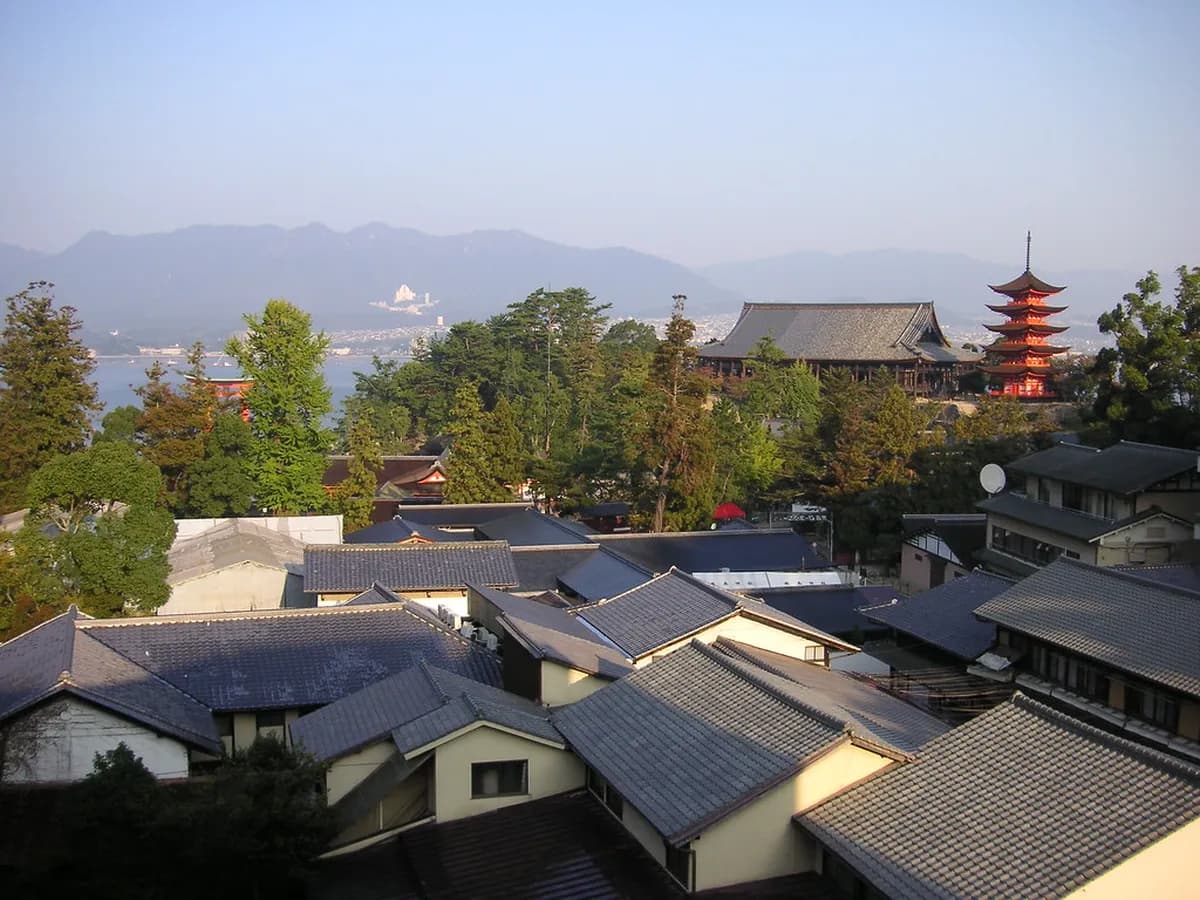
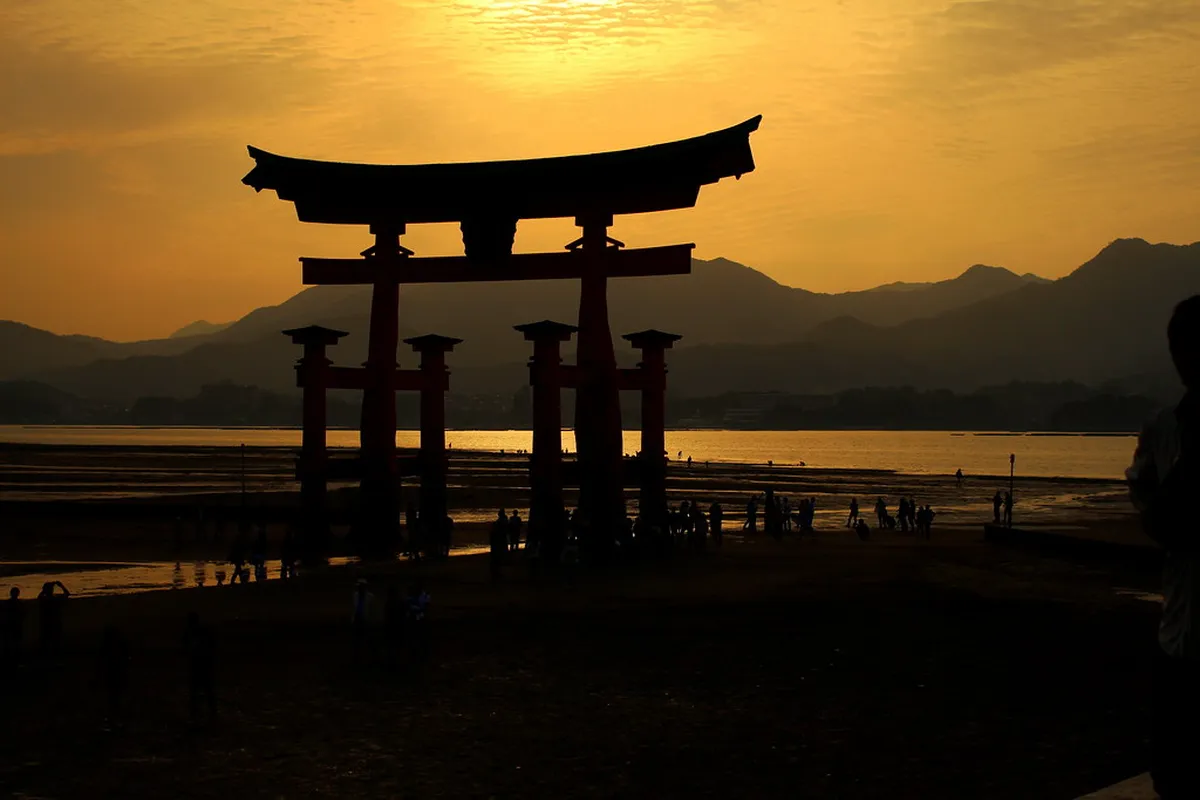
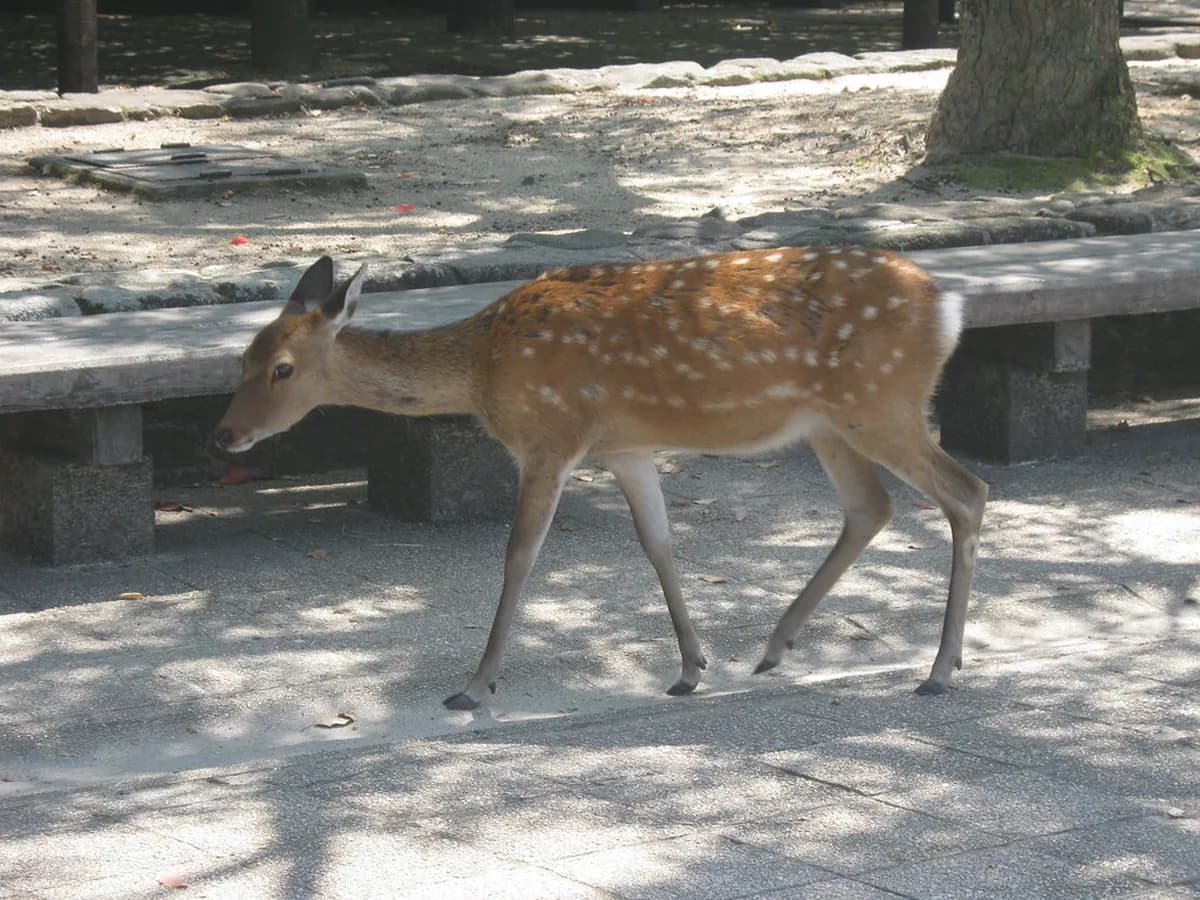
Miyajima Island deserves a full half-day. A JR ferry (covered by the JR Pass) runs every 15 minutes from Miyajimaguchi Station and costs around ¥180 each way. Wild deer wander freely among the buildings and are particularly entertaining for small children — just keep snacks out of reach. Check tide tables before you go: the iconic red torii gate of Itsukushima Shrine appears to float only at high tide. Most families with young children find a morning visit — arriving around 09:00 and leaving by 13:00 — the right length before fatigue sets in.
Museums, Art, and Culture in Hiroshima
Hiroshima's museum scene is unusually good for a city its size, and several venues are genuinely designed around children rather than merely tolerating them. The Hiroshima Children's Museum is the easiest pick for families with toddlers and primary-school-aged kids. The first three floors are filled with hands-on science exhibits — hand-crank crane games, solar-powered radio-control cars, interactive optical illusions — and entry to those floors is completely free. The fourth-floor planetarium runs about four shows per day; tickets cost around ¥520 per adult and can be purchased at the ground-floor reception desk. The museum is open Tuesday through Sunday from 09:00 to 17:00, and there is a small park (Hanover Garden) just outside where children can decompress after the exhibits.
The Numaji Transportation Museum is the choice for vehicle-obsessed children aged five and up. Four floors trace the history of transport from horse-drawn carts to modern monorails, and the centrepiece is Vehicle City on the third floor — a large-scale city diorama where children control traffic using buttons and levers around the perimeter. Adult entry is approximately ¥400; children under junior-high age enter free. The outdoor area includes pedal-powered novelty bikes that can be rented in 30-minute blocks. Reach the museum via the Astram Line to Chorakuji Station — the Astram operates from downtown Hiroshima and takes about 25 minutes.
The Yamato Museum in Kure gives older kids (and many parents) a genuine spectacle: a 1:10 scale model of the battleship Yamato, roughly 26 metres long, suspended in the main hall. Adult admission is ¥500; the museum is open from 09:00 to 18:00 and closed on Tuesdays. Directly across the street, the JMSDF Museum (known locally as the Iron Whale) is entirely free. Visitors can walk inside a decommissioned Akishio-class submarine and peer through actual periscopes — one of the best free activities in the Hiroshima region. The gift shop at the Iron Whale sells navy curry kits and sailor hats, which tend to be popular with children. Kure is 30 minutes from Hiroshima Station on the JR Kure Line; the two museums together fill a comfortable half-day.
The Orizuru Tower, standing one minute's walk from the Atomic Bomb Dome, deserves a dedicated mention. Entry is ¥2,200 for adults, ¥1,400 for junior high students, ¥900 for elementary students, and ¥600 for small children. The observation deck on the 13th floor gives an open-air view directly over the A-Bomb Dome — a perspective that resonates even for young children who may not yet fully understand the museum. The signature feature for families is the toboggan-style spiral slope slide that runs from the 12th floor to the ground floor; guests can ride as many times as they like. The tower also has virtual reality paper-crane experiences on the 12th floor and a hands-on origami station where children can fold their own crane and drop it into a public display window.
Parks, Gardens, and Outdoor Spots in Hiroshima
Shukkeien Garden is one of the most underrated stops for families in the city. The garden's large central pond is packed with koi carp, and small bags of fish food sold at the entrance keep children occupied for far longer than you might expect. Adult admission is ¥260 (free for over-65s), ¥150 for high school and university students, and ¥100 for elementary and junior high students. The garden also hosts a traditional tea ceremony from April through September (09:00–18:00) and is one of the few venues in Hiroshima where the ceremony is open to families with small children. Visit during the cherry blossom season in late March and early April for outstanding photo opportunities. Note that the garden is cash only — no card payments accepted at the entrance or the café.
The Hiroshima riverside footpaths along the Ota River delta are genuinely family-friendly and completely free. The paths are flat, well-maintained, and connect the Peace Park with the city's shopping districts. Morning walks here — before the city gets busy — are a good way to absorb the atmosphere without crowds. The paths are wide enough for pushchairs and include benches and public toilets at regular intervals.
Okunoshima, nicknamed Rabbit Island, is one of the most memorable half-day trips in the region for young children. Take the JR Kure Line to Tadanoumi Station (about 60 minutes from Hiroshima), then a 13-minute ferry (approximately ¥460 round trip). The island is home to hundreds of semi-wild rabbits that will approach humans directly. The single most important logistics tip: buy rabbit food pellets at the convenience store at Tadanoumi Port before boarding the ferry — nothing is sold on the island. Alternatively, bring chopped carrots from your hotel. The rabbits are most active in the early morning and late afternoon when temperatures are cooler. Factor in roughly 90 minutes of travel each way, so a Rabbit Island day works best as a dedicated excursion rather than something to combine with a city museum.
The Visit Hiroshima Tourist Pass (¥1,000 adults, ¥500 children) is essential if you plan to combine tram travel with the Miyajima ferry. Without it, a round-trip ferry plus a day of tram rides costs significantly more. Purchase it at the tourist information center inside Hiroshima Station's south exit upon arrival.
Family-Friendly and Budget-Friendly Options in Hiroshima
Hiroshima is one of the more affordable major cities in Japan for families, and international visitors get additional savings through the Visit Hiroshima Tourist Pass. This pass offers unlimited rides on the Hiroshima streetcar network plus the ferry to Miyajima, making it effectively mandatory for families who plan to use both. Purchase it at the tourist information counter inside Hiroshima Station's south exit upon arrival; a 1-day pass costs ¥1,000 for adults and ¥500 for children. Without the pass, a round trip to Miyajima by ferry plus a day of tram rides costs considerably more. Keep the pass visible when boarding — tram drivers will wave you through at the front exit.
The Hiroshima Children's Museum, the Peace Memorial Park, and the grounds of Hiroshima Castle are all free or near-free. The castle keep (the reconstructed wooden tower with samurai armor to try on) costs ¥370 per adult and approximately ¥180 for children — one of the cheapest paid attractions in the city. The JMSDF Iron Whale museum in Kure is completely free. These four spots alone can fill a day with minimal spend.
For food, Hiroshima-style okonomiyaki is the city's signature dish and works well with children because the ingredients are customizable and the cooking is theatrical — watching a chef layer noodles, egg, and batter on a flat iron grill holds attention even for toddlers. Okonomiyaki restaurants near Hiroshima Station tend to be straightforward and have picture menus. Expect to pay ¥900–1,200 per person for a satisfying main dish. The OKOSTA Cooking Studio near Hiroshima Station (north side of the station building) runs family sessions where children as young as first grade can participate, provided one parent or guardian is present per child. Classes run daily, cost ¥2,800–3,500 per person, include a full meal, and require an online reservation. Children take home a souvenir apron — a genuinely memorable keepsake.
The Mariho Aquarium at Marina Hop shopping mall is worth visiting over the better-known Miyajima Aquarium for one simple reason: an annual family pass costs less than two single-day entries, and re-entry is permitted all day. Single adult admission is approximately ¥1,600; children's tickets are around ¥800. The aquarium is compact but well-designed, with jellyfish corridors and a diver-show in the main tank. The adjacent Marina Circus amusement park charges per ride rather than a gate fee, which lets you calibrate spending to each child's interest level. The Ferris wheel is the one ride the whole family can share.
Cash or Card: Knowing Which Attractions Need Yen
Japan's payment landscape is shifting rapidly in 2026, but Hiroshima still has a notable cash-reliant patchwork that catches families off guard. Shukkeien Garden is fully cash only — no card, no IC card, and no QR payment at either the entrance gate or the small café inside. Some of the older Hiroshima streetcars (not the modern Green Mover low-floor trams) also do not accept IC cards like Suica or ICOCA, which is exactly why the Visit Hiroshima Tourist Pass is worth getting: it removes the need to have exact ¥240 change for every tram ride.
The convenience store at Tadanoumi Port (where you buy rabbit food before the Okunoshima ferry) accepts both cash and IC cards, so stocking up on ¥500–1,000 worth of change there before boarding is straightforward. The Okunoshima ferry itself is cash only. Most Hiroshima okonomiyaki restaurants accept cards in 2026, but smaller stalls in Okonomiyaki Village (Okonomi-mura near Hatchobori) remain cash-preferred. A practical rule: keep at least ¥3,000–5,000 in coins and small notes per adult in your wallet at all times in Hiroshima, and top up at any convenience store ATM, which accept foreign cards reliably.
By contrast, Orizuru Tower, the Children's Museum planetarium, OKOSTA, the Mariho Aquarium, and the Mazda Museum all handle card payments without issue. The Yamato Museum in Kure accepts cards at the main ticket counter. This split matters most on a day when you combine Shukkeien Garden with tram travel — plan your cash accordingly the night before.
Keep ¥3,000–5,000 in coins and small notes per adult at all times in Hiroshima. Shukkeien Garden, older streetcars, and the Okunoshima ferry are cash-only. The convenience store at Tadanoumi Port (before the Rabbit Island ferry) accepts cards, so it's an ideal place to stock up on yen.
Unique Hiroshima Experiences for Older Kids and Teens
The Mazda Museum and factory tour is one of the only places in Japan where visitors can watch a live vehicle assembly line in operation. Kids who are interested in engineering, robotics, or cars will find the experience genuinely impressive. Free English-language tours run on weekdays at approximately 10:00 from the Mazda main gate, accessible via Mukainada Station on the JR Kure Line. Reservations are mandatory and must be made online through the official Mazda website; popular dates fill weeks in advance, so book as soon as your travel dates are confirmed. Photography is not permitted on the assembly floor, but visitors can pose with historic models throughout the museum.
For teenagers with an interest in anime and manga, the area around Hondori shopping arcade offers a more relaxed version of Tokyo's Akihabara. Edion Tsutaya Electrics near Hiroshima Station has a full floor of toys, books, and entertainment merchandise, and the Le Garage Cafe inside the building is a good rest stop. The Animate store on Hondori has three floors of anime goods, gachapon machines, and crane games. The Jump Shop near Parco at the eastern end of Hondori carries merchandise from the most popular current manga series. Round 1 in the Hatchobori district is the family entertainment fallback for any age group: bowling, karaoke, arcade games, and a sports area with an hourly pass of around ¥1,500. It is open 24 hours, though children have evening curfew restrictions after 22:00.
How to Plan a Smooth Hiroshima Family Day
A workable three-day structure for most families with children aged four to twelve: Day 1 covers the city center — Peace Memorial Park and the Atomic Bomb Dome in the morning (90 minutes), then Orizuru Tower for the slide and observation deck before lunch, and the Hiroshima Castle or Children's Museum in the afternoon. Day 2 is a full-day Miyajima excursion — take the first morning ferry, walk to the ropeway for views, and return by mid-afternoon to avoid the evening ferry queues. Day 3 splits between Kure (Yamato Museum and Iron Whale, morning) and Shukkeien Garden (afternoon), or replaces Kure entirely with Rabbit Island if the children are young.
Book OKOSTA and the Mazda tour before you leave home. Both fill quickly, particularly for English-language sessions. The Mazda tour operates only on weekdays, which affects itinerary planning if your Hiroshima days fall on a weekend. For everything else, reservations are not required — arrive at opening time to avoid queues at the Children's Museum planetarium, which sells out by mid-morning on weekends and public holidays.
Knowing how the transit system works is the single best logistical investment before your trip. The tram network connects the station, the Peace Park, the ferry port for Miyajima, and most city-center museums. The Visit Hiroshima Tourist Pass (¥1,000 adults, ¥500 children, purchased at the tourist information center inside Hiroshima Station) covers all tram rides and the Miyajima ferry. Pay with it rather than carrying exact change, and look for modern Green Mover low-floor trams if you are traveling with a large pushchair — older trams have narrow doors and steep steps. Most major shopping malls and museums have clean nursing rooms and baby-changing facilities.
One timing note that many guides miss: if your children are going through the Peace Memorial Museum and find it overwhelming, the Orizuru Tower is one minute's walk away and provides an immediate tonal reset — the slide and the origami activities are genuinely joyful. Building that counterbalance into the day rather than leaving the museum as the last stop makes a measurable difference for younger children.
Keep planning your trip with Hiroshima's hidden gems and rainy-day ideas.
Frequently Asked Questions
Is Hiroshima safe for families with young children?
Hiroshima is incredibly safe and welcoming for families. The city is clean, public transport is reliable, and locals are generally very helpful toward visitors with kids. You will find many parks and child-friendly facilities throughout the downtown area.
How many days do I need in Hiroshima with kids?
We recommend staying at least two to three days to see the main sights. This allows one full day for the city center and another for a trip to Miyajima or Rabbit Island. A slower pace helps prevent travel fatigue for younger children.
Where can I find kid-friendly food in Hiroshima?
Hiroshima-style okonomiyaki is a huge hit with kids because it is customizable and fun to watch being cooked. Shopping mall food courts and the area around Hiroshima Station also offer many familiar Western and Japanese options. Most restaurants provide high chairs and children's cutlery.
Hiroshima rewards families who give it more than a single rushed day. The balance between meaningful history and genuinely fun activities — rabbit islands, toboggan slides, submarine tours, cooking classes — is hard to find elsewhere in Japan. Plan your Mazda tour and OKOSTA session early, pick up your tourist pass at the station, and keep enough cash on hand for Shukkeien and the Okunoshima ferry. The rest of the city will take care of itself.
Free: The Hiroshima Essentials guide
Top things to do, where to stay, a perfect day plan, getting around, and the best time to go — a Hiroshima mini-guide you can take offline.
You might also like
Continue reading
More guides you'll find useful