How Many Days in Sapporo? 3-Day Itinerary & Tips
Discover how many days in Sapporo you need. Plan a 3-day trip with local transport, hotel tips, and seafood markets. Start your Hokkaido adventure today!
On this page
The honest answer is that 3 days covers Sapporo city well, but 4–5 days is better if you want a day trip to Otaru and an overnight in Noboribetsu. This guide helps you choose the right duration based on your pace, season, and which parts of Hokkaido you actually care about — not just a fixed schedule to follow.
Before booking, check the Best Time to Visit Sapporo: Complete Seasonal Travel Guide for your interests. Your ideal duration shifts significantly depending on whether you visit in February for the Snow Festival or in summer for the outdoor beer gardens.
The sections below break down what each trip length realistically lets you do, so you can match days to your travel style rather than guessing.
2 Days in Sapporo: The Minimum That Works
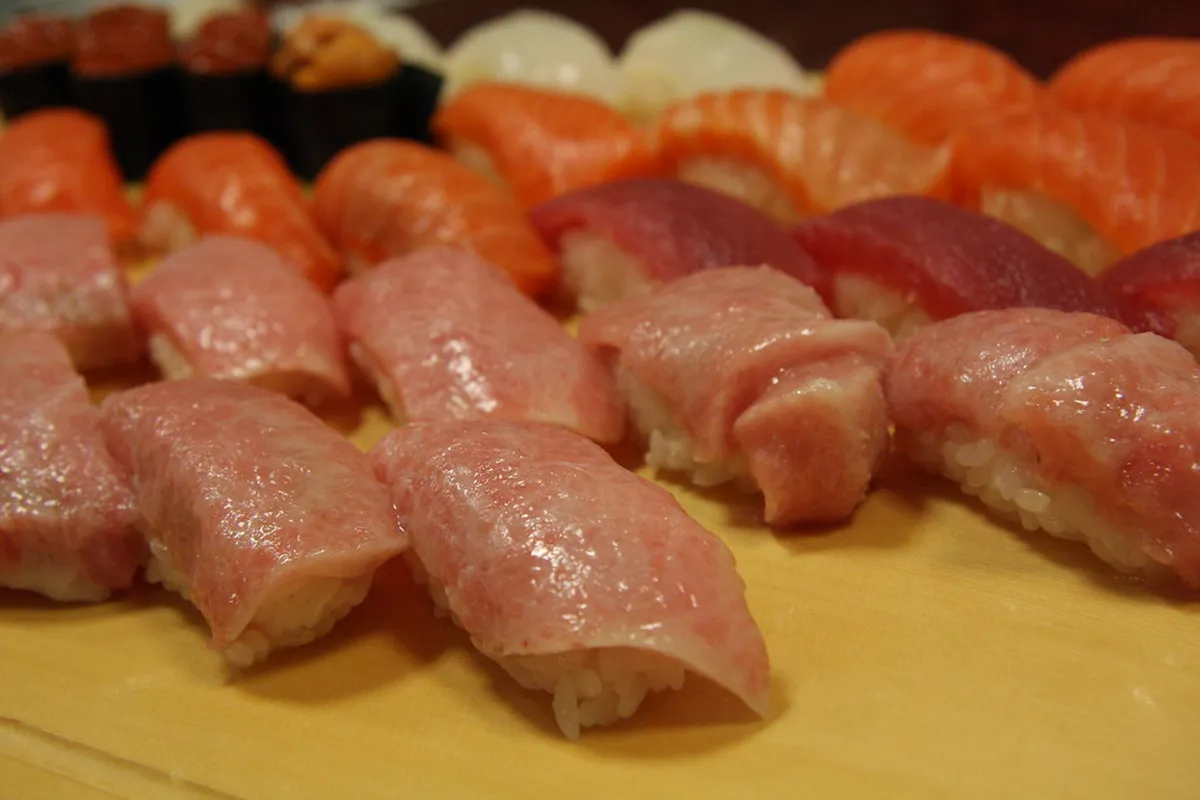
Two days is tight but doable for first-timers who are transiting through Hokkaido. You can cover the core city loop — Nijo Market in the morning, Odori Park and the TV Tower in the afternoon, and Susukino for dinner — without feeling like you missed anything essential. The Sapporo Beer Museum fits neatly into day two alongside the Shiroi Koibito Park if you start by 10:00.
What you sacrifice with 2 days is any kind of breathing room. Mt. Moiwa gets dropped or rushed. Day trips to Otaru or Noboribetsu are off the table unless you sacrifice one of the core city stops. If Sapporo is your only Hokkaido destination, push to at least 3 days.
Two days works best as part of a longer Hokkaido circuit — for example, flying into Sapporo, spending two nights, then continuing by train to Hakodate or Niseko. The city orientation you get in 48 hours is enough to feel satisfied without overstaying.
3 Days in Sapporo: The Sweet Spot
Three days is what most visitors need for a complete first experience. The structure that works best: two days exploring Sapporo itself, then one full day on the JR train to Otaru. This leaves room for a relaxed morning at Nijo Market, a proper afternoon at the Beer Museum, and an evening on Mt. Moiwa without cutting anything.
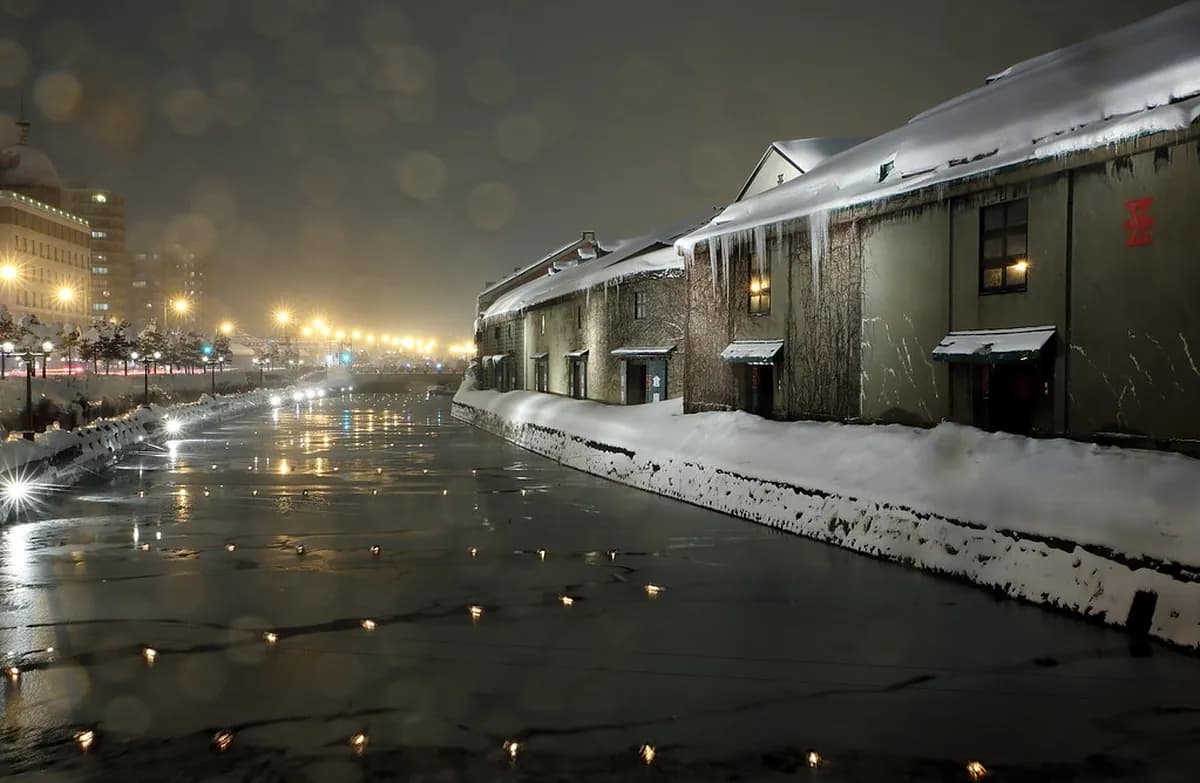
The comprehensive Sapporo itinerary built around this length covers all the major landmarks. Day 1 focuses on central Sapporo — Nijo Market opens at 07:00, Odori Park is best in the afternoon, and Susukino is the go-to for dinner from 18:00 onwards. Day 2 shifts north and west: the Beer Museum (free entry, premium tasting set ¥800) in the morning, Shiroi Koibito Park (¥600 admission) after lunch, and the Mt. Moiwa ropeway (¥2,100 round-trip) for the evening view. Day 3 is the 32-minute JR Hakodate Line ride to Otaru, where the canal, glassware shops, and fresh sushi more than fill a full day.
Three days also gives you one buffer evening. If weather cancels Mt. Moiwa on day two, you can shift it to day three evening before catching a late train back from Otaru. That flexibility is what makes 3 days feel comfortable rather than squeezed.
4 Days in Sapporo: Add Noboribetsu or a Slower Pace
A fourth day removes all the rushing. You can spend a proper afternoon at the Hokkaido Museum (¥600, closed Mondays) in Nopporo Forest Park, or revisit Maruyama Zoo (¥800) without watching the clock. Families with young children especially benefit from the extra day — trying to force two adults and two kids through the full 3-day circuit tends to end badly around day two.
The better use of day four for most travelers is a half-day to Noboribetsu. The limited express Suzuran from Sapporo station takes about 80 minutes (¥2,860 one-way) and drops you within walking distance of Jigokudani Hell Valley. You can do Noboribetsu as a day trip and return the same evening, or stay one night at a ryokan in the hot spring district for a full onsen experience. Noboribetsu is significantly less crowded than Beppu and the sulphur-vent scenery along the valley trail is unlike anything in Sapporo city itself.
If Noboribetsu is not your priority, four days also makes space for Jozankei Onsen — a 60-minute bus ride southwest from Sapporo Station (Hokkaido Chuo Bus, ¥1,070). The autumn foliage there in October and early November is among the best in Hokkaido.
5 Days: Combine Sapporo With Furano or Hakodate
Five days stops being purely a "Sapporo trip" and becomes a Hokkaido sampler. The natural extension is to combine 3 nights in Sapporo with 2 nights in Furano, riding the JR Furano Line through Asahikawa. In June and July the lavender fields at Farm Tomita are at peak bloom; in winter the same route accesses some of Japan's best powder ski runs at Furano Ski Resort.
Alternatively, use a 5-day block to loop south toward Hakodate (1.5 hours by limited express), which pairs well with a Noboribetsu overnight on the way. This circuit — Sapporo → Noboribetsu overnight → Hakodate 2 nights → Sapporo return — covers three distinct landscapes without requiring any backtracking.
At this duration, a Hokkaido Rail Pass (7-day: ¥19,000) starts paying for itself. Run the numbers before buying: if you are doing Sapporo only or Sapporo plus one day trip, individual tickets are cheaper. The pass makes sense once you are stringing together three or more JR legs.
If You're Going for the Snow Festival, Budget One Extra Day
The Sapporo Snow Festival (Yukimatsuri) runs for about a week in early February each year, centered on Odori Park. The event draws over 2 million visitors, and that density has a real effect on how much ground you can cover. On peak evenings — weekends and the first two days — the Odori site is packed tightly enough that navigating between the large snow sculptures takes twice as long as it would at any other time of year.
Practically, this means your day-one Odori visit absorbs 3–4 hours instead of 1–2, and dinner in Susukino afterward involves waits of 30–60 minutes at any restaurant without a reservation. Travelers who budget only 3 days during the festival often find themselves skipping Mt. Moiwa entirely or rushing through day two. The fix is simple: add a day. Four days during the Snow Festival gives you the same breathing room that 3 days provides in the off-season.
The Tsudome satellite site (10 minutes by bus from Sapporo Dome Station) is significantly less crowded than Odori and has better family attractions — snow slides, snow rafting, and interactive snow sculptures. Going there on the morning of day two, then returning to Odori after 19:00 when daytime crowds thin out, is a local strategy most first-timers don't know about.
How Season Changes the Number of Days You Need
The trip lengths above assume an average visit. Season moves the answer by about a day in either direction, mostly because of what you can reach and how long daylight lasts.
- Summer (June–August): Sapporo is cool and dry compared with the rest of Japan, so 3 days is comfortable. Add a fourth day if you want Furano's lavender at Farm Tomita, which peaks in June and July. The beer gardens around Odori Park are busy in the evenings, so keep a free night for them rather than packing it with sights.
- Autumn (October to early November): Daylight shrinks quickly. Jozankei's foliage is the main reason to add a fourth day, and a half-day there fits well with the Hokkaido Museum or Maruyama Zoo.
- Winter (December–March): Short days and slow snowy transport make 4 days the realistic minimum for a first visit that includes Otaru. Trains can run late in heavy snow, so avoid scheduling a day trip on your last full day before a flight.
- Snow Festival week: Follow the extra-day advice in the Snow Festival section above, and book hotels well ahead.
If Hokkaido's south is on your list, the Hakodate trip-length guide shows how many nights that leg needs on top of your Sapporo days.
Where to Stay in Sapporo
Deciding 8 Best Areas Where to Stay in Sapporo depends on your travel style. Susukino is the best area for those who enjoy nightlife. You will find hundreds of restaurants and bars within walking distance.
Odori Park offers a more central and quieter location. This area suits families who want to stay near parks and the main sightseeing loop. Most hotels here are within a 10-minute walk of the subway, and the underground Chi-Ka-Ho passage connects Odori Station directly to Sapporo Station when the winter weather turns bad.
The Sapporo Station area is ideal for those taking day trips. It provides the fastest access to JR trains for Otaru (32 min), Noboribetsu (80 min), and New Chitose Airport (38 min on the Rapid Airport service, ¥1,150). I stayed here during my last trip for maximum convenience.
Getting To and Around Sapporo
Learning about Getting Around Sapporo: 10 Essential Transport Tips makes your trip much smoother. The JR Rapid Airport train runs every 15–30 minutes and takes 35–38 minutes from New Chitose Airport to Sapporo Station. A non-reserved seat costs ¥1,150. Reserved seats (¥520 supplement) are worth booking in advance during the Snow Festival period when trains fill completely.
The city subway has three lines — Nanboku (red), Tozai (orange), and Toho (green) — and covers all the main sightseeing areas according to the Sapporo City Transportation Bureau. A one-day subway pass costs ¥830 on weekdays and ¥520 on weekends and holidays. If you are doing three or more rides in a day, the pass pays off. The Sapporo City Tram (streetcar loop) fills in the southwest corner of the city not served by subway and is included in a combined tram-plus-subway day pass (¥1,020).
The Chi-Ka-Ho underground walkway connects Sapporo Station to Odori Station without stepping outside — useful any time of year but essential in February when temperatures regularly drop below −10°C. From Odori the Aurora Town and Pole Town underground malls extend the covered walk south toward Susukino Station.
For 12 Best Day Trips from Sapporo: The Ultimate Guide to Otaru, Noboribetsu, or Jozankei, check whether a regional pass covers your specific route. Individual JR tickets are cheaper than the Hokkaido Rail Pass for most 2–3 night Sapporo-only trips; the pass only starts saving money when you string together four or more long JR legs.
For the full city overview, see our complete Sapporo attractions guide.
Sapporo Trip Costs by Length of Stay
Extra days add less to the budget than most people expect, because the city's headline sights are cheap. These figures use the prices quoted earlier in this guide, and they cover transport and admissions only, not hotels or meals.
| Item | Cost |
|---|---|
| New Chitose Airport to Sapporo, return (non-reserved) | ¥2,300 |
| Beer Museum tasting set, Shiroi Koibito Park and Mt. Moiwa ropeway | ¥3,500 |
| Weekday subway day pass | ¥830 |
| Hokkaido Museum and Maruyama Zoo (day four) | ¥1,400 |
| Noboribetsu by limited express Suzuran, return | ¥5,720 |
A 3-day trip with the airport train, the three paid highlights and two subway passes comes to roughly ¥7,500 in transport and admissions, plus the Otaru train fare. Day four adds either about ¥1,400 for the museum and zoo, or about ¥5,720 for a Noboribetsu day trip. Each Noboribetsu day trip is the biggest single extra cost in this guide.
The Hokkaido Rail Pass is not worth it for these trips, as explained in the 5-day section. If Sapporo is only one stop on a longer route through Japan, the guide to how many days to spend in Japan helps you decide how to split your total time.
Frequently Asked Questions
Is 3 days in Sapporo enough?
Yes, three days is enough to see the major city highlights and Otaru. This length allows for a relaxed pace without missing key landmarks. You can always add more days for nature trips.
What is the best month to visit Sapporo?
February is the most popular month for the famous Snow Festival. July and August offer beautiful weather and outdoor beer gardens. Choose your month based on your love for snow or sun.
Is it better to fly or take the train from Tokyo?
Flying is much faster and usually cheaper than taking the train. The flight takes about 90 minutes from Tokyo. The Shinkansen train journey takes over seven hours to complete.
Sapporo rewards those who give it enough time. Three days handles the city core well; four days adds the Noboribetsu or Jozankei extension; five days turns it into a proper Hokkaido circuit. Pick your duration based on your pace and the season, not on a generic template.
Pack comfortable walking shoes, check the weather daily, and book Snow Festival accommodation at least three months in advance. The city is waiting for you to discover its hidden gems.
Free: The Sapporo Essentials guide
Top things to do, where to stay, a perfect day plan, getting around, and the best time to go — a Sapporo mini-guide you can take offline.
You might also like



Continue reading
More guides you'll find useful