Is 3 Days Enough in Sapporo? (6 Essential Sections)
Is 3 days enough in sapporo? Get our expert verdict, a 72-hour itinerary, neighborhood guides, and essential seasonal travel tips for your Hokkaido trip.
On this page
Three days is enough to see Sapporo's core highlights — but the honest answer depends on your season, your interests, and whether you plan to ski. This guide gives you a clear verdict, a working 72-hour plan, and an honest list of what you will leave behind so you can decide whether to extend.
I built this plan after multiple visits across different seasons, including January during the Snow Festival. Sapporo is compact in the center, but Hokkaido's scale catches many visitors off guard when they realize ski resorts and nature parks each need a full day. The detailed Sapporo itinerary on this site handles 4-day and 5-day versions if you want to go deeper.
Finding the Best Time to Visit Sapporo: Complete Seasonal Travel Guide shapes how many days you actually need. A summer sightseeing trip works at three days; a February Snow Festival trip with any ski day needs four at minimum. Read the seasonal verdict below before booking your flights.
The Short Verdict: Yes, With One Condition
Three days covers the city center, one full cultural half-day (Beer Museum or Shiroi Koibito Park), and one day trip to Otaru. You will see all the landmarks most visitors come for. You will not feel rushed if you use the subway efficiently and skip the tourist trap souvenir streets.
The condition is season. In summer (June–September), three days is genuinely relaxed because daylight runs until 18:30 and no major event competes for your time. In winter, three days is tight the moment you add any ski day or the Snow Festival ice sculpture park because both require most of a full day. If your trip falls in late January or early February 2026 and you want to ski Niseko or Kiroro, plan for four days minimum.
If your goal is purely city sightseeing — food, beer, history, and Otaru — three days is the right length. If you want to add a nature loop (Noboribetsu, Lake Toya, or Furano lavender in July), block four or five days and treat Sapporo as your base.
What 3 Days Actually Covers
Day 1 belongs to the city center. Start at Odori Park, walk west to the Clock Tower (open 08:45–17:00, admission ¥200), then ride the elevator up the Sapporo TV Tower for a skyline shot. The Tanuki-koji covered shopping arcade runs directly south and is a good lunch stop. In the evening, head to Susukino and eat miso ramen at Ganso Ramen Yokocho — bowls run ¥1,000–¥1,500 and the alley holds about ten competing shops in a 30-metre stretch.
Day 2 focuses on food markets and heights. The Nijo Market opens at 06:00; arriving before 08:00 means fewer tour groups and better deals on seafood rice bowls (¥1,500–¥3,000 depending on the catch). After breakfast, take the streetcar to the Sapporo Beer Museum — entry to the permanent exhibit is free, tasting sets cost ¥600–¥800. End the day at Mt. Moiwa: the ropeway (¥2,100 adults round trip) runs until 22:00 and the night view from the summit is consistently ranked among the top three in Japan.
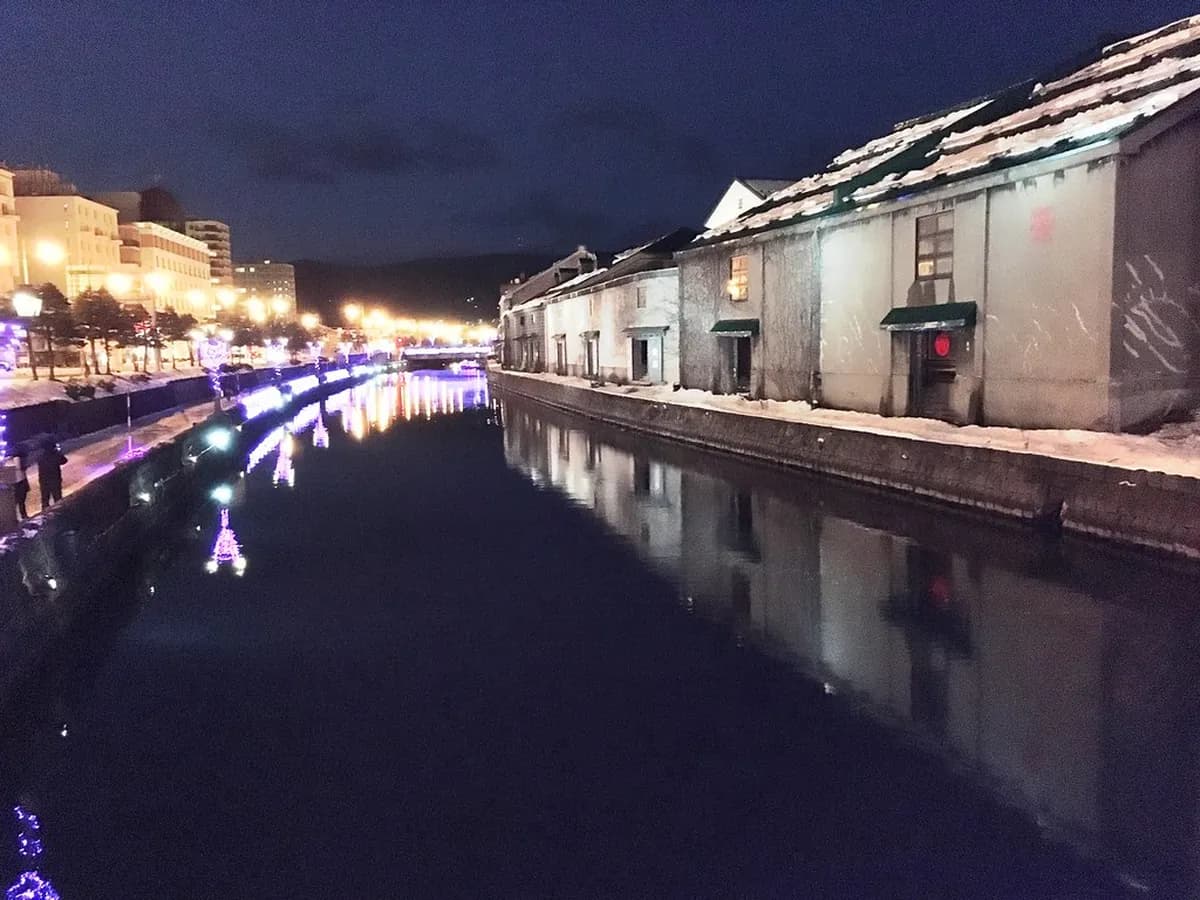
Day 3 is Otaru. The JR local train from Sapporo Station takes 34 minutes and costs ¥750 each way. Walk the canal by 09:30 before tour buses arrive, browse the Kitaichi Glass and music box shops on Sakaimachi Street, then eat sushi or fresh crab at the port before the 16:00 return train. Learn more from Japan's official tourism guide. This day trip is built into best day trips from Sapporo with more detail on timing.
What You Will Miss with Only 3 Days
Noboribetsu Onsen requires a full day. The bus from Sapporo takes 90 minutes each way, and the Hell Valley walk plus one onsen soak easily fills six hours. Fitting this into a three-day trip means cutting Otaru, which most visitors regret.
Skiing at Niseko, Furano, or Kiroro each needs its own day. Travel time from Sapporo to Niseko Grand Hirafu alone is two hours by bus. Skiers who try to squeeze a ski day into a three-day city trip spend four to five hours of it on transport and often hit the slopes for only a half-day. A dedicated ski day works properly as a Day 4 extension.
The Snow Festival (Yuki Matsuri) in early February deserves two separate evening visits — the Odori site and the Susukino ice sculpture site are in different neighborhoods, and the crowds are heavy enough that one evening visit rarely feels complete. Visitors who attend the festival and also want to ski almost always need five days. The top things to do in Sapporo guide covers festival timing in more detail.
Furano and the lavender fields are a four-hour round trip from Sapporo, making them feasible as a Day 4 extension in July but impossible to combine with Otaru in the same day. If lavender is the reason you are visiting Hokkaido at all, build your trip around Furano first and treat Sapporo as the two-day urban bookend.
Which Transit Pass to Buy for 3 Days
The Sapporo Subway 1-Day Pass costs ¥830 (adults) and covers all four subway lines with no per-ride limit. It pays off if you take three or more rides in a day, which is easy on Day 1 (Odori → Susukino → hotel). Buy it at any subway station ticket machine; no registration required. The Sapica IC card is the faster option for commuters but does not offer any flat-rate savings on a tourist's three-day pattern.
The pass does not cover the streetcar or JR lines. The Sapporo Beer Museum is most easily reached by the Sapporo Streetcar (Roppoku stop), which costs ¥230 per ride and uses a separate fare. Day 3 to Otaru requires a JR fare (¥750 each way from Sapporo Station) — this is not included in any subway pass and must be paid separately.
A common first-timer mistake is buying the Hokkaido Rail Pass expecting it to cover city transport. The Hokkaido Rail Pass only covers JR trains, not the Sapporo city subway. For a standard three-day city trip with one Otaru day, the subway day pass on Days 1–2 plus separate JR single fares on Day 3 is the cheapest combination. The rail pass only beats single fares if you are doing Otaru plus one additional JR destination (Noboribetsu, Chitose airport, or a ski resort) in the same trip.
Where to Stay in Sapporo for 3 Days
Sapporo Station is the best base for a three-day trip. The JR tower is directly above the station, every subway line is within a three-minute walk, and Day 3 Otaru starts with zero added transit time. Deciding 8 Best Areas Where to Stay in Sapporo comes down to your budget: the JR Tower Hotel Nikko Sapporo sits above the tracks (high-floor rooms with mountain views), while the Dormy Inn and APA chains offer reliable midrange options within 500 metres for ¥7,000–¥12,000 per night.
The Odori area, two subway stops south, is quieter and puts you directly between the station and Susukino. It suits visitors who want walkable access to Day 1 sights without the noise of the nightlife strip. Budget travelers will find business hotels and hostels near Nakajima Park (Subway Namboku Line, 2 stops from Odori) for under ¥6,000 per night.
Book three months ahead for February (Snow Festival week) and for the Obon week in mid-August. At those times, room rates near the station roughly double. Shoulder months — March, October, November — see normal rates and are significantly easier to book last minute.
When to Add a 4th Day
Add a fourth day if any of the following apply: you plan to ski even once, you are visiting during the Snow Festival and want to do both the Odori and Susukino sites properly, or you want a hot spring day at Jozankei or Noboribetsu without cutting Otaru. These are not edge cases — they describe the majority of winter Hokkaido visitors.
Jozankei Onsen sits one hour south of the city by bus and suits a Day 4 if you want a quieter alternative to the more touristed Noboribetsu. The round trip from Sapporo costs about ¥1,200 by public bus, and most ryokan offer day-use bathing (day bathing is called higaeri onsen) from ¥1,000–¥1,500 without an overnight stay. This works well as a relaxed final day before a morning flight from New Chitose Airport.
I suggest checking the best day trips from Sapporo page before deciding on the fourth day. Lake Shikotsu and Noboribetsu are both covered there with current bus schedules and cost breakdowns. Most visitors who add a fourth day say they would not cut it.
Daily Budget for a 3-Day Sapporo Trip (2026)
A midrange budget for three days runs approximately ¥35,000–¥50,000 per person excluding accommodation. Accommodation adds ¥7,000–¥15,000 per night depending on area and season. The breakdown across the three days is roughly equal: Day 1 city sightseeing runs lean (the Clock Tower and TV Tower are the only paid admissions, under ¥1,000 combined), Day 2 is the heaviest day with the ropeway (¥2,100) plus market breakfast (¥2,000) and beer tasting.
Food is where Sapporo budgets can drift. A miso ramen dinner costs ¥1,000–¥1,500. A seafood bowl at Nijo Market runs ¥1,500–¥3,000. The Otaru day adds sushi or crab at the port, which ranges from ¥2,000 for a set lunch to ¥6,000+ for premium crab. Budget travelers can eat excellently in Sapporo for ¥3,000–¥4,000 per day on food by choosing ramen and soba over the premium seafood options.
Transit for three days, using the subway day pass on Days 1–2 and a single JR return on Day 3, totals about ¥3,160 — far below what a Hokkaido Rail Pass costs for the same combination. Keep that ¥3,160 figure in mind when salespeople at the tourist information counter push the regional pass for a purely city-and-Otaru itinerary.
Plan the rest of your trip with our Sapporo attractions hub. For related Sapporo guides, see our How Many Days in Sapporo? 3-Day Itinerary & Tips and 8 Essential Stops for One Day in Sapporo.
Frequently Asked Questions
Is Sapporo worth visiting for 3 days?
Yes, three days allows you to see the main sights and enjoy local food. You can visit the city center and take a day trip easily. This timeframe is perfect for first-time visitors to Hokkaido.
How many days is enough for Sapporo and Otaru?
Three days is the ideal minimum for both locations. You can spend two days in the city and one day in Otaru. This allows for a relaxed pace without missing the major landmarks.
What is the best month to visit Sapporo?
February is perfect for the snow festival. Summer offers pleasant weather and beautiful beer gardens in the parks. Each season provides a completely different experience for travelers.
Three days in Sapporo is enough for city sightseeing, great food, and Otaru. Add a fourth day if you plan to ski, attend the Snow Festival properly, or want an onsen day at Jozankei. The transit pass decision alone can save you several thousand yen — stick to the subway day pass plus a single JR Otaru fare rather than a full rail pass unless you are doing more than one JR day trip.
Use the a full Sapporo itinerary page for the full hour-by-hour breakdown, and check the day trips page before deciding on that fourth day.
Free: The Sapporo Essentials guide
Top things to do, where to stay, a perfect day plan, getting around, and the best time to go — a Sapporo mini-guide you can take offline.
You might also like



Continue reading
More guides you'll find useful