Is One Day Enough in Kamakura? (The Complete Guide)
Discover if one day is enough in Kamakura with our expert verdict, a time-optimized itinerary, transport hacks, and the best things to do in Japan's 'Kyoto of the East.'
On this page
Kamakura sits about an hour south of central Tokyo in Kanagawa Prefecture, pressed between forested hills and the Shonan Coast on Sagami Bay. The city was Japan's de facto capital between 1185 and 1333, and that political history left behind an extraordinary density of Zen temples, Shinto shrines, and bronze statues. It is the single best place to experience ancient Japan without the bullet train journey to Kansai.
This guide answers the central question directly, then walks you through every practical decision: how to get there, which pass to buy, what to eat, where to sleep, and whether adding Enoshima is a good idea or a guaranteed headache. This Kamakura day trip itinerary from Tokyo is built for 2026 visitors who want maximum value from a single day.
The Verdict: Is One Day Enough in Kamakura?
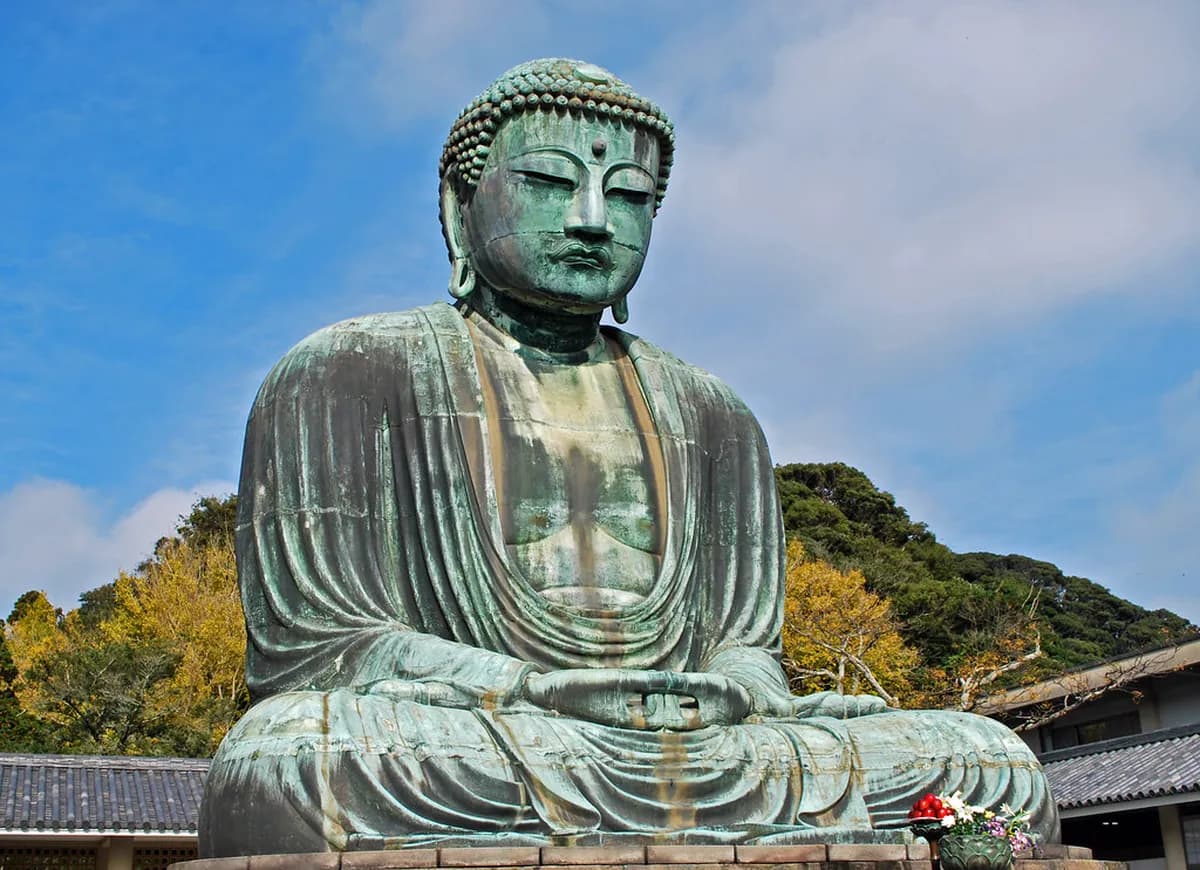
Yes, one day is enough — if you arrive by 09:00, focus on the western and central districts, and do not try to add Enoshima on the same trip. You will see the Great Buddha (Kotoku-in), Hasedera Temple, Tsurugaoka Hachimangu Shrine, and Komachi Street with time left for a proper lunch and a slow sunset walk along Yuigahama Beach. That is a full and satisfying day.
No, one day is not enough if you want to hike the Daibutsu Trail (60–90 minutes one-way through cedar forest), visit the northern Zen temple cluster near Kita-Kamakura (Engakuji, Tokeiji, Jochiji), and also reach Enoshima Island. Doing all of that in eight hours means rushing every site. Two days gives you space to breathe.
The most common mistake is trying to combine Kamakura and Enoshima in one day. Both are worth serious time. Enoshima alone deserves three to four hours for the shrine approach, the Sea Candle lighthouse, and the Iwaya Caves. When you bolt it onto a Kamakura day, one location suffers — usually Kamakura. The cleaner decision is covered in the Enoshima section below.
Avoid the 10:30 AM arrival time trap. Most tour buses deposit groups between 10:30 and 11:00 AM, making Tsurugaoka Hachimangu and Komachi Street extremely crowded. Arriving by 9:00 AM and starting at Kita-Kamakura lets you finish these popular sites by noon and escape the peak crowds.
Getting to Kamakura from Tokyo
Two JR lines connect Tokyo directly to Kamakura. The JR Yokosuka Line runs from Tokyo Station and stops at Kita-Kamakura Station before the main Kamakura Station — a crucial detail if you are using the Kita-Kamakura start strategy. Journey time is about 55 minutes; the one-way fare is ¥940 in 2026. The JR Shonan-Shinjuku Line departs from Shinjuku, Shibuya, and Osaki stations and takes roughly the same time at the same price, though most services skip Kita-Kamakura. For detailed access information, consult the official Kamakura tourism portal.
A budget alternative is the Odakyu Railway from Shinjuku Station. The regular express takes about 90 minutes but the round-trip fare bundles with Enoden access via the Enoshima-Kamakura Freepass (¥1,640 from Shinjuku in 2026). That pass covers your round-trip to Fujisawa on Odakyu lines, unlimited Enoden trains between Fujisawa and Kamakura, and discounts on Hasedera Temple entry. It is only cost-effective if you are coming from Shinjuku and plan to ride the Enoden at least twice.
If you already hold a JR Pass or Tokyo Wide Pass, use the JR Yokosuka Line — the fare is covered and you do not need to buy anything extra. Since the Kamakura round trip is only about ¥1,880 without a pass, do not burn a day of a multi-day JR Pass solely for this trip; save it for Hakone or longer-distance travel. Check the Kamakura transportation guide for the latest fare tables and IC card compatibility updates.
How to Get Around Kamakura
The Enoden Line (Enoshima Electric Railway) is the backbone of getting around Kamakura. Founded in 1900 and still running vintage-style cars, the line connects Kamakura Station to Hase Station (one stop from the Great Buddha) and continues west to Enoshima and Fujisawa. Single fares range from ¥200 to ¥330 depending on distance. You can pay with a Suica or Pasmo IC card or buy tickets from vending machines.
For unlimited Enoden rides all day — including to Enoshima and Fujisawa — the Enoden hop-on hop-off day pass costs ¥800. The Kamakura Free Environment Bill pass (¥900) goes further: it covers unlimited Enoden rides to Hase Station plus unlimited Kamakura bus routes, which you need to reach the eastern temples like Hokokuji. Buy it at Enoden Kamakura Station or Hase Station.
Walking is viable for the central and western temples. From Kamakura Station to Tsurugaoka Hachimangu Shrine is a 10-minute walk along the iconic cherry-blossom-lined approach. From the shrine to Hase Station on foot takes about 20 minutes. The northern cluster around Kita-Kamakura is best reached by JR train (one stop from Kamakura) rather than on foot. Local buses reach the eastern side of the city where Hokokuji bamboo temple and Zuisenji garden are located.
Why Smart Visitors Start at Kita-Kamakura, Not Kamakura Station
Most day-trippers exit at Kamakura Station and head straight to Komachi Street or the shrine. Tour buses do exactly the same thing, which means the central district is crowded by 10:30. The counter-move is to ride one stop further to Kita-Kamakura Station and visit Engakuji Temple and Jochiji Temple first. Both open at 08:30. You will have these cedar-forest temple grounds almost entirely to yourself for the first hour.
Engakuji (¥500 adults) is ranked the second great Zen temple of Kamakura. It was founded in 1282 and stretches up a hillside with 18 individual sub-temples. The large bronze bell and the cedar-shadowed main hall are the highlights. Jochiji (¥300 adults) sits a five-minute walk away across the train tracks and is noticeably quieter; its surviving wooden statues of the Buddhas of Past, Present, and Future are designated cultural assets.
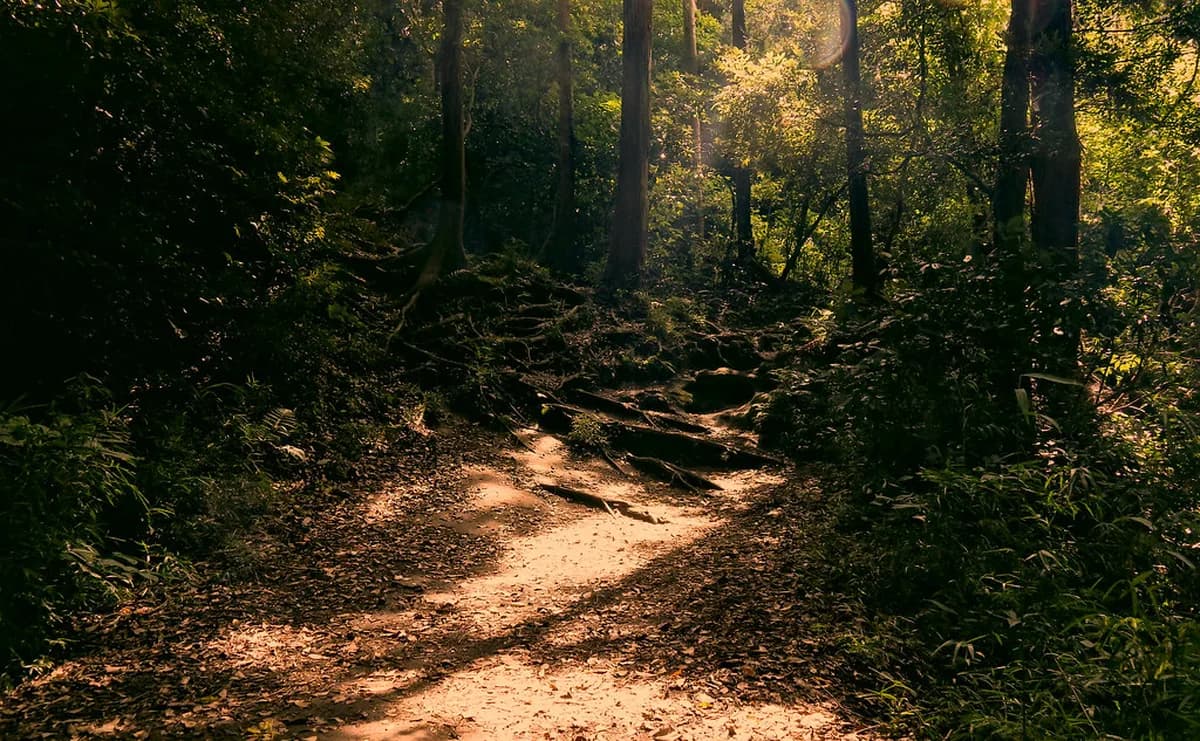
From Jochiji, the Daibutsu Hiking Trail begins. The 60–90 minute walk through forest leads directly to Kotoku-in (Great Buddha). If you would rather skip the hike, take the bus from Kamakura Station to the Daibutsumae stop. Either way, by the time tour buses arrive at the central sites around mid-morning, you will already be finishing the Great Buddha and heading to Hasedera — one step ahead of the crowds all day.
The Ultimate 1-Day Kamakura Itinerary
This schedule is built for someone arriving from Tokyo on the JR Yokosuka Line. It uses the Kita-Kamakura start and works south and west through the day. Adjust the optional stops based on your pace.
- 08:30 — Arrive Kita-Kamakura Station. Enter Engakuji Temple (¥500). Walk the cedar-forest grounds, find the great bell, allow 45 minutes.
- 09:30 — Walk five minutes to Jochiji Temple (¥300). Quiet and quick; 20–30 minutes.
- 10:00 — Either begin the Daibutsu Hiking Trail to the Great Buddha (60–90 min, free trail) or take the bus to Daibutsumae.
- 11:30 — Kotoku-in Great Buddha (¥300, or ¥350 to enter the statue interior). Allow 40 minutes for photos and exploration.
- 12:30 — Five-minute walk to Hasedera Temple (¥400). Wooden Kannon statue, cave shrines, ocean-view terrace. Allow 60–75 minutes.
- 14:00 — Lunch in Hase or ride the Enoden one stop back to Kamakura for Komachi Street food.
- 15:00 — Tsurugaoka Hachimangu Shrine (free). 10-minute walk from Kamakura Station. Lotus ponds, shrine stage, museum. Allow 45 minutes.
- 16:00 — Browse Komachi Street for snacks and souvenirs. The dove-shaped biscuits (hato sable) from Toshimaya Honten are the canonical Kamakura souvenir.
- 17:00 — Walk south 15 minutes to Yuigahama Beach for the evening light. Return to Kamakura Station and board a Tokyo-bound train by 18:30–19:00.
Total walking: roughly 8–10 km including the hiking trail option. If you skip the trail, drop to about 5–6 km. The itinerary works for most fitness levels; the only sustained climb is the trail itself.
See the full Great Buddha Kamakura visiting guide for ticket booking tips and the interior access schedule, which closes 15 minutes before the main grounds.
| Time | Site | Duration | Cost |
|---|---|---|---|
| 08:30 | Engakuji Temple (Kita-Kamakura) | 45 min | ¥500 |
| 09:30 | Jochiji Temple | 20–30 min | ¥300 |
| 10:00–11:30 | Daibutsu Hiking Trail (or bus to Daibutsumae) | 60–90 min | Free |
| 11:30 | Kotoku-in Great Buddha | 40 min | ¥300–¥350 |
| 12:30–14:00 | Hasedera Temple + Lunch | 90 min | ¥400 + meal |
| 15:00 | Tsurugaoka Hachimangu Shrine | 45 min | Free |
| 16:00 | Komachi Street (snacks & shopping) | 45–60 min | ¥200–¥500 |
| 17:00 | Yuigahama Beach (sunset walk) | 30–45 min | Free |
One Day: Kamakura Only vs. Kamakura Plus Enoshima
This is the most consequential planning decision for a Kamakura trip. Enoshima Island is 25 minutes from Kamakura Station on the Enoden Line. It has its own shrine complex, the 60-metre Sea Candle lighthouse (¥500), and the Iwaya Caves carved by centuries of wave erosion. No competitor guide gives you a clear time budget for doing both in one day — so here it is.
A realistic Enoshima visit requires at least three hours: 30 minutes for the shrine approach and Benzaiten shrine, 45 minutes for the lighthouse and upper gardens, 60 minutes for the caves (timed entry required at peak season), and 30 minutes transit each way from Kamakura. That leaves you with four hours maximum for Kamakura itself — barely enough for the Great Buddha and Hasedera. The northern temples and Tsurugaoka Hachimangu get dropped entirely.
The verdict: if you have one day, pick Kamakura and do it properly. If you have two days, pair Kamakura's temple circuit with an Enoshima afternoon or second morning. The Enoshima-Kamakura Freepass (¥1,640 from Shinjuku) is the right transport choice for the two-location scenario — it covers both legs on a single purchase. See the Enoshima from Kamakura day trip guide for the full Enoshima itinerary.
Enoshima Island requires at least three hours of dedicated time (shrine approach + Sea Candle lighthouse + Iwaya Caves + transit). Adding it to a Kamakura day forces you to skip either the northern temples or Tsurugaoka Hachimangu. For maximum satisfaction, do Kamakura solo on day one and Enoshima on day two, or commit to the slower two-day pace.
What to Eat in Kamakura
Kamakura's signature dish is shirasu-don — a rice bowl topped with raw or lightly blanched whitebait (shirasu) caught from Sagami Bay. The whitebait season runs from mid-March through December, with a fishing ban in January and February. During peak season, restaurants on and near Komachi Street serve fresh shirasu within hours of the catch. A standard shirasu-don costs ¥1,200–¥1,800 at sit-down restaurants; expect a queue of 20–30 minutes at the most popular spots at noon on weekends.
For a quick street-food pass through Komachi Street, the options include dango (grilled rice dumplings on skewers, ¥200–¥300), croquettes stuffed with potato or shirasu (¥150–¥200 each), and taiyaki fish-shaped cakes filled with red bean paste. At m's terrace near Hase Station, the taiyaki is shaped like the Great Buddha and sells for ¥280. It is one of the better tourist gimmicks in Japan and worth it.
For a sit-down experience near the Enoden route, Café Yoridokoro in Inamuragasaki (five stops from Kamakura on the Enoden) specializes in teishoku sets with fresh fish, fluffy egg rice, miso soup, and pickles. Window seats overlook the train tracks. Reserve in advance as window seats book out quickly. The restaurant is closed on Tuesdays. Address: 1-12-16 Inamuragasaki, Kamakura, Kanagawa. Hours: 07:00–17:00.
The most practical lunch strategy for a tight schedule: grab street food on Komachi Street between Tsurugaoka Hachimangu and the station, and eat while walking. This saves 45 minutes versus waiting for a table at a full-service restaurant, which you can use for an extra temple or a longer beach stop.
Kamakura Festivals and Seasonal Events
Kamakura has distinct seasonal character that affects both crowds and what you see. Cherry blossom season (late March to early April) lines the 1.8 km approach to Tsurugaoka Hachimangu in pink — the most visually dramatic time to visit, but also the most crowded. The Kamakura Festival (Kamakura Matsuri) runs across two weeks in April and includes traditional horseback archery (yabusame) on the shrine grounds, which is a genuinely rare spectacle even by Japanese festival standards.
June brings hydrangea season to Hasedera Temple, which cultivates about 2,500 plants on its hillside garden. The temple introduces a timed queue system during peak hydrangea weeks to manage visitor flow — expect a 30–60 minute wait during weekends in mid-June without arriving early. Hasedera is one of the top hydrangea spots in the Kanto region and it draws specific crowds who are otherwise not temple visitors.
August brings the Kamakura Fireworks Festival over Yuigahama Beach — one of the larger summer fireworks events near Tokyo. The beach transforms into a packed spectator zone; book accommodation many months in advance if you plan to stay overnight in August. Winter is quieter and suits visitors who want the cedar forest temples without crowds. Engakuji's autumn foliage peaks in early December and is considered among the best in Kanagawa Prefecture.
Tours to Kamakura
Kamakura is easy to navigate independently, but a guided tour adds real value if you want the history explained at each site. Standing in front of Engakuji without knowing it was built to console the souls of soldiers lost repelling a Mongol invasion, or that the bronze at Kotoku-in was funded partly by public donations after the wooden original was destroyed by storm, changes the experience considerably.
Day tours from Tokyo typically run ¥7,000–¥12,000 per person and include transport, a guide, and entrance fees. Bus tours from Viator combine Kamakura and Enoshima in a single day for around ¥8,000 and suit travelers who want both locations without managing the Enoden logistics themselves. Private walking tours focusing on the Zen temple circuit (Engakuji, Jochiji, Kencho-ji, Hokokuji) run around ¥15,000 for a half-day with an English-speaking guide and are the better choice for anyone with a serious interest in Buddhist architecture.
If you want a hands-on cultural experience beyond sightseeing, there are workshops in Kamakura for making a hanko personal seal — a traditional carved stamp used in Japan for official documents. These run about 90 minutes and cost ¥3,000–¥5,000. It is the kind of souvenir you actually keep and use.
Where to Stay: Accommodation in Kamakura
Most visitors make Kamakura a day trip from Tokyo, but staying overnight transforms the experience. The temples are accessible before 08:30 when day-trippers have not yet arrived, and you can watch the evening light fade over the coast from Yuigahama Beach without racing back to catch the last convenient train. If you decide one day is not enough, accommodation in Kamakura fits most budgets.
For social travelers, the Iza Kamakura Hostel and Bar is the top pick. It sits close to Kamakura Station and has a bar that draws both travelers and locals — good for getting genuine local recommendations for less-visited spots. The staff are reliably helpful with onward trip planning.
Staying near Kamakura Station is the most convenient base for transport. You have the JR lines to Tokyo and the Enoden within walking distance. For a more traditional stay, look for ryokan guesthouses near the northern temple district around Kita-Kamakura. A kaiseki dinner and morning soak in a hot bath after a day of temple walking is one of the more restorative things you can do in Japan. Prices for mid-range ryokan in Kamakura start around ¥15,000–¥25,000 per person including dinner and breakfast. See the full guide on where to stay in Kamakura for a curated shortlist across all budget tiers.
Keep planning your trip with our complete Kamakura attractions guide, and explore the best nearby day trips and the best time to visit Kamakura next.
Frequently Asked Questions
Is Kamakura worth a day trip from Tokyo?
Yes, Kamakura is definitely worth a day trip. It offers a unique mix of history and coastal scenery. You can see the Great Buddha and major shrines in one day.
How many hours do you need in Kamakura?
Most visitors need about six to eight hours for the main sites. This allows time for three major temples and a lunch break. Start early to maximize your daylight hours.
Can you do Kamakura and Enoshima in one day?
You can do both, but it will feel very rushed. I recommend picking one or the other for a relaxed trip. If you do both, limit yourself to two stops per location.
One day in Kamakura is enough to see the city's heart — the Great Buddha, the hillside gardens of Hasedera, the shrine approach lined with cherry trees, and the coastal quiet of Yuigahama Beach. Start at Kita-Kamakura, work west and south, and leave before the afternoon tour buses make Komachi Street feel like Shibuya at rush hour. Grab some hato sable biscuits on Komachi Street for the train home.
If you find yourself wishing you had more time, that is the city working on you. Kamakura rewards repeat visits — each season looks different, and there are enough lesser-known temples in the eastern hills to fill a second day easily. Whether you stay for eight hours or a full weekend, this small coastal city consistently delivers more than it promises.
Free: The Kamakura Essentials guide
Top things to do, where to stay, a perfect day plan, getting around, and the best time to go — a Kamakura mini-guide you can take offline.
You might also like

Continue reading
More guides you'll find useful