Best Time To Visit Kamakura: 11 Essential Planning Tips
Discover the best time to visit Kamakura with our seasonal guide. From cherry blossoms to Mount Fuji views, plan your perfect day trip or overnight stay.
On this page
Late spring (April to May) and late fall (November to early December) are the best times to visit Kamakura. The temperatures sit between 15–22°C, the trails are dry, and the temples glow with either cherry blossoms or blazing maple leaves. This former medieval capital of Japan — set on the coast of Sagami Bay in Kanagawa Prefecture — rewards visitors who choose their timing carefully.
Before you book your train tickets, review these Kamakura travel tips for the practical details. This guide covers every season, the best months for Mount Fuji visibility, how to travel here from Tokyo, and which periods to avoid if you dislike crowds. Kamakura is compact enough to explore in a day but rich enough to justify an overnight stay.
Best Time to Visit Kamakura (Overview)
April, May, October, and November offer the most comfortable conditions for exploring Kamakura. Temperatures stay mild at 15–22°C / 59–72°F, making it easy to walk between temples, climb the hillside trails, and linger at the beach without overheating. Spring brings cherry blossoms; autumn delivers red maples. Both seasons draw large crowds, so plan your arrival before 9:00 AM on weekdays wherever possible.
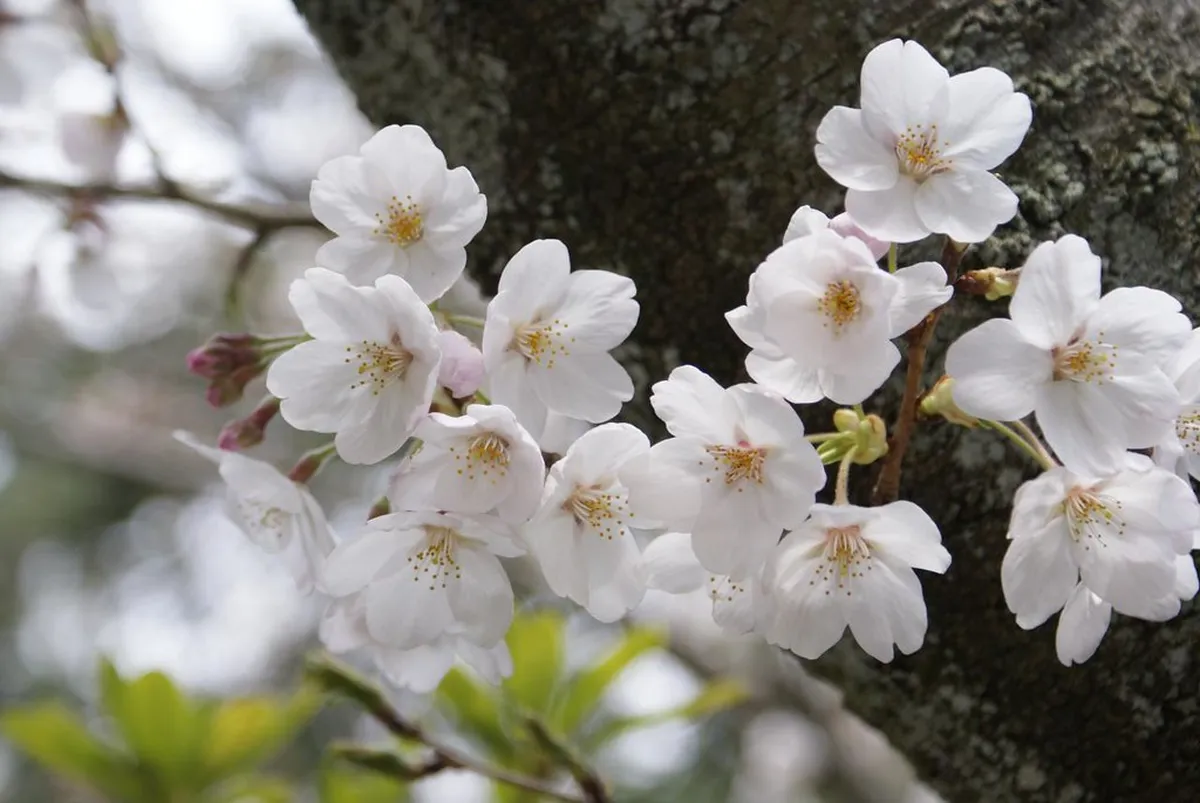
April cherry blossoms peak along the Dankazura approach at Tsurugaoka Hachimangu Shrine — arrive before 08:30 to photograph without crowds. The blossoms last 7–10 days at peak and drop quickly if warm rain arrives.
June is the rainy season — locally called Tsuyu — but it is not a bad time to visit if you want to see Kamakura's famous hydrangeas. The flowers at Hasedera Temple peak in mid-June and create a genuinely spectacular display. The trade-off is wait times of up to three hours to enter the hydrangea garden on weekends. Visiting on a Tuesday or Wednesday cuts that wait dramatically.
Winter (December through February) is the most underrated season. Crowds drop sharply, accommodation prices fall, and the cold dry air provides the clearest visibility for Mount Fuji photography. Temperatures sit around 5–12°C / 41–54°F, so bring windproof layers for the coastal walk. New Year week (January 1–3) is the one winter exception — Tsurugaoka Hachimangu Shrine draws massive crowds for the Hatsumode first-shrine-visit tradition.
September is Japan's peak typhoon season. Strong winds can suspend the Enoden Line for hours, so build flexibility into your temple schedule if visiting during this month.
Kamakura Weather by Month
January and February are the coldest months, with temperatures dipping to 2°C / 36°F at night. Snow is rare on this coastal strip, but the sea breeze can feel piercing. The air is dry and the skies are brilliant blue, which is exactly why photographers come in winter. Always check the local JMA forecast if you are planning a Fuji-viewing morning — the mountain hides behind cloud cover roughly 20% of days in this window.
March marks the shift to spring. The Haru-ichiban southerly gale signals the season's turn, and cherry buds begin to show by mid-month. April is the peak cherry blossom period and also the peak crowd period — expect long lines at ticket windows and slow progress along Komachi-dori. May offers slightly smaller crowds, fully green foliage, and longer daylight hours that allow you to complete the Kamakura itinerary from temple to beach without rushing.
July and August bring heat and humidity, with temperatures climbing to 31°C / 88°F. This is beach season, and Yuigahama Beach fills with Tokyo day-trippers on weekends. September is the peak of typhoon season for the Kanagawa coast; strong winds can suspend the Enoden Line for hours, so build flexibility into your plans. October and November return to mild, dry conditions ideal for walking the hiking trails and bamboo groves.
| Season | Temperature | Crowds | Accommodation | Best For |
|---|---|---|---|---|
| Spring (Mar–May) | 10–22°C (50–72°F) | High | ¥15,000+/night | Cherry blossoms, temple walks |
| Summer (Jun–Aug) | 22–31°C (72–88°F) | High in June | ¥12,000/night | Hydrangea gardens, beach days |
| Fall (Sep–Nov) | 15–24°C (59–75°F) | High Oct–Nov | ¥13,000+/night | Autumn maple leaves, temple illuminations |
| Winter (Dec–Feb) | 2–12°C (36–54°F) | Low | ¥8,000–¥10,000/night | Mount Fuji views, quiet mornings |
Best Time for Budget Travelers
January and February deliver the best combination of low hotel rates and thin crowds. Accommodation near Kamakura Station that costs ¥15,000 per night in April can drop to ¥8,000–¥10,000 in mid-winter. The main temples are open year-round, so you lose nothing in terms of access. You do need warm clothing, but the overall trip cost is meaningfully lower.
Regardless of when you visit, the Kamakura Free Environment Ticket is the single best cost-saver available and is overlooked by most first-time visitors. The pass costs approximately ¥700 (roughly $7 USD in 2026) and covers unlimited rides on the Enoden Line plus most buses within the Kamakura area. A typical day of sightseeing — Hase Station for the Great Buddha, back to central Kamakura, then to Hokokuji in the east — would otherwise cost ¥600–¥900 in separate fares. Buy it at the ticket machines in Kamakura Station before passing through the gates.
If you are managing a tight budget, convenience store meals from 7-Eleven or Lawson near the station run ¥500–¥800 per meal and are genuinely good. Shirasu (whitebait) donburi on Komachi-dori costs around ¥1,200–¥1,500 and is the local specialty worth splurging on once. All major temple admission fees are under ¥500, so the attraction costs are inherently low — transport and accommodation are where the savings add up.
Best Time to View Sakura (Cherry Blossoms)
The Kamakura cherry blossom season typically peaks between late March and early April, roughly one week behind central Tokyo. Tsurugaoka Hachimangu Shrine is the top viewing spot, where the Dankazura approach — a raised stone path flanked by hundreds of cherry trees — turns into a floral tunnel. Arrive before 08:30 to photograph it without crowds filling the frame. By 10:00 AM on a weekend the crowds are already thick.
In 2026, the Japan Meteorological Corporation's cherry blossom forecast models predict full bloom in Kamakura around the final week of March, though this shifts year to year with winter temperatures. Monitor official JMA cherry blossom forecasts closely in the two weeks before your trip. The blossoms typically last 7–10 days at peak and then drop quickly if a warm rain arrives.
Hasedera Temple, Engakuji in Kita-Kamakura, and the grounds around Kencho-ji also have excellent blossom coverage and significantly fewer visitors than Tsurugaoka Hachimangu. If your priority is photographs rather than the specific Dankazura shot, the northern Zen temples along the Kita-Kamakura walking trail offer a more tranquil experience during the same peak window.
Best Time to Admire Autumn Foliage
For red maples, consult the Kamakura autumn leaves guide for peak dates in the current year. Foliage generally turns bright red and orange between late November and early December, running slightly later than Tokyo because the ocean moderates temperatures. Hasedera Temple is the most famous foliage spot, and the temple's evening illuminations — usually running from mid-November through early December — allow you to see the maple trees lit against the dark sky after 17:00.
Hokokuji's bamboo grove takes on an unusual beauty in autumn. The contrast of the deep green bamboo stalks against the red maple leaves at the grove entrance is one of the most photographed combinations in Kamakura. If you include a ¥500 matcha tea in the garden after your bamboo walk, you get about 20 minutes of genuine calm that is hard to find elsewhere in the city during peak foliage season.
The Japan Fall Foliage Forecast, published by the Japan Meteorological Corporation from October onwards, gives reliable 10-day advance predictions for the Kanagawa area. Late November visits in 2026 offer the best odds for peak color, and the cooler coastal temperatures — typically 8–14°C at this time — make long walking days comfortable.
Best Time to Watch Mount Fuji from the Coast
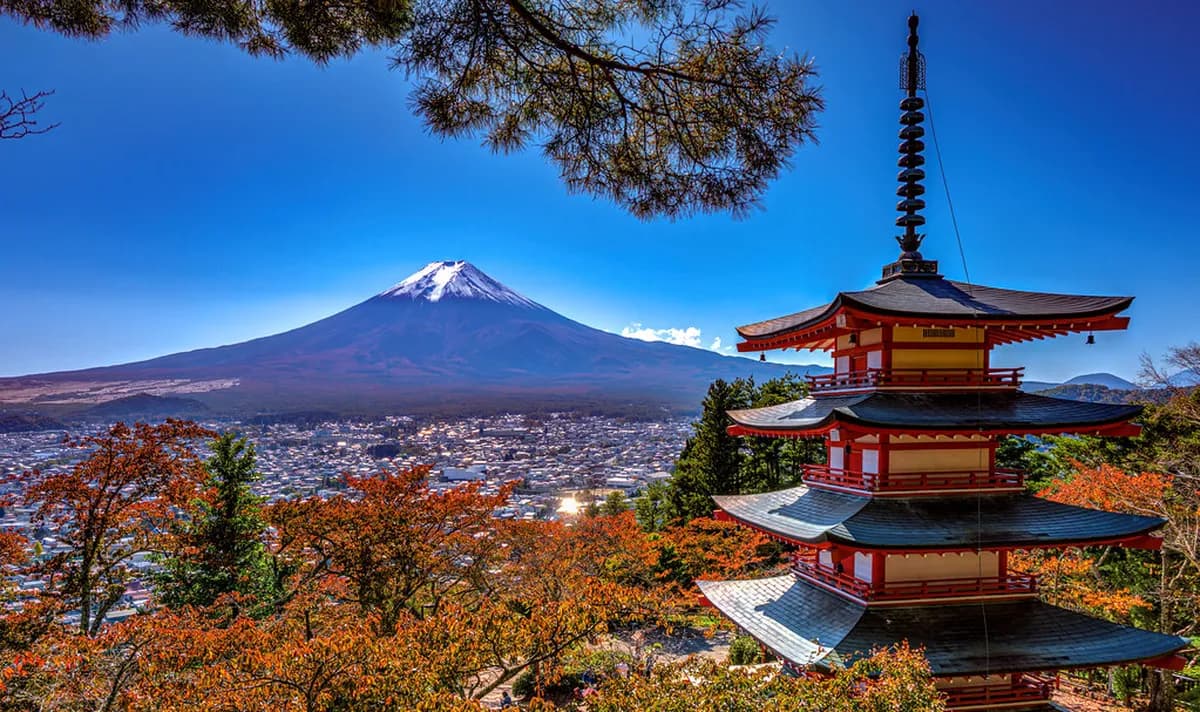
Winter mornings between December and February give you the highest probability of seeing Mount Fuji from Kamakura's shoreline. On a clear day the snow-capped cone is visible about 80% of mornings in this window; by June and July that figure drops to roughly 10% because summer humidity builds a thick haze layer over the Boso Peninsula. For detailed seasonal Mount Fuji visibility by month, consult real-time forecasting data. If seeing Fuji is on your list, schedule your visit for January or February and be at the beach by 07:00 before atmospheric haze develops.
Yuigahama Beach is the most convenient viewing point from central Kamakura. Look southwest along the coastline toward Enoshima Island — the mountain rises behind the low headlands when the air is clear. Enoshima Island itself offers even more dramatic views; the Enoshima Sea Candle observation tower (admission ¥500) places you above the tree line with an unobstructed sightline. Watching the sunset behind Fuji from the tower on a clear winter evening is one of the most spectacular sights in the Kanagawa region.
A portable zoom lens or even a 200mm equivalent on a smartphone camera makes a real difference from both Yuigahama and Enoshima. The mountain is roughly 100 km away, so without magnification it reads as a small white triangle on the horizon. The cold sea breeze on winter mornings can be fierce on the open beach — windproof outer layers and gloves are not optional if you plan a long shooting session.
Crowded Periods to Avoid in Kamakura
Golden Week (late April through early May) is the busiest period of the year. Komachi-dori becomes a slow shuffle of bodies and the Enoden Line often enforces platform entry restrictions, meaning visitors queue 20–30 minutes on the platform before boarding. New Year week and the Obon holiday in mid-August are the next busiest windows. Avoid all three if crowd tolerance is low.
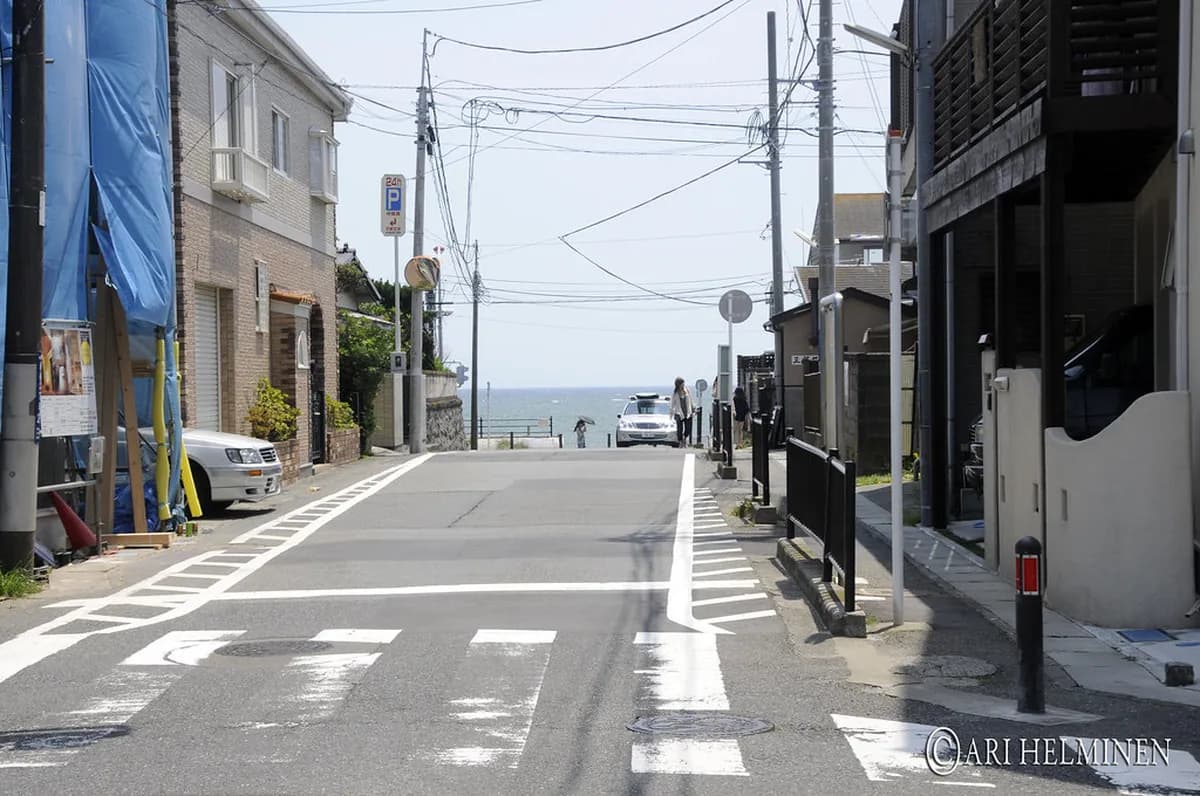
The Enoden Line's Kamakura-Kokomae Station deserves a specific mention. The crossing near the station became a pilgrimage site after the anime and film Slam Dunk used it as a visual motif. Visitors now queue on the narrow road to recreate the iconic shot, which creates an absurd pinch-point on an already congested coastal road. If you want the photo, arrive before 08:00 on a weekday when the crossing is quiet. During hydrangea season (June) on a weekend, the wait can exceed an hour just to stand at the crossing.
Weekends throughout the year are noticeably busier than weekdays. The standard advice applies: start before 08:30, tackle the most popular sites (Great Buddha, Hasedera, Tsurugaoka Hachimangu) first, and move to quieter destinations like Hokokuji or Zeniarai Benten Shrine in the afternoon when the main crowds have arrived at the headline spots. February and October mid-week visits offer the most relaxed atmosphere across the whole city.
Kamakura Is a Day Town — Plan Accordingly
Most shops on Komachi-dori close by 18:00, and many temple cafes and souvenir stalls wrap up even earlier. Restaurants in the central area begin to thin out by 20:00. If you are used to the late-night options of Tokyo or Osaka, Kamakura will feel like a different country after sunset. This is not a complaint — it is simply how the city functions, and knowing it in advance prevents a frustrating evening search for dinner.
Plan your main meal before 18:30 if you want a seated restaurant experience. The beach strip near Yuigahama has a few casual cafes that stay open into the evening during summer, and a handful of izakayas operate near Kamakura Station year-round. But the honest advice is to treat Kamakura as a morning-to-early-evening destination and plan your dinner either in the city before 18:30 or back in Yokohama or Tokyo if you are day-tripping.
For overnight visitors, the early closure actually works in your favor. By staying the night, you get the morning temples entirely to yourself before the day-trip crowd arrives from Tokyo. The window between 07:00 and 09:00 at sites like the Great Buddha or the Hasedera garden is genuinely quiet — a calm that day-trippers almost never experience.
How to Get to Kamakura from Tokyo
The JR Yokosuka Line runs direct from Tokyo Station to Kamakura Station in about 55–60 minutes. The fare is approximately ¥940 one-way and is covered by the Japan Rail Pass if you have one. This is the most straightforward route for visitors staying in central Tokyo. The Shonan-Shinjuku Line is the better option if you are based on the west side of the city — it runs direct from Shinjuku in about 60 minutes at a similar price.
Once you arrive, the Enoden Line (locally called the Enoden) is the main tool for getting around the sightseeing corridor between Kamakura Station and Fujisawa. It stops at Hase (for the Great Buddha and Hasedera), Kamakura-Kokomae (for the famous crossing), and Enoshima. The Kamakura Free Environment Ticket (¥700) covers unlimited Enoden rides and local buses for the day — buy it at the Kamakura Station ticket machines before your first ride. IC cards (Suica, Pasmo) work on all local transit including the Enoden; you can top them up via your smartphone.
Bicycles are a practical option for the flatter coastal areas. Rental shops cluster near Kamakura Station and charge approximately ¥1,000–¥1,500 per day. Cycling between Yuigahama Beach, the Great Buddha, and Enoshima on a clear winter or autumn morning is a genuinely pleasant way to cover the coastal sights without waiting for trains.
Top Things to Do in Kamakura
The Great Buddha at Kotoku-in is the defining landmark. The 13.35-meter bronze Daibutsu, cast in 1252, sits in an open-air garden in the Hase district — entry is ¥300, plus ¥50 extra to enter the hollow interior of the statue. Arrive before 09:00 to photograph the figure without tour groups surrounding it. The site is a 5-minute walk from Hase Station on the Enoden Line.
Hasedera Temple, a short walk from the Great Buddha, is more complex than it first appears. The main hall houses one of Japan's largest wooden statues of the Kannon goddess (9 meters tall). The upper observation deck gives sweeping views over Sagami Bay. A cave tunnel below the main hall winds through the rock and is genuinely interesting for all ages. The hydrangea path runs along the slope between the lower and upper grounds — this is the specific garden that draws three-hour queues in mid-June.
Tsurugaoka Hachimangu Shrine is Kamakura's most important Shinto site and is free to enter. The Dankazura cherry tree path leads from Komachi-dori directly to the main shrine building. The treasure museum inside (¥200) holds samurai artefacts from the Kamakura period. Further east, Hokokuji Temple (¥300) contains a bamboo grove and a quiet matcha garden — one of the most undervisited places in the city. For the Great Buddha and the full temple circuit, budget at least 5–6 hours.
Is It Worth Staying Overnight in Kamakura?
Yes — and the reason is simple: you get the temples before the day-trip crowd arrives from Tokyo. Most visitors take the 08:00–09:00 trains from the city and reach Hasedera or the Great Buddha by 10:00. If you stay the night and leave your hotel at 07:00, you have a full hour of almost silent access to the same sites. That experience is worth a significant premium on its own.
Practical options in 2026 range from budget guesthouses near Kamakura Station (¥6,000–¥10,000 per night) to mid-range hotels and traditional ryokan-style properties closer to the beach. Staying within walking distance of Yuigahama Beach gives you easy morning and evening coastal access. The Hotel Metropolitan Kamakura near the station is a reliable mid-range option with consistent availability even during peak foliage season — book at least 6–8 weeks ahead for November dates.
A two-night stay lets you cover the main western sights (Great Buddha, Hasedera, the beach) on day one and the eastern temples (Hokokuji, Tsurugaoka Hachimangu, Zeniarai Benten Shrine) on day two without rushing. With a day trip you inevitably skip the quieter sites and leave having only seen the headline attractions. If your Japan itinerary allows it, one or two nights transforms Kamakura from a tick-box day trip into one of the most memorable stops on the trip.
Keep planning your trip with our complete Kamakura attractions guide, and explore the month-by-month weather breakdown and whether one day is enough in Kamakura next.
Frequently Asked Questions
When is the best month to see the Great Buddha?
April and November are the best months to see the Great Buddha. The mild weather makes the outdoor setting very pleasant. You can also see cherry blossoms or autumn leaves nearby.
Is Kamakura too crowded on weekends?
Yes, Kamakura is often very crowded on weekends. Many people visit from Tokyo for a quick day trip. Try to visit on a Tuesday or Wednesday for a quieter experience.
What is the best month for Mount Fuji visibility?
January is the best month for seeing Mount Fuji. The air is very clear and dry during the winter. You have the highest chance of seeing the peak in the morning.
Kamakura rewards careful timing. April and November give you the headline seasonal events — cherry blossoms and autumn foliage — alongside manageable (if busy) crowds. January and February give you quiet temples, clear Fuji views, and the lowest prices of the year. June is the wild card: the hydrangeas are spectacular, but the Enoden Line and Hasedera garden require patience on weekends. Whatever month you choose, the Kamakura Free Environment Ticket (¥700) is the first thing to buy at the station, and an overnight stay transforms the experience far beyond what a day trip can deliver.
Free: The Kamakura Essentials guide
Top things to do, where to stay, a perfect day plan, getting around, and the best time to go — a Kamakura mini-guide you can take offline.
You might also like


Continue reading
More guides you'll find useful