10 Essential Kamakura Travel Tips for Your First Trip
Plan your Kamakura trip with 10 essential travel tips. Learn about transport from Tokyo, top temples, Mt. Fuji views, and the best local food to try.
On this page
Kamakura offers a perfect escape from the bright neon lights and busy crowds of Tokyo. This coastal city beautifully blends ancient samurai history with refreshing ocean breezes from Sagami Bay. You will find towering bronze statues and hidden bamboo groves just an hour away from the capital.
The region remains a favorite for locals and international travelers seeking a deep cultural experience. These essential kamakura travel tips will help you navigate the historic seaside destination with confidence. Planning ahead ensures you see the best landmarks while avoiding the largest crowds.
Why Visit Kamakura?
Kamakura serves as a historic coastal retreat located just south of the sprawling Tokyo metropolis in Kanagawa Prefecture. This city once acted as the political capital of Japan during the formative Kamakura shogunate period, founded by Minamoto no Yoritomo in 1185. Visitors today can explore dozens of ancient temples that remain remarkably well-preserved through the centuries.
The unique combination of mountain hiking trails and sandy beaches makes it a versatile destination for all types of travelers. You will encounter a fascinating blend of Zen Buddhist philosophy and traditional Shinto spiritual practices at sites spread across the hills. Walking through the quiet streets reveals a slower pace of life than the busy city center.
Unlike Kyoto, Kamakura has a genuine beach town energy alongside its cultural weight. It is smaller, less crowded on most days, and far easier to cover on foot. Whether you come for a single day or stay overnight, it rewards careful planning more than almost any other day trip from Tokyo.
Best Time to Visit for Fuji Views and Festivals
Winter mornings between December and February provide the clearest views of Mount Fuji from the shores of Yuigahama Beach and Inamuragasaki Park. The crisp air and low humidity create the perfect conditions for spotting the iconic snow-capped peak. Aim to arrive at the coastline before 08:00 for the most vibrant photo opportunities, since coastal haze builds rapidly once the sun rises above the hills.
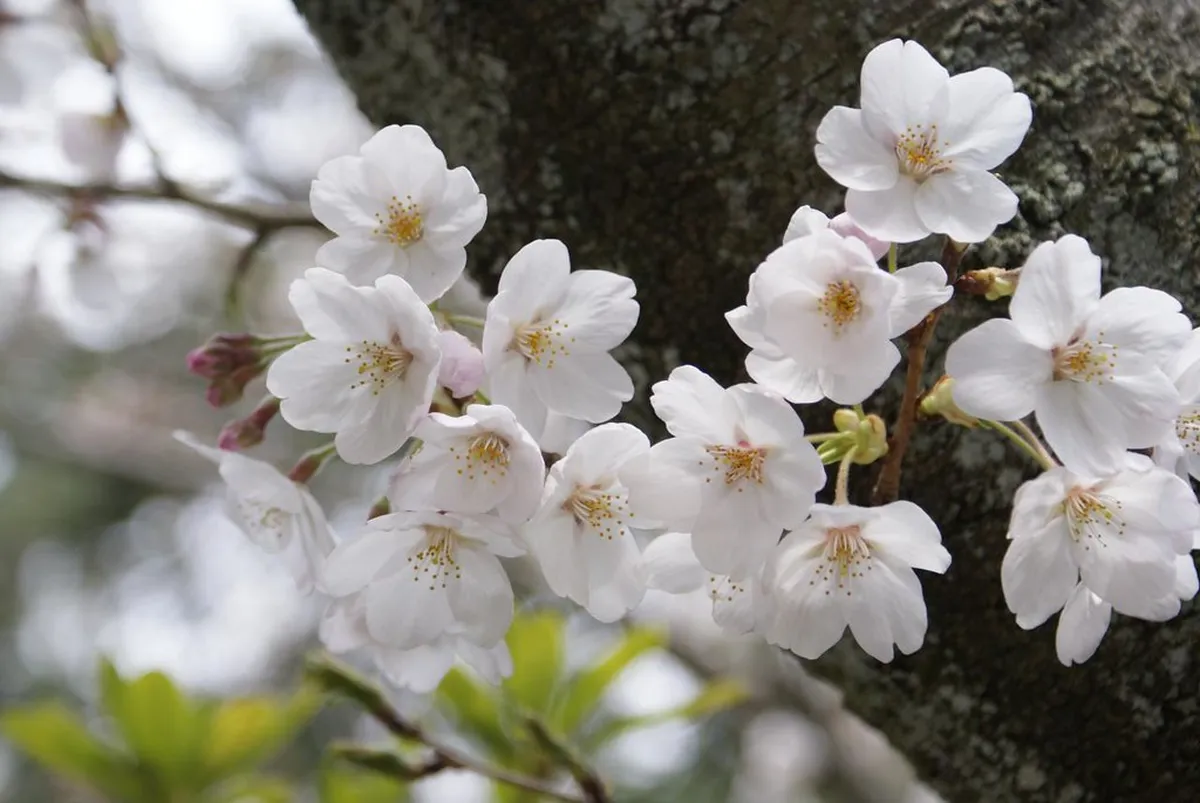
Spring brings delicate cherry blossoms that frame the ancient temple gates and shrines beautifully. Check the best time to visit Kamakura for more details on seasonal weather patterns. Early April is typically the peak window for the famous pink flowers, and the approach to Tsurugaoka Hachimangu is particularly photogenic.
Summer is the most energetic season when Yuigahama fills with surfers and swimmers. Late June and early July are worth timing deliberately: the hydrangeas at Meigetsu-in bloom in dense waves of blue, and the temple limits entry to control crowds — arriving right when gates open at 08:30 means you will walk the garden almost alone. Autumn offers another visual treat as the maple leaves at Engakuji Temple turn brilliant red from late November into early December.
Kamakura Festivals Worth Planning Around
Kamakura's festival calendar runs throughout the year and transforms the city's atmosphere entirely. The biggest event is the Kamakura Festival (Kamakura Matsuri) held over two weeks in April at Tsurugaoka Hachimangu Shrine. It includes traditional horseback archery (yabusame), ceremonial dances, and processions through the cherry-blossom-lined Wakamiya Oji avenue. If you happen to be in Kamakura for cherry blossom season, timing your visit to coincide with this festival is worth the extra planning effort.
In early January, the Chona-hajimeshiki ceremony celebrates the start of the working year for local construction workers using traditional tools at Tsurugaoka Hachimangu — a quietly memorable ritual if you are visiting around New Year. The Kamakura Fireworks Festival, held at Yuigahama Beach in summer, draws large crowds from across Kanagawa Prefecture and is one of the region's most popular summer events. Checking the official Kamakura city calendar before booking your trip can secure you a front-row seat to something genuinely special rather than just another day of temple touring.
How to Get to Kamakura from Tokyo
The JR Yokosuka Line is the fastest and most direct option from Tokyo Station, taking about 55–60 minutes and costing roughly ¥950 each way. Travelers starting from Shinjuku should take the JR Shonan-Shinjuku Line for a similar journey time. From Shibuya, a slightly cheaper route runs via the Tokyu Toyoko Line to Yokohama, then switching to the JR Yokosuka Line — saving a few hundred yen if budget matters.
Before buying individual tickets, consider which rail pass applies to your trip. The table below compares the three passes most relevant to this route in 2026:
- JR Pass (7-day, from ¥50,000): Covers the JR Yokosuka Line to Kamakura Station. Worth using only if you have spare days left — the Kamakura fare alone does not justify activating the pass for this trip.
- JR East Tokyo Wide Pass (¥15,000 for 3 days): Covers JR lines including the Yokosuka Line. A good choice if you are also visiting Nikko, Hakone, or Karuizawa on the same trip. Available via Klook.
- Enoshima-Kamakura Freepass (¥1,640 from Shinjuku / ¥810 from Fujisawa): Covers the Odakyu Line from Shinjuku to Fujisawa, then unlimited rides on the Enoden Line between Fujisawa and Kamakura. The best standalone pass if you are combining Enoshima with Kamakura in one day. Purchase at Shinjuku Station's Odakyu counter.
Luggage storage lockers at Kamakura Station and Kita-Kamakura Station fill up by mid-morning on weekends and public holidays. Arriving before 09:00 almost always guarantees a locker. If you arrive late and find them full, the tourist information office near the east exit of Kamakura Station can direct you to nearby coin locker alternatives.
Luggage lockers fill quickly on weekends and public holidays. Arriving at Kamakura Station before 09:00 almost guarantees a locker. If you arrive late, visit the tourist information office near the east exit for nearby alternatives.
Getting Around: The Enoden Line and Walking Trails
The Enoden Line is a charming single-track electric railway that has run along the Shonan coastline since 1900. It provides the main link between Kamakura Station and Hase Station, where you access the Great Buddha and Hasedera Temple. You can pay per ride using a Suica or Pasmo IC card, or buy an all-day Enoden hop-on, hop-off pass for ¥800 — useful if you plan to backtrack or ride to Enoshima. The pass is sold at ticket machines inside Kamakura Station.
The train passes Kamakurakoko-mae Station, made famous worldwide by the anime Slam Dunk. A level-crossing photo with the coast visible behind the tram car has become a pilgrimage for fans. The train runs every 12–15 minutes, so plan a short wait if you want that shot — and stay clear of the road for the safety of local traffic.
The Daibutsu hiking trail is a rewarding alternative to the train between the Great Buddha area and Kita-Kamakura. The trail takes 60–90 minutes at a moderate pace. Enter from the signed path near Jochiji Temple in Kita-Kamakura and exit near the Great Buddha grounds. Walking this direction (north to south) is easier because the final descent into the Hase area is gentler. The Tenen trail offers a longer circuit connecting Zeniarai Benzaiten Shrine to the Kamakura Station area via forested ridges.
Beat the Crowds: Timing Tips for the Main Sights
Tour buses from Tokyo typically arrive at the Great Buddha and Hasedera Temple between 10:30 and 11:00. Arriving at the Great Buddha of Kotoku-in before 09:00 means you will have the statue mostly to yourself for the first hour. The grounds open at 08:00 daily, and the bronze statue's morning light is better for photography in any case. For current opening hours and special event closures, check the official Kamakura tourism site. Admission is ¥300 for adults; entry to the interior of the statue costs an additional ¥50.
The same logic applies to Hasedera Temple (opens 08:00, admission ¥400). Its ocean terrace — which offers sweeping views over Sagami Bay — becomes standing-room only by midday. Engakuji Temple in Kita-Kamakura opens at 08:30 and rarely feels crowded before 10:00 even on weekends. A practical itinerary starts at Kita-Kamakura at 08:30, works south through Engakuji and Tokeiji, then either hikes the Daibutsu trail or catches the Enoden to Hase by 10:00 — arriving before the tour buses.
Tsurugaoka Hachimangu Shrine opens at 06:00 and entry is free. An early-morning walk along the cherry-tree-lined Wakamiya Oji avenue is one of the most peaceful moments in Kamakura, particularly outside of festival weekends. The shrine draws the largest crowds between 11:00 and 14:00.
Top Things to Do in Kamakura
The Great Buddha of Kotoku-in stands as the most iconic symbol of this historic seaside city. This massive 93-ton bronze statue has survived typhoons and earthquakes since its completion in 1252. Once gilded entirely, you can still spot flecks of gold around the ears on a close look. Paying ¥50 extra to enter the interior gives you a genuinely unusual perspective inside the hollow bronze.
Tsurugaoka Hachimangu Shrine serves as the spiritual heart of the city, founded in 1063 and relocated to its current hilltop position by Minamoto no Yoritomo in 1180. The two ponds flanking the entrance carry political symbolism: the left pond with three islands represents the ruling Minamoto clan; the right with four islands (four being a homophone for "death" in Japanese) represents their defeated rivals, the Taira. The approach along Wakamiya Oji is lined with cherry trees and is free to visit any time of day.
Tokeiji Temple (admission ¥200, 5-minute walk from Kita-Kamakura Station) holds a remarkable place in Japanese women's history. For nearly 600 years until the Meiji era, it served as a legal sanctuary where women could escape abusive marriages — one of the few places in feudal Japan where a woman could effectively initiate divorce by seeking refuge. The gardens are beautiful in every season, and the temple's relatively small crowds make it a welcome contrast to the busier sites. For a hands-on cultural experience, local workshops allow you to carve your own hanko seal using ancient stone-cutting techniques. Check out things to do in Kamakura for more activity ideas and current workshop booking details.
Tokeiji Temple's hanko carving workshops book quickly during peak seasons. Arrive early or book in advance via the temple's official channels. The temple served as a women's refuge sanctuary for nearly 600 years in feudal Japan — a profound historical site.
What to Eat: From Shirasu to Komachi-dori Snacks
Shirasu is the undisputed local specialty — tiny whitebait fish pulled from Sagami Bay and served raw (nama-shirasu) or boiled over a bowl of warm white rice. Raw shirasu is only available during the fishing season, roughly April to December; outside that window, boiled shirasu is the default. Many restaurants along the coastal road between Hase and Yuigahama serve the dish with grated ginger, sliced green onion, and a dash of soy sauce for around ¥1,200–1,500. The Japan National Tourism Organization guide to Kamakura offers additional dining recommendations across the city.
Komachi-dori is a bustling shopping street running from Kamakura Station directly to Tsurugaoka Hachimangu Shrine. Street food here includes:
- Grilled senbei (rice crackers), often flavored with soy sauce or sesame
- Sweet potato soft-serve ice cream, a regional specialty of Kanagawa
- Hato Sabure — the city's famous dove-shaped butter biscuits from Toshimaya Honten, the original shop on Komachi-dori
- Matcha-flavored taiyaki (fish-shaped pancake with red-bean filling) available at several spots along the street
The street fills with tour groups from late morning onward. A weekday visit before 10:00 means relaxed browsing without elbow-to-elbow crowds. Kamakura also has a quiet reputation among Japanese travelers as one of the more vegetarian-friendly smaller cities — whole-food cafes and plant-based lunch spots are noticeably easier to find here than in many other regional cities. Explore more options in our guide to kamakura local food and specialty dishes.
Family and Baby Travel Tips
Traveling with children in Kamakura is quite manageable if you plan your route with accessibility in mind. The areas around Hase Station, the Great Buddha grounds, and Yuigahama Beach are stroller-navigable with flat paths and paved surfaces. Hasedera Temple has stairs near the upper terrace — a baby carrier is useful here as a backup. The interior cave at Hasedera, full of small statues, is a particular hit with children. Engakuji Temple in Kita-Kamakura has uneven stone paths and moderate steps, so strollers are less practical there.
For an unmissable family detour, take the train to Kurihama Flower Park, roughly 20 minutes south of Kamakura by JR Yokosuka Line. The park features a life-size Godzilla statue that doubles as a children's slide — a surreal and genuinely fun stop for families with young children. Seasonal flower displays (poppies in spring, cosmos in autumn) make it worth visiting even if the kids are past the slide age. Clean nursing rooms are available in department stores near Kamakura Station, and convenience stores (7-Eleven and Lawson within a few minutes of the station) stock reliable baby food and formula.
The Suica and Pasmo IC cards can now be set up directly on iPhones and Android devices before leaving home, which saves time hunting for ticket machines while managing children and luggage. Set yours up before you leave Tokyo to make the Enoden Line and local buses as frictionless as possible.
Where to Stay: Day Trip vs. Overnight
Most visitors choose to see Kamakura as a day trip from Tokyo, and a single well-planned day genuinely covers the highlights. However, staying overnight changes the experience in a meaningful way. The main sights empty out once the last day-trip trains depart around 17:00–18:00, and the city becomes noticeably quieter and more atmospheric after dark. You can find some of the best ryokan in Kamakura tucked away in quiet residential neighborhoods near the hills.
Traditional ryokan typically provide multi-course dinners (kaiseki) featuring fresh seafood from Sagami Bay and local vegetables. Staying near Yuigahama Beach is the strongest recommendation for anyone who wants to check the early-morning Fuji view from the shoreline — you can walk down in slippers before the day begins rather than rushing from Tokyo to beat the clock. Booking well in advance is essential during cherry blossom season (late March to early April) and the autumn foliage peak (late November to early December), when accommodation fills up weeks ahead. Budget travelers can find friendly guesthouses near Kamakura Station that offer affordable rooms and a social common area.
Suggested Kamakura Itineraries
A well-planned itinerary helps you see the major highlights without feeling rushed. The most efficient approach starts at Kita-Kamakura Station to beat the crowds at the Zen temple grounds before 09:00. Spend the first two hours at Engakuji and Tokeiji, then either hike the Daibutsu trail southwest (60–90 minutes) or take the JR train one stop back to Kamakura Station and hop on the Enoden to Hase.
Spend mid-morning at the Great Buddha and Hasedera, then walk or take the Enoden back to Kamakura Station for lunch on Komachi-dori. The afternoon is ideal for the Tsurugaoka Hachimangu Shrine, which is free to enter and open until 20:00. End the day with a walk along Yuigahama Beach to catch the late-afternoon light on the water. You can consult a dedicated Kamakura day trip itinerary 2026 for a step-by-step timed route that fits all the major landmarks into a single day without doubling back.
For two nights, add a day trip to Enoshima Island (30 minutes by Enoden from Kamakura) and a morning at Hokokuji Temple's bamboo grove (admission ¥400, plus ¥600 for matcha in the teahouse). If you are traveling with children, swap one half-day for the Kurihama Flower Park trip described in the family section above.
Keep planning your trip with our complete Kamakura attractions guide, and explore our Kamakura accommodation guide and the best time to visit Kamakura next.
Frequently Asked Questions
Is Kamakura worth a day trip from Tokyo?
Yes, Kamakura is an excellent day trip choice due to its close proximity and diverse attractions. You can see ancient temples and beautiful beaches in a single day. Many travelers find it a refreshing break from the urban intensity of Tokyo. It offers a perfect blend of history and nature.
How do I get from Tokyo to Kamakura?
The most efficient way is taking the JR Yokosuka Line from Tokyo Station or the Shonan-Shinjuku Line from Shinjuku. Both journeys take approximately one hour and cost under 1,000 yen each way. You can also use the Enoshima-Kamakura Freepass for a scenic alternative route.
What is the best time to see Mount Fuji from Kamakura?
The best time to see Mount Fuji is on clear winter mornings between December and February. Head to Yuigahama Beach or Inamuragasaki Park shortly after sunrise for the most reliable views. The low humidity during these colder months provides the sharpest visibility of the distant peak.
Are there hiking trails in Kamakura?
Kamakura features several beautiful hiking trails that connect major temples through the forested hills. The Daibutsu trail and the Tenen trail are the most popular options for casual hikers. These paths offer a unique way to see the city's nature while moving between historical sightseeing spots.
How much does a Kamakura day trip cost?
A typical day trip costs between 5,000 and 8,000 yen per person including transport, food, and entry fees. Budgeting for a nice shirasu lunch and some street snacks on Komachi-dori is highly recommended. Many temples charge a small admission fee ranging from 200 to 500 yen each.
Kamakura remains one of the most rewarding destinations for anyone visiting the Kanto region of Japan. This city provides a unique window into the nation's samurai past and its enduring spiritual traditions. You will leave with a deeper appreciation for the balance between historical preservation and natural beauty.
Using these kamakura travel tips will help you create a seamless and memorable journey to the coast. Whether you are seeking Zen meditation, a family beach day, or the perfect Mount Fuji winter view, this city has something for everyone. Start planning your coastal escape today to experience the magic of this historic seaside gem.
Free: The Kamakura Essentials guide
Top things to do, where to stay, a perfect day plan, getting around, and the best time to go — a Kamakura mini-guide you can take offline.
You might also like

Continue reading
More guides you'll find useful