14 Romantic Things to Do in Beppu for Couples (2026)
Plan the perfect date with 14 romantic things to do in Beppu for couples. Includes private onsens, scenic views, unique dining, and practical travel tips.
On this page
Beppu is one of Japan's most surprisingly romantic cities. The constant steam rising from geothermal vents, the glow of lantern-lit ryokan corridors, and the warmth of a private hot spring shared at dusk — it all adds up to something most couples don't expect. This guide covers the 14 best romantic experiences in Beppu for 2026, grounded in what the SERP's top resources and experienced visitors consistently recommend: private onsen stays, couples sand baths, the Mt. Tsurumi ropeway at sunset, Kannawa's steam-town streets, and the optional day escape to Yufuin.
Book a Private Onsen Ryokan — the Anchor Experience
The single most recommended romantic thing to do in Beppu is to stay at a ryokan with a private in-room or en-suite onsen, known in Japanese as kashikiri buro or rotenburo. Unlike public baths, a private onsen lets couples soak together in natural hot spring water without any strangers — and in Beppu, Oita's premier hot-spring destination, the water quality is exceptional: sulphurous, mineral-rich, and often a milky pale green or translucent blue depending on the source.
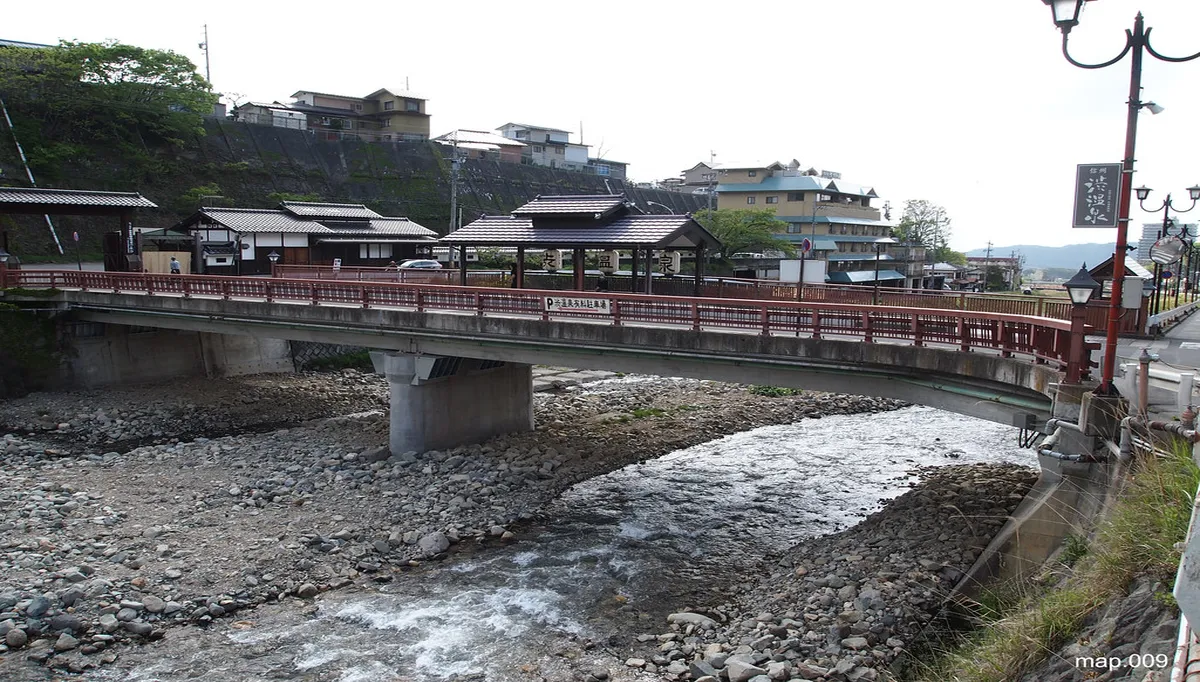
Budget around ¥20,000–¥50,000 per night for a mid-range to high-end ryokan with a private bath. Most include kaiseki dinner and a traditional Japanese breakfast, which is worth factoring into your food budget for the stay. Popular choices cluster in the Kannawa, Hamawaki, and Beppu Onsen districts — each with a slightly different atmosphere. Kannawa tends to feel the most atmospheric, with steam rising from the streets outside your window.
Book at least four to six weeks out for weekend stays, especially from October through March when the autumn foliage and cooler air make the onsen experience most memorable. For a detailed breakdown of the best properties and what to expect, see our guide to a ryokan with a private onsen. A companion overview of all styles and price tiers is at the best Beppu ryokan.
Private onsen ryokans in Beppu's Kannawa district book out 4–6 weeks in advance for autumn (October–November) and winter (December–February) weekends. Reserve as soon as your travel dates are confirmed. Mid-range properties (¥25,000–¥35,000/night) offer excellent value with kaseki dining and water quality comparable to luxury properties at double the price.
Couples Sand Bath at Beppu Beach or Hyotan Onsen
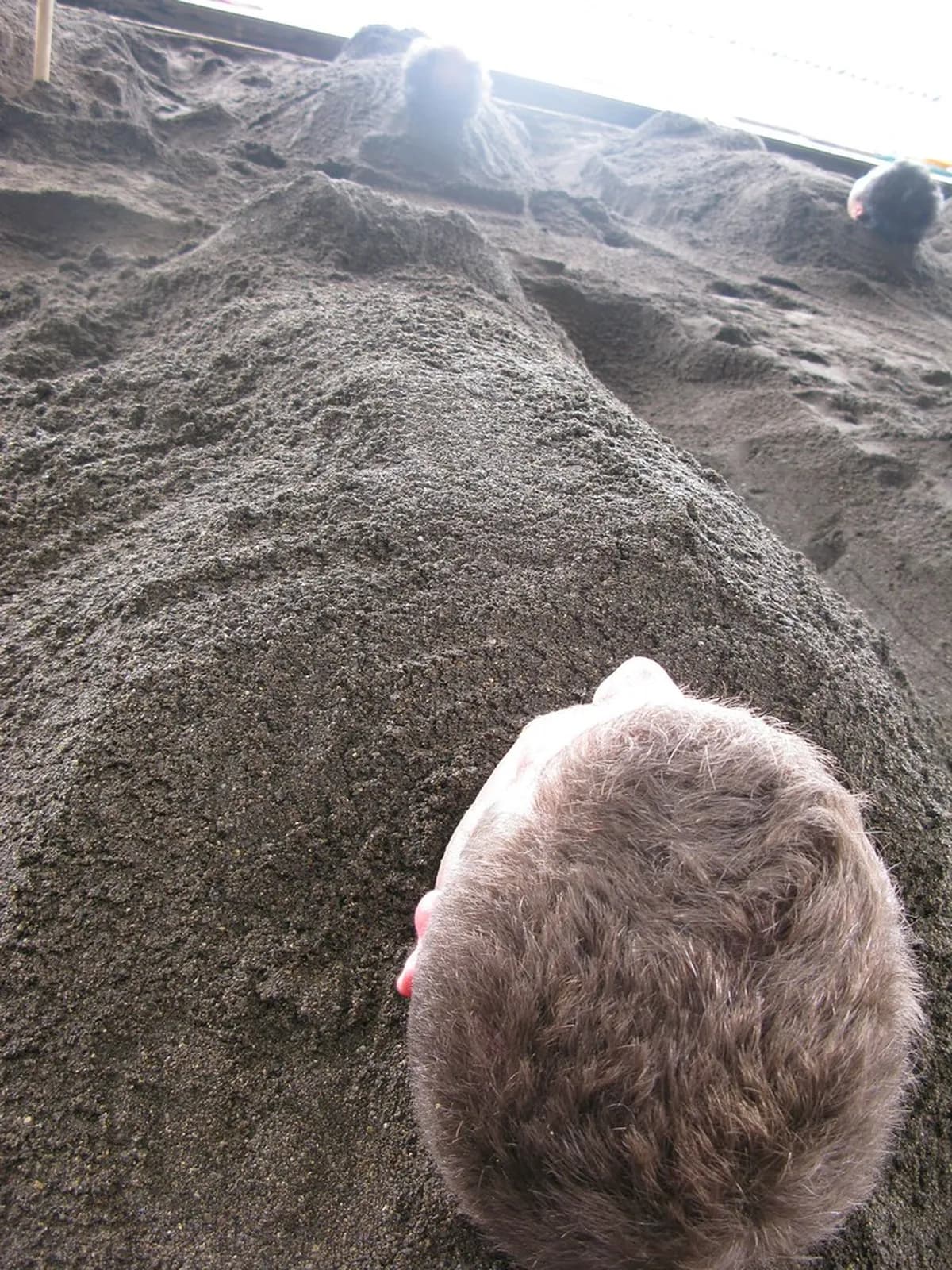
Being buried side by side in naturally heated volcanic sand is one of Beppu's most intimate shared experiences. The sand is warmed by geothermal activity below ground and holds an even heat of around 50°C. Attendants shovel the sand over you while you lie flat, and after 10–15 minutes the warmth penetrates deeply, loosening muscles and leaving skin soft. Most couples describe it as equal parts funny and genuinely relaxing — the kind of shared absurdity that makes for a good story later.
There are two main options in 2026. Beppu Beach Sand Bath (Shoningahama) sits right on the oceanfront — you change into a cotton yukata on-site, get buried on the beach, and look up at Beppu Bay from the sand. Entry is ¥1,500 per person and it's open 8:30–18:00 (closed Wednesdays). Hyotan Onsen in Kannawa offers an enclosed sand bath facility that's open later (until 23:00), costs around ¥1,600, and pairs well with time in Hyotan's other baths after. If you want both the beach setting and a shared experience, Shoningahama is the more photogenic option. If you want a full-day onsen resort feel without leaving one property, Hyotan wins.
Note that sand baths are gender-separated at Shoningahama but mixed (with swimwear) at some other facilities — confirm before booking if mixed-gender bathing matters to your plans. Arrive early: queues build from mid-morning on weekends. For a full breakdown of fees and timing, see sand bath entry fees.
Mt. Tsurumi Ropeway at Sunset and After Dark
The Beppu Ropeway ascends Mt. Tsurumi (1,375 m) in about eight minutes, rising through cedar forest before the gondola clears the treeline and opens out to one of the most spectacular views in Kyushu. On a clear evening, you can see Beppu Bay below, the city lights spreading along the coast, and on especially clear nights the silhouette of Shikoku across the water. The summit also has short hiking trails and a small shrine, making it worth spending an hour at the top.
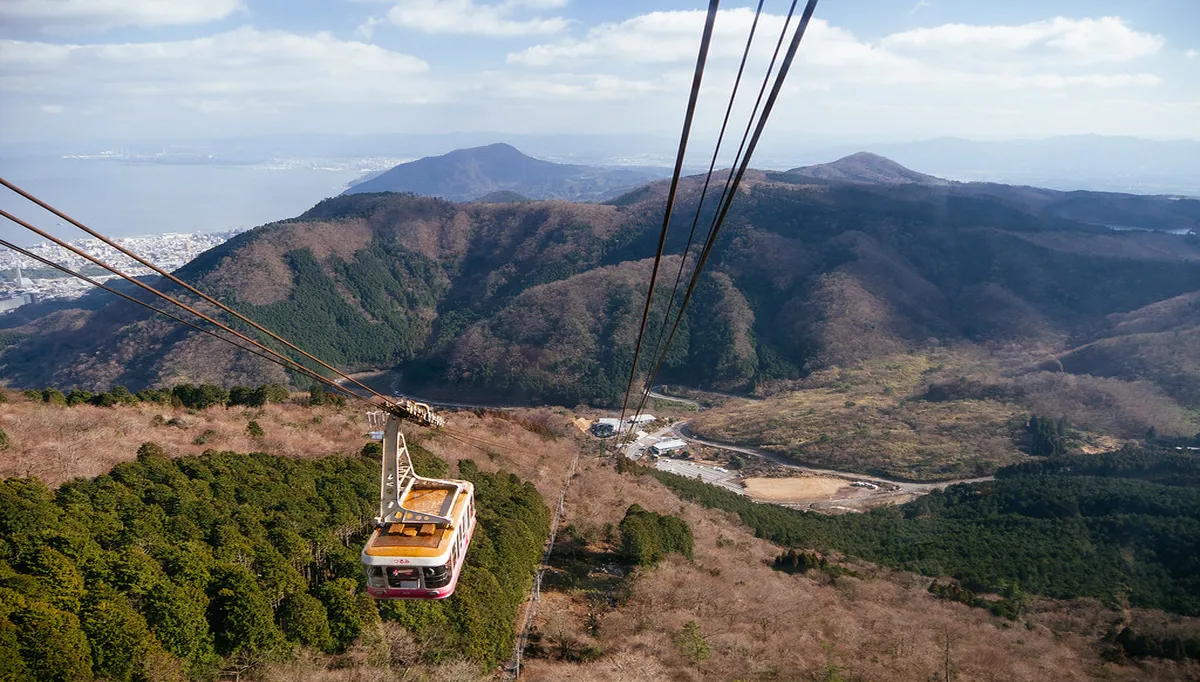
For couples, the timing is everything. The ropeway's last gondola down is at 17:00 (last ascent 16:30), which during autumn and winter aligns almost exactly with sunset over the bay. Arrive for the 15:30 or 16:00 ascent in October–February to catch the full transition from daylight to dusk. Round-trip tickets cost ¥1,800 per adult. The nearest bus stop is Ropeway-mae, served by route 25 from Beppu Station — about 25 minutes. The summit restaurant closes early, so eat beforehand or bring a snack.
If the ropeway is closed (it suspends operations in high winds), a fallback is the Beppu Tower observation deck in Kitahama, though the ropeway views are significantly more dramatic. For advice on the best weather windows and seasonal light conditions, the guide on the best time for night views covers this in detail.
The Mt. Tsurumi ropeway closes at 17:00 year-round and does not operate after dark. To catch the sunset from the summit, you must arrive between 15:30–16:00 in autumn/winter (October–February), when sunset aligns with operational hours. In summer (June–August), sunset is much later (around 18:30–19:00) and falls after the ropeway closes — book a morning ascent instead for clear views.
Strolling Kannawa: Beppu's Most Atmospheric Neighbourhood
Kannawa is the district that most couples remember most vividly. Steam rises from grates set into the pavements, bamboo pipes channel hot water across narrow lanes, and the whole area smells faintly of sulphur — an unmistakeable sensory signature that is, somehow, charming rather than off-putting. Walking through Kannawa at dusk, with lit paper lanterns outside ryokan entrances and wisps of steam backlit against the dark, is one of Beppu's most genuinely romantic moments.
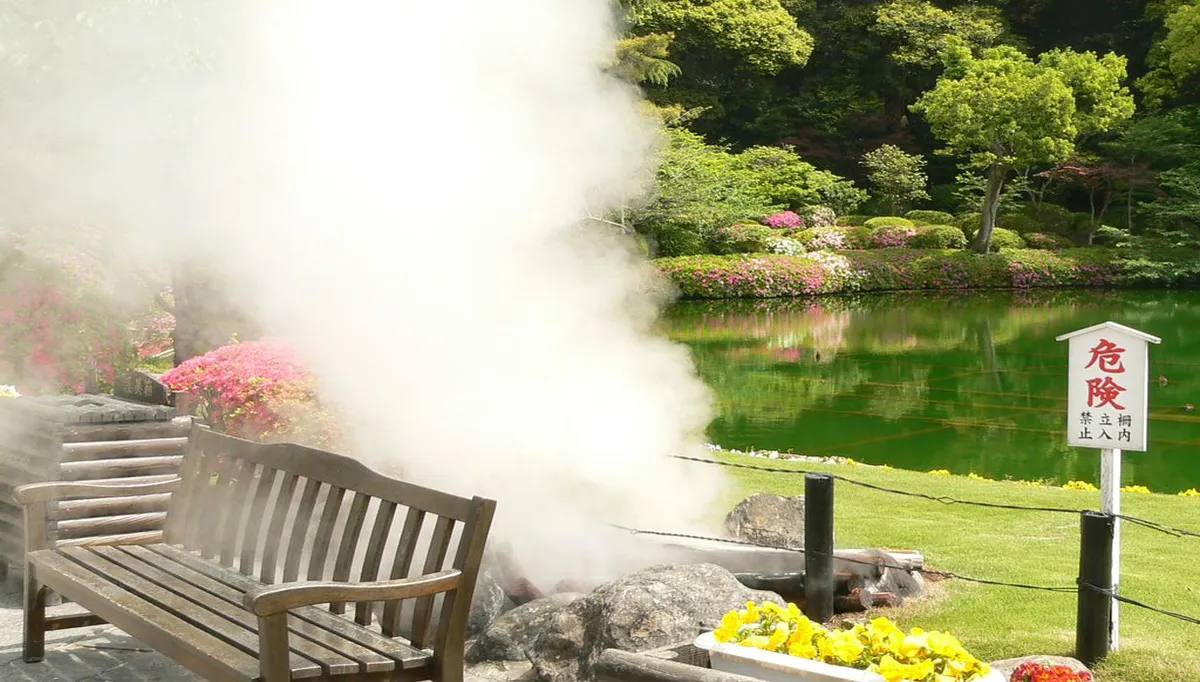
The compact core of Kannawa is walkable in 30–40 minutes at a leisurely pace. Start at Umi Jigoku (the cobalt-blue Hell), which is the most photogenic of the Hells and worth the ¥400 individual entry (or ¥2,200 for the combined Hells ticket). Then walk the back lanes toward Hyotan Onsen, stopping at small stalls selling hell-steamed eggs (¥100) and pudding. The neighbourhood has enough small cafes and a couple of good izakayas to fill an early evening before heading back to your ryokan.
The full walking circuit through Kannawa's lanes — including the steam-vented hillside paths above the main road — is covered in our a Kannawa walking tour. If your ryokan is in Kannawa, you can walk this independently at any time, including early morning before the Hells open, when the streets are empty and the steam is most dramatic.
Steam Your Own Dinner at Jigoku Mushi Kobo Kannawa
One of Beppu's most interactive and romantic dining experiences is cooking a meal together using natural geothermal steam. Jigoku Mushi Kobo Kannawa, in the heart of the Kannawa district, provides raw ingredients — fresh seafood, local vegetables, sweet potatoes, eggs — along with bamboo steamers and geothermal cooking boxes. You load your ingredients, set a timer, and collect your meal when it's done. The process is straightforward enough that it never feels stressful, and there's something genuinely intimate about making food together in such an unusual way.
Meal sets range from ¥1,500 to ¥3,000 depending on what you choose. The facility is open 9:00–21:00 (last order 20:00), closed Wednesdays. Arrive during the 17:00–19:00 window for dinner, when it's less crowded than peak lunch. Seafood sets featuring local Oita prawns and clams are the crowd favourite for couples — the natural sweetness intensifies with steam cooking. Budget 45–60 minutes from selecting ingredients to eating.
A good pre-dinner move is to walk through the Kannawa lanes first, then settle into Jigoku Mushi Kobo for the meal. It turns an evening in Kannawa into a structured two-part experience: atmosphere first, then food. After dinner, a brief soak in your ryokan's private bath rounds out the evening perfectly.
The Yufuin Day Trip: How Couples Get More From Beppu
Most "romantic Beppu" guides treat Beppu and Yufuin as competing choices. The better approach for couples with three or more nights in the region is to use them together. Yufuin — a mountain-ringed hot spring village 45 minutes west of Beppu by bus or train — has a completely different character: quieter, more boutique, with Lake Kinrin at its heart and the strollable Yunotsubo Kaido shopping street lined with small galleries, jam shops, and cafes. It is, in almost every way, a complement to rather than a substitute for Beppu.
The most efficient day-trip pattern for couples: catch the 08:30 or 09:00 highway bus from Beppu Station (¥1,050 one-way, about 50 minutes), arrive before the tour groups, walk Lake Kinrin while the morning mist is still on the water, have lunch along Yunotsubo Kaido, and return by 16:00 to be back in Beppu for the ropeway sunset or a ryokan dinner. Alternatively, the Yufuin no Mori limited express train (¥2,160 reserved, departs Beppu twice daily) offers a scenic journey through cedar mountains and is a romantic experience in itself — wood-panelled interiors, panoramic windows, and an on-board cafe car serving local sweets.
If your budget allows, one night in a Yufuin ryokan with a private bath and the other nights in Beppu is the combination most couples rate highest in the region. The contrast between Beppu's urban-geothermal energy and Yufuin's quiet mountain stillness makes each feel richer. For planning the full trip, see getting from Beppu to Yufuin and Beppu compared with Yufuin.
Visiting the Hells (Jigoku): What to Prioritise as a Couple
The seven Beppu Hells are the city's most famous attraction and worth visiting, though doing all seven in a single day can feel rushed and transactional. For couples, three or four of the most visually striking Hells at a relaxed pace is significantly more enjoyable than a checklist sprint through all seven. Umi Jigoku (海地獄, the cobalt-blue pool) and Chinoike Jigoku (血の池地獄, the deep red iron-oxide pool) are the two most photographed and visually dramatic. As Japan's leading hot-spring destination, Beppu's geological formations are unmatched—Oniishibozu Jigoku, with its large grey mud bubbles, adds an interesting textural contrast, and Tatsumaki Jigoku has a geyser that erupts on a timer every 30–40 minutes.
The combined Hells ticket covers all seven and costs ¥2,200 per adult, valid for one day. Opening hours are 8:00–17:00 daily. Visit early — before 9:30 — to beat the tour bus arrivals that typically peak between 10:00 and 13:00. The Kannawa group (Umi, Oniyama, Shiraike, Oniishibozu, Yama) and the Shibaseki group (Chinoike, Tatsumaki) are 10 minutes apart by bus; the combined ticket shuttle runs between them.
If you want to skip the Hells entirely and prefer a more intimate version of the same geothermal experience, the Kannawa neighbourhood walk (described above) delivers the atmosphere without the ticket queues. But at ¥2,200 for both of you combined if sharing a ticket isn't possible, the Hells are reasonable value and genuinely spectacular.
Beppu Park: Quiet Green Space for a Morning Walk
Beppu Park sits centrally between the station and the bay, and offers a genuinely peaceful counterpoint to the geothermal intensity of the rest of the city. The park's ponds, manicured gardens, and seasonal flower displays — cherry blossom in late March to early April, azaleas in May, autumn maple in November — make it an easy, free addition to a romantic morning before the day's main activities begin. Entry is free and the park is open all day.
It's a 15-minute walk from Beppu Station or a short taxi ride. The bamboo grove path on the park's eastern edge is the most secluded section and worth seeking out. Early mornings (before 8:00) you'll have most of it to yourselves. The park works especially well as a gentle warm-up before a day that includes more physically or socially demanding experiences like the Hells or a sand bath.
Romantic Dining in Beppu: Where to Eat for a Special Evening
Beppu's dining scene punches above its size for a couple seeking a special evening. The most romantic setting in the city in 2026 is the bar and dining floor at ANA InterContinental Beppu Resort & Spa, perched on a hillside above the city. Even if you're not staying there, the Aqua bar serves cocktails from around ¥1,800 with a panoramic view of Beppu Bay — it's worth the short taxi ride from the station for an evening drink before dinner. The resort's main restaurant serves set meals from approximately ¥8,000 per person.
For a more local, less formal option, the Kitahama area near the station has a concentration of izakayas and seafood restaurants where Oita Prefecture's excellent produce — toriten (local chicken tempura), sekisaba (mackerel), wild boar — comes at very reasonable prices. A kaiseki dinner at your ryokan, if it's included in the room rate, is often the best option of all: served in your room, at your pace, with local seasonal dishes and sake or local Oita craft beer.
Beppu's cold noodles (Beppu reimen) are a local specialty worth trying for lunch rather than a romantic dinner — they're excellent but better as a casual midday experience. Look for dedicated reimen shops in the station area, with bowls from ¥800–¥1,200.
Lighter Couple Activities: Aquarium, Park, and Safari
Not every moment of a romantic trip needs to be deeply atmospheric. Oita Marine Palace Aquarium "Umitamago," situated along Beppu Bay, is a well-run modern aquarium with good dolphin and sea lion shows and an immersive walk-through tank. Admission is ¥2,200 per adult, open 9:00–18:00 (seasonal variation). It works well as a half-day activity, especially combined with a walk along the Beppu Bay seafront afterwards.
Kyushu Wildlife Park African Safari, located outside central Beppu (accessible by bus, around 45 minutes each way), is a genuine highlight if either of you enjoys wildlife. The "Jungle Bus" feeding experience — lions, bears, and giraffes approaching the vehicle — is memorable and unusual. Entry is approximately ¥2,600 per adult. It requires a half-day commitment, so pair it with a morning ropeway visit on the same day to make the logistics worthwhile.
Beppu Park and the Beppu Station hand bath (a free 24-hour outdoor foot-and-hand bath just outside the station's west exit) offer low-key, spontaneous moments that don't require advance planning. The hand bath in particular is a charming five-minute stop that most couples enjoy more than they expect.
Practical Tips for Couples Planning a Beppu Trip in 2026
Timing matters significantly in Beppu. The most romantic windows are mid-October to mid-November (autumn colour, cooler soaking weather, less humid) and late March to early April (cherry blossom in Beppu Park and along the bay). Summer (July–August) is hot and humid, which reduces the appeal of walking tours but doesn't affect onsen experiences. January and February are the most affordable months and the outdoor steam effects are most dramatic in cold air.
Transportation between districts is easiest with a Kamenoi Bus Pass. The one-day pass (¥1,000) covers most romantic itinerary points: Kannawa, Ropeway-mae, Shoningahama beach sand bath, and the aquarium. Taxis are readily available from the station for evening trips to the ANA InterContinental or after-dark returns from Kannawa. The city is small enough that no destination takes more than 20 minutes by taxi.
Book your private onsen ryokan before everything else — before flights, ideally. The most popular properties with private baths (kashikiri rotenburo) sell out months in advance for autumn weekends. Sand bath facilities do not require advance booking but can have queues on weekend mornings. The Jigoku Mushi Kobo Kannawa does not accept reservations — just show up, but before 19:00 to be safe.
For a broader overview of what Beppu offers beyond the romantic focus, top things to do in Beppu covers the city's full range of experiences.
How Many Days Do Couples Need in Beppu?
Two full days in Beppu is the minimum for couples wanting to cover a private onsen stay, one Hell-viewing session, a sand bath, and a Kannawa walk without feeling rushed. Three days allows you to add the ropeway, a scenic dinner, and a half-day at the aquarium or safari. Four or five days makes sense only if you're also incorporating a Yufuin day trip or an overnight in Yufuin, which most couples who have done both recommend.
A workable two-night structure: arrive late afternoon, walk Kannawa and eat dinner there on night one. Day two: morning Hells visit, afternoon sand bath at Shoningahama, ropeway at sunset. Day three: Yufuin day trip or morning in Beppu Park, then depart. Three nights adds one full free day that can absorb a Yufuin overnight, the aquarium, or simply a second morning of unhurried private onsen time — which, honestly, is what most couples choose.
Frequently Asked Questions
Which romantic things to do in Beppu for couples options fit first-time visitors?
First-time visitors should prioritize a private onsen experience and a visit to the Hells of Beppu. Enjoying a hell-steamed meal together and taking the Beppu Ropeway for scenic views are also excellent choices. These activities offer a comprehensive introduction to Beppu's unique charm.
How much time should you plan for romantic things to do in Beppu for couples?
Plan for at least two to three full days to comfortably enjoy the romantic things to do in Beppu. This allows for a relaxed pace, incorporating onsen experiences, scenic attractions, and unique dining. A longer stay can include charming day trips to nearby areas.
Do you need to visit all 7 Hells for a romantic trip?
No, you do not need to visit all 7 Hells for a romantic trip. Focusing on 3-4 of the most visually impressive ones, like Umi Jigoku and Chinoike Jigoku, can create a more relaxed and enjoyable experience. This approach allows more time for other intimate activities.
Beppu works as a romantic destination because it offers something genuinely rare: a place where the act of relaxing is itself the experience. A private onsen bath, a shared plate of geothermal-steamed seafood, a sunset seen from a gondola above the bay — these moments don't require much planning to feel special. They're built into what Beppu actually is. The challenge is simply knowing which experiences to prioritise and which logistical details (ryokan booking lead times, ropeway closing hours, Kannawa evening timing) to nail in advance. Get those right and the rest follows naturally.
The Beppu-Yufuin combination, for couples with three or more nights, is the strongest version of this trip. Both towns are exceptional; experienced together, they're unforgettable. For a concrete two-day structure with logistics, see our Beppu 2-day itinerary. Whether you stay in Beppu only or extend into Yufuin, the hot-spring culture of Oita Prefecture will leave both of you significantly more relaxed than when you arrived.
Free: The Beppu Essentials guide
Top things to do, where to stay, a perfect day plan, getting around, and the best time to go — a Beppu mini-guide you can take offline.
You might also like


Continue reading
More guides you'll find useful