Rainy Day Things To Do In Fukuoka Travel Guide
Plan rainy day things to do in fukuoka with top picks, neighborhood context, timing tips, and practical booking advice for a smoother trip.
On this page
Fukuoka handles rainy days better than almost any other Japanese city its size. The combination of sprawling indoor malls, world-class digital art, hands-on museums, and covered arcade streets means a wet forecast rarely disrupts a well-planned itinerary. This guide covers the best rainy day things to do in Fukuoka in 2026 — from the all-day family powerhouses to the free spots locals rely on.
The city's indoor options cluster in three areas: around Hakata Station, in the Momochi seafront district, and along the Tenjin subway corridor. Knowing which area suits your group saves travel time. Most venues are connected by subway, and a single-day subway pass (¥640 adults) covers all the key transfers.
Quick Comparison: 4 Indoor Spots at a Glance
Fukuoka's four main indoor entertainment complexes differ sharply in vibe, cost, and age fit. Knowing the trade-offs before you go prevents wasted trips — especially on a rainy weekend when venues can fill quickly.
- LaLaport Fukuoka — Best for families with children aged 3–15. Free mall entry; KidZania sessions start from ¥3,300. Hours 10:00–21:00, food court until 22:00. About 15 minutes by shuttle bus from Hakata Station. The biggest single-day option for families who want to anchor somewhere all day.
- BOSS E•ZO FUKUOKA — Best for energetic families and TeamLab fans. Free entry to the complex; TeamLab Forest from ¥2,400 adults, ¥1,200 children. Hours 10:00–22:00. Five-minute walk from Tojinmachi Station. Check the SoftBank Hawks schedule: on home-game days, parking jumps to a flat ¥2,500.
- Mark Is Fukuoka Momochi — Best for toddlers and a relaxed half-day. Free mall entry including the Momo Kids Park play area (0–6 year olds). Hours 10:00–21:00. Connected to BOSS E•ZO via pedestrian bridge. Parking ¥200/hour with 90 minutes free on a ¥2,000 receipt.
- Canal City Hakata — Best for first-time visitors and anime/character-shop fans. Free entry; free fountain shows every hour from 10:00. Hours 10:00–21:00. A 10-minute walk from Hakata Station via covered arcade. Parking ¥300 for the first 30 minutes, ¥200 per additional 30 minutes — the priciest of the four; take the bus instead for a half-day visit.
All four malls are stroller-friendly and have nursing rooms. Rainy weekend afternoons (15:00–17:00) are the busiest window at all venues — arrive at opening if you want easy parking and near-empty play areas.
LaLaport Fukuoka: The Heavy Hitter
LaLaport Fukuoka is the largest indoor family destination in the city and the single best answer to a full rainy day with children. It sits about 15 minutes south of Hakata Station by shuttle bus or car, and the scale is genuinely impressive — dozens of restaurant options, multiple play zones, and KidZania all under one roof.
KidZania Fukuoka is the anchor attraction here. Kids aged 3–15 try out real-world careers — pilot, sushi chef, firefighter — in a scaled-down city environment. Sessions run 09:00–15:00 and 16:00–21:00. Rainy weekends fill the afternoon slot by Friday evening, so book on the official site or Klook at least the night before. Budget around 4–5 hours per session; trying to combine it with TeamLab Forest the same day is not realistic.
For younger children or those skipping KidZania, the free wooden play area called Mokiku (Wood Egg) on the mall's lower floors is well-designed for toddlers. The food court runs until 22:00 and serves Hakata ramen, udon, and teishoku set meals alongside Western options. The nursing room on the 1F near the food court has three private booths, a hot-water dispenser, and a microwave — among the best facilities of any Fukuoka mall. Parking is ¥200/hour with two hours free on a ¥3,000 purchase.
Must-See Rainy Attractions
Beyond the big malls, Fukuoka has several standalone indoor attractions that consistently rank as essential stops on any wet-weather day. These venues work for solo travelers, couples, and families alike — and most are reachable by subway without transfers.
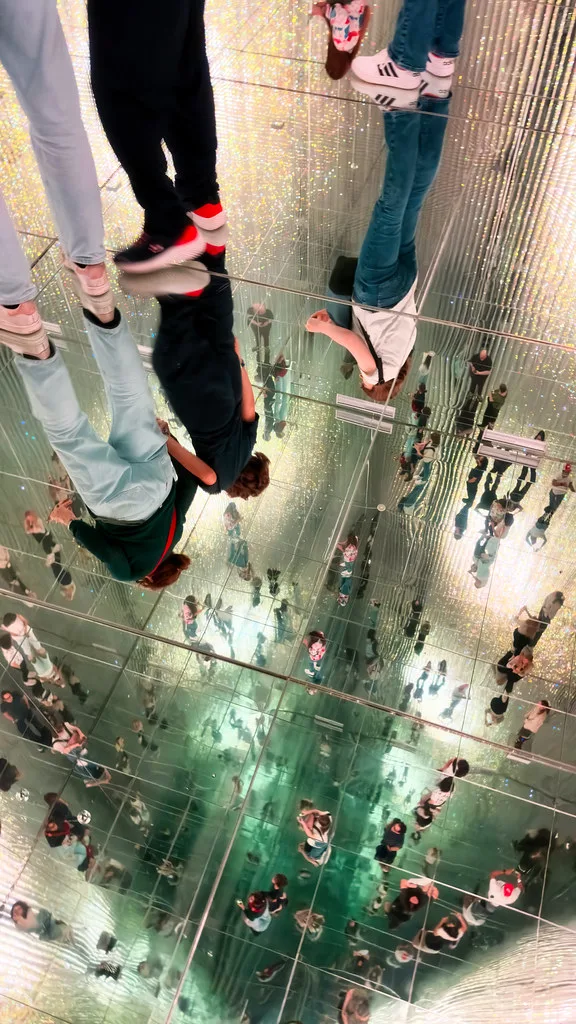
TeamLab Forest Fukuoka inside BOSS E•ZO FUKUOKA is the city's standout digital art experience. Visitors move through reactive light installations, catch glowing digital animals using a phone app, and touch virtual waterfalls that respond to contact. Tickets start from ¥2,400 for adults and ¥1,200 for children (ages 3–15). One practical note: several zones have low lighting, uneven flooring, and flashing visuals. Stroller access is limited inside the art space itself. Best for children aged 6 and up; younger children or those with sensory sensitivities may find certain rooms overwhelming.
The Fukuoka City Science Museum at Ropponmatsu Station (Nanakuma Subway Line) spans five floors of interactive exhibits on space, energy, and natural science. The digital planetarium is the headline feature, with shows running throughout the day for a small surcharge on top of the general entry fee. The museum connects directly to the station, so you stay dry the entire journey. Budget 2–3 hours here.
Canal City Hakata stands out as a tourist classic for good reason. The free fountain show at B1F Sun Plaza runs hourly from 10:00. The Business Center Building atrium also houses Fuku/Luck, Fuku=Luck, Matrix — a massive Nam June Paik video art installation made up of hundreds of monitors, viewable for free during set times (12:00–13:00, 15:00–16:00, 18:00–19:00). It is one of Paik's largest works in Japan and regularly overlooked by first-time visitors focusing on shops.
Museums, Art, and Culture
Fukuoka's public museums are genuinely strong for a city this size — and several are either free or very affordable. They suit travelers who want substance over spectacle on a slow rainy afternoon.
Most Fukuoka museums are directly above or steps from a subway exit — no outdoor walk needed. Nakasu-Kawabata Station (Exit 6) opens directly into the Riverain Center for the Asian Art Museum; Ropponmatsu Station has a covered walkway to the Science Museum. A ¥640 all-day subway pass pays for itself with just two museum hops.
| Indoor Spot | Area | Entry ¥ (adult) |
|---|---|---|
| Fukuoka Asian Art Museum | Nakasu-Kawabata | ¥200 (permanent) |
| Fukuoka City Science Museum | Ropponmatsu | ¥500 + planetarium surcharge |
| Fukuoka City Museum | Momochi | ¥200 |
| Hakata Traditional Craft & Design Museum | Hakata Station | Free |
| Hakata Machiya Folk Museum | Hakata Station | ¥200 |
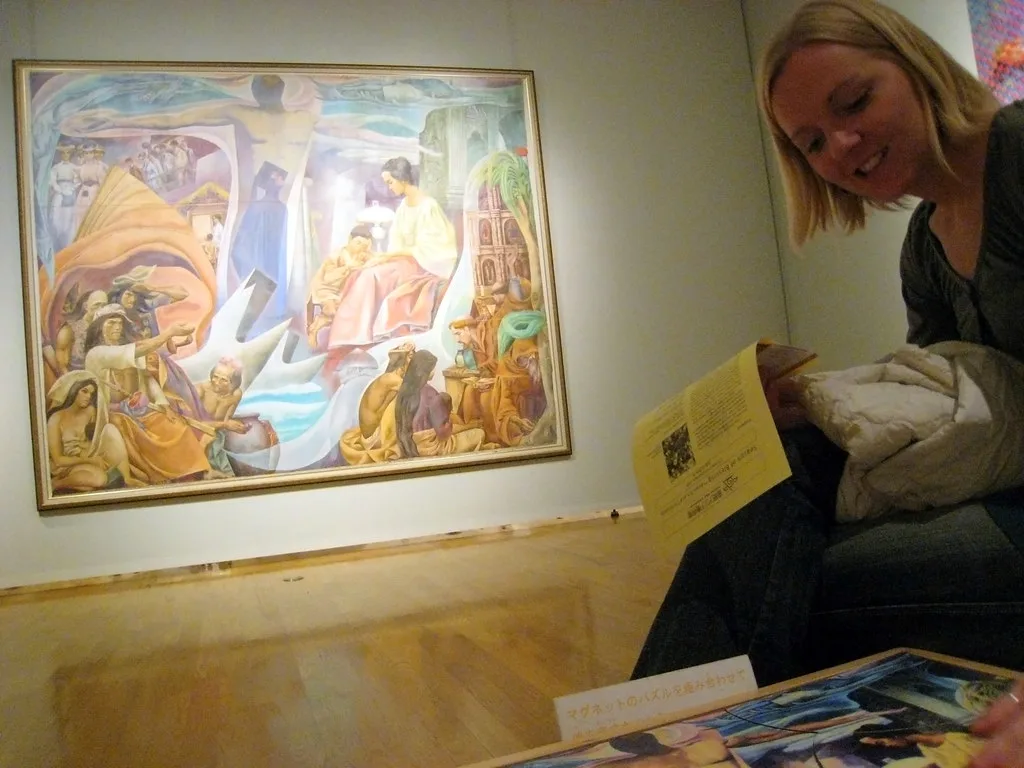
The Fukuoka Asian Art Museum sits on the 7th and 8th floors of the Riverain Center Building directly above Nakasu-Kawabata Station (Exit 6). Entry to the permanent collection is ¥200 for adults; many temporary exhibitions cost extra. The museum focuses on contemporary art from across Asia — paintings, installations, and craft works — displayed in a calm, unhurried space. An art café on the same floor holds around 10,000 art and travel books freely available to browse. On Friday evenings, the museum hosts "Live @ Museum," a free performance series covering music, dance, and other art forms. No reservation required. Hours are 09:30–19:30; closed Wednesdays.
Fukuoka City Museum near Momochi presents the city's history from its role in ancient trade routes with China and Korea through to modern times. The building itself is a striking modernist structure. Entry is ¥200 for adults. The Hakata Machiya Folk Museum in Hakata-ku is worth pairing with this if you want a full cultural half-day — it preserves restored Meiji-era merchant townhouses and demonstrates traditional Hakata-ori weaving and Hakata doll crafts in person.
The Hakata Traditional Craft and Design Museum relocated in 2025 to a new site on Jotenji-dori (a 6-minute walk from Hakata Station). Entry is free. It displays Hakata-ori textiles, Hakata dolls, magewappa bentwood boxes, and a one-eighth scale replica of a Hakata Gion Yamakasa festival float — useful context before attending the real festival each July.
Round1 Spo-Cha: The Underrated Rainy Day Option
Most rainy day guides focus on family venues, but Round1 Stadium Spo-Cha inside Round1 at Hakata Station (5-minute walk from the station's Chikushi Exit) is the strongest option for solo travelers, groups of friends, and teenagers who want physical activity rather than art or shopping. It combines a bowling alley, trampoline zone, batting cages, roller skating, mini-basketball, and a multi-level arcade all under one roof.
Entry works on a time-based flat fee — roughly ¥1,500–¥2,000 for a 90-minute block depending on the day — and covers most of the sports and activity zones. The arcade costs extra per game. It is loud and energetic by design, which makes it a poor choice for toddlers or anyone seeking a calm afternoon. But for travelers who find the mall circuit exhausting, it is a genuine alternative that none of the standard tourist guides mention.
Spo-Cha also has a useful practical edge: its proximity to Hakata Station means you can combine it with lunch at the underground ramen street in JR Hakata City and still catch a late afternoon museum visit without needing to cross the city. Best for ages 8 and up.
Family-Friendly and Budget-Friendly Options
Fukuoka's free indoor options are better than most cities acknowledge. Several require no entry fee and no advance booking, which makes them ideal backups when paid attractions are sold out on rainy days.
The Fukuoka Anpanman Children's Museum inside Canal City Hakata is purpose-built for children aged 0–6. It features live character shows, soft obstacle courses, and a bakery selling Anpanman-shaped treats. Entry is paid (check the official Canal City website for current fees), but the surrounding Canal City mall is free, and the free fountain shows run every hour. The museum is stroller-friendly with wide ramps, elevators, changing tables, and nursing rooms throughout.
Marine World Uminonakamichi at Uminonakamichi Seaside Park (10-minute walk from Uminonakamichi Station on the JR Kashii Line) is one of Kyushu's largest aquariums. It has a glowing jellyfish tunnel, dolphin and sea lion shows, and tanks with sharks and sea turtles visible at close range. Budget 2–3 hours. Tickets can be purchased through Klook in advance, which is worth doing on rainy weekends when walk-in queues build. The park surrounding it is large and outdoor; stick to the aquarium building itself in heavy rain.
For a truly free option, Canal City's fountain shows and the Nam June Paik video art installation cost nothing. The Bayside Place Hakata near Hakata Port has a 9-metre-tall indoor tower aquarium viewable for free — modest compared to Marine World but genuinely impressive and completely free, with no time limit.
BOSS E•ZO FUKUOKA: For the Active Family
BOSS E•ZO FUKUOKA next to PayPay Dome is less a shopping mall and more an entertainment complex with tiered thrills. TeamLab Forest is the main draw, but the building also has a tube slide running along the building exterior, a climbing wall, and a virtual experience zone with interactive games. Access by bus from Tenjin takes about 10 minutes; the venue shares a car park with PayPay Dome.
The tube slide is popular with children who handle heights comfortably. Height and age restrictions apply to specific attractions — check the official site at https://fukuoka-dgc.jp/ before visiting with younger children. The complex entry is free; individual attractions are ticketed separately. If you are driving, note that parking costs ¥300/hour on regular days and rises to a flat ¥2,500 on SoftBank Hawks home-game days, often filling by 11:00. On game days, park at Mark Is Momochi instead and use the pedestrian bridge connecting the two buildings.
The pedestrian bridge between Mark Is and BOSS E•ZO is itself a practical rainy-day asset: you can move between a relaxed shopping mall with a free toddler play space (Mark Is) and a high-energy entertainment complex (BOSS E•ZO) without stepping outside. This pairing makes the Momochi district the most versatile single-area option for families with mixed-age children in 2026.
Mark Is Fukuoka Momochi: The Relaxed Option
Mark Is Fukuoka Momochi suits families who want a slower pace — particularly those with toddlers under 3 who find larger crowds or high-stimulation venues tiring. The mall's corridors are wide, the lighting is calm, and the free Momo Kids Park play space on the 3rd floor is padded, safe, and unrestricted in time. It caters to children aged 0–6. The busiest window is 14:30–16:30 on rainy weekends; arriving before noon or after 17:00 gives toddlers actual room to move without collision.
The 3rd floor nursing room sits directly next to Momo Kids Park and has two private booths, a diaper station, and a warm-water sink — an efficient layout for parents managing nap schedules. A TSUTAYA bookstore with an in-store Starbucks on the same floor makes for a comfortable break while one parent supervises play. The food court on a lower floor has ramen, udon, and family-friendly set meals. Restaurants are open until 22:00.
Mark Is is about 20 minutes by bus from Hakata Station (Tenjin direction buses stop nearby) and easily accessible by bus from Tenjin in around 10 minutes. Parking costs ¥200/hour with 90 minutes free on a ¥2,000 receipt — a ramen lunch covers it easily. The mall is located near Fukuoka Tower and Momochi Seaside Park, so on clearer days or breaks in the rain you have options for a quick outdoor detour.
Practical Tips for a Rainy Day in Fukuoka
Planning your sequence matters more on a rainy day than any other, because popular indoor venues fill faster than usual. For KidZania and TeamLab Forest, book tickets online the night before — both regularly sell out rainy-weekend slots by Friday evening. Mall entry, free play areas, and food courts need no booking.
Use Fukuoka's subway system as your primary transport. The Nanakuma Subway Line connects Tenjin and Ropponmatsu (for the Science Museum) directly; the Kuko Line runs Hakata Station to Tenjin and then Nakasu-Kawabata (for the Asian Art Museum) in under 10 minutes. A day pass at ¥640 for adults covers unlimited rides and keeps you dry between venues. Buses serve Momochi; the Tenjin bus terminal has direct services to Mark Is and BOSS E•ZO.
Bring a compact folding umbrella even if you plan to stay indoors all day. Short walks between bus stops, station exits, and building entrances add up. Most venues have coin lockers (¥100–¥300) near entrances if you want to store wet gear. Arrive at opening time — the 10:00–11:30 window is consistently the quietest across all four main malls on rainy weekends. The 15:00–17:00 window is peak at every venue, and the food court lunch rush runs from about 12:00–13:30 with 10–15 minute waits at popular stalls.
Check attraction opening hours directly before visiting. A small number of outdoor-adjacent sites — including the ACROS Fukuoka Step Garden — explicitly close on rainy days. For everything else, wet weather is not a factor. The indoor options listed here operate on their standard schedules regardless of forecast.
Top-Rated Day Trips from Fukuoka on a Rainy Day
If you have already covered the city's main indoor venues or want a change of scenery, several day trip destinations within an hour of Fukuoka work well in wet weather. The key is targeting sites that are primarily indoors or have substantial covered areas.
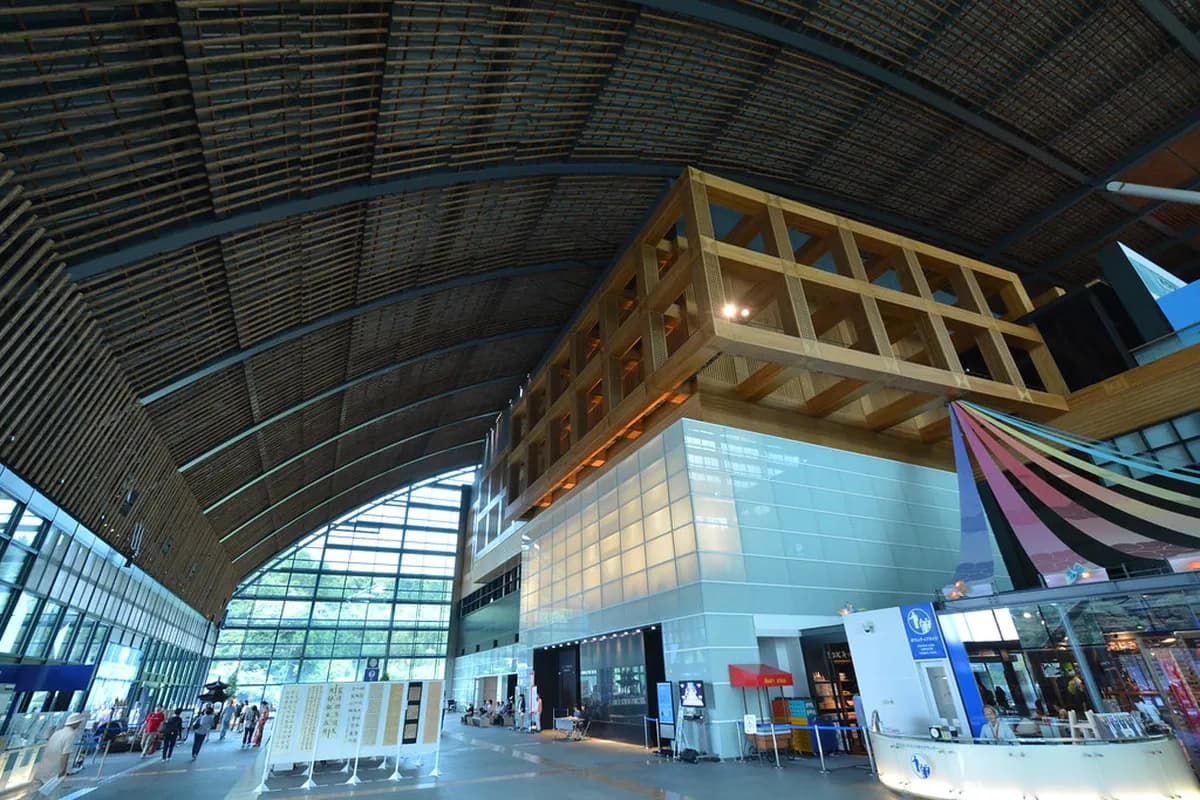
Dazaifu Tenmangu Shrine is the most straightforward rainy-day day trip. The shrine itself has expansive covered walkways and the main hall is accessible regardless of weather. More importantly, the Kyushu National Museum sits a 5-minute walk from Dazaifu Station via a scenic covered escalator that connects the shrine precinct to the museum entrance. It is one of Japan's most modern national museums — a stunning glass-and-steel building housing Japanese and Asian history collections. The Ajippa hands-on zone inside lets children try traditional instruments, textiles, and games from across Asia. Budget 2–3 hours. Entry is ¥700 for adults; the Ajippa zone is free. Find practical logistics for the Dazaifu day trip from Fukuoka here.
Kitakyushu's Mojiko Retro district is a 1-hour train ride from Hakata Station (Shinkansen to Kokura, then local JR Kagoshima Line). The area has a concentration of preserved Meiji and Taisho-era brick buildings, most of which house cafés, restaurants, and small museums. It is primarily an outdoor walking district, so heavy rain limits the appeal. However, the indoor portion — the Mojiko Retro district's covered shopping arcades and the Kyushu Railway History Museum — holds up well in light to moderate rain. Learn more about a Kitakyushu day trip from Fukuoka.
Yanagawa's canal cruise is iconic but operates on covered boats, meaning light rain does not cancel trips. In heavier rain, the historic townhouse museums and traditional eel-dish restaurants along the canal make a legitimate alternative. Book a Yanagawa river cruise in advance if that is the plan, as covered-boat seats are limited.
Quick Age Guide to Fukuoka Indoor Activities
The right venue depends entirely on your child's age. Fukuoka's indoor options cover a genuinely wide range, but some require a minimum age or height that catches visitors off guard.
- Ages 0–3: Mark Is Momochi's free Momo Kids Park and LaLaport's Mokiku wooden play area are the safest, softest options. Both are free and entirely indoors. The Anpanman Children's Museum at Canal City is specifically designed for this age group. Marine World Uminonakamichi's aquarium also provides strong visual stimulation without any overstimulating noise or darkness.
- Ages 4–6: Fukuoka Anpanman Children's Museum remains ideal. KidZania accepts children from age 3 (with a guardian) and works well for this group. The Fukuoka City Science Museum's hands-on exhibits are suitable from around age 4 with parental supervision.
- Ages 7–12: TeamLab Forest (best from age 6, with the caveat on dark rooms and sensory intensity), KidZania's full session, and the Fukuoka City Science Museum's interactive zones. The Kyushu National Museum's Ajippa hands-on zone works well for this age range on a Dazaifu day trip.
- Ages 13 and up: Round1 Spo-Cha at Hakata Station is the strongest option for teens — trampolines, arcade, bowling, and roller skating without the younger-child-focused structure of KidZania. BOSS E•ZO's tube slide and climbing wall also appeal to this group. TeamLab Forest remains engaging for teenagers.
- Adults without children: Fukuoka Asian Art Museum, Fukuoka City Science Museum planetarium, and the Hakata Traditional Craft and Design Museum offer quality without age-range constraints. Canal City's Nam June Paik installation is worth seeing regardless of age.
If you are traveling with children of mixed ages, the Momochi district pairing (Mark Is + BOSS E•ZO via pedestrian bridge) serves the widest range simultaneously — toddlers in the free play space while older children do TeamLab or the outdoor slide.
For related Fukuoka planning, see our Fukuoka Hidden Gems Travel Guide and Romantic Things To Do In Fukuoka For Couples Travel Guide guides.
Frequently Asked Questions
Which indoor spot is best for toddlers under 3?
The Fukuoka Anpanman Children's Museum is highly recommended for toddlers. It features interactive exhibits based on the popular Anpanman characters. The museum offers safe, stimulating play areas designed for very young children. Marine World Uminonakamichi also provides engaging visual experiences for this age group.
Can we do KidZania and TeamLab Forest on the same day?
It is generally not recommended to combine KidZania and TeamLab Forest on the same day. Both attractions are extensive and require several hours for a full experience. Attempting both in one day would be very rushed and tiring for children. Prioritize one for a more enjoyable visit.
Do we need to reserve in advance for rainy days?
Yes, it is highly advisable to reserve tickets in advance for popular indoor attractions on rainy days. Increased demand means attractions like TeamLab Forest and KidZania can sell out. Booking online secures your entry and helps you avoid long queues. Check official websites for booking details.
Which mall is closest to Hakata Station?
Canal City Hakata is the closest major shopping and entertainment complex to Hakata Station. It is within easy walking distance and offers a vast array of shops, restaurants, and entertainment options. This makes it a convenient choice for travelers staying near the station. Explore Canal City Hakata for more details.
How much does parking cost at these Fukuoka malls on a rainy day?
Parking costs at Fukuoka malls vary but can range from 200-300 yen per 30 minutes. Many malls offer free or discounted parking with a minimum purchase. Check the specific mall's website for their current parking fee structure. Consider public transport to avoid parking hassles on busy rainy days.
Fukuoka proves to be a fantastic destination regardless of the weather. Its array of indoor attractions ensures a memorable trip. From engaging museums to vibrant shopping complexes, there is always something to explore. Embrace the city's diverse offerings on any rainy day.
Plan your itinerary with these options to make the most of your visit. Enjoy Fukuoka's unique blend of culture, entertainment, and delicious food. A little rain will not stop your adventure here. Discover the warmth and charm of this Japanese gem.
Free: The Fukuoka Essentials guide
Top things to do, where to stay, a perfect day plan, getting around, and the best time to go — a Fukuoka mini-guide you can take offline.
You might also like


Continue reading
More guides you'll find useful