Kyushu National Museum Dazaifu: 8 Things to Know Before Visiting
Japan's first new national museum in 100+ years, opened 2005. See what to expect, the Cultural Exchange Exhibition, and how to pair it with Dazaifu Tenmangu.
On this page
Kyushu National Museum Dazaifu stands as a striking modern landmark amidst the ancient history of Fukuoka Prefecture. It was the first national museum built in Japan in over a century when it opened in October 2005. Most visitors find the building itself as impressive as the ancient treasures housed within its walls.
The museum focuses on the concept of cultural exchange between Japan and its Asian neighbors. Its location in Dazaifu is significant because this city served as a diplomatic gateway for centuries. You will discover how trade and religion shaped the nation while exploring what to see in Dazaifu beyond the shrine during your trip. Learn more on the Japan National Tourism Organization site for official travel planning resources.
Planning a visit requires understanding the layout of the massive four-story structure. From the free interactive galleries to the world-class permanent collection, there is much to see. This guide covers everything you need for a smooth and rewarding experience at this premier cultural institution in 2026.
The museum opens until 20:00 on Friday and Saturday evenings — a quieter, less crowded alternative to the standard 17:00 closing time on other days. The illuminated glass facade after dark is a striking sight.
| Day | Hours | Last Entry |
|---|---|---|
| Tuesday – Thursday & Sunday | 09:30 – 17:00 | 16:30 |
| Friday & Saturday | 09:30 – 20:00 | 19:30 |
| Monday | Closed | — |
| Permanent exhibition (adults) | 700 yen | — |
| Special exhibitions | 1,500 – 2,000 yen | — |
The free Ajippa interactive gallery on the ground floor is fully bilingual in Japanese and English — the most accessible part of the museum for non-Japanese speakers, and ideal for families with children.
History and Significance of Japan's Fourth National Museum
Japan established this institution to offer a fresh perspective on national history through an international lens. Unlike museums in Tokyo or Kyoto, the Kyushu National Museum emphasizes Japan's formation within the context of Asia. It highlights the movement of people, ideas, and goods across the sea over millennia.
The museum represents a shift toward modern storytelling and interactive education. It serves as a research center that preserves artifacts from across the Kyushu region. Local historians often point to the museum as a symbol of Dazaifu's enduring role as a cultural crossroads between the Japanese archipelago and the Asian continent.
The facility uses advanced technology to protect its delicate collection from earthquakes and humidity. A massive seismic isolation system protects the entire structure from ground movements. This technical excellence ensures that rare national treasures remain safe for future generations to study and enjoy.
The site was chosen specifically for its proximity to the historic Dazaifu government ruins. This connection helps travelers visualize the ancient city that once thrived in this valley. The museum is formally known in Japanese as Kyūshū Kokuritsu Hakubutsukan (九州国立博物館).
The Cultural Exchange Exhibition (4th Floor)
The fourth floor houses the permanent Cultural Exchange Exhibition, which is the heart of the museum. This massive open-plan gallery features five distinct chronological themes tracing Japan's interactions with the continent from prehistoric times through the Edo period. Each section explains how Japan interacted with China, Korea, and Southeast Asia during different eras.
Artifacts on display range from Jomon-era pottery to intricate Silk Road textiles and Buddhist sculpture. The lighting and layout create an immersive atmosphere that feels more like a journey through time than a standard gallery. You can see how Buddhism, writing systems, and rice cultivation traveled from the continent to reach Japanese shores. For detailed information on the museum's collections and exhibitions, consult the Kyushu National Museum Wikipedia article.
Displays change frequently to ensure that light-sensitive materials are not overexposed. This means the exhibition offers a slightly different experience every few months. Many visitors return annually to see new items rotated in from the museum's vast storage vaults.
Digital kiosks provide English descriptions for most major exhibits on the fourth floor. These tools allow you to explore the specific craftsmanship of ancient bronze mirrors or samurai armor in detail. That said, some sub-sections and multimedia installations are narrated in Japanese only — arriving with a basic translated guide or the museum's own English brochure (available free at the entrance) helps considerably.
Special Exhibitions and the 3rd Floor Gallery
Special exhibitions take place on the third floor and usually focus on specific global themes, famous artists, or archaeological discoveries. These high-profile events often feature rare loans from international institutions like the Louvre or British Museum. They require a separate ticket on top of the permanent collection admission.
The museum hosts three to four major special exhibitions every year. These shows attract large crowds from across Japan, especially during opening and closing weeks. Checking the official schedule before your visit helps you decide whether the current theme aligns with your interests and whether the combined ticket is worth it.
Here is how the two exhibition types compare for 2026 visits:
- Permanent exhibition (4th floor): 700 yen for adults, reduced rate for university students, free for high school students and younger
- Special exhibitions (3rd floor): separate ticket required, typically 1,500–2,000 yen depending on the show — check the official site for the current price
- Combined tickets are often available and offer a modest saving over buying separately at the door
Seasonal rotations also affect the permanent gallery. Feature displays highlighting specific festivals or regional crafts are added several times a year, keeping the content fresh for local residents who visit regularly.
The Rainbow Tunnel: Getting from the Shrine to the Museum
The most distinctive feature of the walk to the museum is the Rainbow Tunnel — a covered escalator and moving walkway that connects the rear of Dazaifu Tenmangu Shrine directly to the museum entrance. It is the only pedestrian access route from the shrine grounds, and first-time visitors sometimes miss the entrance because it is tucked behind the shrine's main torii area.
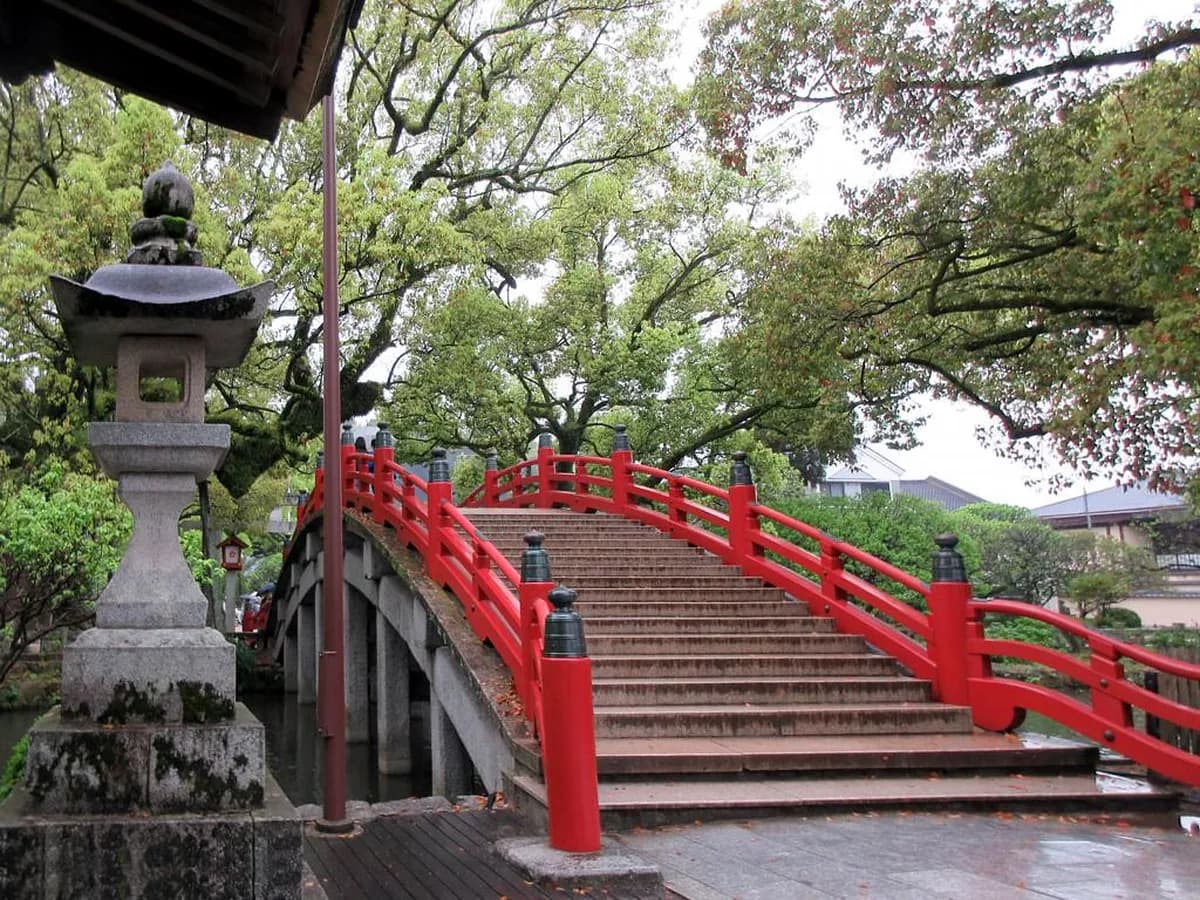
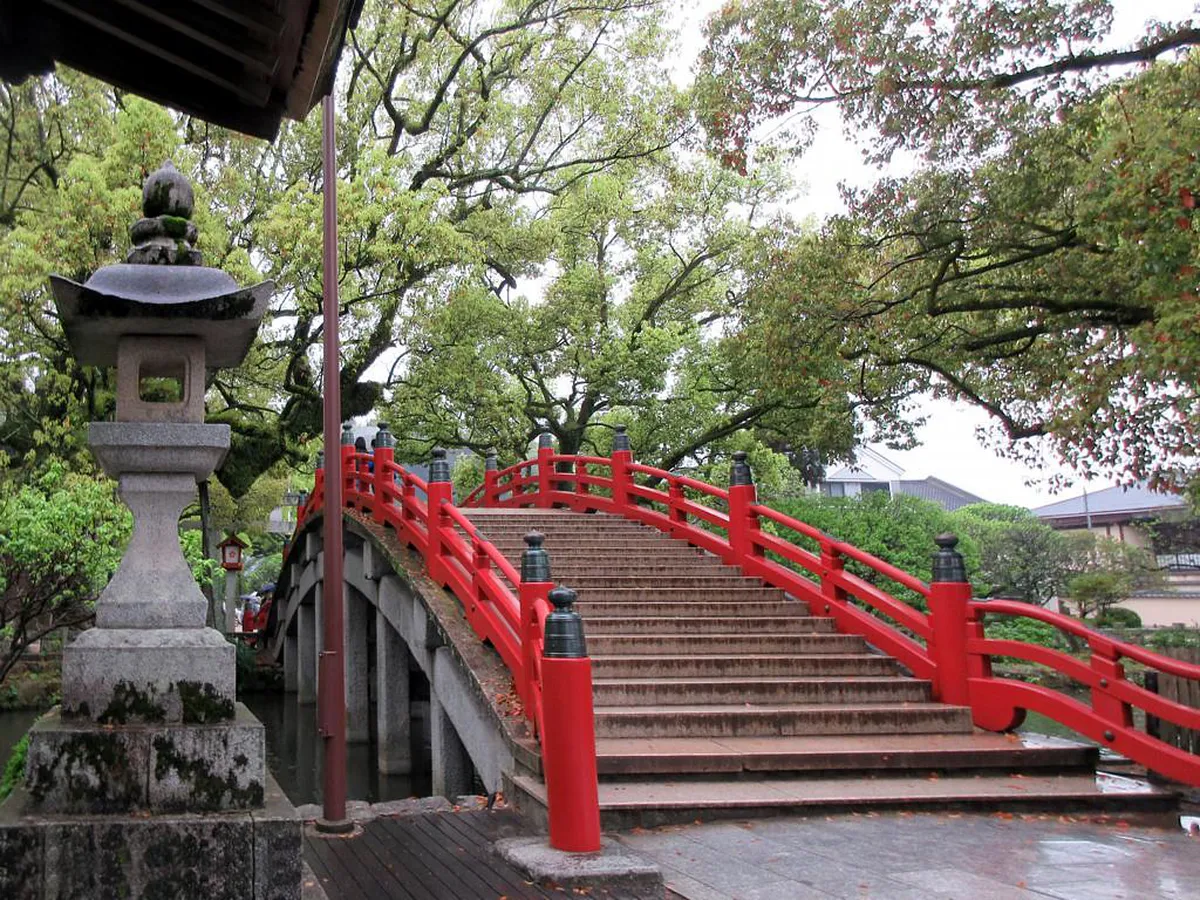
To find it, walk straight through the Omotesando shopping street from Dazaifu Station, cross the arched bridges into the main shrine precinct, and then look for signage to the museum on your right as you face the main hall. The tunnel entrance is a few metres beyond the secondary torii. Follow the escalators uphill through a corridor lit with shifting LED colours and gentle ambient music — it takes about three to four minutes to travel the full length.
The tunnel emerges directly into the museum's lower entrance lobby. This means you can visit the shrine first, transition through the tunnel, and enter the museum without retracing your steps. The route works in both directions, so you can also exit the museum and re-enter the shrine grounds on your way back to the station. It is worth noting that the tunnel closes when the museum closes, so do not rely on it for a late-evening route back through the shrine.
Architectural Highlights: The Undulating Facade
Architect Kiyonori Kikutake designed the museum to blend into the surrounding forested hills of Dazaifu. The massive roof features a distinctive wave-like shape that mimics the mountain ridges visible from the site. This undulating facade is covered in reflective blue glass panels that shift colour depending on the light and the sky.
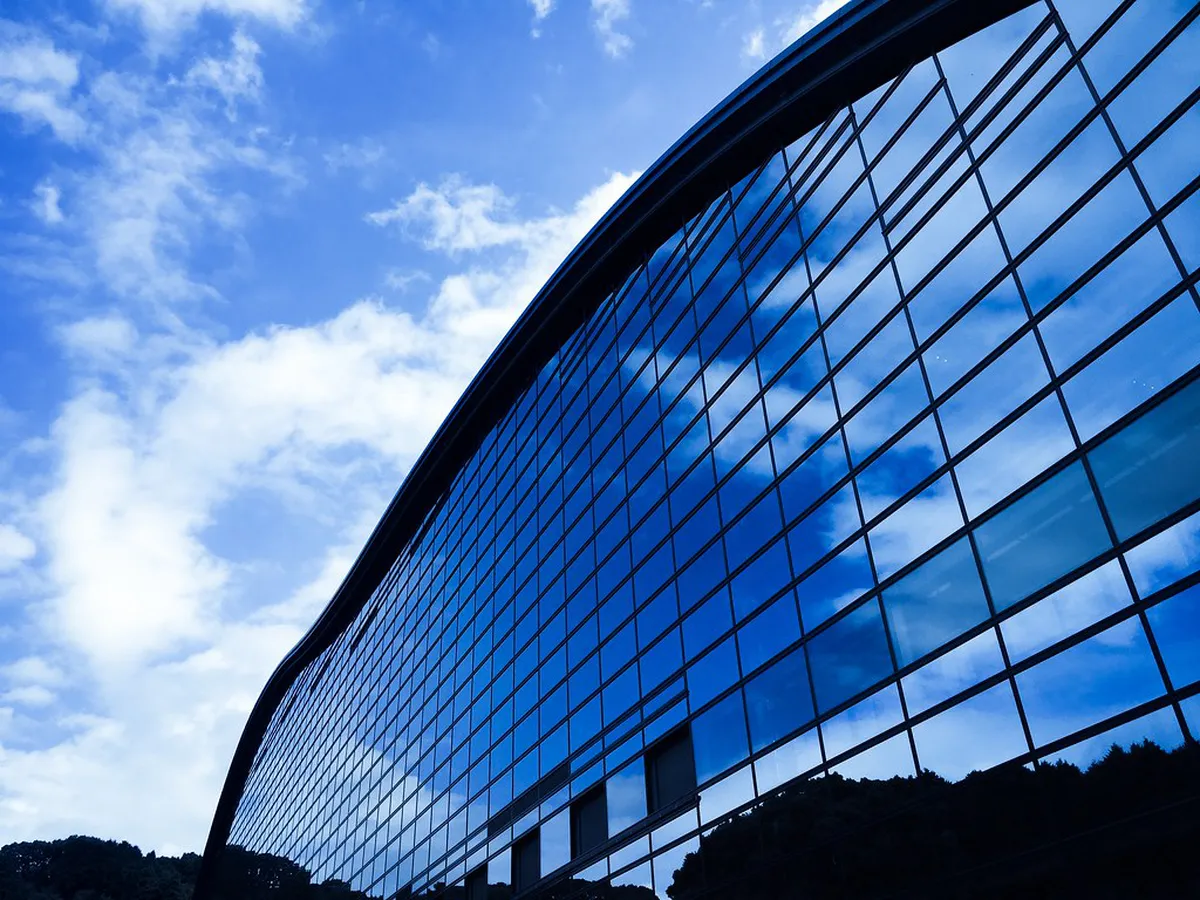
Kikutake was a leading figure in Japan's Metabolism architectural movement of the 1960s. His design for the museum is one of his final major works and focuses on the harmony between a built structure and the natural environment. You can see the surrounding trees reflected in the glass walls as you approach the main entrance along the access path.
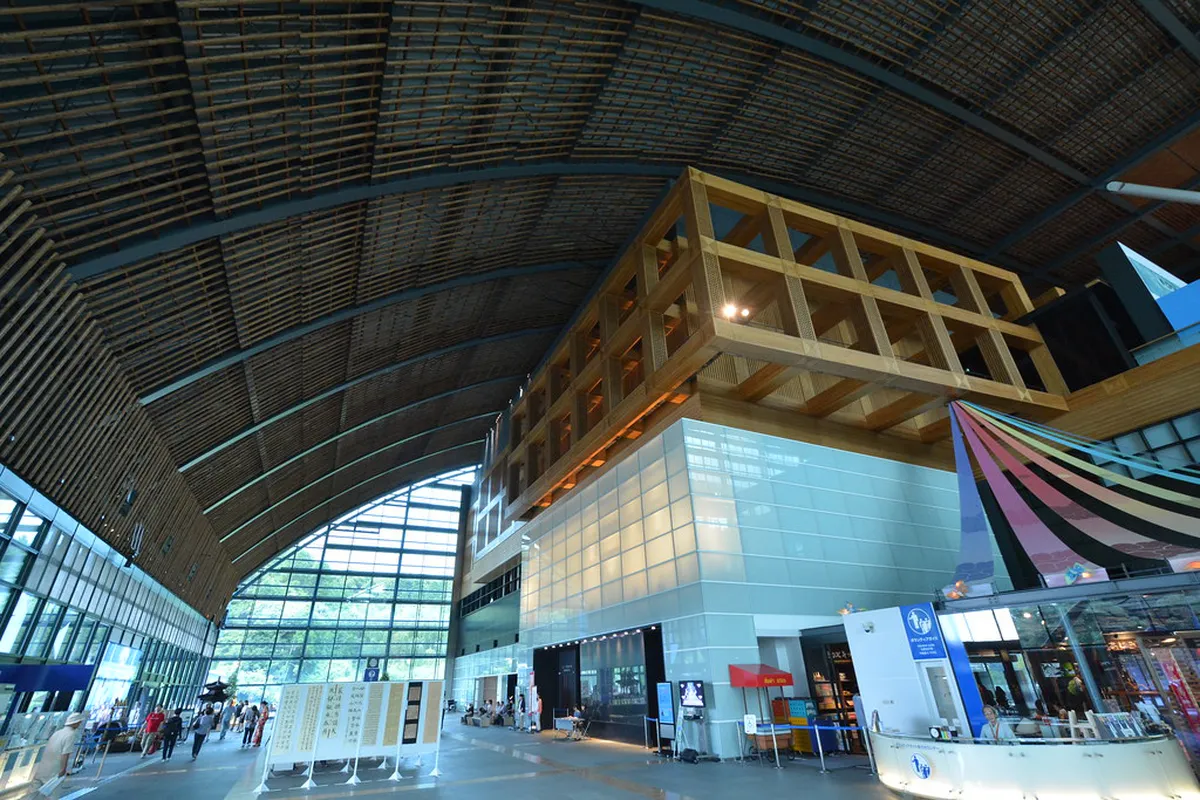
The building's entrance hall is a vast, light-filled atrium that creates a spacious and calming first impression. Natural wood accents throughout the interior contrast with the industrial steel frame. Sustainable double-layered glazing helps regulate interior temperature, protecting artifacts while reducing energy consumption.
Visitor Information: Hours, Fees, and Location
The museum is located at 4-7-2 Saifu, Dazaifu, Fukuoka. It is open Tuesday through Sunday with Monday as the standard closing day. When a national holiday falls on a Monday, the museum opens that day and closes the following Tuesday instead.
One detail that catches many visitors off guard: the museum stays open until 20:00 on Friday and Saturday evenings. On all other open days the closing time is 17:00, with last entry at 16:30. An evening visit on a Friday or Saturday gives you a calmer, less crowded experience and lets you see the illuminated glass facade after dark.
- Tuesday to Thursday and Sunday: 09:30 to 17:00 (last entry 16:30)
- Friday and Saturday: 09:30 to 20:00 (last entry 19:30)
- Closed every Monday (and the Tuesday following a Monday public holiday)
- Permanent exhibition adult admission: 700 yen
- University students: reduced rate; high school students and under: free
Facilities inside include a museum shop, a cafe, and a full-service restaurant on the lower floors. The shop offers high-quality replicas and unique Dazaifu-themed souvenirs. The entire building is fully wheelchair accessible and the museum provides rental strollers for families with young children. You should also consult the Dazaifu Tenmangu Shrine guide to coordinate your entry times for both sites.
How to Get There: Access from Fukuoka and Dazaifu Station
Most travelers arrive via the Nishitetsu Railway from Tenjin Station in central Fukuoka. The journey takes about 30 minutes if you catch a limited express train and transfer at Futsukaichi. You can read more about the Dazaifu Tenmangu Shrine transport guide to compare train options in detail.
Once you reach Dazaifu Station, the museum is about a 10-minute walk from the exit. The path leads straight through the main Omotesando shopping street, then through the shrine grounds and into the Rainbow Tunnel. The route is clearly signposted the entire way, so you are unlikely to get lost even on a first visit. Check the Fukuoka tourism site for additional transport details and attractions in the broader Dazaifu area.
Direct buses also run from Hakata Station to Dazaifu for those who prefer not to transfer trains. The Tabito bus service takes about 40 minutes depending on traffic. It is a convenient option if you are staying near the main JR Hakata hub rather than the Nishitetsu network.
The Ajippa Gallery and Super HD Theatre
The ground floor of the museum contains two features that are easy to miss if you head straight for the upper galleries. The Ajippa interactive area is a free, hands-on cultural exchange space aimed at families and younger visitors. Here you can try on traditional clothing from across Asia, handle replica artifacts, and experiment with musical instruments from Korea, China, India, and Southeast Asia. Crucially, Ajippa has bilingual Japanese-English labelling throughout — making it the most accessible part of the museum for non-Japanese speakers.
Nearby is the Super High Definition Theatre, which screens short films about Japanese art, history, and natural heritage. The screen operates at 16 times the resolution of standard HD television, which makes the visual detail genuinely striking. Screenings run approximately every 30 minutes throughout the day, and the programme rotates seasonally. The theatre is included with your general admission ticket and requires no separate booking.
Both spaces are worth building into your visit plan, especially if you have children or if you arrive early and want something lower-intensity before tackling the main galleries. The Ajippa area in particular is one of the most distinctive offerings at any national museum in Japan and draws strong praise from families in visitor reviews.
Suggested Itineraries: Combining the Museum and Dazaifu Tenmangu
A well-paced day trip starts with an early arrival at the shrine before the largest crowds appear. Walk the shrine grounds, see the main hall, and then use the Rainbow Tunnel to transition directly from the traditional precinct into the modern museum. This sequence uses the natural flow of the site rather than doubling back.
Allow two to three hours for the permanent collection on the fourth floor. If a special exhibition is running, add another 60 to 90 minutes. Many visitors follow our Dazaifu Tenmangu Shrine day trip guide to balance their time effectively across the whole area.
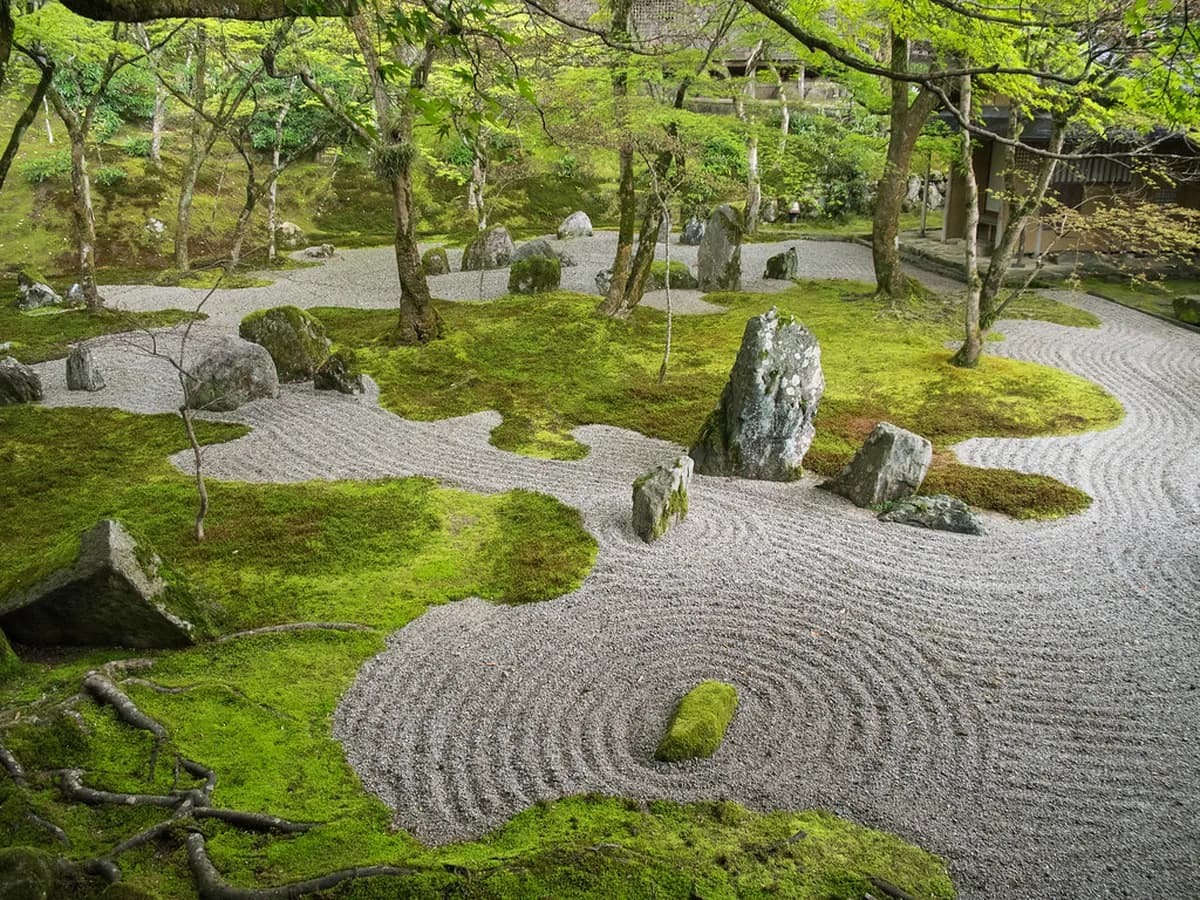
Lunch is best enjoyed along the Dazaifu Omotesando shopping street after your museum visit. You can try the local Umegae-mochi rice cakes while they are still warm from the grill. If you have extra time, the nearby Zen garden at Komyozenji Temple and the ancient Dazaifu government ruins are both a short walk away.
If your travel dates fall in late February or early March, align your visit with plum blossom season. The pink and white blossoms around the shrine and the museum's approach path create the most photogenic conditions of the year. It is also the busiest season, so arrive before 09:30 to beat the tour groups.
Frequently Asked Questions
How much time should you plan for Kyushu National Museum?
Most visitors need two to three hours to see the main Cultural Exchange Exhibition. If you also plan to see a special exhibition, allow for four hours total. You should also factor in 20 minutes for the walk from Dazaifu Station.
Is the Kyushu National Museum worth visiting for families?
Yes, the museum is very family-friendly thanks to the free Ajippa gallery on the first floor. This area allows kids to touch exhibits and learn through play. The nearby Komyozenji Temple offers a quieter break for parents nearby.
How do you get to the Kyushu National Museum from Dazaifu Station?
Walk straight out of the station and through the Omotesando shopping street. Enter the Dazaifu Tenmangu Shrine grounds and look for signs for the museum on the right. You will then take the Rainbow Tunnel moving walkway directly to the entrance.
What is the difference between the permanent and special exhibitions?
The permanent exhibition on the 4th floor focuses on Japan's history of cultural exchange with Asia. Special exhibitions on the 3rd floor are temporary shows with specific themes. Special exhibitions require a separate, more expensive ticket for entry.
The Kyushu National Museum Dazaifu is a world-class destination that offers a deep look into Japan's soul. Its unique focus on Asian exchange provides a perspective you won't find in other national museums. Whether you love architecture or ancient art, this site is a highlight of any Fukuoka itinerary.
Make sure to leave enough time to enjoy both the high-tech museum and the spiritual atmosphere of the shrine. The blend of modern design and ancient tradition makes Dazaifu a truly special place. Start planning your trip today to experience one of Japan's most significant cultural treasures.
Free: The Fukuoka Essentials guide
Top things to do, where to stay, a perfect day plan, getting around, and the best time to go — a Fukuoka mini-guide you can take offline.
You might also like

Continue reading
More guides you'll find useful