Dazaifu Shopping Street: 8 Essential Things to Do and Eat
Discover the best of Dazaifu Shopping Street with our guide to 8 essential stops, including Umegae-mochi treats, the Kengo Kuma Starbucks, and local crafts.
On this page
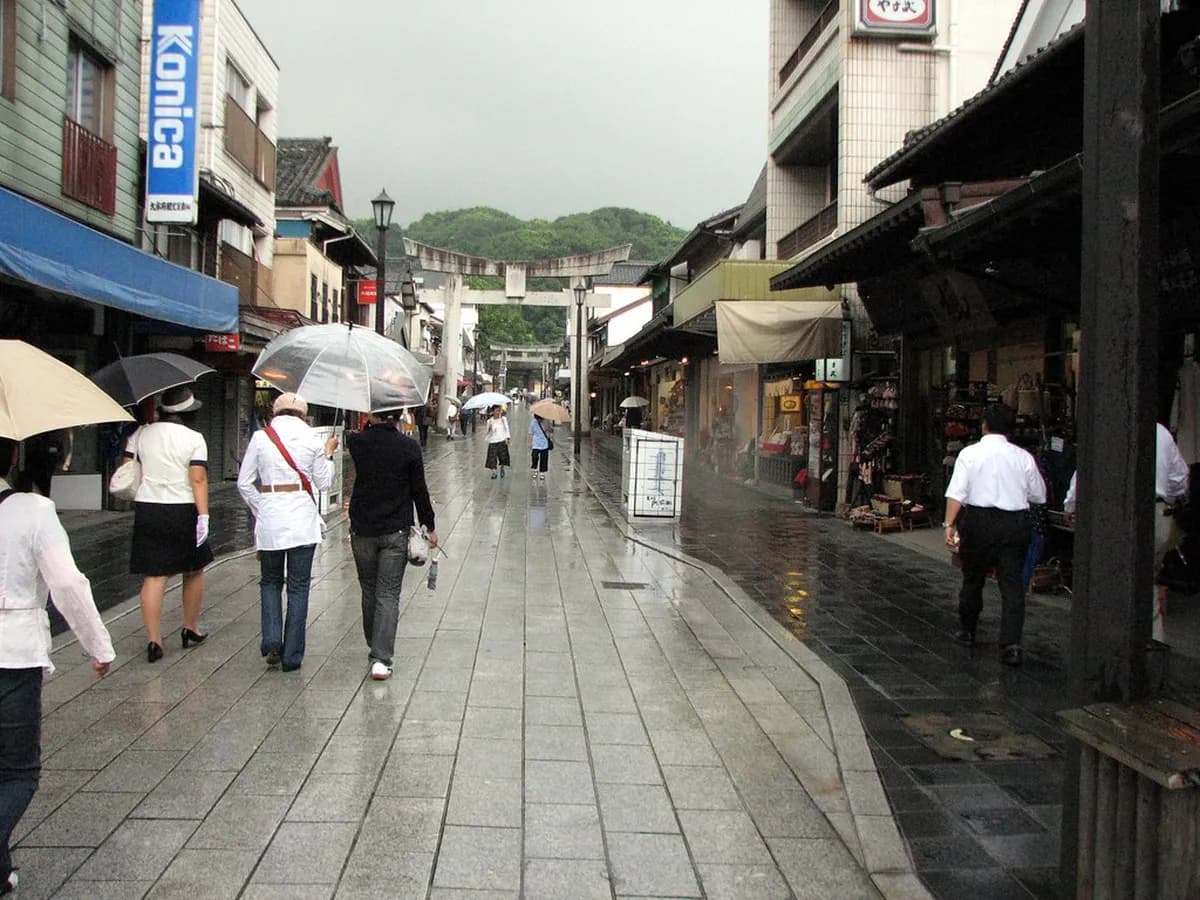
Dazaifu's Omotesando — officially called Tenjin-sama Street — is a stone-paved approach roughly 200 meters long that runs from Nishitetsu Dazaifu Station straight to the main gate of Dazaifu Tenmangu Shrine. Around 100 shops line both sides, selling everything from grilled rice cakes to hand-carved wooden birds. The street is busy every day of the week, but it rewards early arrivals with shorter queues and a quieter atmosphere before tour buses pull in.
This guide covers the eight things worth your time on the street: the landmark architecture, the must-eat snacks, the local crafts, and the practical logistics that make or break a half-day visit in 2026. You can pair your visit with a trip to Fukuoka for a full day itinerary exploring the region.
Must-See Dazaifu Attractions on the Approach
The Omotesando is punctuated by three stone torii gates that mark your gradual passage toward the sacred grounds. Each gate is taller and more ornate than the last, and passing through all three is considered a form of spiritual preparation before entering the shrine itself. Photography is easiest in the early morning when the crowd is thinner and the light is soft.
At the far end of the street, Dazaifu Tenmangu Shrine stands as the main event. Dedicated to Sugawara no Michizane — the ninth-century scholar and poet now venerated as the god of learning — the shrine draws students from across Japan to pray for exam success. Entry to the grounds is free, though certain inner treasury buildings charge a small fee. Read our Dazaifu Tenmangu Shrine guide before you go to understand shrine etiquette and what to expect inside the main hall.
One practical note: the Omotesando is a working religious approach, not just a souvenir strip. Shops typically open by 09:00 and close by 18:00. The street itself is open at all hours, but half the appeal — fresh-grilled mochi and open shop fronts — only exists during trading hours.
Shopping and Eating: The Umegae-mochi Mochi Map
Umegae-mochi is the undisputed star of the street. These small grilled rice cakes are filled with sweet red bean paste and stamped with the plum blossom pattern that symbolises Dazaifu Tenmangu. Every stall on the street sells them for the same fixed price — 150 yen each — but the experience differs noticeably between shops. Stalls that grill on open iron plates serve a crispier, lightly charred exterior, while shops using covered presses produce a softer, chewier result. Neither is wrong; it comes down to personal preference. Mochi is a traditional Japanese rice cake with deep cultural roots across the country.
The origin of umegae-mochi traces back to Sugawara Michizane's exile in Dazaifu. According to tradition, an elderly woman from the neighbourhood offered him a rice cake decorated with a plum twig to lift his spirits. The stamp on today's cakes honours that story. Most stalls also sell small bags to take home as gifts, though the cakes are best eaten fresh and warm off the grill. For more details about this Dazaifu specialty and its place in Japanese food culture, the Japan National Tourism Organization provides visitor guides to regional culinary traditions.
Beyond mochi, the street stocks pickled plum products, plum wine, lacquerware, and cotton accessories in plum-blossom prints. A short walk from the main approach, the official Dazaifu tourism portal lists seasonal specialty sellers if you want to prepare a shopping list before arrival.
Umegae-mochi is sold at a fixed price of 150 yen at every stall. Shops closer to the shrine gate have the longest queues; stalls near the station end of the street offer the same rice cakes with a shorter wait.
The Kengo Kuma Starbucks and Other Mid-Street Landmarks
Roughly halfway along the Omotesando stands the most-photographed building on the street: a Starbucks designed by architect Kengo Kuma. The structure uses over 2,000 diagonal cedar wood beams interlocked in a traditional lattice pattern — not a single metal nail holds them together. The result is a building that looks simultaneously ancient and contemporary, blending with the shrine town's aesthetic in a way that mass-market architecture rarely achieves.
The Starbucks is fully operational and serves the standard menu. Expect a queue of 10 to 20 minutes on weekend mornings. Ordering a coffee and sitting near the entrance gives you an unobstructed view of the beams from the inside. It is worth pausing here even if you do not drink coffee — the exterior alone is worth the stop.
Other landmarks along the approach include a handful of small wagashi (Japanese confectionery) workshops where you can watch artisans shape seasonal sweets by hand. Several shops also stock daruma dolls and omamori (protective amulets) not available inside the shrine itself.
Dazaifu Specialties: Kiuso Carvings and Kenjo Salt
The Kiuso is a small hand-carved wooden bullfinch that ranks as Dazaifu's most spiritually significant souvenir. According to local belief, the bullfinch is a messenger of the gods and has the power to absorb your bad luck and replace it with good fortune. The birds are carved from soft wood, painted in simple earth tones, and typically cost around 1,500 yen at craft shops along the street.
What most visitors do not know is that the Kiuso has its own annual ceremony. Every January 7th, the shrine holds the Usokae ritual — a bird-swapping festival where participants exchange their Kiuso carvings with strangers. The idea is that by swapping, the bad luck absorbed by your old bird is dispersed. One lucky participant each year receives a gold bullfinch, believed to bring exceptional fortune. If you visit in early January, you will see the street buzzing with this exchange in the early morning hours.
Dazaifu Kenjo salt is the other local specialty worth knowing. This sea salt has been used in shrine purification ceremonies for centuries. As of the latest information from dazaifu.org, it is not always available for retail purchase, so check with individual shops on the day. When it is in stock, it makes an unusual and genuinely meaningful gift for cooking-minded friends.
Museums, Art, and Culture in Dazaifu
The Kyushu National Museum sits a five-minute walk from the shrine via a covered escalator tunnel through the hillside. Its sweeping blue glass facade reflects the surrounding cedar forest and makes it one of the most architecturally striking national museums in Japan. The permanent collection focuses on the cultural exchange between Japan and the rest of Asia — appropriate given Dazaifu's historical role as the political and diplomatic hub of western Japan during the seventh and eighth centuries. For visitor information and current exhibitions, Yokanavi's Fukuoka tourism portal maintains up-to-date listings of major attractions throughout the region.

Admission to the permanent galleries costs 700 yen for adults. Special exhibitions carry a separate fee, usually 1,200 to 1,500 yen. Rainy days are the best time to prioritise the museum, as the shrine grounds lose some of their visual appeal in heavy rain while the museum experience is unaffected. Allow 90 minutes for the permanent collection alone.
The Shrine Treasury House on the grounds holds artefacts tied directly to Sugawara Michizane, including calligraphy, ceremonial robes, and documents from his time as a court official. Admission is 500 yen and the building is small enough to visit in 20 minutes.
Parks, Gardens, and the Plum Blossom Season
The shrine grounds contain approximately 6,000 plum trees of around 200 different varieties. Bloom season typically runs from late January through mid-March, peaking in mid-February. During peak bloom, the entire area carries a faint sweet scent and the trees surrounding the main hall create a spectacular backdrop for photographs. Autumn brings a second visual reward: the maples along the inner paths turn deep red and orange from late November through early December.
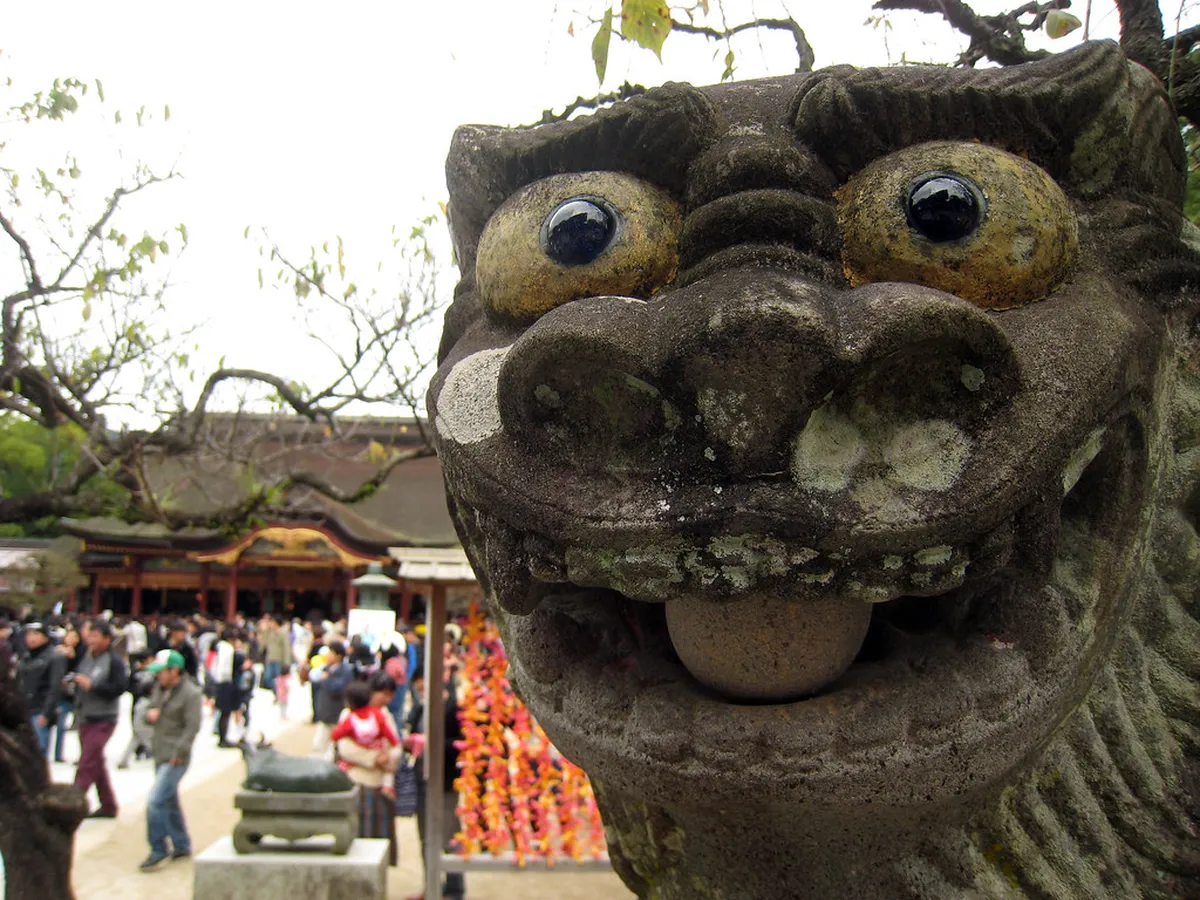
The Tobiume plum tree near the main hall carries the shrine's most famous legend. It is said that when Sugawara Michizane was exiled to Dazaifu, this particular tree uprooted itself in Kyoto and flew overnight to be near its master. The tree still blooms each spring, and a small barrier keeps visitors from getting too close. It is one of the few sacred trees in Japan with a documented origin myth this specific.
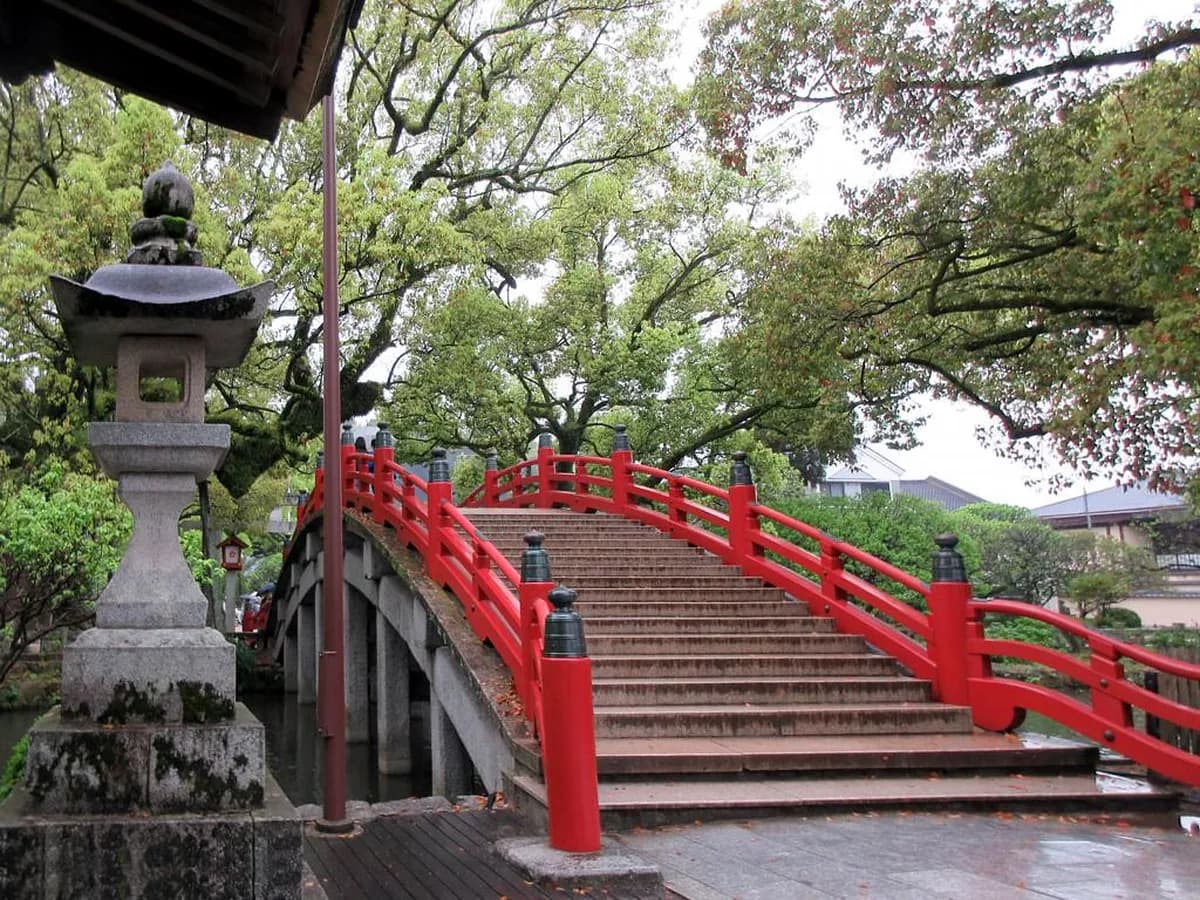
The Taiko-bashi arched bridges cross the Shin-en Pond on the approach to the main hall. The three bridges represent the past, present, and future. Crossing all three in order is considered auspicious. The central drum bridge is quite steep — worth noting if you are travelling with elderly visitors or pushchairs.
Family-Friendly and Budget-Friendly Options
Families with young children should factor in the Dazaifu Amusement Park, located directly behind the shrine grounds. The park is small and retro in style, with gentle rides suited to children under ten. Entry and individual rides are inexpensive, making it a useful buffer if younger visitors lose interest in the shrine before the adults are ready to leave.
For budget visitors, the street itself is one of the more affordable food experiences in Fukuoka Prefecture. A filling snack run — two or three umegae-mochi, a cup of plum wine or green tea — costs under 600 yen. The shrine grounds, the plum garden, and the Omotesando itself are all free to enter. The only paid essentials are the Kyushu National Museum (700 yen) and the train fare from Fukuoka.
For souvenir shopping without overspending, the craft shops at the station end of the street tend to be slightly cheaper than the shops nearest the shrine gate, where foot traffic is highest and prices drift upward accordingly.
How to Get There and Plan Your Day
Dazaifu is straightforward to reach from Fukuoka. Take the Nishitetsu Omuta Line from Tenjin Station to Futsukaichi Station, then transfer to the Nishitetsu Dazaifu Line for a two-stop ride to Nishitetsu Dazaifu Station. The full journey takes about 40 minutes and costs 410 yen each way. Trains run frequently throughout the day, roughly every 15 to 20 minutes during off-peak hours. See our full logistics breakdown in the Dazaifu Tenmangu day-trip guide from Fukuoka.
Two sightseeing tickets are worth knowing about. The Dazaifu-Yanagawa Sightseeing Ticket (around 1,960 yen from Tenjin) bundles the round-trip Nishitetsu train fare with coupons for local attractions and discounts at select shops on the Omotesando — particularly useful if you plan to buy Kiuso carvings or visit the museum. If you want to combine Dazaifu with the boat cruise in Yanagawa on the same day, this ticket saves both time and money versus buying each component separately.
Timing matters. Weekday mornings before 10:00 are the calmest window. The street becomes congested between 11:00 and 14:00 on weekends, especially during plum blossom season in February and March. A half-day plan of street, shrine, and mochi-tasting takes about two hours. Add the Kyushu National Museum and you need a full morning: arrive by 09:30 and plan to leave by 13:30 before peak crowds hit the Omotesando on your way back to the station.
The Omotesando becomes very congested between 11:00 and 14:00 on weekends during plum blossom season (February–March). Tour buses typically arrive mid-morning. Arrive before 09:30 on weekdays for the most comfortable browsing experience.
The comparison below helps decide when to go based on what matters most to you:
- February–March (plum blossom peak): most photogenic, busiest crowds, slight premium at some souvenir stalls — arrive before 09:30 on weekdays for the best experience.
- Late November–early December (autumn colour): maples at their peak inside the shrine grounds, far fewer visitors than spring, all shops and the museum operating normally.
- July–August: heat and humidity are intense by midday; the shrine grounds offer shade but the Omotesando itself is exposed — budget extra time for hydration stops.
- Weekday mornings year-round: the baseline option for anyone who dislikes crowds — shorter mochi queues, easier photography, quieter craft browsing.
Frequently Asked Questions
Which Dazaifu shopping street options fit first-time visitors?
First-time visitors should focus on trying Umegae-mochi and visiting the Kengo Kuma Starbucks. These are the most iconic experiences that define the street's unique character. You can also explore the Komyozenji Temple moss garden nearby for a quiet break from the crowds.
How much time should you plan for Dazaifu shopping street?
Plan for at least 90 minutes to fully enjoy the shopping street and its food. This allows enough time to browse the craft shops and wait in line for fresh rice cakes. If you include the shrine and museum, a full four-hour visit is much better.
What should travelers avoid when planning Dazaifu shopping street?
Avoid visiting during the middle of the day on weekends if you dislike large crowds. The narrow street can become very congested with tour groups between 11:00 AM and 2:00 PM. Instead, aim for an early morning arrival to enjoy a more peaceful atmosphere.
Dazaifu shopping street is far more than just a path to a famous shrine.
It is a destination where history, modern design, and local flavours come together seamlessly.
Whether you are hunting for lucky charms or the perfect rice cake, this street offers something special for every visitor.
Make sure to include this vibrant Omotesando on your next trip to Fukuoka for an unforgettable experience.
Free: The Fukuoka Essentials guide
Top things to do, where to stay, a perfect day plan, getting around, and the best time to go — a Fukuoka mini-guide you can take offline.
You might also like
Continue reading
More guides you'll find useful