Komyozenji Temple Dazaifu: Moss Garden & Visiting Tips
Komyozenji's moss and rock garden is a quiet 5-minute walk from Dazaifu Tenmangu's crowds. See Shigemori's design, autumn colour timing and visiting tips.
On this page
Komyozenji Temple Dazaifu stands as a tranquil sanctuary tucked away from the busy tourist paths of Fukuoka Prefecture. This historic site is famous for its breathtaking rock and moss gardens that offer a deep sense of peace. While many travelers flock to the nearby main shrine, this temple provides a quiet space for reflection and meditation. Understanding the unique design and seasonal beauty of this Zen temple will help you plan the perfect visit.
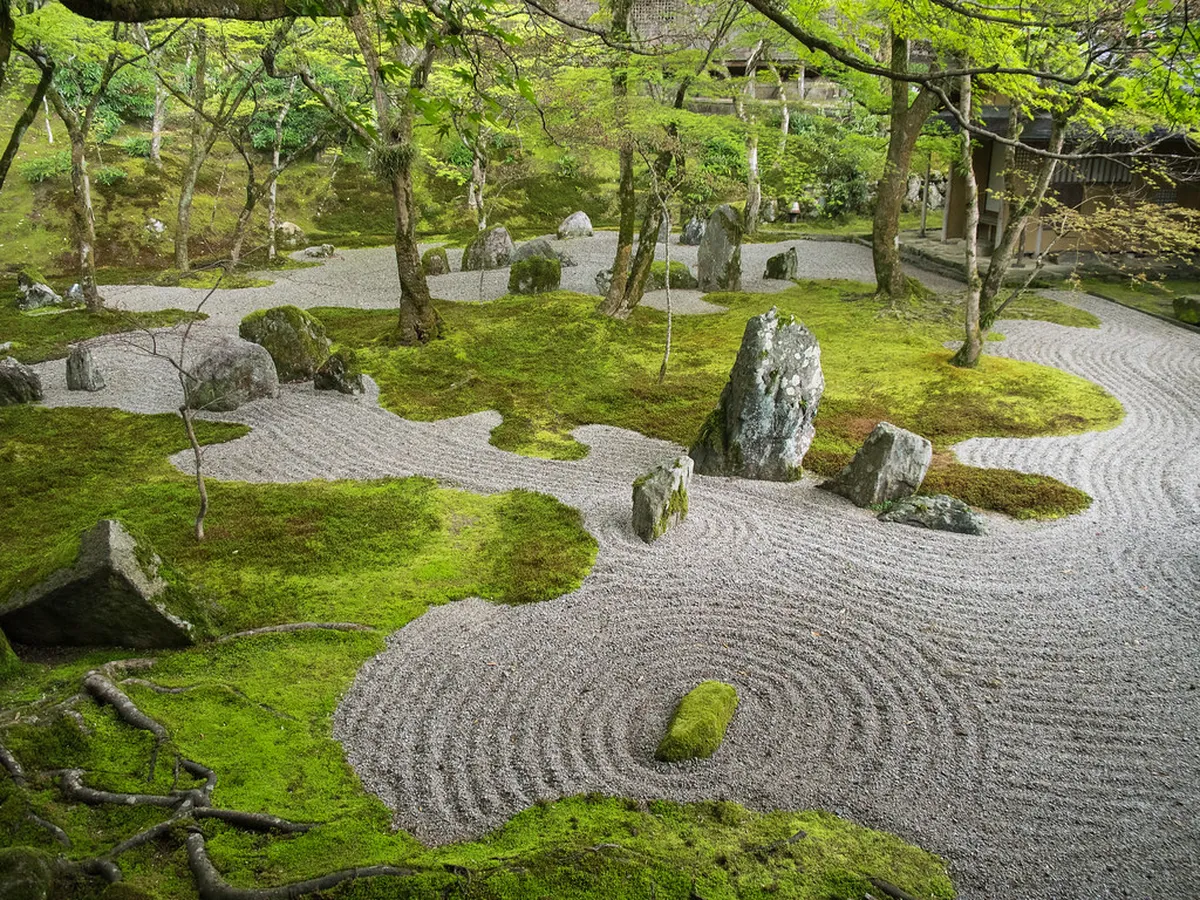
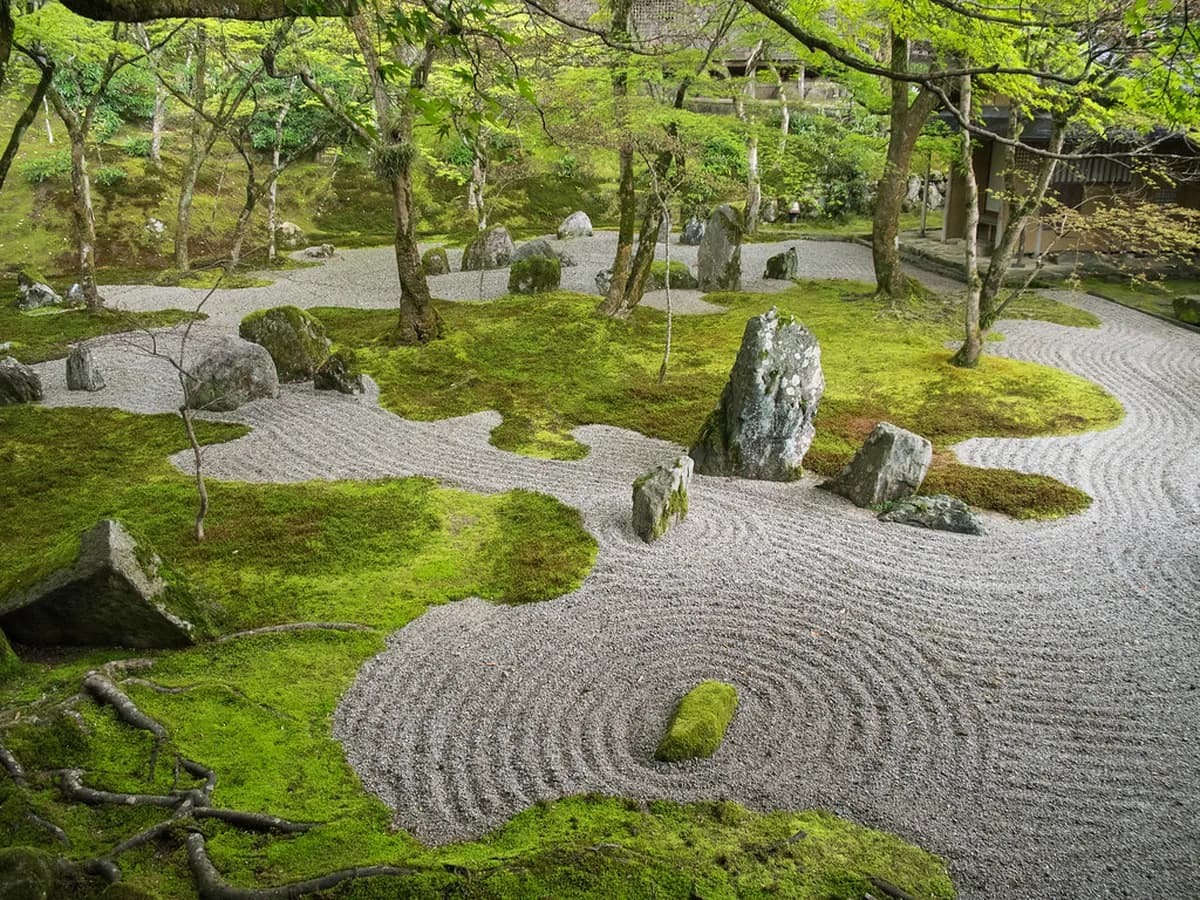
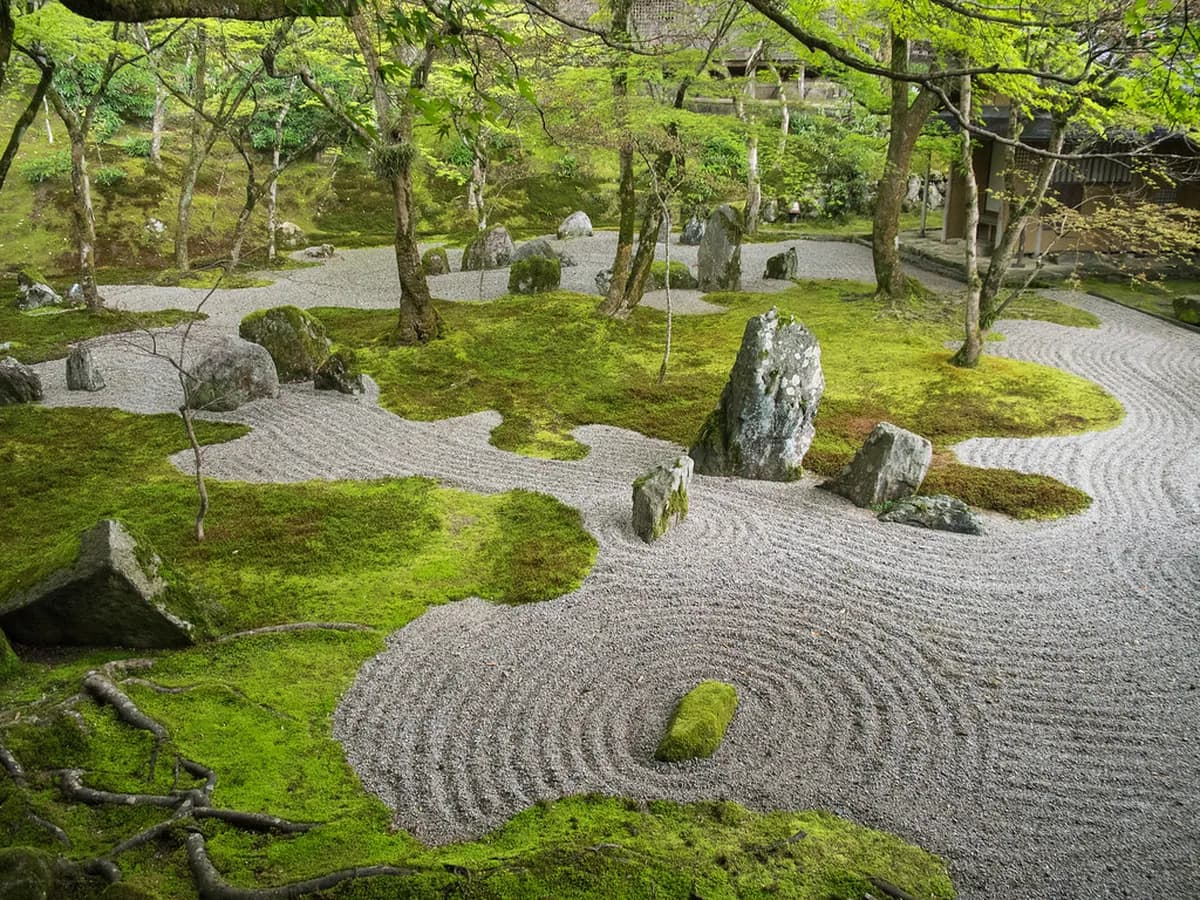
The temple is often called the Moss Temple because of the vibrant green carpet covering its rear courtyard. Artists and photographers visit from across the globe to capture the striking contrast between stone, moss, and maple trees. Exploring these grounds allows you to witness the mastery of Japanese landscape architecture in a compact setting. You will find that this destination is one of the most rewarding what to see in Dazaifu beyond the shrine. For those comparing Zen gardens across Kyushu, Fukuoka also hosts several notable temples worth visiting on a regional tour.
What is Komyozenji Temple?
Komyozenji Temple was founded during the Kamakura period, with founding dates traditionally cited as 1273 and 1326, by the monk Tetsugyu Enshin. It serves as a prominent temple of the Rinzai school and belongs specifically to the Tofuku-ji branch of Zen Buddhism. The temple grounds have served as a center for Zen practice and spiritual study for over seven centuries. Its long history is reflected in the weathered wood and traditional architecture of the main hall.
The temple is officially known as Shingo-zan Komyoji and holds deep cultural value within the Dazaifu region. In 2014, the gardens were designated a Fukuoka Prefectural Scenic Site under the formal name "Komyo-ji Garden," recognizing their artistic and historical importance. This status helps ensure that the delicate environment remains protected for future generations of travelers to appreciate. You can feel the weight of history as you walk through the entrance gate and leave the modern world behind.
Unlike larger temple complexes in Kyoto, this site offers a more intimate and personal experience for every visitor. The layout encourages a slow pace that matches the meditative goals of the Rinzai Zen tradition. Many people find the atmosphere here significantly more contemplative than the lively crowds of Dazaifu Tenmangu Shrine, just a short walk away. It remains a vital part of the city's spiritual landscape and a testament to enduring Buddhist traditions.
The Zen Gardens of Mirei Shigemori
The gardens at Komyozenji Temple Dazaifu were redesigned in 1957 by the celebrated landscape architect Mirei Shigemori (1896–1975), one of the defining figures of Showa-era garden design. Shigemori is famous for his Modern Zen style, which merges traditional stone arrangements with bold geometric compositions that feel contemporary even today. His career spanned more than 240 garden commissions across Japan, but his work at Komyozenji is considered among his most restrained and powerful. To understand the philosophical underpinnings of this style, explore traditional Japanese rock garden design principles on Wikipedia. The gardens are divided into two distinct sections positioned on either side of the main hall.
The front garden is named Bukko-no-niwa and features a striking arrangement of fifteen large stones set across a bed of raked white gravel. The specific placement of those fifteen rocks traces the outline of the Japanese kanji character for "light" (光), symbolizing the light of the Buddha shining across the world. This was a deliberate conceptual choice by Shigemori — the pattern is not immediately obvious from a single viewpoint, which rewards patient observation. The simplicity of white sand against dark stone creates a powerful focus for mindfulness that few other gardens in Kyushu achieve.
The rear garden, known as Ittekikaitei, presents a lush contrast with its extensive use of green moss and maple trees. Rather than raked sand, Shigemori used rolling waves of moss to represent the vastness of the ocean, with small stone islands emerging to symbolize stages of life and spiritual growth. Viewing this garden from the wooden veranda is considered one of the most peaceful experiences in all of Kyushu. For official travel planning resources specific to the Fukuoka region, Fukuoka City tourism provides detailed guides to temples and local culture. The two gardens together — one austere and geometric, the other soft and organic — show the full range of Shigemori's design philosophy within a single compact space.
Best Time to Visit for Autumn Foliage
While the temple is beautiful year-round, the autumn season brings a spectacular transformation to the rear garden. The vibrant red and orange maple leaves create a stunning canopy over the deep green moss below, a combination that many photographers rank among the best seasonal views in Fukuoka. The peak viewing time typically runs from mid-to-late November, though the exact timing shifts by a week or so depending on the year. In 2026, conditions in central Fukuoka Prefecture have been tracking consistent with recent averages, so mid-November through around 25 November is the safest window to target.
Early morning visits are strongly recommended to catch the soft light filtering through the maple branches. The low sun enhances the textures of the moss and highlights the intricate patterns of raked gravel in the front garden. Photographers should arrive before 09:00 when the light is at its best and the space is quiet. Check the Dazaifu seasonal guide to see how this timing fits with other local blooms and festivals.
If you visit outside autumn, the experience changes rather than disappears. Late spring brings lush, saturated green moss that looks almost electric after rain. Winter visits offer a starker beauty, where bare maple branches and gray stones lean into the Zen concept of emptiness. Each season provides a distinct perspective on Shigemori's timeless design, which is one reason repeat visitors keep returning.
Peak autumn foliage at Komyozenji typically runs from mid-to-late November, when maple leaves turn red above the moss rear garden. Arrive before 09:00 for the best morning light and a quiet atmosphere before other visitors arrive.
Current Admission Status and Visiting Rules
This is the most critical piece of practical information for 2026: Komyozenji Temple is currently not accepting visitors for interior viewing. Both the Dazaifu Cultural Heritage guides and the local tourism association confirm that interior access is not available at present. The monks have prioritized preservation of the delicate moss and stone arrangements over public admission. This situation has persisted for some years and there is no confirmed date for reopening, so plan your visit around exterior appreciation rather than interior entry.
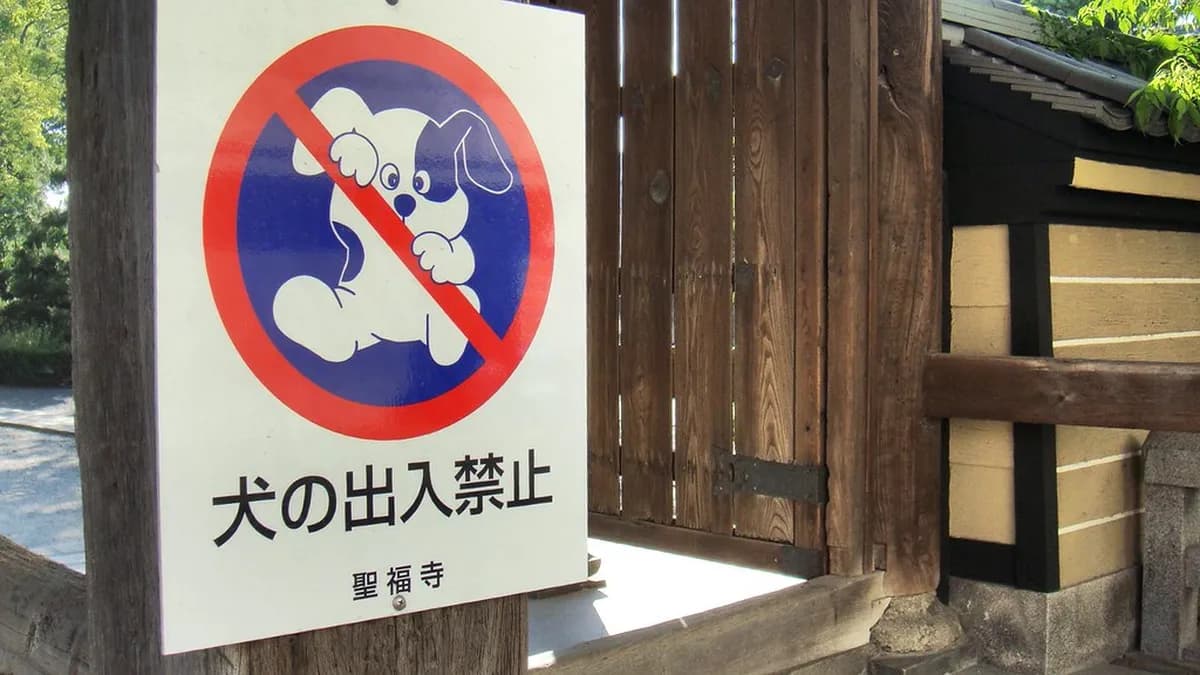
What you can do is view the front garden, Bukko-no-niwa, through the main gate. The gate opening gives a direct sightline to the raked gravel and stone kanji arrangement, and many visitors find this glimpse compelling enough on its own. Peer through the gate rather than attempting to push it open, and do not step onto the gravel. Always verify the latest status on Japan-Guide.com before finalizing your itinerary, as openings for special autumn viewing periods do occasionally occur.
As of 2026, Komyozenji Temple is not currently accepting interior visitors. The monks have closed interior access to protect the fragile moss gardens. Viewing is limited to the front garden through the main gate. No confirmed reopening date exists.
When interior access is open for limited periods, a small admission fee is collected at the entrance to fund ongoing maintenance. Remove your shoes at the provided racks before entering. Silence is expected throughout the temple halls. For more information about Buddhist temple etiquette and traditions, Japan National Tourism Organization offers comprehensive cultural guides. Do not touch the moss, do not walk on the raked sand, and observe any posted photography restrictions — these elements are extremely fragile and nearly impossible to repair once disturbed.
Etiquette and What First-Timers Often Get Wrong
One common mistake is arriving expecting to collect a goshuin (temple stamp) in a stamp book. Komyozenji does not issue goshuin even when it is open. Visitors who budget extra time for this ritual will be disappointed and should visit Dazaifu Tenmangu or Kanzeonji Temple instead for their stamp. It is a small detail that travel aggregators rarely mention but that frequently catches collectors off guard.
Even when the interior is closed, the area around the gate and earthen walls has its own quiet atmosphere worth respecting. Keep your voice low, avoid lingering directly in front of the gate for extended periods, and do not block the narrow lane for other pedestrians. The residential streets surrounding the temple are private, so stay on the public path. Dazaifu as a whole draws large visitor numbers, so being considerate of sight lines and foot traffic matters especially during the autumn peak.
Photography through the gate is generally accepted but use your judgment. If temple staff or monks are visible, defer to any signals from them rather than assuming access. Tripods and extended poles set up in the lane can obstruct other visitors and are best avoided. The reward for restraint here is a contemplative experience that stands in genuine contrast to the noise of the shrine approach — which is, ultimately, what makes this temple worth visiting.
How to Get to Komyozenji from Dazaifu Tenmangu
Getting to the temple is very easy because it is located just a few minutes away from the main shrine. The Dazaifu Tourism Association lists the temple at approximately a 5-minute walk from Nishitetsu Dazaifu Station. From the main gate of Dazaifu Tenmangu, walk south toward the residential streets — you will reach the temple's earthen walls within a few minutes. You will notice the crowds thin out significantly as you leave the shrine approach and enter the quieter lanes. This makes it a natural addition to any Dazaifu Tenmangu Shrine guide itinerary.
If you are combining the temple with the Kyushu National Museum, the walking route from the museum tunnels south past the shrine and continues to the temple in roughly 15 minutes total. Plan for at least 30 to 45 minutes at the temple itself to appreciate the gardens without feeling rushed. Even if the interior is closed, the surrounding earthen walls and quiet lanes deserve unhurried attention. You can find full transport logistics in our Dazaifu day trip planning guide.
Nearby Attractions in Dazaifu
Dazaifu offers several cultural landmarks within easy walking distance of Komyozenji. The most famous neighbor is Dazaifu Tenmangu Shrine, which honors the deity of learning and draws millions of students and families each year. The Kyushu National Museum is accessible via a covered escalator tunnel near the shrine and houses artifacts documenting Japan's historical relationship with the rest of Asia — it is one of only four national museums in the country.
For those interested in deeper history, Kanzeonji Temple and the Tofuro Ruins sit slightly further out and offer a glimpse into the ancient government center that once administered all of Kyushu. Tenkai Inari Shrine is a lesser-known stop on the standard walking course that rewards curious visitors with a forested hillside approach. The monzen-machi shopping street leading to the shrine is the right place to try Umegae Mochi, the local rice cake filled with sweet bean paste that has been made in Dazaifu for centuries. Together, the shrine, the temple, the museum, and the shopping street form a natural walking loop that fills a comfortable half-day from Fukuoka.
Frequently Asked Questions
Is Komyozenji Temple currently open to the public?
Opening status varies due to ongoing preservation efforts for the moss gardens. It is frequently closed to interior visitors, but the front garden can often be viewed from the gate. Check local tourism boards for the most up-to-date schedule before your visit.
What is the best time to see autumn leaves at Komyozenji?
The peak time for autumn foliage is typically from mid-to-late November. During this window, the maple trees turn vibrant shades of red and orange, creating a stunning contrast with the green moss. Visit early in the morning for the best light and fewer crowds.
How do I get to Komyozenji Temple from Dazaifu Station?
The temple is a short ten-minute walk from Dazaifu Station. Walk toward Dazaifu Tenmangu Shrine and turn right into the residential area just before the shrine entrance. Follow the signs for Komyozenji to find this quiet Zen retreat.
Why is Komyozenji Temple famous?
It is famous for its two Zen gardens designed by Mirei Shigemori, especially the 'Moss Temple' rear garden. The front garden is unique for its fifteen stones arranged to form the kanji character for 'light.' It is a top destination for Zen landscape enthusiasts.
Komyozenji Temple Dazaifu remains a hidden treasure that offers a profound look into Japanese garden design and Zen philosophy. Whether you are admiring the stone kanji in the front or the lush moss in the rear, the artistry is undeniable. While interior access may be limited in 2026, even a glimpse of these grounds provides a lasting sense of serenity. Make sure to include this peaceful stop on your next journey through the historic streets of Dazaifu.
Free: The Fukuoka Essentials guide
Top things to do, where to stay, a perfect day plan, getting around, and the best time to go — a Fukuoka mini-guide you can take offline.
You might also like

Continue reading
More guides you'll find useful