Shofukuji Temple stands as a quiet sanctuary in the middle of busy Hakata. This ancient site holds the title of the first Zen temple ever built in Japan, founded in 1195 by the monk Eisai. Visitors can explore the grounds to see how Zen Buddhism began in the country. Walking through the gates feels like stepping back into a much older version of Fukuoka.
The temple offers a unique look at Japanese history and religious architecture. It remains an active place of study for monks today, which shapes what visitors can and cannot access. Planning a trip here requires understanding a few local rules and historical facts. This guide provides everything you need for a respectful and rewarding visit in 2026.
Shofukuji Temple Opening Hours and Exceptions
Shofukuji publishes no opening hours. The temple says its buildings are generally not open for viewing, and visitors walking the grounds, a National Historic Site and working Zen training temple, are asked to keep quiet.
| Place | Regular hours | Exception dates | Hours on those dates | Why |
|---|---|---|---|---|
| Temple grounds | No hours published; walk quietly | None listed | — | National Historic Site and active training temple |
| Temple buildings (halls) | Generally not open for viewing | Special events below | Only as part of the event | The temple does not offer regular viewing |
| Group visits, grave visits by groups, sketching, commercial photography | By permission only; apply one month in advance | — | — | Applications made less than a month ahead are not accepted |
| Sutra copying (shakyo) week | — | October 1–7, 2026 ("Seven Days with Sengai-san") | Reception 9:00–15:30, finishes by 17:00; ¥1,500–¥2,000 | Memorial week for the monk Sengai; walk-ins accepted |
| Tea gathering in the Hojo | — | October 3–4, 2026 | Seatings at 10:00, 11:00, 12:00 (October 3 only) and 13:00; ¥5,000; advance booking only | Sengai's paintings can be viewed in the large study hall during the tea gathering |
| Tea whisk memorial (Nichigetsu-tei garden) | — | October 4, 2026 | 12:00, held in rain too | Part of the Sengai week |
| Zazen sessions | — | October 11 and 25, November 8 and 22, 2026 | 6:00 | Scheduled meditation mornings |
A goshuin stamp is ¥500 or more, and no change is given. Verified against Shofukuji's viewing and permissions page, its event schedule (September–November 2026), its Sengai week notice and Crossroad Fukuoka.
The History of Shofukuji: Japan's First Zen Temple
The story of Shofukuji begins in the late 12th century with a monk named Eisai. He traveled to China to study Rinzai Zen Buddhism and returned with new teachings that would reshape Japanese spiritual life. Eisai founded this temple in 1195 with the help of powerful local leaders, making it the oldest Zen temple in the country — a title that still draws visitors from across Japan and the world.
The first Shogun of the Kamakura period, Minamoto no Yoritomo, gave his full support to the project. This political backing allowed the temple to grow quickly in size and influence. It served as a major center for religious thought for many centuries. Today, the Japanese government recognizes it as a National Historic Site.
Many visitors find the historical depth of the site quite moving. The temple has survived fires and wars over the last 800 years. Each reconstruction has stayed true to the original Zen layout and spirit. Learning about these roots makes your walk through the grounds more meaningful.
Must-See Architectural Highlights: Sanmon Gate, Butsuden, and the Ceiling Dragon
The Sanmon Gate is the first major structure you will see upon entering. This massive wooden gate was rebuilt in 1911 but follows ancient design rules. It represents the boundary between the ordinary world and the sacred temple grounds. Take a moment to admire the heavy timber beams and intricate roof tiles before moving further in.
The Butsuden Hall sits directly behind the gate in a straight line. This building houses a statue of the historical Buddha and other sacred figures. Look up when you approach the hall: the ceiling carries a large ink painting of a dragon, a classic feature of Rinzai Zen architecture meant to protect the Buddha from above. You can admire this from the exterior since the inner hall remains closed to visitors.
Notice the stone paths that connect the different buildings on the property. These paths are designed to encourage mindful walking and quiet reflection. The surrounding trees provide a natural frame for the dark wooden structures. Photographers often find the contrast between the ancient wood and dense greenery very striking.
The Hakata-bei Walls: A Detail Most Visitors Miss
Running along the perimeter of the temple grounds are sections of Hakata-bei — distinctive mud walls built using layers of broken roof tiles and stones pressed into clay. This building technique was perfected by Hakata craftsmen over centuries and is now extremely rare. Shofukuji is one of the few places in Fukuoka where original sections of Hakata-bei are still intact and visible to the public.
The walls have a rich, layered texture that reflects the salvaged materials used in their construction. Builders pressed discarded tiles flat into the mud in horizontal bands, creating a surface that is both waterproof and visually striking. Walking slowly along the outer boundary of the grounds and looking closely at the wall surface reveals this craftsmanship far better than any photo.
No competitor guide mentions this detail, yet it is one of the most tangible connections to old Hakata construction culture that you can see for free in 2026. If you are visiting with a keen interest in traditional Japanese architecture, budget an extra 10 minutes specifically to study the walls before entering through the main gate.
The Birthplace of Japanese Tea Culture and Monk Eisai
Monk Eisai did more than just bring Zen Buddhism to Japan from China. He also brought back tea seeds and taught people how to grow them. The first tea garden in Japan was actually planted right here in Hakata. Tea was originally used as a medicine to help monks stay awake during long periods of meditation.
Eisai wrote a famous manuscript called the Kissa Yojoki, or Book of Tea, around 1211. This text explains the health benefits of drinking tea for the heart and soul, and it claimed that tea could cure ailments from fatigue to digestive trouble and lead to a longer life. The Kissa Yojoki is widely considered the founding document of Japanese tea culture and the starting point for what eventually became the formal tea ceremony.
The temple still holds events to honor this deep connection to tea culture. One such event is the Yotsugashira Chakai, a very formal and ancient ceremony that preserves the original way tea was prepared during the Kamakura period. If you are visiting in spring or autumn, check the temple's calendar — attending even a portion of this ceremony gives you a level of historical context that no museum exhibit can match.
Exploring the Zen Gardens, Temple Grounds, and the Temple Cats
The grounds of Shofukuji are lush, green, and filled with old pine trees. A large pond sits near the entrance, often filled with colorful koi fish. The atmosphere is much quieter than the nearby shopping streets of Hakata. Many locals come here just to sit and enjoy the peaceful surroundings, especially on weekday mornings.
It is important to remember that this is still an active monastery. The inner buildings where monks live and train are not open to the public. Visitors are welcome to walk the exterior paths and view the main halls from the outside. Please keep your voice low to avoid disturbing the monks in their daily routines.
Keep an eye out for the feline residents that live on the grounds — the Shofukuji cats are a popular sight among regular visitors and photographers. They often lounge on the stone walls or near the garden gates, completely at ease with visitors. These cats have become a kind of unofficial symbol of the temple and a warm, living counterpoint to the ancient surroundings.
Practical Visitor Information: Hours, Access, and Fees
Entry to the grounds of Shofukuji is completely free. The temple does not publish opening hours and says its buildings are generally not open for viewing, so treat a visit as a quiet walk around the grounds. Most visitors spend about 30 to 45 minutes exploring the main paths, the gate, and the outer halls. Early morning is the best time to visit if you want a quiet experience with fewer people around.
The closest transit option is Gion Station on the Fukuoka City Subway Kuko Line. Take Exit 4 and walk approximately 3 to 5 minutes southeast — the temple entrance will be on your left. Signs in English and Japanese mark the route from the station. The address is 6-1 Gokusho-machi, Hakata-ku, Fukuoka, 812-0037.
From JR Hakata Station, the walk takes about 15 to 20 minutes. Exit at the Hakata-guchi side, turn left past the bus terminal, and follow the signs toward the Gokushomachi area. The route is mostly flat and passes through charming narrow streets lined with small shops. This makes Shofukuji a natural first stop on a morning walk before the rest of sightseeing in Fukuoka city gets underway.
Essential Temple Etiquette and Photography Rules
Respect is the most important rule when visiting any Zen temple in Japan. Always walk on the sides of the stone paths rather than the center. The center of the path is traditionally reserved for the gods or high monks. A small bow at the main gate is a good way to show your appreciation as you enter.
Photography is allowed on the outdoor grounds for personal use. Tripods and drones are strictly forbidden at all times. Do not photograph the monks unless you have explicitly asked for permission. Flash photography should never be used near sacred statues or altars, and the interior of the Butsuden is not accessible to visitors.
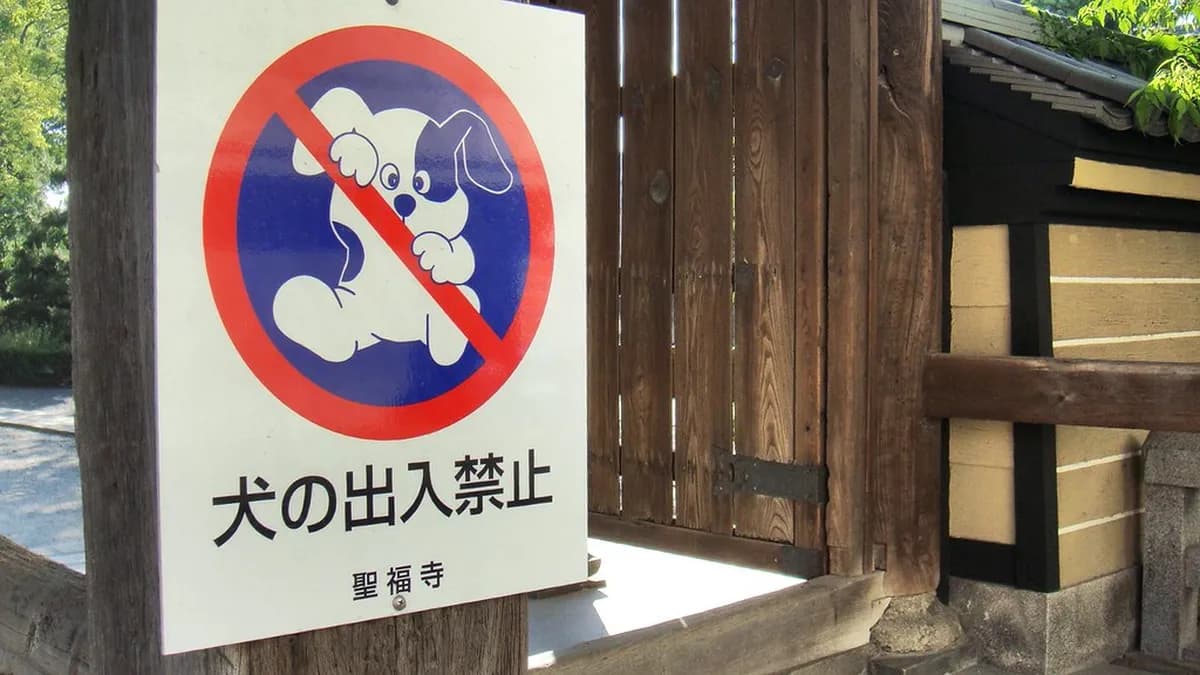
Be mindful of the 'no entry' signs posted on certain gates and doors. These areas are private spaces for the resident monks to live and meditate. Crossing these boundaries is considered very disrespectful to the religious community. Staying on the marked paths ensures you have a polite and pleasant visit.
Walking the Hakata Temple District: From Tochoji to Shofukuji
Shofukuji is part of a larger area known as the Hakata Temple District. This neighborhood is home to many of the oldest shrines and temples in the city. You can easily walk between several major sites in just a few hours. It is a great way to see the historical side of Fukuoka on foot.
Tochoji Temple is a popular starting point just a few blocks away. It is famous for its massive wooden Buddha statue, the largest seated wooden Buddha in Japan, and a bright red pagoda. After visiting Tochoji, follow the signs toward the Gokushomachi area. The walk between these two famous sites takes less than five minutes.
The streets between the temples are filled with traditional craft shops and tea houses. You might see local artisans making lanterns or weaving Hakata-ori silk. Walking this route gives you a sense of what Hakata felt like centuries ago. It is a stark contrast to the modern malls and neon lights nearby.
Nearby Cultural Gem: The Hakata Machiya Folk Museum
After seeing the temple, head over to the Hakata Machiya Folk Museum. This museum is located right across from the Kushida Shrine entrance. It consists of three traditional merchant houses that show how local people lived during the Meiji and Taisho eras. You can see live demonstrations of Hakata crafts inside the buildings.
The museum provides excellent context for the history of the temple district. Exhibits explain the local festivals and the daily routines of Hakata merchants. It is a great place to learn about the city before visiting the Fukuoka City Museum later. The entry fee is a few hundred yen and well worth the experience.
The gift shop here is one of the best places for authentic souvenirs. You can find high-quality silk items and traditional clay dolls made by hand. These items are unique to the region and make for thoughtful gifts. Spending an hour here rounds out your cultural tour of the Hakata area.
Comparing Shofukuji with Other Fukuoka Landmarks
Shofukuji offers a very different experience than the city's modern attractions. While sites like Gundam Park are exciting and loud, the temple provides a space for quiet thinking and historical reflection. It is the perfect balance to the high-energy parts of your trip.
In terms of religious sites, it contrasts clearly with the grand Hakozaki Shrine nearby. Shrines are Shinto sites, while Shofukuji is a Buddhist Zen temple. The architecture and the rituals you will see at each place are distinct. Visiting both gives you a full picture of Japanese spiritual life in a single day.
Compared to the ruins of Fukuoka Castle, Shofukuji is much more intact and still in active use. The castle grounds are now a public park, but the temple continues to function as a living monastic community. Both are important for understanding the power structures of Japanese history, and both are reachable on foot or subway within the same half-day circuit.
How to Plan a Perfect Half-Day Hakata Heritage Walk
Start your morning at 09:00 at Gion Station Exit 4. Visit Shofukuji first, before the day-trippers arrive. Walk the perimeter slowly to study the Hakata-bei walls, then pass through the Sanmon Gate to see the Butsuden and the grounds. This takes around 30 to 45 minutes.
By 10:00, walk five minutes toward Tochoji Temple to see the Great Buddha. Then follow the signs to the Hakata Machiya Folk Museum for a craft demonstration and a few souvenirs. Finally, cut across to Kushida Shrine to see the famous Yamakasa festival floats before the midday crowds arrive. This sequence covers the most important historical stops in one easy loop.
End your heritage walk with a traditional lunch in the Kawabata Arcade, just a few minutes on foot from the shrine. There are many small shops serving Hakata ramen or udon noodles. The arcade preserves a mid-century covered shopping street feel that fits perfectly with the morning you have just spent. It is a satisfying way to finish your cultural tour of the Hakata area.
Frequently Asked Questions
Is Shofukuji Temple free to enter?
Yes, entry to the outdoor grounds of Shofukuji Temple is completely free for all visitors. While you cannot enter the private monastery buildings, you can explore the gates and gardens without a ticket. This makes it a great budget-friendly stop for any Fukuoka itinerary.
Can you enter the buildings at Shofukuji?
Most of the inner buildings at Shofukuji are closed to the public because it is an active Zen monastery. Visitors are welcome to view the impressive exteriors of the Sanmon Gate and Butsuden Hall. Respecting these boundaries helps the resident monks maintain their quiet environment for study and meditation.
How is Shofukuji connected to Japanese tea?
Shofukuji is known as the birthplace of Japanese tea culture because its founder, Monk Eisai, brought tea seeds from China. He planted the first tea garden in Hakata and wrote the first Japanese book on the health benefits of tea. Today, the temple remains a symbol of this long history.
What is the best way to get to Shofukuji from Hakata Station?
The best way to reach Shofukuji is by taking a 10-minute walk from the Hakata-guchi exit of Hakata Station. The path is straightforward and takes you through the historic Gokushomachi neighborhood. Alternatively, you can take the subway to Gion Station and use Exit 4, which is only a 3 to 5 minute walk away from the entrance.
Shofukuji Temple is a must-see for anyone interested in the roots of Japanese Zen. Its quiet gardens, ancient wooden gates, and rare Hakata-bei walls provide a rare glimpse into the past. Whether you love history, tea, or simple peace, this site has something to offer. Make sure to include it in your next visit to Fukuoka for a truly unique experience.
Remember to be respectful of the monks and the sacred nature of the grounds. Take your time walking the stone paths and enjoying the natural beauty. The stories of Monk Eisai, the origin of Japanese tea, and the distinctive architecture here will stay with you long after. Enjoy your journey through the oldest Zen temple in the heart of the city.
For a complete Hakata historical tour, combine this visit with nearby attractions covered in our Fukuoka attractions guide. Our walking guide to Hakata Old Town connects Shofukuji and other temples into a seamless heritage itinerary.
For official details, visit the Shofukuji Temple official site and Shofukuji Temple on Wikipedia.