Visiting Lake Kinrin Yufuin: 6 Essential Tips & Best Mist Time
Best time to catch the morning mist at Lake Kinrin, the golden-scale legend, and a lakeside walk plan: six tips for your Yufuin day trip.
On this page
Lake Kinrin Yufuin sits peacefully at the base of Mount Yufu in Oita Prefecture. This small but stunning body of water draws thousands of visitors for its ethereal beauty. Travelers planning a Yufuin Day Trip Guide: 1-Day Itinerary & Essential Tips often make this lake their primary destination. The area offers a perfect blend of natural scenery and traditional Japanese culture.
The lake serves as the spiritual heart of the town and provides a calm escape from busier tourist circuits. Walking around the perimeter lets you move through four distinct seasons' worth of scenery depending on when you arrive. You will find unique wildlife and historic shrines tucked away in the surrounding trees. Entrance to the lakeside is free, which makes it one of Oita's best no-cost attractions in 2026.
Understand the Legend of the Golden Scales
The name Kinrin-ko translates directly to Lake of the Golden Scales in English. Local history records that a Confucian scholar named Mori Kuso gave the lake its name in 1884. He reportedly saw a fish leaping from the water during a vibrant sunset, and the sunlight striking the fish scales cast a shimmering golden light across the surface. That single moment of observation became the defining story of the lake. You can learn more about Lake Kinrin's official status as an Oita Prefecture attraction on the regional tourism board website.
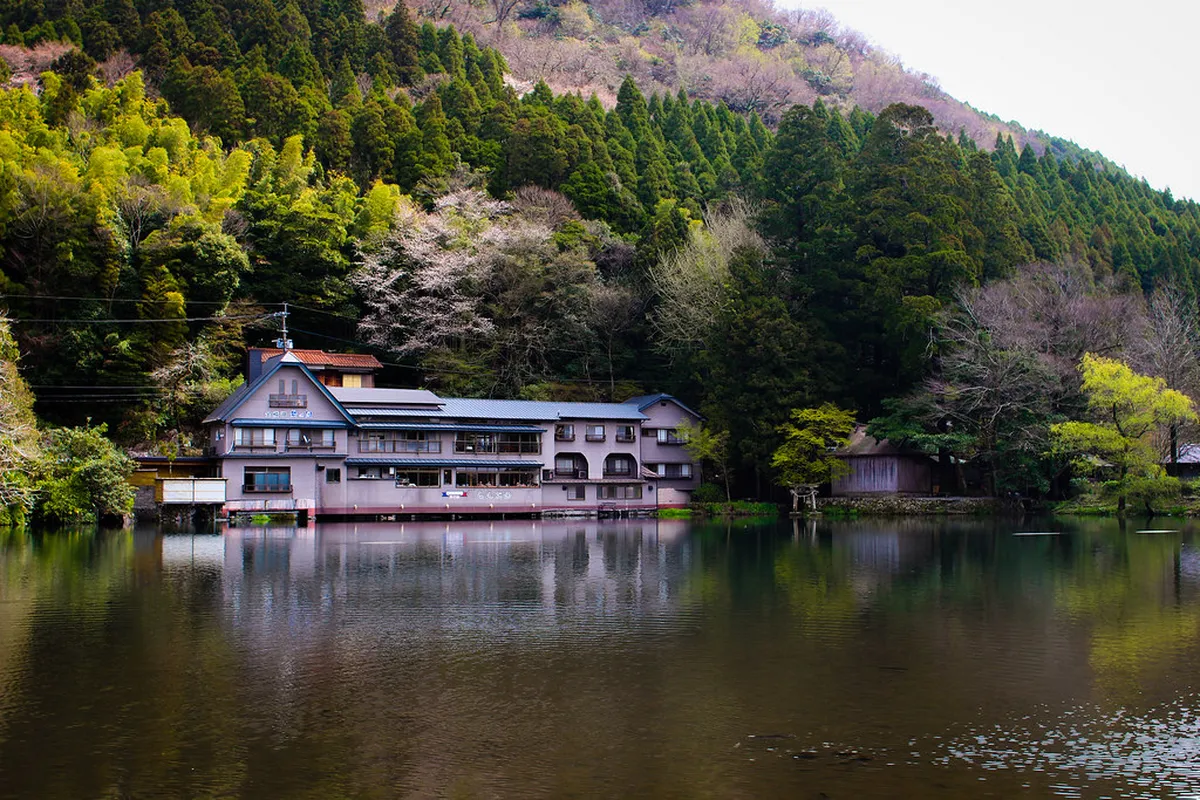
This visual effect still happens today when the weather conditions align. Late afternoon provides the best lighting to witness the historic golden glow — aim for the hour before sunset and position yourself on the southern bank where the mountain reflection is widest. Photographers often gather there to capture the moment. Understanding the legend beforehand makes the visual far more resonant when you finally see it.
The lake remains a symbol of Yufuin's connection to nature and local folklore. Many visitors enjoy reflecting on this history while sitting on the lakeside benches. Cultural context like this makes the visit more meaningful for international travelers passing through Oita Prefecture.
Time Your Visit for the Magical Morning Mist
The morning mist is the most iconic feature of Lake Kinrin Yufuin. This natural event occurs because two hot springs feed directly into the bottom of the lake from below the surface. When the warm thermal water meets cold morning air, thick steam rises in dense clouds. The result is a dreamlike atmosphere that photographers describe as unlike anything else in Kyushu. The Japan National Tourism Organization recognizes this phenomenon as one of Kyushu's defining natural attractions.
The physics are straightforward but the effect is dramatic. The lake maintains a higher water temperature year-round because of the continuous geothermal input. When the air temperature drops sharply — typically below 10°C — the temperature differential is large enough to produce visible condensation at the surface. The thickest mist appears from October through March, peaking in January and February on frost mornings.
Planning your arrival at dawn is essential to see this phenomenon in full. The Best Time To Visit Yufuin Travel Guide for mist is the coldest part of autumn and winter. Check the local weather forecast the night before: clear skies and overnight temperatures near or below freezing reliably produce the most dramatic steam. Arriving early also means you beat the large midday crowds that converge by 10:00.
The morning mist at Lake Kinrin is thickest from October to March, when cold air meets the warm thermal spring water rising from the lake bed. Plan your arrival at dawn for the most dramatic views.
Choose Your Season for the Right Scenery
Lake Kinrin looks markedly different in each season, and the experience you get depends entirely on when you visit. Spring (late March to early April) brings cherry blossom trees along the southern bank. The pale pink blossoms reflected in the still water against the dark green hillside create a composition that rival autumn for sheer photographic impact, yet spring attracts far fewer visitors than the autumn peak.
Autumn is the most popular season for good reason. Early to late November delivers the fullest palette of red, orange, and gold maple leaves on the surrounding slopes. The JNTO highlights this period as world-class, and the foliage combined with the dawn mist can produce extraordinary conditions. Book accommodation well in advance if you plan a November visit — Yufuin ryokans fill fast. Oita's designation as Japan's onsen capital means the seasonal tourism flows are predictable and reliable year-round.
Summer brings lush greenery and calm water, ideal for a slow lakeside stroll with low crowd pressure on weekdays. Winter is the season for the thickest mist and the quietest atmosphere. On clear January mornings, light snow on the cedar trees surrounding Tenso Shrine adds a layer of contrast that no other season offers. Each visit genuinely differs, which is why many travelers return multiple times.
Explore the Lakeside Walking Trail and Wildlife
A well-maintained walking path circles the entire perimeter of the lake. The loop is approximately 400 meters long and takes about fifteen minutes at a relaxed pace. Flat terrain makes this trail accessible for families with children and elderly travelers. Lush forest and the silhouette of Mount Yufu provide a backdrop that frames almost every section of the walk.
Keep an eye out for the rare freshwater snail known as Stenothyra thermaecola in the shallows near the hot spring inlets. This species is adapted specifically to warm-water habitats created by geothermal springs and is not found in ordinary Japanese lakes. The lake also hosts various fish species and waterfowl throughout the year. Spotting the snail along the water's edge is a detail most visitors miss entirely.
The path offers several viewpoints where Mount Yufu is framed perfectly above the water. Wooden bridges and stone walkways give the route a traditional aesthetic that fits Yufuin's overall character. Seasonal flowers bloom along the trail in spring and early summer. If you see groups of photographers crouching near the water at dawn, they are almost certainly trying to capture both the mist and the snail habitat simultaneously.
Visit Cultural Landmarks: Shrines and Museums
Tenso Shrine stands on the eastern shore and features a small torii gate set over the water. This shrine is a peaceful spot for quiet reflection away from the shops. The gate surrounded by morning mist is one of the most reproduced images of Yufuin in travel media. Large cedar trees shelter the shrine grounds and create cooling shade during summer visits.
Unagi Hime Shrine is a second sacred site near the lake, dedicated to the goddess of fertility and agriculture. It is smaller and less photographed than Tenso Shrine, which makes it worth a few minutes to appreciate without crowds. Local residents consider the area around both shrines to be spiritually significant — the lake's sacred reputation predates the 1884 naming legend. Walking between the two shrines takes no more than five minutes.
Art lovers should visit the Comico Art Museum located just a short walk from the lakefront. The museum features modern architecture that contrasts with the natural lake scenery and exhibits work by well-known Japanese contemporary artists. The Yufuin Trick Art Museum and Kyushu Yufuin Mingei Mura folk craft village are also within walking distance. Combining nature with art makes for a well-rounded afternoon in the village.
Navigate the Route from Yufuin Station
Getting to the lake from the main train station is a simple and scenic journey on foot. The walk covers about 1.5 kilometers and takes roughly twenty minutes at a steady pace. Most visitors follow the main road through the Yunotsubo Yokocho Yufuin: The Ultimate Guide to Food & Shopping, which is lined with snack stalls, boutiques, and artisan shops. Signs in both Japanese and English clearly mark the path at regular intervals.
Using a The Perfect 2-Day Yufuin Itinerary: 10 Essential Stops helps you pace the walk so you have time to stop along Yunotsubo Street before reaching the lake. If you prefer not to walk, local taxis wait outside the station exit and charge approximately 800–1,000 yen for the short drive. The walk route is the better choice: nearly every interesting snack stop and shop in Yufuin sits along this 1.5 kilometer corridor.
- Travel Logistics from Yufuin Station
- Distance: 1.5 kilometers
- Walk Time: 20 minutes
- Taxi Cost: 800–1,000 yen
- Main Path: Yunotsubo Street toward the lake
- Lake Entrance Fee: Free
Enjoy Soba, Snacks, and Onsen by the Lakeshore
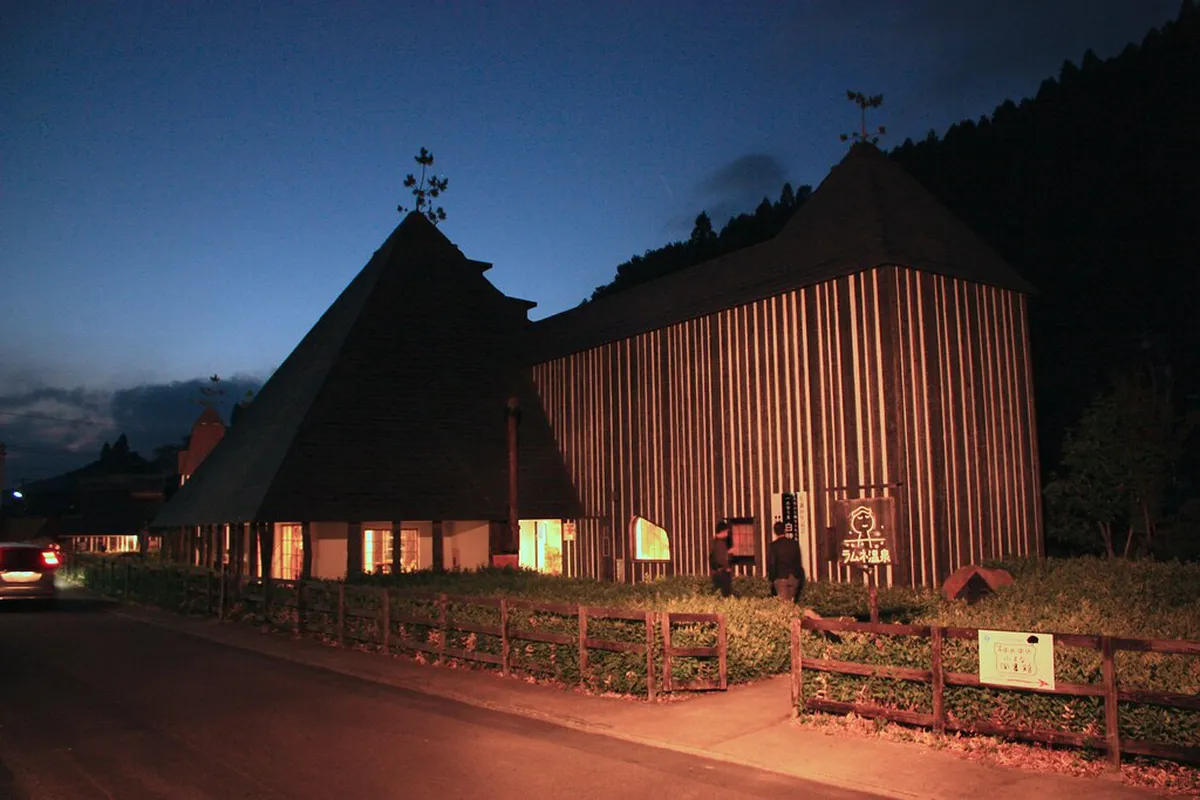
No trip to the lake is complete without experiencing the local food and baths. Shitanyu is a traditional thatched-roof public bathhouse located directly next to the water, making it one of the most atmospheric spots to experience Yufuin Onsen Travel Guide culture. The entry fee is approximately 150 yen, making it one of the cheapest public baths in Japan. The bath is mixed-gender and follows traditional rules — arrive having already rinsed, keep quiet, and do not submerge any towels.
On the walk from Yunotsubo Street to the lake, stop at the Kinsho Croquette Honten stand. These croquettes — priced at around 160 yen each — use milk from Yufu-highland cattle and regularly win competitions for Japan's best croquette. Flavors include original, cheese, crab cream, and curry. Eating one warm while walking toward the lake in the morning mist is a first-timer ritual most visitors stumble into and immediately recommend.
Lakeside restaurants serve handmade Soba noodles made with cold mountain spring water. Dining with a view of the water provides a natural break mid-sightseeing. Many shops also offer seasonal snacks like matcha soft-serve or cheese-based treats using the region's famous Yufu-highland dairy. The broader Yufuin area is also known for its milk ice cream and local cheesecake — both worth trying within the lake district.
Shitanyu bathhouse next to the lake is a mixed-gender traditional bath (approximately 150 yen entry). Check local etiquette before entering. Swimming directly in Lake Kinrin is not permitted in order to protect the ecosystem, including the rare Stenothyra thermaecola snail habitat.
Frequently Asked Questions
What is the best time of day to visit Lake Kinrin?
The best time to visit is at dawn to see the famous morning mist. This phenomenon is most visible during the cold months from October to March. Sunset is also a great time to see the golden scales effect on the water.
How long does it take to walk around Lake Kinrin?
A full loop around the lake takes about 15 to 20 minutes at a leisurely pace. The path is roughly 400 meters long and is mostly flat. You may want extra time for photography at Tenso Shrine.
Can you swim in Lake Kinrin?
No, swimming is not allowed in the lake to protect the delicate ecosystem and wildlife. However, you can enjoy the thermal waters at the nearby Shitanyu public bath. For a more private experience, consider a 10 Best Tips and Ryokan for Yufuin with Private Onsen nearby.
Is Lake Kinrin worth visiting in winter?
Yes, winter is one of the best times to visit for the thickest morning mist. The contrast between the steam and the cold air is most dramatic in January and February. You might even see a beautiful layer of snow on the surrounding trees.
Lake Kinrin Yufuin remains a must-see destination for anyone traveling through Kyushu. The combination of legendary history, free entry, and natural beauty creates an unforgettable experience regardless of the season. Whether you arrive for the dawn mist in winter or the cherry blossoms in spring, the lake offers a unique sense of peace. Plan your visit around a cold morning to capture the most magical conditions.
Remember to respect the local environment and the quiet atmosphere of the shrines. Support the local community by visiting the nearby museums, stopping at the Kinsho croquette stand, and soaking in the Shitanyu bathhouse. Your journey to this golden lake will likely be the highlight of your time in Yufuin. Check the JNTO Corporate Website for the latest travel updates before you go.
Free guide: Japan's Hidden Gems
12 under-the-radar places beyond Tokyo & Kyoto — with the best season to visit each and a local tip you won't find in the guidebooks.
You might also like

Continue reading
More guides you'll find useful