Yufuin Onsen Travel Guide
Plan yufuin onsen with top picks, neighborhood context, timing tips, and practical booking advice for a smoother trip.
On this page
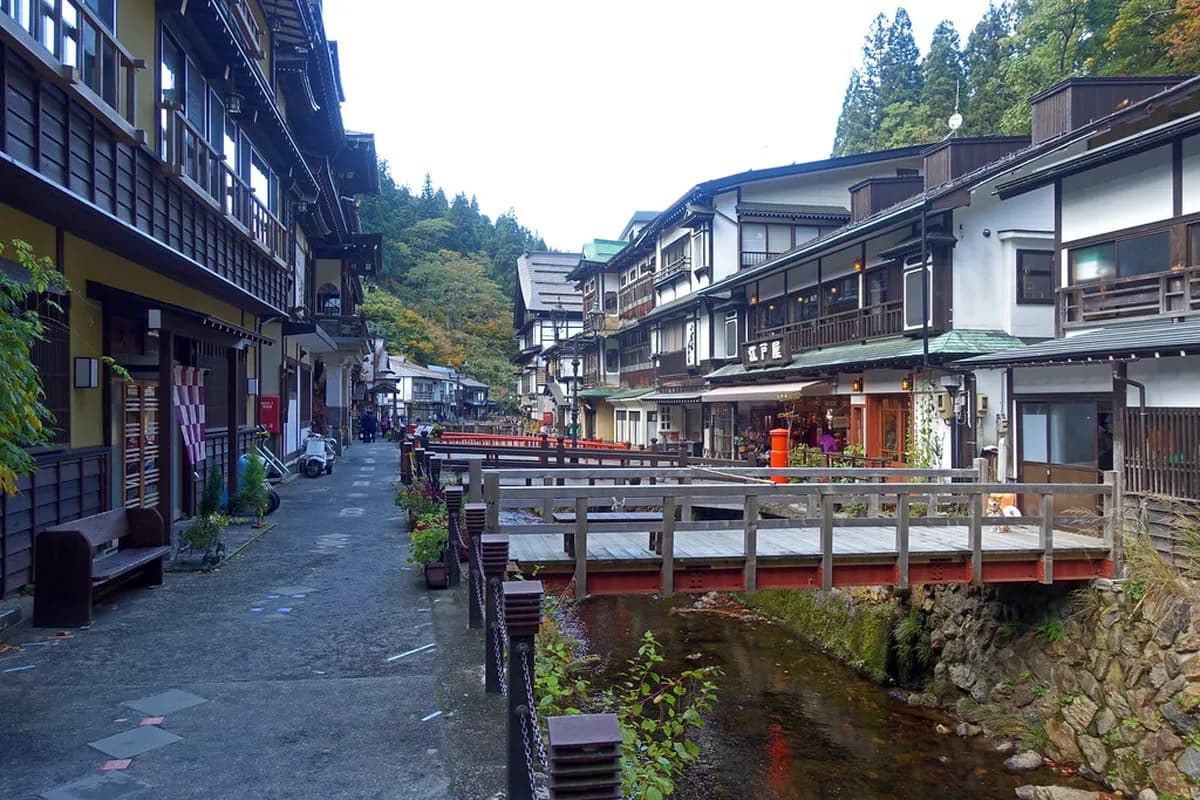
Yufuin Onsen is a small hot spring town tucked beneath the twin peaks of Mount Yufu in Oita Prefecture, Kyushu. It draws travelers who want something the larger resort cities cannot offer: clean mountain air, boutique ryokan culture, and streets narrow enough to feel like they belong to the town rather than the tourists. Planning a trip here means balancing lazy soaks with enough wandering to appreciate how carefully this place has been kept.
The town built its reputation by resisting overdevelopment when other onsen towns leaned into mass tourism. That choice from the 1970s is still visible today in the low skyline, the handmade craft shops, and the ryokan owners who genuinely seem to care. Whether you have one day or three, this guide covers the essentials for a well-run Yufuin trip in 2026. For a direct connection, see our Beppu Itinerary: Plan Your Trip! guide as these nearby onsen towns pair well together.
Key Takeaways
- Book the Yufuin no Mori train seats at least one month in advance.
- Visit Lake Kinrin at sunrise to see the famous morning mist.
- Choose a ryokan with a private onsen if you have tattoos or prefer privacy.
- Wear comfortable walking shoes for the stroll along Yunotsubo Street.
History of the Yufuin Onsen Town
Yufuin's hot springs have been in use since at least the Heian period, when locals drew on the geothermal waters at the base of Mount Yufu primarily for their healing properties. The area remained a farming village for centuries, quietly known among the people of Oita Prefecture. Yufuin Station opened in 1915 as Japan expanded its rail network, which gradually brought visitors from outside Kyushu and seeded the first small ryokan along the main road.
The town's modern identity took shape during the 1970s and 1980s. Local innkeepers made the deliberate decision not to follow the path of nearby Beppu, which had grown into a large commercial resort. They resisted high-rise hotel development and instead invited artists, ceramicists, and musicians to take up residence. That effort transformed Yufuin from a farming town with hot springs into a cultural destination that happened to have excellent bathing. The galleries, craft workshops, and small museums you see today are a direct result of that civic decision.
By the 1990s the town's reputation had spread well beyond Japan. Yufuin is now administratively a district within the City of Yufu, Oita Prefecture, but it retains the small-town atmosphere that made it famous. The population is modest, the buildings stay low, and the view of Mount Yufu from almost anywhere in the valley remains unobstructed.
How to Get to Yufuin
The most direct route from Fukuoka is by train from Hakata Station on the JR Yufu line, arriving at Yufuin Station in roughly two hours and fifteen minutes. The scenic Yufuin no Mori Limited Express is the most popular option: the forest-themed wooden interior and panoramic windows make the journey part of the experience. Seats sell out weeks ahead on weekends and holidays, so book through the JR Kyushu website as early as possible. The train runs only three times daily from Hakata, so missing it means a significant wait.
If you hold a rail pass, the Yufuin no Mori is covered by the JR Kyushu Rail Pass and the JR Sanyo-San'in-Northern Kyushu Area Pass, among others. A seat reservation is still required even with a pass. Travelers coming from Beppu can take an hourly bus that takes about an hour, which is a practical option if you plan to visit both towns in sequence.
Yufuin itself is entirely walkable once you arrive. The station sits at the northern end of the main road, and Lake Kinrin at the southern end is roughly a twenty-minute walk. Most ryokan are within that corridor. Some properties further from the center offer free shuttle pickups from the station — confirm when booking.
Must-See Yufuin Attractions
Lake Kinrin is the town's most iconic spot, best visited at dawn when warm spring water meets cold morning air and produces a low mist across the surface. Small shrines, a thatched bathhouse, and traditional buildings line the shore. The lake is free to visit and takes about thirty minutes to circle at a relaxed pace. Come before 08:00 to have it mostly to yourself.
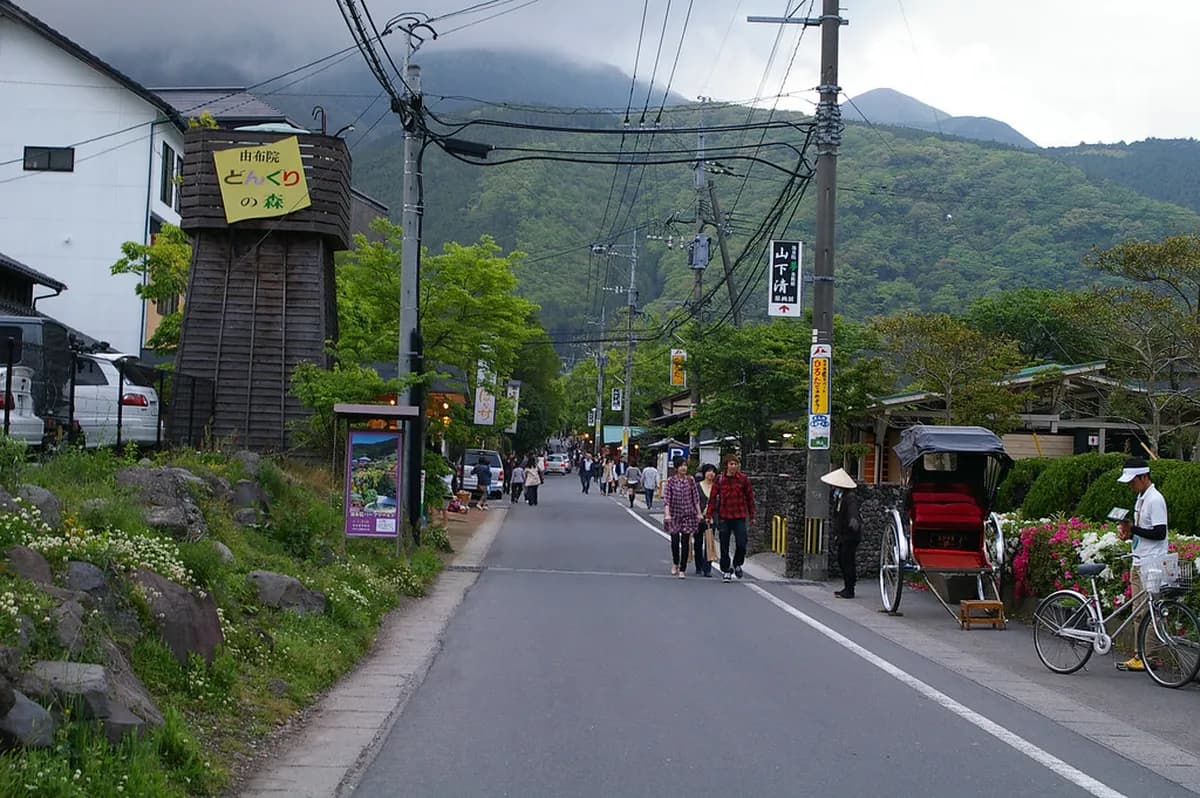
Yunotsubo Street — officially Yunotsubo Kaido — runs from near the station down toward the lake and concentrates most of Yufuin's shops, food stalls, and cafes. You will find soft serve, croquettes, craft pottery, and an official Studio Ghibli merchandise shop called Donguri No Mori. The street gets noticeably crowded from mid-morning on weekends as day-trip buses arrive from Fukuoka. Walking it before 09:00 or after 16:00, once day-trippers have left, changes the atmosphere completely.
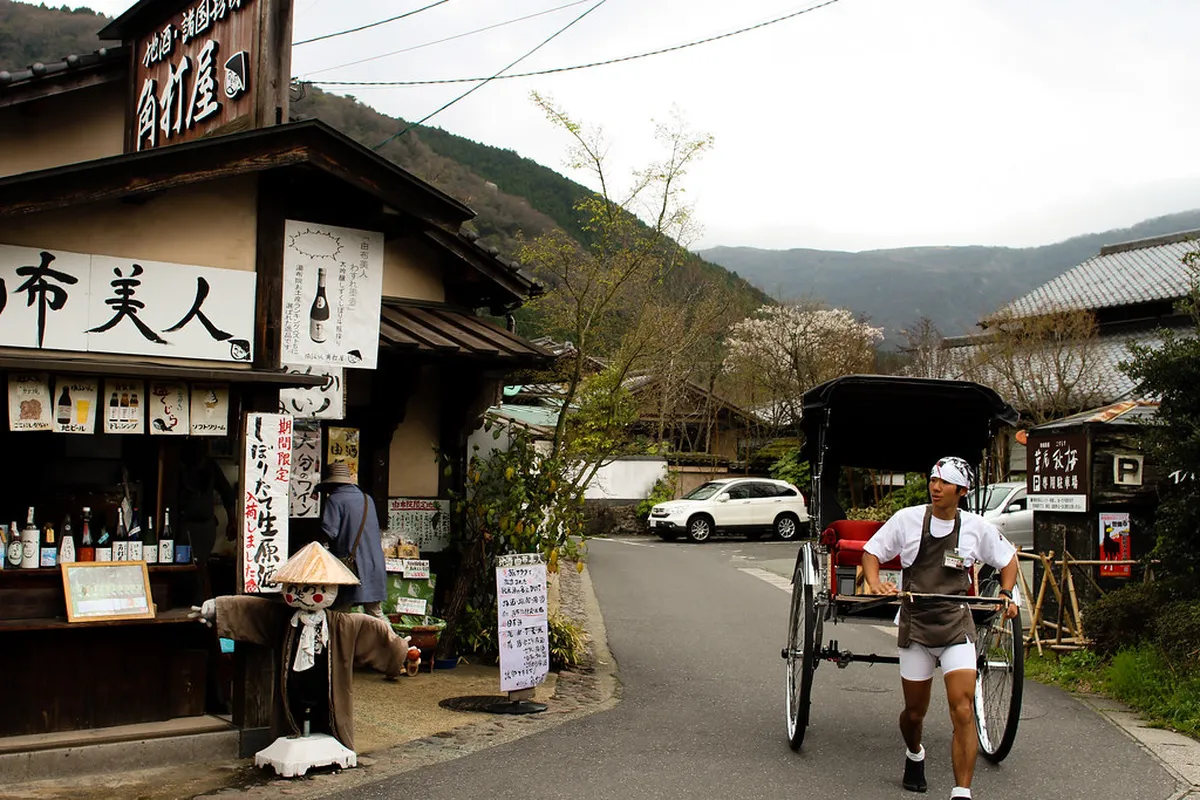
For a different angle on the backstreets, consider a Rickshaw Experience in Yufuin. Guides take you through residential lanes and quiet alleys that most visitors miss while sticking to the main shopping road. Booking near the station is straightforward and the rides typically last forty to sixty minutes.
You should also visit Lake Kinrin a second time in the afternoon if you want to photograph the mountains reflected in calmer water. The light in late afternoon is warmer and the mist has cleared by then.
Museums, Art, and Culture in Yufuin
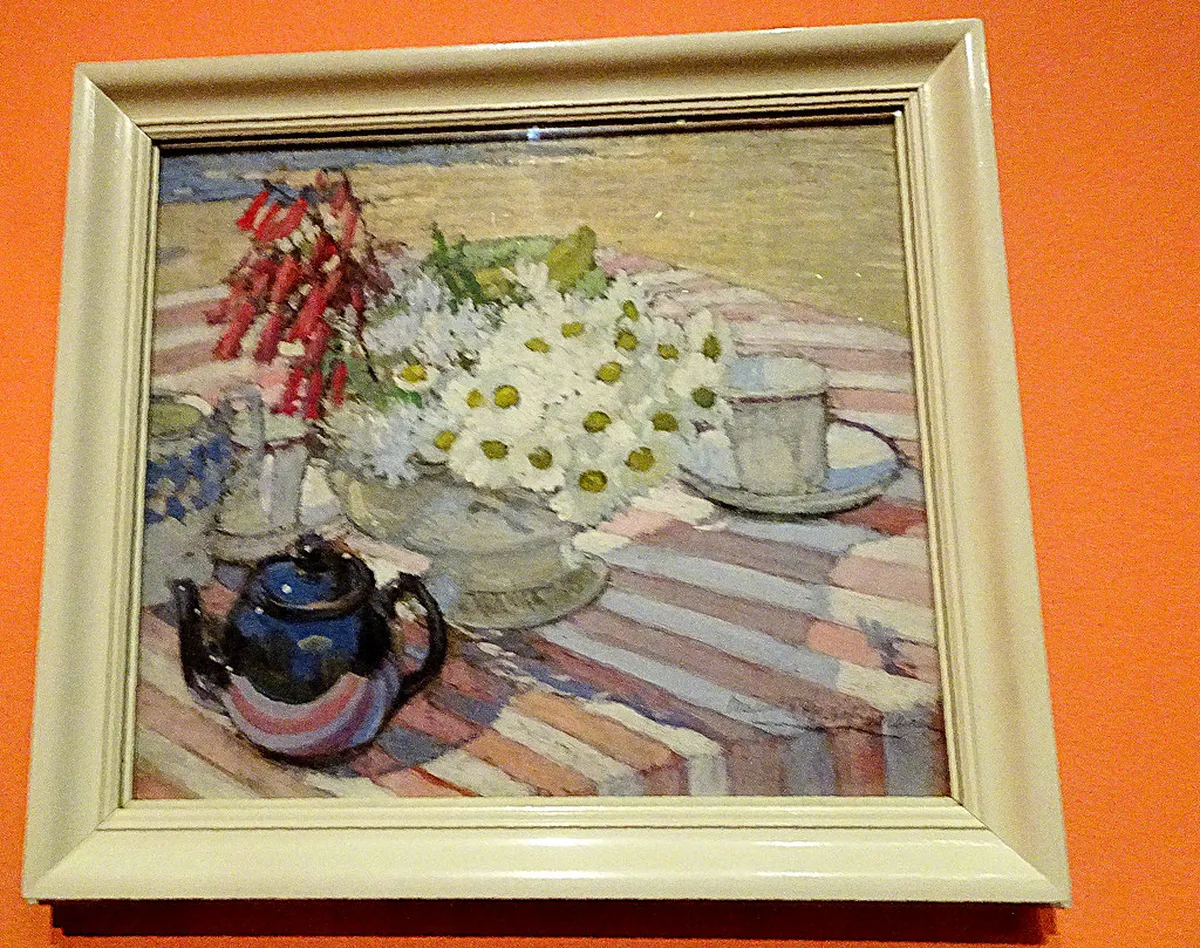
The Comico Art Museum Yufuin is the most architecturally striking building in town. Its black wood exterior houses rotating works by Yayoi Kusama, Takashi Murakami, and other internationally recognized Japanese artists. The rooftop terrace looks directly at Mount Yufu. Entry is timed and capped, so book online before your visit rather than showing up without a reservation.
Yufuin also has a Retro Car Museum, a Showa Kan Museum dedicated to mid-20th century Japanese everyday life, and a Stained Glass Museum with antique European pieces. These smaller museums are scattered along and just off Yunotsubo Street and are easy to combine in a single afternoon without feeling rushed. Most charge between 500 and 1,000 yen per person.
Local galleries and ceramics workshops fill the side streets between the main road and the river. Many allow you to watch the artisan at work and buy directly from the maker. A handmade cup or sake set from one of these shops costs more than a souvenir shop equivalent but is genuinely one-of-a-kind. The artistic culture of Yufuin is not decorative — it is the reason the town looks the way it does.
Things to Eat in Yufuin
Street food on Yunotsubo is the primary daytime eating experience. Honey soft serve ice cream, Bungo beef croquettes, and skewered grilled chicken are the most popular options. Snacking while walking is discouraged in some areas of the street, so watch for signage and use the designated benches near the main crossings. B-Speak, near the entrance to Yunotsubo, is famous for its simple Swiss roll cake and typically has a queue during peak hours.
For a proper sit-down meal, Yufu Mabushi Shin is a well-regarded clay pot rice restaurant that consistently draws visitors willing to wait for a table. The dish involves finishing three servings of the same rice in different ways: plain, with condiments, and as ochazuke (green tea poured over rice). If you eat meat, look out for Bungo beef on menus around town — it is the locally raised wagyu of Oita Prefecture and appears on kaiseki dinner menus at most mid-range ryokan.
Restaurants in Yufuin close early by Japanese city standards, typically by 21:00. This catches visitors off guard after a long evening soak. If you are not staying at a ryokan that includes dinner, plan to eat before 20:00 or stock up at one of the small convenience shops near the station. Some ryokan owners will arrange dinner at a nearby restaurant if you ask at check-in.
Yufuin Onsen Experience and Etiquette
Yufuin produces one of the highest volumes of hot spring water in Japan. The waters are classified as simple thermal springs — clear, odorless, and unusually mild on the skin compared to the sulfuric waters of Beppu. This makes them particularly suitable for long soaks and for people with sensitive skin. Most ryokan channel spring water directly into their baths from dedicated sources, so the quality is consistent across the town.
Public bathhouses offer the most affordable onsen access. Shitanyu, a thatched-roof bathhouse near Lake Kinrin, is one of the most photographed and historically significant. Entry costs a few hundred yen. The foot bath on Yufuin Station's platform is free and a good way to test the waters before committing to a full soak. Check the Public Onsen in Yufuin: The Ultimate Day-Use Guide for current prices and opening times, as they vary seasonally.
Follow standard etiquette whenever you enter a communal bath. Wash your entire body at the shower stations before stepping into the pool. Keep your hair tied up and never submerge a towel in the water. Tattoos are not permitted at most communal facilities, which is one reason many visitors with tattoos opt for a ryokan with a reserved private bath instead. Speak quietly, move slowly, and give other bathers space. Learning the basic rules in advance removes all the anxiety from your first visit. See the Yufuin Onsen Etiquette: A 2026 Guide for Travelers page for a full breakdown.
Yufuin's thermal waters rank among the highest-volume hot spring outputs in Japan, yet remain unusually mild on the skin — making them a good choice even for sensitive skin types.
Ryokan Recommendations for Every Budget
Most ryokan in Yufuin fall in the 25,000–45,000 yen per night range for two people with breakfast and kaiseki dinner included. This is higher than comparable towns like Kurokawa, where you can find excellent stays from around 15,000 yen per person, but the Yufuin properties compensate with proximity to the shopping street and a strong tradition of personalized service. Budget travelers have fewer options here than in Beppu — hostels and bare-bones guesthouses are rare.
Ryokan Yuri is one of the more affordable options, run by a family near the station, and consistently praised for genuinely warm hospitality over polished luxury. Yufuin Baien is larger, with an open garden overlooking Mount Yufu, complimentary drinks in the evening, and rooms with private onsen baths. If you want to splurge, properties like Ikkoten offer private villa rooms with their own outdoor baths set in forested grounds, though they sit a significant distance from the town center and are better suited to visitors who want to disconnect entirely.
Booking a 10 Best Tips and Ryokan for Yufuin with Private Onsen (kashikiri bath) is the right call for couples, families traveling with young children, and anyone with tattoos. Private baths can often be reserved in ninety-minute slots, either for guests of the property or, at some ryokan, for a walk-in fee. The kaiseki dinner at a well-run ryokan — multi-course, seasonal, locally sourced — is frequently cited by return visitors as the single best meal of their Kyushu trip. You can also book a room at Yufuin Baien directly to secure garden-view rates in advance.
Parks, Gardens, and Outdoor Spots in Yufuin
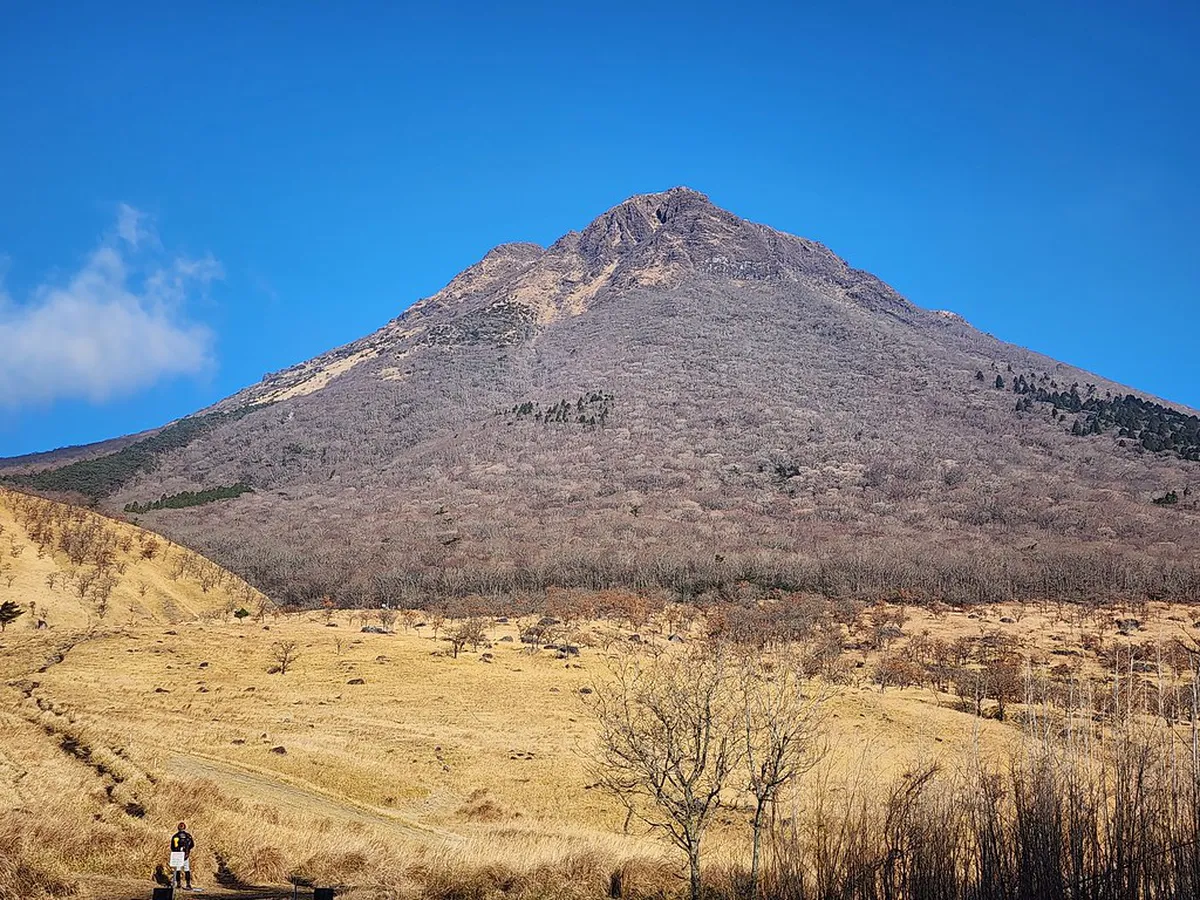
The Yufuin Floral Village recreates the look of a traditional English village with flower-lined paths and small stone cottages. Children enjoy the petting zoo and themed shops. Entry to the main walkways is free, though specific activities charge a small fee. The photogenic quality of the place means it draws a crowd on weekends — visit mid-week or early morning for breathing room.
Mount Yufu offers the most physically demanding option in the area. The trail to the summit takes two to three hours return depending on pace and conditions. Views from the top stretch across the entire Oita valley and, on clear days, to the Kyushu coast. Wear proper boots, carry water, and check the weather before starting — the summit can be cold and windy even when the valley is warm. The trailhead is accessible by taxi from Yufuin Station.
Cycling is one of the better ways to escape the main street without committing to a full hike. Many ryokan lend bicycles to guests, and rental shops near the station charge around 500–1,000 yen for a half-day. The roads east and south of the center pass rice paddies, farmhouses, and small family-run onsen that rarely appear in any guidebook. The Oita River path toward the outskirts of town is particularly scenic in spring when cherry blossoms line the banks.
Yufuin vs Beppu vs Kurokawa: Choosing Your Onsen Base
Yufuin, Beppu, and Kurokawa are the three main onsen bases in Kyushu, and they serve meaningfully different types of traveler. Understanding the differences helps you decide whether to stay in one place or build a circuit.
Beppu is a full coastal city and the largest of the three. It has the highest volume of geothermal water in Japan and a huge variety of accommodation from budget hostels to resort hotels. The Jigoku "Hells" — dramatic volcanic pools at 100°C that are viewed but not bathed in — are the main spectacle. Beppu suits travelers who want infrastructure, options, and don't mind a more urban environment around their hot spring experience. A Beppu to Yufuin: 6 Essential Guide Sections for Travelers journey takes about an hour by bus or train, making a day trip between the two easy.
Kurokawa, in Kumamoto Prefecture, is the smallest and most remote. It is genuinely a village: roughly thirty ryokan clustered along a forested river, no convenience stores, almost no nightlife. The appeal is total immersion — guests wander between baths in yukata and wooden geta at a pace the town seems to enforce by design. The Nyuto Tegata Onsen Pass lets you visit three different ryokan baths for a single fee, which makes onsen-hopping within the village straightforward. Getting there from Yufuin requires a 90-minute bus ride, and only three buses per day run this route — plan the timing carefully before committing.
Yufuin sits between the two extremes. It is more charming than Beppu and more accessible than Kurokawa. Expect to pay 25,000–45,000 yen per night at a decent ryokan for two with meals included, which is higher than the Kurokawa range of around 20,000–30,000 yen. The trade-off is location: Yufuin is one hour from Beppu and 2.5 hours from Fukuoka by the Yufuin no Mori, making it the most practical hub if you want to combine onsen culture with broader Kyushu travel. Many visitors use a Beppu Onsen and Yufuin Spa Town private trip from Fukuoka to see both in a single day before deciding where to base themselves.
Planning Your Yufuin Trip
Following a structured The Perfect 2-Day Yufuin Itinerary: 10 Essential Stops helps you maximize your time in this compact town. Start early to reach Lake Kinrin before the tour buses arrive from Fukuoka. Most major attractions are within walking distance of the central valley. Plan for at least one full night to experience a ryokan dinner and early morning bath — the town changes character dramatically once the day-trippers leave by late afternoon.
Heavy crowds on Yunotsubo Street peak on weekends and during Golden Week, Silver Week, and the autumn foliage season (late October to early November). Weekday visits in spring or early winter give you a noticeably quieter experience. Winter visits have a particular appeal: steam rising from the ground against cold air, and the occasional snow dusting on Mount Yufu's summit creates an atmosphere that photographs poorly but feels extraordinary in person.
Yunotsubo Street becomes very congested on weekends and Japanese public holidays — day-trip buses from Fukuoka typically arrive mid-morning. Arriving before 9 am or visiting on a weekday makes a noticeable difference.
Exploring nearby 12 Best Yufuin Hidden Gems and Secret Spots — quiet temples, forest trails, and private gardens — is easiest on foot or bicycle in the late afternoon when most visitors are heading back to the station. Look for small wooden signs pointing toward local workshops and family-run onsen that are not listed on the main tourist maps. These are often the experiences visitors remember most when they return home.
Family-Friendly and Budget-Friendly Options
Sampling snacks from the Yufuin Food Guide: 10 Best Places to Eat is one of the most enjoyable and affordable ways to spend a few hours. Local favorites — honey soft serve, beef croquettes, freshly grilled chicken skewers — cost a few hundred yen each and add up to a satisfying lunch for a fraction of a restaurant meal.
Public foot baths (ashiyu) are located throughout the town at no cost. The one on Yufuin Station's platform is the most convenient and lets you soak while waiting for your train. Bring a small towel. Visiting the Public Onsen in Yufuin: The Ultimate Day-Use Guide provides a full hot spring experience for a few hundred yen — Shitanyu near Lake Kinrin is the most historic option and worth the minor effort of finding it.
Families with young children will find the Yufuin Floral Village's petting zoo and the rickshaw rides genuinely engaging. The main street is flat and stroller-friendly. Ryokan with private baths are the practical choice for families since young children are typically not permitted in communal baths. Many properties in Yufuin are accustomed to hosting families and will accommodate flexible mealtimes for younger guests if asked in advance.
Building the rest of the trip? Our Yufuin attractions guide covers the sights, districts and logistics around these meals.
Frequently Asked Questions
Which yufuin onsen options fit first-time visitors?
First-time visitors should look for ryokan near the main shopping street for easy access. Staying at a property with a private bath is helpful if you are nervous about communal bathing. You can also explore the Public Onsen in Yufuin: The Ultimate Day-Use Guide for a low-cost introduction.
How much time should you plan for yufuin onsen?
One full day is enough to see the main attractions like Lake Kinrin and Yunotsubo Street. However, staying overnight is highly recommended to experience a traditional ryokan dinner and morning bath. Two days allow for a much more relaxed pace and time for local museums.
Is yufuin onsen worth including on a short itinerary?
Yes, it is one of the most charming towns in Japan and offers a unique atmosphere. Even a day trip from Fukuoka provides a refreshing break from the city. The combination of mountain scenery and high-quality hot springs makes it a top-tier destination for any traveler.
Yufuin Onsen remains a premier destination for those seeking relaxation and artistic inspiration in Japan. The town's unique history of preservation ensures that its natural beauty remains untouched by modern eyesores. Whether you are soaking in a private bath or exploring a local gallery, the experience is unforgettable. Plan your visit to this Kyushu treasure to discover why it remains a favorite for locals and foreigners alike.
Explore More Yufuin Guides
Deep-dive guides for every part of a Yufuin onsen trip — from where to stay and what to eat, to scenic trains, art museums, and seasonal timing.
Attractions & Experiences
- Yufuin Floral Village
- Lake Kinrin
- COMICO Art Museum
- Yunotsubo Yokocho Shopping Street
- 12 Best Yufuin Hidden Gems and Secret Spots
Onsen & Ryokan
- 12 Best Ryokan in Yufuin: Top Onsen and Stay Guide
- 12 Best Places Where to Stay in Yufuin
- Ryokan with Private Onsen
- Best Public Onsen Baths
- Onsen Etiquette & Tips
Getting There & Around
- How To Get To Yufuin Travel Guide
- Yufuin no Mori Scenic Train
- Yufuin Station Travel Guide: Transport, Trains, and Tips
- Fukuoka to Yufuin: 8 Essential Travel Tips and Transport Options
- Beppu to Yufuin: 6 Essential Guide Sections for Travelers
Food & Drink
Plan Your Trip
Free guide: Japan's Hidden Gems
12 under-the-radar places beyond Tokyo & Kyoto — with the best season to visit each and a local tip you won't find in the guidebooks.
You might also like

Continue reading
More guides you'll find useful