Yufuin Onsen Etiquette: A 2026 Guide for Travelers
Plan your yufuin onsen etiquette with top picks, neighborhood context, timing tips, and practical booking advice for a smoother trip.
On this page
I've visited Yufuin many times, and the local yufuin onsen etiquette can feel intimidating for first-timers. My first visit was at a small ryokan where I almost forgot to wash before entering the water. This guide covers every rule you need — from the shower station sequence to the tattoo policy — so you can focus on the water rather than worrying about making a mistake.
Quick Answer: The public bath Shitannoyu is the most authentic choice at ¥600 / ~$4 and 45 minutes per visit. For more privacy, book a private onsen which typically costs ¥2,500 / ~$17 per hour. Ryokan guests enjoy free access to on-site baths throughout their stay.
What Is an Onsen? Hot Springs Explained
An onsen (温泉) is a natural hot spring fed by Japan's geothermal activity. Under the Hot Spring Law (温泉法, Onsen-hō), water must emerge at over 25°C or contain specific qualifying minerals to be called an onsen — this isn't just marketing, facilities are legally registered. Japan has over 27,000 hot spring sources, and Yufuin alone sits on one of the highest discharge rates in the country.
What sets Yufuin apart from other hot spring towns is the character of the water itself. Most facilities here draw from a sodium bicarbonate spring (重曹泉, jūsō-sen) — sometimes called "bijin no yu" or beauty water — which leaves skin noticeably soft and smooth. Unlike the strongly sulfuric springs in nearby Beppu, Yufuin's water is nearly odorless and gentle enough for sensitive skin. That distinction is worth knowing before you choose between the two towns. Tokyo visitors often miss the Kyushu onsen culture entirely due to proximity to urban areas.
There are also practical differences in the types of bathing facilities you'll encounter. An outdoor bath is called a rotemburo (露天風呂) and is considered the most atmospheric experience, especially in autumn fog or winter cold. An indoor bath is an uchiyu (内湯). Many Yufuin ryokan offer both. A separate category entirely is the ashiyu (足湯), a clothed foot bath — these are free, open-air, and a good first step if you're nervous about the full experience.
Why Onsen Are So Popular in Japan
Onsen bathing has been part of Japanese life for over a thousand years. The cultural weight behind the practice is significant — it is simultaneously a health ritual, a social custom, and a form of everyday meditation. In Japan, the act of soaking together removes social hierarchy; a salaryman and a retiree sit in the same water on equal footing.
The mineral content of the water is taken seriously, not treated as vague wellness marketing. Different spring types have documented effects: sulfur water (硫黄泉) is used for skin conditions; iron-rich water (含鉄泉) is associated with fatigue recovery; sodium bicarbonate water, which dominates Yufuin, softens the skin and promotes circulation. Many regular visitors choose destinations specifically for the water chemistry.
For international travelers, onsen also represent one of the most direct points of contact with how Japanese people actually live. A public bath in Yufuin will have local residents, not just tourists. Sitting quietly in the steam is one of those rare travel experiences where following the rules well enough becomes invisible — and that invisibility is the point.
Yufuin Onsen Etiquette 101
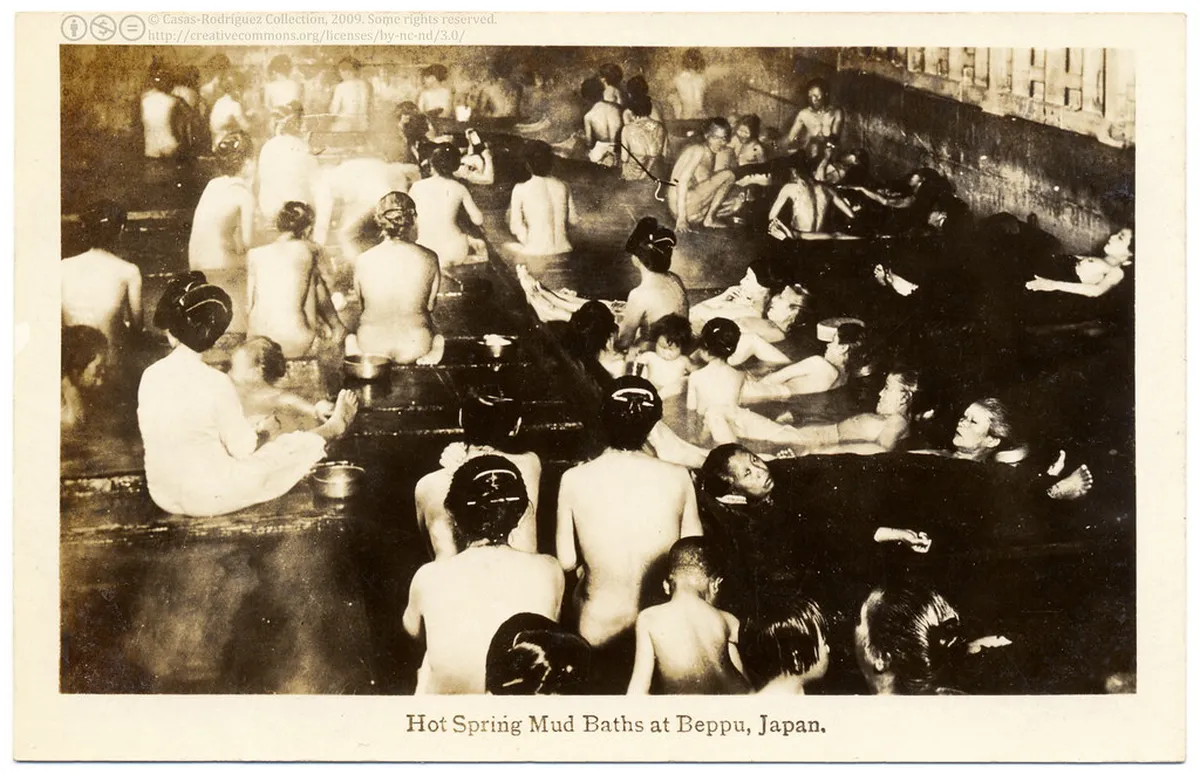
Learning the specific rules for public baths in Yufuin is essential for a respectful visit. Every facility follows the same core sequence, and deviating from it visibly marks you as someone who hasn't prepared. The steps are simple once you know them.
- Remove everything in the changing room (脱衣所, datsuijo). Store clothing and large bags in a locker — most slots take ¥100 / ~$0.70, returned on exit. Leave your phone here. Bringing it into the bath area is explicitly forbidden and socially very unwelcome.
- Wash your entire body at the shower station before entering the pool. Sit on the small stool (kakeyu station), use soap and shampoo, and rinse thoroughly. This is the single non-negotiable rule. Entering the communal water without washing is the one action that will cause other bathers to react visibly.
- Enter the pool slowly and quietly. Lower yourself in without splashing. The water at most Yufuin facilities sits between 40–43°C. Take a minute to acclimate rather than dropping in quickly.
- Keep your small towel out of the water. Fold it and rest it on your head or on the pool's edge. Submerging it is considered unhygienic and will draw stares. This is the most common mistake made by first-time visitors.
- Soak for 10–20 minutes, then exit and cool down. Experienced bathers cycle in and out rather than staying continuously. If you feel lightheaded or your heartbeat accelerates, exit immediately — this is a medical signal, not something to push through.
- Pat yourself mostly dry before walking back to the changing room. This keeps the floors safe and is expected etiquette at every facility.
A few additional rules apply at virtually every onsen in Japan. Swimming, diving, and splashing are prohibited — the baths are for still soaking, not movement. Loud conversation should be kept to a minimum. Looking directly at other bathers is considered rude. Alcohol before bathing is dangerous (the heat amplifies intoxication) and many facilities will refuse entry if you appear drunk.
A Crash Course in Onsen Rules
Choosing between a public bath and a private onsen (kashikiri, 貸切) depends on your comfort level. Public baths require nudity among strangers of the same gender and provide an authentic social experience. Private baths are perfect for families, couples, or anyone who wants to soak without navigating that social layer.
Many traditional Yufuin onsen facilities still ban visible tattoos entirely. If your tattoo is too large to cover with a waterproof bandage, you may be turned away at the door — always check the tattoo policy at reception before paying your entry fee.
Tattoo policies in Japan are genuinely evolving in 2026. Large public facilities still typically enforce bans, rooted in the historical association of tattoos with the yakuza (ヤクザ). However, the picture varies by facility type. Smaller local sento (銭湯) often leave it to staff discretion. Ryokan private baths almost never have restrictions, since you're the only bather. If you have visible tattoos, booking a private kashikiri bath is the easiest solution — many Yufuin ryokan include one as standard or rent them by the hour for around ¥2,500–¥4,000.
- Bring a small modesty towel — most facilities do not provide one free of charge, though a basic rental is usually available at the counter for ¥100–¥200.
- Remove all jewelry before entering the water. Mineral-rich water can discolor or damage metal and stones.
- Tie long hair securely above the water line. Hair in the communal water is considered unhygienic.
- Carry coins: ¥100 for the locker, and small bills for ticket machines that do not accept cards.
- Drink water before and after — the heat causes significant fluid loss even in a short session.
Types of Onsen Water and Their Benefits
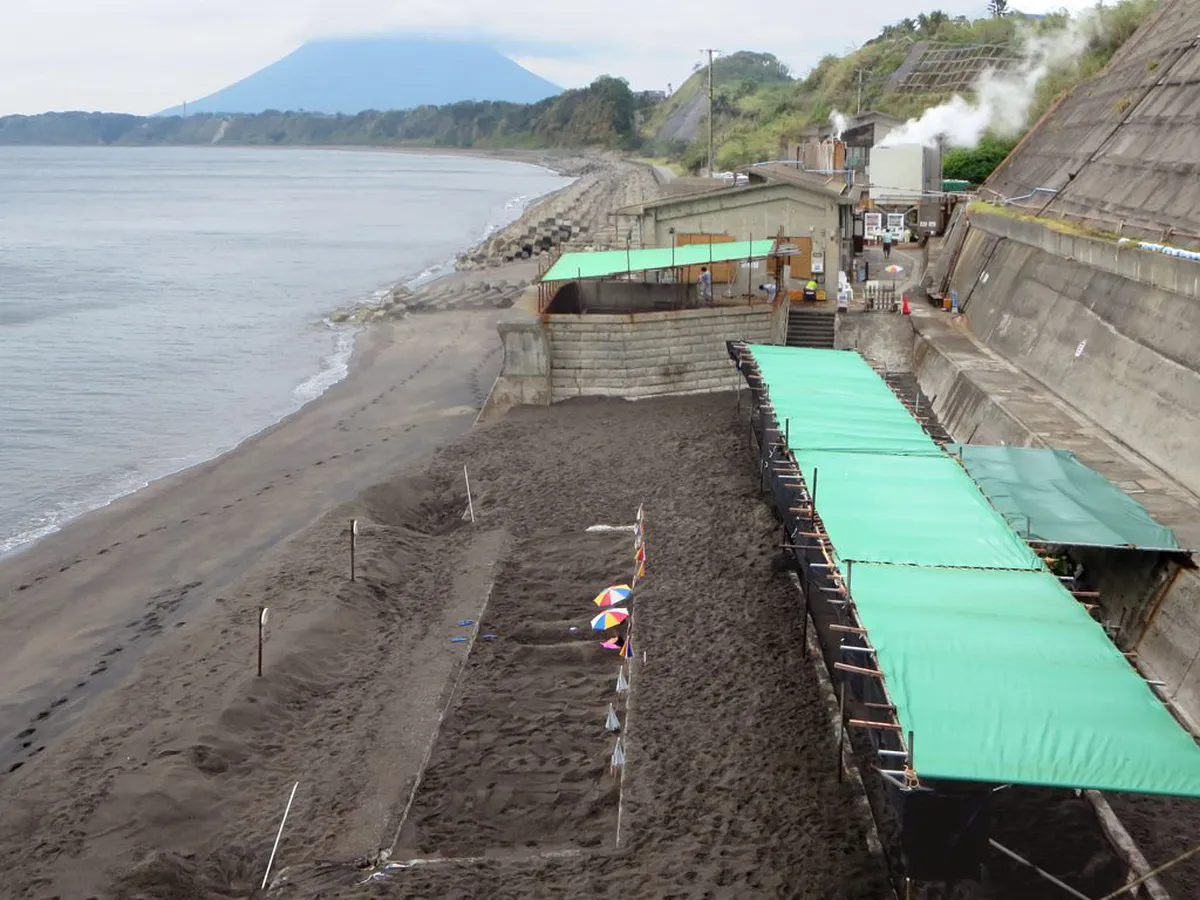
Japan takes onsen water classification seriously. Different spring types have distinct mineral compositions, and facilities are legally required to display the water analysis (泉質分析書) at the entrance. Yufuin's springs are predominantly sodium bicarbonate (重曹泉) — the same category described as "beauty water" (美肌の湯) because it emulsifies sebum and leaves skin unusually smooth. This is meaningfully different from Beppu's sulfur-dominant springs ten kilometers away, which smell strongly of eggs and are better suited for skin conditions.
The table below covers the main spring types you'll encounter if you travel across Japan's onsen regions.
- Simple thermal (単純温泉): Low mineral content, very gentle. Good for first-timers and anyone with sensitive skin. Relaxation-focused with few contraindications.
- Sodium bicarbonate (重曹泉): Dominant in Yufuin. Alkaline, skin-softening, nearly odorless. The "bijin no yu" reputation is well-earned.
- Sulfur (硫黄泉): Distinctive egg smell. Associated with skin conditions, respiratory benefits, and cardiovascular circulation. Common in Beppu and Kusatsu.
- Acidic (酸性泉): Very strong, antibacterial. Notable at Kusatsu, where the high acidity requires the traditional yumomi stirring ritual to cool the water before bathing.
- Iron (含鉄泉): Water turns reddish-brown on contact with air. Associated with fatigue and anemia. Less common in Kyushu.
When comparing onsen destinations, water type is a legitimate decision factor — not just marketing. If skin care is your priority, Yufuin's sodium bicarbonate springs are among the best in Japan. If you want therapeutic intensity, Beppu's mud or sulfur baths offer something genuinely different.
How Much Does a Yufuin Onsen Cost?
Budgeting for your The Perfect 2-Day Yufuin Itinerary: 10 Essential Stops requires knowing the various entry fees for local baths. Small public baths like Shitannoyu charge ¥600 / ~$4 per person and provide a basic but authentic local experience. These facilities operate 6:00–22:00 most days and are preferred by residents.
For a more luxurious experience, many ryokans offer day-use access (日帰り入浴, higaeri nyūyoku) to their premium baths. Prices for these range from ¥1,500 / ~$10 to ¥3,500 / ~$23 and often include towel use and access to a rest lounge. This is the best-value way to experience ryokan-quality water without the overnight cost.
Private bath rentals (kashikiri, 貸切風呂) cost ¥2,500 / ~$17 to ¥4,000 / ~$27 for a one-hour session at most facilities. Booking in advance is strongly recommended for popular spots like Musouso, particularly on weekends. Staying overnight at a ryokan in Yufuin typically includes unlimited access to on-site baths as part of the room rate.
Always carry Japanese yen in coins and small bills — many Yufuin public bath ticket machines and locker slots do not accept international cards. Booking a private bath at popular spots like Musouso in advance is strongly recommended, especially on weekends.
Useful Japanese Phrases at the Onsen
You don't need to speak Japanese to use an onsen, but a few phrases go a long way toward navigating the reception process confidently. Staff at Yufuin facilities are accustomed to international visitors, but policies like tattoo checks and private bath bookings are often easier to confirm in Japanese.
- タトゥーがありますが、入浴できますか? (Tatū ga arimasu ga, nyūyoku dekimasu ka?) — "I have a tattoo — can I use the bath?" Ask this before paying.
- 貸切風呂を予約したいです。 (Kashikiri buro wo yoyaku shitai desu.) — "I'd like to book a private bath."
- 日帰り入浴はできますか? (Higaeri nyūyoku wa dekimasu ka?) — "Do you offer day-use bathing?"
- タオルをください。 (Taoru wo kudasai.) — "Please give me a towel."
- 何時間入れますか? (Nan jikan hairemasu ka?) — "How long can I use the bath?"
- 脱衣所はどこですか? (Datsuijo wa doko desu ka?) — "Where is the changing room?"
One phrase worth memorizing before anything else: the tattoo inquiry. Asking at the door before handing over your entry fee saves an awkward refund conversation. Most staff will respond with a quick yes, no, or by pointing to a policy sign — you don't need to sustain a conversation, just open the question.
Best Onsen Towns In Japan
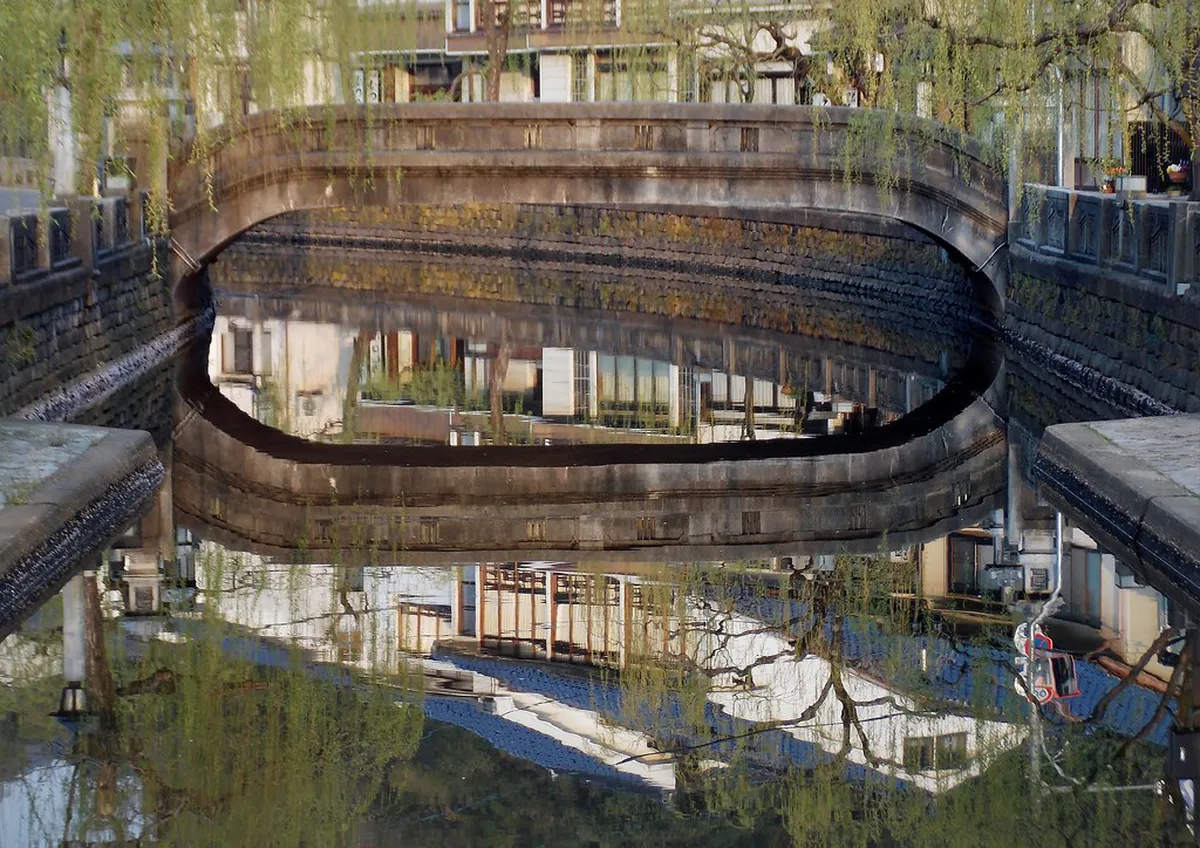
While Yufuin is a top choice, Japan has several other exceptional hot spring towns worth considering. Each region offers distinct water chemistry, architecture, and atmosphere. Comparing them helps you decide which suits your travel style.
Kinosaki Onsen (Hyogo Prefecture) is famous for its seven public bathhouses and notably tattoo-friendly policy — all seven are open to visitors with visible tattoos. Guests typically stay at a ryokan, receive a yukata and wooden geta sandals, and walk between baths in the evening. The experience is one of the most immersive onsen town cultures in Japan (View on map).
Kusatsu Onsen (Gunma Prefecture) is arguably Japan's most famous hot spring town, known for intensely acidic sulfur water and the yumomi ceremony where workers use large wooden paddles to cool the water by stirring rather than diluting. The outdoor Sai no Kawara rotemburo charges ¥600 / ~$4 (View on map). It is a 2.5-hour train journey from Tokyo's Ueno Station.
Visit the historic Dogo Onsen Honkan in Matsuyama (Ehime Prefecture) for Japan's oldest documented bathhouse, with roots going back over 3,000 years. The wooden building is said to have inspired the animated film Spirited Away. Entry for adults is ¥460 / ~$3 for up to one hour. Dogo also has a secondary bathhouse, Asuka no Yu, which is more spacious and modern. Japan is also a skier's paradise where combining mountain sports with evening onsen soaks is a standard winter itinerary in destinations like Kusatsu and Noboribetsu.
Are You Ready to Visit a Yufuin Onsen?
Most first-timer anxiety about onsen evaporates the moment you're actually in the water. The rules look long on paper but reduce to three practical things: wash before you enter, keep your towel out of the water, and stay quiet. Everything else — the locker, the stool, the cooling-down process — follows naturally from observing what other bathers do.
A few things worth confirming before you show up at the door. Check the tattoo policy online or call ahead if you have visible ink. Confirm whether the facility provides towels or charges for them. Carry cash. If it's your first time, consider starting with a private kashikiri bath at your ryokan rather than a public bath — the process is identical, but without an audience it's easier to take your time with each step.
Yufuin is one of the easier onsen towns for first-timers. The town is compact, English signage is more common than in rural destinations, and the overall atmosphere is quieter and less crowded than Beppu. If you're planning your visit around bathing specifically, early morning (06:00–09:00) at a public bath will give you an authentic experience with mostly local residents rather than fellow tourists. The misty mountain air at that hour, combined with the warm sodium bicarbonate water, is exactly what Yufuin's reputation is built on.
Frequently Asked Questions
How long should I stay in an onsen?
Most bathers spend about 15 to 20 minutes in the hot water per session. Staying longer might cause dizziness or dehydration due to the high mineral content. Always take breaks in the lounge area to cool down between soaks.
Is it really compulsory to bathe naked in a Japanese onsen?
Yes, traditional onsens require guests to be completely naked to keep the water clean. Swimsuits are generally prohibited unless the facility specifically advertises mixed-gender bathing with clothing. Check this blog for more tips on navigating these cultural norms.
Respecting the yufuin onsen etiquette ensures that you and other guests have a peaceful experience. By following these simple steps, you can focus on the healing benefits of the mineral water. Make sure you know How To Get To Yufuin Travel Guide before you start your journey.
Free guide: Japan's Hidden Gems
12 under-the-radar places beyond Tokyo & Kyoto — with the best season to visit each and a local tip you won't find in the guidebooks.
You might also like
Continue reading
More guides you'll find useful