12 Best Places Where to Stay in Yufuin (2026)
Plan where to stay in yufuin with top ryokan picks, neighborhood guides, and booking tips for a perfect hot spring getaway in Oita, Japan.
On this page
Choosing the right neighborhood and ryokan in Yufuin shapes your entire Kyushu trip. The town sits in a quiet Oita valley at the foot of Mount Yufu, and each district offers a noticeably different atmosphere — from the busy street-food corridor near the station to the forest-edge villas that require a taxi to reach. This guide covers the best areas, the most-recommended properties for 2026, and the practical details that help you decide before you book.
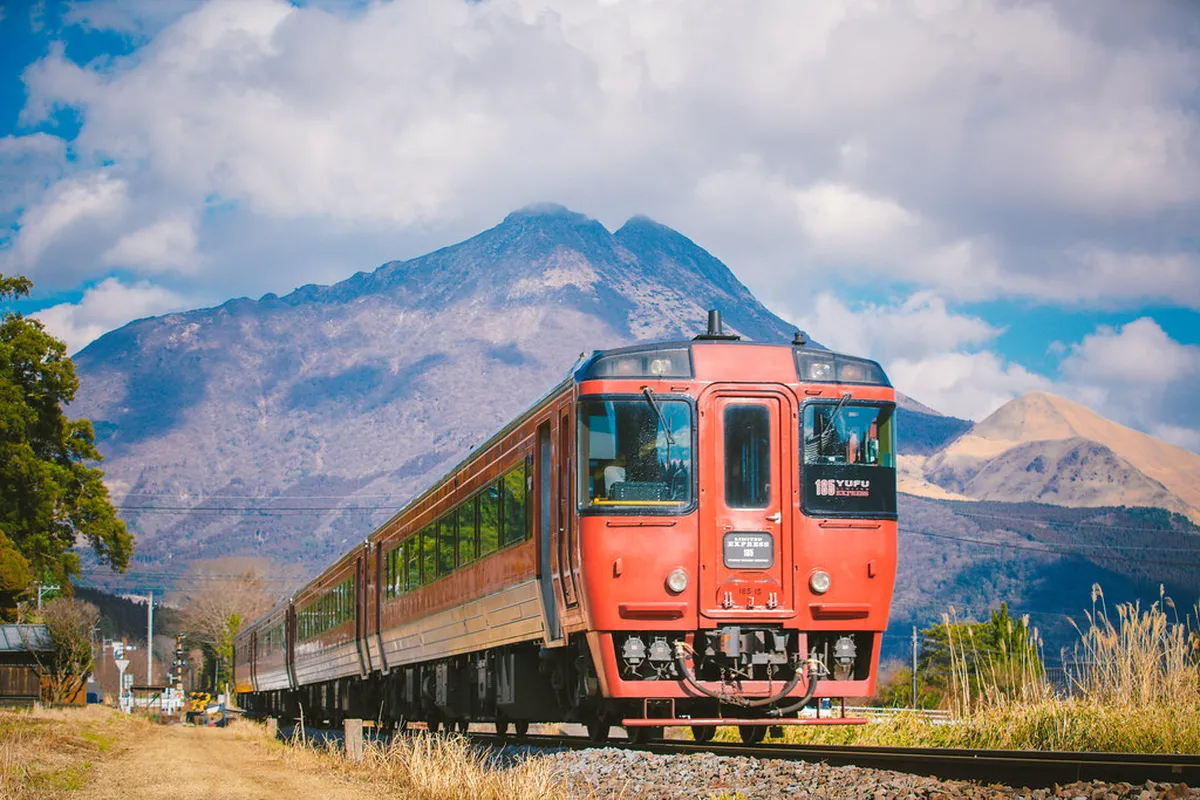
Most visitors arrive via the scenic Yufuin no Mori Limited Express from Hakata Station in Fukuoka. The journey takes roughly 2 hours and 15 minutes. Seats sell out quickly, especially on weekends and during autumn foliage season, so book your train tickets at the same time you reserve your room. Follow our The Perfect 2-Day Yufuin Itinerary: 10 Essential Stops to make the most of your overnight stay.
Which Area of Yufuin to Stay In
The town is compact enough to walk across in 20 minutes, but the neighborhood you pick still matters. The station area is the most practical base: luggage storage is available, cafes open early, and taxis are easy to find if you want to reach outlying ryokans. It suits travelers arriving late or leaving on the first morning train to Beppu.
The Yunotsubo Street corridor, roughly a 10-minute walk from the station, is Yufuin's main shopping artery. More than 70 shops line the pedestrian path, selling handmade crafts, local snacks, and Ghibli merchandise at the official Donguri No Mori store. Ryokans in this strip trade some quiet for immediate access to food and street life. If your priority is dropping your bag and exploring on foot, this is the best balance of atmosphere and convenience.
The Lake Kinrin shoreline is the premium choice. The lake is fed by both hot and cold springs, which creates geothermal steam that rises off the surface at dawn. Properties here are priced accordingly — expect to pay a significant premium for a lake-view room — but the early-morning mist is one of the most photographed scenes in all of Kyushu. Day-trippers cannot catch it; overnight guests have it to themselves.
The forested outskirts beyond the lake are home to the most secluded boutique villas. These properties are a taxi ride from the station, sometimes 15 minutes or more. They suit couples or small groups who want to treat the ryokan itself as the destination rather than a base for town exploration.
| Area | Best For | Approx. Price Range (per night) |
|---|---|---|
| Station Area | Late arrivals; easy transport; budget options | ¥8,000–¥25,000 |
| Yunotsubo Street | Foodies; first-timers; mix of boutique and traditional | ¥20,000–¥45,000 |
| Lake Kinrin Shoreline | Morning mist views; premium atmosphere | ¥40,000+ |
| Forest Outskirts | Couples; total seclusion; private-villa experience | ¥60,000+ |
Best Ryokans to Stay in Yufuin
All of the properties below have confirmed natural hot spring water, not recycled municipal water. That distinction matters more than it sounds: a handful of cheaper guesthouses near the station use heated tap water and label it loosely as "onsen." Genuine geothermal water — rich in sodium bicarbonate and silica — has a silky texture and a faint mineral smell that you notice the moment you step in.
- Ryokan Yuri — Family-run, close to the station and the main walking street. Every room has river and mountain views. Breakfast is available but not always included; the traditional spread is worth adding. Google Maps rating 4.6/5. Address: 2968-10 Yufuincho Kawakami, Yufu, Oita. A strong mid-range pick for first-timers who want warmth over luxury.
- Yufuin Baien — Larger property with an open plum-and-cherry garden and a direct sightline to Mount Yufu from the outdoor onsen. Most rooms include private baths. The ryokan offers self-service drinks in the lounge at night — but do not drink alcohol before entering the onsen, as the combination of heat and alcohol raises the risk of heatstroke seriously. Address: 2106-2 Yufuincho Kawakami, Yufu, Oita. You can Book a room at yufuin baien Now! to lock in availability during peak season.
- Ryokan Kotonokashin — Tucked off the main road in Kawakami, about a 10–15 minute walk from the station. Private onsens (not communal) available for a small additional fee per session. Good option for travelers with tattoos, since private baths have no restriction. Address: 1018-22 Yufuincho Kawakami, Yufu, Oita.
- Ikkoten — High-end private villas, each with an open-air onsen. Located well outside the town center; the staff arrange transport and serve seasonal kaiseki in private dining rooms. Best for couples or groups prioritizing nature immersion over town access. Google Maps rating 4.4/5. Address: 302-7 Yufuincho Kawakami, Yufu, Oita.
- Yurari Rokumyo — Highest-rated ryokan in Yufuin (4.8/5 on Google Maps) with a handcrafted, home-like interior close to Yunotsubo Kaido. Only a handful of rooms, so it sells out weeks in advance. Note that meals are not included — plan to eat at town restaurants, which typically close by 21:00. Address: 3090-1 Yufuincho Kawakami, Yufu, Oita.
- Yawaragi-no-Sato Yadoya — Mid-range, short walk from Yunotsubo Kaido and Lake Kinrin. Offers both Western-style and tatami rooms. Traditional Japanese breakfast and dinner are included in select room plans. About 15 minutes on foot from the train station; taxi recommended. Address: 2717-5 Yufuincho Kawakami, Yufu, Oita.
- Onsen Hinoharu Ryokan — Steps from Yunotsubo Street, beautifully landscaped outdoor baths. Rates run ¥40,000–¥75,000 per night and include kaiseki dinner. Arrive before 18:00 to avoid missing timed dinner service.
- Yuhuroten Toki No Manimani — Forest boutique with private villas for complete seclusion. Couples-oriented. Starting from ¥60,000 per night. Taxi required from the station.
Yufuin Onsen: What to Know Before You Book
Yufuin sits on a geothermal zone at the base of Mount Yufu. The area's hot springs date back to the Heian period, making this one of the oldest continuously used onsen regions in Japan. The water is primarily sodium bicarbonate based, which gives it the skin-softening quality locals call bijin-no-yu — "water of beautiful skin." Unlike Beppu, which developed into a sprawling resort city, Yufuin's ryokan owners deliberately kept the town small and boutique. That intentional restraint is why it still feels like a retreat rather than a theme park.
The Yufuin onsen scene divides into two types: public communal baths and private baths. Most ryokans offer at least one of each. Public baths are gender-segregated and require you to bathe fully undressed, which catches some first-timers off guard. Private baths — booked by the hour or included in your room rate — allow couples or families to bathe together and are the only viable option for guests with visible tattoos, since most public baths in Japan bar tattooed guests. If you have a tattoo, confirm the property has private baths available before booking.
Water temperature in Yufuin's onsens typically runs between 34°C and 41°C. Your body acclimates within a few minutes, and the warmth persists for hours after you get out — which is why guests can walk the town in light yukatas even on cold evenings. For the richest experience, soak once before dinner and once early in the morning while the outdoor baths are still surrounded by mist. Most ryokans close outdoor baths briefly around 03:00–06:00 for cleaning.
To access the 10 Best Tips and Ryokan for Yufuin with Private Onsen options, ask the property directly when booking whether private bath slots are pre-reserved or first-come. During peak autumn weekends, prime evening slots fill by mid-afternoon.
Onsen Etiquette and the One Rule Most Guides Skip
Standard etiquette is well documented: shower thoroughly at the wash station before entering, keep your small towel out of the water, tie back long hair, and speak quietly. What most guides omit is the alcohol rule. Every ryokan in Yufuin with self-service drinks — and several have complimentary evening bars — prohibits bathing after drinking. The reason is medical: alcohol dilates blood vessels, the hot water dilates them further, and the combined effect can trigger dangerous drops in blood pressure. Signage is usually in Japanese only, so foreign guests sometimes miss it. Do not soak within two hours of drinking.
Families and groups have specific considerations. Children under school age are usually welcome in private baths but not always in communal ones; confirm with your ryokan. Groups of more than four people may need to split across separate private bath sessions, as most private rooms hold two to three people comfortably. The Rickshaw Experience in Yufuin is a good activity to slot in the afternoon before your evening soak — it covers the main sights in about 30 minutes and leaves you relaxed and ready for the bath.
Yukata etiquette is also worth knowing before arrival. Your ryokan will provide a yukata (light cotton robe) and geta sandals in your room. You are expected to wear them when walking to the bath, through common areas, and optionally out on the town streets in the evening. Wearing the yukata correctly — left panel over right — is important; the reverse is only done at funerals. Staff will show you if asked, and most are used to the question from first-time guests.
History of the Yufuin Onsen Town
Yufuin is a district within the City of Yufu in Oita Prefecture. The earliest recorded use of the hot springs dates to the Heian period, when local farmers used the water for its supposed healing properties. The town remained a small agricultural village for centuries, with the springs as a community resource rather than a tourist attraction.
Yufuin Station opened in 1915, connecting the valley to Fukuoka and the rest of the Kyushu rail network. A handful of small ryokans appeared to accommodate arriving visitors, but the town grew slowly and deliberately. Unlike nearby Beppu, which embraced mass tourism and neon-lit entertainment, Yufuin's innkeepers chose a different path: smaller, quieter, focused on nature and craftsmanship. That contrast became the town's competitive identity.
The 1980s marked the decisive shift. Artists, writers, and creatives from across Japan began arriving for extended stays, and Yufuin developed a cultural layer beyond the onsen itself. The Yufuin Floral Village, local art museums, and artisan shops date from this era. Ryokan owners began emphasizing private baths, seasonal kaiseki menus, and personalized service — the hallmarks that distinguish a Yufuin stay from a trip to any other hot spring town in Japan. In 2026, the town continues to attract visitors who prefer depth over spectacle.
How to Get to Yufuin and When to Visit
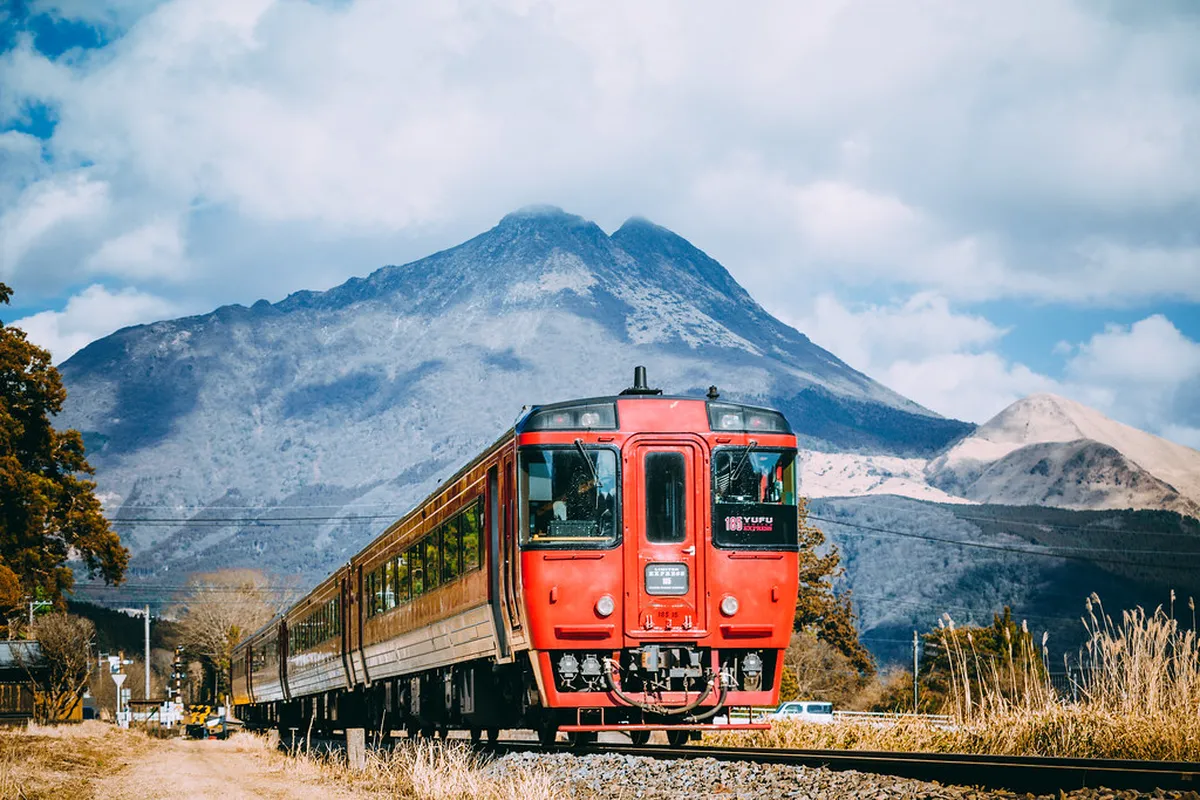
The fastest and most scenic route is the Yufuin no Mori Limited Express from Hakata Station in Fukuoka. The train runs three times daily in each direction and takes 2 hours and 15 minutes. The interior is lined with wooden paneling and large panoramic windows — it functions as a scenic attraction in itself, not just transport. Book seats in advance through the JR Kyushu website or at Hakata Station's ticket office.
If you hold a JR Pass, the Yufuin no Mori is covered. The JR Kyushu Rail Pass and the JR Sanyo-San in-Northern Kyushu Area Pass both include it. A reserved seat ticket is still required even with a pass; walk-up seats are rarely available on weekends. From Yufuin Station, most central ryokans are a 10–15 minute walk. Properties in the forest outskirts require a taxi, which takes about 15 minutes and costs roughly ¥1,000–¥1,500.
For the best experience, visit in spring (late March to early May) for cherry blossoms, or in early November for autumn foliage. Both seasons sell out accommodation months in advance. Summer (July to October) is typhoon season — rain can be heavy and the mountains disappear behind clouds. Winter visits offer quieter streets and colder air that makes the outdoor onsen experience particularly vivid. Weekdays in any season are significantly less crowded than weekends, when day-trippers from Fukuoka fill the Yunotsubo shopping street.
If you plan to combine Yufuin with Beppu, the How To Get To Yufuin Travel Guide guide explains the local bus connections between the two towns. Beppu is roughly 40 minutes away by bus and offers a very different energy — more industrial, more spectacle-focused, with the famous geothermal "hells" you can walk between in a half day.
Things to Do in Yufuin for Overnight Guests
Lake Kinrin is the first stop. The 15-minute walk from the station takes you past the Yunotsubo shops and ends at the lake's edge, where you can watch the geothermal steam rise off the surface in the early morning. A short perimeter trail loops around the lake in about 20 minutes. Arrive before 08:00 to beat the day-trip crowds from Fukuoka.
Yunotsubo Kaido is the main pedestrian street and runs for roughly 600 metres from the station toward the lake. Beyond the standard souvenir shops, look for the official Studio Ghibli merchandise store Donguri No Mori — it is one of Yufuin's busiest attractions in 2026 and typically has a queue by mid-morning. B-Speak, just past the Ghibli shop, is the most famous bakery in town: their roll cake with fresh cream is made in small daily batches and often sells out by early afternoon. If that is on your list, arrive by 10:00.
Mount Yufu offers a hiking trail to the twin peaks of the volcano. The return trip takes 3–4 hours from the trailhead and requires reasonable fitness. The views over the Yufuin valley and across to the Beppu Bay coastline are exceptional on clear days. Check conditions at Yufuin Station before heading out — the peaks cloud over quickly, especially in the afternoon. The rickshaw rides through town are a softer alternative for families or those with limited mobility: the Rickshaw Experience in Yufuin covers the main sights in a comfortable 30-minute loop.
For food, Yufu Mabushi Shin is the most consistently recommended restaurant in town for its clay-pot rice served with dashi broth and condiments. Reservations are advised. Several yakiniku restaurants on the side streets serve Bungo beef, the local Oita prefecture specialty. Horse meat (basashi) appears on a few menus — notably at Yakiniku Manyohken — for adventurous eaters.
Is Yufuin Worth an Overnight Stay?
A day trip from Fukuoka covers the Yunotsubo shops and Lake Kinrin. But the town's real character only emerges after the last train departs. By 17:00, the street-food vendors begin packing up; by 19:00, the streets belong to overnight guests. That quiet — punctuated only by steam rising from the ryokan gardens — is the experience people travel to Yufuin for.
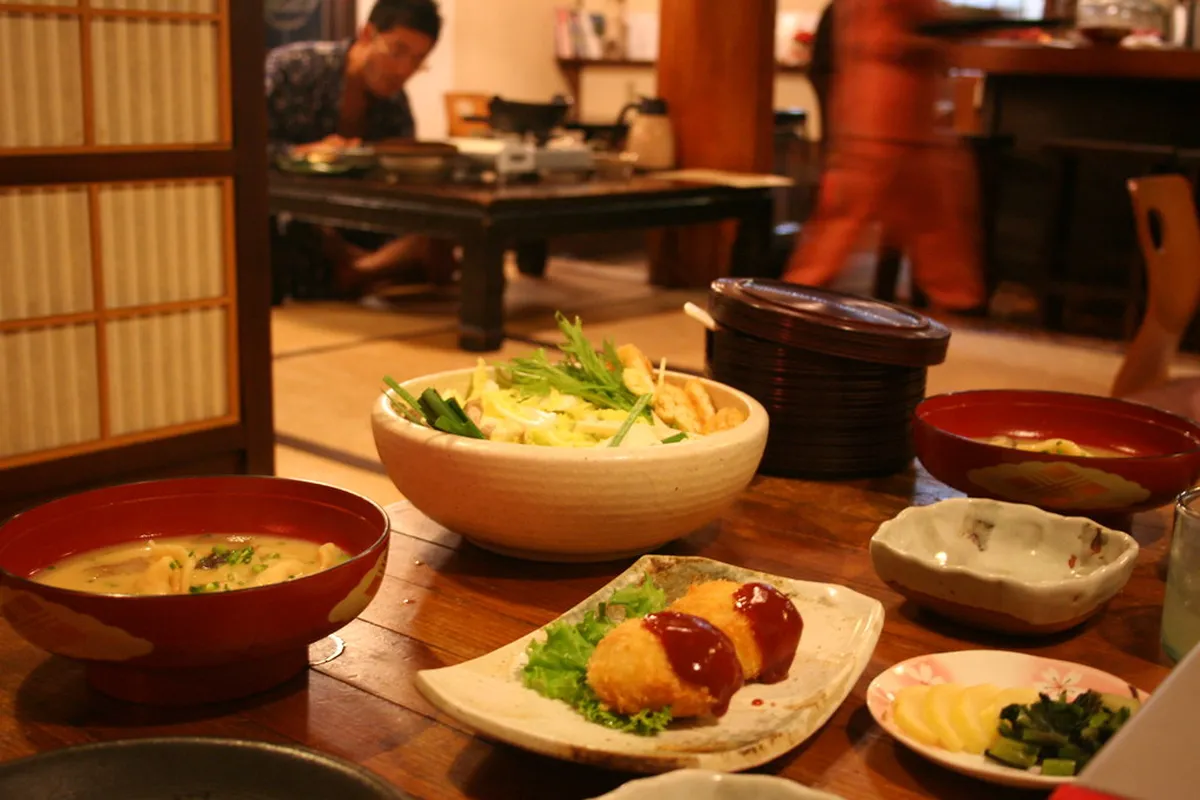
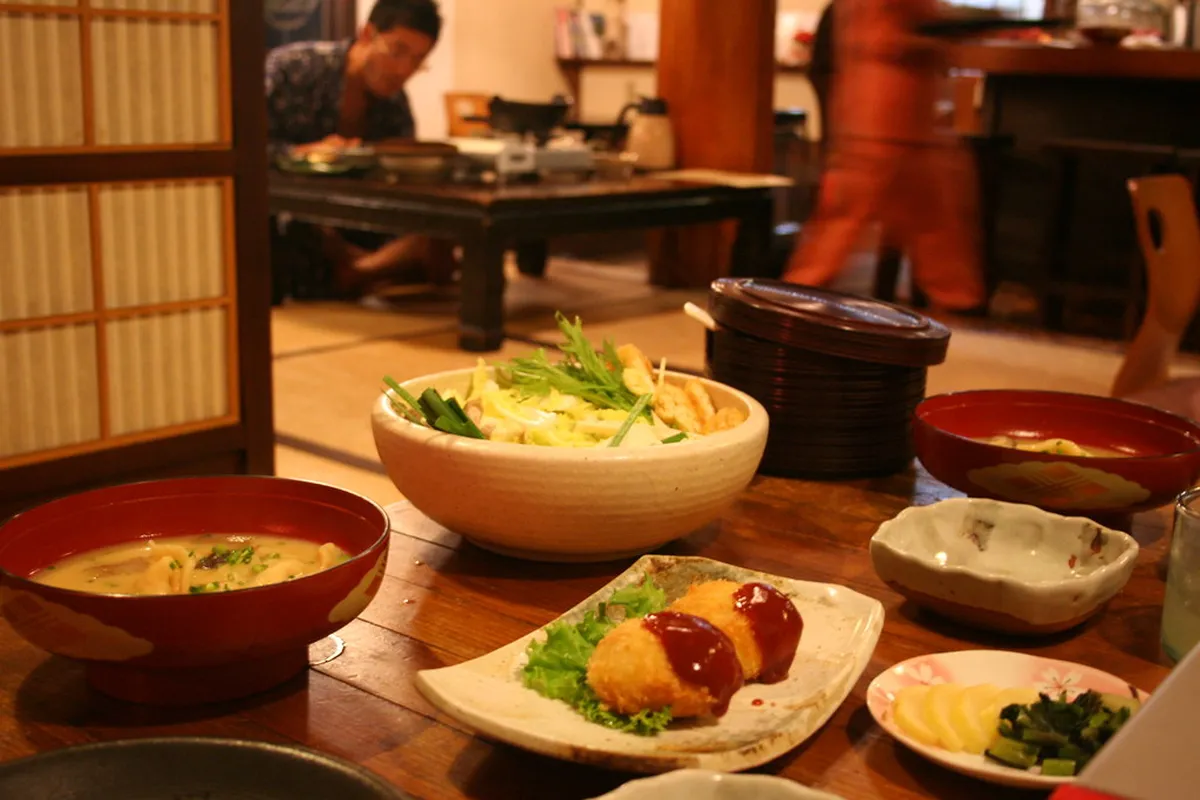
Staying overnight also unlocks the kaiseki dinner, which is the highlight for many visitors. These multi-course meals feature hyper-seasonal Oita ingredients: Bungo beef, local mountain vegetables, freshwater fish, and house-made tofu. The meal is usually timed, plated in your room or a private dining area, and takes 90 minutes to complete. No equivalent experience exists in a day-trip format.
The morning is the strongest argument for staying. Dawn at Lake Kinrin — with mist over the water and the outline of Mount Yufu visible behind it — is the image that defines Yufuin in every travel photograph. It is only accessible if you are already in town. The extra cost of even a mid-range ryokan is, in most travelers' experience, the most defensible spend of the entire Kyushu trip.
Frequently Asked Questions
Which area of Yufuin is best for first-time visitors?
The area between Yufuin Station and Yunotsubo Street is best for first-time visitors. It offers easy access to transport, major sights, and the best street food. Most major ryokans are within a 15-minute walk of this central hub.
How much does a typical ryokan stay in Yufuin cost?
A mid-range ryokan stay typically costs between $150 and $300 per person per night. This price usually includes a traditional multi-course dinner and breakfast. Luxury properties can exceed $600 per night for private villas.
Is it necessary to book Yufuin accommodation in advance?
Yes, you should book at least two to three months in advance for weekend stays. Yufuin is a popular destination for both domestic and international tourists. Peak seasons like autumn and spring sell out very quickly.
Choosing where to stay in Yufuin comes down to two decisions: how much access to town you want versus how much seclusion, and whether you are prioritizing a private onsen or a communal experience. Ryokan Yuri and Yawaragi-no-Sato Yadoya serve first-timers well. Yufuin Baien and Ikkoten suit those willing to spend more for space and nature. Yurari Rokumyo is the highest-rated property in town but books out fast — reserve it the moment your dates are confirmed.
Pack layers. The Oita valley cools quickly after sunset even in late spring, and walking between the ryokan and the outdoor bath in a yukata is considerably more pleasant when you are not fighting the cold. The combination of natural hot spring water, kaiseki food, and early-morning mist over Lake Kinrin is not replicated anywhere else in Japan quite the way Yufuin delivers it.
Free guide: Japan's Hidden Gems
12 under-the-radar places beyond Tokyo & Kyoto — with the best season to visit each and a local tip you won't find in the guidebooks.
You might also like


Continue reading
More guides you'll find useful