12 Best Yufuin Hidden Gems and Secret Spots (2026)
Discover the 12 best Yufuin hidden gems, from secret hot spring craters to quiet shrines. Plan your perfect Kyushu escape with local tips and booking advice.
On this page
After my third visit to Oita Prefecture, I realized most travelers only scratch the surface of this charming onsen town. While the main shopping street is delightful, the true magic lies in the quiet corners and volcanic landscapes nearby. This guide collects the twelve yufuin hidden gems that reward travelers who go a little further than the standard tourist trail.
Last refreshed in 2026, these picks span spiritual shrines, volcanic craters, quirky museums, and street food stalls that often sell out before noon. Whether you have a full day or two nights, this selection gives you a framework to experience Yufuin the way locals actually do.
Essential Things to Do in Yufuin
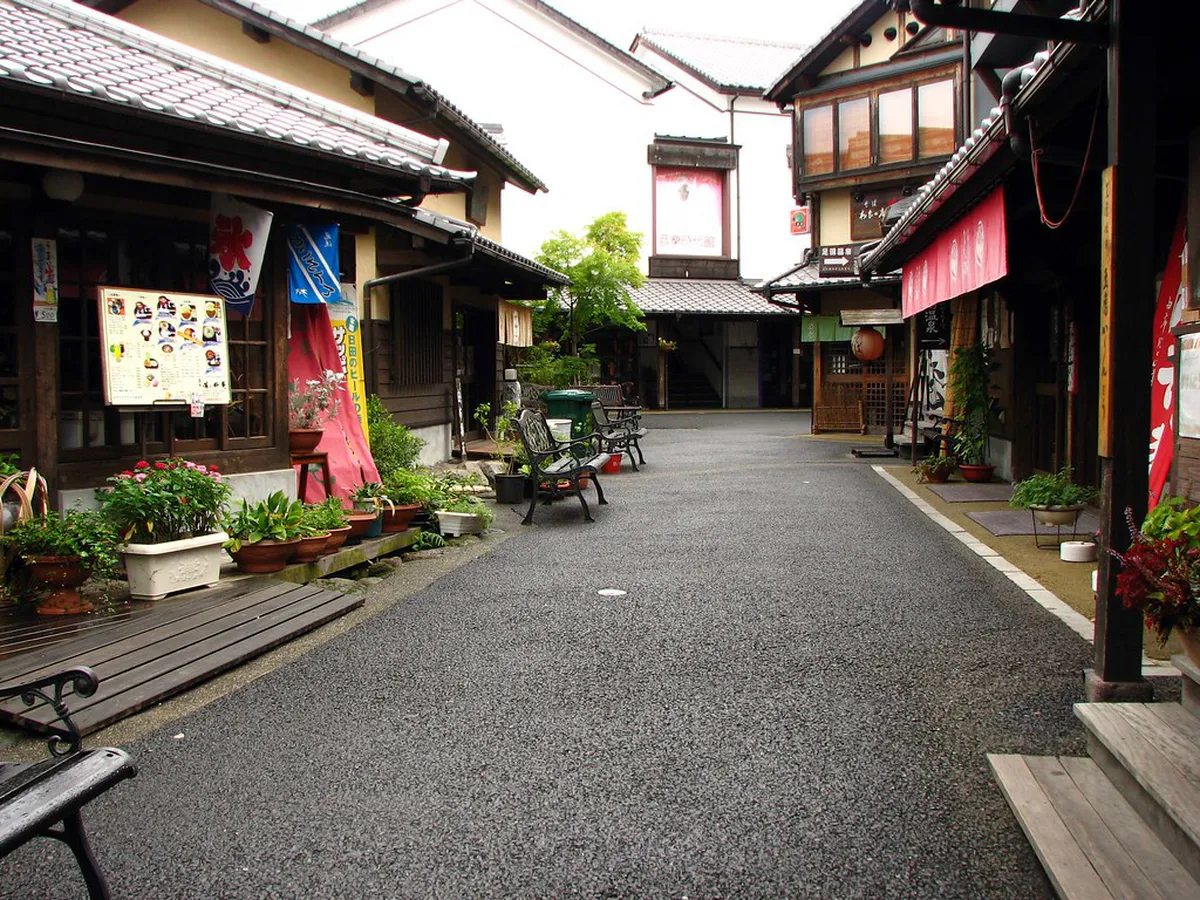
The backbone of any visit is the 800-metre Yunotsubo Kaido shopping strip that runs from the station toward Lake Kinrin. The street is lined with ceramic shops, sake boutiques, and the official Studio Ghibli store — easily an hour of browsing without rushing. Yufuin Onsen remains one of Japan's best-preserved onsen towns, and the Kaido embodies that spirit. Pick up a hand-wrapped souvenir or two, but save your appetite for later stops.
A Rickshaw Experience in Yufuin is one of the best ways to escape the main road. Drivers take you through backstreets and rice paddies that most day-trippers never see, while sharing stories about the town's history. A 30-minute tour runs around ¥9,000 for two people and departs near the station.
Walking down to Lake Kinrin takes about 20 minutes from the station along the scenic river path. The lake is free and always open. A small shrine sits on the far bank, giving you the most iconic photography angle in Yufuin with Mt. Yufu framed in the background. Arrive before 7:00 in autumn or winter to catch the thermal mist drifting off the water's surface — it's caused by warm hot spring water meeting cold morning air and disappears quickly once the sun rises.
Horse-drawn rickshaws also cruise the main street daily. If you prefer a slower pace, the Yufuin Nature Walkway traces the Oita River through the quieter "country street" district behind town, where the crowds thin out and the scenery opens up toward Yufudake.
Must-See Yufuin Hidden Gems
Unagi Hime Shrine is a 15-minute walk from the station and sits in a precinct that has been sacred for around 1,200 years. An enormous cedar stump greets you on the path to the main hall — the original tree stood over 55 metres tall and fell in a 1991 typhoon. The stump itself is now designated a natural monument of Yufu City. The shrine is free, always open, and feels worlds away from the crowded lake.
Ogosha Shrine on the southern edge of town is another worthwhile detour. A 1,000-year-old cedar with a hollow large enough to stand inside awaits at the end of a 20-minute walk through residential streets and rice paddies. There are no entry fees and almost no tourist infrastructure — just the tree, the moss, and silence.
The Sa Giri Fog Stand sits at roughly 680 metres altitude on Prefectural Route 11, the scenic road that connects Yufu City to Beppu. From this viewpoint the entire Yufuin basin appears to float in a white sea of mist on cold, clear autumn and winter mornings. A small parking area and souvenir shop operate at the stand. Getting there requires a car or a ¥2,000 taxi ride; no public bus covers the final stretch. Set your alarm for 05:30 and check the overnight temperature — the colder the better for maximum mist depth.
Visiting Nanzoin Temple makes an ideal stopover if you are traveling from Fukuoka. Break your journey at Kido-Nanzoin Mae Station on the JR Sasaguri Line, just 30 minutes from Hakata. The temple houses the world's largest reclining bronze Buddha, stretching 41 metres long and weighing 300 tonnes. The grounds are free to enter; the inner prayer room costs ¥500. Allow 90 minutes and dress modestly. Most Fukuoka-to-Yufuin travelers pass straight through — stopping here adds almost no extra time and gives you something no other traveler at your ryokan dinner will have seen that day.
Tsukahara Hot Spring Crater: A Local Secret
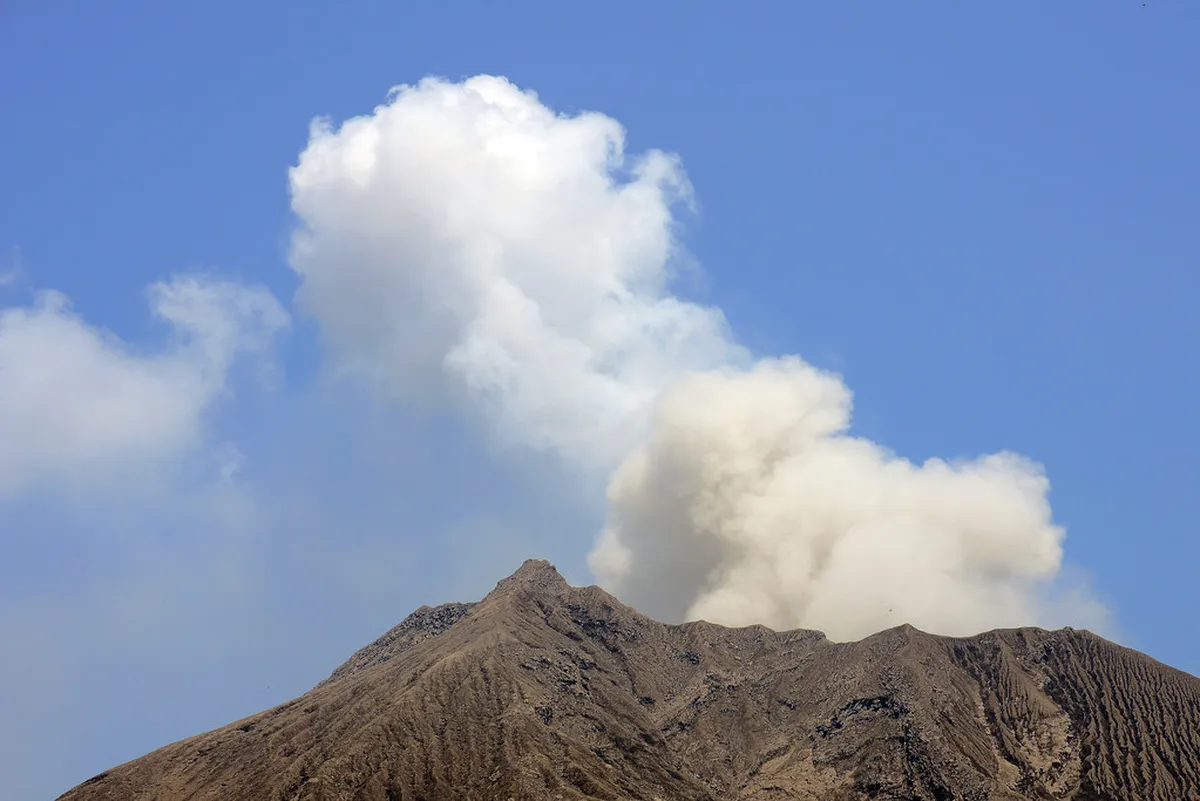
About 15 minutes from town by car lies one of Kyushu's most unusual bathing spots. The Tsukahara Hot Spring Crater sits at around 800 metres altitude on the slopes of Mt. Io (also called Tsurumi), an active volcano that also feeds the famous Beppu hot springs below. The water registers a pH of 1.4 — placing it among Japan's three certified large medicinal bath springs — and it visibly churns with geothermal energy.
A short walking route leads from the bathhouse to the actual crater in about five minutes. You can stand next to the steam vents and feel the heat rising from below — an experience with no equivalent in Yufuin town itself. The indoor bath costs ¥500 per adult; the outdoor bath is ¥600. Hours run 9:00–19:00 from March through July, and 10:00–18:00 from August through February.
One detail almost every visitor misses: on-site staff cook steamed eggs in the geothermal discharge for around 20 hours overnight. The hot spring minerals permeate the shell, turning the white a pale brown and giving the yolk a smoky, sulfurous depth you cannot replicate at home. A bag of two eggs costs around ¥300 and is sold at the small shop by the crater entrance. It is the best ¥300 snack in all of Oita Prefecture, and almost no travel blog mentions it exists.
Remove all silver jewelry before entering the water. A pH of 1.4 will tarnish it irreversibly within minutes. The facility closes on irregular days, so call ahead: +81-97-785-4976.
Museums, Art, and Culture in Yufuin
The Comico Art Museum Yufuin is the most architecturally significant building in town. Designed by Kengo Kuma, the museum integrates timber and glass into the forested hillside near the river. The collection focuses on contemporary Japanese art and the building itself is as impressive as anything inside. Tickets run around ¥1,700 for adults; opening hours are 9:30–17:30 daily. Book online to reserve the rooftop deck, which frames Mt. Yufu without obstruction.
The Yufuin Showa Museum reconstructs a Japanese town from the 1950s inside a single building. Full-size shop fronts, vintage automobiles, retro toys, and period household goods fill the narrow interior streets. It costs about ¥800 to enter and takes around 45 minutes to explore. The Showa Museum is a reliable rainy-day option and provides a vivid contrast to the nature-first rest of the itinerary.
Next door in spirit is the Retro Motor Museum, tucked near the end of the main walking path. Classic cars and motorcycles from Japan and Europe fill several rooms at ¥800 admission. The museum is almost always quieter than the shops nearby, making it a good mid-afternoon refuge when the street gets crowded.
Yufuin's gallery culture extends beyond these anchors. Several independent pottery studios and textile workshops operate in the lanes off the main road. Many allow visitors to watch artisans at work and purchase pieces directly, with no reservation required.
Parks, Gardens, and Outdoor Spots
Yufuin Floral Village sits roughly halfway between the station and the lake. The English cottage architecture looks out of place in Kyushu — intentionally. Entry is free; small fees apply for the owl forest and cat cafe sections. The hidden corners here include a Miffy store and a Studio Ghibli goods shop that many visitors walk past. After 16:00, day-trip crowds thin noticeably and the village's photogenic lanes become much more relaxed.
The Mt. Yufu trails begin about 40 minutes from town by bus or taxi. The active volcano rises to 1,583 metres and offers two crater peaks connected by a saddle trail. The standard round trip from the trailhead takes three to four hours and rewards hikers with sweeping views across the Oita basin. For official trail information and seasonal updates, consult Visit Kyushu's comprehensive guide. Trails are typically accessible from April through November; check conditions at the Yufuin Tourist Information Center near the station.
Back in town, the riverside esplanade circling Lake Kinrin is only about 400 metres in circumference but packed with detail. A small Shinto shrine called Tomodachi Jinja sits at the southeastern edge with a red torii that appears to emerge from the water. The Osugi cedar stump designated as a natural monument stands within the shrine precincts — the same tree referenced in the Unagi Hime accounts, but this particular stump is at the lakeshore shrine. Early morning is the only time you will have this spot largely to yourself.
Family-Friendly and Budget-Friendly Options
Yufuin Floral Village's Snoopy Tea House is the most photographed building in the village. Lines form quickly after 10:00, so arrive at opening (09:30) if your group wants to sit inside. The drinks and snacks are pricier than average but the Snoopy-themed interiors are genuinely charming for children and adults alike.
The Ghibli Store (Donguri no Mori) near the start of Yunotsubo Kaido carries official merchandise from Spirited Away, My Neighbor Totoro, Kiki's Delivery Service, and other films. Stock turns over and rare items appear without warning. It is free to browse, easy to spend time in, and one of only a handful of official Ghibli stores outside Tokyo.
For families watching their budget, the majority of Yufuin's outdoor spaces — both shrines, the lake, the riverside walk, the nature trail — are completely free. A well-planned day can deliver enormous variety at a very low cost outside of one paid museum and a street food budget of ¥2,000–¥3,000 per person. Avoid the cluster of souvenir stalls right outside the station exit; prices are uniformly higher than identical items sold 200 metres down the road.
Yufuin's Best Street Food and Hidden Cafes
The B-speak P-Roll Cake is the most famous food souvenir in Yufuin. The shop opens at 10:00 at the start of Yunotsubo Kaido. Cakes routinely sell out by noon, especially on weekends and holidays. Call the bakery the day before (Japanese only, but staff are patient with non-native speakers using simple phrases) to reserve a full roll (¥1,620) or a slice (¥540) for pickup. A whole roll serves four to six people and travels well in the paper carry box.
Yufumabushi Shin serves its signature clay-pot rice in a specific three-way sequence that most visitors don't know about in advance. First, eat a bowl of plain rice with the toppings — grilled local chicken or seasonal ingredients — to taste the pure flavors. Second, add condiments (green onion, sesame, wasabi) and eat another portion. Third, pour the accompanying dashi broth over the remaining rice and eat it as a soft ochazuke-style soup. The charred crust at the bottom of the clay pot, called okoge, is considered the best bite. Meals cost ¥2,500–¥3,500. The branch near the station typically has a shorter wait than the lake-area location; even so, expect 30–60 minutes at peak lunch time (11:30–13:30). Arrive before 11:00 to minimize your wait.
The Yufuin Kinsho Croquette stall on the main street sells hot croquettes filled with locally sourced beef and potato for around ¥200 each. They're fried to order and eaten standing up — the ideal snack between museum visits. For something sweet, Milch near the lake entrance serves Yufuin milk soft-serve ice cream that uses dairy from local farms. It costs about ¥450 and has a shorter queue than the more-advertised goma (sesame) ice cream shops.
Stop at Yufufu Yufuin Ekimae near the station for their famous egg pudding before your return train. It is a local favorite and a better use of ¥450 than the souvenir cookies sold at the station kiosk. Most shops close by 17:30, so plan all eating earlier than you would in a city.
How to Plan a Smooth Yufuin Day Trip
Most visitors arrive via the Yufuin no Mori scenic train from Fukuoka. Operated by JR Kyushu, this limited-express runs three times daily from Hakata Station (journey time: 2 hours 15 minutes). Seats sell out weeks ahead during spring and autumn peaks — reserve as soon as the booking window opens, which is typically one month before departure. The JR Kyushu Rail Pass or the broader JR Sanyo-San'in-Northern Kyushu Area Pass both cover the Yufuin no Mori at no extra charge beyond seat reservation fees.
If you plan to also visit Beppu or Dazaifu on the same trip, a guided Dazaifu, Yufuin, Beppu Ropeway, and Kamado Jigoku Day Tour handles all the logistics and is often cheaper than buying separate tickets for each site. The tour covers the Dazaifu Tenmangu Shrine, Yufuin town, and Beppu's geothermal hells in a single day from Fukuoka.
Coin lockers at Yufuin Station fill up quickly on busy mornings. Several shops near the exit also offer luggage delivery to your ryokan for a small fee (typically ¥500–¥1,000 per bag), which lets you start walking immediately. Carry at least ¥10,000 in cash — smaller street food stalls and older shops remain cash-only in 2026. The 7-Eleven near the station has a reliable international ATM.
The optimum seasonal windows are mid-November for autumn foliage and January to February for the most dramatic morning mist over Lake Kinrin. Typhoon season (July–October) brings heavy rain that can limit outdoor activities considerably. According to the Visit Oita Official Tourism Website, the shoulder seasons offer the best combination of weather, scenery, and manageable crowds.
Where to Stay: Best Ryokan Recommendations
To truly experience the region, spend at least one night in a traditional Japanese inn. The 12 Best Ryokan in Yufuin: Top Onsen and Stay Guide typically feature private open-air baths (rotenburo) with views of Mt. Yufu. Staying overnight allows you to enjoy the town after the day-trippers have departed — after about 17:00, the streets feel entirely different.
Ryokan Yuri is among the most affordable well-rated options, located close to the station. Despite its modern exterior, the staff create a genuine family atmosphere and breakfast (not included in some plans) uses fresh local ingredients. Yufuin Baien is a larger property with open garden space and a view of Mt. Yufu from the shared onsen area. Most rooms have private baths and a Kaiseki dinner plan is available. Book a room at Yufuin Baien now to secure a weekend date well in advance. Ikkoten at the luxury end offers private villa rooms with open-air baths set in dense forest — remote but the staff arrange all transport.
Mid-range properties such as Yawaragi-no-Sato Yadoya (Google Maps: 4.6/5) sit within walking distance of Yunotsubo Kaido and Lake Kinrin, with both Western and Japanese-style rooms available. Yurari Rokumyo is the highest-rated ryokan in town (4.8/5) and has only a handful of rooms, so book two to three months ahead for weekend stays. Full-service ryokan rates range from ¥25,000 to ¥60,000 per person per night including dinner and breakfast.
Ryokan with a Private Onsen Experience
A private onsen (kashikiri onsen) is the single feature that separates a Yufuin ryokan stay from staying at any other hotel in Japan. Unlike the shared communal baths at Beppu's larger resort complexes, private onsen at Yufuin inns are typically booked in 45-minute to one-hour slots for exclusive use by your group. Many properties include the first booking free with an overnight stay and charge ¥1,500–¥3,000 per session for additional slots.
Before entering any onsen, wash your body fully at the shower stations inside the bathing room. Keep hair tied up to avoid contaminating the water. Most Yufuin baths use unfiltered natural spring water, which means the mineral composition is genuine but can irritate sensitive skin after extended soaking — 20 minutes is usually the recommended maximum per session. Drink water between soaks.
Tattoos remain a sensitive topic. Traditional ryokan may still decline entry to tattooed guests in communal baths, but properties that offer exclusively private baths (including Ikkoten and several smaller inns) typically enforce no such restriction since only your own group is present. Confirm the property's policy at booking if this applies to your group. For a deeper primer on rules and etiquette, review our full Yufuin Onsen Etiquette: A 2026 Guide for Travelers before your visit.
Practical Tips for a Yufuin Adventure
Most shops close by 17:30 and restaurants by 20:00. Plan your meals and shopping to finish by early evening. The quietest, most rewarding part of a Yufuin stay happens after the last day-trip buses depart — use that window to revisit Lake Kinrin or explore the side streets without crowds.
The mist over Lake Kinrin is strongest just after sunrise — hot spring water meets cold morning air to create the effect. Arrive before 7am in autumn or winter for the most dramatic display.
While many shops now accept credit cards, smaller yufuin hidden gems and street food stalls remain cash-only. Carry at least ¥10,000 in small bills for snacks, temple offerings, and local transport. For a broader look at food stops to pair with your sightseeing, check our Yufuin Food Guide: 10 Best Places to Eat.
The Tsukahara Hot Spring Crater has an extremely acidic pH of 1.4. Remove all silver jewelry before entering — the water will tarnish it instantly.
Build a The Perfect 2-Day Yufuin Itinerary: 10 Essential Stops that alternates between active spots and rest — the town is physically small but the emotional pace is slow by design. One rushed day will leave you wishing you had stayed the night. If you only have a day trip, prioritize Lake Kinrin at sunrise, one paid museum, Yufumabushi Shin for lunch, and B-speak for takeaway on the way back to the station.
Frequently Asked Questions
What is the best time to see the mist at Lake Kinrin?
The mist is most visible at sunrise during the colder months of autumn and winter. This phenomenon occurs when the warm hot spring water meets the chilly morning air above the lake's surface.
How do I secure a B-speak roll cake?
These popular cakes often sell out by noon each day. I recommend calling the bakery one day in advance to reserve a slice or a full roll for pickup.
Is a day trip from Fukuoka enough time for Yufuin?
A day trip allows you to see the main shopping street and the lake. However, staying overnight is better for visiting hidden gems and enjoying a traditional ryokan experience without rushing.
Yufuin remains one of Japan's most enchanting destinations because it rewards those who look beyond the surface. By visiting these yufuin hidden gems, you will discover a town rich in art, spirituality, and natural wonder. Whether you are soaking in an acidic crater or standing inside a thousand-year-old tree, the memories will last a lifetime.
Don't forget to check out our Yufuin Food Guide: 10 Best Places to Eat to find the best treats between your stops. Safe travels as you explore the quiet, misty corners of this beautiful Kyushu valley.
Free guide: Japan's Hidden Gems
12 under-the-radar places beyond Tokyo & Kyoto — with the best season to visit each and a local tip you won't find in the guidebooks.
You might also like

Continue reading
More guides you'll find useful